This California City Is Home To One Of The Most Vibrant Asian Communities In The State
Some cities reveal their personality slowly. Others make it obvious the moment you notice the restaurants, markets, signs, and gathering places shaping everyday life.
One city has built an identity deeply influenced by generations of Asian residents, and that influence reaches well beyond a handful of businesses.
Food is certainly part of the appeal, but focusing only on what is served at the table would miss a much bigger story.
Few corners of California turn an ordinary afternoon of eating, shopping, and wandering around town into such a rich cultural experience.
Spend a little time exploring and you begin noticing how much character is packed into everyday places.
Community, migration, family businesses, and decades of change helped shape what exists today, giving this city a cultural personality that feels entirely its own.
Asian Residents Make Up A Majority Of The Population
Census records tell a story that few American cities can match.
By 1990, the community had become the first city in the continental United States with a majority Asian population.
That milestone did not happen overnight, and it did not happen by accident either.
Today, roughly 64 to 65 percent of residents identify as Asian, a share that shapes almost everything a visitor notices.
Menus appear in two or three languages, bank branches post signs in Chinese characters, and neighborhood bulletin boards carry notices for community classes and cultural groups.
The effect is not staged for tourists, which is exactly what makes it feel so genuine.
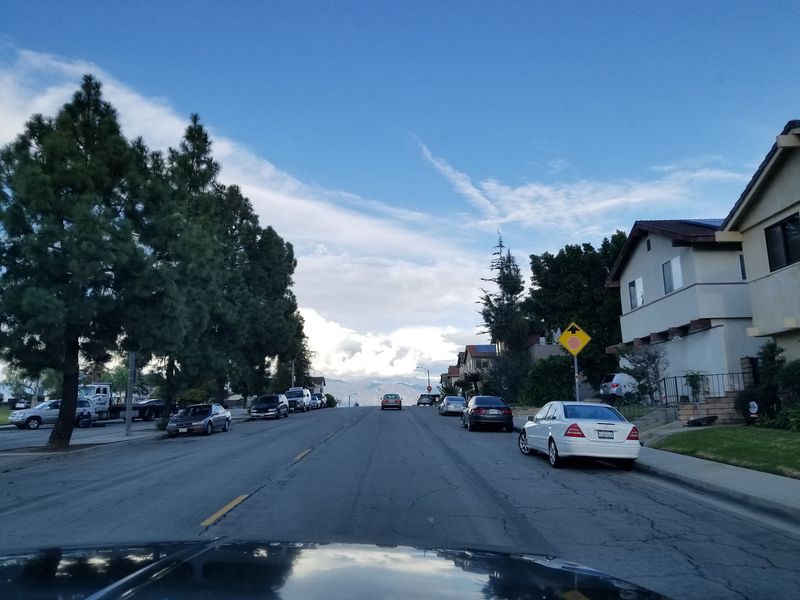
Walking through residential blocks reveals modest mid-century homes with well-tended front yards and the occasional citrus tree.
Small commercial pockets sit close to housing, so errands happen on foot more often than in many Southern California suburbs.
Mornings feel unhurried, with older residents walking laps around parks before the heat settles in.
Understanding the demographics helps visitors approach the city with respect rather than novelty.
Plenty of businesses operate primarily for neighbors, not travelers, and a friendly attitude goes a long way.
A Major Hub For Chinese American Life Took Shape Here
Few suburbs have influenced Asian American history the way this one has.
Starting in the 1970s, immigrants from Taiwan and Hong Kong began settling in large numbers, later joined by families from mainland China and Vietnam.
Their arrival reshaped local business districts within a single generation.
What grew from that shift was a self-sustaining community rather than a single ethnic enclave squeezed into a few blocks.
Banks, medical offices, law practices, insurance agents, and grocery stores all serve Chinese-speaking customers.
Families could handle nearly every part of daily life without leaving the neighborhood, which is a rarity in American suburbs.
Visitors often notice how ordinary it all feels, and that is the point. There is no themed gateway arch or manufactured tourist district here.
Instead, commerce spreads across plazas, corner lots, and second-floor suites reached by outdoor staircases.
For anyone curious about how immigration reshaped Southern California, spending a few hours here offers a clearer picture than any museum panel could.
Mandarin And Cantonese Fill The Air Around Town
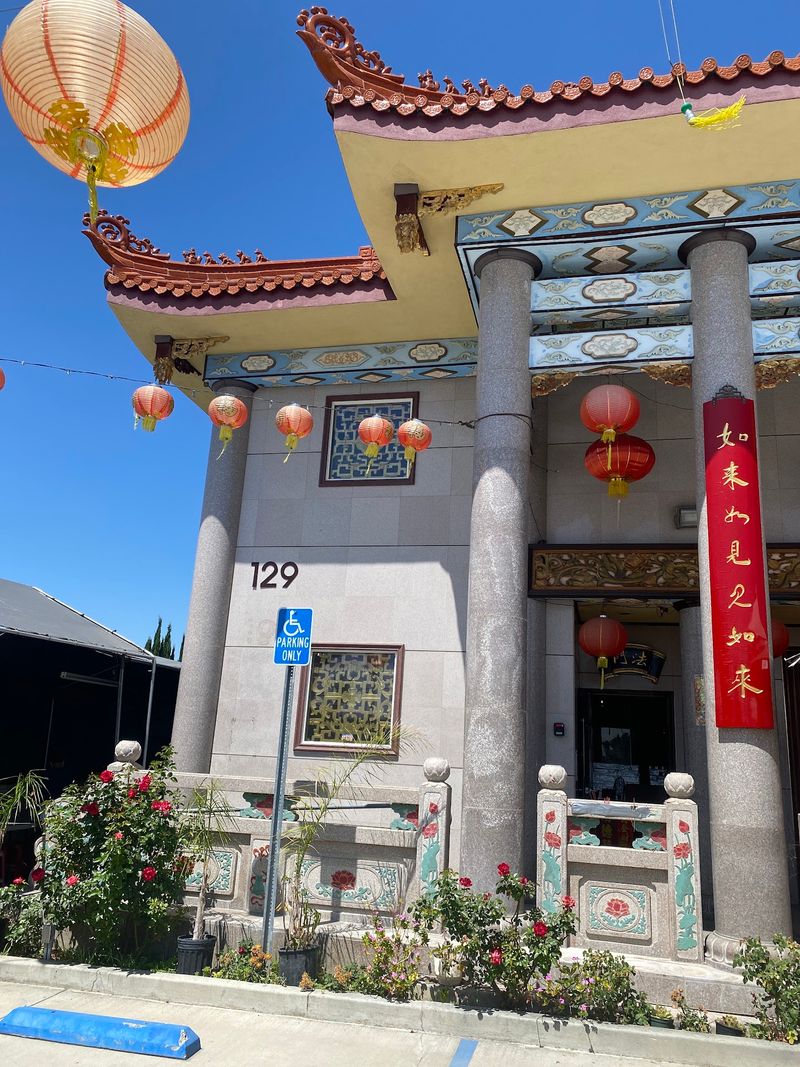
Listen for a moment outside a bakery and the soundtrack becomes obvious.
Mandarin and Cantonese are commonly heard throughout the city, often mixed with English within the same conversation. Vietnamese and other languages appear in the blend as well.
Language shapes the practical side of a visit in small ways worth knowing.
Some menus post Chinese text first with smaller English translations underneath, and a few counters rely on numbered photo menus.
Pointing works almost everywhere, and staff generally handle the exchange with quick efficiency rather than lengthy explanation.
The multilingual environment also shows up in unexpected corners.
Community flyers, real estate listings taped to windows, and grocery store announcements often run in more than one language.
Public signage from the city itself frequently includes translations as well.
None of this should feel intimidating to a first-time visitor. A simple greeting, a smile, and a bit of patience cover most interactions comfortably.
Anyone hoping to practice a few phrases will find plenty of low-pressure chances at tea shops and bakeries.
Learning to say thank you in Mandarin or Cantonese is a small gesture that people tend to appreciate.
Chinese Cooking Here Goes Far Beyond Familiar Takeout
Anyone expecting sweet and sour chicken is in for a pleasant surprise.
Kitchens across the city cook regional Chinese food with recipes tied to specific provinces and cities rather than generic American-Chinese menus.
Sichuan heat, Hong Kong comfort plates, and northern noodle traditions all share the same few square miles.
Farmer Kitchen focuses on Sichuan and Hong Kong-style comfort cooking with bold seasoning and generous portions.
The restaurant sits at 500 W Garvey Ave, Monterey Park, CA 91754, inside a practical commercial stretch with nearby parking.
Dishes such as spicy frog hot pot and pickled cabbage fish show how wide the regional range really goes.
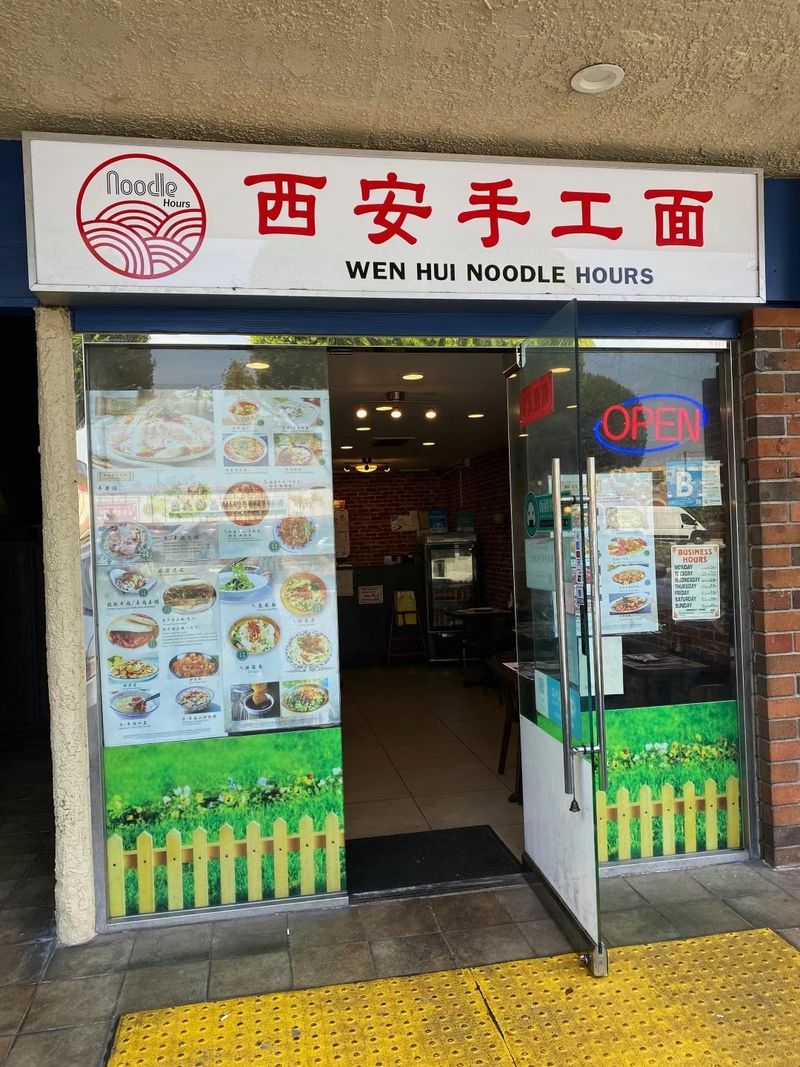
Hand-pulled noodles get their own devoted following at Wen Hui Noodle. The small dining room keeps things unpretentious and lets the chewy fresh noodles do the talking.
Xi’an spicy meat soup and Lanzhou-style bowls arrive hot and hearty, which suits cooler evenings nicely.
Spice levels can run higher than many visitors expect, so asking about heat before committing is reasonable.
Sharing several plates family style stretches the experience further than ordering one dish each.
Dim Sum Draws Weekend Crowds For Good Reason
Steamer baskets stacked three high tell you the morning has officially started.
Cantonese dim sum remains one of the biggest culinary draws in the city, pulling families together around large round tables.
The meal works best with a group, since variety is the whole point.
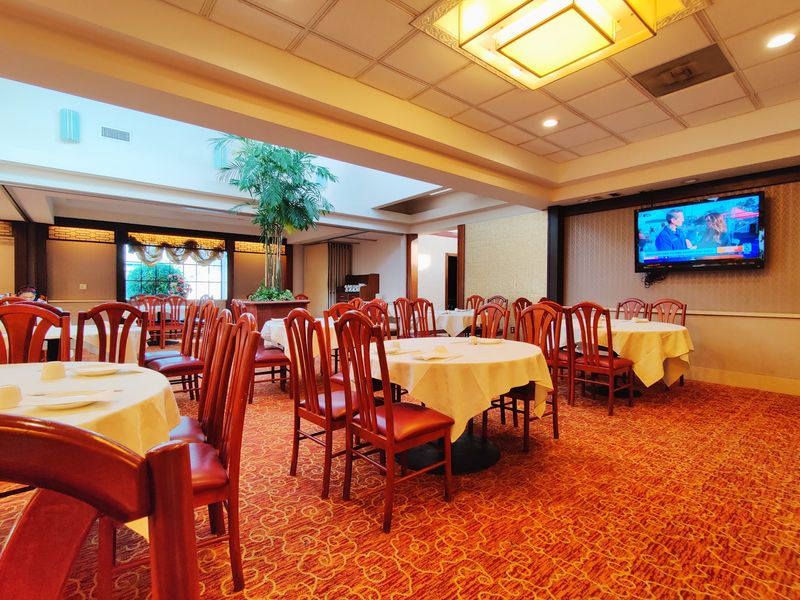
Monterey Palace Restaurant serves classic dim sum in a traditional setting built for that kind of communal eating.
The dining room at 1001 E Garvey Ave, Monterey Park, CA 91754 fills with lively conversation during weekend brunch hours, and lighting stays bright and welcoming rather than moody.
Service keeps a steady rhythm as plates of dumplings and savory buns reach tables in waves.
Newcomers sometimes feel unsure about the process, though it is simpler than it looks.
Tables typically receive a checklist or a rolling cart, and each item arrives in small portions meant for sharing.
Tea gets poured throughout the meal, and tapping two fingers on the table is a traditional way to say thanks.
Timing makes a real difference with dim sum.
Late morning on weekends brings the fullest rooms and the longest waits, while weekday mornings move faster.
Arriving earlier usually means a shorter wait and a calmer pace.
Taiwanese Breakfast Brings Early Mornings To Life
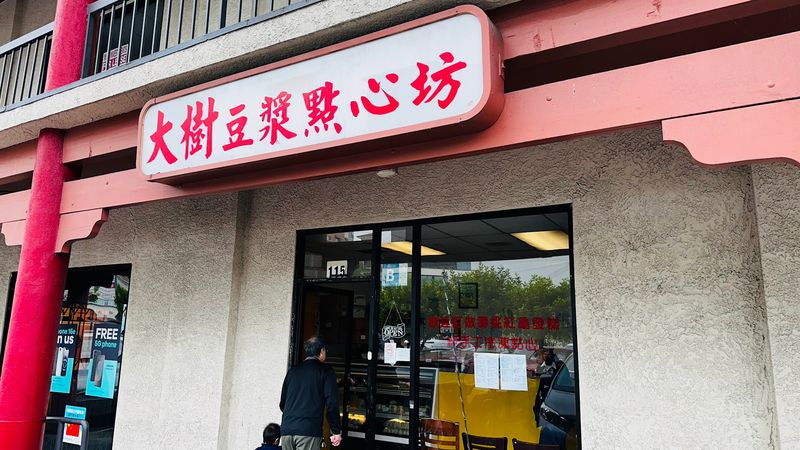
Breakfast starts earlier here than most Southern California neighborhoods expect.
Huge Tree Pastry specializes in traditional Taiwanese morning food and has built a loyal following for its fan tuan, savory rice rolls packed with fillings.
The shop operates in a modest strip mall with a no-frills counter setup.
Youtiao, the long Chinese crullers, often get paired with hot soy milk for a simple and filling start to the day.
Portions tend to be generous, and the food travels reasonably well if someone prefers to eat elsewhere. Seating is limited and turnover moves quickly during peak hours.
The crowd blends longtime regulars with curious visitors working their way through the San Gabriel Valley food scene.
Conversation stays casual, and the whole place runs on efficiency rather than ceremony.
Family-run operations like this one form the backbone of the local dining landscape.
Getting there early improves the odds of finding both parking and a seat.
Bringing cash is a safe bet at smaller breakfast spots, and ordering quickly once at the counter keeps things friendly for everyone waiting behind.
Vietnamese Pho And Banh Mi Add Another Layer
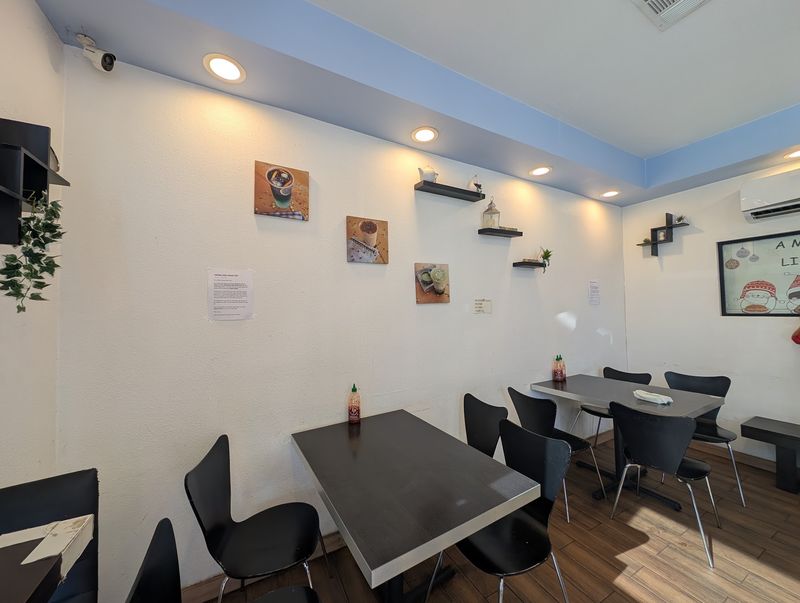
Chinese food may headline the city, but Vietnamese kitchens hold their own with real conviction.
Noodle City serves a wide range of Vietnamese noodle dishes in a relaxed setting that suits both solo diners and larger groups.
The restaurant has earned a steady reputation for flavorful pho and hearty portions. Vermicelli bowls and other traditional plates round out the menu nicely.
Broth-based meals like these feel especially satisfying on cooler evenings.
Herbs, lime, and bean sprouts usually arrive on the side so each person can adjust the bowl to taste. Sandwich lovers have a solid option too.
Banh Mi Hoa Phat builds its baguette sandwiches with crisp bread and fresh toppings, including fillings such as crispy pork belly.
The shop offers a quick counter-service experience rather than a sit-down meal.
Pacing here is fast, which works well for anyone squeezing in a stop between other errands.
The Lunar New Year Festival Fills Downtown Streets
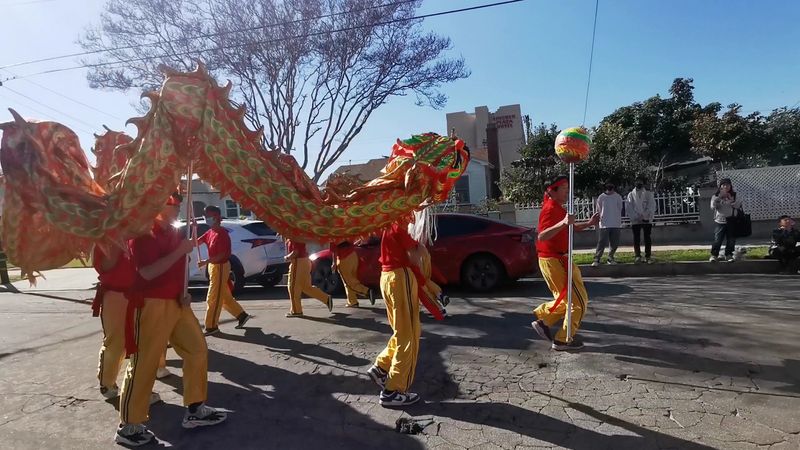
Once a year, the main commercial strip transforms completely.
The Lunar New Year Festival takes place in Downtown Monterey Park along Garvey Avenue, typically between Garfield and Alhambra Avenues.
The two-day event brings entertainment, food stalls, family activities, and rows of vendors into the closed roadway.
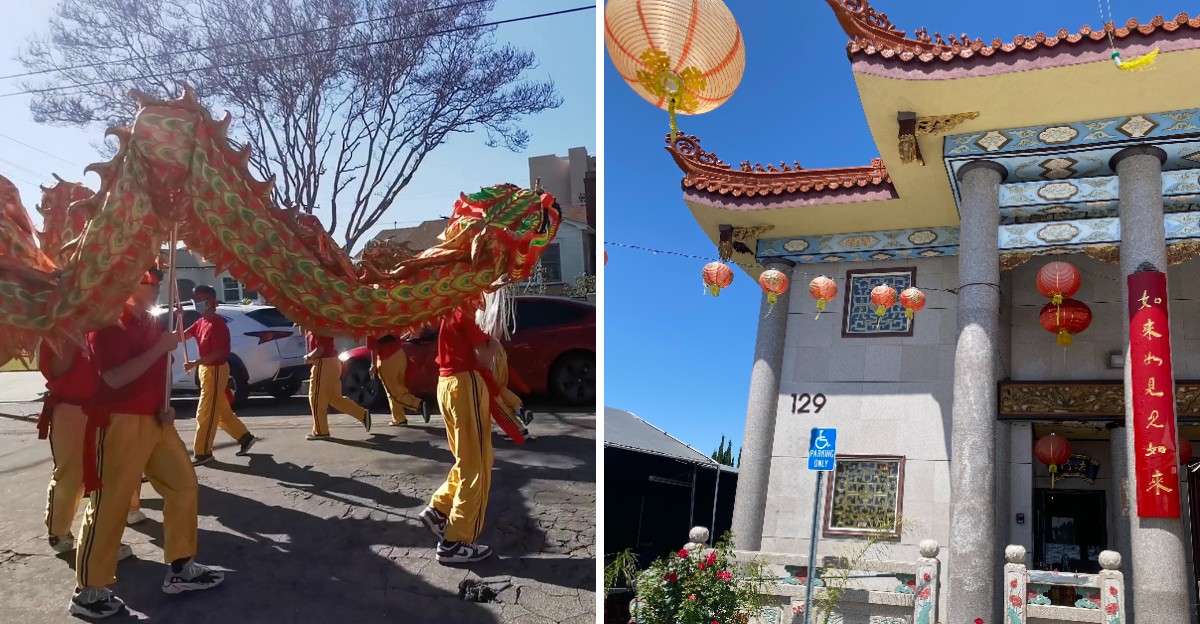
Past festivals have featured traditional lion and dragon dances along with cultural performances and a wide selection of street food.
Crowds number in the thousands, and the energy builds through the afternoon and into the evening. Admission has been free for all visitors.
Road closures are part of the setup, with Garvey Avenue between Garfield and Alhambra Avenues shut down to accommodate the festivities.
Parking fills quickly, so arriving early or planning a longer walk from a side street is wise. Comfortable shoes matter more than anything else for a day like this.
The 2027 festival has been scheduled for Saturday, January 23 from 10 a.m. to 9 p.m. and Sunday, January 24 from 10 a.m. to 7 p.m.
Details can change, which makes confirming ahead worthwhile.