This Kentucky Fabric Shop Also Runs Classes, Sells Machines, And Does Custom Embroidery
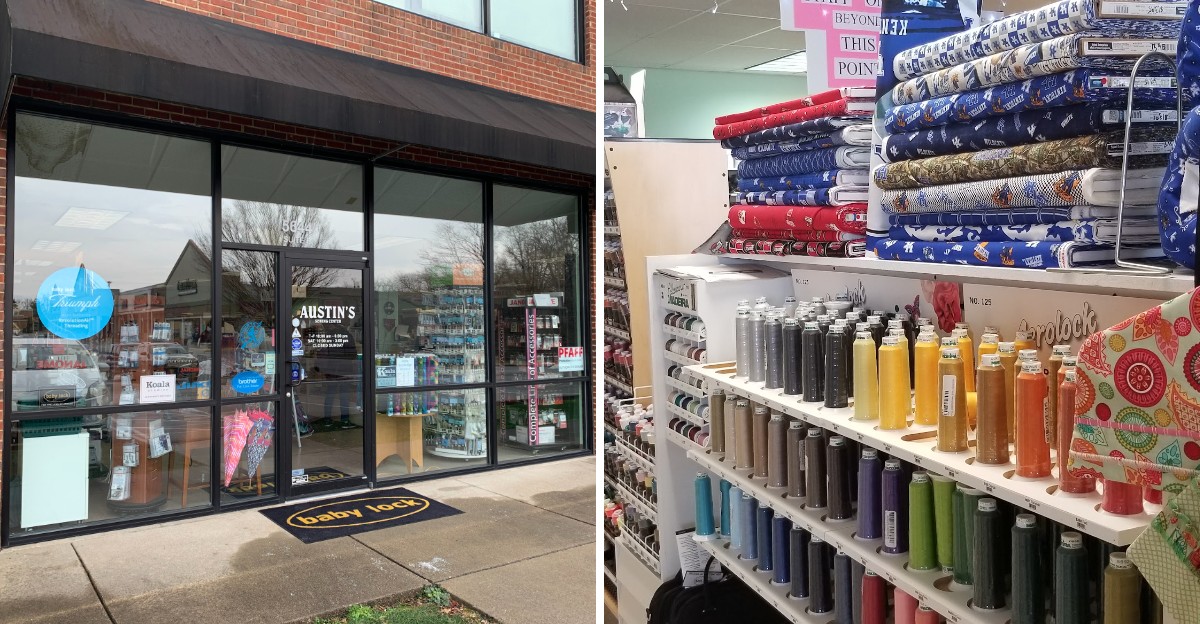
There are two kinds of sewing stores in this world. The first sells you thread and sends you home.
The second rearranges your whole weekend without asking. This Louisville, Kentucky, shop is the second kind.
It covers more than seven thousand square feet, which is a lot of room for temptation. There is a wall of thread in brands you have only seen online.
There are quilting cottons, bridal laces, and knit prints that are hard to find anywhere nearby. There is a long arm quilting area and a classroom with your name on a waiting list.
The machines in the showroom cost more than some cars, and the staff will explain every one of them patiently. You can also drop off a stack of shirts and pick them up with custom stitching.
The shop has been at this for more than fifty years. Bring a project and some self control.
Fabric Walls That Make You Forget Your Shopping List
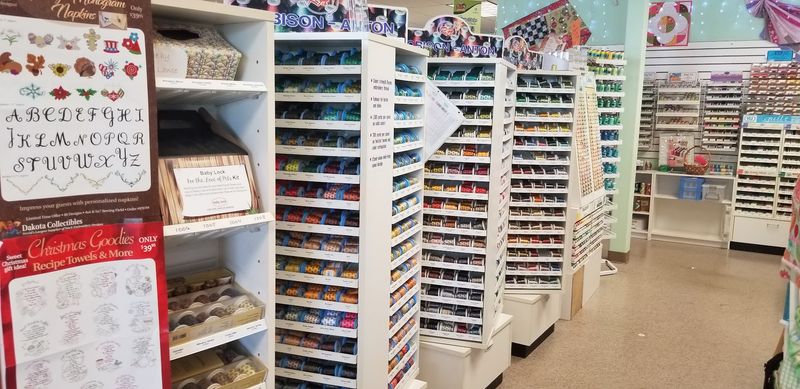
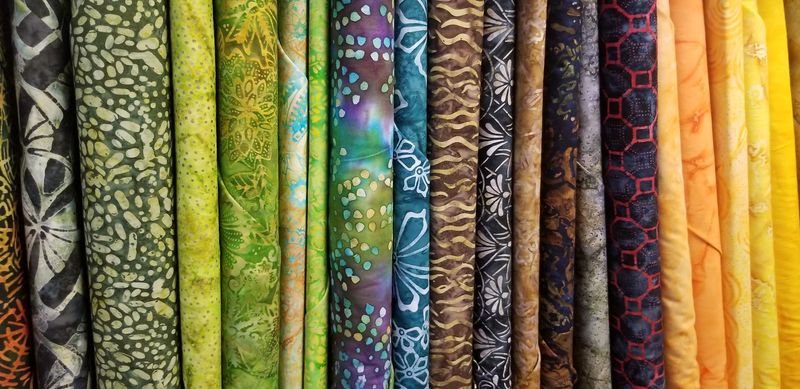
Austin’s Sewing Center greets you with color stacked floor to ceiling. Quilting cottons, wide backings, and soft batting fill row after row.
Shoppers regularly mention the fabric selection as the reason they keep driving back. Big-box craft stores simply do not carry this depth.
Designer lines and trusted brands sit side by side here. That means thousands of prints to compare before you commit to one.
The fashion and bridal side is just as serious. Knit prints, silks, and velours share space with bridal laces and beaded fabrics.
Appliques and shimmering trims round out the formalwear corner. Prom and wedding sewists tend to head straight there.
Staff will give newcomers a quick tour of how everything is organized. That small kindness saves you a lot of aimless wandering.
Bring your pattern envelope and any coordinating scraps. Matching under real store lighting beats guessing at home.
Touch matters with fabric, and this is a touching kind of store. Drape a corner over your hand before you buy.
The parking lot is generous, which sounds boring until you have a trunk full of bolts. Loading up is easy here.
You will find it at 5640 Bardstown Rd, Louisville, Kentucky.
Machines For Every Skill Level And Budget
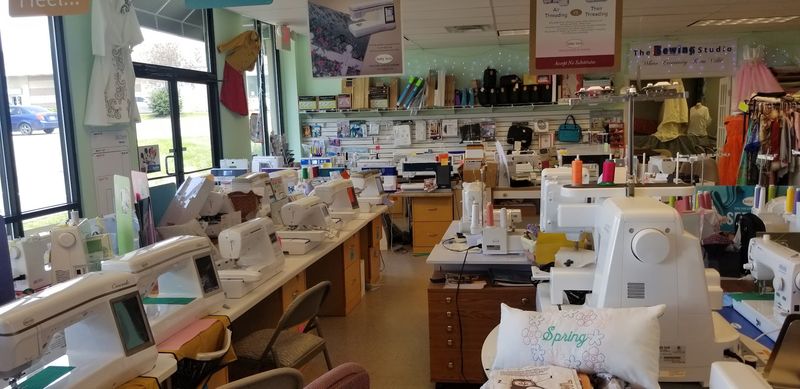
Machine shopping can feel like buying a car without a test drive. Here you get to sit down and actually stitch.
Baby Lock, Pfaff, Brother, and Juki all share the showroom floor. That range covers first-timers and full-time embroidery businesses alike.
Price points vary widely, so nobody gets pushed toward the top shelf. Customers often note that staff recommend based on what you sew.
Accessories, parts, and software live here too. Feet, needles, hoops, and upgrades are all under one roof.
Koala and Tailor Made cabinets are available if your setup needs real furniture. Sewing chairs are sold alongside them.
A proper cabinet changes how long you can work comfortably. Your shoulders will notice the difference by hour three.
Bring a scrap of your usual fabric when you shop. Testing denim or knit tells you far more than muslin will.
Ask about stitch counts, throat space, and hoop sizes before deciding. Those three details shape most projects.
Multi-needle embroidery machines get real attention from this crew. Owners of those machines rely on the shop for service.
Take your time. A machine purchase should outlast several trends in fabric prints.
Classes That Turn Beginners Into Finishers
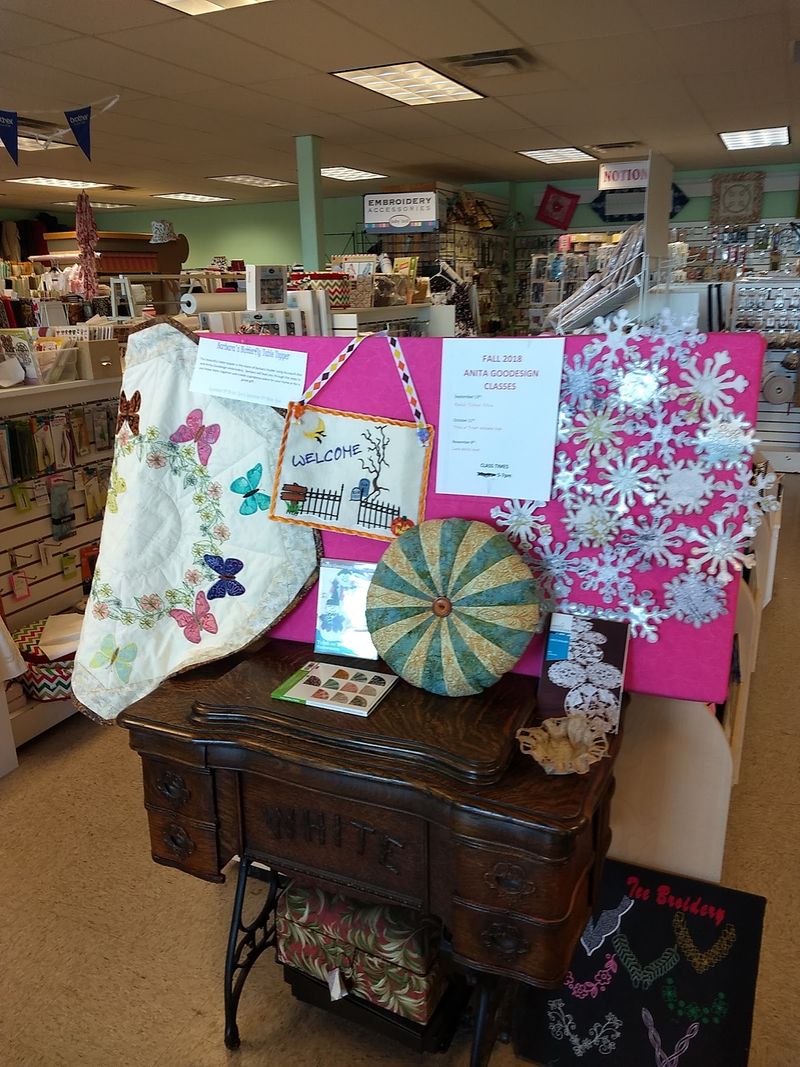
Owning a machine and using a machine are two different hobbies. Classes here close that gap fast.
The schedule runs from absolute-beginner basics to advanced techniques. Quilting and machine embroidery both get dedicated sessions.
There is an Embroidery Club for people who want ongoing practice. Regulars treat it like a standing appointment.
A Mondo Bag class shows up on the calendar too. Big, bold, and useful is a good combination.
Practical topics are not ignored. Basic Sewing Machine Maintenance and Jeans Hemming are both taught.
Hemming jeans sounds small until you realize how often you need it. One class can save years of cuffing.
The shop has a main classroom plus a private classroom. Smaller groups mean more hands-on help.
Students frequently praise the teaching here in their reviews. Patience seems to be part of the job description.
Sign up early for popular sessions. Seats are limited by the size of the room.
Bring your own machine when the class allows it. Learning on the exact model you own sticks better.
Write down what confuses you before you arrive. Instructors can answer specific questions much faster than vague ones.
An On-Site Repair Bench That Fixes Things
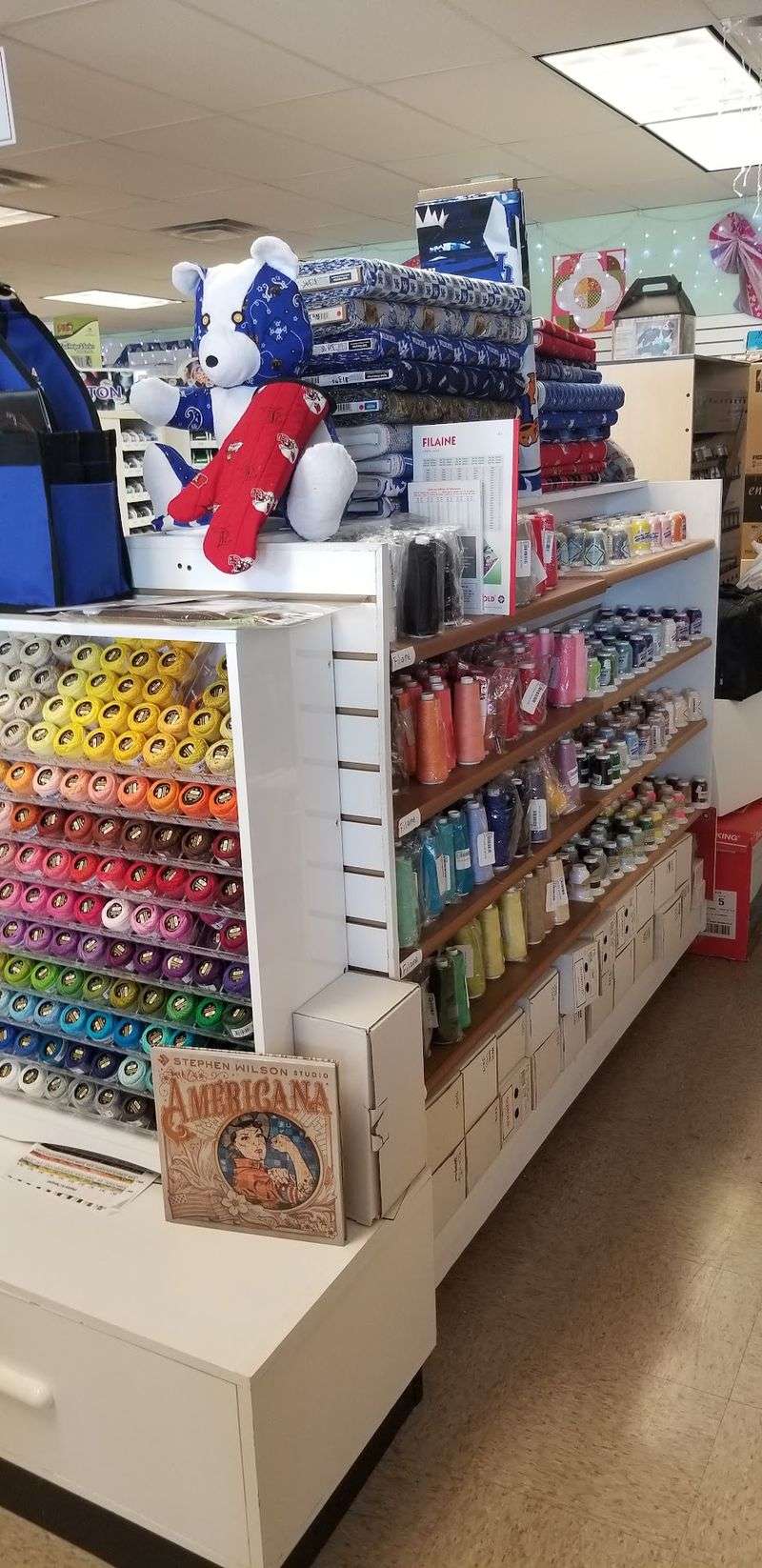
A machine that jams mid-project can stall a whole season of sewing. The service counter here exists for exactly that panic.
Repairs and tune-ups happen on site. All brands of sewing machines and sergers are accepted.
Industrial machines get serviced too. That is rare for a retail storefront.
You do not need to have bought the machine here. Customers mention that policy often and appreciate it.
Small fixes sometimes get handled while you wait. A stubborn bobbin case has been known to leave working again.
Thread fuzz and lint buildup cause more problems than most owners realize. A cleaning can restore stitch quality on its own.
Bring your foot pedal, power cord, and a fabric sample. Technicians can replicate the problem much faster with those.
Describe the symptom, not your theory. Skipped stitches and thread nests point to different causes.
Annual servicing keeps an expensive machine running for decades. Treat it like an oil change for your hobby.
Vintage Singers are welcome as well. Replacement parts for older models are often in stock.
Custom Embroidery With Your Name On It
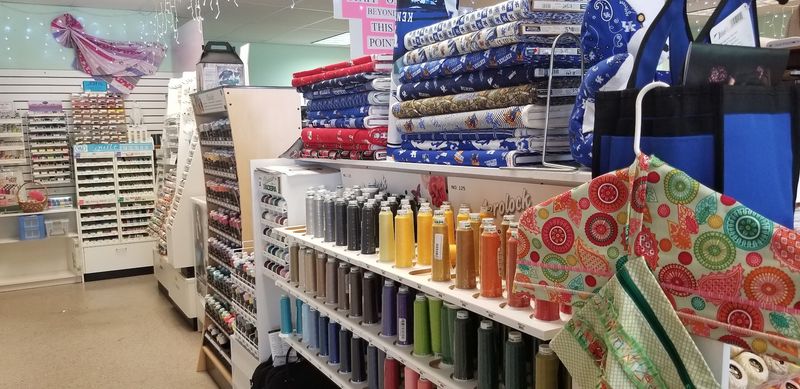
Monograms make an ordinary gift look expensive. Custom embroidery is one of the services offered here.
Designs can be added to almost anything you bring in. Names, logos, and dates are all fair game.
Team gear, work shirts, baby blankets, and towels are common candidates. The idea in your head can end up stitched in thread.
Thread color choices matter more than people expect. Contrast decides whether a design pops or disappears.
Bring the actual item plus a clear picture of what you want. Clarity up front prevents surprises later.
Fabric type affects stitching results. Stretchy knits and thick towels need different handling.
Alterations are part of the lineup too. Formal alterations for prom and wedding apparel are a specialty.
Formalwear tailoring takes skill and time. Plan ahead rather than showing up the week of the event.
Beaded and lace gowns require careful hands. Experience with bridal fabric is exactly what you want here.
Ask what the shop can and cannot do before committing. Staff will point you elsewhere if a job falls outside their services.
Personalized pieces tend to become keepsakes. That is the quiet appeal of thread with your name in it.
Threads, Notions, And The Small Stuff That Saves Projects
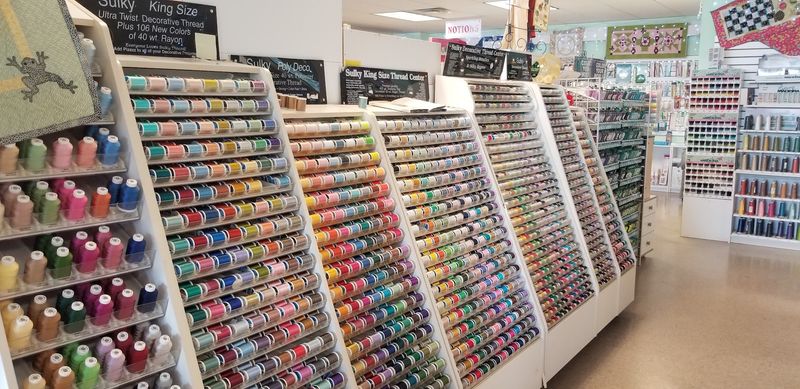
Nothing derails a project faster than the wrong thread. The thread wall here has a reputation.
Options cover sewing, quilting, and machine embroidery. Many popular brands share the shelves.
Weight and fiber change how a stitch sits on fabric. Matching thread to purpose is half the battle.
Stabilizers for machine embroidery are stocked as well. Cutaway, tearaway, and the rest each solve a different problem.
Notions fill out the rest of the aisles. Quilting laces, interfacings, and embellishments are all here.
Hot fix crystals add sparkle without a single stitch. Silk ribbon and beading bring texture instead.
Shoppers mention the notions range as a pleasant surprise. Small parts are what big-box stores usually skip.
Bring your project or a photo of it. Staff can steer you toward the right stabilizer weight.
Buy an extra spool of your main color. Running out mid-seam is a specific kind of frustration.
Discounted accessories occasionally appear, including extra bobbin holders. Those bargains do not last long.
Keep a running list of what you use up. A single well-planned trip beats four scattered ones.
Fifty-Plus Years Of Kentucky Stitching History
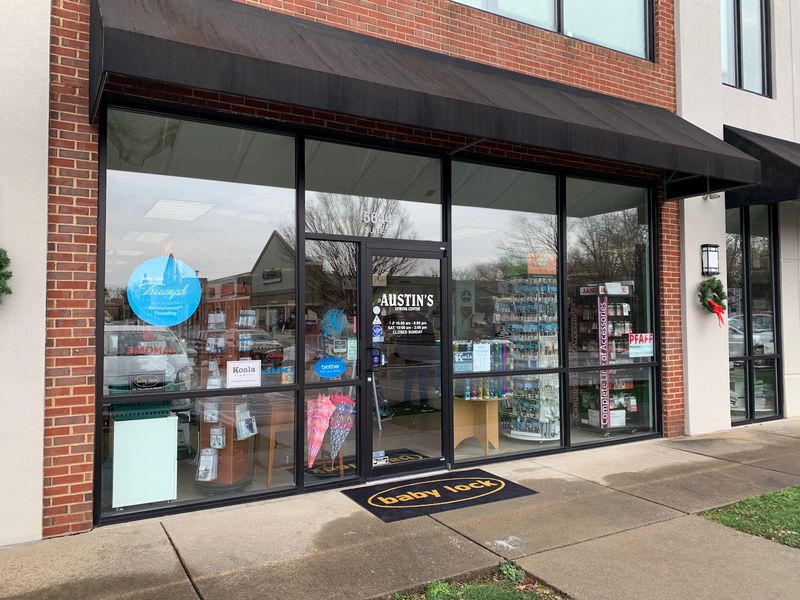
Shops that last five decades are doing something right. Service to this community started back in the 1970s.
The shop sits in the Fern Creek area of Louisville. Locals have watched it grow through several generations of sewists.
Staff are known for remembering faces, even after long gaps between visits. Regulars find that welcome.
Charity work is part of the culture too. The shop takes part in crafting Angel Gowns for local hospitals.
Projects like that show a business rooted in more than sales. Sewing skills get pointed toward kindness.
Classes and clubs keep people coming back for reasons beyond shopping. Community forms around shared machines.
Newcomers get walked through the layout instead of left guessing. That habit turns first visits into second ones.
The store holds a strong overall rating with well over a hundred reviews. Helpful staff comes up again and again.
Ask questions freely. Institutional memory like this is worth tapping while you shop.
Long-running shops survive on trust. That is the real inventory here.
How To Make The Most Of Your First Visit
A little planning turns a browse into a productive trip. Show up with a goal and a few measurements.
Jot down your machine brand and model before leaving home. Accessory compatibility depends on that detail.
Carry swatches of anything you need to coordinate. Color memory is unreliable under different lighting.
Note your project’s yardage requirements from the pattern. Guessing usually means a second trip.
Ask for the quick layout tour if it is your first time. The store is large and organized by category.
Check the class calendar while you are there. Booking in person makes it real.
If your machine needs attention, bring it along with the cords. One stop handles both shopping and service.
Photograph the bolt ends of fabric you like. Reordering later becomes much simpler.
Parking is plentiful, so hauling a machine inside is manageable. That is a practical win.
Give yourself more time than you think you need. Thread walls have a way of slowing people down.
The address to plug into your map is 5640 Bardstown Rd. Bring a list, leave with a plan.