This Georgia County Has A Thriving Farming Community And Hundreds Of Family-Owned Farms
Numbers rarely tell the whole story, but these ones stopped me in my tracks. Hundreds of family farms.
Generations of the same last names on mailboxes. Enough acreage to make you wonder how one county holds it all together.
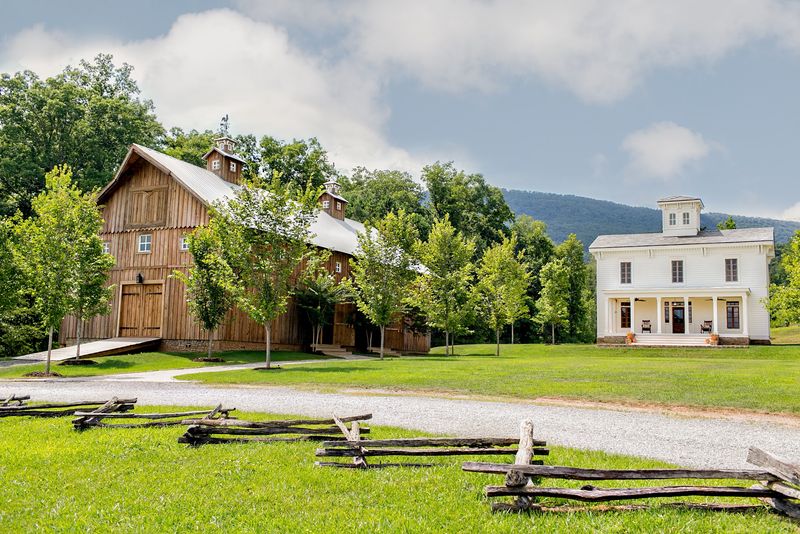
Georgia grows a lot of things, but this corner of the state takes farming seriously in a way that surprises even people who grew up nearby. Barns line the back roads.
Pastures stretch further than expected. Roadside stands sell produce picked that same morning, sometimes by the same family that has farmed the land for decades.
What looks like quiet countryside is actually one of the busiest agricultural pockets around, and once you start paying attention, the scale of it is hard to ignore. This is the kind of place where farming is not a side note, it is the whole identity, and Georgia has few counties that wear that identity so proudly.
A County With 557 Farms And Room To Spare
Five hundred fifty-seven farms sit inside one Georgia county. That number came from the 2022 Census of Agriculture, and it still surprises people.
Together those farms cover 77,204 acres of land. That is a lot of fence line for a place many drivers pass through without stopping.
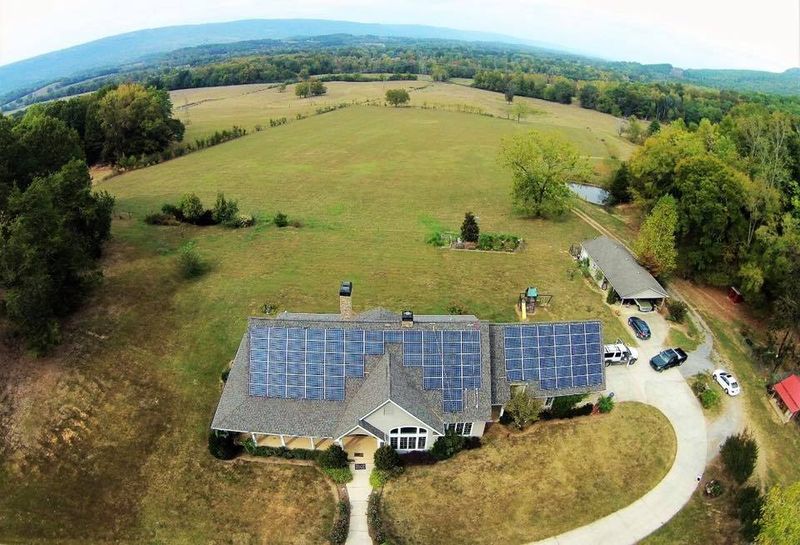
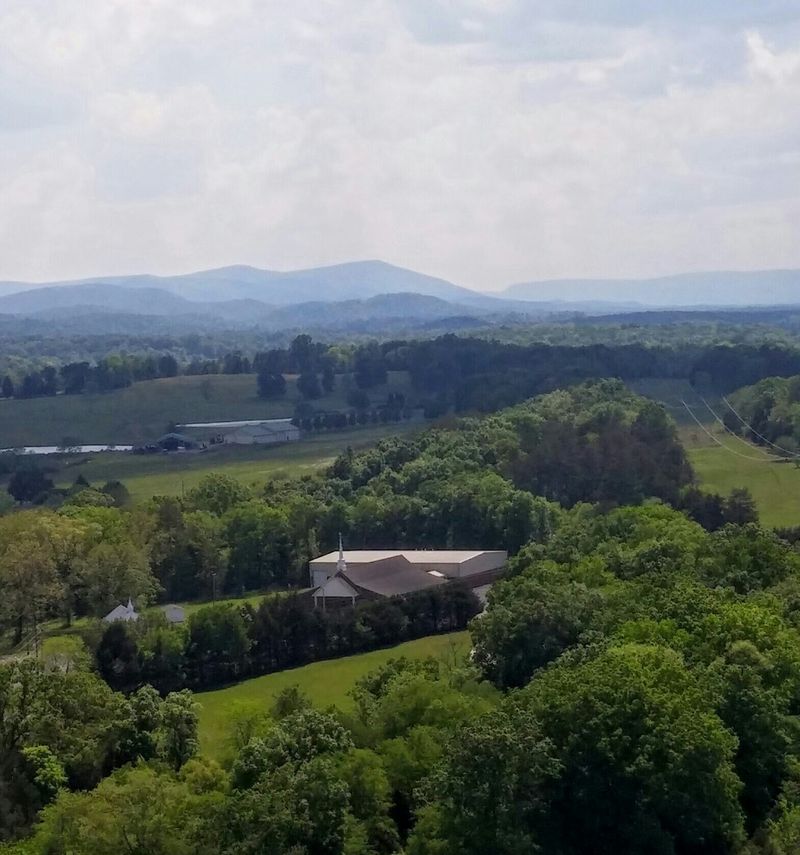
The land here rolls rather than flattens. Ridges rise on the western edge, and pastures fill the valleys between them.
Driving the back roads, you notice the mix quickly. Chicken houses sit near hayfields, and cattle graze beside small vegetable plots.
What makes the count remarkable is the balance. There are enough farms to shape the local economy, yet most remain modest in size.
Farming here is not a museum piece. Equipment moves, trucks haul, and the work happens year round.
Visitors often arrive expecting mountain scenery only. They leave talking about barns, tractors, and roadside produce signs.
If you want a real look at Georgia agriculture, this is a strong place to start. The scale is big, but the feel stays neighborly.
You will find it in the northwest corner of the state, in Walker County, Georgia.
Nearly $186 Million In Farm Products Sold
Money talks, and in this case it speaks clearly. Agricultural products sold here reached a market value of $185,638,000 in 2022.
That figure puts the area among Georgia’s heavy hitters. It ranked 20th out of 159 counties for market value of products sold.
Farm gate value tells a similar story. It topped $113 million, then climbed to $119,165,495 in 2023.
Numbers like that usually belong to sprawling flatland counties. Here the totals come from hilly ground and smaller properties.
The economic impact spreads outward, too. Feed stores, equipment dealers, and truck drivers all depend on that activity.
Growth has been real and measurable. The 2024 GDP for agriculture, forestry, fishing, and hunting was 1.8 times the 2014 figure.
That kind of increase over a decade is not accidental. It reflects steady investment and families choosing to stay in the business.
When you buy eggs or produce nearby, you are touching a piece of that total. Small purchases add up across hundreds of operations.
For anyone curious about rural economics, the area offers a clear case study. The proof is parked in every driveway.
Poultry Rules The Roost Here
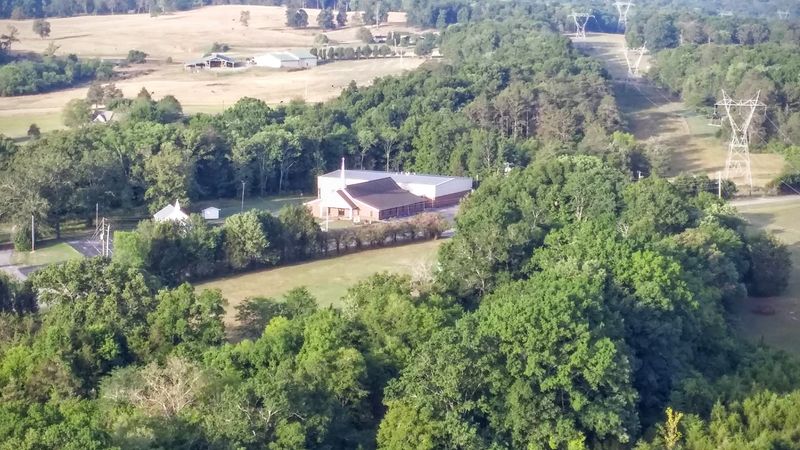
Chickens are the quiet giants of this local economy. Poultry brought in roughly $93.7 million based on 2023 data.
In 2022, farms here produced more than 5 million broilers and other meat-type chickens. That is a staggering figure for one county.
Drive rural routes and you will spot the long, low houses. Silos stand at one end, and fans hum along the sides.
Poultry farming demands constant attention. Temperature, feed, and water are monitored daily, often several times a day.
Many of these operations are family run. Parents and grown children split shifts and share equipment.
The scale explains why poultry dominates the sales charts. Livestock, poultry, and related products make up 95 percent of agricultural sales.
I found the efficiency genuinely interesting. Modern houses use automated feeders and careful ventilation systems.
You cannot tour most of these farms, since biosecurity rules keep visitors out. Respecting that protects the birds and the growers.
Still, understanding the industry changes how you see the landscape. Those plain metal buildings are the engine room of the county.
Georgia leads the nation in poultry, and this corner carries real weight in that ranking.
Cattle Hay And The Livestock That Runs This County
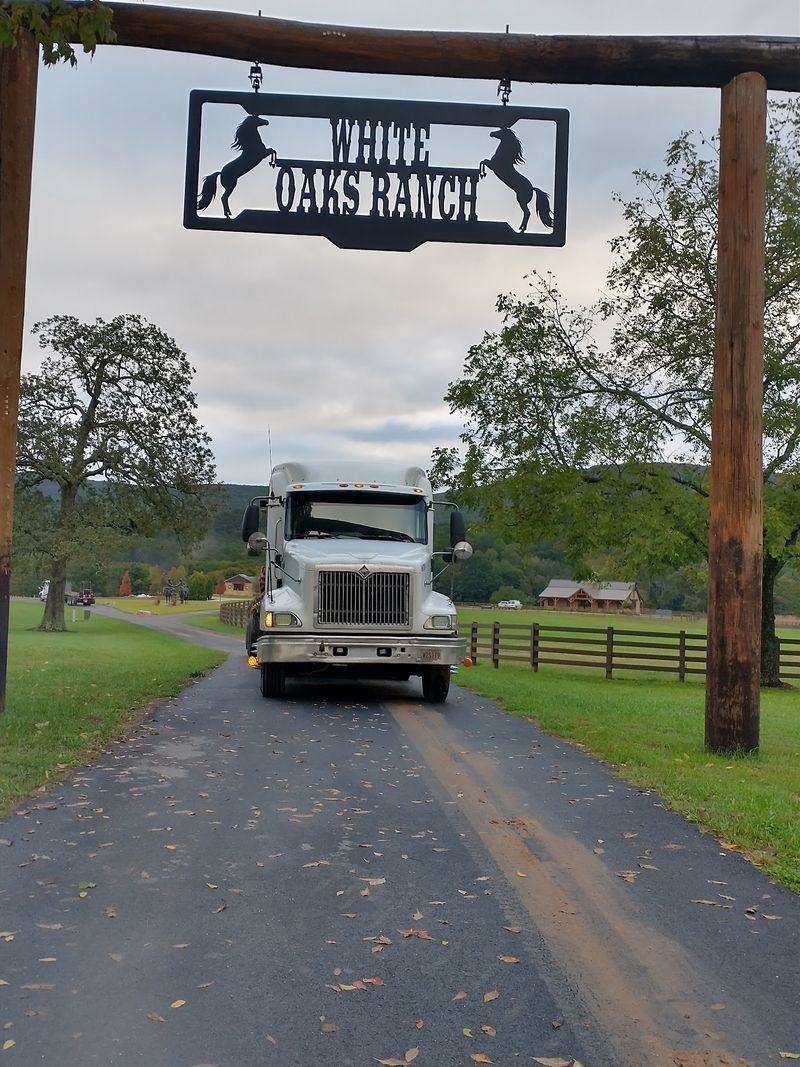
Behind the poultry houses graze the animals that shaped this county first. Livestock sales reached about $11.6 million using 2023 figures.
Cattle dot the pastures in small, manageable herds. Wooden fences and metal gates mark the property lines.
Row and forage crops added roughly $8.2 million to the total. Much of that feeds animals rather than people.
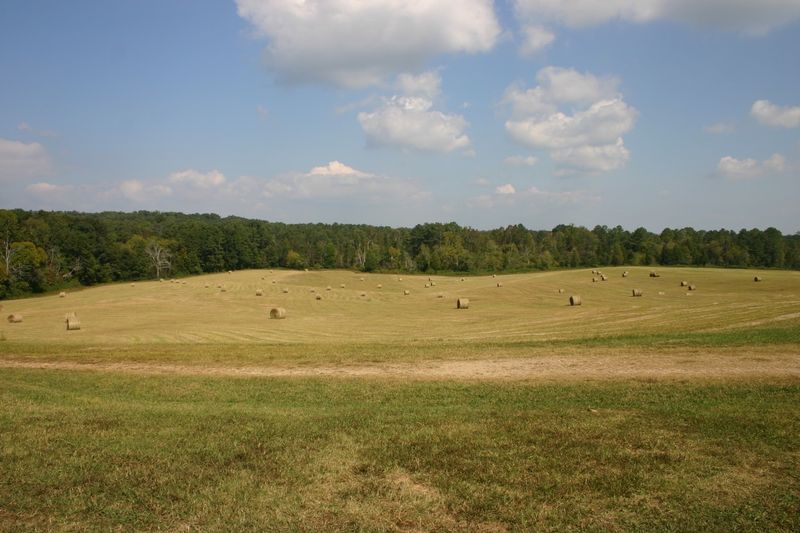
Hay is the unsung hero of the region. Round bales appear in fields by early summer and stay stacked through winter.
Cattle work suits the terrain well. Slopes too steep for row crops make excellent grazing land.
Fencing, watering, and rotating pastures take daily effort. Weather swings make hay season especially stressful.
Watching a herd move across a hillside at sunset is genuinely calming. The pace feels older than the roads nearby.
Beef producers here often sell calves that travel elsewhere to finish. It is one link in a long national chain.
For travelers, the payoff is scenery with purpose. Every pasture you photograph is somebody’s working ground.
Bring a camera and pull over safely, but never enter fields or open gates without clear permission.
Small Acreage, Big Ambition
Not every farm here needs a horizon to work with. In 2022, 50 farms measured just 1 to 9 acres.
Another 211 farms fell between 10 and 49 acres. That shows that smaller operations make up a significant part of the county’s farming landscape.
The average farm size sits at 139 acres. Small plots pull that number down considerably.
Small does not mean casual. A few acres can support vegetables, laying hens, bees, or cut flowers.
That mix is exactly why homesteaders keep arriving. Rolling hills and a rural atmosphere make the area appealing.
Land here still works for people starting out. A modest parcel can hold a garden, a barn, and a dream.
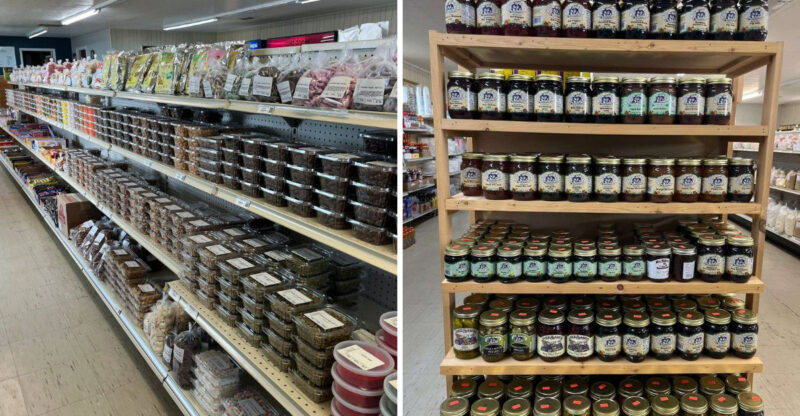
I met the results of that trend at roadside tables. Jars of honey, bundled greens, and eggs in cartons.
Small farms also experiment faster. They try new crops without risking an entire season’s income.
If you are considering rural life, study these examples carefully. Success comes from planning, not just acreage.
The lesson is simple and encouraging. Good soil, steady work, and local demand can carry a small farm a long way.
Pick Your Own Berries Lavender And Fresh Flowers
Fresh berries and colorful blooms add variety to the county’s agricultural landscape. The Blueberry Farm is one local spot where visitors can pick seasonal produce.
Creekside Flower Farm adds another layer of color. Cut flowers have become a serious small-farm crop.
Pick-your-own experiences reward patience. Berries ripen unevenly, so you learn to hunt for the good ones.
Lavender fields have a different rhythm entirely. Bloom windows are short, so timing your visit matters.
The fragrance surprises first-timers. Warm afternoon air carries it well beyond the rows.
Flower farms often sell bouquets by the bucket. You leave with something bright for the kitchen table.
My advice is to go early in the day. Cooler temperatures make picking far more pleasant.
Bring a hat, water, and your own container when allowed. Sun exposure in open fields adds up quickly.
Check social media pages before driving out. Crop conditions change week to week, and owners post updates.
These farms prove specialty crops can thrive here. Blueberries, blooms, and lavender share space with cattle and chickens.
It is a colorful side of an agricultural community built mostly on livestock.
Christmas Trees And Seasonal Family Traditions
Some farms here save their busiest weeks for December. Raulston Acres Christmas Tree Farm is one of them.
Choose-and-cut tree farms turn shopping into an outing. Families walk the rows and argue happily over height.
Growing a Christmas tree takes years of patience. Shearing, mowing, and pest control happen every single season.
That long timeline makes the price make sense. You are buying several years of careful work.
The atmosphere in the field is hard to beat. Cool air, evergreen scent, and the crunch of frosty grass.
Rogers Farm and Five Dollar Farm also appear on local agritourism lists. Seasonal offerings vary by farm and year.
Go on a weekday if crowds bother you. Weekends in early December fill up fast.
Bring gloves and a tape measure. Trees always look smaller outdoors than in a living room.
Confirm opening dates ahead of time. Tree farms sell out when supply runs low.
What I appreciate most is the continuity. Many families return to the same rows year after year.
Seasonal farming keeps these hills busy long after the summer harvest ends.
Experienced Hands And The Next Generation
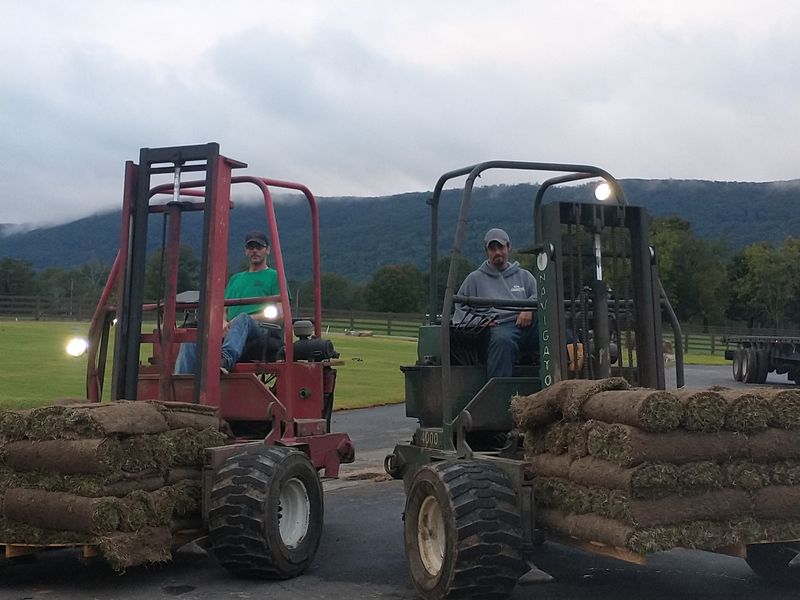
The average farmer here is 59 years old. That single statistic explains a lot about local farming culture.
Decades of experience shape daily decisions. These growers know their soil, weather patterns, and market timing well.
Knowledge like that does not come from books alone. It builds season after season, mistake after correction.
The age figure also raises real questions. Who takes over the barn, the herd, and the equipment next?
Encouragingly, younger families keep moving in. The rural atmosphere and rolling hills attract new homesteaders each year.
Small farms make good entry points. Lower land costs and modest scale reduce the risk for beginners.
Mentorship happens informally at feed stores and farm stands. Advice travels between neighbors more than through classrooms.
Supporting local growers matters more than people realize. Buying eggs, honey, or beef directly keeps money circulating here.
If you visit, ask thoughtful questions. Most farmers enjoy explaining their work to genuinely interested people.
The county was created in 1833, and farming has anchored it ever since. Hundreds of family-owned operations carry that history forward.
Georgia has plenty of farmland, but few places wear it so comfortably.