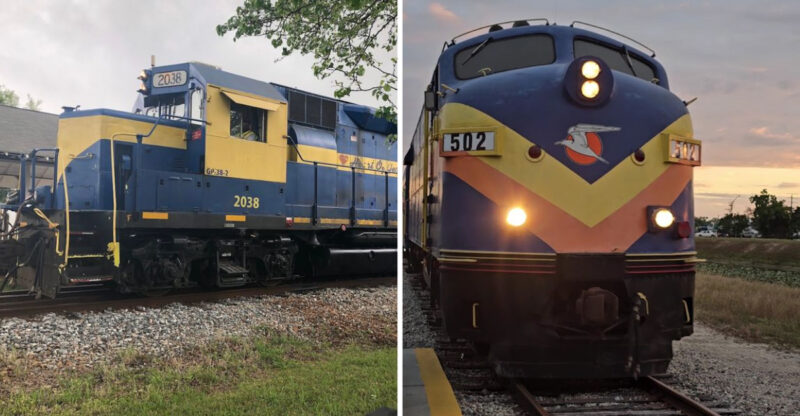
10 Georgia Towns So Crowded By Tourists That Locals Avoid Downtown
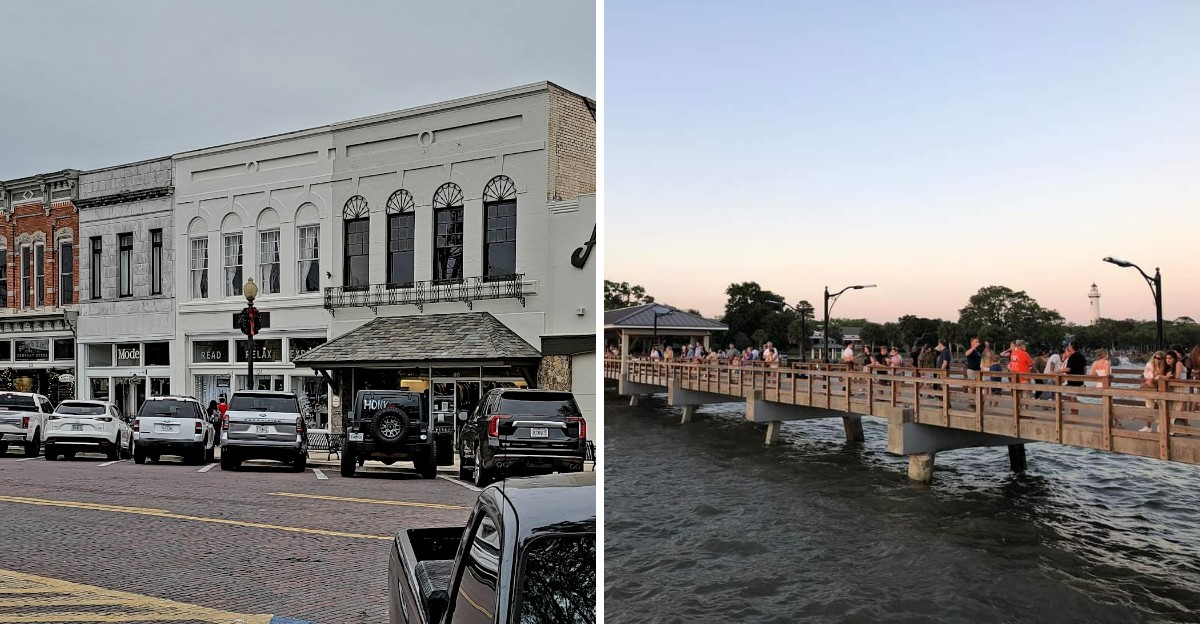
Ask a local what time to avoid downtown and watch their face change. That reaction alone tells you everything about how popular these places have become.
Georgia has no shortage of small towns that used to move at a slower pace. Then word got out, photos started circulating, and weekend traffic turned quiet streets into something closer to a theme park queue.
Locals adapted the way people always do, shifting errands earlier, learning back routes, and quietly accepting that their town now belongs to everyone.
Parking disappears first. Sidewalks fill in next.
Soon enough, even a quick coffee run means dodging tour groups and waiting behind strangers taking photos of buildings you walk past without a glance.
None of this means you should skip these towns, it just means timing matters. These ten spots show exactly how popular Georgia has gotten, along with a few tricks for enjoying them without fighting the crowd the whole time.
1. Helen
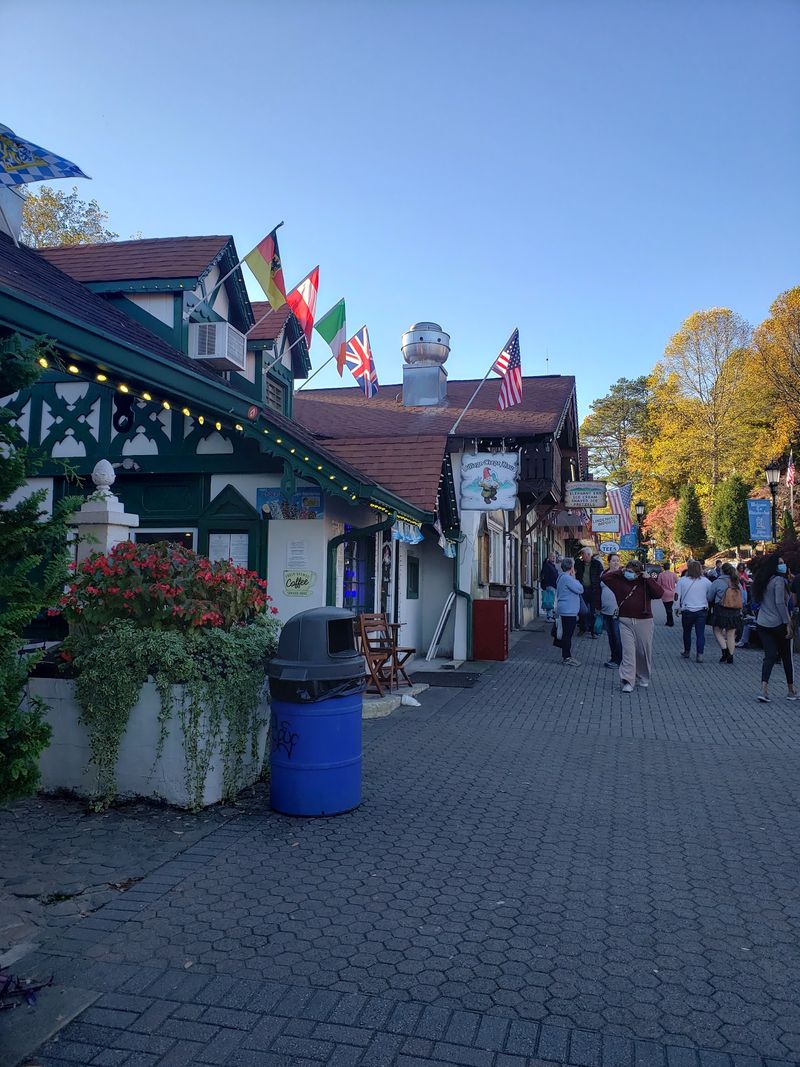
Picture a Bavarian village dropped into the Southern Appalachians, then add a river full of inner tubes. That is summer here, and June and July bring the heaviest float traffic of the year.
The Chattahoochee tubing run gets so packed that riders bump into each other constantly. It is less of a lazy float and more of a slow-motion traffic jam with sunscreen.
Autumn somehow tops it. September and October draw the largest crowds of the entire year, thanks to Oktoberfest celebrations and leaf-peeping drivers heading up the mountain roads.
Lodging prices tell the story better than any headcount. Rooms can cost more than double during peak festival weekends compared to the slow season.
Residents have a running joke about the place. You leave the house to escape your neighbors and end up standing behind them in line downtown.
Weekends stay busy nearly year-round, so midweek visits make a real difference. Tuesday mornings feel like a different town entirely.
Parking is the first hurdle, and the lots near the main bridge fill early. Arriving before ten in the morning saves a long walk.
Some people call the village a tourist trap, and it was built to attract visitors. That does not make the cobblestone lanes and mountain views any less fun.
Go off-season, bring comfortable shoes, and skip the peak festival Saturday. The whole experience improves immediately.
2. Blue Ridge
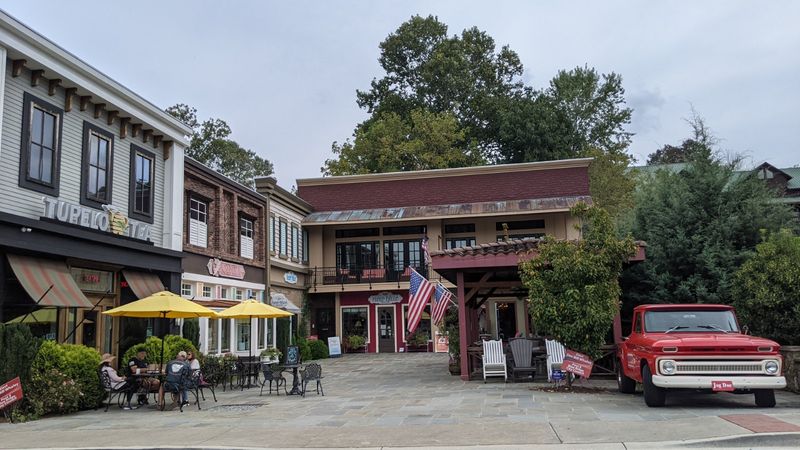
Try driving into this mountain downtown on a Saturday in October. Main Street fills up fast, and the scenic railway depot draws a steady stream of families waiting for their boarding call.
The train is the anchor attraction, and it pulls visitors straight into the busiest block. When a departure lets out, the sidewalks double in population within minutes.
Traffic pressure shows up in the numbers too. Highway 515 saw nearly a twenty percent increase since 2019, which pushed road improvement projects forward to ease congestion.
Visitor volume has stayed strong heading into 2026, and shoulder-season occupancy keeps climbing. That means the old advice about visiting in spring instead of fall no longer guarantees an empty sidewalk.
Some residents worry about keeping the small-town feel intact. Growth brings money, but it also brings brake lights on a two-lane road.
Outdoor recreation fuels much of the appeal. Lake Blue Ridge and the Appalachian Trail sit close enough for a morning hike and an afternoon on the water.
My best tip is simple. Park once, on a side street a few blocks out, and handle downtown entirely on foot.
Weekday mornings are peaceful and the shops are unhurried. You can actually talk to a shopkeeper without competing with a line behind you.
3. Dahlonega
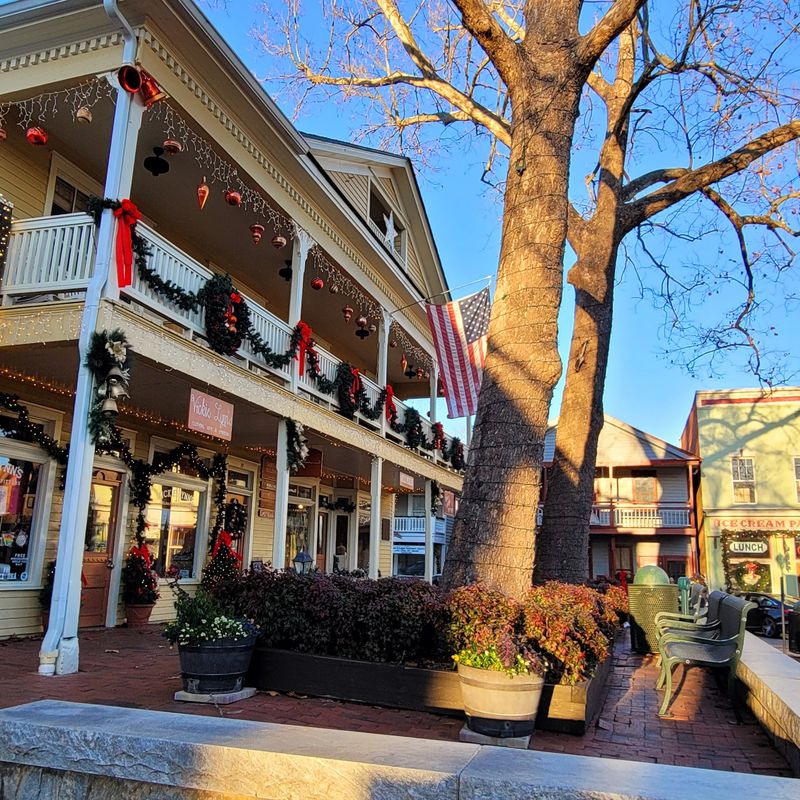
Over 200,000 people show up for Gold Rush Days. That happens across a single two-day weekend in October, in a historic square built for a much smaller crowd.
The timing makes it worse, or better, depending on your mood. That festival lands right at peak foliage season, so leaf watchers and festival goers arrive together.
Even on ordinary weekends, the square sees what could fairly be called characteristic congestion. Day-trippers roll in from metro Atlanta and parking lots fill before lunchtime.
Spring festivals bring their own wave of visitors. The square gets loud, lively, and very short on curb space.
Tourism does pay off for residents in a measurable way. Visitor spending saved local households roughly 577 dollars each in taxes in 2022.
Still, the word tourist can carry a little edge in conversation here. Frustration usually centers on driving habits and people wandering outside crosswalks.
The gold mining history runs deep, and the courthouse museum on the square explains it well. You can stand where a genuine American gold rush started.
Bring cash for parking, arrive early, and let the crowd flow past you. The square rewards people who slow down.
4. Senoia
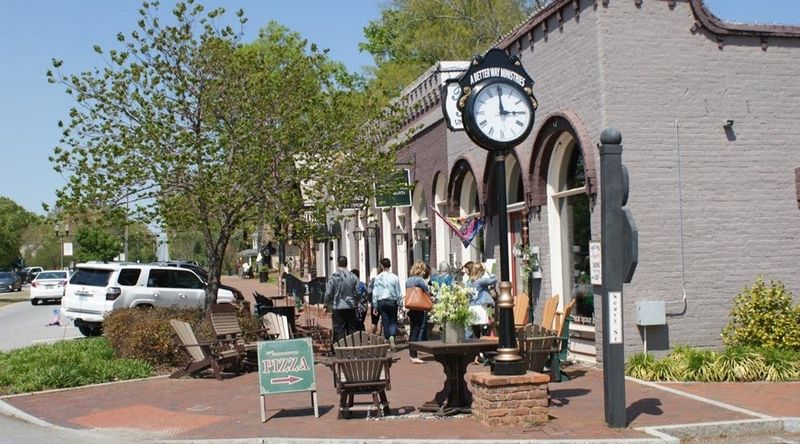
Television fame changed everything for this Coweta County town. Film productions, most famously The Walking Dead, turned quiet streets into a year-round destination.
The result is a tourism-driven economy and a strong local identity. Visitors come specifically to walk streets they recognize from screen time.
Weekends, festivals, and active filming periods all crowd the downtown blocks. Traffic thickens and parking spaces disappear faster than anyone expects.
Events add another layer. The annual car show and the monthly Alive After Five gatherings pull big groups onto the historic streets.
Residents genuinely like their walkable downtown, with its boutiques and restaurants clustered together. The complaint is rarely about the town itself.
What stings is the shift in feel. Some longtime residents say the area has grown less rural and more urban, and that change bothers them.
More parking has been a recurring request, and you understand why after circling the block twice. The infrastructure was built for a village, not a film set.
My advice is to visit on a weekday afternoon. Shops are open, the sidewalks are calm, and photographs come out without strangers in the frame.
Grab lunch downtown, then walk the residential streets nearby. The porches and old oaks are the real attraction.
5. Tybee Island
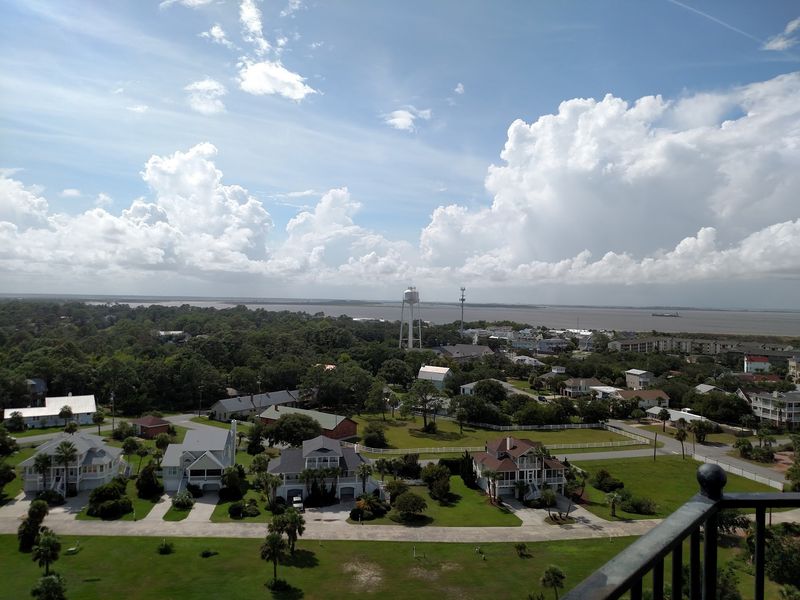
Just over 3,000 people live here year-round. During peak season the island can host up to 40,000 visitors in a single day, and occasionally near 100,000.
Those numbers create real strain. Roads, parking, and public facilities were never built for a crowd that size.
Annual visitation has reached 1.9 million, and 61 percent of those are day-trippers. They arrive in the morning and leave at dusk, all using the same two-lane causeway.
Traffic jams are simply part of weekend life. The drive in can take far longer than the distance suggests.
Longtime residents remember a much quieter island. Many say summers now feel like a spring break destination rather than a peaceful coastal retreat.
The businesses shifted too. Shops that once sold bait and tackle now sell souvenir T-shirts and beach floats.
Some residents feel the island belongs more to visitors than to families who have been here for generations. That tension shows up in parking debates and beach rules.
Practical move: come in April or late October. Water is still pleasant, and the causeway actually moves.
Park once in a paid lot and stay put. Hunting for a free space costs more time than the fee is worth.
The lighthouse and the north beach are calmer than the pier area on any given day.
6. Savannah
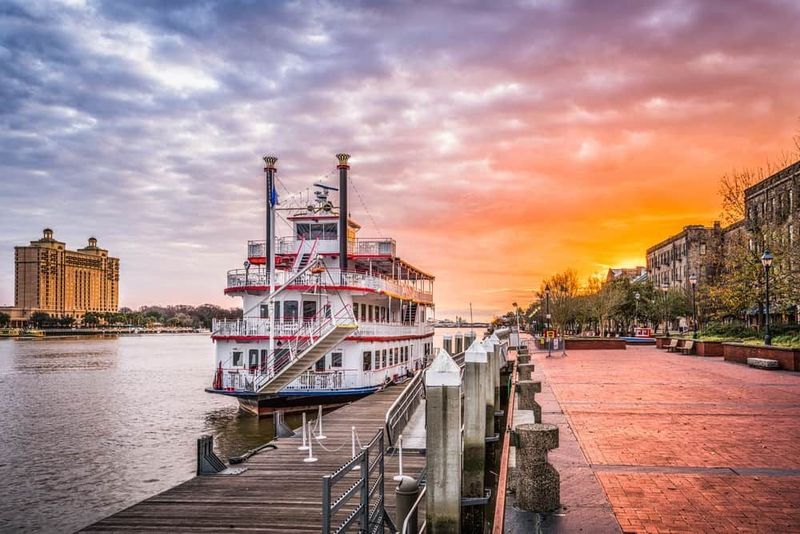
Nearly 13 million visitors came through in 2024. That breaks down to 7.2 million overnight guests and 5.7 million day-visitors in one historic district.
Spending followed the crowd. Visitors put 4.1 billion dollars into the local economy that same year.
April through June is the busiest stretch, though the flow stays fairly steady all year. There is no true off-season here anymore.
River Street is the pressure point. The cobblestone strip stays bustling from midmorning until late evening, especially on weekends.
A private river cruise offers a calmer way to see the waterfront. You get the same views without shoulder-to-shoulder sidewalks.
The economic argument is hard to ignore. In 2025, visitor spending generated enough state and local tax revenue that each household here would otherwise have paid about 4,199 dollars more annually.
My strategy is to skip the riverfront entirely and work the squares instead. Twenty-two of them still exist, and most stay peaceful even in June.
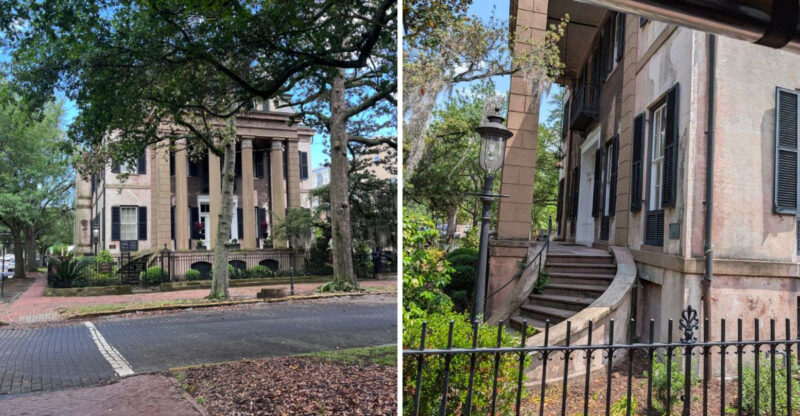
Early mornings are golden. Walk the historic district before nine and you nearly have the oaks to yourself.
Eat lunch away from the main tourist corridor. The food improves and the wait shrinks.
Wear real shoes, because those cobblestones humble everyone eventually.
7. St. Simons Island
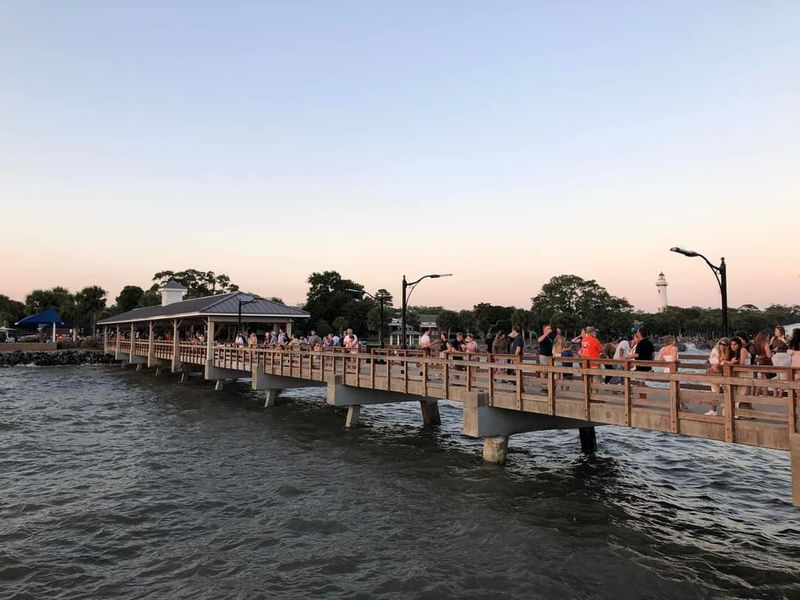
This is one of Georgia’s most developed and popular barrier islands. Family-oriented, well established, and busier every year.
A second wave of growth arrived when buyers returned to purchase second homes. Quiet neighborhoods gave way to multi-unit vacation properties.
Summer is the high season, and it is not the moment for a peaceful beach afternoon. The village area fills steadily from June onward.
Traffic gets really bad during holiday seasons. Locals learn which back roads to use and when to simply stay home.
Georgia-Florida football weekend is the annual crescendo. Thousands of fans arrive and congestion reaches its yearly peak.
Residents talk about a changed character on the island. The sense of belonging has faded as neighbors turn over from season to season.
Popularity comes with a price tag. The cost of living runs higher here than in nearby mainland communities.
The good news is that the island rewards patience. The pier, the lighthouse, and the moss-draped oaks are genuinely worth the trip.
Visit in early spring or late fall. Beaches are open, restaurants are relaxed, and you can find parking near the village.
Rent bicycles instead of driving. The island paths are flat and far faster than sitting in a line of cars.
8. Jekyll Island
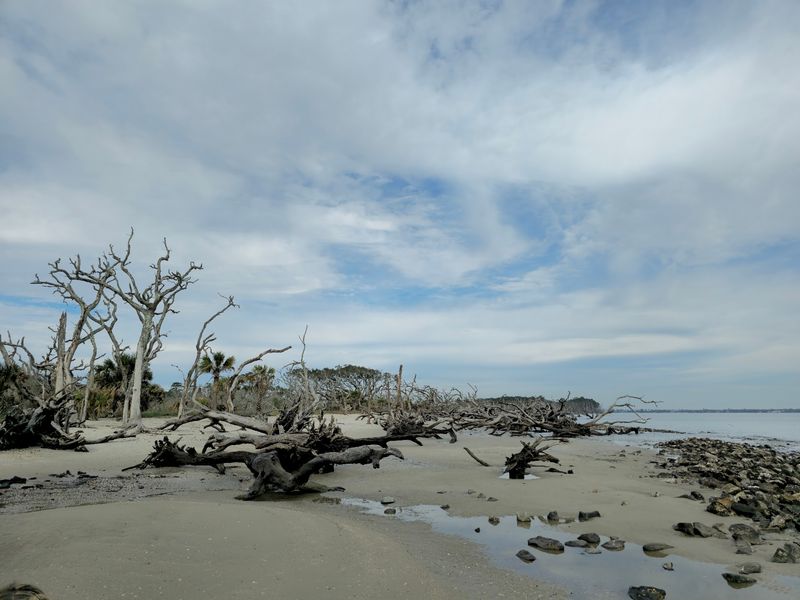
Jekyll Island draws large numbers of visitors each year, especially during popular travel periods.
Officials have studied the island’s carrying capacity as visitation and development continue to put pressure on infrastructure. That is an unusual thing for a destination to admit out loud.
Crowding shows up in predictable ways. Parking fills early, popular beach access points back up, and the quiet stretches feel less quiet.
Residents and frequent visitors have raised real concerns. Some have called for a moratorium on new development to protect the island’s traditional character.
Revitalization brought new businesses and displaced some long-standing local ones. That change disappointed people who valued the older, simpler version.
There is genuine worry that the island could drift toward kitschy tourist-trap territory. Environmental groups and residents are pushing hard to protect greenspaces instead.
Driftwood Beach remains the signature sight, with weathered trees lying across the sand. Arrive at sunrise and you may share it with only a handful of photographers.
Bicycles are the smartest way to get around. The island has miles of flat paths that bypass the car congestion entirely.
Historic district tours fill up in spring. Book ahead rather than showing up hopeful.
9. St. Marys
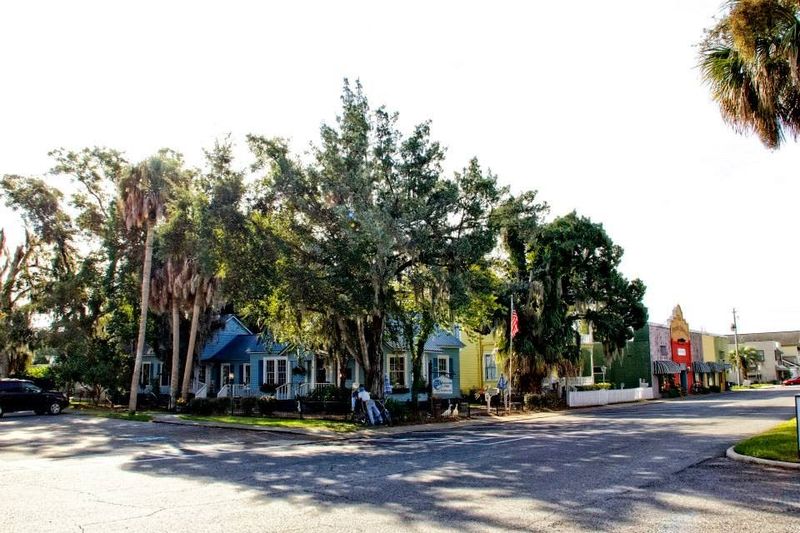
Here is the outlier on this list. Morning fog, shrimp boats at the dock, and a downtown that never feels overrun.
The town serves as the gateway to Cumberland Island National Seashore, which sounds like a recipe for chaos. It is not, because the island caps visitors at 300 people at a time.
That limit changes everything. Ferry tickets fill quickly in spring and fall, but the crowd disperses across a large barrier island instead of one small street.
Descriptions of this place emphasize what it lacks. No massive crowds, no crawling traffic, no fight for a parking spot.
People move here chasing a slower pace of life. They want a smaller town where neighbors actually recognize each other.
You get a coastal lifestyle without the congestion found in bigger beach communities. That combination is genuinely rare on this coastline.
The ferry terminal sits at 113 Saint Marys Street West, right on the waterfront downtown. Book your Cumberland passage well ahead during peak months.
Spend an hour along the riverfront before boarding. The shrimp boats and the quiet water set the tone for the whole day.
Pack food and water for the island, since services there are limited. Wild horses and empty beaches are the reward.
10. Thomasville
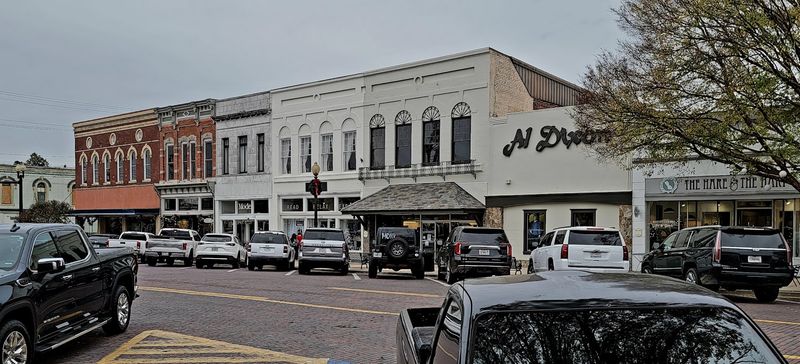
Visitor spending in Thomas County reached 86.8 million dollars in 2023. That is steady growth, and 2019 delivered the largest single-year increase in visitor expenditures on record.
The historic downtown does the heavy lifting. Distinctive architecture, locally owned shops, and seasonal events keep people coming back.
The Rose Show draws a big spring crowd, and Victorian Christmas fills the streets in December. Those two weekends are the busiest of the calendar.
What sets the atmosphere apart is authenticity. The downtown reads as genuine rather than manufactured, which is harder to pull off than it sounds.
Tourism pays dividends for residents. Visitor-generated tax revenue saved local households roughly 393 dollars each in 2023.
Interestingly, many newcomers moved here to escape crowded metropolitan areas. They came looking for a slower pace and a strong community, and they found it.
So the crowding here is seasonal and event-driven, not constant. Ordinary Tuesdays downtown feel calm and unhurried.
My suggestion is to plan around the big festivals rather than through them. Either commit fully or visit the week before.
The brick sidewalks and old storefronts photograph beautifully in late afternoon light. Bring an appetite and browse without a schedule.
Free street parking still exists most days, which feels almost nostalgic after the coast.