This Kentucky City Has One Of The Largest Arab Communities In The State
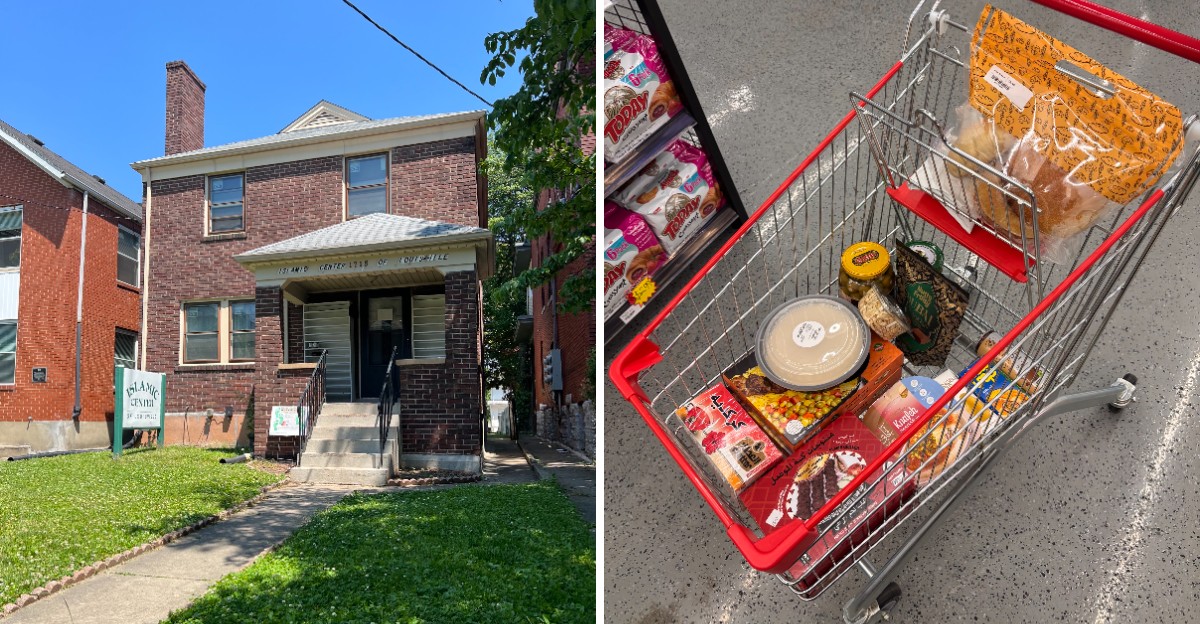
You can learn a lot about a city from its grocery stores. Enter the right one here and the signs are in two alphabets.
The bread comes out flat and warm and disappears by afternoon. There are olives sold by weight and spices you will want to ask about.
Somebody behind the counter will tell you how to use them. Families settled in this part of Kentucky over the past two decades.
They opened bakeries, butcher shops, and restaurants that now feed the whole neighborhood. The food is the easiest way in, but it is not the whole story.
There are community centers, mosques, and weekend markets that keep things connected. You do not need an invitation to eat well here.
Order something you cannot pronounce and ask what it is. The answer usually comes with a recommendation attached.
Where The Story Begins Along The Ohio River
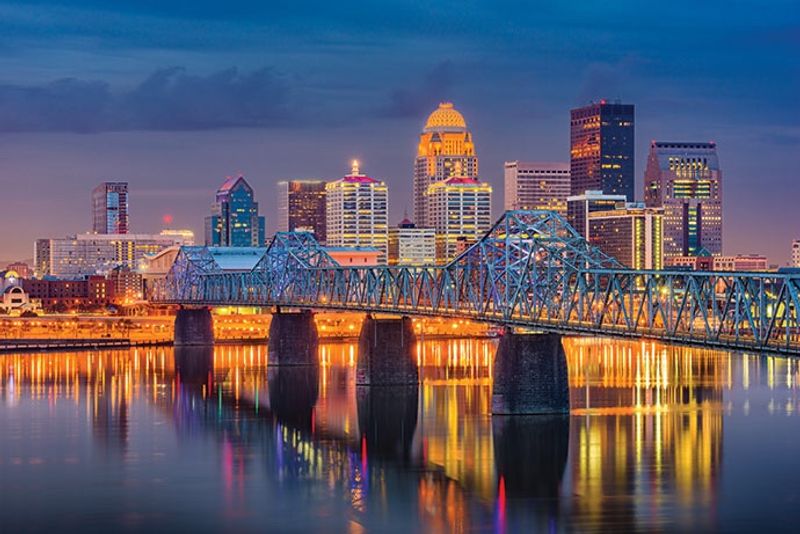
Louisville sits on the Ohio River, right at the Indiana border, and it has always been a crossroads. That location made it a magnet for newcomers long before anyone called it a food destination.
You can reach it easily from most of Kentucky, since it is the state’s largest city.
Arab families started arriving here in the late 1800s and early 1900s. Most came from Lebanon, Syria, and Palestine, looking for steady work and a fresh start.
Many began as merchants and tradespeople, selling goods and building small shops.
Those early businesses did more than pay bills. They created a network that helped later arrivals find housing, jobs, and familiar faces.
Word traveled, and more families followed.
After the 1990s, a second wave changed the picture again. Professionals, students, and refugees from Iraq and Sudan added new languages, recipes, and traditions to the mix.
Today that community sits woven into the city’s daily life. You see it in markets, classrooms, clinics, and family-run restaurants across town.
Louisville is better known for Churchill Downs and baseball bats. Spend a day exploring, and you will notice a second identity humming right alongside them.
Shawarma Worth Rearranging Your Schedule For
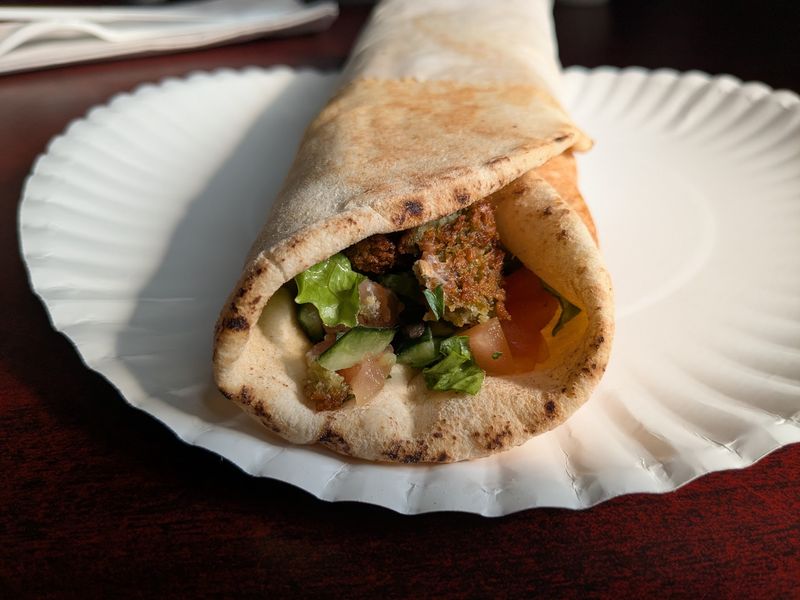
Maira Mediterranean Grill has built a loyal following around one simple idea. Do the classics well, every single time.
Shawarma comes off the spit with crisp edges and soft centers, stacked into warm bread.
Falafel here gets the treatment it deserves. Crunchy shell, green herby middle, and a scoop of tahini that ties everything together.
Order a plate instead of a wrap if you want rice and salad on the side.
Spices carry the whole menu. Sumac brings a lemony snap, cumin adds warmth, and cardamom shows up in sweeter corners of the kitchen.
Aljazzar Meats and Grill takes a different angle. The focus lands squarely on premium halal meats cooked over charcoal, which gives kebabs that smoky finish grills at home rarely manage.
Both spots welcome first-timers who have no idea what to order. Ask for a recommendation and you will usually get one with a smile.
Bring a friend and split everything. Middle Eastern menus reward sharing, and you will taste twice as much for the same money.
Go hungry. Portions tend to be generous, and leftovers reheat surprisingly well the next day.
Markets That Smell Like Fresh Bread And Warm Spice
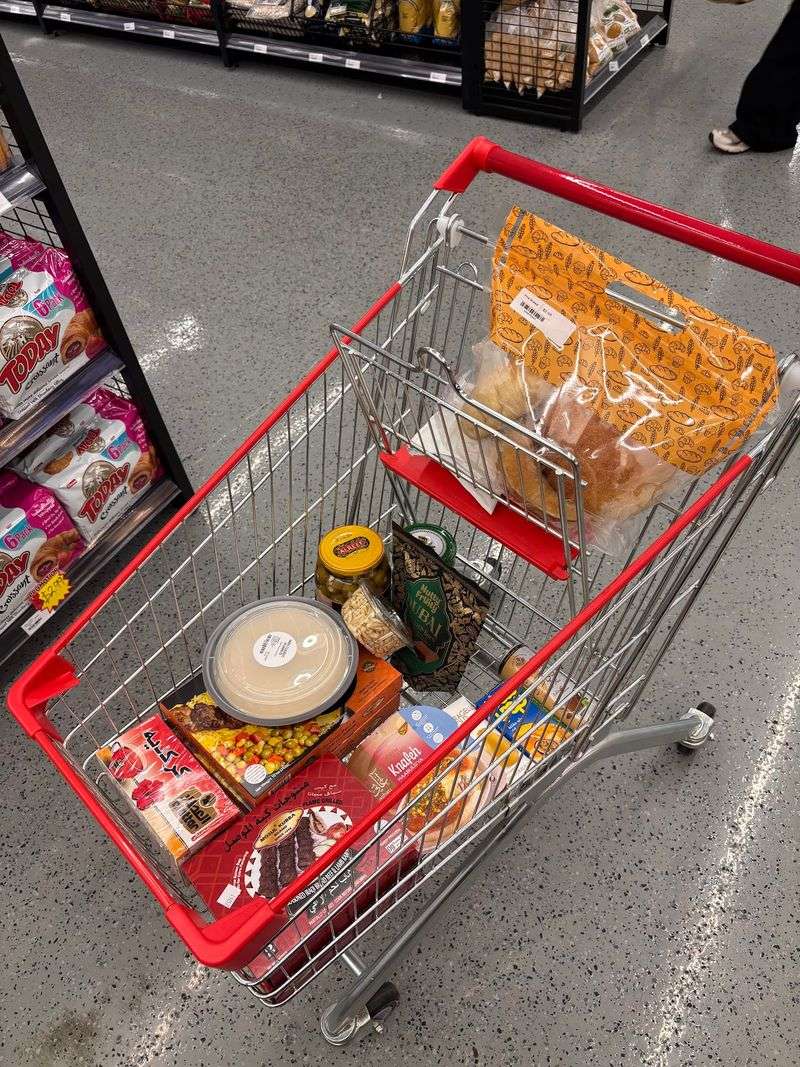
Grocery shopping stops feeling like a chore at Alfurat Market. Halal meats fill the counter, and the kitchen turns out sandwiches and traditional kabobs while you browse.
Shelves hold ingredients you will not spot in a standard supermarket.
Yafa Bakery and Market pulls people in with the smell alone. Bread and pastries come out fresh daily, and there is a full halal butcher counter in back.
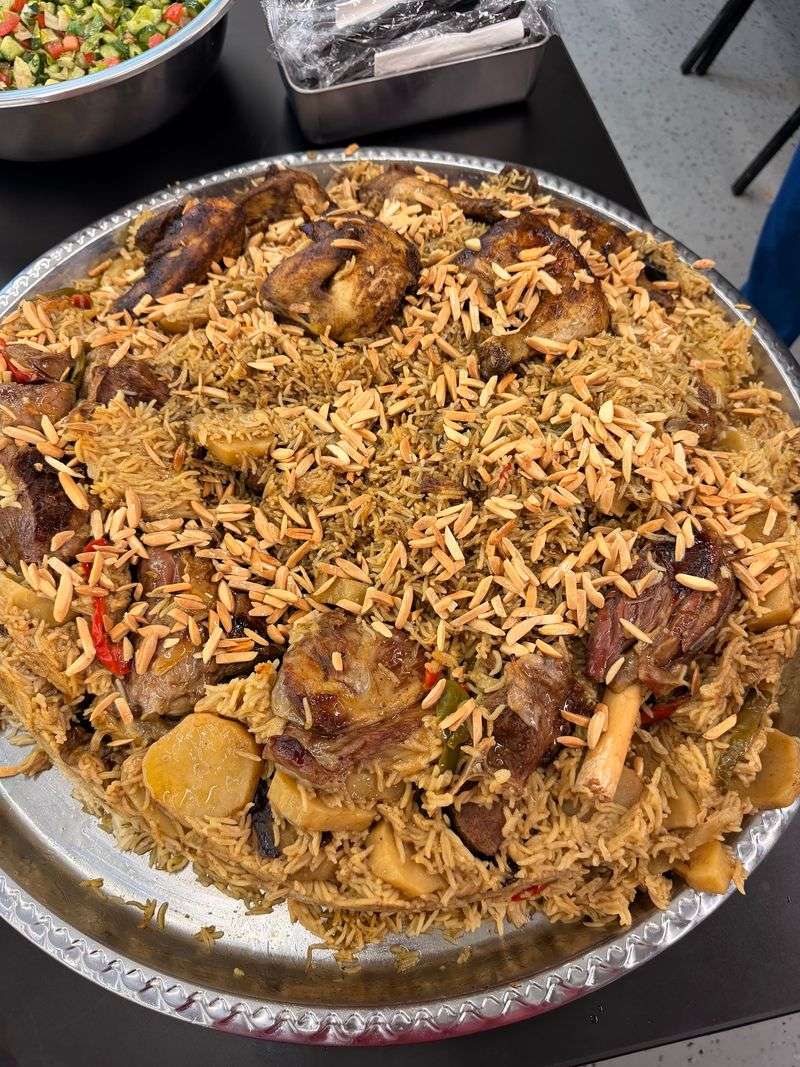
Fridays bring something special at Yafa. Maqluba, the upside-down rice dish layered with meat and vegetables, shows up hot and ready to eat.
Wander the aisles slowly. You will find olives in a dozen varieties, jars of tahini, bags of bulgur, and sweets wrapped in bright foil.
Prices on spices tend to beat chain stores by a wide margin. Buy sumac, za’atar, and whole cumin here and your home cooking changes overnight.
Staff usually know their products inside out. Tell them what you plan to cook and they will point you to the right shelf.
Bring cash and a tote bag. Once the bread hits your hands, warm and soft, restraint goes out the window fast.
Places Where The Community Gathers
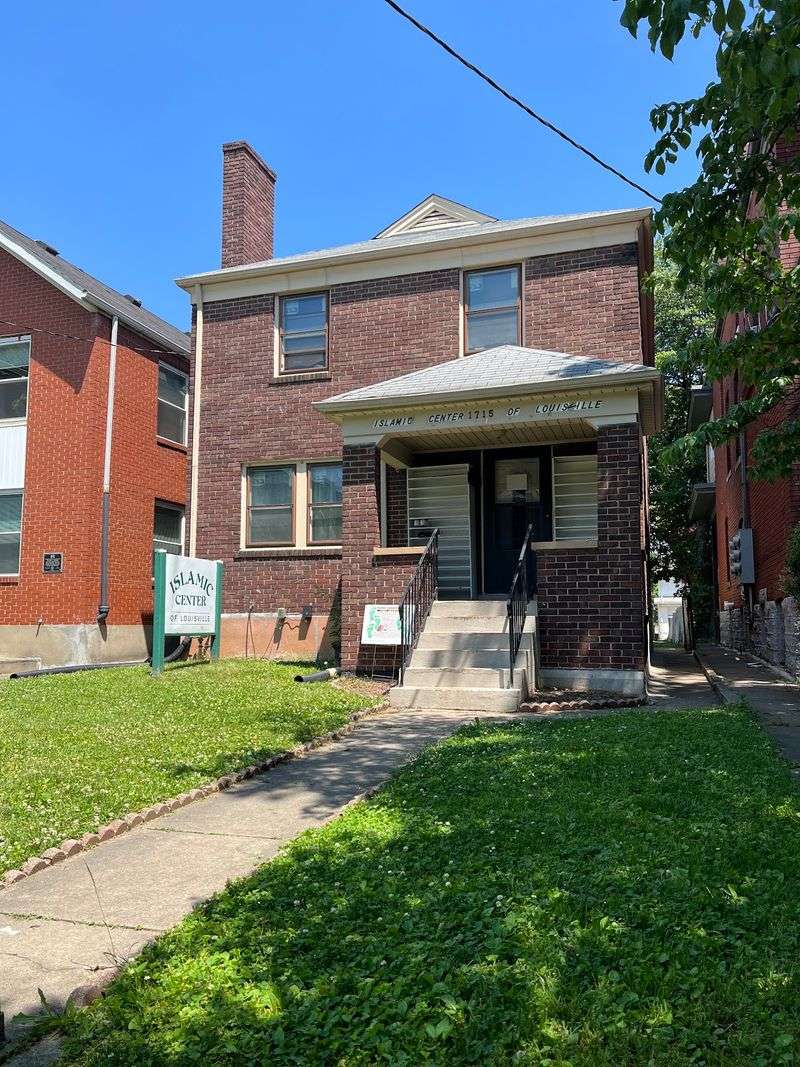
Food gets the attention, but institutions hold everything together. Louisville is home to several mosques and Islamic centers that serve as daily anchors.
The Islamic Center of Louisville does far more than host prayers. Arabic language classes run there, and the center organizes interfaith conversations open to neighbors of any background.
The Muslim Community Center of Louisville offers a large, thoughtfully designed mosque. Families gather there for worship, holidays, and community events throughout the year.
These buildings work like town squares. Newcomers find help with paperwork, job leads, and school questions from people who have already navigated the same path.
Visitors are generally welcomed with genuine warmth. Dress modestly, remove your shoes where asked, and follow the lead of those around you.
Holidays such as Eid fill parking lots and courtyards with families in bright clothing. Children run between cars while adults trade greetings and plates of sweets.
Community centers also host food drives and service projects that reach far beyond their own membership. Helping neighbors is treated as ordinary, not exceptional.
Stop by during an open event if one is announced. Curiosity, asked politely, opens more doors here than you might expect.
Classrooms Keeping A Language Alive
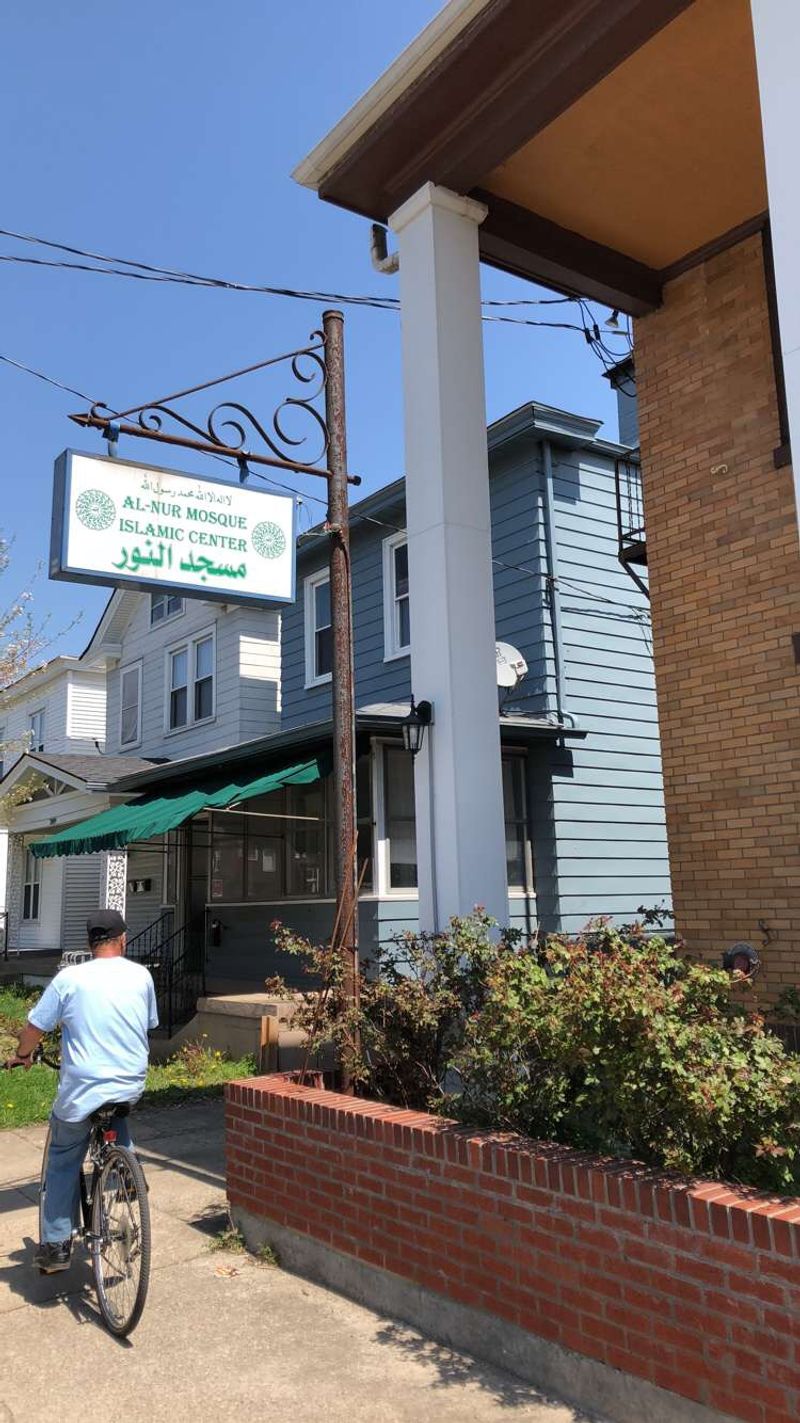
Language slips away fast when nobody teaches it. Families here decided that was not going to happen.
The Islamic School of Louisville offers a bilingual education built around that goal. Students study modern standard Arabic alongside classical Arabic, which opens doors most American classrooms never touch.
Learning both forms matters. Modern standard Arabic works for news, business, and travel across many countries, while classical Arabic connects students to the Quran and older literature.
Kids who grow up bilingual gain a real advantage later. Employers in medicine, translation, international business, and government actively look for Arabic speakers.
Parents often say the deeper reward is personal. Grandparents and grandchildren can talk without anyone reaching for a translation app.
Weekend and evening classes also exist at community centers. Adults who never learned as children sometimes join, and beginners are common.
Writing right to left takes practice, and the alphabet looks intimidating at first. Most students report that it clicks faster than they feared.
If you have kids curious about languages, ask around. Arabic programs in Kentucky are rare, and Louisville has more options than most cities its size.
One Community, Many Homelands
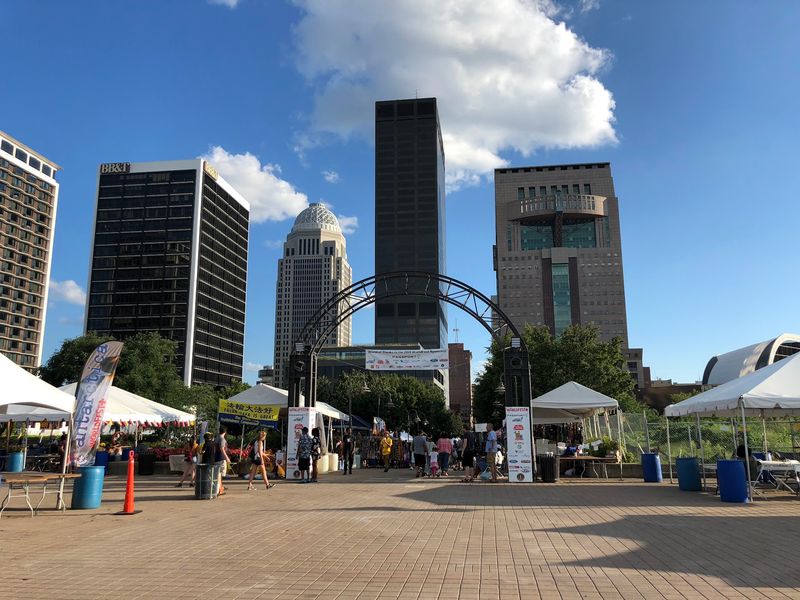
Calling it one Arab community flattens a much richer picture. Roots here stretch to Lebanon, Syria, Palestine, Iraq, Somalia, and Sudan.
Each origin brings its own kitchen habits. A Lebanese table leans on lemon, parsley, and olive oil, while Iraqi cooking often features slow-simmered stews and grilled meats.
Somali and Sudanese influences add another layer. Spice blends shift, rice preparations change, and familiar dishes take on different personalities.
That variety keeps the food scene from feeling repetitive. Two restaurants can serve the same dish name and give you two distinct experiences.
Eating style matters as much as the recipes. Meals are frequently built for sharing, with dishes placed in the center for everyone to reach.
Mezze platters make the point clearly. Small plates of hummus, pickles, salads, and dips encourage lingering and conversation.
Family-style stews follow the same logic. One large pot, many spoons, and nobody eating alone in silence.
Try ordering that way yourself. Skip individual entrees, get four or five things for the table, and let everyone taste a little of everything.
Business Owners, Doctors, And Neighbors
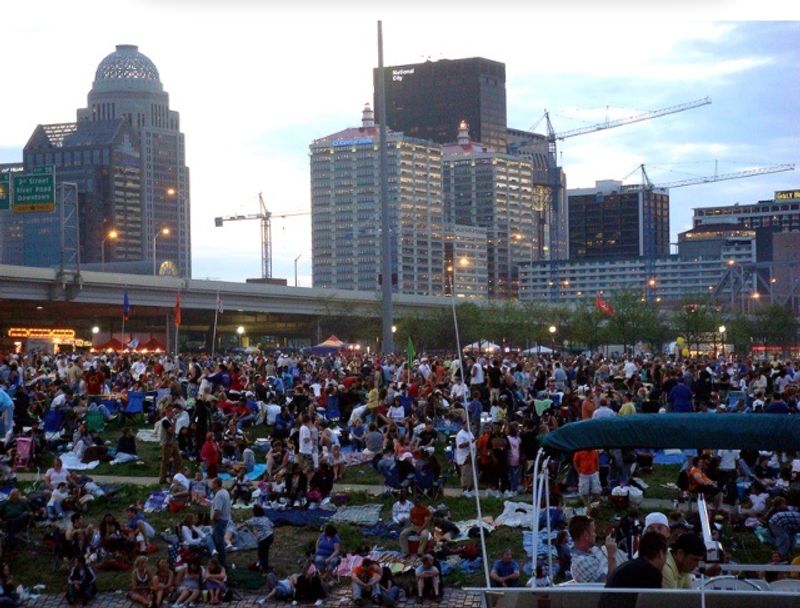
Walk down certain Louisville streets and the storefronts tell the story. Groceries, bakeries, butchers, restaurants, and repair shops carry family names.
Arab Kentuckians work across the whole economy. You will find them in education, healthcare, and small business ownership throughout the metro area.
Many of those businesses started small. A single counter, a borrowed recipe, and long hours turned into places that now employ neighbors.
Doctors, nurses, pharmacists, and engineers are part of the picture too. The post-1990s wave brought many professionals who settled and stayed.
Students matter as well. Local universities draw young people who often build careers in the city after graduating.
Spending money at these shops keeps profits local. Family-run stores usually reinvest right in the same neighborhood.
Customer service here tends to run personal. Regulars get remembered, orders get adjusted, and new faces get asked where they are from.
Louisville benefits from all of it. A city gets stronger when its economy runs on many different kinds of ambition.
Give a family-owned spot your business this month. The food is good, and the ripple effect is better.
How To Explore It All In A Single Weekend
Two days is plenty to get a real taste of this side of Louisville. Start Saturday morning at a bakery and let fresh bread set the tone.
Head to a market next. Pick up spices, olives, and sweets while you figure out where lunch is happening.
Lunch belongs to shawarma or charcoal kebabs. Order more than you think you need and share it around the table.
Spend the afternoon on the city’s other famous attractions. Churchill Downs and the Kentucky Derby Museum sit nearby, as does the Louisville Slugger Museum and Factory.
Friday visitors get a bonus. Maqluba shows up at Yafa Bakery and Market on Fridays, and it is worth planning around.
Bring an appetite and an open mind. Ask questions about dishes you cannot pronounce, because staff usually enjoy explaining.
Parking is generally easy outside downtown. Most markets and restaurants sit in neighborhoods with plenty of street space.
Leave room in your bag for groceries. Spices, dates, and pastries travel well and stretch the trip out for weeks.
Come back hungry. One weekend barely scratches what this community has built here.