This Connecticut Town Stands Out For Some Of The State’S Cleanest Air
Fresh air is not usually the first thing people research when deciding which towns deserve a closer look. Maybe it should get a little more attention.
Plenty of places can offer pretty streets or an appealing downtown. Air quality is a much less obvious advantage, but it affects everyday life in a way that is hard to ignore.
That makes this particular town stand out for a reason you cannot exactly photograph.
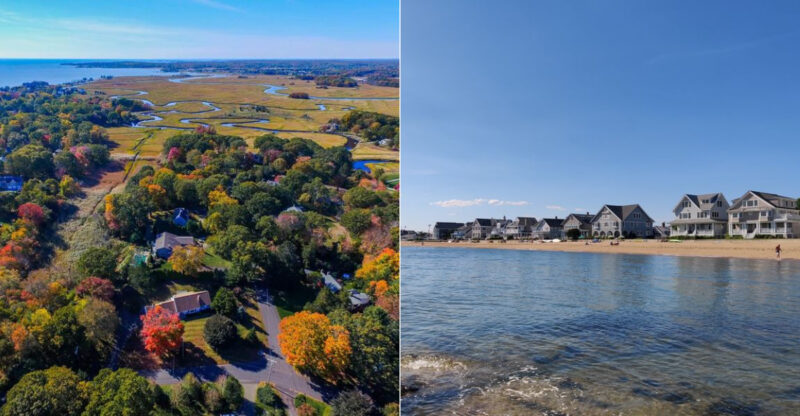
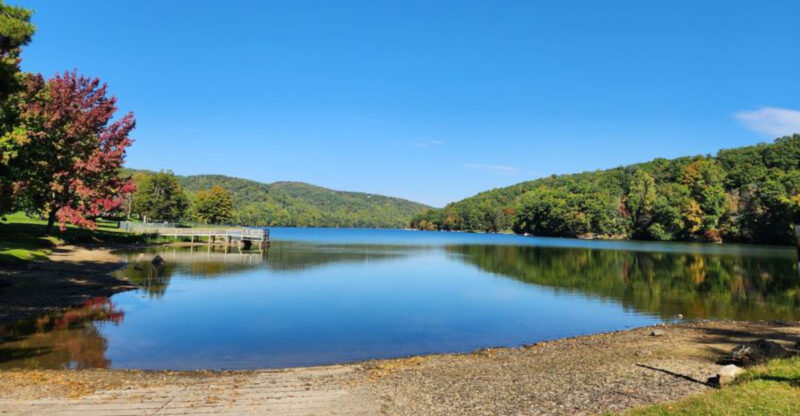
Among communities across Connecticut, it has drawn attention for air quality that ranks among the cleanest in the state.
It is an unusual distinction, and honestly, that makes it more interesting. Nobody puts clean air on a souvenir mug, yet it is the sort of everyday benefit residents can appreciate simply by heading outside.
Sometimes what makes a town notable is not a flashy attraction at all. In this case, one of its most impressive qualities might be something you barely notice while enjoying it.
1. Fresh Air Adds Another Perk To Small-Town Life
Fresh air sounds simple. The numbers tell a more interesting story.
Putnam sits in Windham County, where air quality monitoring provides a useful look at conditions in this quieter northeastern corner of the state.
The EPA tracks daily Air Quality Index readings by county, sorting days from Good through Hazardous based on monitored pollutants. That makes checking current conditions more useful than relying on a single broad claim about how clean the air is.
Ozone is especially important during warmer weather. State environmental officials note that high concentrations typically develop on hot summer days, with pollution transported into the region also contributing to state’s ozone problem.
Windham County remains designated nonattainment under the current federal ozone standard.
That does not mean every summer afternoon brings poor conditions. Air quality changes from day to day, which is why the state issues forecasts for ozone and particulate pollution.
For visitors planning a walk, picnic or long afternoon outdoors, checking the AQI before leaving is an easy extra step.
Putnam still offers plenty of reasons to spend time outside. Just let the day’s actual air-quality reading, rather than a sweeping ranking, help decide when to explore.
2. Historic Buildings Give Downtown Plenty Of Character
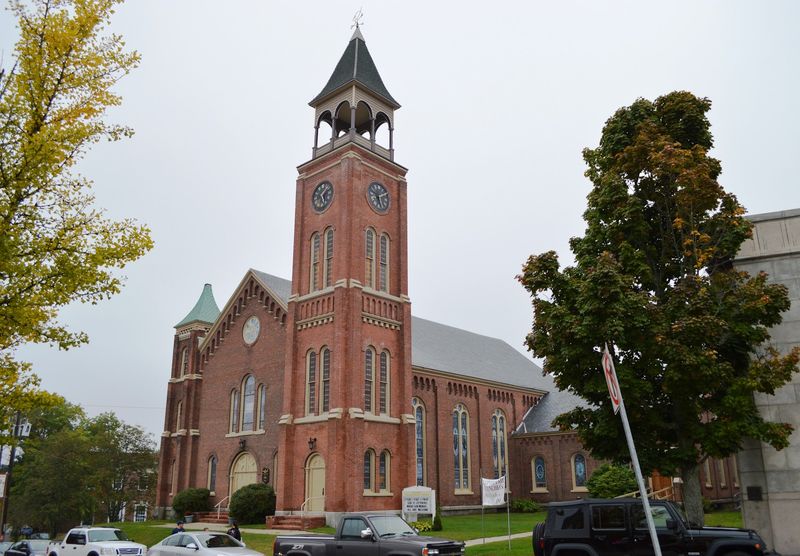
Brick tells the story here. Putnam was incorporated in 1855 and grew on textile manufacturing, railroad traffic, and river commerce, and the buildings left behind from that era still shape how downtown looks and feels today.
The old Montgomery Ward building anchors the commercial stretch, a substantial brick structure that now holds local businesses instead of catalog orders. Walk past it slowly and you start noticing the kind of detail that modern construction rarely bothers with.
Town hall may be the most photogenic surprise. It occupies the former Putnam High School, built in 1874, and carries two towers topped with steep pyramidal roofs, segmental and round-arched windows, polychrome brickwork, and elaborate corbelling along the eaves.
Over the past few decades the downtown has reinvented itself around arts and independent retail, and the town has embraced an Arts and Al Fresco identity that fits the streetscape well. Boutiques, galleries, a theater, and restaurants share the same compact grid.
Best of all, it is genuinely walkable. You can park once and cover the core on foot, which is the right way to catch cornice lines, old signage ghosts, and the quaint New England atmosphere visitors mention again and again.
Comfortable shoes matter more than a detailed plan.
3. Antique Shops Have Become Part Of Its Identity

Treasure hunting gets serious here. One doorway can lead to Victorian furniture, vintage jewelry or an odd collectible you had no intention of buying.
Putnam has built a strong reputation for antiquing, with several shops concentrated around its compact downtown.
The biggest stop is hard to rush. Antiques Marketplace has operated since 1991 inside a historic former Montgomery Ward building, offering approximately 325 dealer spaces across four floors.
Its enormous selection stretches across different periods and collecting styles, making it easy to spend far longer browsing than planned.
Furniture shares space with pottery, glassware, artwork, jewelry and decorative pieces. The constantly changing inventory is part of the fun because two visits can produce completely different discoveries.
Jeremiah’s Antiques & Collectibles adds another substantial browsing stop downtown. Multiple dealers fill the shop with antiques and collectibles, including jewelry, advertising pieces, comics and other nostalgic finds.
Putnam’s layout makes turning the hunt into an afternoon especially easy. Antique businesses occupy storefronts within the walkable downtown area, so visitors can move between stops without repeatedly returning to the car.
Hours can differ between businesses, making a quick check before traveling worthwhile.
Leave extra room in your schedule. In Putnam, “just one more shop” can easily turn into another hour of browsing.
4. The Quinebaug River Runs Along The Town Center
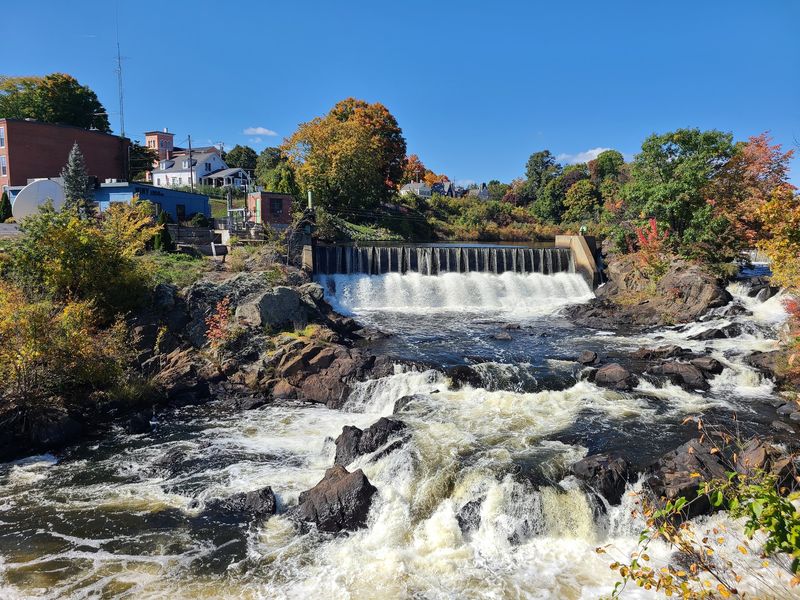
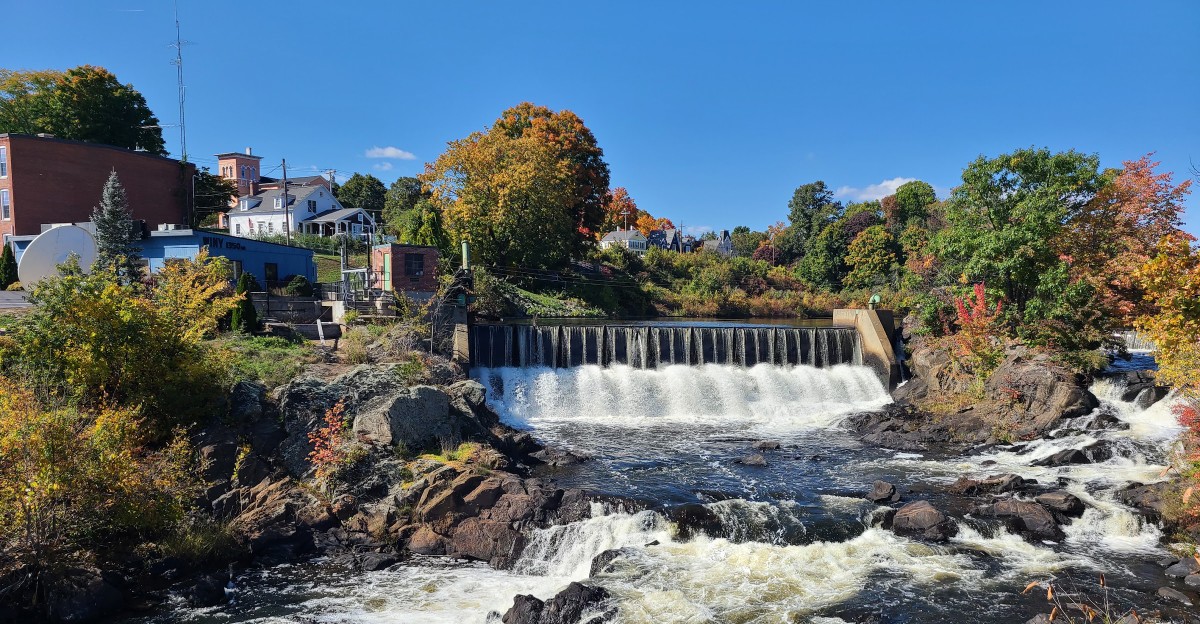
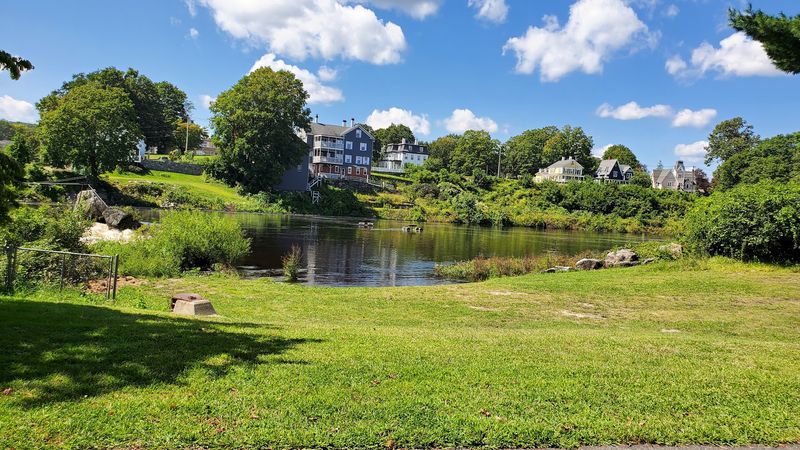
You hear the water before you see it in places. The Quinebaug River runs directly alongside downtown Putnam, and its presence explains almost everything about why the town exists where it does.
Mills needed moving water, and the river provided it. Today the most dramatic stretch is around Cargill Falls, where the current drops and churns beside old industrial stonework, a scene that shifts noticeably between a dry August and a rainy April.
The Putnam River Trail hugs the eastern bank, so the river stays in view for most of a walk rather than appearing once and vanishing. Several bridges near the path double as viewing platforms, and each one offers a slightly different angle on the water.
Interpretive displays along the way fill in the background. They cover the river’s natural resources and the Great Flood of 1955, a storm event that reshaped the town center and remains part of local memory.
For photographers, early morning tends to be kindest, with soft light on the brick and mist sometimes hanging over the surface. For everyone else, the river simply makes downtown feel open and cool, a natural edge that keeps the walkable core from feeling closed in by buildings.
5. River Trails Offer An Easy Outdoor Escape
No hiking boots required. This one keeps things easy.
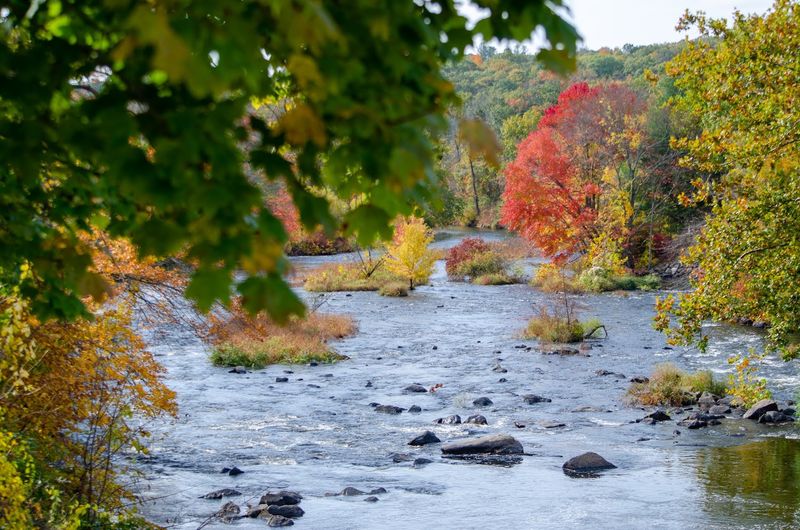
The Putnam River Trail follows the Quinebaug River through town, giving walkers and cyclists a paved route that mixes scenery with pieces of local history.
The trail covers roughly two miles and forms part of the East Coast Greenway, the developing route connecting communities between Maine and Florida. In Putnam, the path travels near downtown, making it possible to pair some outdoor time with the town’s shops and restaurants.
One of the most memorable sections crosses a pedestrian bridge over the Quinebaug River. The route also passes areas shaped by Putnam’s industrial past, when mills and railroads played a much larger role in everyday life.
Interpretive displays add context along the way, covering topics such as local railroad history and the devastating Flood of 1955. They provide natural stopping points without turning a relaxed walk into a history lesson.
Several access points make it possible to choose a shorter outing rather than covering the entire trail. Its paved surface also makes the route approachable for different ages and abilities.
For additional outdoor time, nearby parks provide more room for recreation and casual walks.
Go slowly beside the river. With downtown close by, there is little reason to treat this trail like a race.
6. Murals Add Unexpected Color Around Downtown
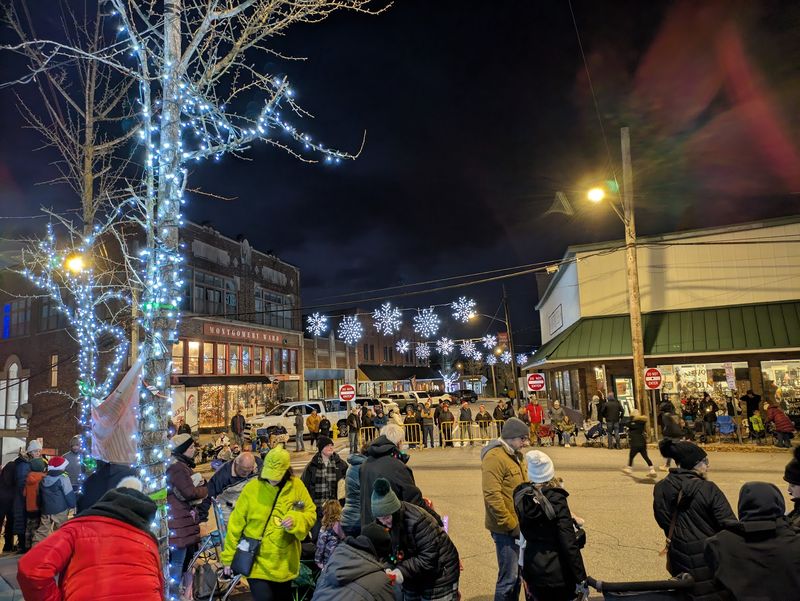
Turn a corner downtown and a blank brick wall might suddenly be a painting. Public art has become a deliberate part of Putnam’s streetscape, and the scale of it keeps growing.
MuralFest Putnam drives much of that effort. Structured as a multi-year public art initiative, the project brings in The Walldogs, a group of sign painters and muralists known for creating storytelling murals that reflect a community’s history.
The idea is less about decoration and more about narrative. Each piece is meant to capture something specific about Putnam’s past, from its mill years to the people who built the place.
Local organizations have added their own contributions. Sawmill Pottery has taken part in community-based public art projects including Faces of Putnam and the Beautiful World mural, the latter created in partnership with elementary school students.
Because the works sit on ordinary walls rather than inside a gallery, seeing them costs nothing and fits naturally into a downtown stroll. Afternoon light generally works best for photos of larger walls.
Keep in mind that mural projects evolve. New pieces appear and painting sessions happen on their own schedule, so a return visit a year later may look noticeably different from the last one.
That slow change is part of the appeal.
7. Fall Weekends Bring Extra Energy To The Streets
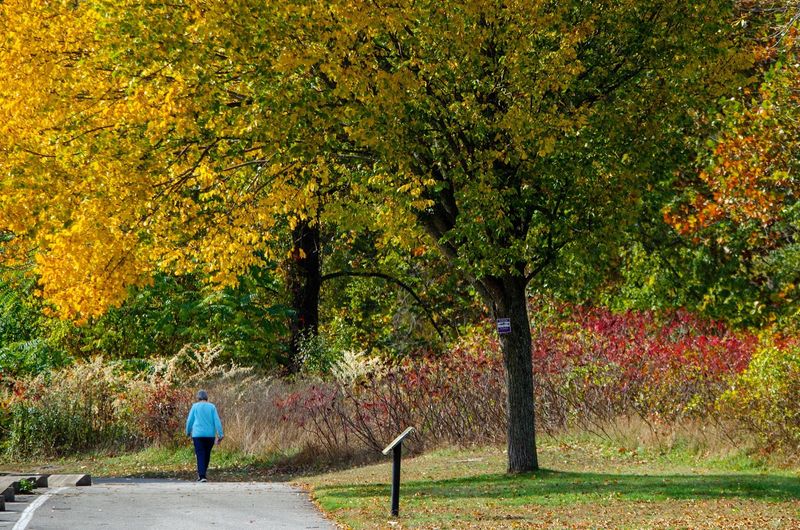
Autumn is when downtown Putnam gets loud in the friendliest sense. Cool, dry air settles over northeastern parts of the state, foliage turns along the Quinebaug, and the streets fill up on weekends.
The Great Pumpkin Festival headlines the season. Built as a community and family celebration, it takes over the downtown with a craft and art vendor fair, live music, and a range of activities aimed squarely at kids.
The centerpiece draws a crowd every year. Official Great Pumpkins go on display on the lawn of the Putnam Congregational Church, and a scarecrow contest sends decorated figures up and down the sidewalks courtesy of residents and local businesses.
Shops and restaurants lean into the theme with seasonal offerings, and in past years the festival has included scenic train rides, though features like that can change from one year to the next.
Practical advice for fall visits: arrive earlier than you think you need to, since parking near the center fills quickly on festival days, and check current event dates before planning around them.
Even on a non-festival weekend, October here rewards a visit. Crisp air, a quiet river walk, and antique browsing make a satisfying day without any crowd at all.
8. Quiet Corners Sit Minutes From The Busy Center
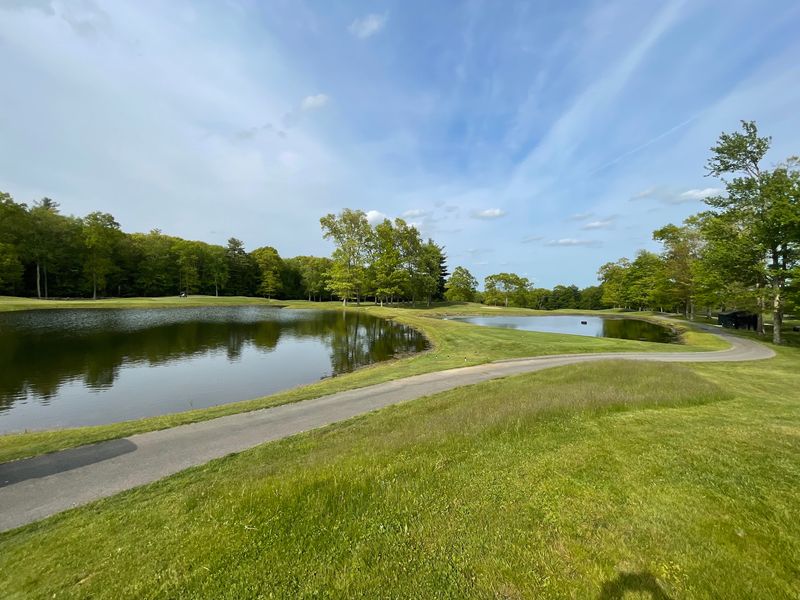
Northeastern Connecticut is known as the Quiet Corner, and Putnam proves the nickname is earned rather than marketed. Leave the downtown blocks and the noise level drops fast.
Murphy Recreation Park is the closest reset button. Its 43.3 acres hold mature greenery and winding trails, and the paths stay well maintained enough for an unhurried walk without any sense of roughing it.
Simonzi Park works on a smaller scale. A neighborhood green space with open lawn and walking paths, it tends to be calm and suits a short break more than a full outing.
Drive a little farther and the options widen considerably. Mashamoquet Brook State Park, Quaddick State Park, and Bigelow Hollow State Park are all reachable in a modest trip and offer hiking, picnicking, fishing, and birdwatching across much larger landscapes.
That accessibility is really the point. You can spend the morning in a crowded antique mall and the afternoon somewhere you hear nothing but wind in the trees, all without a long highway haul.
Combined with the county’s strong air quality record, these spaces make Putnam an easy recommendation for anyone who wants outdoor time that feels restorative. Bring water, check park hours seasonally, and let the pace slow down naturally.