This Georgia Alpaca Farm Lets You Snuggle, Feed And Hang Out With Its Fluffy Residents
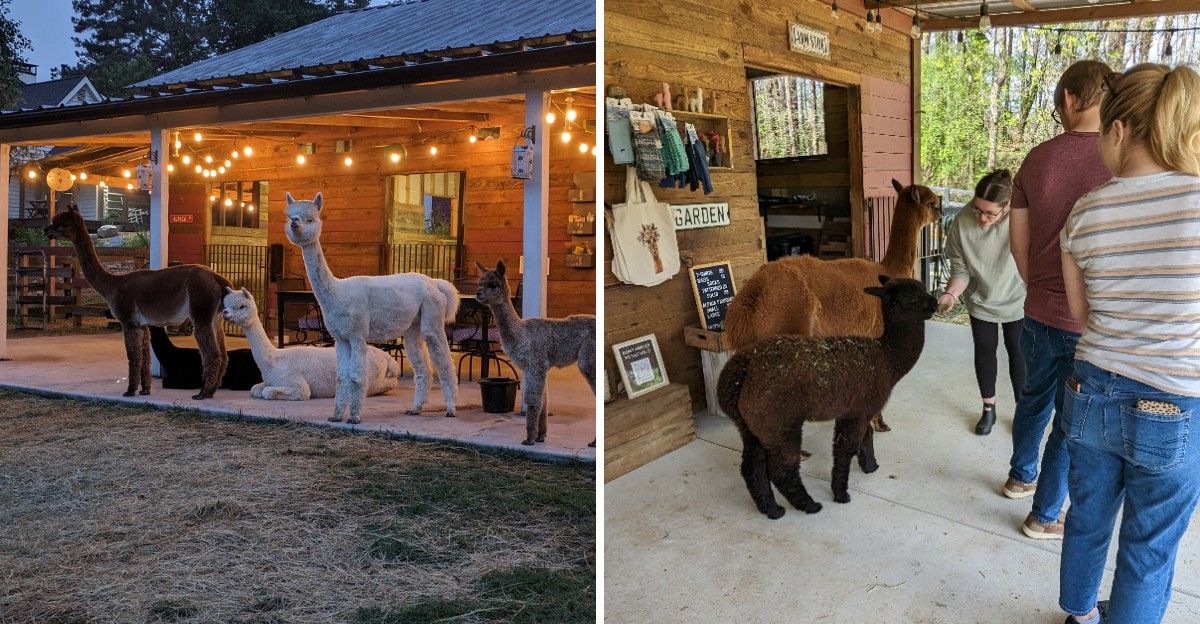
I wasn’t prepared for how much personality one alpaca could have. I pulled up expecting a standard petting zoo, quiet animals, a little hay, nothing memorable.
Instead I got surrounded within minutes, fuzzy faces nudging my hands, looking for snacks like they already knew me. Georgia has plenty of farm visits built around cows and goats, but this one runs entirely on alpacas, and the difference is obvious immediately.
They hum. They lean into you.
A couple of them acted like personal bodyguards, following me the whole visit. I went in thinking I’d stay twenty minutes.
I left almost two hours later, completely charmed. Georgia families keep coming back for a reason, and now I understand exactly why.
If you’ve never had an alpaca rest its head on your shoulder, you’re missing something genuinely wonderful.
A Quiet Pasture Just Minutes From Atlanta
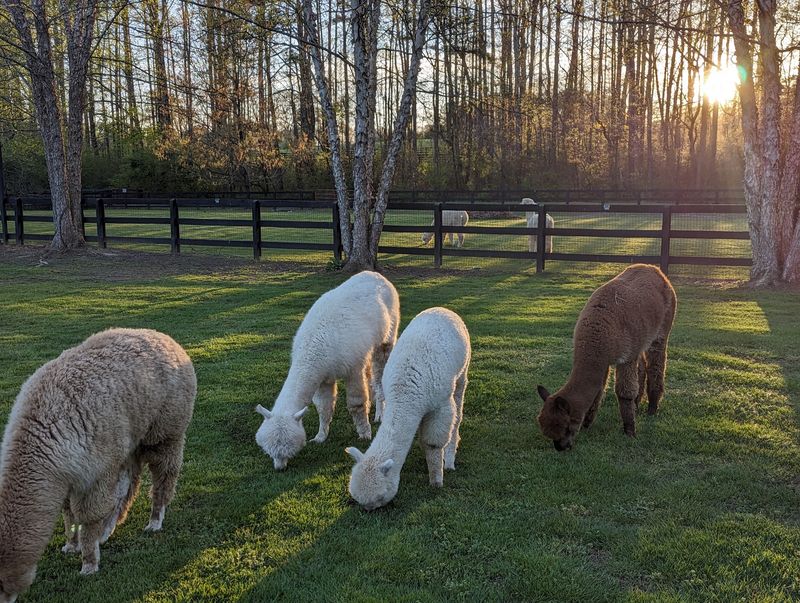
Thirty minutes outside Atlanta, the traffic noise fades and the pastures open up. You would never guess a working alpaca farm sits this close to the suburbs.
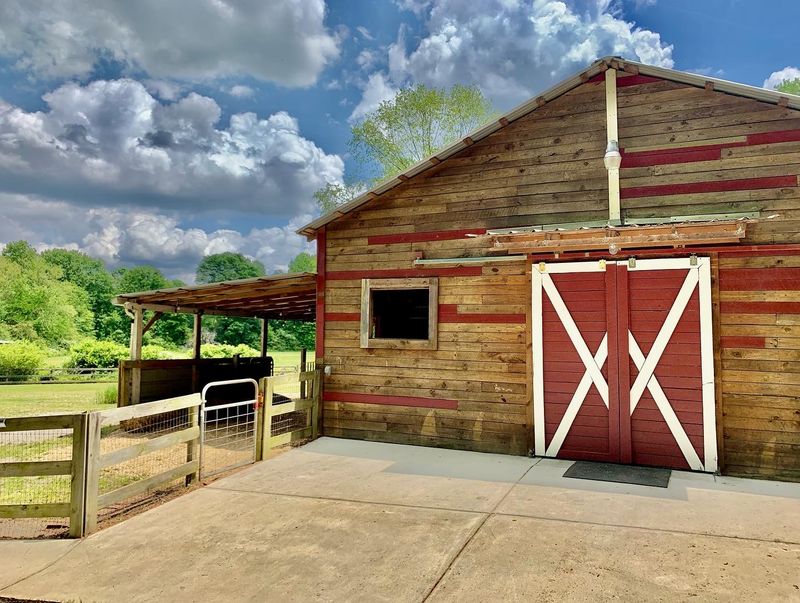
The property rolls gently toward a pond, with wildflowers along the edges in warmer months. Painted murals on the barn walls add color without feeling staged or touristy.
What struck me first was the sound, or the lack of it. Alpacas hum softly to each other, a low noise that settles your shoulders almost instantly.
Visitors often arrive expecting a quick photo stop. Most end up staying the full hour and asking when they can come back.
The pastures are split between the girls and the boys, each with their own routines. That layout lets guests move around safely while still getting close to the herd.
Parking is simple, and the walk to the pasture gates is short and flat. Comfortable shoes matter more than fancy ones here.
If you want the address for your map app, it is Lost Mountain Alpaca Ranch at 1335 Bullard Rd in Powder Springs.
Meeting A Herd Of About Twelve Fluffy Huacayas
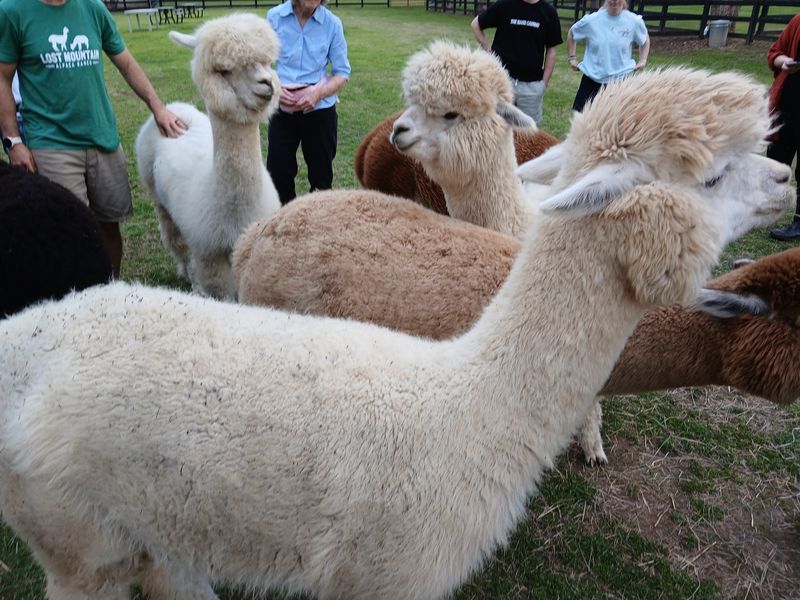
Thirteen alpacas currently live here, with six males and seven females. Some march straight over to greet you, while others study you from a polite distance.
Huacaya fleece grows in dense, crimped bundles that make the animals look like walking clouds. Touching it feels closer to a cashmere sweater than to sheep wool.
They are naturally curious animals, so they inspect new visitors carefully. Expect a few long necks stretching toward your hand to see what you brought.
Humming is their main way of talking. You will hear it constantly once the herd relaxes around you.
Guests learn quickly that petting works best on the neck and shoulders. Alpacas prefer their backsides left alone, and the hosts explain this with good humor.
The herd has included memorable names over the years, from Pistol Pete to a cria called Willow Moon. Babies are called crias, which comes from Spanish.
Watching them roll in the dirt for a dust bath is comedy gold. They flop over, wiggle, and pop back up looking pleased with themselves.
You will leave with a favorite. Everyone does.
The Guided Ranch Tour That Flies By
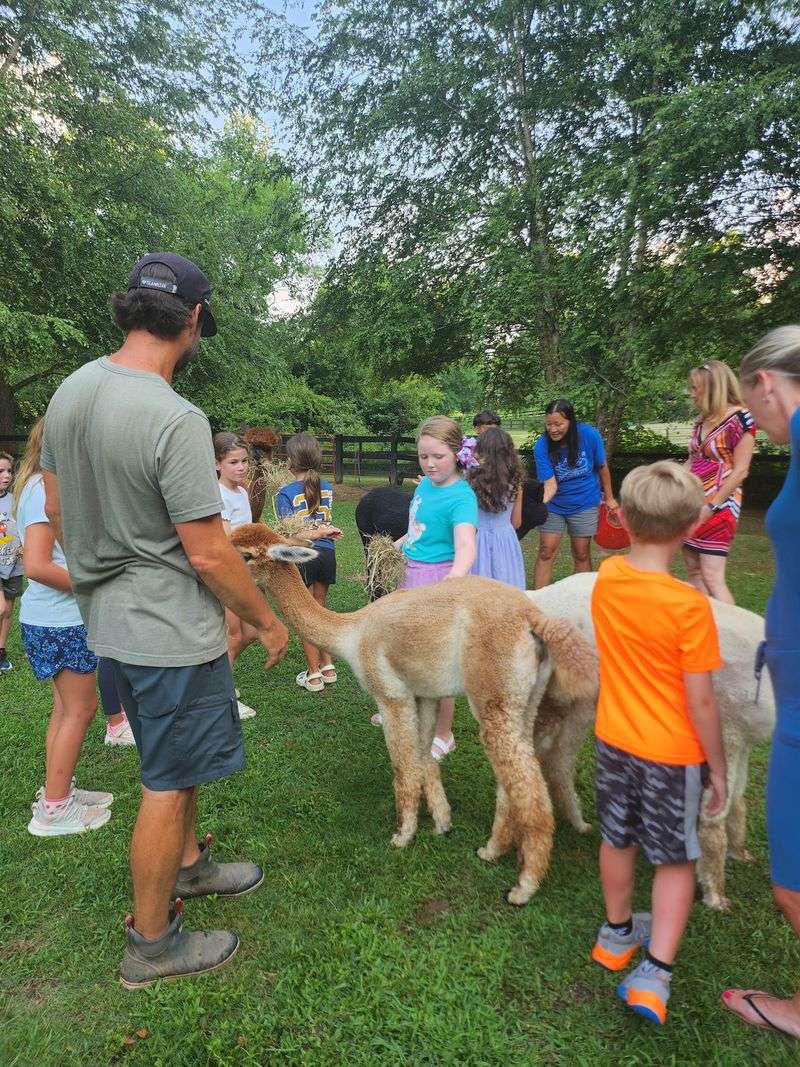
An hour sounds short until you are standing in a pasture with a dozen alpacas. Then it disappears faster than you expect.
The guided experience opens with an introduction to alpacas and a fiber demonstration. You get to handle freshly shorn fleece and feel how light and warm it really is.
Learning how that fiber becomes socks and scarves changes how you look at the animals. It is a working farm, not just a petting zoo.
From there, the walk moves through both the girls’ and boys’ pastures. Each stop comes with stories about personalities, herd ranking, and daily care routines.
Hand-feeding happens along the way, and it is the part most guests remember. Alpacas take food gently, with soft lips and zero drama.
Photos are easy because the animals stay calm and close. The hosts frequently snap pictures for guests and send them along afterward.
Kids and grandparents handle the pace equally well. The terrain is manageable and the stops are frequent.
Groups leave knowing far more about alpacas than they expected. That mix of education and fluff is what makes the tour stick.
Yoga Mats, Sunshine, And Curious Onlookers
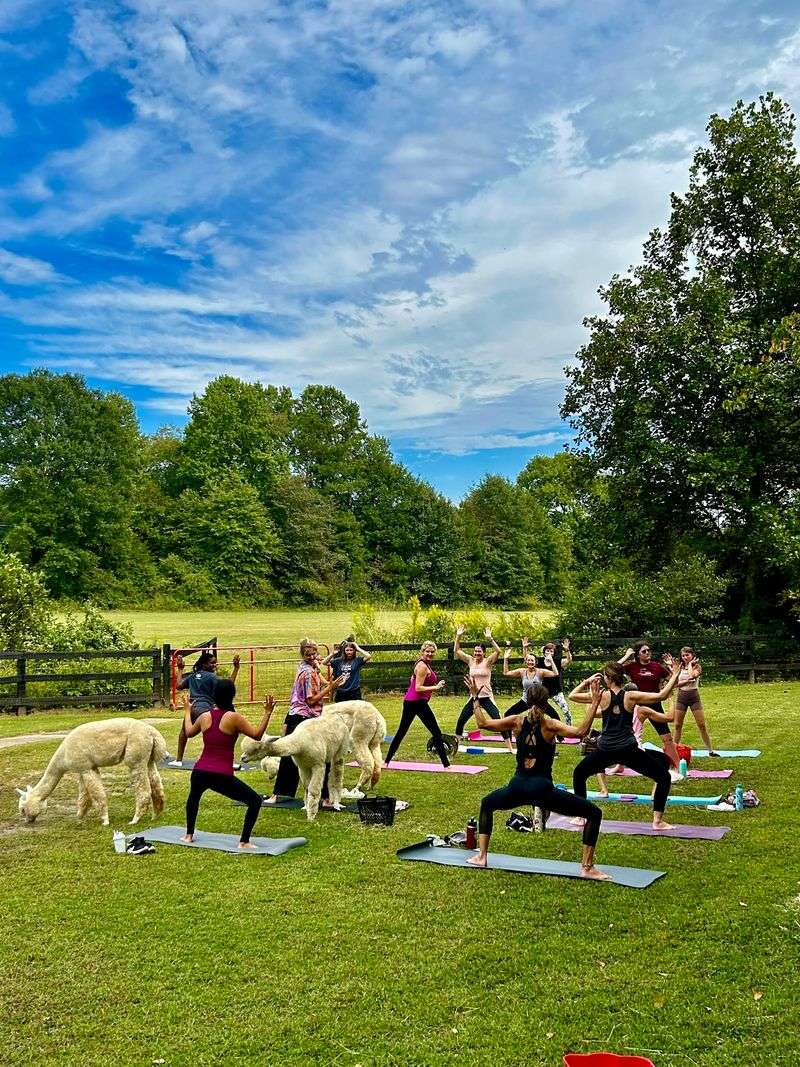
Picture holding a stretch while an alpaca sniffs your yoga mat. That is a normal Sunday here.
The alpaca yoga sessions are beginner-friendly and held right in the pasture. No experience needed, and nobody expects perfect form.
Classes run with the herd wandering freely around the mats. Sometimes they graze quietly, and sometimes they walk straight through the middle of a pose.
The setting does half the work for you. Open pastureland, a pond view, and fresh air make it hard to stay stressed.
Afterward, there is extra time to feed the alpacas and take photos. That cool-down period is arguably the best part of the whole session.
People of all fitness levels join in, including expectant mothers and complete beginners. The pace stays gentle throughout.
Bring a mat you do not mind getting grassy. A water bottle and sunscreen help on warm afternoons.
For deeper relaxation, the farm also hosts alpaca sound baths. Soothing tones and vibrations fill the space while the herd rests nearby.
Both options book up quickly. Check the schedule early if you want a weekend spot.
Sunset Picnics With Grazing Company
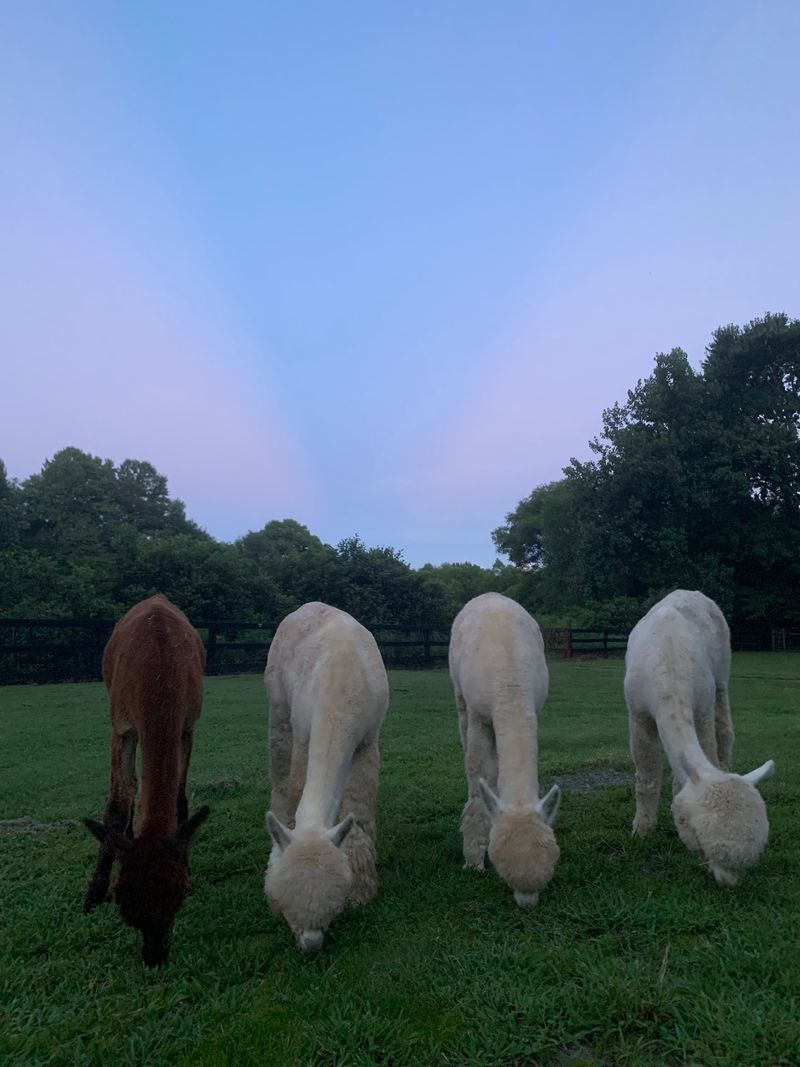
Golden hour on a farm is a completely different experience. The light softens, the air cools, and the herd gets noticeably more playful.
Evening picnics here include dessert, music, and lawn games. Guests spread out while alpacas graze around them, occasionally wandering over to investigate.
Feeding continues during the picnic, so there are plenty of chances for close encounters. The animals stay calm even with a crowd.
Private picnics are also available for smaller celebrations. Tables come decorated with thoughtful touches that make the setting feel special without being fussy.
For those bookings, guests bring their own food and beverages. A feeding session and free time in the pasture round out the visit.
Birthday parties have become a favorite use of the space. Children and adults tend to get equally excited, which says something.
Tables are plentiful, so nobody is stuck balancing a plate on their knees. Seating is practical and comfortable.
Bring a light jacket for evening events. Open pastures cool down faster than you would think once the sun drops.
Fancy, Luna, And The Rest Of The Cast
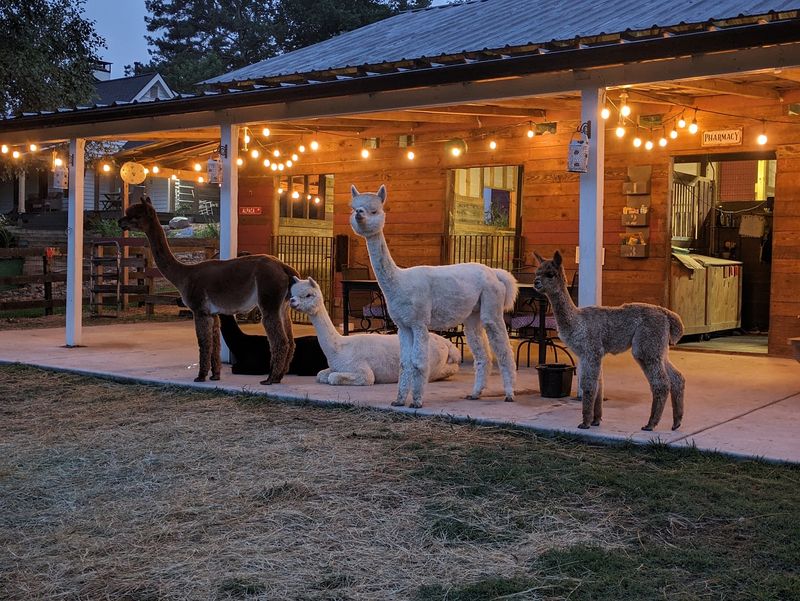
Every herd has a personality chart, and this one is well documented. Spend an hour here and you will start recognizing individuals.
Fancy earns her title as the charismatic second-in-command. She loves human attention and parks herself beside guests for scratches and snacks.
Luna operates differently. Intuitive and quiet, she has a knack for making visitors feel comfortable and noticed.
Her calm nature makes her another memorable member of the herd.That kind of patience is rare in any animal.
Betty White Delight rounds out the group with a calm, snack-loving attitude. She also mothered a sweet cria named Phenix.
The alpacas are not the only residents. Four sheep share the property and bring their own stubborn charm to the mix.
A Maremma livestock guardian dog named Bodhi watches over everyone. He shares an especially tight bond with Phenix.
Maremmas have protected flocks in Italy for centuries. Seeing one at work in Georgia is a small bonus for animal lovers.
Learning the names turns a farm visit into something closer to meeting a family.
Hand-Feeding Without The Slobber
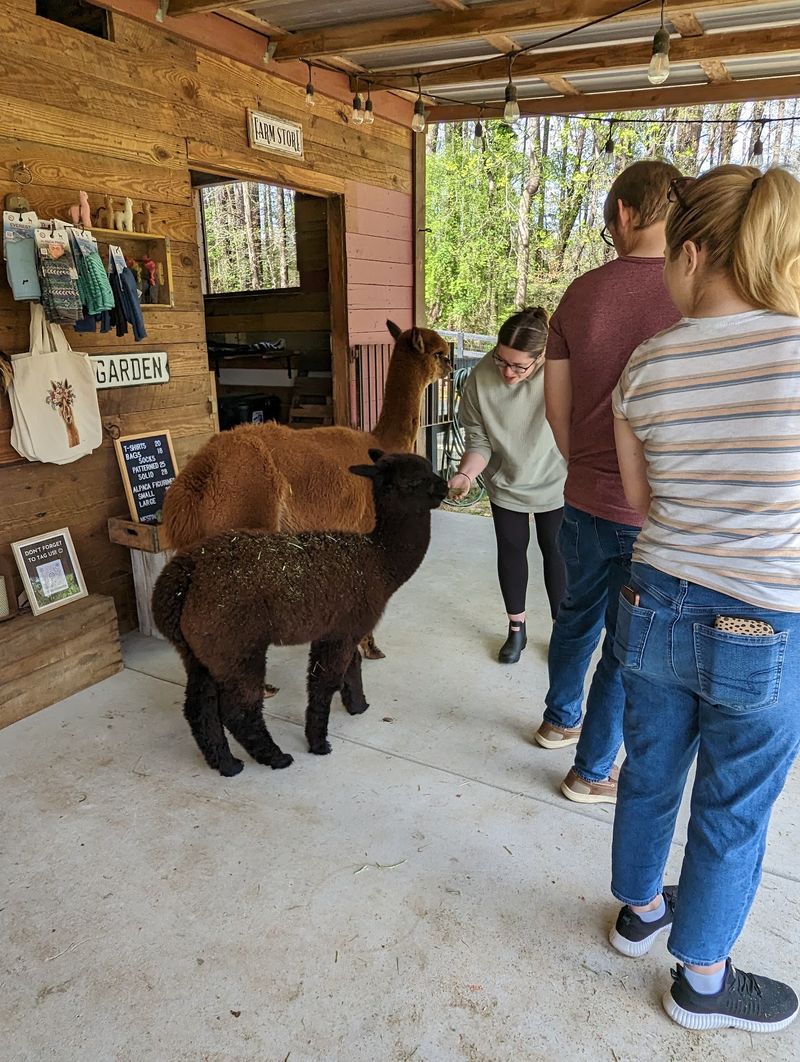
Feeding farm animals usually involves a lot of slobber. Alpacas skip that part entirely.
They take food from an open palm with surprising delicacy. Small children can do it without flinching.
The hosts demonstrate proper technique before anyone starts. Flat hand, steady arm, and patience are all it takes.
Some alpacas rush forward while others wait their turn. Watching the pecking order sort itself out is half the entertainment.
Occasionally an alpaca will lean in for what feels like a kiss. It is really just curiosity about your breath, but it makes a great photo.
Feeding time also reveals who the bold ones are. The shy members hang back until the crowd thins out.
Guests are given specific treats, so there is no guessing about what is safe. Bringing outside food is not part of the plan.
Hand sanitizer is a smart thing to keep in your pocket. Farm visits are clean here, but pastures are still pastures.
That moment when a nervous kid finally holds out a hand is worth the trip alone. Confidence grows fast around these animals.
The Farm Store Full Of Soft Souvenirs
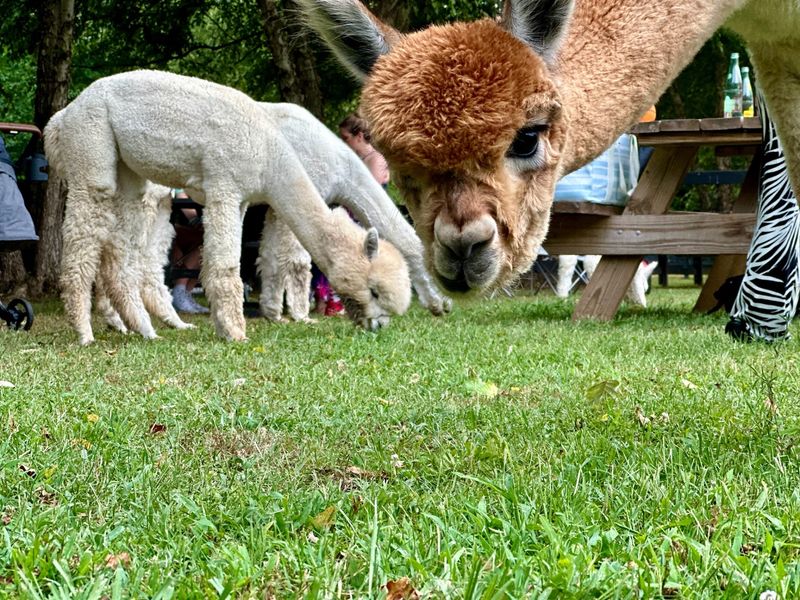
You cannot take an alpaca home, though plenty of guests joke about trying. The farm store is the reasonable alternative.
The climate-controlled shop stocks handcrafted goods made from alpaca fiber. Socks, beanies, scarves, and blankets fill the shelves.
Alpaca fiber is warm, lightweight, and lacks the lanolin found in sheep wool. That makes it a good choice for people who find regular wool itchy.
Hand puppets shaped like tiny alpacas are a favorite with kids. They are also the item most adults end up buying for themselves.
Branded apparel from the farm is available too. A simple shirt makes an easy reminder of the visit.
Prices feel fair for handmade goods, especially once you understand the work behind the fiber. The tour makes that context clear.
The socks are genuinely worth it for cold mornings. Several visitors buy multiple pairs before leaving.
Shopping after the tour hits differently. You just met the animals whose fleece made the products.
Leave a few extra minutes at the end. Browsing rushed is no fun, and the shop deserves a proper look.
Booking Ahead Is Not Optional
Showing up unannounced will not work here. Drop-ins are not accepted, and that policy exists for good reason.
It is a working farm first, with animal care driving the daily schedule. Visits are arranged around the herd’s routine, not the other way around.
All tours, classes, and events must be booked and paid for in advance. The website handles reservations directly.
Popular dates fill up fast, sometimes a month or more ahead. Weekends and holiday sessions go quickest.
Planning early also means smaller, calmer groups. The limited schedule keeps the experience relaxed for guests and animals alike.
Weather rarely stops people from enjoying themselves. Even cold winter visits get glowing reactions from families.
Dress for a pasture rather than a photo shoot. Closed shoes and layers work best year-round.
The attention to detail shows in how smoothly visits run. Nothing feels rushed or overcrowded.
Book it, put it on the calendar, and bring someone who needs a good afternoon.