This North Carolina Farm Hides A Wild Pawpaw Patch You Can Pick For Yourself Every September
Most fruit does not make you hike for it.
This one apparently enjoys playing hard to get.
Each September in North Carolina, a patch of woods turns into a strange little treasure hunt for something many shoppers have never even seen.
Then there is the flavor, which somehow lands somewhere between tropical dessert and forest secret.
Pawpaws are famously delicate, so they do not exactly enjoy long-distance travel.
In other words, if you want one fresh, you may have to go find it yourself.
Consider it fruit picking with a side of mystery and just enough effort to make the first bite feel earned.
Hunt For Pawpaws In A Patch That Feels More Wild Than Orchard
Forget tidy rows and mowed grass lanes.
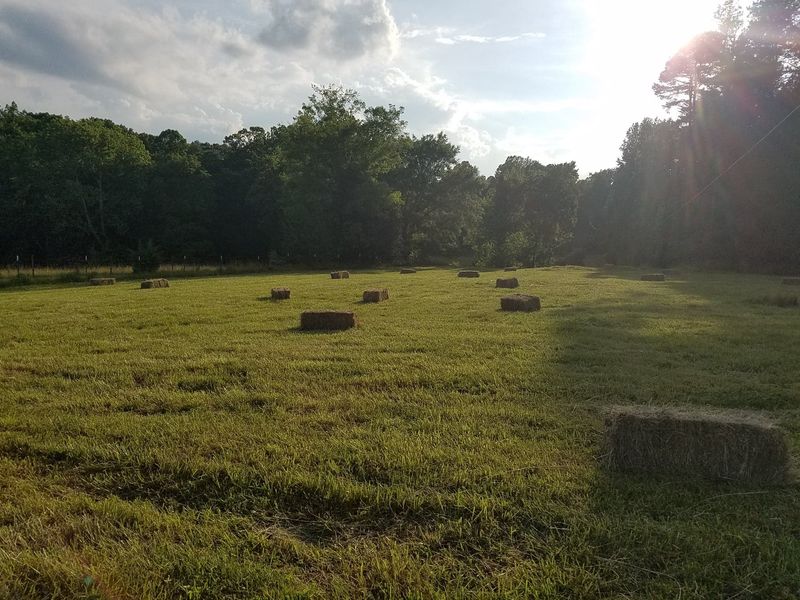
The back thirteen acres of this Greensboro farm hold hundreds of pawpaw plants growing the way nature arranged them, with broad drooping leaves shading a floor of leaf litter and tangled undergrowth.
The story behind the discovery is a good one.
A deer hunter wandering the back woods stumbled onto the grove and realized what was growing there, and the farm has been sharing it with visitors ever since.
The farm itself calls the area dense and wonderfully overgrown, which is an honest description rather than a warning.
Pawpaw trees grow in colonies, sending up clusters of slender trunks that create a shady understory beneath taller hardwoods.
Walking in, you scan upward for the heavy green fruit and downward for whatever has already dropped.
It rewards patience and a willingness to push through brush, and that effort is exactly what makes the first fruit you spot feel like something you found rather than something you bought.
Brookhaven Mill Farm sits on the southeast side of Greensboro, and the patch waits well behind the barns and pastures at 1617 Brookhaven Mill Rd.
Bring A Bucket And See How Much Fruit You Can Find
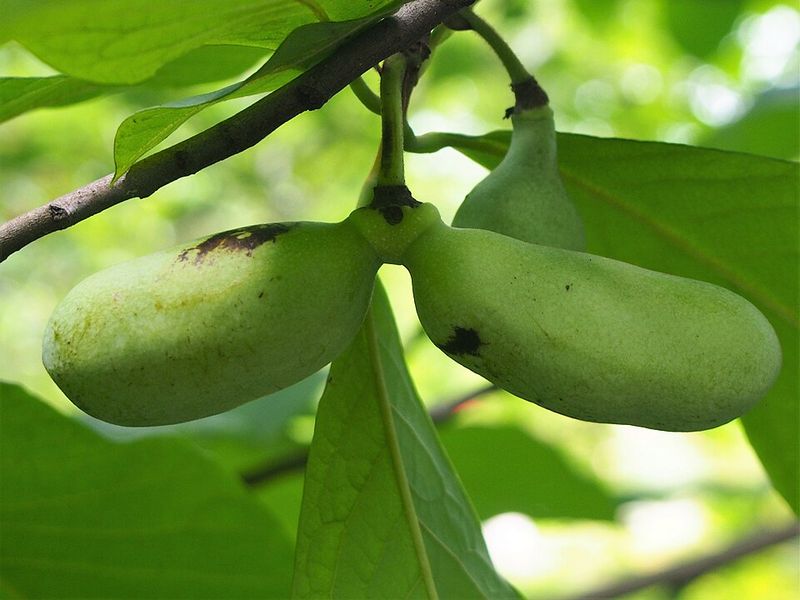
Ten dollars per five-gallon bucket.
That is the deal at the pawpaw patch, and it turns the whole outing into a friendly challenge between you and the woods.
Come prepared with something sturdy to carry fruit in, because pawpaws bruise easily and a flimsy bag will not survive the walk back. Long pants make sense, closed-toe shoes matter more than you might think, and clothes you do not mind snagging on briars will save you some worry.
The ground back there is uneven, with roots, low branches, and soft spots after rain.
Gloves help when you are reaching into brush, and a walking stick is handy for steadying yourself or gently shaking a low branch.
How much fruit you find depends on the season, ripeness, and what remains available on your appointment date.
Ripe fruit gives slightly when pressed, much like a peach that is ready to eat, and often smells sweet before you even touch it. Plan your ride home too.
Stack the fruit loosely in a single layer if you can, because a heaped bucket bumping along a gravel drive turns into pulp fast.
Time Your Visit For The Short September Picking Window
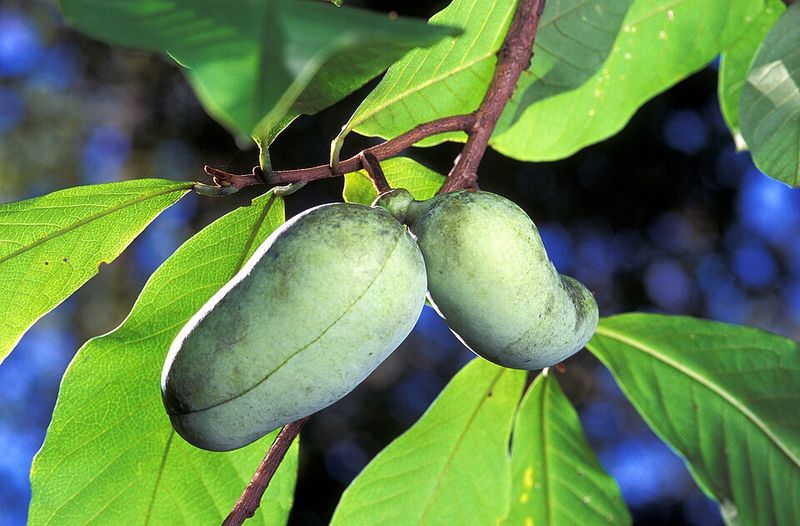
Pawpaws keep their own calendar, and it is a stubbornly short one.
Across the state, the season generally runs from late August into early October, with September holding the sweet spot when the most fruit reaches full ripeness at once.
Brookhaven Mill Farm opens its wild patch to pickers during that narrow stretch, right as the first leaves start turning and mornings finally cool off. Show up too early and the fruit is hard and flavorless.
Arrive too late and the ground crew of raccoons, opossums, and deer will have beaten you to the best of it.
Because the window shifts a little each year with heat and rainfall, picking here runs by appointment rather than posted hours.
You arrange your date directly with the farm by email, which also means the owner can tell you honestly whether the fruit is ready that week.
A practical tip: aim for mid-September if you have flexibility, and ask about recent rain.
Damp weeks bring fruit down faster, and a freshly fallen pawpaw sitting in soft leaves is often the ripest, most fragrant one in the whole patch.
The address for your map app is 1617 Brookhaven Mill Rd, Greensboro, NC 27406, an easy drive southeast of downtown.
Prepare For An Overgrown Patch Where The Search Is Half The Fun
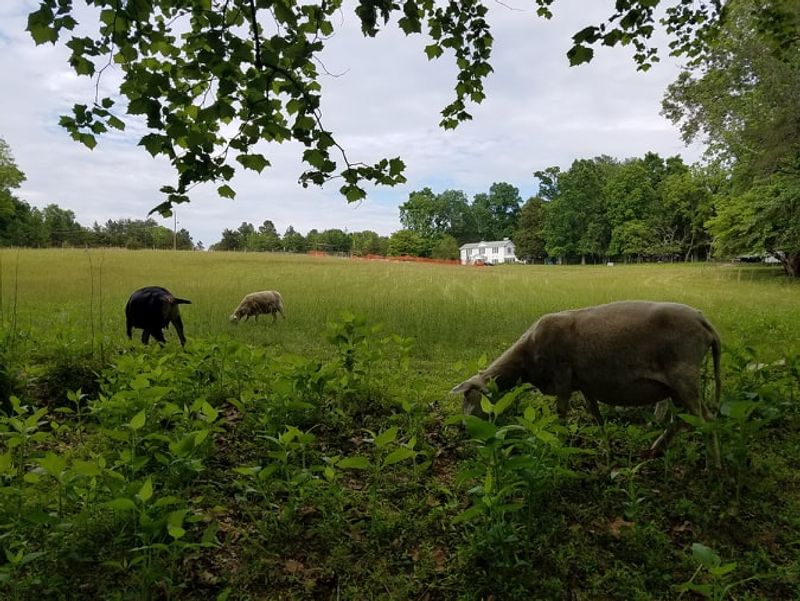
Step past the last pasture fence and the noise changes.
Birdsong replaces the chatter of goats, the air feels cooler under the canopy, and the path narrows until you are choosing your own route through green.
Early visitors to this patch had to trailblaze their way through the woods to reach the fruit, and that pioneering feeling still lingers.
Nature has been left largely to its own devices here, which is part of why the trees produce so generously. Treat it as an exploration rather than a stroll.
You will duck under limbs, step over fallen wood, and stop often to scan the leaf litter for that telltale lumpy shape.
Little details make the hunt memorable: the papery rustle of pawpaw leaves, the faint sweet smell drifting from fruit that dropped a day earlier, the surprise of finding a cluster of three hanging within easy reach.
Bring bug spray in warm weather and a water bottle for the walk.
Kids tend to love this part, since spotting hidden fruit turns into a game, and the win is something you get to eat later that afternoon.
Taste One Of North America’s Strangest Native Fruits Fresh From The Farm
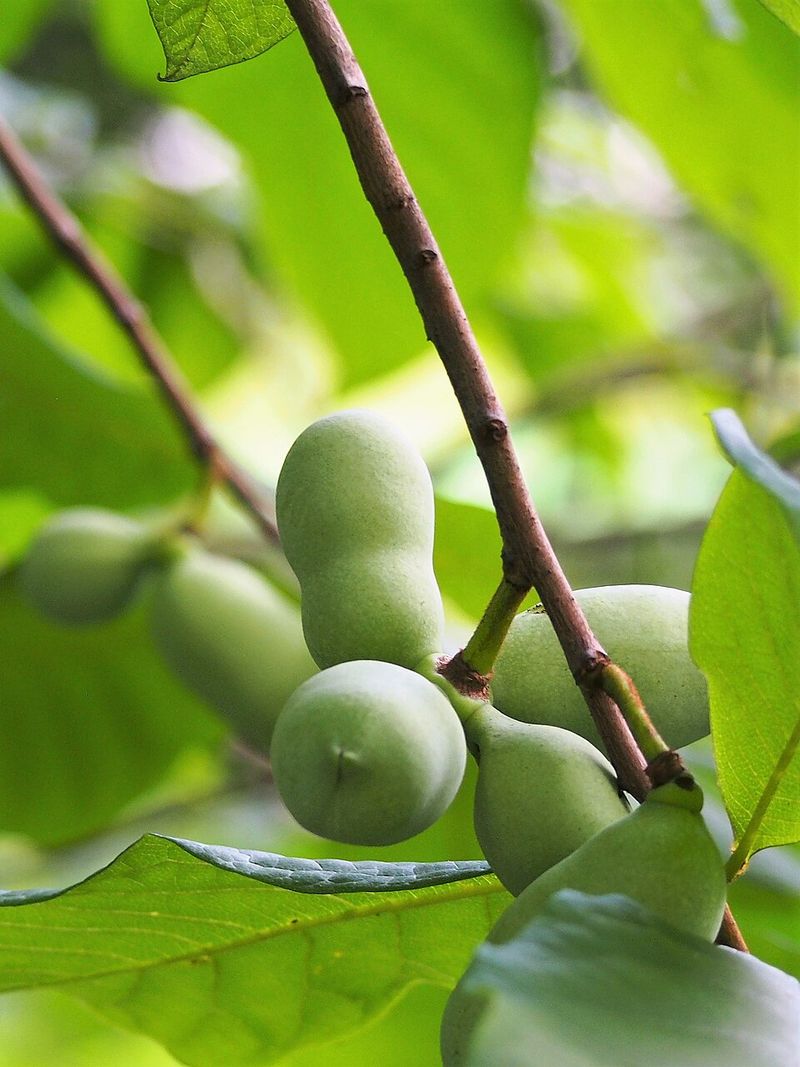
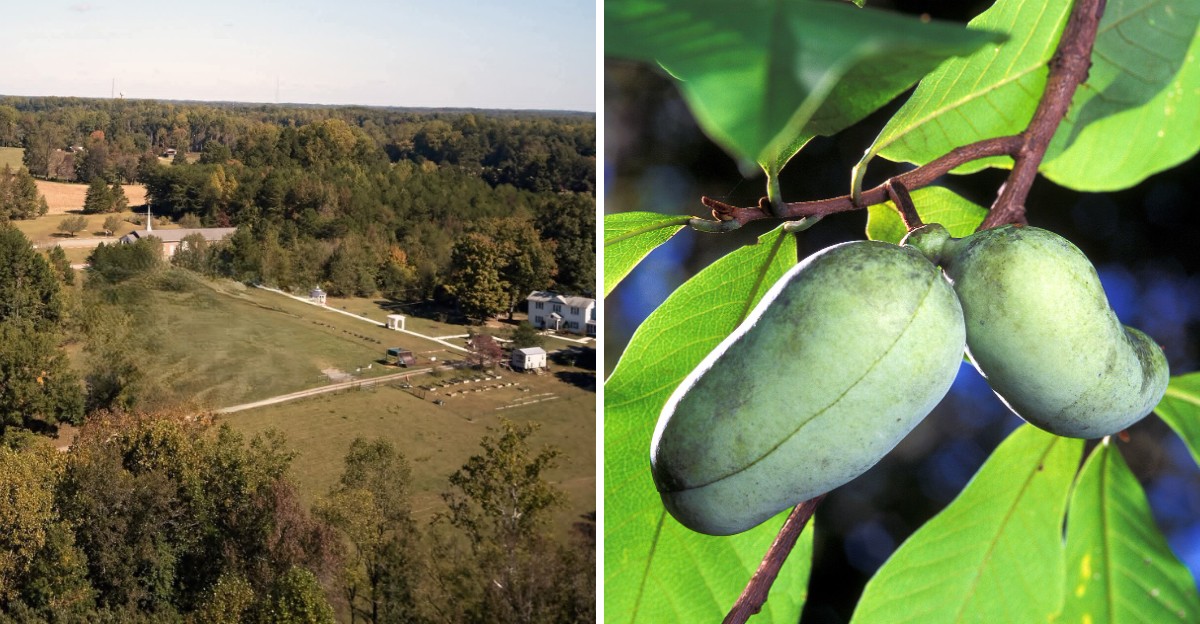
Split a ripe pawpaw open and you find pale golden flesh with the texture of soft custard, studded with large brown seeds shaped like flat beans.
Scoop it with a spoon and the flavor lands somewhere between mango, banana, and vanilla pudding.
Native peoples and early settlers ate this fruit for generations, long before supermarkets existed.
It grows wild across much of the eastern United States, including this pocket of North Carolina, yet almost nobody sees it for sale. The reason is simple.
Fully ripe pawpaws are highly perishable and may last only a few days at room temperature, making large-scale distribution difficult.
U-pick farms, specialty growers, and farmers markets are among the more reliable places to find fresh pawpaws in season. Do not judge by looks.
A perfectly ripe pawpaw may appear blotchy, soft, or freshly dented from its fall, and that specimen is often the most fragrant of the bunch.
At home, the pulp shines in quick breads, pancakes, smoothies, and no-cook puddings.
Freeze the scooped pulp in small containers and you can stretch one September afternoon into months of unexpected tropical flavor from a fruit that grew in Carolina woods.
Save Time To Meet The Animals After Your Pawpaw Hunt
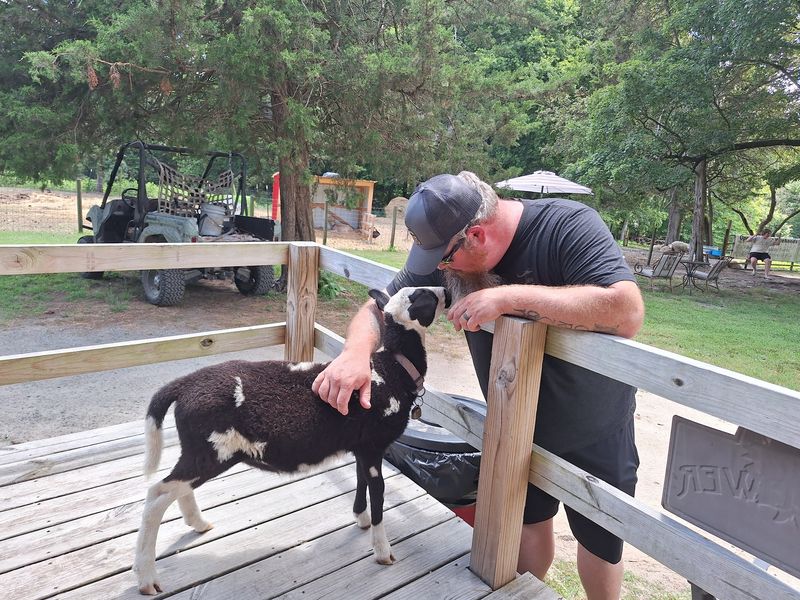
More than eighty animals live on the working side of this farm, and they are decidedly uninterested in your fruit haul until you walk within feeding distance.
Donkeys press their soft noses toward the fence line.
Woolly sheep crowd forward, goats size you up with those odd rectangular pupils, and a mixed chorus of chickens, ducks, and geese patrols the yard with real confidence. Watching costs nothing.
For a small fee you can buy critter food at the farm and hand it over from the fence, which is the moment most kids remember long after the pawpaws are gone.
There is a tactile pleasure to it that screens cannot match: the fluff of a sheep’s back, the surprisingly rubbery feel of donkey lips taking a treat, the warm weight of a freshly collected egg.
Mini horses, rabbits, and guinea pigs round out the barnyard cast.
Give yourself an extra hour here, wear shoes you do not mind getting dusty, and move slowly near the smaller animals.
It makes a natural cooldown after tramping through the woods, and the shaded barn area is a comfortable place to rest your legs.
Browse The Old-Time Farm Store Before Heading Home
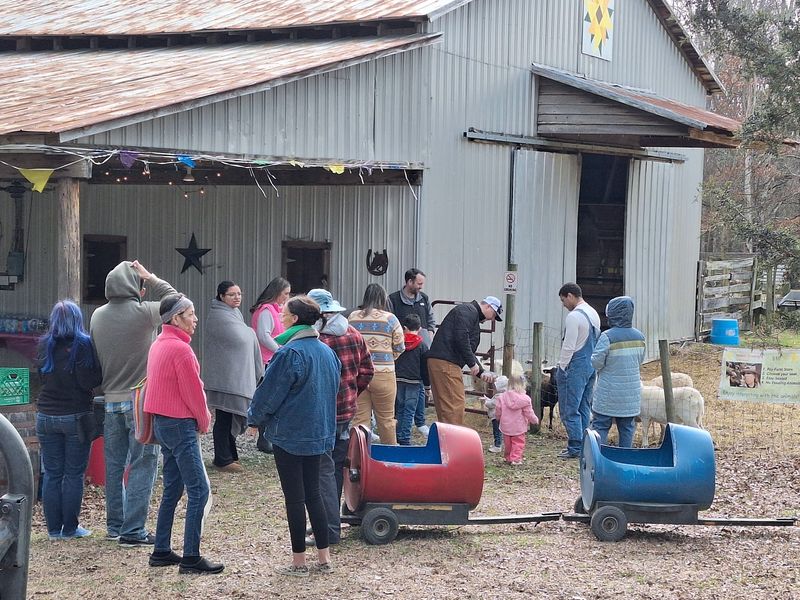
Charlie’s Farm Store occupies the farm’s original 1880s corn crib, and the weathered boards alone are worth a look before you even glance at the shelves. Inside, the inventory reads like a snapshot of the seasons.
Chicken and duck eggs sit in cartons, goose eggs appear when the geese cooperate, and jars of local honey catch the light beside tubs of creamy homemade butter.
Local meats including pork and beef fill the cooler.
Lavender products grown and processed on the property scent the room faintly, joined by handmade soaps and candles from area artisans. The shelves also hold jams, salsas, and pickled vegetables, the kind of jars that make excellent gifts and even better weeknight shortcuts.
Apple butter is a longtime favorite, spread thick on toast the next morning.
Purchases here do real work, funding feed for the animals and upkeep across the property, so browsing feels less like a gift shop stop and more like pitching in.
Stop by before you load the car rather than after.
Once you have a bucket of ripe pawpaws in the back seat, you will want to head straight home.
Know How To Book Your Pawpaw-Picking Visit Before You Go
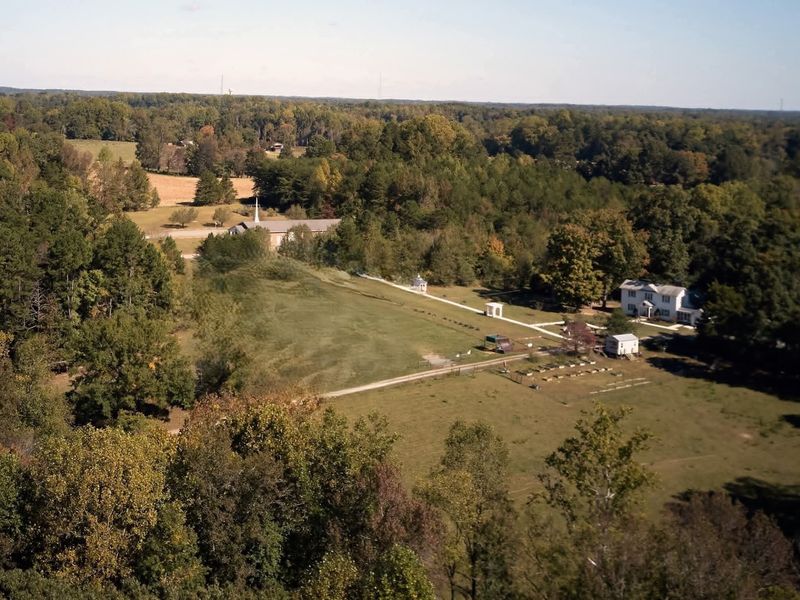
A little planning separates a great pawpaw day from a wasted drive.
Every picking visit at this farm runs by booked appointment, so this is not a place to swing by on a whim. Email is the way in.
You contact the farm directly to request a date, and they confirm whether the fruit is ripe and the patch is open that week.
Check the official website and the farm’s Facebook page before you leave, since seasonal announcements and last-minute weather changes land there first.
Arrive dressed for woods, not for photos.
Long sleeves, closed shoes, and a hat serve you well, and a cooler in the car keeps ripe fruit from turning to mush on the ride home.
Beyond September, the property hosts camping, a bed and breakfast, and seasonal events, so a pawpaw trip can easily grow into a longer stay.
Bring your picking container, allow plenty of time for the rough patch, and confirm payment details when you book.