10 Kentucky Affordable Day Trips Locals Take When They Want Something Different
You know the list. Mammoth Cave, the horse park, a distillery tour, whatever the Ark is doing this month.
All fine places. All places you have either been to or heard about until you felt like you had been.
Kentucky has a second tier that nobody puts on a billboard. A general store on the Ohio River where the town once elected a dog as mayor.
A prairie you drive through slowly while bison ignore your car. An abandoned coal camp you can walk through for free.
Most of these cost very little. Several cost nothing at all.
A few ask for five dollars and hand you an afternoon in return.
They are scattered across the state, which means one of them is closer to you than you think. Pick one, fill the tank, and go somewhere your coworkers have not already been.
1. Rabbit Hash General Store
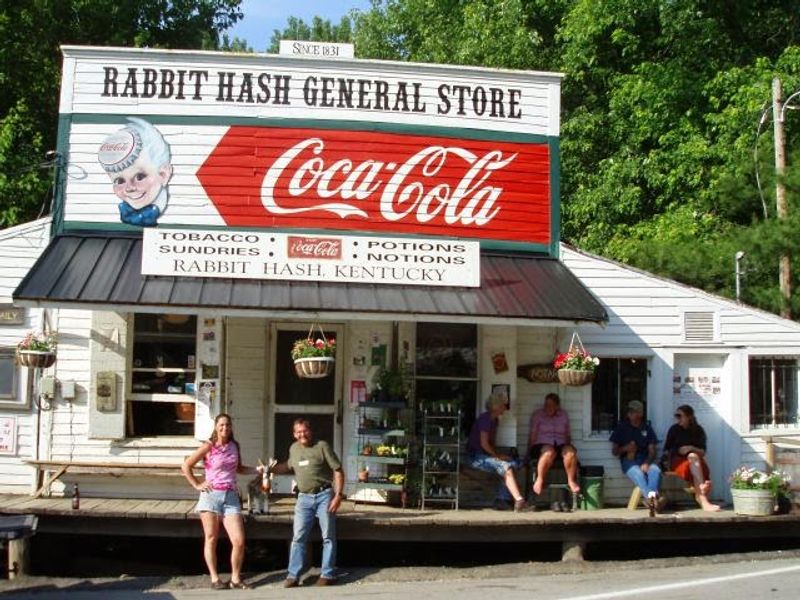
A town that elects dogs as mayor already has your attention. That town is real, and the store at its center opened in 1831.
The building sits close to the Ohio River, with a long front porch that works as the local living room. Neighbors gather there, swap news, and watch the water go by.
Inside, shelves hold antiques, collectibles, small handmade trinkets, and everyday groceries. The floors creak the way old floors should.
The odd name reportedly traces back to a major flood in 1847. Rabbits ran for high ground, and the label stuck.
Fire damaged the store in 2016, and the community rebuilt it. That rescue says plenty about how much the place means locally.
Canine mayors have been part of the tradition for years now. Campaigns are cheerful, and the winners take the job seriously in their own way.
Plan on slow browsing rather than quick shopping. Half the fun is reading old labels and asking about the photos on the walls.
Musicians often turn up on the porch when the weather cooperates. Bring a folding chair if you like sitting in on that.
You will find it at 10021 Lower River Rd, Burlington, Kentucky. The drive in follows the river, which is half the reward.
2. Big Bone Lick State Historic Site
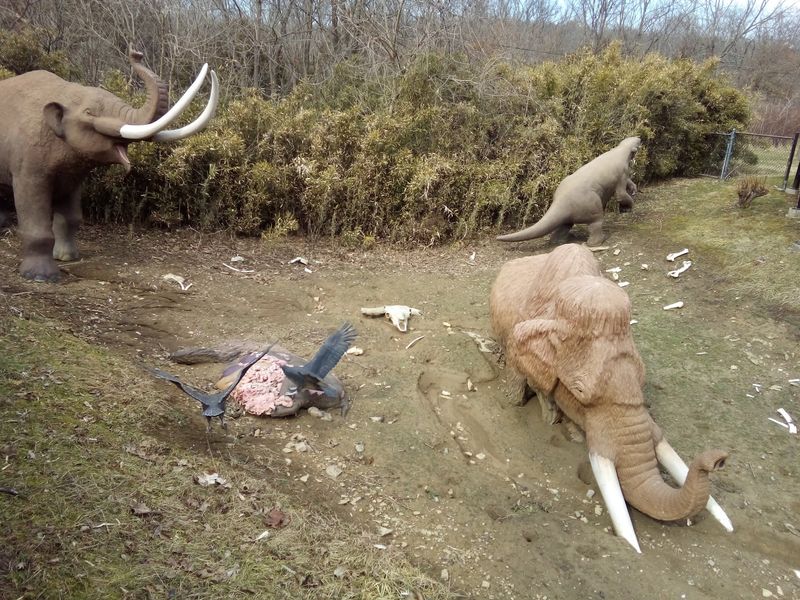
Mammoths once got stuck in the mud here, and the mud is still around. So are the salt springs that drew them in.
The site earned the nickname birthplace of American paleontology. Early fossil discoveries here changed how scientists understood prehistoric life in North America.
A short boardwalk loops past a re-created marsh with life-sized mastodon and mammoth replicas. Kids usually stop dead in their tracks at the first one.
Salt springs bubble up nearby, and they are the whole reason ancient herds came. Animals wanted minerals, then sank into soft ground.
The museum holds fossil displays that put real bone next to clear explanation. Plan twenty quiet minutes in there.
Outside, a live bison herd grazes in a fenced pasture. Seeing them after the replicas ties the past to the present fast.
Miles of hiking trails wind through woods and open field. Picnic areas and miniature golf make it easy to stretch the visit into a full afternoon.
Bring binoculars for the bison viewing area. They often rest far from the fence line.
The address is 3380 Beaver Rd, Union. Wear shoes you do not mind getting damp on the marsh trail.
3. Yew Dell Botanical Gardens
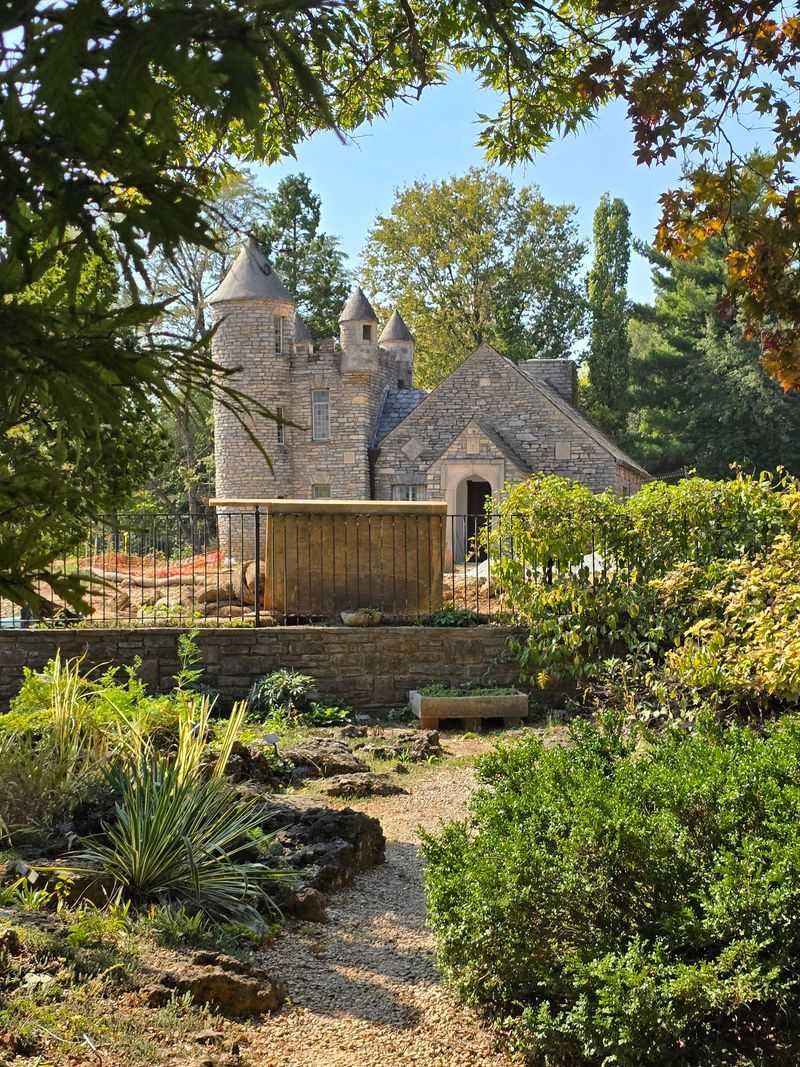
There is a stone castle in the middle of these gardens. No moat, no dragons, just a very photogenic surprise.
Yew Dell has grown into an internationally recognized center for plants and gardens. The staff test what actually thrives in Kentucky soil.
Display gardens are built so something blooms in every season. Even a February visit gives you structure, bark, and berries to admire.
Experimental beds sit near the polished areas, which is the fun part. You get to see plants being put through their paces.
Woodland paths lead away from the tidy borders into shade and birdsong. The shift in mood happens within a few steps.
Education runs through everything here, from labeling to sustainable growing practices. Questions are welcome, and gardeners tend to answer generously.
Seasonal plant sales pull in serious gardeners looking for unusual varieties. Arrive early if you want the strange stuff.
Benches are scattered thoughtfully, so bring a book if you like reading outdoors. Nobody rushes you along.
Find the gates at 6220 Old Lagrange Rd, Crestwood, just northeast of Louisville. A camera is worth packing for the castle alone.
Go on a weekday morning for near total quiet.
4. Bernheim Forest And Arboretum
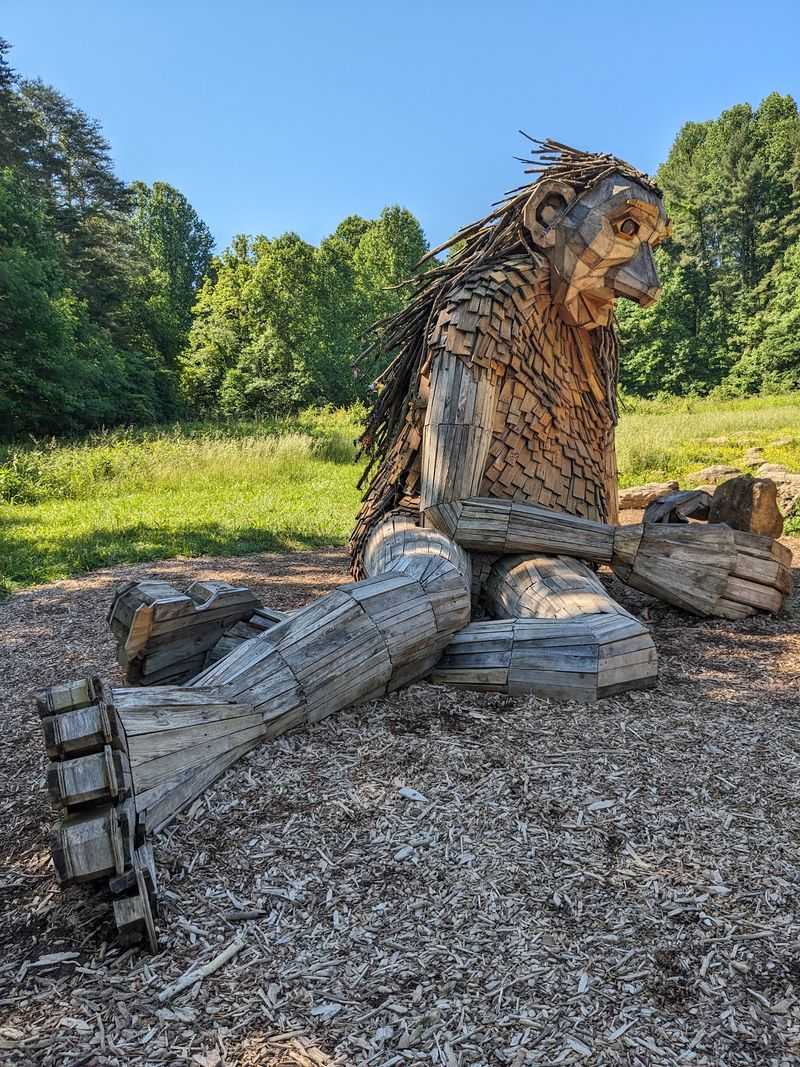
Sixteen thousand acres of forest, and the most talked-about residents are made of sticks. The Forest Giants are enormous sculptures built from repurposed materials.
Bernheim spreads across hills south of Louisville with more than 40 miles of hiking trails. Routes range from easy loops to long, leg-testing climbs.
The Canopy Tree Walk carries you 75 feet above the forest floor. Treetops look completely different from eye level.
Artist-built installations appear along the way, blending into the landscape rather than shouting over it. Finding them feels like a treasure hunt.
Playcosystem covers 17 acres of natural playground. Kids climb, balance, and build instead of standing in line for plastic slides.
Lake Nevin anchors the arboretum side with an easy walking path. Turtles and herons show up regularly.
Fall color here is genuinely spectacular, which means weekend reservations fill quickly in October. Aim for a weekday if you can.
Pack water, since the longer trails have no shops along them. Sturdy shoes matter on the rocky sections.
The entrance sits at 2075 Clermont Road, Clermont. Give yourself at least half a day, because one trail always leads to another.
Maps are free at the visitor center.
5. Perryville Battlefield State Historic Site
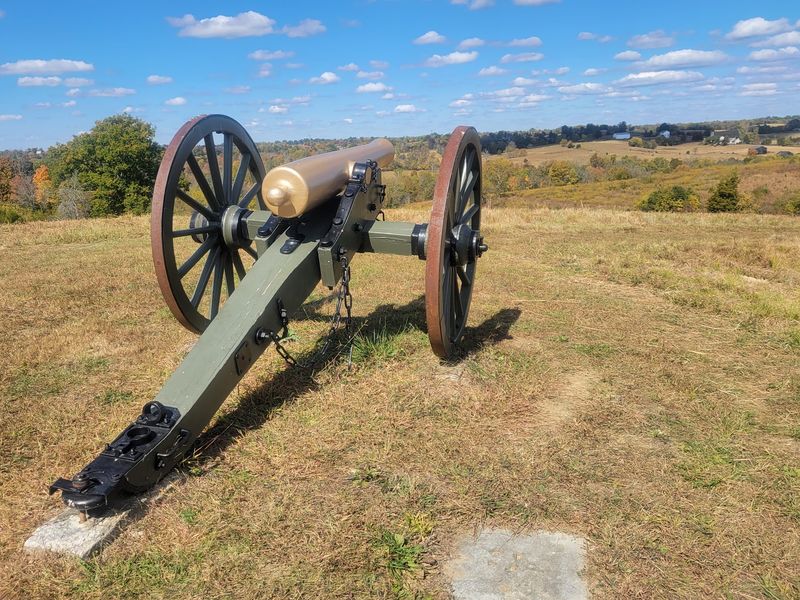
Most historic sites have been paved over or built around. Perryville looks almost exactly as it did in 1862.
The Civil War battle fought here on October 8, 1862, was the largest in Kentucky. The land still carries the shape of that day.
Preservation is the big draw. Rolling ridges, tree lines, and stone fences give you the same views the soldiers had.
Roughly 20 miles of trails let you tour at your own pace. Interpretive signs explain how the terrain shaped what happened.
The quiet is striking once you get past the parking area. Wind through the grass is often the loudest sound.
Wildlife has taken over the open fields, so expect deer, hawks, and plenty of songbirds. Early morning is best for spotting them.
Bring a hat and water, because shade is limited on the ridge routes. The walking is gentle but exposed.
History buffs can spend hours, while casual visitors get plenty from a shorter loop. Both work here.
The site sits at 1825 Battlefield Rd, Perryville, west of Danville. Nearby small towns make an easy lunch stop afterward.
Reenactment weekends draw big crowds, so check ahead if you prefer solitude.
6. Kentucky Artisan Center
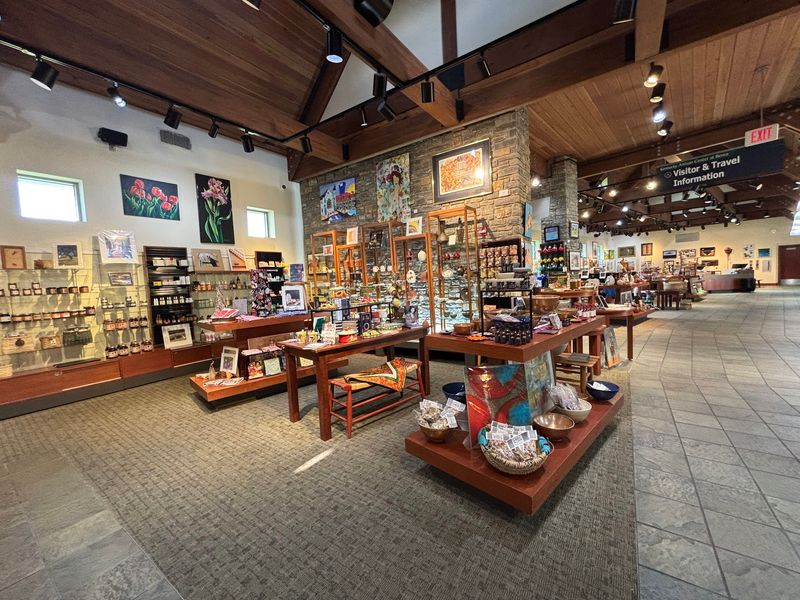
Eight hundred Kentucky artisans under one roof. That number alone explains why this place beats a souvenir shop.
Galleries here mix traditional crafts with modern work. Handwoven textiles sit near sculptural glass without either looking out of place.
Shopping options run wide: pottery, blown glass, paintings, jewelry, woodwork, and specialty foods. Prices span impulse buy to serious investment.
Live demonstrations happen most Saturdays, and watching hands work changes how you see the finished pieces. Questions are encouraged.
Musical performances and food tastings pop up regularly through the year. The schedule shifts, so a quick look before you go pays off.
A cafe inside serves Kentucky Proud products, which means local ingredients on the plate. It is a solid stop even without the shopping.
Berea itself has a deep craft tradition, and this center works as a great introduction. Many visitors browse here, then head into town for studios.
Interstate access makes it one of the easiest stops on this list. You can be in and out in an hour if needed.
The address is 200 Artisan Way, Berea. Budget more time than you think, because the glass cases slow everyone down.
7. Carter Caves State Resort Park
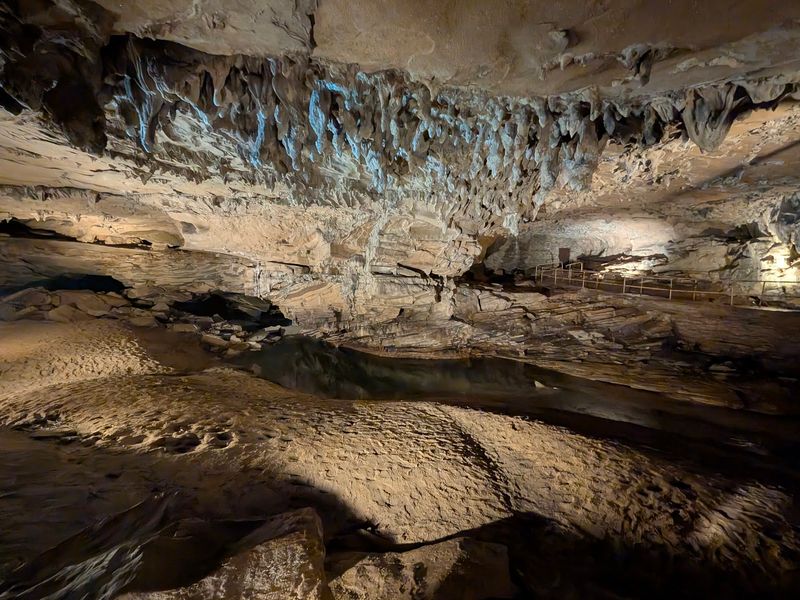
Twenty caves in one park. Eastern Kentucky quietly holds the state’s highest concentration of them.
Guided tours range from easy walking routes to crawling adventures for people who do not mind mud. Pick your comfort level honestly.
Underground, you will see waterfalls, columns, and formations shaped over an unimaginable stretch of time. The air stays cool year round.
Above ground, 33 miles of trails lead past natural bridges and stone arches. Some of the arches are big enough to walk under without ducking.
Smoky Lake offers boating, and guided canoe trips run during warmer months. Paddling here is calm rather than thrilling.
Cabins and a lodge mean you can stretch a day trip into a weekend. Many visitors do exactly that after one tour.
Tours sometimes sell out, so arriving early improves your odds. Sturdy closed shoes are required on the rougher routes.
Bring a light jacket even in July, because caves ignore the season completely. A headlamp helps on the adventure tours.
You will find the park at 344 Caveland Dr, Olive Hill. Cell service gets spotty, which most visitors count as a bonus.
8. Blue Heron Mining Community
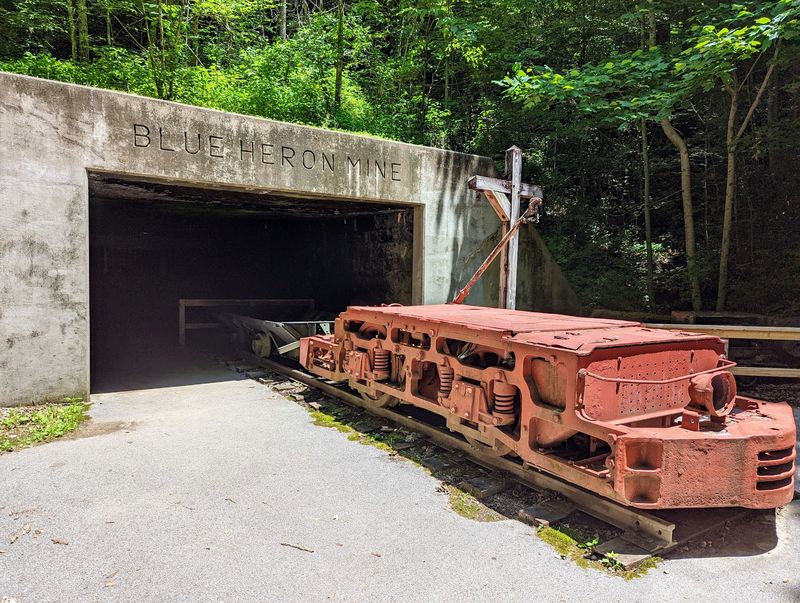
Picture a whole town rebuilt as open steel outlines. No walls, no roofs, just shapes where buildings once stood.
Blue Heron, also called Mine 18, operated from 1937 to 1962. Today it works as an outdoor museum along the Big South Fork.
The ghost structures mark the depot, schoolhouse, company store, and family homes. Standing inside them is strange in the best way.
Audio recordings inside each structure share memories from former residents and miners. Real voices describing real routines make the place land differently.
The coal tipple bridge stretches over the river, and the view from it is wide open. Photographers love the angles.
Trails connect the community to overlooks above the gorge. The Blue Heron Overlook rewards a short climb.
A scenic train from Stearns runs seasonally down into the gorge. Riding in beats driving if you want the full effect.
Shade is limited around the structures, so bring water on hot days. Comfortable shoes handle the gravel fine.
Look for it on Blue Heron Rd, Stearns, KY, inside the Big South Fork National River and Recreation Area. Give yourself two hours minimum.
9. Elk & Bison Prairie
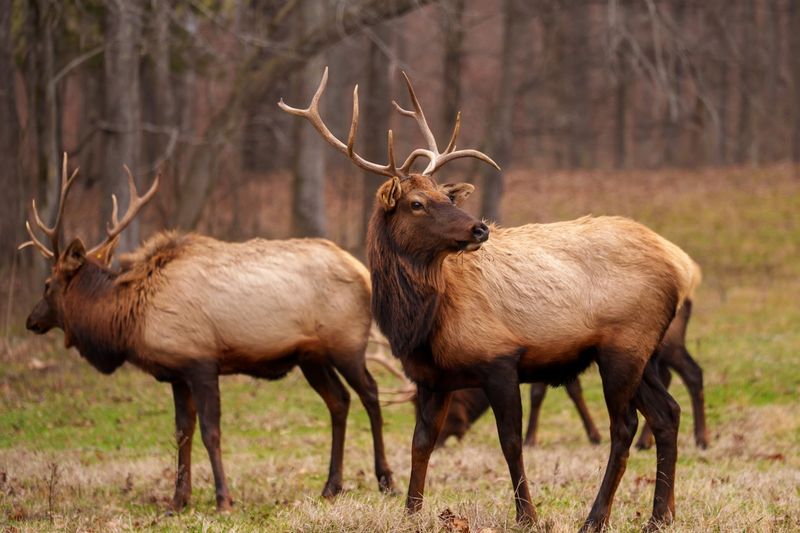
Drive slowly and a bison may decide your car is not worth moving for. That happens here regularly.
The prairie covers 700 fenced acres of restored native grassland in Land Between the Lakes. It recreates habitat that once stretched across the region.
A 3.5-mile paved loop road carries you through at your own pace. Staying in your vehicle is the rule, and it keeps everyone safe.
Herds of plains bison and Rocky Mountain elk are the headliners. Both are easier to spot than most people expect.
Wild turkeys, hawks, and grassland songbirds share the space. Coyote sightings happen now and then.
Interpretive signs along the route explain the prairie’s history and how fire helps maintain it. Worth reading while you wait for animals to move.
Cooler parts of the day bring the best viewing. Early morning and the hour before sunset are prime.
Wildflowers peak in summer and fall, adding color between the grasses. Autumn also means elk bugling season.
Access is off Elk & Bison Prairie Rd, Golden Pond, KY. A small fee applies, and turning off your radio makes the whole loop better.
10. The National Quilt Museum
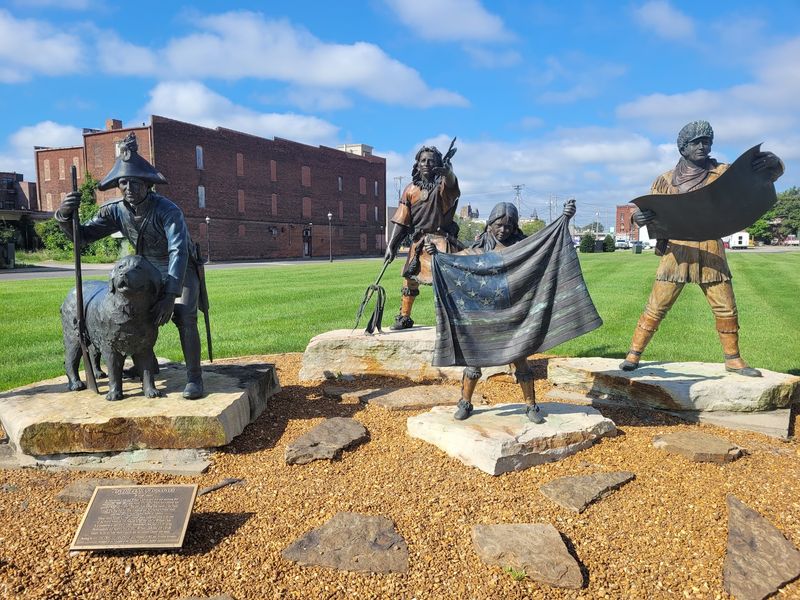
Forget the quilt folded on your grandmother’s couch. The work hanging here looks more like painting done with thread.
The museum holds more than 650 contemporary quilts, all created after 1980. Every piece was chosen for artistry rather than age.
Styles swing wildly from photorealistic portraits to bold abstract designs. Some pieces contain stitching so fine it reads as brushwork.
Rotating exhibitions run throughout the year, so repeat visits rarely feel repetitive. Regular visitors plan trips around new shows.
Standing close is part of the experience, because detail reveals itself inch by inch. Step back and the whole image snaps together.
Paducah is recognized as a UNESCO Creative City of Crafts and Folk Art. The museum anchors that reputation and draws quilters worldwide.
Even people with zero sewing interest tend to leave impressed. The technical skill on display is hard to argue with.
The gift shop carries patterns, books, and supplies for anyone inspired to try. Staff can point beginners toward the right starting point.
You will find it at 215 Jefferson St, Paducah, near the downtown arts district. Pair the visit with a walk along the floodwall murals.