This 622-Acre Nebraska Park Has Its Own Trout Lake And A Swim Beach
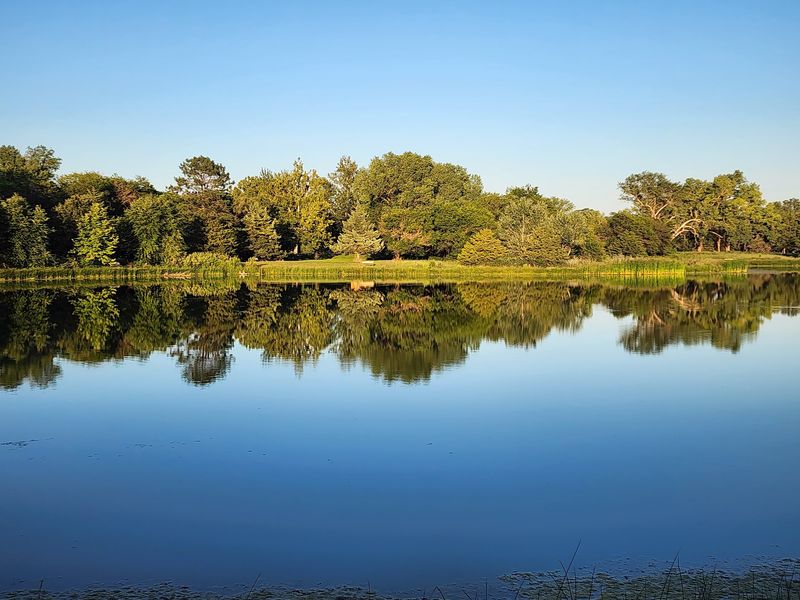
I went looking for a cheap afternoon out in Nebraska and ended up at a sandy beach with a lake full of rainbow trout behind it. Twenty minutes from the edge of a metro area, seven old sandpit lakes sit in a row with cottonwoods leaning over the water and a row of railroad cabooses parked in the trees.
Nothing about the entrance sign prepares you for how much is packed into the place. It turned out to be one of those spots you keep thinking about on the drive home.
Where the Platte Meets Seven Sandpit Lakes
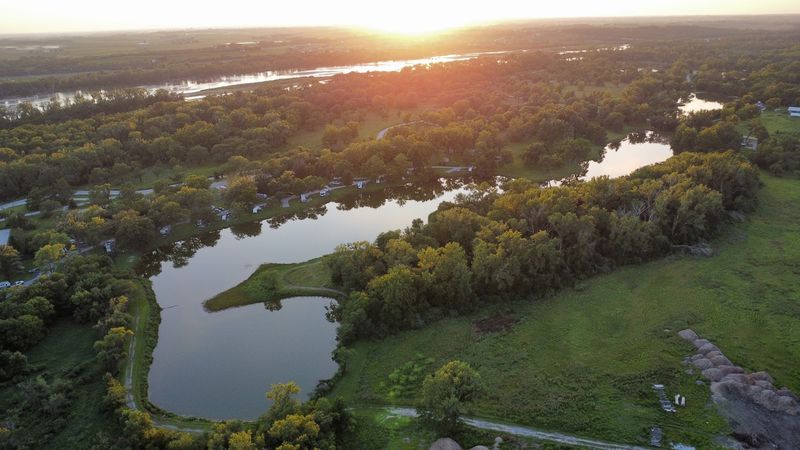
Seven sandpit lakes, strung out across 622 acres of Douglas County bottomland, hold roughly 320 acres of water between them. The Platte River runs along one edge, which is where the park gets its name: two rivers, the Platte and the Elkhorn, converging nearby.
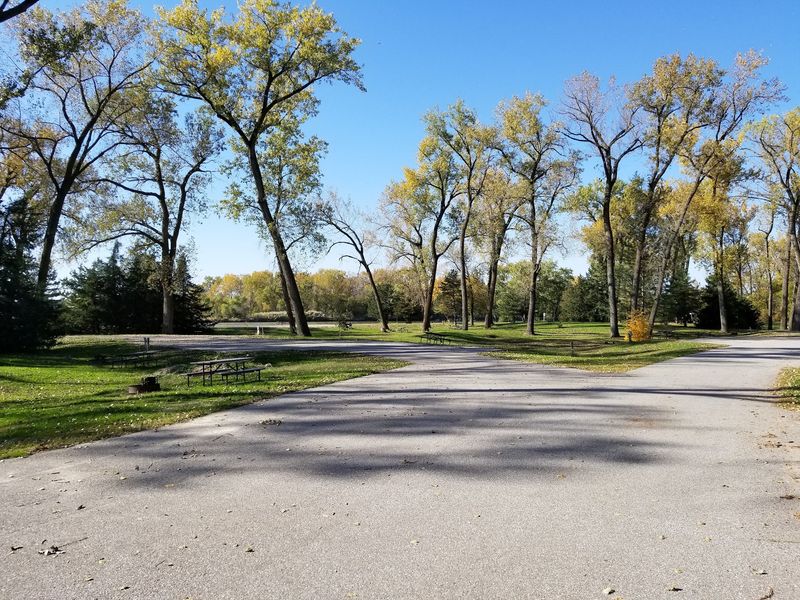
Gravel roads loop between the lakes, and cottonwoods rise over the banks. Old sand and gravel pits filled in over the decades and became fishing water, and the state turned the whole thing into a recreation area west of Omaha.
The scale is what surprises people first. You can drive the loop, pick a lake, and have a stretch of shoreline largely to yourself on a weekday afternoon.
Weekends fill up fast, especially in July.
Wildlife shows up without much effort on your part. Turtles line the logs, frogs scatter along the shallows, and geese nest close enough to the campground that you walk wide around them in spring.
Bird variety is strong here, thanks to the river corridor and the mix of open water and heavy timber.
From Gravel Pits to Public Playground
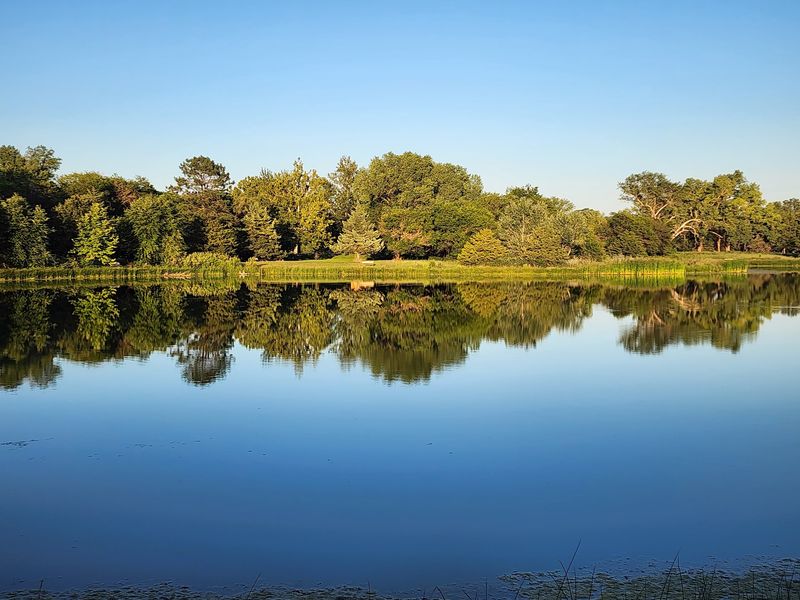
Sand and gravel came out of this ground first. The pits that fed construction projects filled with groundwater once the digging stopped, leaving behind deep, clear basins with sandy bottoms and gently sloping banks.
Rather than let them sit, the state developed the property into a recreation area at 27702 F St in Waterloo, numbering the lakes one through seven and assigning each a purpose. That numbering system still governs how people talk about the place.
Ask anyone where the trout are and the answer is simply “Lake 5.”
Weather has rewritten parts of the park more recently. A hard storm season and a rough winter brought down a large number of trees, and staff have periodically closed camping loops and day-use areas to clear the fallen timber.
Shade is thinner in some spots than it used to be.
It is an honest kind of park history, less museum and more working landscape. The industrial past is still visible in the shape of the water, and the recreation grew up around it rather than replacing it.
Lake 5 and the Rainbow Trout Season
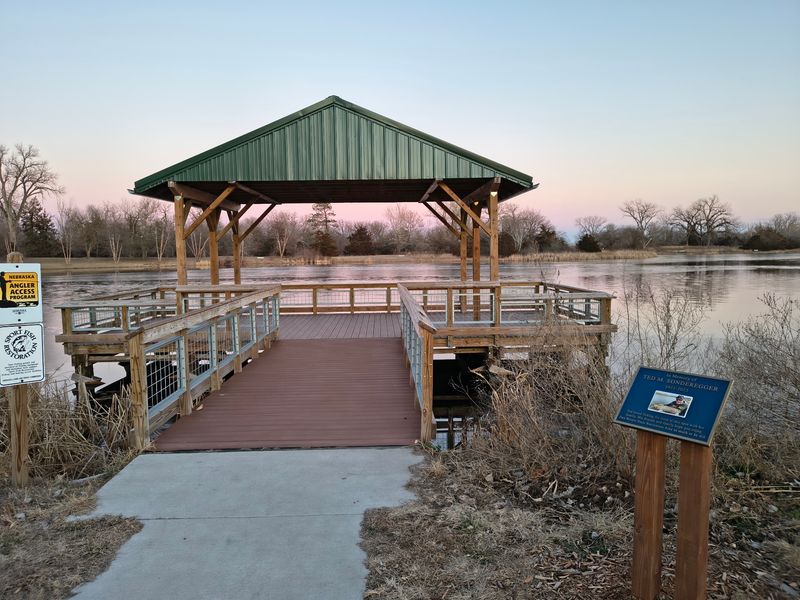
Rainbow trout in eastern Nebraska sounds like a mistake until you see the stocking truck pull up to Lake 5. Cool, deep sandpit water makes it possible, and the park stocks the lake seasonally so anglers get a shot at a fish most people associate with mountain streams.
Timing matters more here than tackle. The trout go in during the cooler stretches of the year rather than midsummer, so a spring or late-fall trip is the one to plan.
Check the current stocking schedule before loading the truck.
A wheelchair-accessible fishing pier juts out over Lake 5, which opens the trout water to anglers who cannot scramble down a sandy bank. That single structure changes who gets to fish here.
Bank access around the rest of the lake is straightforward. No boat, no waders, no guide.
You park, walk a few yards, and cast into water that holds something genuinely unexpected for this part of the state.
Catfish, Bass and a Lake for Every Style
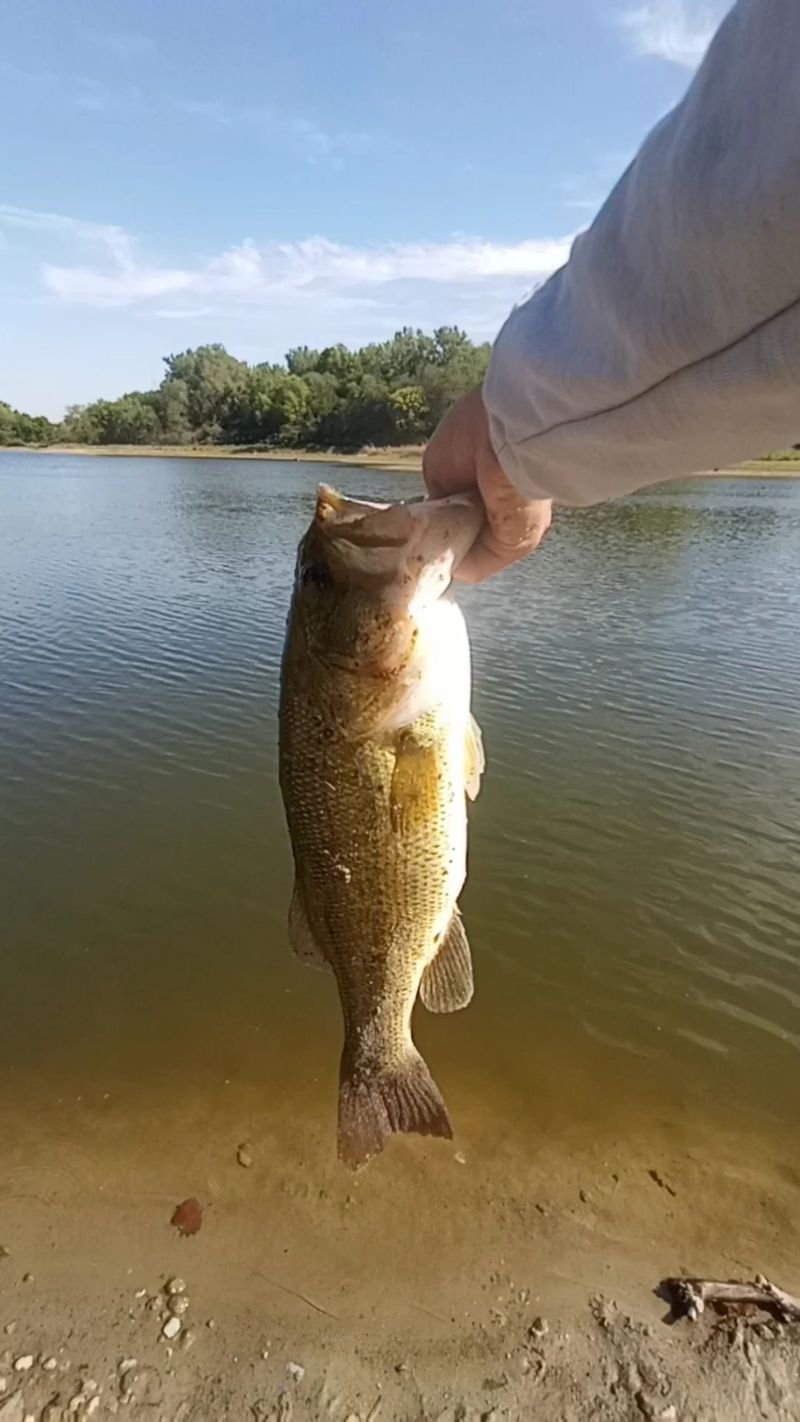
Six other lakes spread the fishing pressure out, and each one has its own personality. Lakes 1 and 2 get channel catfish stocked annually.
Lakes 3 and 4 run catch-and-release for catfish, so the bigger ones stay in the water.
Largemouth bass hold in Lakes 1 through 4, and bluegill keep kids busy for hours with a bobber and a worm. Families pull in panfish steadily from the banks, which is exactly the right speed for a first fishing trip.
The Platte adds a second option entirely. River fishing feels different from still water, and having both within a short walk is unusual for a park this close to a metro area.
Non-powered boating is allowed across the lakes, so canoes, kayaks and paddleboards all work. No motor noise means the water stays calm and the fish stay less spooked.
A permit is required for vehicles, and fishing rules follow state regulations, so sort both out before you go. Staff at the entrance are helpful about pointing you toward whichever lake is producing.
The Swim Beach on a Hot July Afternoon
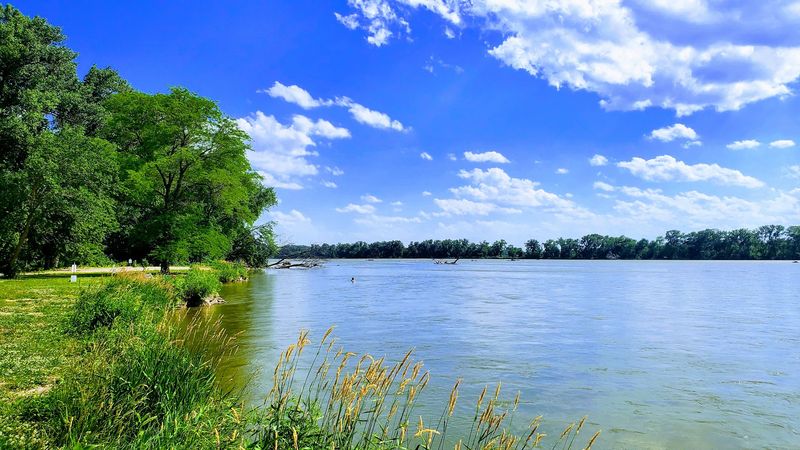
Sand, shallow water and the smell of sunscreen: the swim beach here does one job and does it plainly. A sloping sandy entry leads into lake water that warms up nicely by midsummer, and the whole thing sits within easy walking distance of the parking area.
There are no lifeguards. The beach is unsupervised, which means grown-ups keep their own eyes on the kids, and strong swimmers set their own limits.
Swimming in the Platte is also possible, but the lake is the safer bet. River levels and currents shift, while the beach stays predictable.
A concession stand operates on site during the warm season, which covers the ice cream emergency that inevitably arrives around two in the afternoon. It saves a drive back into town for snacks.
Bring bug spray. Bottomland timber near a river means mosquitoes, particularly in the evening, and the beach crowd thins out fast once they show up.
Early afternoon is the sweet spot for a swim day.
Ten Union Pacific Cabooses Turned Into Cabins
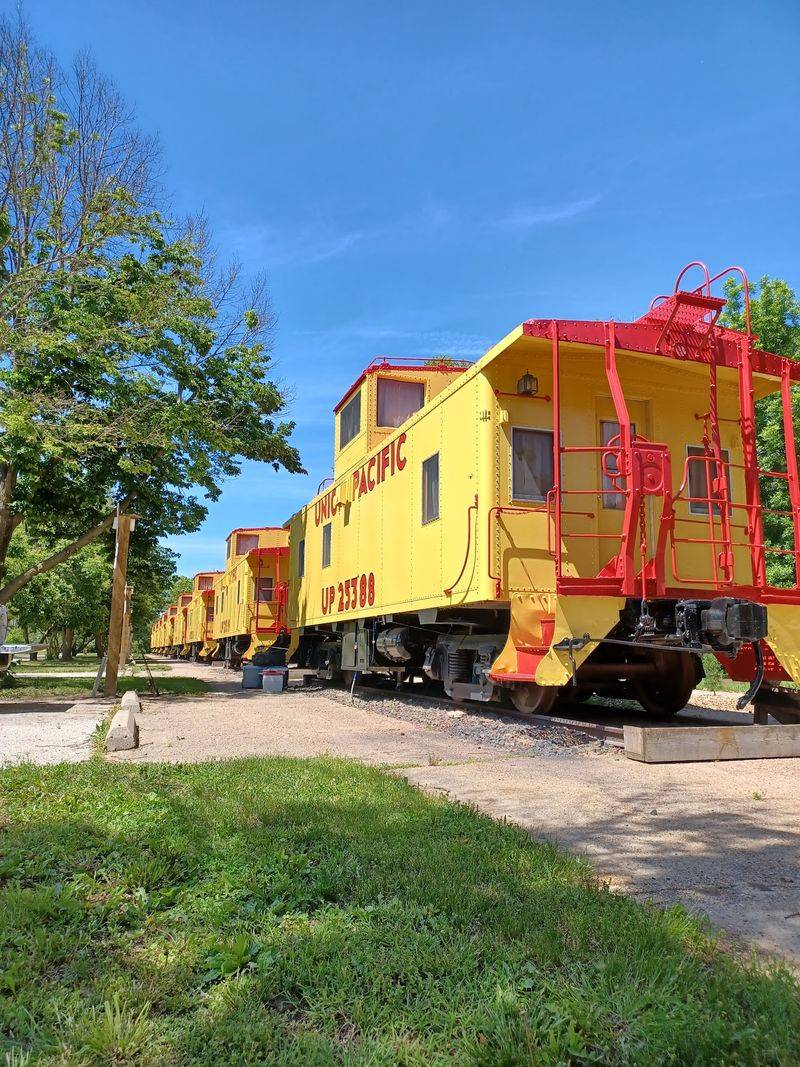
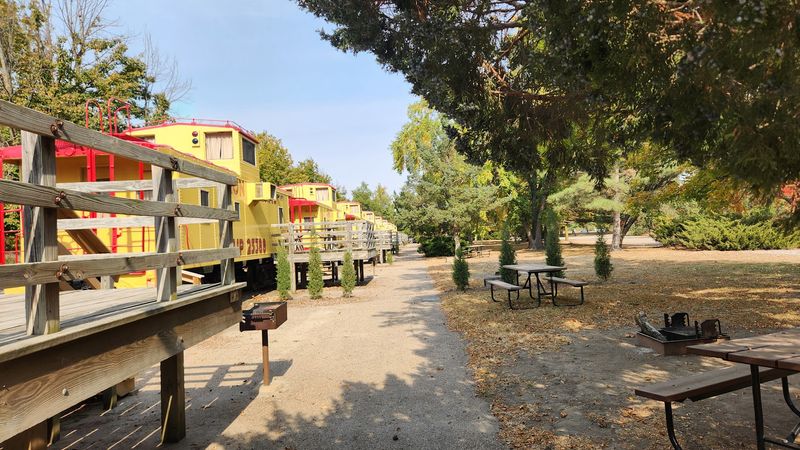
Ten Union Pacific cabooses sit in a row under the trees, repainted and rewired, each one a cabin now instead of the tail end of a freight train. Every caboose has a deck with a picnic table and a grill, a small kitchen inside, and a bathroom with a shower.
Air conditioning is the detail that seals it. The units run cold, which matters when Nebraska humidity settles in during August, and the interiors sleep up to six in a tight, cozy layout.
Railroad lodging in a state built by railroads is a fitting piece of reuse. Kids climb into the cupola, adults take photos of the exterior, and everybody sleeps in something that once rolled across the plains.
Availability runs roughly from mid-April through September, and the cabooses book up well ahead for summer weekends. There is a two-night minimum, so an overnight stop is not an option.
Reserve online early. These are the most requested lodging in the park, and they fill before anything else does.
Seven Camping Areas for Tents and RVs
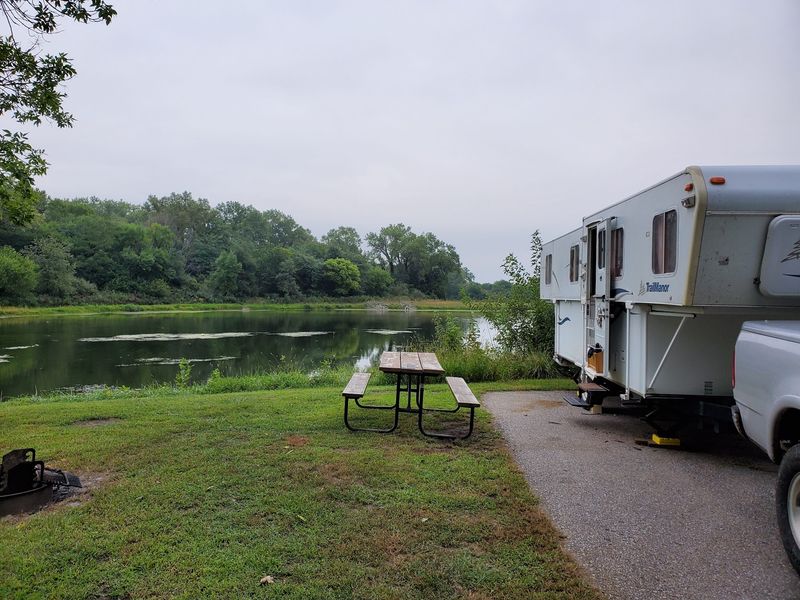
Seven separate camping areas spread across the property, ranging from simple tent spots to Electric Plus and Basic sites sized for RVs. Loops wind through the timber near the lakes, so most sites have water within a short walk.
Facilities cover the basics well. Modern and primitive restrooms, showers, drinking water and a rebuilt dump-and-fill station with multiple bays keep a trailer trip manageable, and the restrooms are generally kept clean.
Showers run on coins, so bring change and expect modest water pressure. It is the sort of thing you plan around rather than discover at seven in the morning.
Sites sit fairly close together, and weekend crowds arrive in force because the park is so near Omaha. A weekday night is noticeably quieter, and shoulder-season camping in May or September gives you room to spread out.
Firewood is not sold inside the park, so buy a bundle before you turn off the highway. Rates vary by site type and season, so check current camping fees when you reserve.
Walking the Woods Along the River
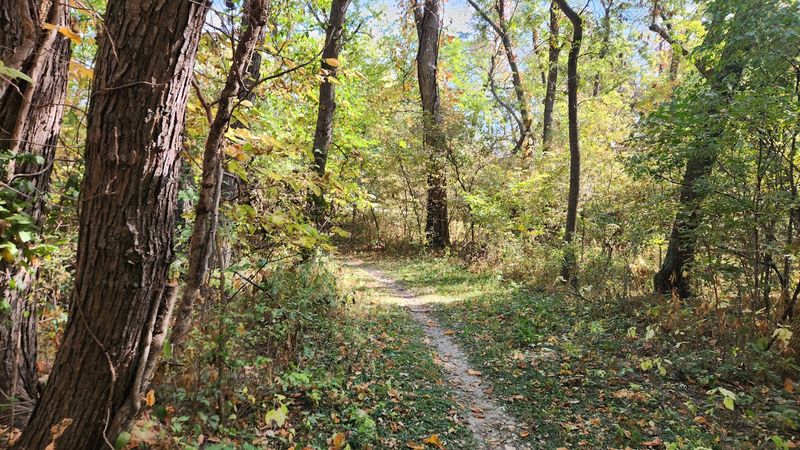
A trail follows the Platte River through heavy timber, with smaller paths branching off it into the woods. Walk far enough and you can log eight or nine miles without leaving the property.
Signage is the weak link. Trails are not marked on the handout map and junctions are easy to misread, so a GPS app on your phone is the practical fix.
Storm-downed trees still block sections in places.
What the walking lacks in organization it makes up for in quiet. Cottonwood shade, river sounds, and loops around the lakes that pack a lot of scenery into a flat, easy distance.
Dogs do well here. Wide gravel roads, shaded paths and plenty of water access make it a strong outing for anyone traveling with a leashed dog.
Spring brings morel hunters into the timber, and the mix of old bottomland trees is exactly the habitat for it. Biking the interior roads works too, particularly for kids on small wheels who need flat ground.
Who Fits Best on a Day Out Here
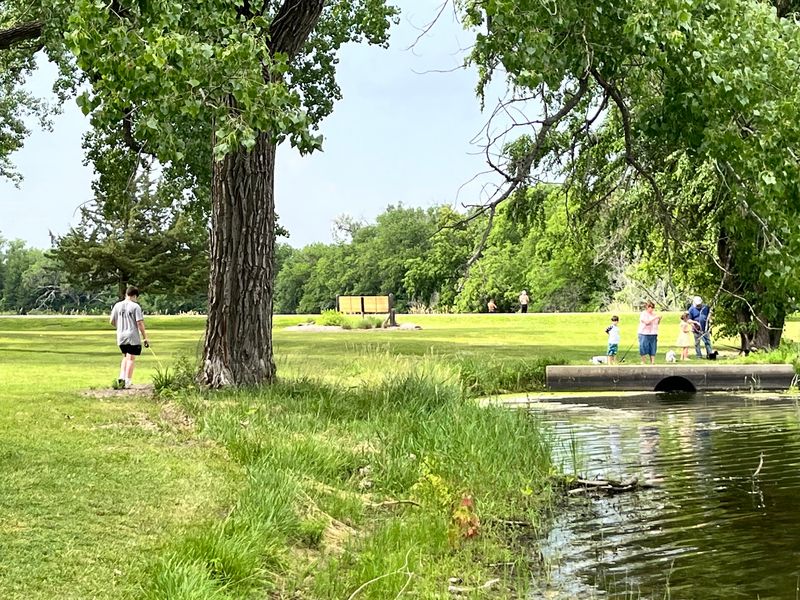
Picture a cooler, a couple of rods, a towel and a dog in the back seat. That is the assignment this park handles best, and it handles it well for very little money.
Families with young kids get the most out of it. Bluegill bite readily, the beach is shallow near shore, old-school playgrounds break up the afternoon, and turtles and frogs are easy to spot along the banks.
Anglers of all stripes find something, from trout in the cool months to catfish and bass through summer. Paddlers get calm, motor-free water on seven different lakes.
People hunting for structured attractions will find it thin. There is no visitor center full of exhibits, no ropes course, no trail network with interpretive signs.
The entertainment is water, trees and whatever you brought with you.
Retirees and anyone wanting a quiet weekday picnic do well. Pack a sandwich, walk a lake loop, and be home by supper without ever getting on an interstate.
Getting There, Permits and Nebraska Timing
The address is 27702 F St, Waterloo, NE 68069, just off the highway corridor west of Omaha in Douglas County. From west Omaha it is a short drive, close enough that a picnic run makes sense on a weeknight.
A park entry permit is required for every vehicle. Daily and annual options exist, and the annual pass pays off quickly if you plan more than a couple of trips; buy it at the entrance or online ahead of time.
Camping and caboose reservations go through the Nebraska Game and Parks reservation system, with fees varying by site type. Confirm current rates and availability before you commit to a date.
Season shapes the visit more than anything. Trout stocking lands in the cooler months, the beach and concession stand belong to summer, cabooses run roughly mid-April into September, and October brings cottonwood color along the river.
Pack bug spray, firewood, drinking water and shower coins. Call the park office if you need current conditions, since tree removal occasionally closes a loop.
The Verdict on a Short Drive West
Late light on the water, a fire ring going somewhere down the loop, and a caboose with its lights on through the trees. That is the version of this park that sticks with you.
It is not polished. Showers take coins, trails need a phone map, storm damage thinned the shade, and summer weekends fill the campgrounds shoulder to shoulder.
None of that is hidden.
What the place delivers instead is range. Seven lakes, a stocked trout pond with an accessible pier, a sandy swim beach, river access, seven camping areas and ten railroad cabooses you can actually sleep in, all inside 622 acres.
For Nebraskans within an hour of Omaha, it functions as a default outdoor afternoon. Cheap entry, easy parking, water in every direction.
Go on a weekday if you can, in spring or early fall if you want the trout and the quiet together. Bring more than you think you need and let the day run long.
The lakes are patient.