The Peaceful Pennsylvania Mountain Town Where Retiring Is Remarkably Cheap
Retirement math is not supposed to happen on a random drive through Pennsylvania, yet here we are. I stopped for gas and a stretch, nothing more planned than that.
Mountains framed the whole town, quiet in a way that felt intentional rather than empty. A local mentioned rent prices, and I actually stopped walking.
Pennsylvania hides towns like this more often than people realize, places where the cost of living still makes sense. Coffee was cheap.
Homes for sale looked reasonable, not fantasy reasonable, actually possible reasonable. I kept doing the math the entire drive home, running numbers I had no business running yet.
Something about clean mountain air and a slower pace changes how a person thinks about the future. This town made retirement feel closer than expected, and a lot less expensive than anywhere else I have checked in this state.
A Restored 1871 Railroad Station Sets The Tone
My first impression came from a building, not a brochure. The old depot stood there with arched windows and thick brick walls, looking proud of its age.
Built in 1871, the station once served busy rail lines through the mountains. Today it holds the local historical society, which keeps the area’s story alive.
Inside, the displays explain how this borough became an industrial hub in the early 1900s. Lumber, glass, and rail work shaped the streets you still walk on.
The town was founded in 1864 by Thomas L. Kane, whose name became part of the community’s identity.
Erie sits about 87 miles to the west-northwest, which keeps the borough pleasantly out of the rush. You feel that distance the moment you step outside.
For retirees, a working history museum matters more than it sounds. It gives volunteers a purpose and newcomers a fast education.
You can find the depot at 1 Fraley Street, right where the shops begin. That address belongs to Kane, Pennsylvania.
Living Costs That Sit Below The National Average
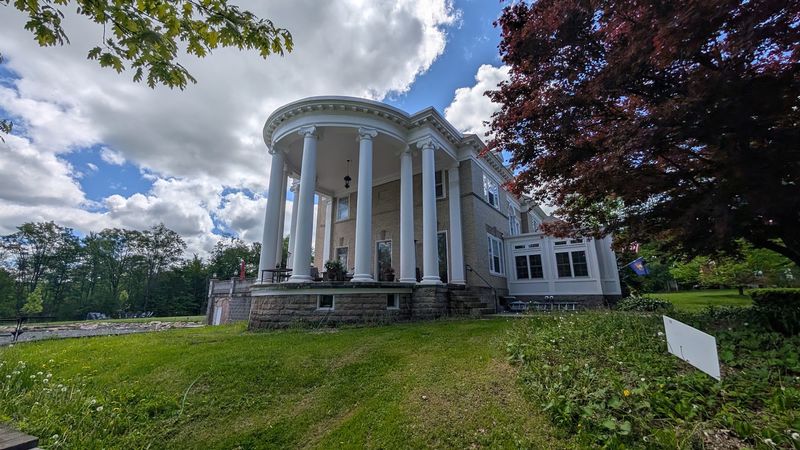
Numbers rarely make me smile, but these did. Overall living costs in this mountain borough run about 7% below the national average.
That gap sounds small until you spread it across a fixed monthly income. Seven percent saved every month becomes a vacation fund by December.
Groceries are the real surprise here, coming in around 23% cheaper than the national average. Your cart holds the same food for noticeably less money.
Energy, transportation, and healthcare costs land roughly 14.7% under national benchmarks. Those three categories quietly eat retirement budgets everywhere else.
I always tell friends to compare total costs, not just home prices. A cheap house paired with expensive utilities helps nobody.
Here the savings stack instead of canceling each other out. Housing, food, and daily bills all pull in the same friendly direction.
My practical suggestion is simple. Track one full month of your current spending, then apply these percentages.
The result usually shocks people in the best way. Suddenly a modest pension stretches into something comfortable.
Home Prices That Still Make Sense
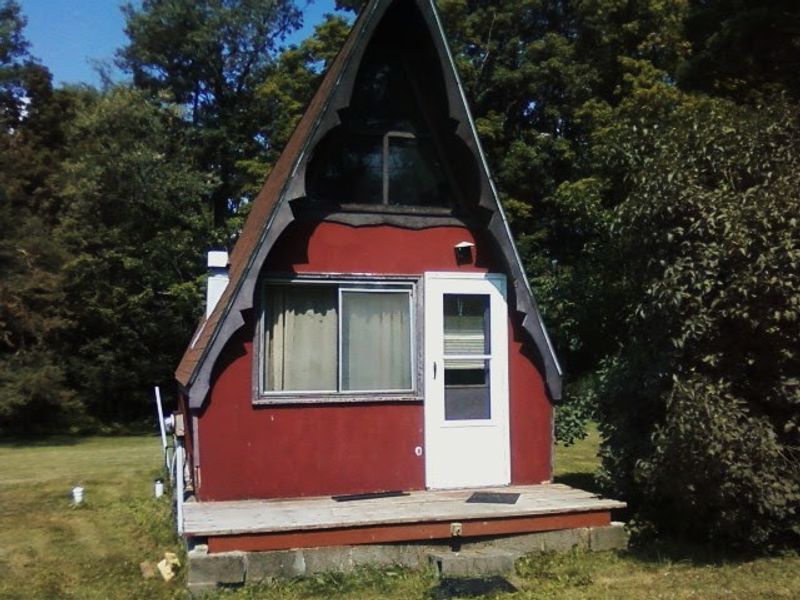
Housing is where the math gets almost funny. Costs here run about 35.4% below the national average.
Home prices remain relatively affordable compared with many larger Pennsylvania communities.
Renters get treated kindly too, with median gross rent around $841 per month. That leaves room for hobbies instead of just bills.
Homeownership is common in the borough, which shapes the feel of the streets. Neighbors plant gardens and repaint porches because they plan to stay.
I noticed sturdy older houses with real woodwork and deep front steps. Many were built when local industry was booming.
My advice for buyers is to budget for insulation and heating upgrades. Mountain winters here are genuine, not decorative.
A home inspection focused on the roof and furnace pays for itself quickly. Older construction rewards attention.
Even with improvements, the total stays far below big-city pricing. That difference is exactly why retirees keep looking this direction.
A Small Community Where Neighbors Actually Know You
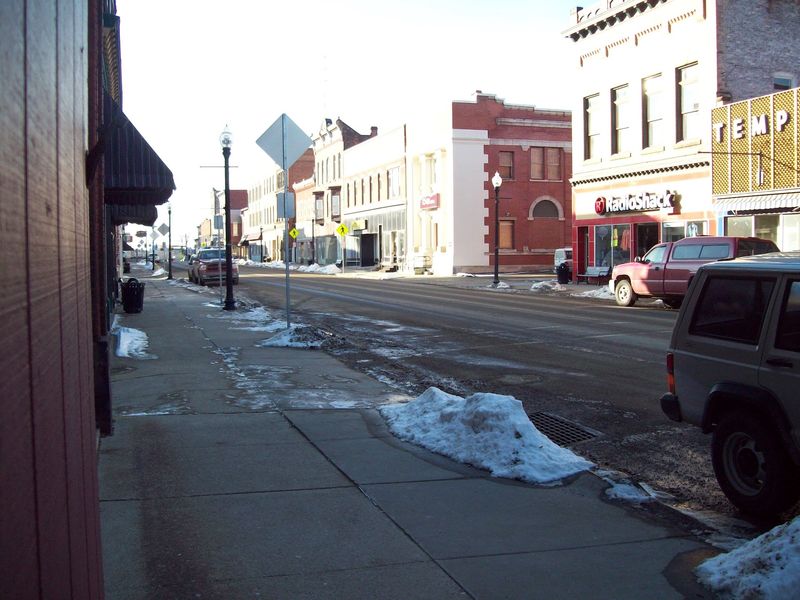
Roughly 3,605 people call this borough home. That is small enough to recognize faces at the post office.
More than 22% of residents are 65 or older, which changes everyday life. Schedules run slower, and conversations run longer.
The median age sits around 41, so it never feels like a retirement-only bubble. Families and older residents share the same sidewalks.
Memorial Park hosts local festivals that pull the whole community outdoors. Those gatherings are how newcomers stop being newcomers.
Current ratings also give Kane an A grade for crime and safety.
I find that stability matters enormously when you retire. Feeling comfortable walking at dusk is worth real money.
Getting involved is easy in a place this size. Volunteer once and people remember your name.
Join something in your first month if you move here. Community connection builds faster than you expect.
Surrounded By The Allegheny National Forest
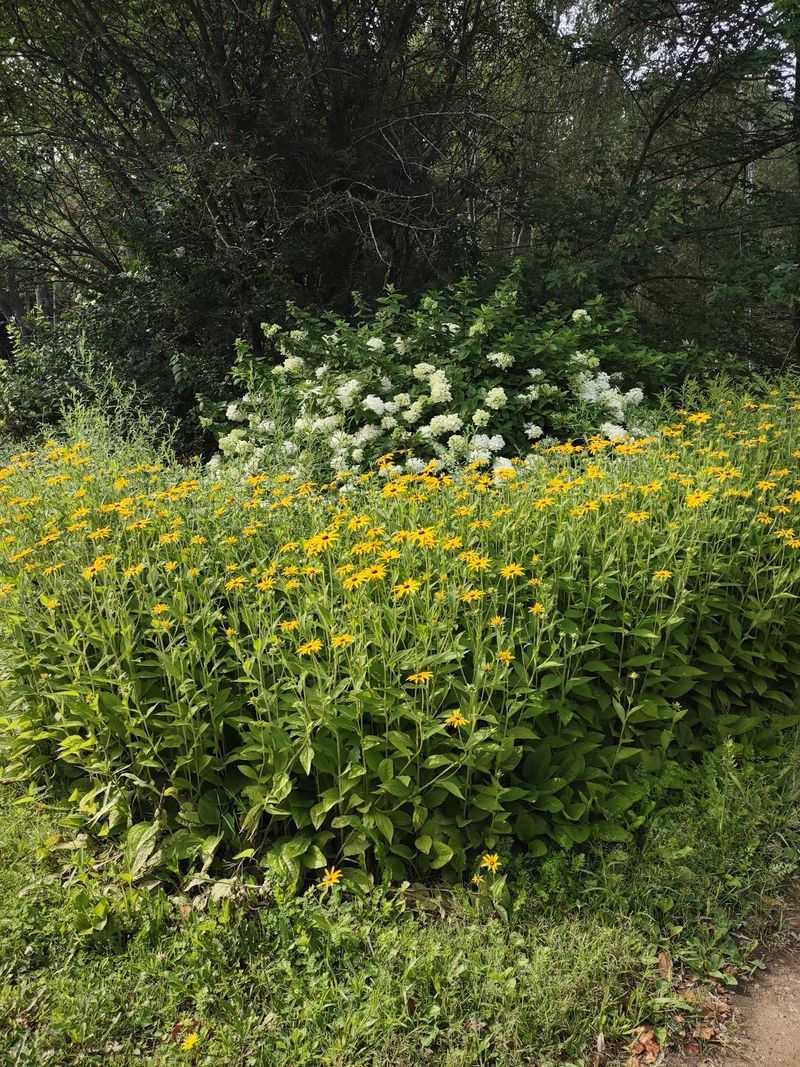
Step outside town and the trees take over immediately. The borough sits inside the Allegheny National Forest, all 514,000 acres of it.
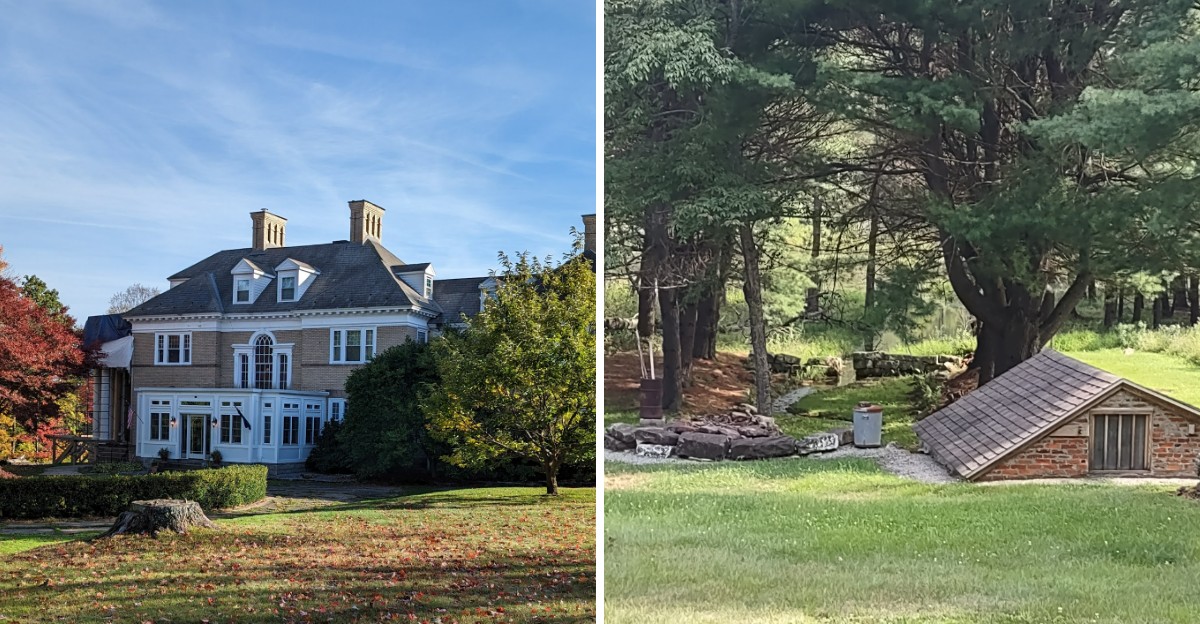
Over 200 miles of hiking trails thread through the hills. Some are gentle loops, others climb enough to earn your lunch.
Wildlife shows up without warning, from deer to wild turkeys. Bring binoculars and patience, and you will see plenty.
Rolling ridges surround the streets on every side. That geography is why the air feels cleaner up here.
The Knox and Kane Rail Trail works as a central hub for multi-purpose routes. Hiking, biking, and snowshoeing all share the path.
I like old rail trails for one honest reason. Trains hated hills, so the grades stay comfortably flat.
For retirees, flat trails mean daily walks stay realistic year after year. Exercise becomes a habit instead of a chore.
Start with a short section near town, then explore outward. The forest rewards repeat visits in every season.
The Kinzua Skywalk Delivers A Serious View
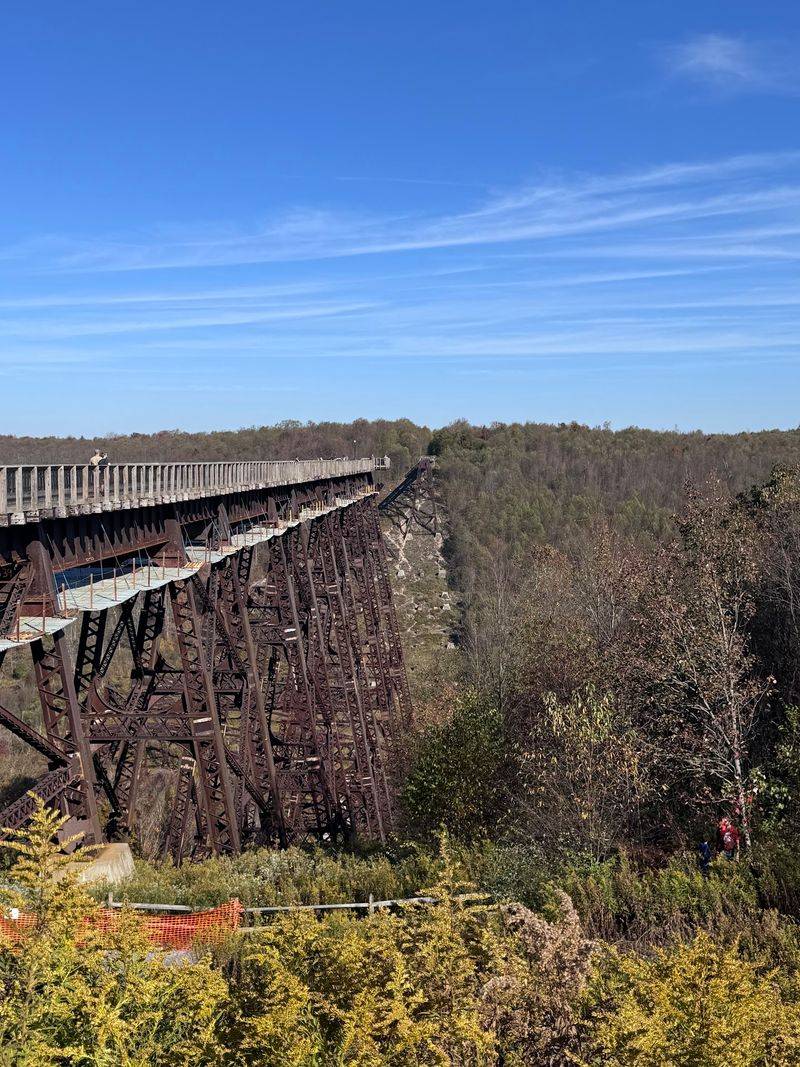
Some views make you grip the railing a little tighter. The Kinzua Skywalk is one of them.
Located at Kinzua Bridge State Park, the walkway stretches out over a wide valley. Below sit the twisted remains of a railroad viaduct destroyed by a tornado.
Standing there, you see engineering history and raw weather power at once. It is humbling in the best possible way.
The glass floor section tests your nerve while the valley spreads out beneath. My friend crossed it twice, then pretended it was nothing.
Fall color turns the whole scene into something almost unreal. Photographers show up early for the light.
Access is easy, which matters for visitors of any age. The main viewing area requires no long hike.
Having a state park attraction minutes from home is a genuine perk. You can bring every grandchild who visits.
Go on a weekday morning if crowds bother you. The quiet makes the height feel even bigger.
Four Seasons That Actually Feel Different Here
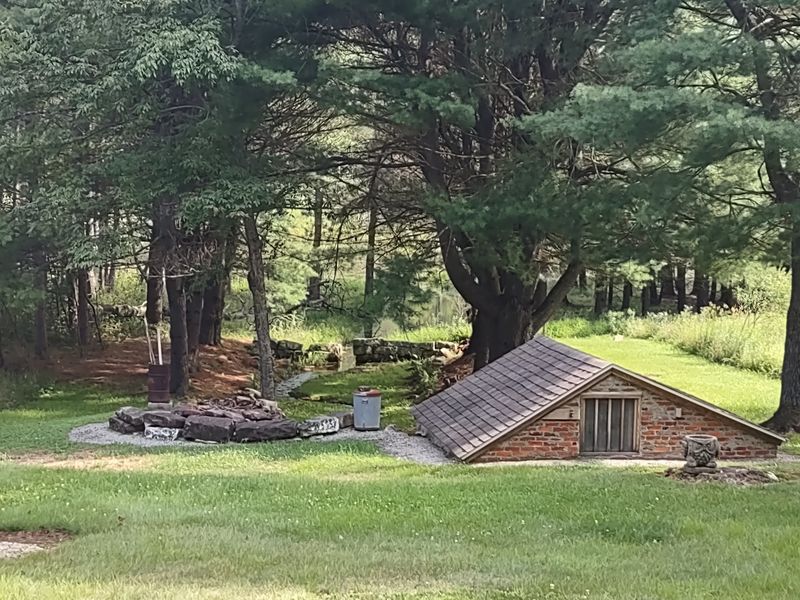
Water lovers get a serious payoff nearby. The Kinzua Dam and Allegheny Reservoir sit just minutes from town.
The reservoir stretches about 24 miles and is ringed entirely by forest. Boating, kayaking, and fishing all happen against that green backdrop.
Morning paddles here feel wonderfully slow. Mist rises off the surface and the shoreline stays quiet.
Winter arrives with conviction, bringing an average of 105 inches of snow each year. That number is either a warning or an invitation.
Snowshoeing, cross-country skiing, and snowmobiling all thrive in those conditions. The trails simply change outfits.
My honest tip is to invest in good boots and a reliable snow blower. Comfort in winter decides whether you enjoy the place.
Four distinct seasons keep the year from blurring together. Each one brings a different activity to look forward to.
If you like variety more than constant sunshine, this climate fits. Boredom never really gets a chance.
Main Street Charm And A Drive-In Theatre
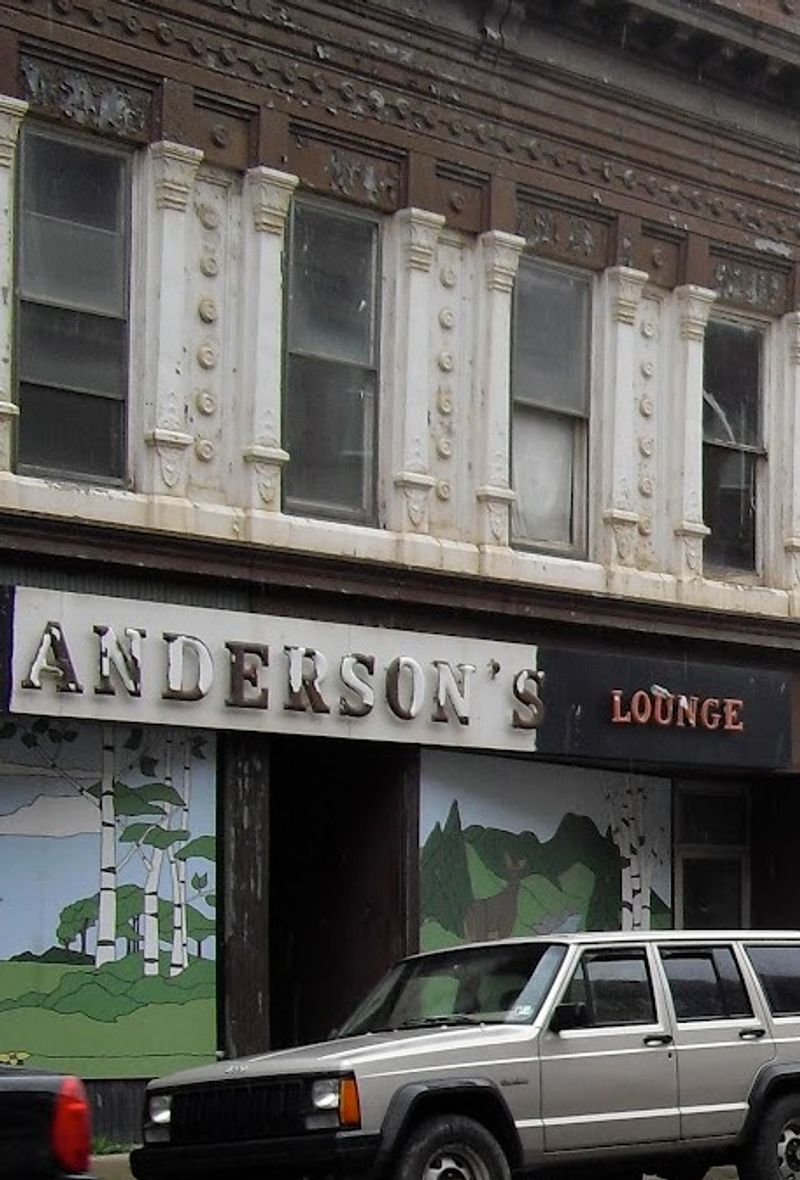
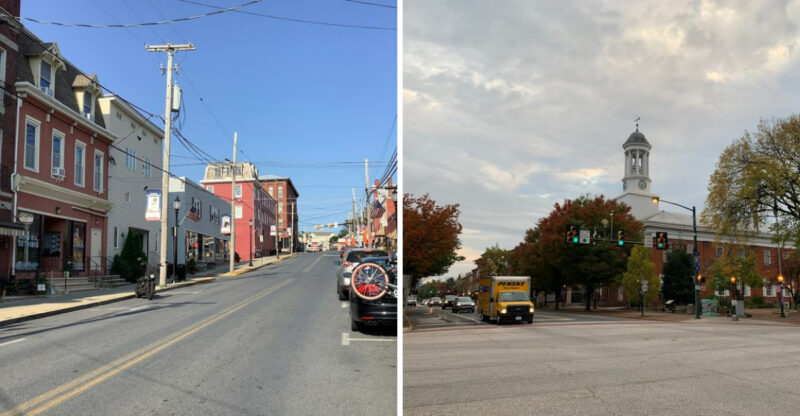
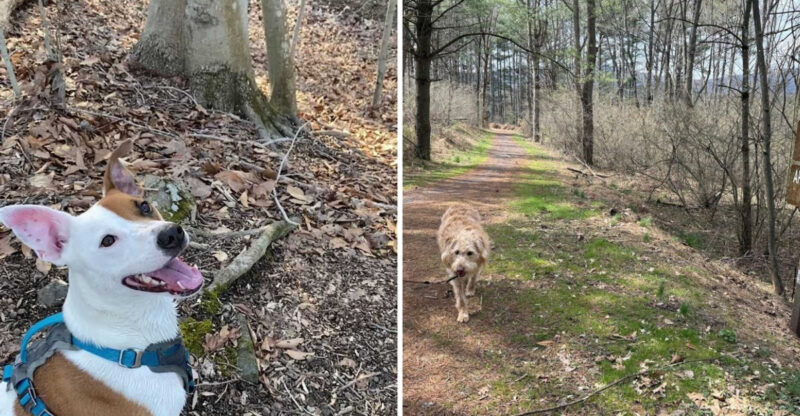
Downtown here has bones, not just storefronts. Fraley Street runs as the central corridor for dining and shopping.
Brick Italianate buildings line the sidewalks, housing local businesses. Their tall windows and decorative trim hint at wealthier industrial days.
Walking the street takes minutes, which is exactly the point. Errands become social events instead of traffic battles.
Evergreen Park adds green space with a disc golf course and walking paths. A wooden playground there keeps visiting grandkids thoroughly busy.
Evenings offer something increasingly rare, a family drive-in theatre. Movies play under open sky with the forest nearby.
I had forgotten how good a drive-in feels until I sat through one. The sound of crickets competes with the speakers.
Small-town entertainment like this stretches a budget beautifully. A night out costs less than a city parking garage.
Plan one summer evening around a double feature. Bring blankets, because mountain nights cool off fast.
Healthcare And Senior Support Close To Home
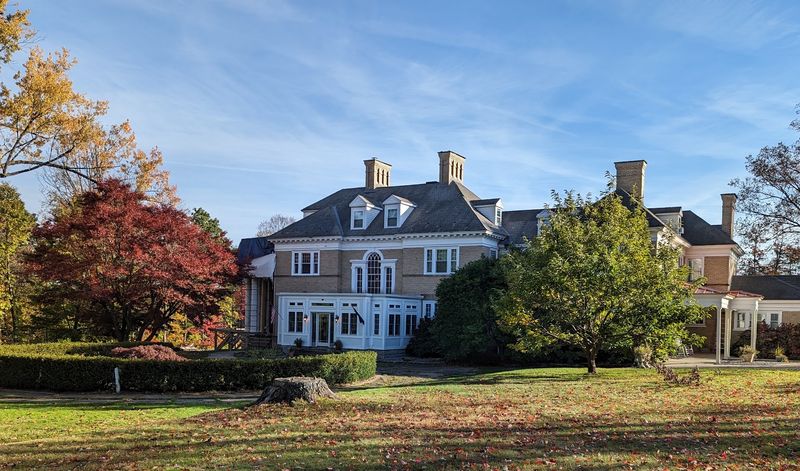
Practical needs decide retirement success more than scenery. A community hospital operates right in the borough.
It provides emergency services and specialized treatments without a long drive. For anyone managing ongoing care, that proximity is priceless.
Affordable senior housing exists too, including Central Towers for low-income seniors. Comfort, safety, and community engagement guide those facilities.
Activities stay plentiful year-round, from bingo and gardening to fishing trips. Social calendars fill up quickly if you let them.
Residents can also find community programs and activities designed for older adults.
I always suggest touring healthcare options before buying anywhere. Ask about specialists and appointment wait times directly.
Here, affordability pairs with real services instead of empty promises. That combination is harder to find than you would think.
Between low costs, forest views, and steady support, the case builds itself. A remarkable retirement genuinely does not require a fortune.