Every Plant Sold At This Nebraska Nursery Is A Native That Draws Pollinators
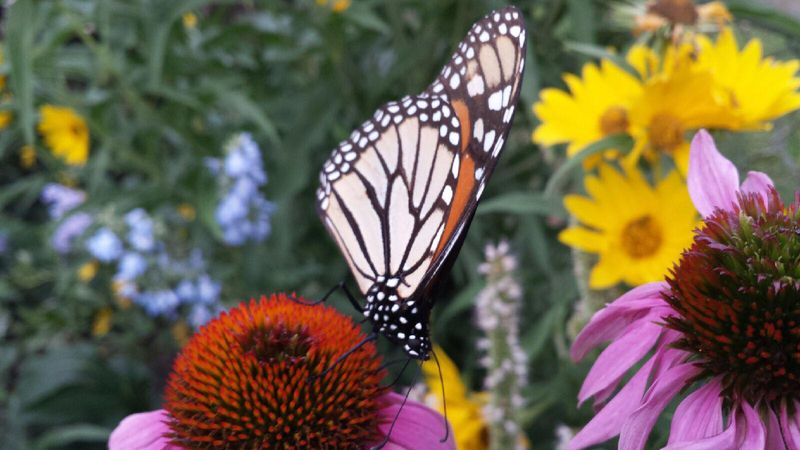
There’s a stretch of south Lincoln where the pavement gives way to gravel and greenhouse plastic, and it doesn’t look like much from the road. Inside those hoop houses, though, sit rows of little pots holding plants that grew here in Nebraska long before anyone planted a lawn.
No hybrids, no fussy imports, nothing sprayed with anything that would harm a bee. Once you understand what’s in those trays, an ordinary Saturday morning errand starts to feel like something closer to a field trip.
A Greenhouse Row on South First Street
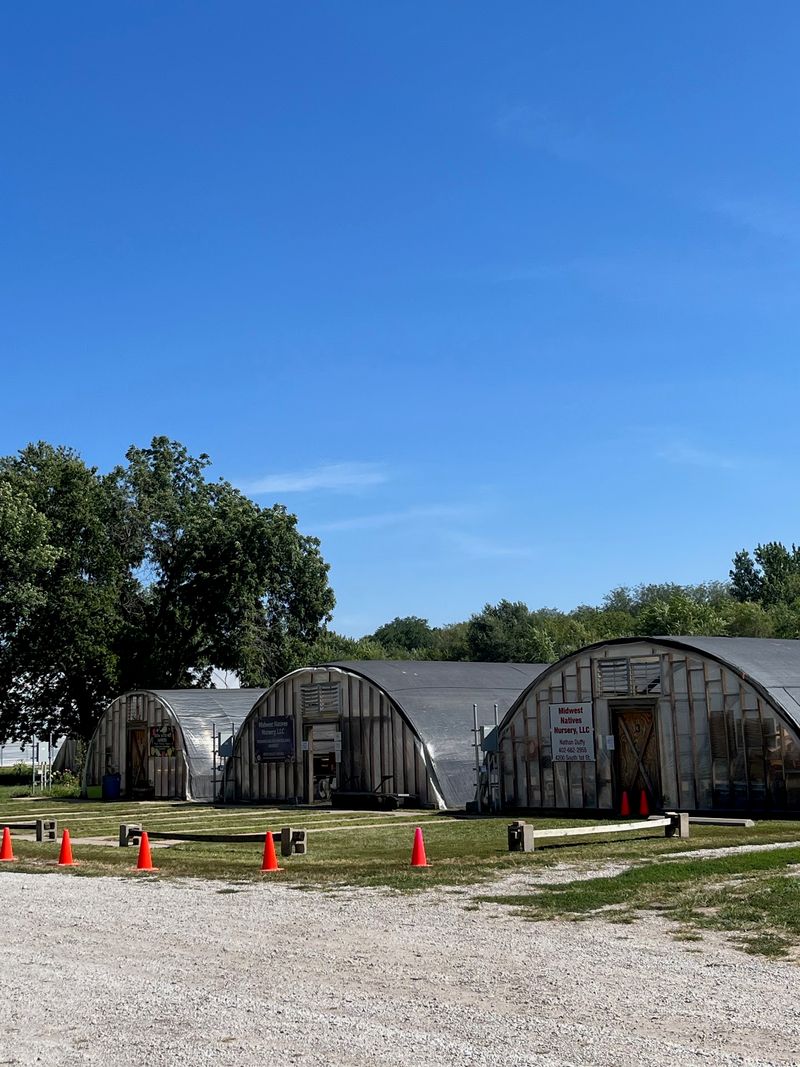
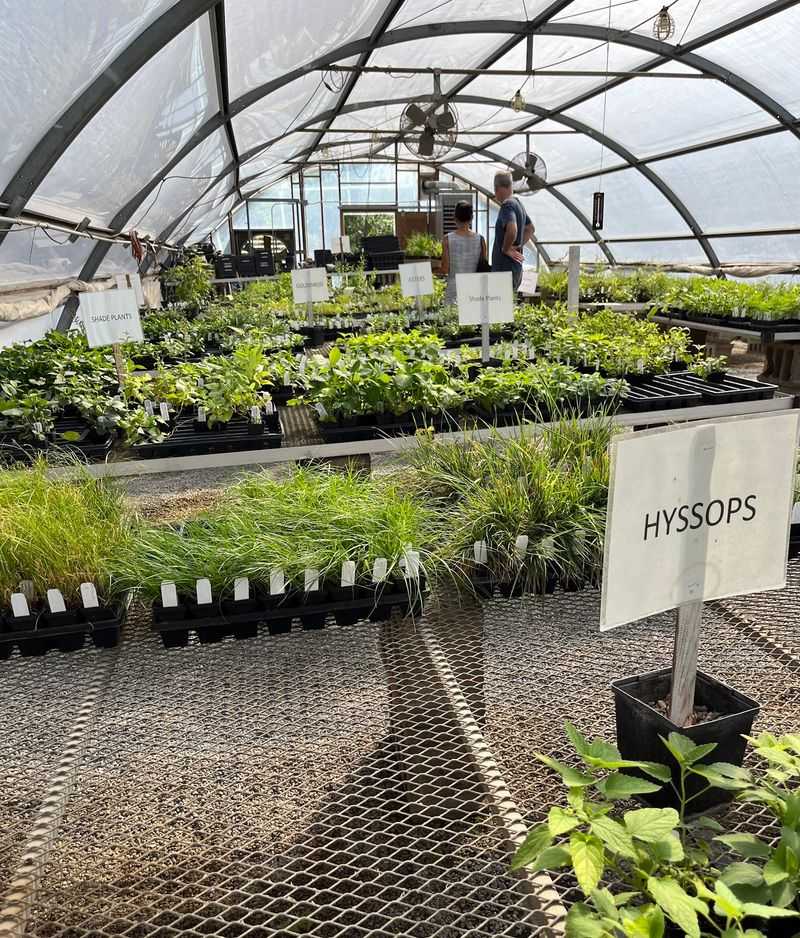
Gravel crunches underfoot, hoop houses stretch out in low white arcs, and folding tables hold hundreds of small black pots labeled with names like rattlesnake master and pale purple coneflower. That’s the whole scene at Midwest Natives Nursery on the south edge of Lincoln, in Lancaster County, where the city starts thinning into farmland.
What sets the operation apart is a rule that never bends. Every single plant grown and sold here is native to the Great Plains, mostly perennial wildflowers and grasses that evolved alongside Nebraska’s bees, butterflies, moths and birds.
You will not find a tray of petunias or a rack of imported shrubs squeezed in for easy sales. The inventory is perennials with a few select annuals, all chosen for their ability to feed and shelter wildlife.
It’s a narrow mission, and that narrowness is the point. Shoppers walking in with a bare patch of yard leave with plants that will actually work in the soil, the wind and the swinging temperatures this state hands out every year.
Nathan Duffy and the Reason Behind the Rule
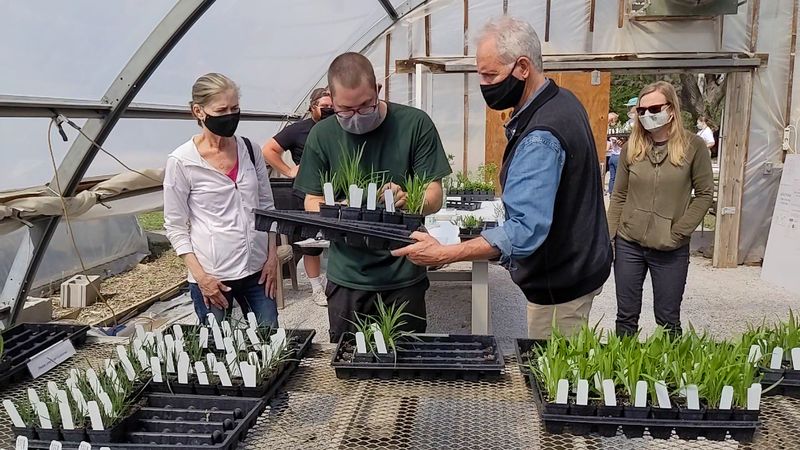
Behind the whole operation is owner Nathan Duffy, who grows the stock, answers the questions, and generally sets the tone of the place. Ask about a plant and you’re likely to get more than a care tag’s worth of information: what pollinates it, what eats its seeds in January, what it wants for drainage.
Duffy responds to customers directly and often, thanking them by name and talking openly about the nursery’s mission of putting native species back into ordinary yards.
That mission shows up in the sales floor as much as in the greenhouse. Plants come with detailed care tags, sorted and labeled so a first-timer can navigate without feeling lost.
Staff knowledge is the single thing mentioned most often about the business, turning up in review after review alongside notes about the depth of the selection.
The result is a nursery where the transaction usually includes a short education. Nobody is steering you toward the biggest cart.
They’re steering you toward the plant that will still be thriving in five years.
Seeds Gathered From Wild Nebraska Populations
Here’s the detail most people miss. A large share of the plants here started as seed collected from wild populations across eastern and central Nebraska, gathered responsibly from remnant prairies and roadside stands rather than ordered from a catalog.
Why it matters comes down to genetics. Wild-collected seed carries the natural variation of the population it came from, which means the resulting plants bloom on slightly staggered schedules, tolerate different conditions, and behave the way local insects expect them to behave.
Everything grown is straight species, not a cultivar bred for a tidier habit or a flashier flower color. Breeding for looks can quietly reduce nectar, alter pollen, or shift bloom timing in ways that leave specialist bees with nothing to work with.
Picture a prairie remnant in the Platte valley in late August, seed heads going papery in the heat. A handful of those seeds ends up in a pot on a folding table in south Lincoln the following spring.
That’s the supply chain, start to finish, and it stays inside state lines.
Growing Without Systemic Pesticides
A plant can be native and still be useless to a bee. If it was grown with systemic pesticides, the chemistry moves through the whole plant, including the nectar and pollen, and it stays there after the pot goes in the ground.
Midwest Natives Nursery skips systemics entirely. Pest pressure inside the greenhouses gets handled by encouraging beneficial predatory insects to move in and do the work themselves, the same balance that keeps a healthy prairie from being overrun.
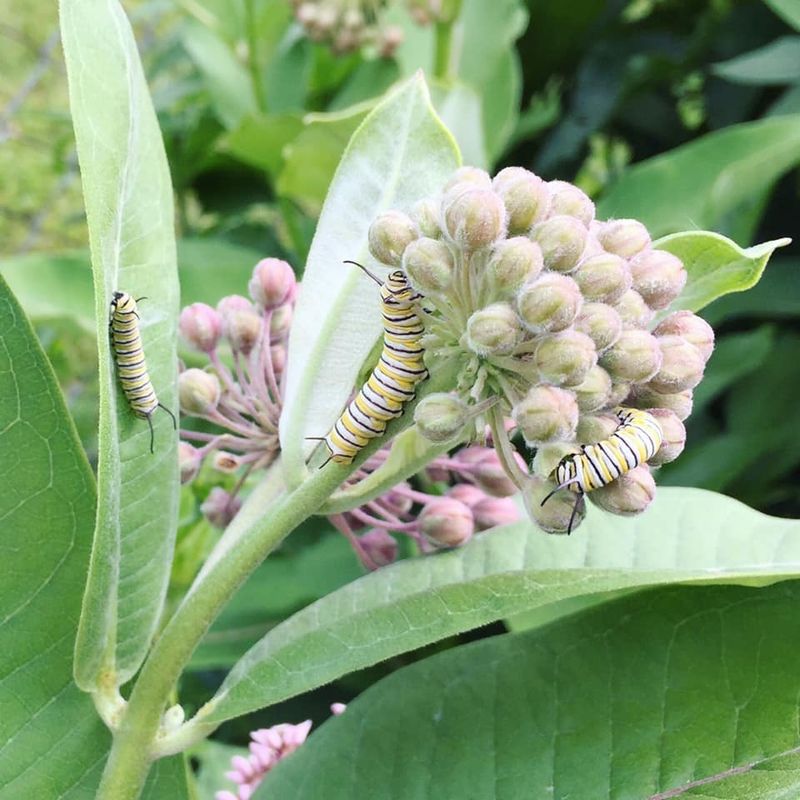
It’s slower and fussier than reaching for a spray bottle. It also means a monarch caterpillar chewing on milkweed bought here is chewing on milkweed that will not harm it.
Look closely at the foliage and you may spot a nibbled leaf or two. That’s not neglect, it’s evidence the system is working, and it’s a reasonable trade for plants that are safe the moment they hit your garden.
For anyone building a pollinator patch on purpose, this piece of the process may matter more than the plant list itself.
The Biggest Native Selection in the State
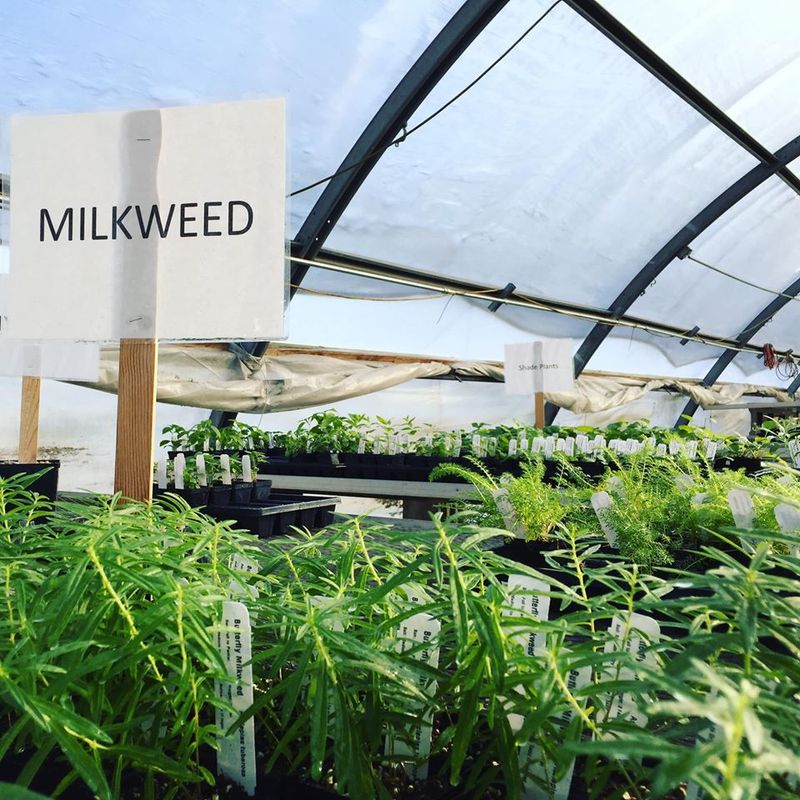
Coneflowers, blazing star, milkweeds, asters, goldenrods, little bluestem, sideoats grama. The inventory runs deep enough that the nursery holds the largest selection of native perennial wildflowers and grasses in Nebraska.
Stock shifts week to week as different species come ready, so two Saturdays in the same month can look noticeably different on the tables. Regulars plan around it, checking back through the season rather than trying to buy a whole garden in one trip.
Plants often arrive as small plugs, an inch or so of green that looks almost too modest to bother with. Give them a single growing season and they fill in, flower, and by winter they’re holding seed heads that feed chickadees and juncos straight through the cold months.
Everything is sorted and labeled, which turns a big selection into a browsable one instead of an overwhelming one.
Landscape contractors buy here too, sourcing material for larger pollinator plantings. The same tables serve someone filling a single parkway strip along a Lincoln sidewalk.
What a Saturday Morning Looks Like Here
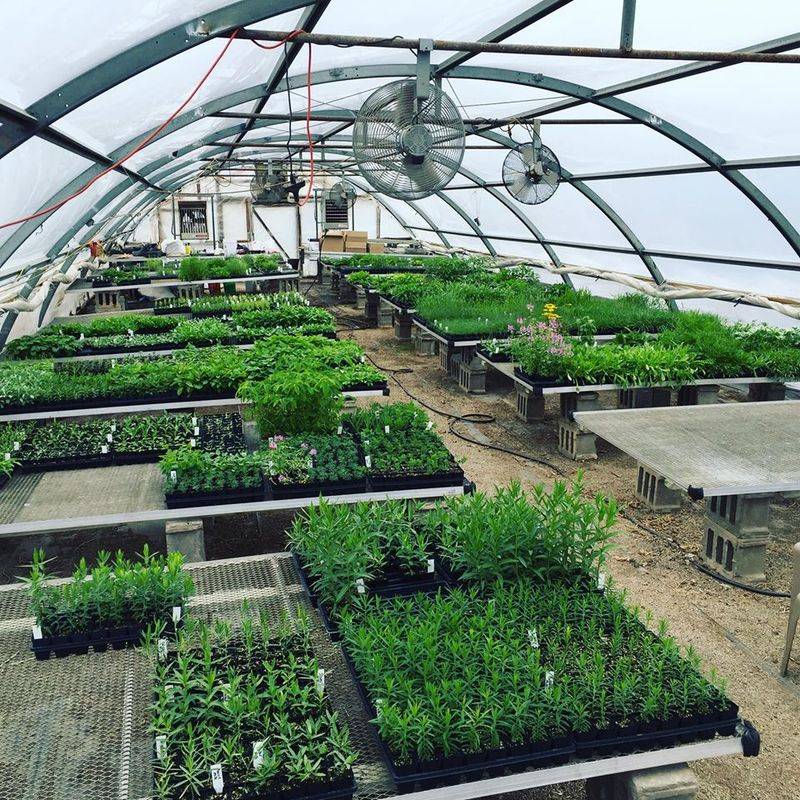
Wagons rattle across the gravel, people crouch to read tags, and conversations between strangers start over whether a spot gets six hours of sun or four. The pace is unhurried and the crowd is a mix: retirees converting turf to prairie, young homeowners on their first planting, community garden organizers picking up flats.
Nobody is dressed up. Dirt on the knees is the standard uniform.
The nursery has also put energy into teaching and encouraging community gardens that grow food for people, which extends its reach past the perimeter of any one backyard.
Drive time is a real part of the story. People come from Omaha, from Plattsmouth, from small towns scattered across the southeast corner of the state, because nothing else in Nebraska offers this concentration of natives in one lot.
An hour here tends to reset how you look at your own yard on the way home. That bare strip along the driveway starts looking less like a chore and more like an opportunity for something with wings.
Planning the Drive and the Limited Window
Find it at 4200 S 1st St in Lincoln, on the southwest side of town where South First Street runs toward the edge of Lancaster County. From Highway 77 or I-80 it’s a straightforward drop south, and parking is gravel and casual.
Here’s the catch worth knowing before you load up the car. The nursery keeps a single open day each week, Saturday, with a short midday window, and it operates seasonally rather than year-round.
Miss it and you wait another seven days, so check current hours and the season’s opening before making the drive, especially if you’re coming from out of town.
Prices land on the modest side for perennials, and plugs cost considerably less than the gallon pots at big box garden centers, which makes filling a large bed realistic on an ordinary budget.
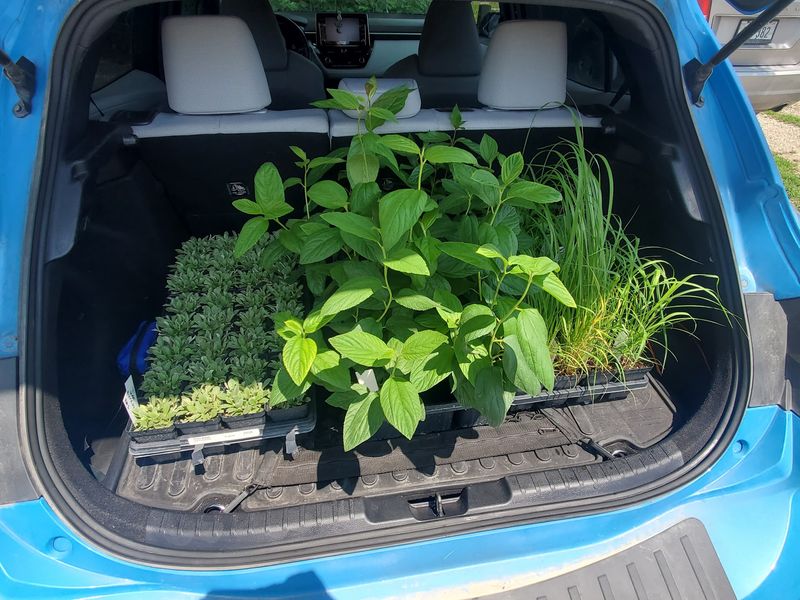
Bring a flat or a box. Small pots tip easily in a trunk, and you’ll likely leave with more of them than you planned on when you pulled in.
Why the Trip Sticks With You
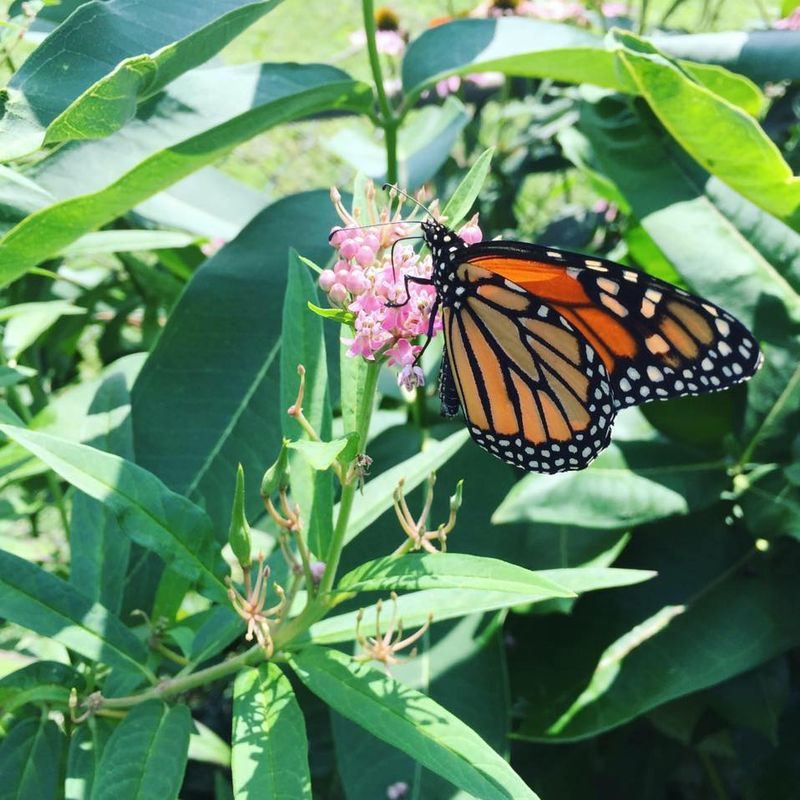
Most garden centers sell you a look. What leaves this lot is closer to a working system: plants with roots that go down several feet, flowers timed to feed bees from early spring through frost, seed heads that carry birds through a Nebraska January.
The satisfaction shows up later, not at the register. A year after planting, a patch of coneflower and milkweed that started as inch-tall plugs will be humming loud enough to hear from the porch.
There’s something quietly stubborn about a business that refuses to stock anything outside its mission, even when a rack of easy bedding flowers would move fast every weekend.
For anyone who has watched prairie give way to lawn across this state, putting a few square feet of it back is a small, doable answer.
Go on a Saturday in spring, take the short drive down South First, and pick out six plugs. Come August, the butterflies working that corner of your yard will make the case better than any article can.