In This Danish-Rooted Nebraska Village, The Bakery Wall Overflows With Kolaches, Sourdough And Cookies
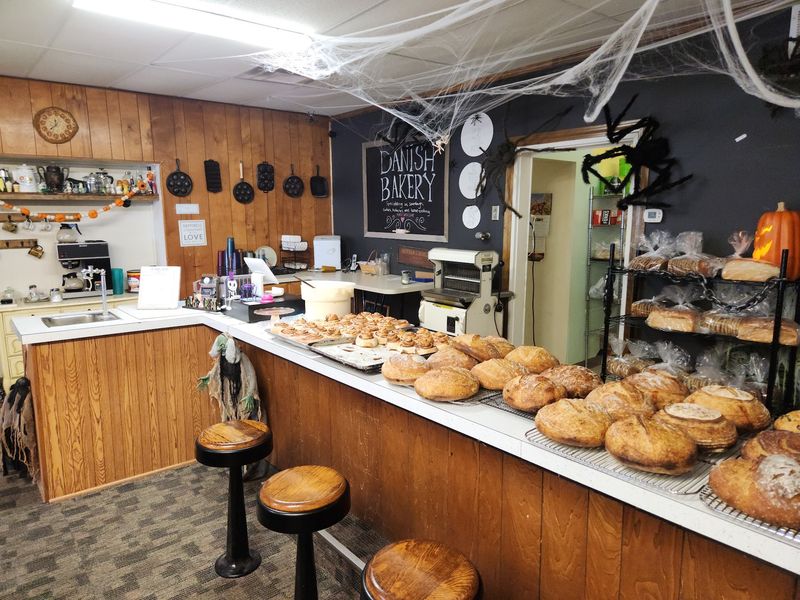
Somewhere in central Nebraska there’s a village of a few hundred people where the main street smells like cinnamon before the morning is half over. I pulled in expecting a case with a dozen rolls and maybe some coffee.
Instead there was a whole wall of baked goods, refilled while people walked out with armfuls of bread and kolaches. Small towns hide things like this, and this one is far too good to drive past.
A Storefront on Mill Street With a Wall of Bread Behind the Counter
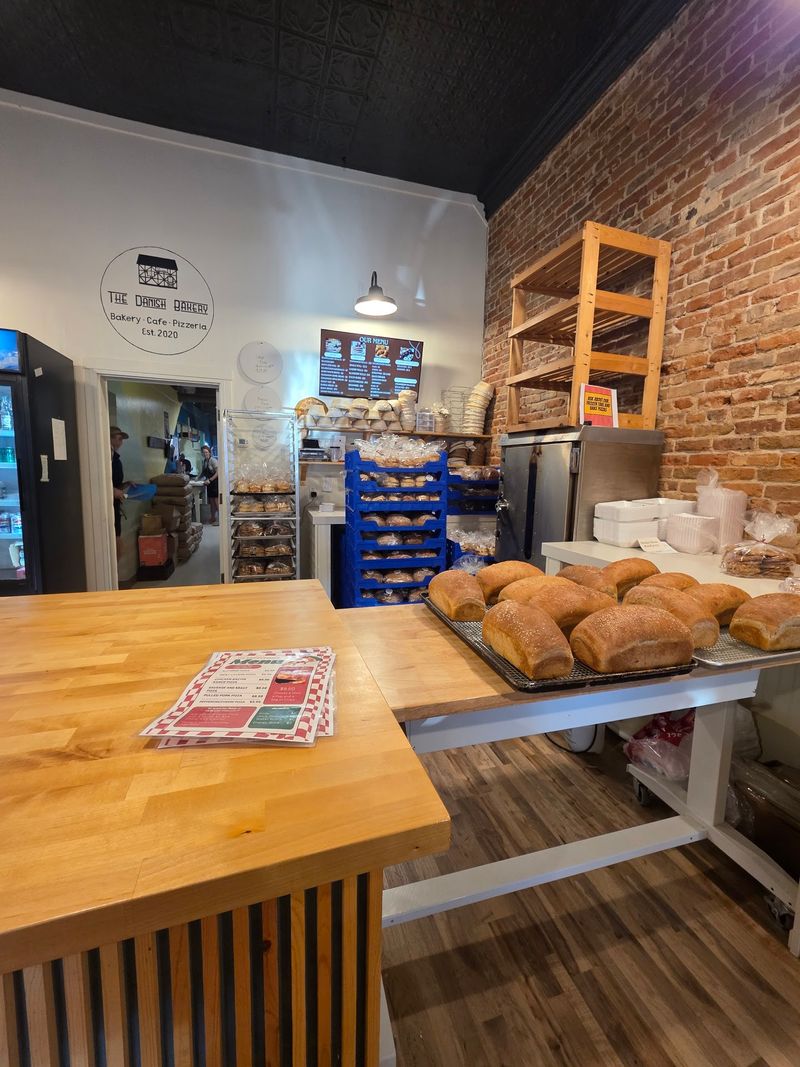
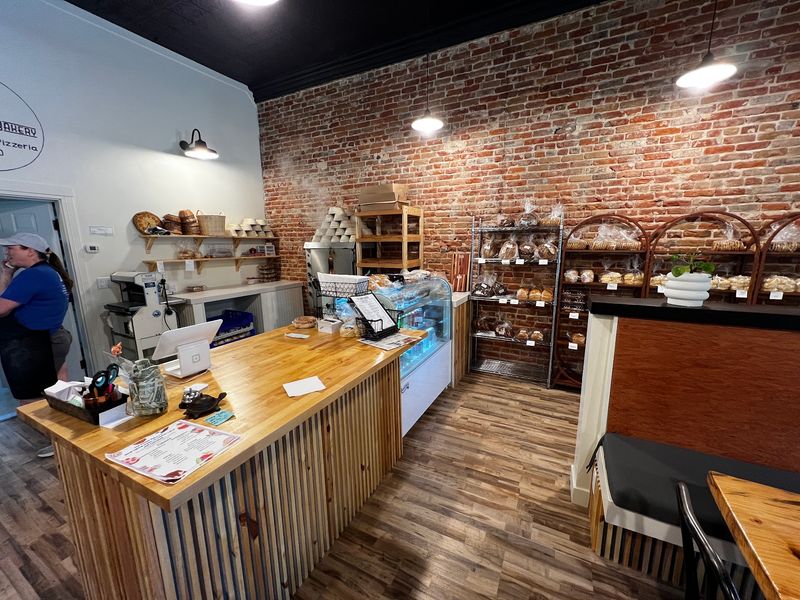
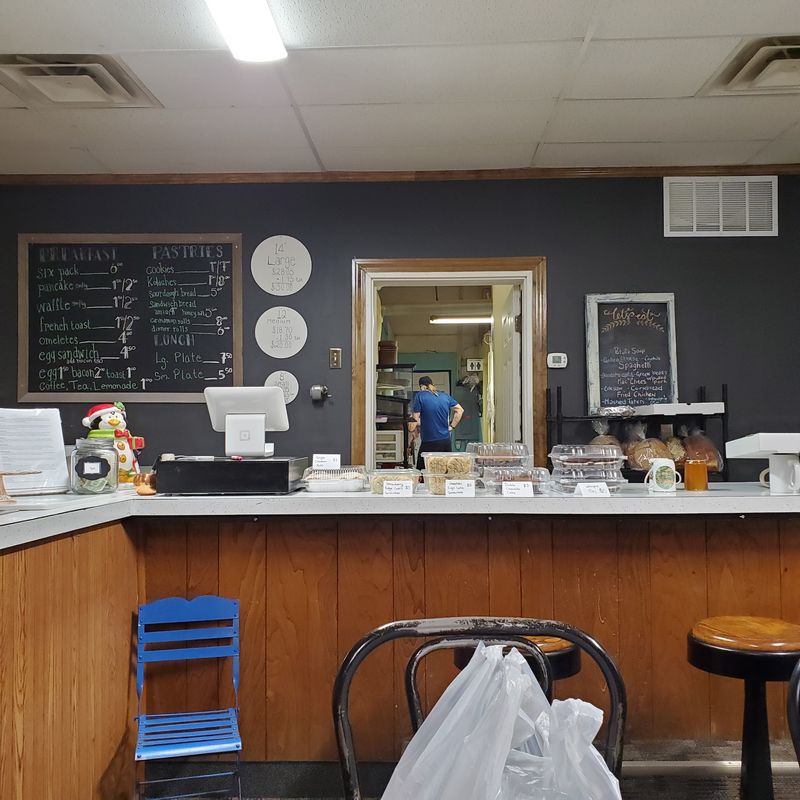
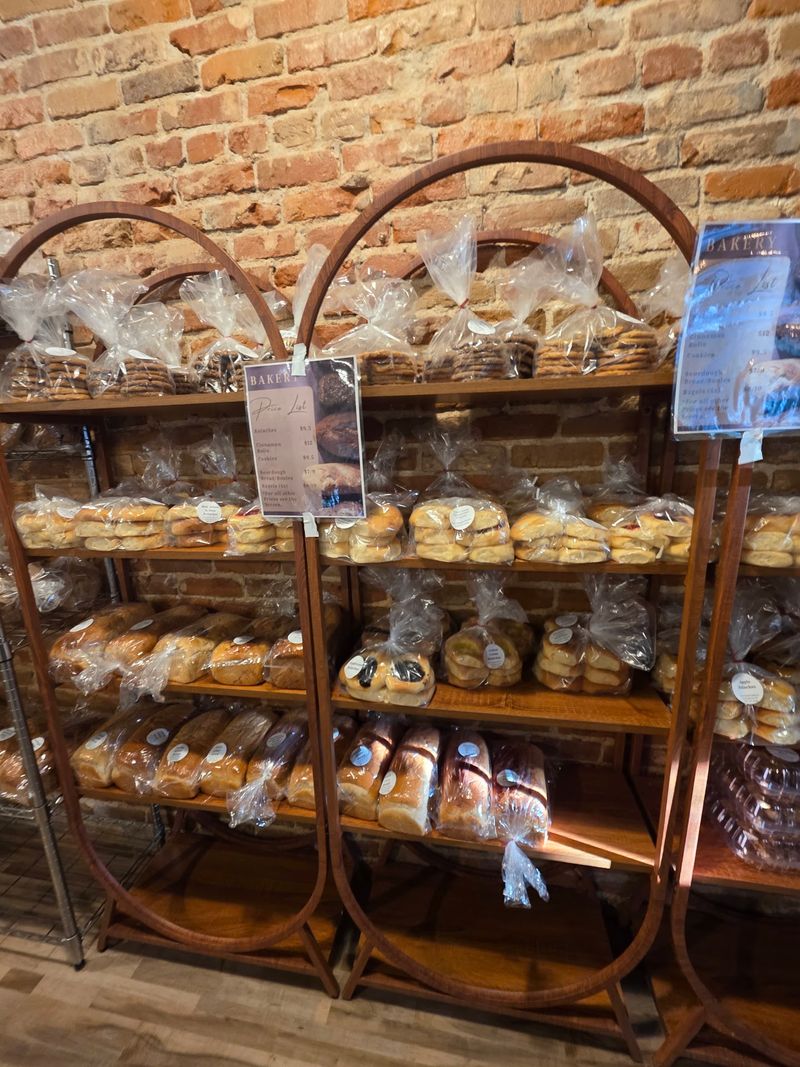
Walk in the door and the first thing that pulls your eye is not the register but the shelving behind it, stacked with sourdough loaves, bagged cookies, and rows of kolaches lined up like they’re waiting their turn.
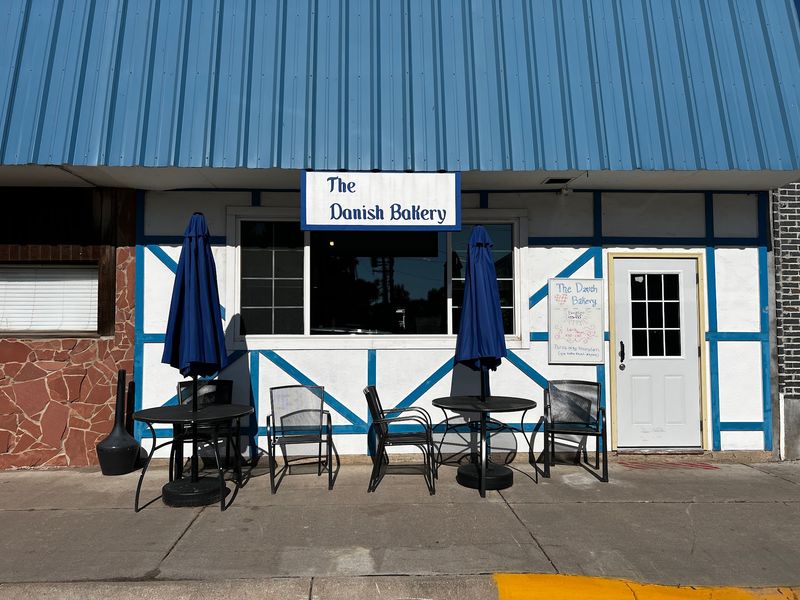
The Danish Bakery sits on Mill Street in Dannebrog, a Howard County village roughly twenty miles northwest of Grand Island. The building is compact, with somewhere around twenty-five seats inside and a small table outdoors, so the room fills quickly on a busy morning.
Vintage touches carry through the space without tipping into theme-park territory, and the interior was refreshed a couple of years back after decades of looking considerably older.
What makes the place stick in memory is the volume. Staff refill that wall repeatedly through the day because customers keep leaving with more than they planned to buy.
Coffee is solid, the counter service is quick, and nobody hovers over your table. For a village this size, having a working bakery turning out naturally leavened bread from scratch is not something Nebraska takes for granted.
How a Village Got Named After Denmark’s Flag
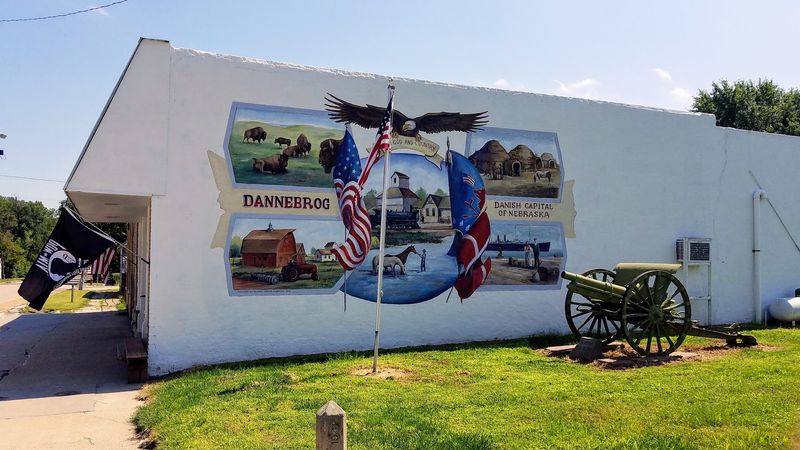
Dannebrog takes its name from the Danish national flag, which tells you most of what you need to know about who settled here.
Danish immigrants arrived in the 1870s looking for farmland along the Middle Loup country, and the village grew out of the Danish Land and Homestead Company, an effort led by Lars Hannibal. Families came for cheap acres and stayed long enough to build an identity around them.
In 1989 the Nebraska legislature made the connection official, designating the village Nebraska’s Danish Capital. That designation still shapes the look of the place, from business signage to painted decorations, sidewalk benches, and flower plantings along the street.
Every June the town marks Grundlovsfest, a celebration of Danish Constitution Day, which gives the calendar a built-in reason to visit.
Heritage towns can slide into costume, all signage and no substance. Here the bakery does the heavy lifting instead, keeping the food side of that inheritance alive with bread and pastry rather than just a plaque on a wall.
From The Danish Baker to the Wilsons’ Kitchen
1991 is where the story starts. Tom Schroeder opened The Danish Baker on this street and ran it for years, long enough that a whole generation in central Nebraska grew up associating Dannebrog with a pastry box.
Ownership changed hands in 2020 when Kelsie Wilson, who grew up in town, bought the shop with her husband Justin. Coming home to take over the bakery you knew as a kid is a particular kind of decision, and it shows in how the place is run.
The Wilsons describe their aim as crafting exceptional, high-quality bread and baked goods that celebrate the art of traditional baking, with an emphasis on authentic flavors and old-world methods.
Practically, that means scratch dough, natural leavening, no artificial ingredients or preservatives, and a product list that keeps expanding.
The interior overhaul came along the way. Regulars who remembered a dining room frozen somewhere around mid-century walked back in to find it reworked, while the cherry rolls and cream cheese icing stayed exactly where they belonged.
Kolaches in a Danish Town, Which Is Its Own Small Joke
Here’s the wrinkle: the kolache is a Czech pastry, and this is a Danish village. Good dough travels, apparently.
Kolaches are the single most talked-about item in the case, and they’re made from scratch with a soft crumb that gives way immediately. Fruit fillings rotate, with cherry and raspberry among the standards, usually finished with a thin glaze frosting that cracks slightly when you bite in.
Past runs have included apple, blueberry cheese, cream cheese, lemon, and peach, so the lineup shifts with the season and whatever the kitchen feels like doing.
Then there’s the sourdough kolache, which swaps standard dough for naturally leavened. The result stays very soft but carries a faint tang underneath, and that tang works with sweet fillings and savory ones alike.
Nebraska has strong opinions about kolaches, particularly in the Czech corridor around Wilber and Verdigre. Dannebrog complicates the map, which is half the fun.
Buy a mixed half dozen and let your own household argue about which filling wins.
Sourdough Loaves, Boules and Bagels Made the Slow Way
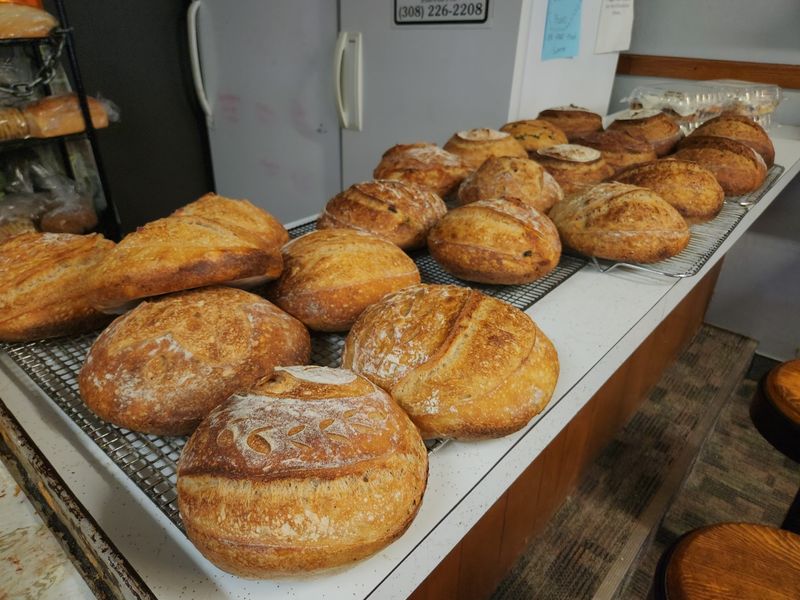
Heft is the giveaway. Pick up one of the sourdough boules and it sits in your hand heavier than a grocery loaf, crust firm enough to make a sound when you press it.
Everything starts from scratch here, and the sourdough program runs beyond plain loaves into flavored versions and bagels. Natural fermentation gives the bread a deeper flavor and can make it easier on the stomach than quick-rise commercial bread, and wholesome grains and seeds show up in several varieties.
Danish baking tradition leans on rugbrod, that dense dark rye packed with seeds. The bakery borrows the spirit of it rather than copying the recipe, landing on loaves with a sturdy crust and a moist, chewy interior.
Flavored sourdoughs have gotten adventurous. An ube version turned up recently, purple crumb and all, which is not what you expect from a village of a few hundred in Howard County.
Bread sells out. If a specific loaf matters to you, get there in the morning rather than trusting the afternoon shelf.
The Cookie Rotation and Its Midwestern Standards
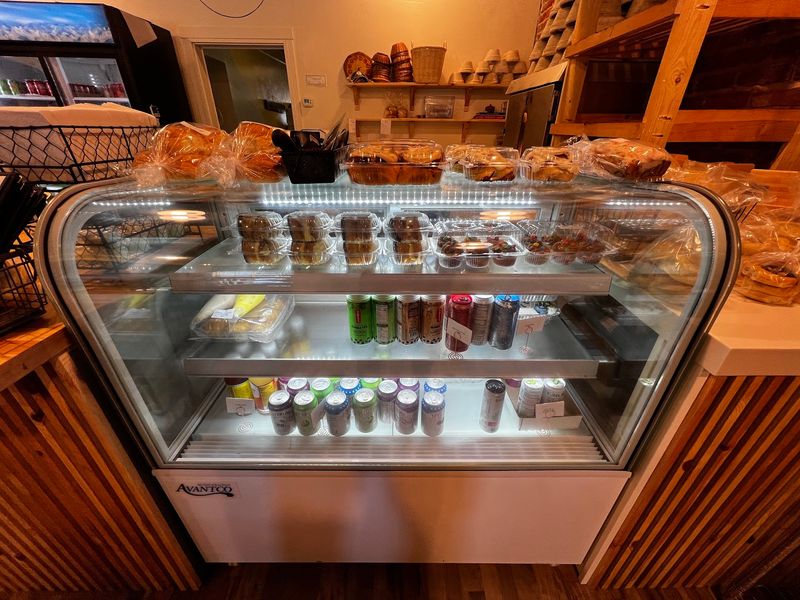
Scotcheroos. If that word means something to you, you grew up in Nebraska, and yes, they’re in the case.
The cookie shelf works on rotation rather than a fixed menu, so the lineup shifts week to week. Browned butter chocolate chip and browned butter snickerdoodles turn up often, along with peanut butter, peanut butter cornflake, oatmeal raisin, iced oatmeal, and ginger molasses.
Caramel pretzel cookies have picked up a following of their own, salt and sugar doing the thing they always do.
Holidays bring reinforcements. Snowball cookies, crinkle cookies, and pepper nuts appear when the season calls for them, the last one a small nod to old-country baking that shows up on Nebraska Christmas tables across several immigrant traditions.
Cinnamon rolls deserve separate mention, because they come up constantly. German chocolate cinnamon buns have appeared, and cherry rolls with cream cheese icing are the kind of thing people drive back for.
Order a sandwich at lunch and a chocolate chip cookie, warm from the oven, has been known to arrive alongside it.
Thursday Pizza Night, the Reason People Drive an Hour
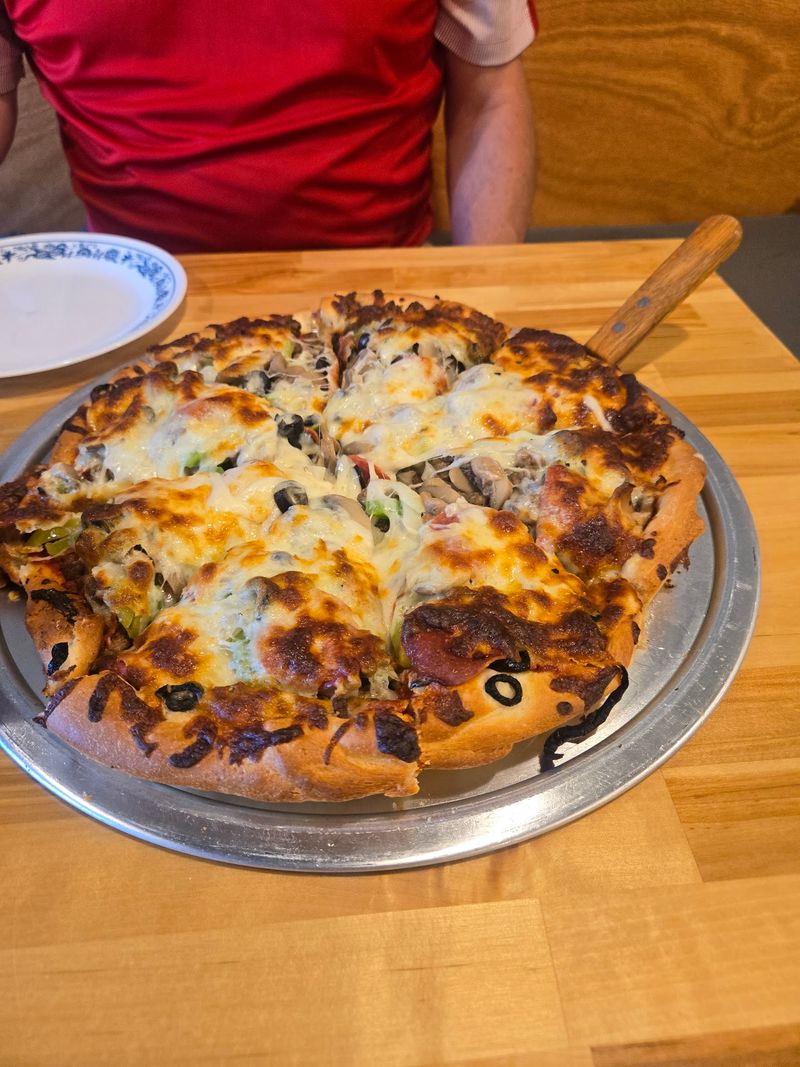
A bakery that makes pizza sounds like a stretch until you see one come out of the oven, thick-crusted and piled so high with toppings the pan barely holds it.
Thursday is pizza night, and it turns the shop into the busiest room in the county. The supreme gets ordered constantly.
A peach goat cheese version has appeared, which is the sort of move a bakery with good dough skills can pull off.
Distance is part of the story. People come from Grand Island, from Lincoln, from forty-five minutes out in every direction, and they come specifically for this.
Seating is the catch. With roughly twenty-five chairs inside, the dining room fills fast, and calling ahead if you want a table is simply how it works.
Staff squeeze in walk-ins when they can.
Thursday also runs later than other days, so evening is possible instead of just morning.
Get pizza, then hit the bakery wall on the way out. Resistance rarely survives the walk to the door.
Sandwiches Big Enough to Split
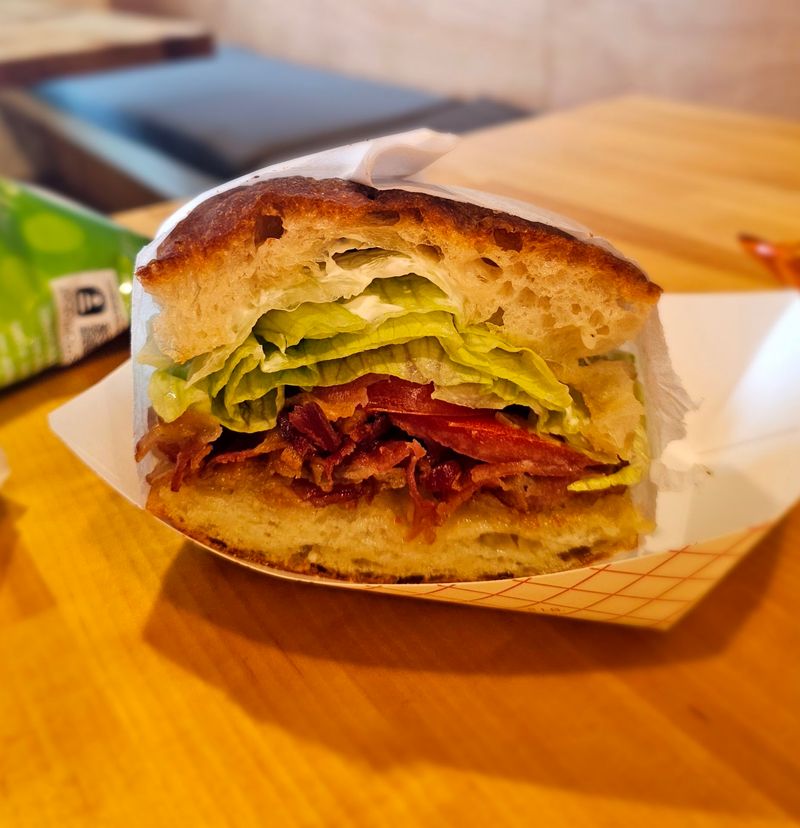
Lunch here runs on the bread, which gives the sandwich menu an unfair advantage before anything else goes on it.
The Oinker is a fixture, and it takes well to added jalapenos. The Italian and the Green Goddess both hold their own.
Grilled cheese and a BLT round out the simpler end, made with fresh ingredients and put together without fuss.
Portion size is worth planning around. The sandwiches come out large enough that splitting one is a reasonable strategy unless you want half of it wrapped for later.
Service is casual and moves fast. Orders arrive quickly, the dining area stays clean, and the menu is short and described plainly, which is a small mercy when a line is forming behind you.
Pricing sits in comfortable territory, the kind of bill that doesn’t make you rethink the drive.
One thing to know: the kitchen keeps daytime hours most of the week, so lunch works but a late supper generally doesn’t except on Thursday. Check before you set out.
Getting to Dannebrog From I-80 and Beyond
Twenty miles northwest of Grand Island puts Dannebrog within easy reach of anyone already crossing central Nebraska.
Coming off I-80, the detour north is short and the driving is pleasant, two-lane roads running through farm ground with the Loup country opening up ahead. From Lincoln it’s a longer haul, closer to a couple of hours, and people make it anyway.
The address is 114 Mill St S, Dannebrog, NE 68831, right in the middle of the village where parking is a non-issue.
Hours run daytime through most of the week with Thursday stretching into the evening, and the shop is closed on some days entirely. Confirming before you drive out is the smart play, especially around holidays.
Timing helps in another way. Fall brings the Nebraska Junk Jaunt through this part of the state, and the bakery ends up on a lot of routes that weekend.
June brings Grundlovsfest.
Either one gives you a reason to build the stop into a bigger day rather than turning around after the pastry.
The Room Itself, Tight Seating and Vintage Details
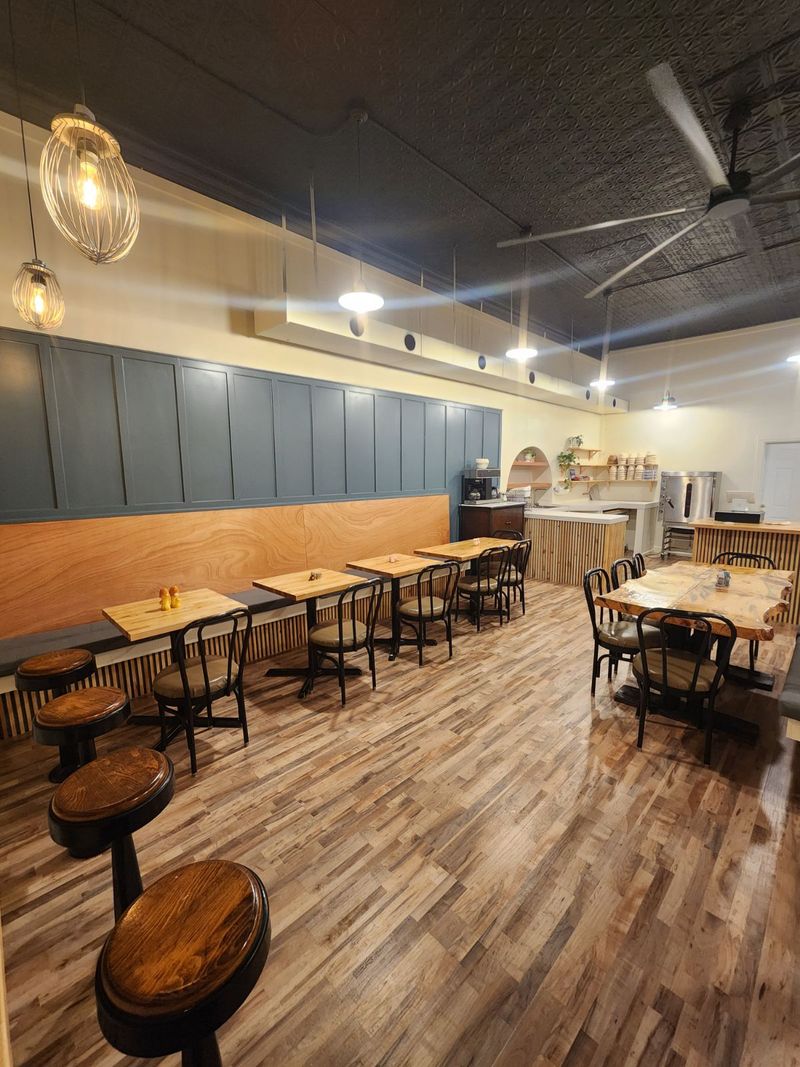
Twenty-five seats. That number governs almost everything about how a visit here feels.
The dining area is small and plainly arranged, with vintage decor that leans into the building’s age rather than papering over it. There’s a single table outside for anyone who’d rather sit in the open air.
Noise builds when the room is full, and on a Thursday it’s full. Conversations overlap, the counter stays busy, and staff move between tables and the bakery wall without much pause.
Contrast that with a weekday mid-morning, when you can get coffee and a roll and have the place nearly to yourself, watching bread come out to the shelves.
Nobody fusses over your table, which suits some people perfectly and takes adjustment for others. Food comes out fast and then you’re left to enjoy it.
Families with kids do fine, though a stroller in a room this size is a maneuvering exercise. Larger groups should absolutely call ahead.
Retirees traveling in pairs may find this the easiest stop of the whole day.
What Keeps a Bakery Central to a Nebraska Village
Villages this size lose their businesses. The gas station goes, the cafe goes, the school consolidates, and eventually there’s nothing to stop for.
Dannebrog kept its bakery, and the bakery became the reason people show up at all. Customers come from the village itself, from Grand Island, from towns across Howard and Hall counties, and from considerably farther when a specific loaf or pizza is involved.
Bringing money in from outside is what holds a small main street together. One shop pulling steady traffic supports a street that would otherwise go quiet by mid-morning.
Justin and Kelsie Wilson have kept adding to what the shop does, and the operation has grown rather than coasted, which is the opposite of the usual small-town arc.
Somebody who has lived in Howard County for years can still discover this place for the first time, which tells you something about how much Nebraska hides in plain sight.
The Danish heritage gives the village its name and its June festival. The bakery gives it a pulse the rest of the year.
Bring a Box and Plan for Thursday
Two things to settle before you go: which day you’re driving, and how much room you’ve got in the car.
Thursday delivers the full experience, pizza and evening hours and a packed room, but it also demands a phone call if you want to sit down. A quieter weekday morning gets you the bakery wall at its fullest with none of the crowd.
Either way, buy more than you intend to. The sourdough freezes well, kolaches are best the day you get them, and cookies have a way of vanishing before Grand Island.
Hours shift and some days the shop is closed outright, so a quick check saves a wasted drive from Lincoln or Kearney.
What you’re getting is a scratch bakery in a village of a few hundred, doing naturally leavened bread and hand-filled pastry in a Danish-named town on the edge of the Loup valley.
That combination doesn’t exist in many places. Central Nebraska happens to have one, and it’s open most of the week.