This North Carolina Nursing Home Offers Veterans Private Rooms Without The Typical Price Tag
Cost can turn an already difficult care decision into an even heavier one.
For some veterans in North Carolina, though, private skilled nursing care may be more attainable than families expect. That changes the conversation.
Instead of starting with what feels financially out of reach, families can begin by understanding which benefits may apply.
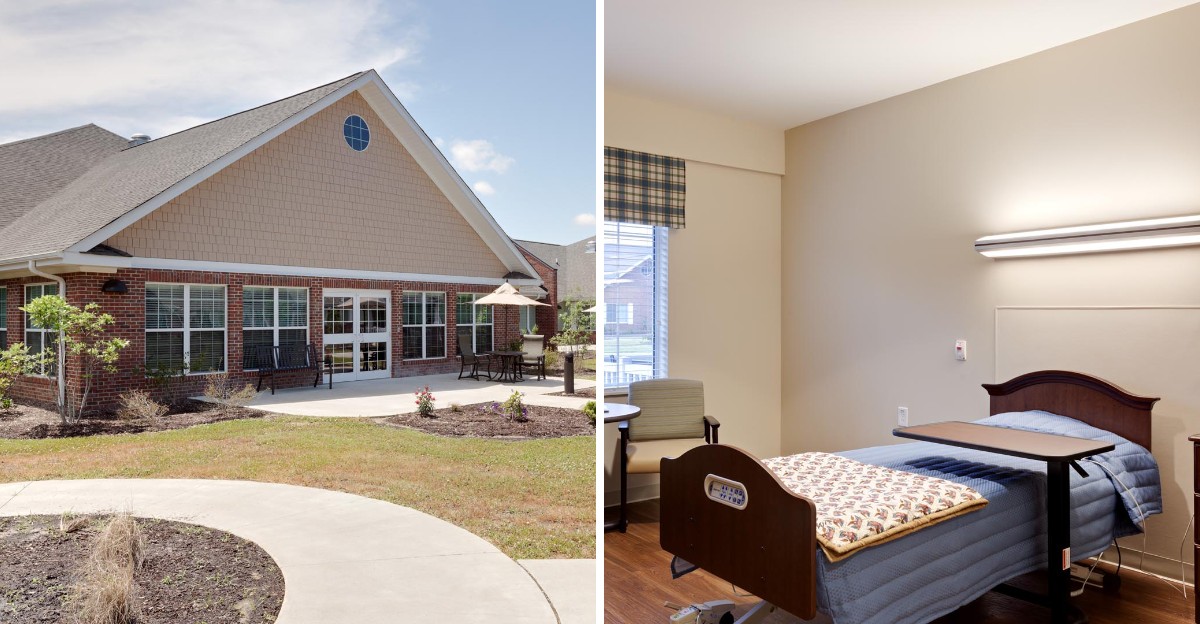
The Kinston home was built around that need.
It serves eligible veterans who require more support while still giving them personal space and a daily routine that feels less institutional.
Of course, getting through the door involves paperwork.
But knowing what to expect can make the process feel far less intimidating.
See How Private Rooms Give Veterans More Space And Privacy
Personal space matters more than most people realize when someone moves into skilled nursing care.
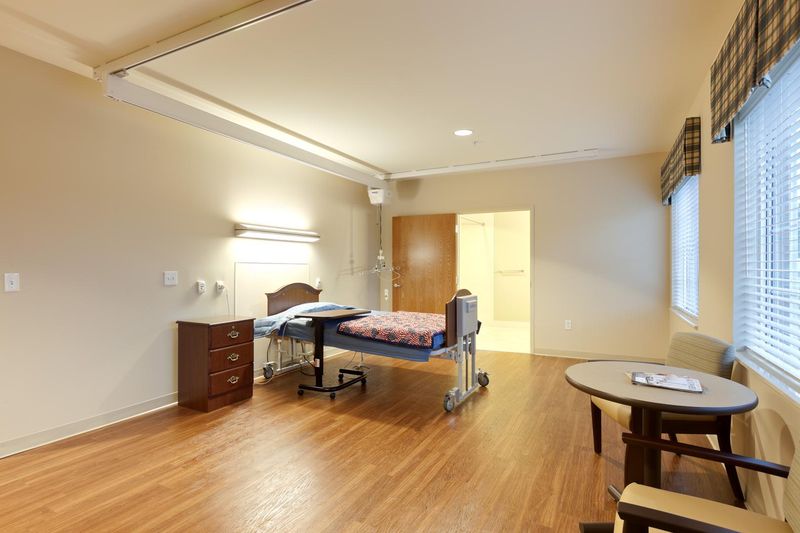
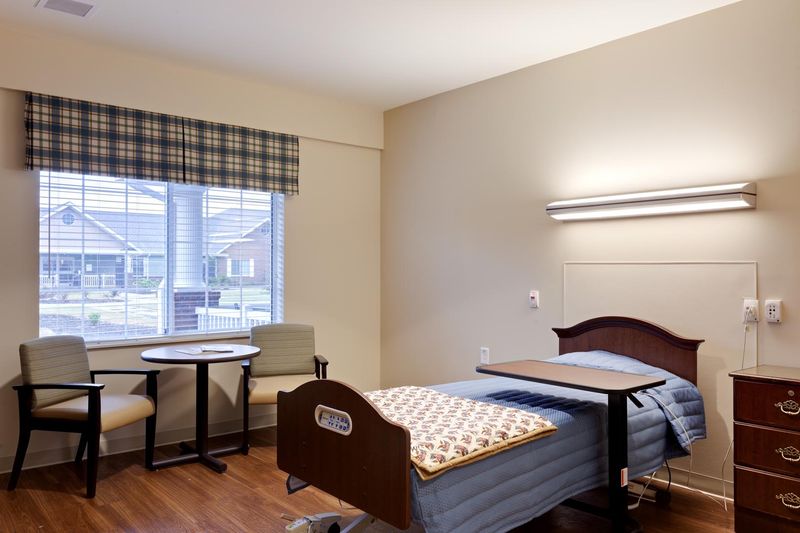
Private rooms here come with basic furnishings, an adjustable bed, and an emergency call system within easy reach. Climate control, basic cable, and Wi-Fi are part of many units, so a resident can watch an afternoon ballgame or video chat with a grandchild.
Residents are welcome to bring framed photographs, a favorite quilt, or small mementos that make four walls feel familiar, as long as they follow safety guidelines.
Private rooms are a listed feature throughout the Kinston State Veterans Home.
The layout gives veterans a quiet corner for reading, resting, or a visit with family without an audience.
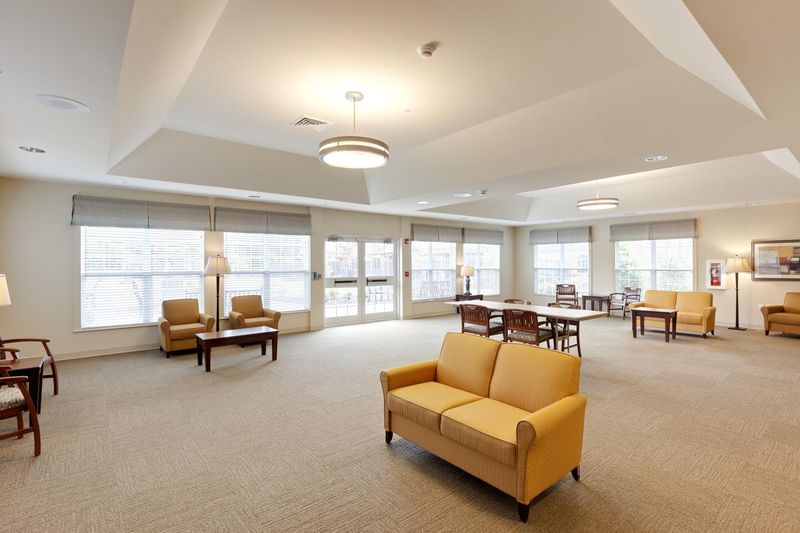
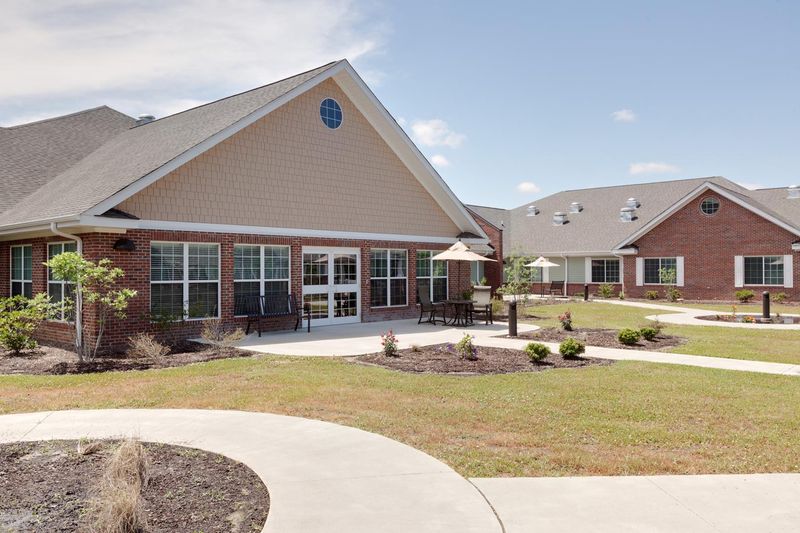
Wide hallways and bright common areas sit just outside the door, so nobody feels boxed in.
Think of the room as a personal base camp: a place to keep a service photograph on the dresser, a radio on the nightstand, and a chair angled toward the window.
That small measure of privacy often does as much for morale as any medication chart.
Find Out Who Qualifies To Live At This State Veterans Home
Eligibility here reads like a short checklist, and knowing it early saves families weeks of guesswork.
Applicants generally must have served on active duty in the United States Armed Forces and received a discharge under honorable conditions.
That single document, the DD214, tends to be the first thing an admissions team asks about.
Residency carries real weight as well. A veteran must have lived in North Carolina for the two years immediately before applying. Medical need rounds out the picture.
Eligibility also requires disability by age, disease, or another reason, as determined through a physical examination by a State Veterans Home physician.
Spouses and surviving spouses of eligible veterans may qualify under certain conditions, a detail plenty of families never learn until someone points it out.
Gathering discharge paperwork, proof of residency, and the physician’s certification before you call ahead makes the conversation far shorter.
Veterans from every era share these halls, from those who served in Korea and Vietnam to more recent generations.
Meeting the requirements is less about rank or medals and more about honorable service, state ties, and a documented need for care.
The North Carolina State Veterans Home in Kinston sits at 2150 Hull Road.
Learn How Veterans Benefits Can Help Reduce Long-Term Care Costs
Money questions keep families awake at night, and the answers here are friendlier than most expect.
The U.S. Department of Veterans Affairs sends a per diem payment to the state for each eligible veteran, which directly trims the cost of care.
Veterans with a service-connected disability rating of 70 percent or higher, or those receiving care for a service-connected condition, may have the full expense covered.
Medicare, Medicaid, private pay, and commercial insurance are all accepted. Then there is Aid and Attendance, a tax-free monthly payment for wartime veterans who need help with daily activities.
For veterans who began active duty before September 8, 1980, pension eligibility generally requires at least 90 days of active duty with one wartime day, while later service usually requires at least 24 months or the full period called to active duty, subject to exceptions.
For 2026, that net worth limit sits at $163,699.
Surviving spouses of wartime veterans can qualify for that same aid. North Carolina allows qualifying veterans with a permanent and total service-connected disability to exclude up to $45,000 of the assessed value of their primary residence from property taxation.
Stacked together, these programs can turn a private room from an impossible dream into a realistic plan.
Ask the admissions office to walk through the math line by line, in plain language.
Explore The Nursing And Rehabilitation Services Available On-Site
Help is available at any hour, whether it is three in the afternoon or three in the morning.
Licensed teams handle medication management, IV therapy, oxygen therapy, wound care, and pain management in-house.
Specialty support goes well past the basics.
Dental care, psychological services, and a full-time dietitian keep the whole person in view rather than a single diagnosis.
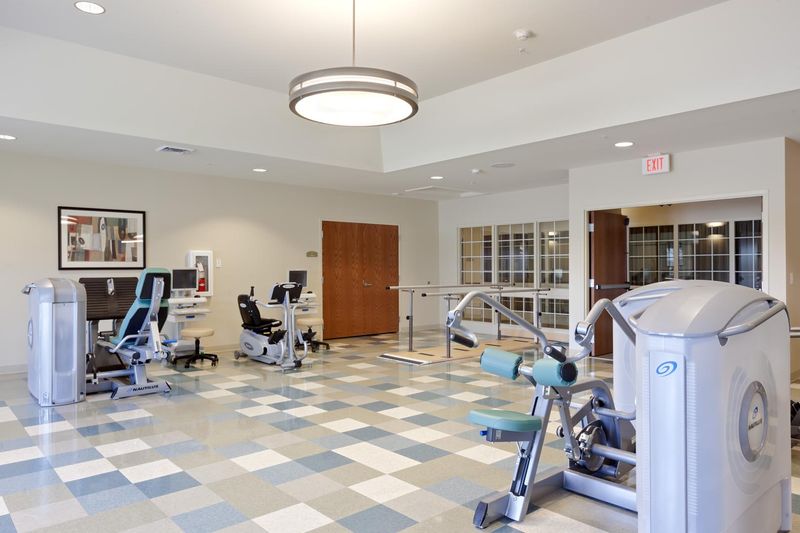
Rehabilitation runs deep, with physical, occupational, speech, and aquatic therapy available on-site.
A memory care unit serves residents living with dementia, and counseling, hospice care, and a master’s level social worker round out the roster. Care plans do not sit in a filing cabinet.
Staff review them regularly with residents and families, adjusting goals as strength returns or needs shift.
Pharmacy services are available through the home, while hospital care is provided through VA medical centers or local hospitals when needed. For a family living an hour away, that single detail matters.
Keeping nursing, rehabilitation, pharmacy, and other core services connected through the home can simplify parts of a resident’s care.
The skilled nursing focus means residents arrive with complex needs and still find room to recover, whether that is regaining a swallow, healing a stubborn wound, or walking a hallway again without help.
Discover What Daily Life Looks Like Beyond Medical Care
Three meals a day arrive in a dining room built for company, not for rushing.
The kitchen follows physician-ordered diets closely, and dietitians review nutrition plans so nobody is stuck with food that does not fit their needs.
Alternate entrées are offered when the day’s main dish misses the mark, snacks stay available between meals, and tray service comes to the room when a doctor calls for it.
Southern comfort dishes, warm vegetables, and something sweet at the end still taste better shared across a table. An on-site activity center anchors the social calendar with crafts, music appreciation, discussion groups, movie nights, and seasonal celebrations.
Residents also run activities of their own, which keeps initiative alive.
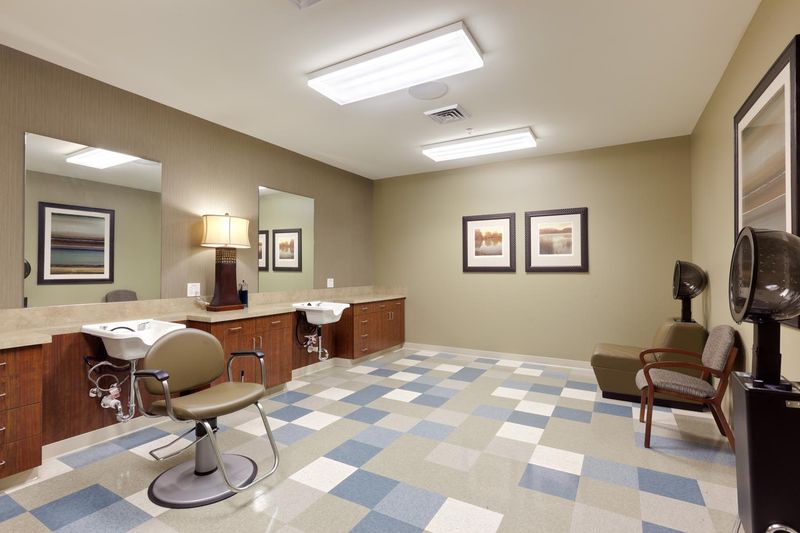
A beauty and barber shop handles haircuts and fresh styling, a meditation room offers quiet, and a chapel sits ready for prayer or reflection.
Transportation services help residents get where they need to go.
What ties it together is shared history. Neighbors here served in different decades and different branches, yet the stories overlap enough to spark friendships fast.
Family support group meetings keep relatives in the loop, which softens the distance for anyone who cannot visit every week.
See How Therapy Programs Help Residents Stay Active And Independent
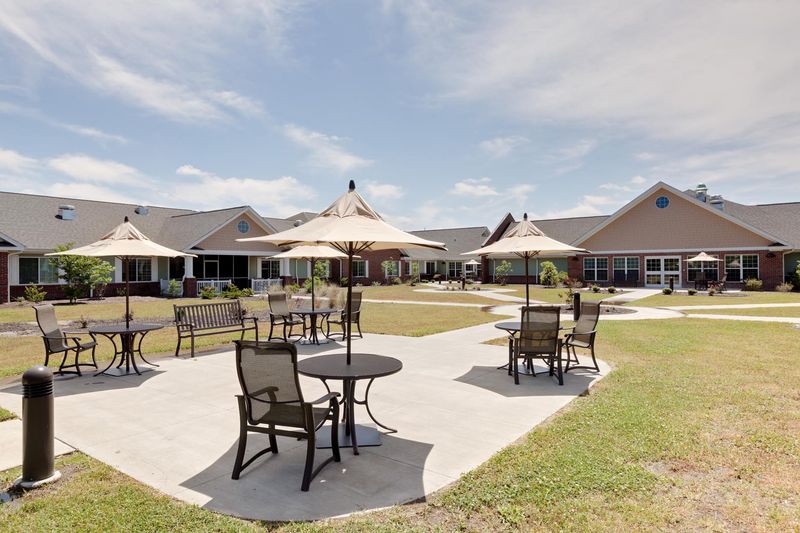
A fall or a stroke can shrink a person’s world overnight.
Therapy here aims to widen it again, one careful step, one steady grip, one clear word at a time.
Physical, occupational, speech, and aquatic therapy are all offered, each shaped around one veteran’s goals rather than a generic schedule. Water work eases pressure on sore joints, while occupational sessions rebuild the small motions that make dressing and eating possible.
An oversized rehabilitation room gives therapists space to work without crowding.
Parallel bars, mats, and training equipment sit ready, and there is room for a wheelchair to turn without a traffic jam.
Frequency and goals get reviewed on a regular schedule, so a plan that worked in week one can change by week six.
The target is always the highest level of independence a veteran can reach, whether that means walking to the dining room or simply standing to greet a grandchild.
Dignity is part of the measurement, not an afterthought.
Progress notes track steps and repetitions, but families tend to notice the smaller wins first: a firmer handshake, a longer conversation, a morning that starts with less help than the one before.
Understand Why This 100-Bed Home Serves Veterans Across Eastern North Carolina
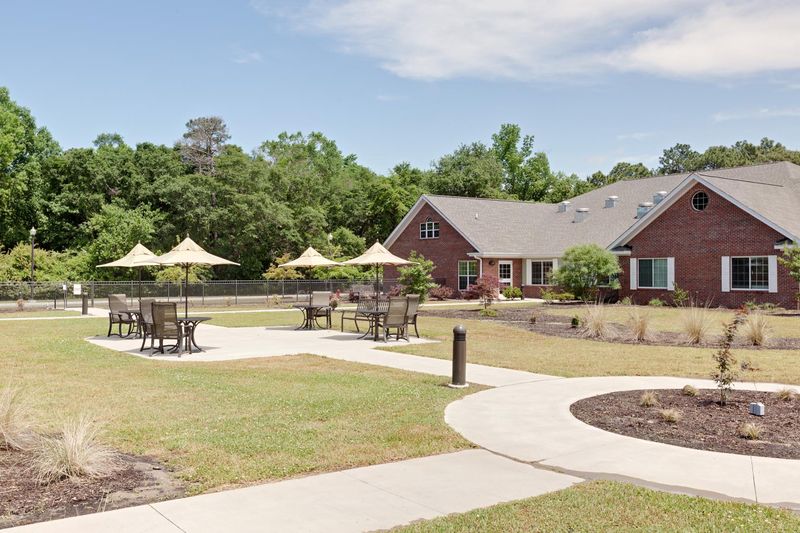
Distance shapes everything when a loved one needs skilled care.
Families drive in from Goldsboro, Greenville, and New Bern, and the trip stays short enough that Sunday afternoon visits remain realistic.
With one hundred beds, the Kinston campus is one of four state veterans homes in North Carolina, part of a network built specifically for those who wore a uniform.
The home is owned by the State of North Carolina under the Department of Military and Veterans Affairs and operated day to day by PruittHealth under contract with the state.
Geography explains a lot about why the home matters. Rural counties across the eastern part of the state have limited options for skilled nursing built around military experience, and a single facility can serve dozens of towns.
Staff understand the rhythms of service life, the shorthand, the pride, and the particular kinds of injuries and memories that come with it.
Because demand is steady and the bed count is fixed, families are wise to start the application conversation early rather than waiting for a crisis.
Open around the clock, the building never truly quiets, and someone is always awake to answer a call light.
Know What Families Should Ask Before Starting The Admission Process
Paperwork can feel like the hardest part, so start with the packet.
Admission requires a completed application, a medical examination, and a current FL-2 form signed by a physician within the past 30 days.
Gather the DD214 discharge form, identification cards, insurance and Medicare or Medicaid cards, plus a living will, power of attorney, or health surrogate documents.
A Veterans Service Officer can review the packet for free and catch the small errors that delay decisions. The home sits at 2150 Hull Road in Kinston, and visiting hours generally run from 8:00 a.m. to 8:00 p.m.
Useful questions include which private rooms are available and what each room includes.
How do VA per diem payments and Aid and Attendance apply to the monthly cost? What personal belongings may a resident bring?
Ask how the staff handles cultural, religious, or psychosocial preferences, since those details shape daily comfort.
Confirm how often care plans are reviewed and who invites the family to the table. Write the answers down during the first call.
Weeks later, when emotions run high and details blur, that notebook becomes the steadiest tool a family has.
Keep copies of every form you submit, too.