This Hidden Minnesota Sanctuary Lets You Watch Wild Black Bears Roam Free
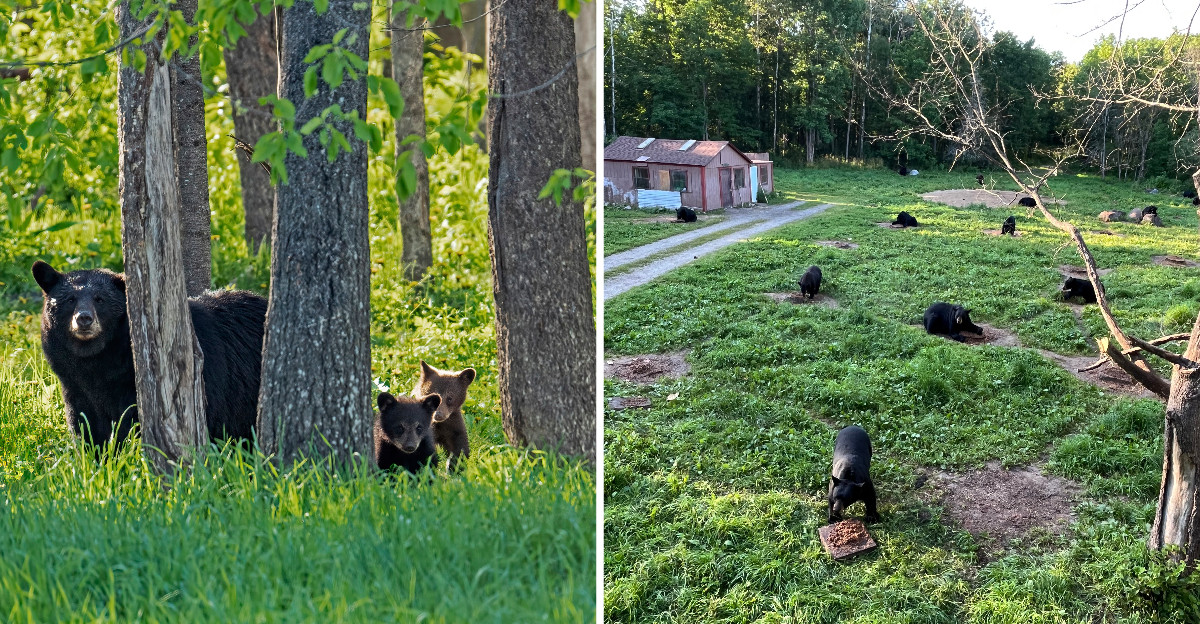
A branch moves. Then another. Suddenly, a black bear steps into view below the platform.
Minnesota offers a wildlife experience where that moment is never completely predictable, and that is what makes it so compelling.
The animals are not waiting behind exhibit glass. They come and go on their own terms.
Sometimes several appear. Sometimes patience is required. Watching becomes quieter when nothing is guaranteed.
Every rustle carries possibility. Every change in behavior feels meaningful. Guides can explain what you are seeing, but the forest still sets the pace.
For bear lovers, that uncertainty may be the most memorable part.
A Logger Changed His Mind
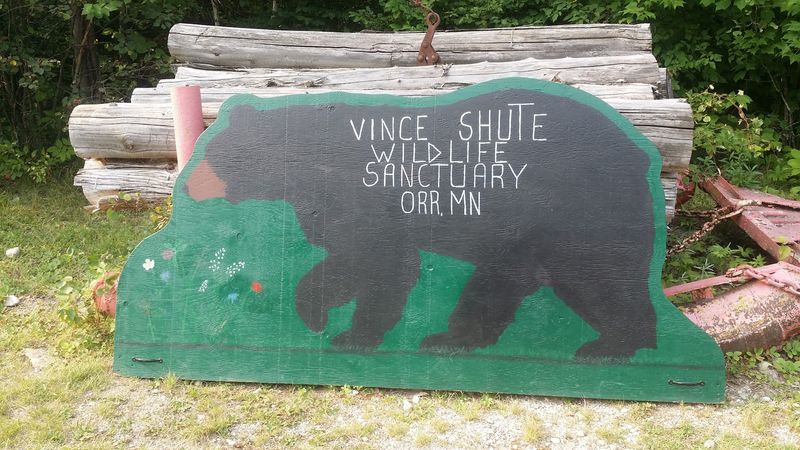
Back in the mid-1900s, a logger named Vince Shute ran a camp deep in the North Woods. Bears kept breaking into his cookshack, drawn by the smell of food.
For about thirty years, he and his crew handled those visits the hard way. Then something shifted in how he saw the animals.
He watched them closely and decided the bears were not mean, only hungry. In the early 1970s, he tried placing food in a meadow far from the cabins.
The break-ins stopped almost immediately. By the mid-1980s, word had spread well beyond the logging camp, and the logger had become locally known for his unusual relationship with black bears.
Worried about their future as he aged, he donated his land interest in 1993. The American Bear Association formed in 1995 to carry the work forward.
Earlier feeding included pancakes and other sweet foods. Today, supplemental food consists mainly of dried fruits, nuts, and seeds that complement natural foraging.
The former logging camp now serves as the setting for the sanctuary’s education and bear-viewing programs. You can visit his legacy at 12541 Nett Lake Rd in Orr.
Six Hundred Acres Of Wilderness
Aspen leaves rattled overhead as the bus rolled down the gravel road toward the viewing clearing. The land here stretches across more than 600 acres of mixed northern habitat.
Cedar swamps sit beside open marshes. Beaver ponds catch the evening light, and a small stream threads through grassy meadows.
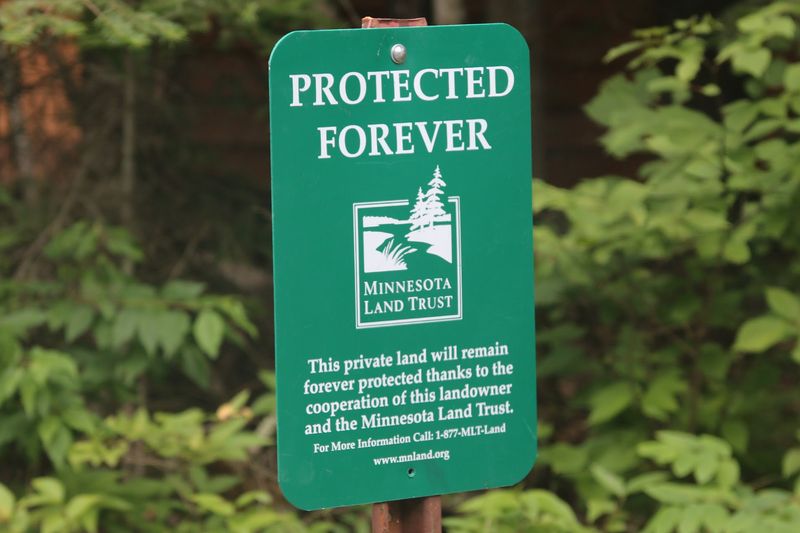
The property grew slowly through land purchases and donations from supporters. Conservation easements permanently protect 360 acres of the sanctuary property.
Bears share the surrounding habitat with wildlife that includes gray wolves, pine martens, beavers, and many bird species.
Orr is the nearest town, tucked just south of Voyageurs National Park in northern Minnesota. The setting feels wonderfully far from pavement and traffic noise.
Visitors follow a roughly one-mile gravel access road to the parking area, then use sanctuary transportation to reach the viewing deck.
Everything centers on a two-acre clearing with an elevated deck offering wide views in every direction. Beyond that clearing, the bears keep their natural wariness of people.
The bears remain free-roaming and can leave the viewing area whenever they choose. The forest sets the rules, and we follow them politely.
Evenings On The Viewing Deck
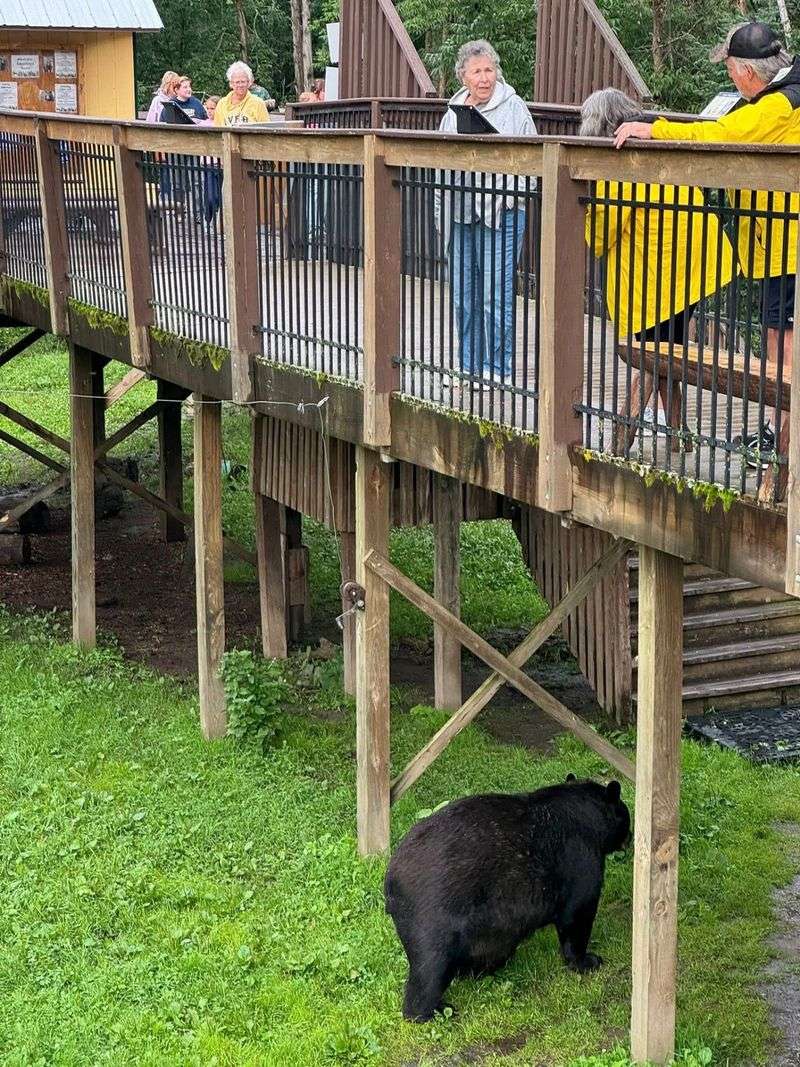
Visitors can observe bears feeding, playing, resting, climbing, and interacting from the elevated platform.
The raised deck keeps everyone comfortable and the animals undisturbed. During regular public viewing hours, visitors remain on the elevated platform.
No change needed to the educational role, though the final phrase is subjective. Several give short talks on topics they personally find fascinating.
For the 2026 season, regular public viewing ran from 5 p.m. to 8 p.m. Tuesday through Saturday, with Sunday openings only on Memorial Day and Labor Day weekends.
Regular public hours are Tuesday through Saturday, with the site normally closed Sunday and Monday except for the two holiday-weekend Sundays. Public season generally runs Memorial Day weekend through Labor Day weekend.
Special programming in 2026 included three early-morning bear-viewing dates along with scheduled photography workshops and other educational experiences.
A gift shop is available to sanctuary visitors during the operating season. Photography workshops are also offered for anyone chasing that perfect cub portrait.
Evening viewing gives visitors time to observe changing bear activity before the final bus leaves the deck.
Cubs, Yearlings, And Hierarchies
A sign near the entrance says it plainly: bears look tame but are wild and unpredictable. That warning is not decoration, it is the whole philosophy.
Every animal here roams freely. They arrive hungry, eat, socialize, and vanish back into state and federal forest whenever they choose.
More than 80 individual wild black bears visit during a typical summer season, according to the sanctuary’s current photography information. The number visible at one time can vary greatly because the animals arrive and leave on their own.
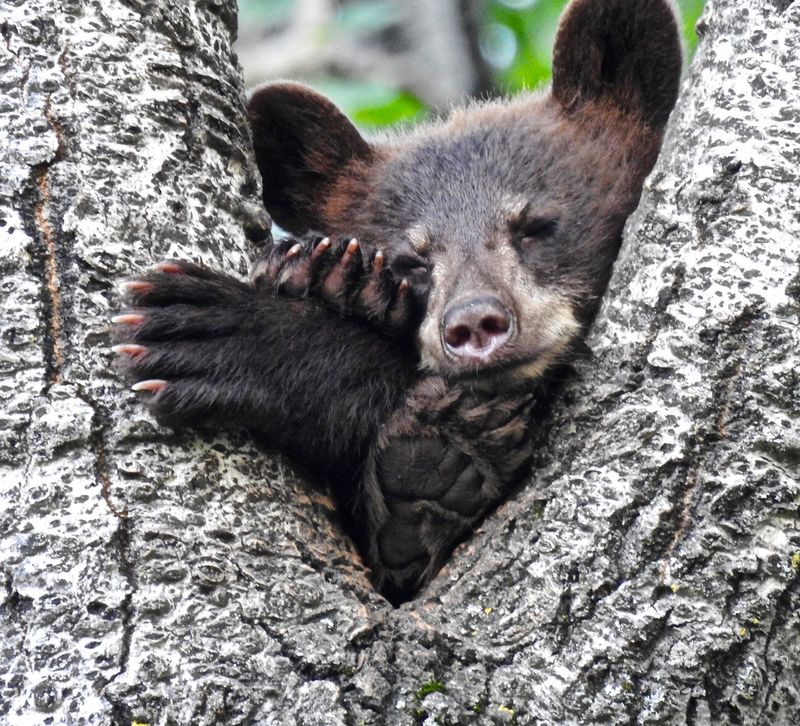
Cubs wrestle in the grass and scramble up trunks with surprising speed. Yearlings and newly dispersed young bears are among the age groups that visit throughout the season.
Adults reveal a whole social ladder through posture and position. Who eats first, who backs away, who gets the shady spot, all of it means something.
Late summer brings hyperphagia, when black bears sharply increase food intake before entering their dens, and sanctuary activity can become especially high.
The sanctuary has partnered with state wildlife researchers on radio-collaring work used to study bear movement and behavior.
Supplemental dried fruits, nuts, and seeds complement the bears’ natural diet while they continue to forage across the surrounding habitat.
The naturalists translate all of it, turning random motion into clear stories. Naturalists use observed behavior to help visitors better understand black bear ecology and social interactions.
Learning From Wild Neighbors
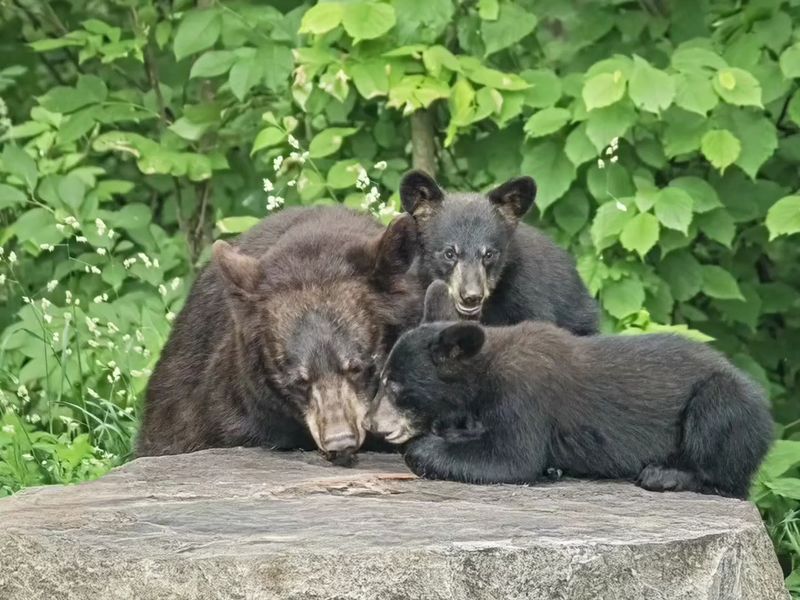
Calling this spot an open classroom is not marketing fluff.
The organization describes the sanctuary as the world’s only open classroom where wild American black bears regularly visit and display natural behavior.
The American Bear Association runs everything with one clear goal. Raise awareness, build tolerance, and grow appreciation for a widely misunderstood animal.
The sanctuary has participated in non-invasive studies and research partnerships involving observations, scat studies, berry monitoring, and radio-collaring.
Projects have ranged from examining scat to joining the Minnesota Department of Natural Resources annual berry count. The DNR also partners on radio-collaring efforts.
Summer interns live on site, assist with daily sanctuary work, record bear activity, contribute to monitoring projects, and educate visitors.
Interns contribute to the annual state berry study and give short educational talks during visitor hours.
Habitat protection matters just as much as teaching. Habitat protection includes 360 acres secured by conservation easements, alongside additional sanctuary land managed for wildlife.
The thinking runs deeper than bears alone. Protecting black bear habitat also benefits many other species that use the same forests, wetlands, and meadows.
Smart Packing And Timing
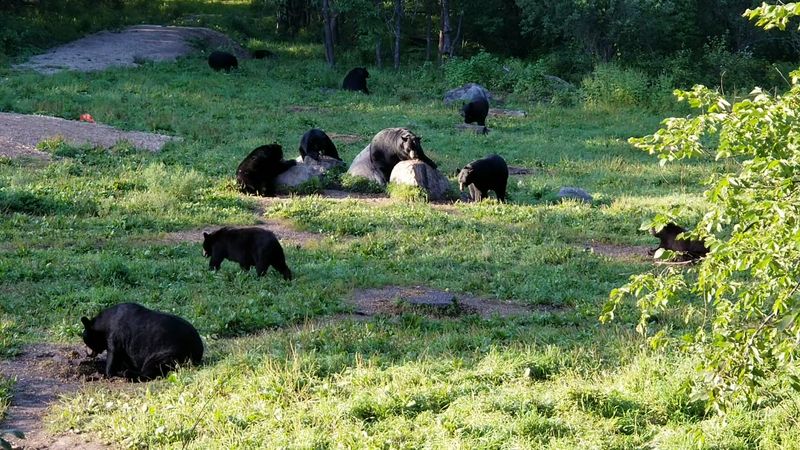
Show up prepared and this trip goes from good to spectacular. Show up in shorts without bug spray and you will remember it differently.
Late summer can bring especially active viewing as bears enter hyperphagia and increase their food intake before denning.
Bear behavior changes throughout the summer, with breeding activity earlier in the season and hyperphagia becoming more important later. Every month has its own rhythm.
Mosquitoes in the northern Minnesota woods take their jobs seriously. Bring plenty of repellent and wear long sleeves and pants for protection from bites and sun.
A zoom lens can help photograph animals farther across the meadow, while general visitors remain on the elevated viewing platform.
Public viewing begins at 5 p.m., and visitors can remain until the final return bus leaves at 8 p.m. Breakfast with the Bears guests enter when the gate opens at 6:45 AM.
Pets, food, and beverages other than water are prohibited on the public viewing platform, and visitors must leave all feeding to sanctuary staff.
One navigation warning saved me trouble: many GPS units wrongly suggest East Nett Lake Rd. Follow the directions on the American Bear Association website instead.
Why This Place Stands Alone
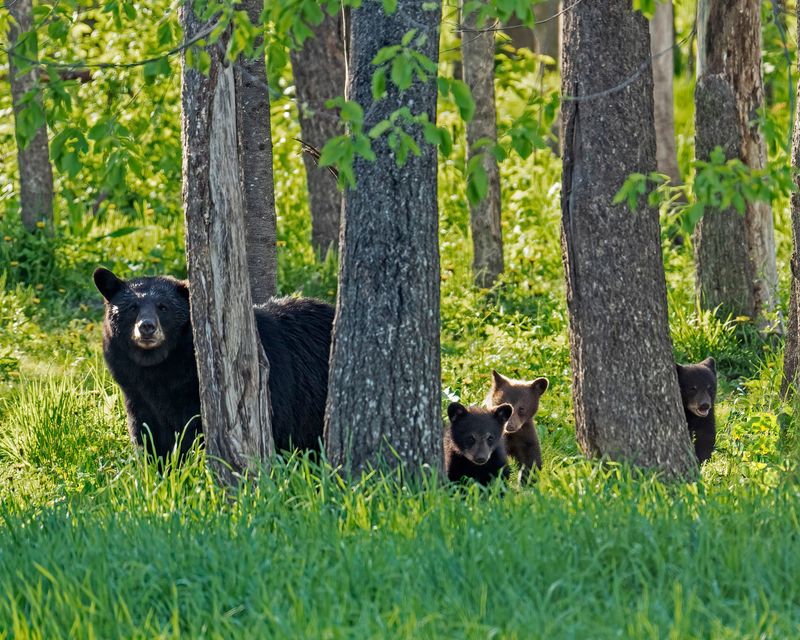
Zoos show you bears. Wildlife parks show you bears. Neither shows you bears choosing to be there.
The sanctuary says some photographers have described it as one of North America’s standout places for photographing free-roaming black bears.
The bears are not confined, but staff do provide supplemental food on a managed schedule. Animals move freely between the two-acre viewing clearing and the surrounding North Woods habitat.
Because of that freedom, you catch behaviors usually hidden from human eyes. Subtle glances, mock charges, careful sharing, and long lazy naps in tree branches.
The sanctuary’s educational mission focuses on replacing misconceptions with greater understanding of black bear behavior.
The organization aims to increase public tolerance and appreciation for black bears through direct observation and education.
Scientific value runs parallel to the public experience. Research partnerships and long-term observations contribute data on bear behavior, movement, food conditions, and habitat use.
The mix of entertainment and real learning is rare. You laugh at tumbling cubs, then realize you just absorbed a lesson about habitat.
The combination of wildlife viewing and structured education is central to the sanctuary’s visitor experience.
A Legacy Still Growing
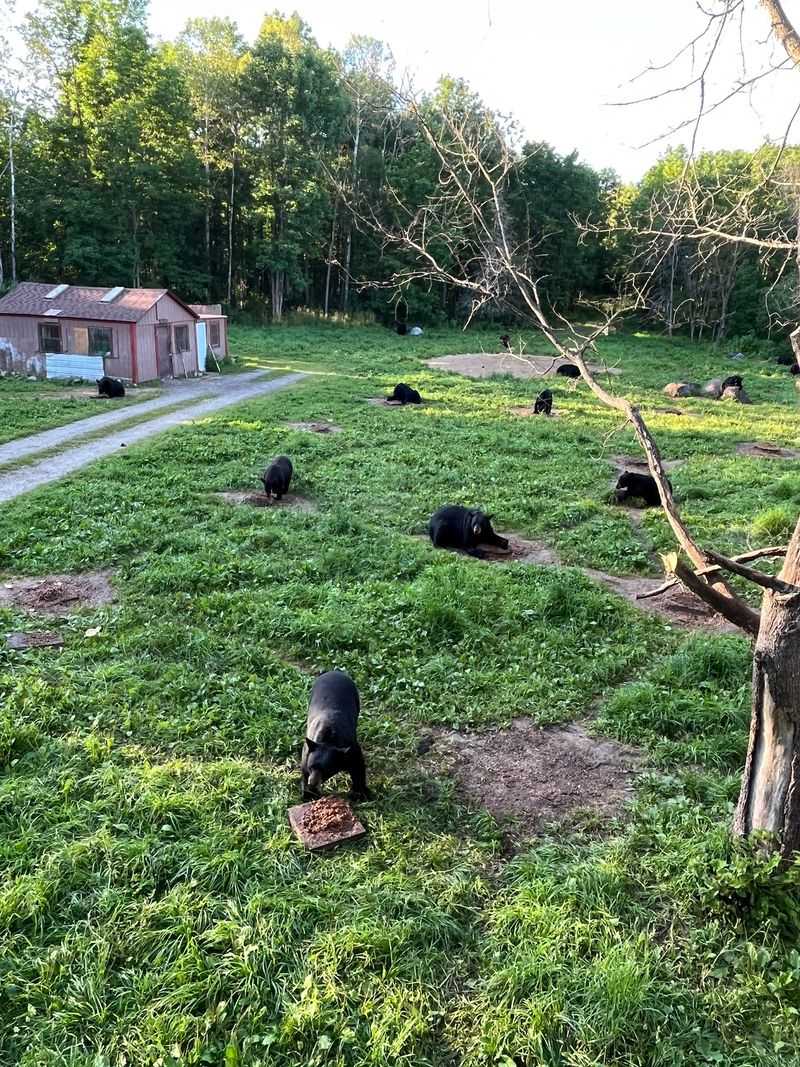
One logger’s change of heart turned into something far bigger than he likely imagined. His idea of peaceful coexistence now guides an entire organization.
The nonprofit continues that work through education, research, habitat protection, and managed bear viewing.
Generations of free-roaming black bears continue to visit the clearing from season to season. Thousands of visitors come during the summer season to observe and learn about black bears.
Current future plans focus on expanding educational programming, increasing wildlife-viewing opportunities, improving sanctuary facilities, and acquiring additional habitat.
Conservation easements permanently protect part of the property, while the organization continues pursuing additional habitat protection.
Permanent easements protect a significant portion of the sanctuary, reinforcing its long-term habitat mission.
The message underneath everything is simple. Learn about an animal and you are far likelier to look after it.
The sanctuary is designed to leave visitors with a stronger understanding of black bears and their habitat. Some evenings genuinely rearrange how you see the wild world.