This Georgia Forest Is Home To Miles Of Trails And Wild Black Bear Country
A black bear crossing your path sounds like a nightmare until it actually happens and you realize how quiet the woods suddenly feel. My legs stopped moving before my brain caught up.
Georgia holds more wild corners than people expect, and this forest is one of the wildest. I came for a short walk and left with a story I still tell at dinner.
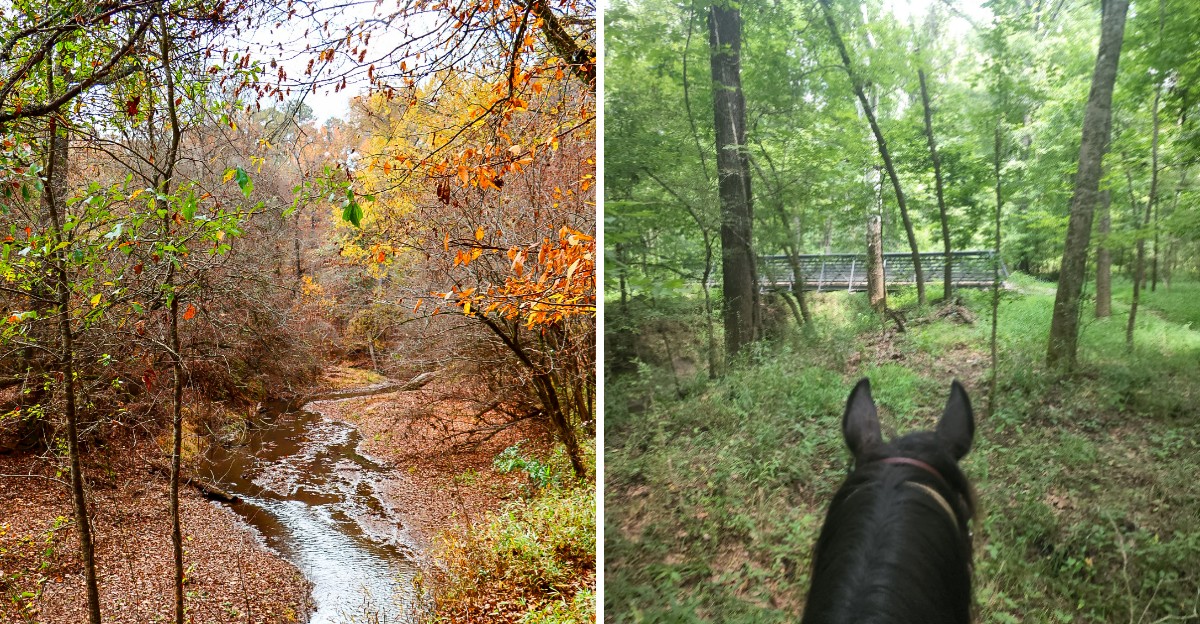
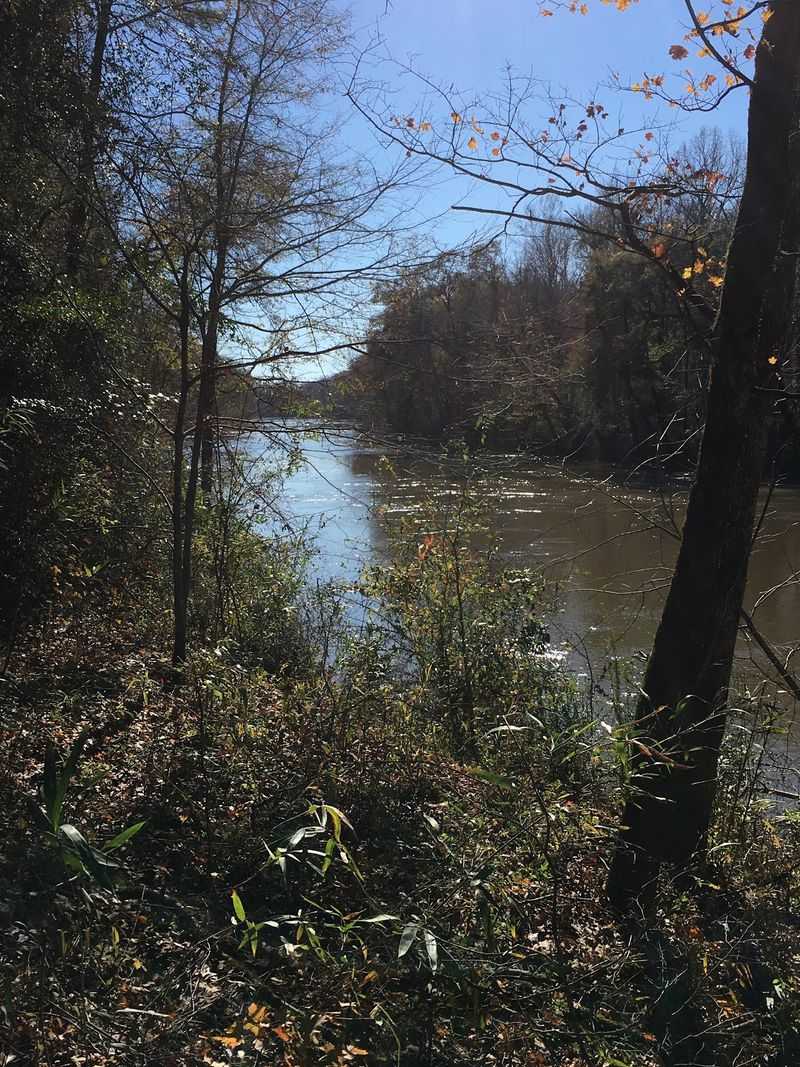
Thick trees, a slow river, and fresh paw prints in the mud told me I was not alone out there. Fall brings the bears out to feed, and locals in this part of Georgia know to keep their eyes up.
I never saw the bear itself, just proof that it had passed through minutes before. That was enough to keep my heart racing the whole drive home.
If you want a hike with real stakes, this trail delivers it.
Where The Trail Begins
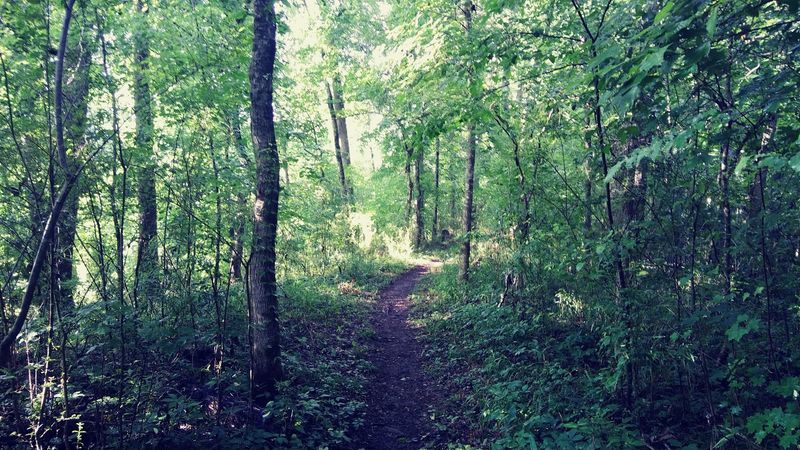
Gravel crunches, the engine goes quiet, and suddenly the loudest thing around is a woodpecker. That first step off the parking area feels like crossing into another century.
The Ocmulgee Bluff Equestrian Trailhead sits off GA 83, south of Smith Mill Road. It anchors a network of nearly thirty miles of paths open to hikers, bikers, and horseback riders.
Several other trailheads feed into the same system, so you can pick a short loop or a long push. Overnight camping is allowed in multiple parking areas, which makes early morning wildlife watching much easier.
Getting here takes some patience. The forest roads run long, and you can enter from Highway 16 or Highway 83 depending on your direction.
Cell service thins out fast, so download your map before you lose bars. A paper backup never hurts either.
What makes the spot worth the drive is simple. You get a gateway into the wider river trail system, with plenty of quiet woodland to explore.
All of it waits at the Ocmulgee River Trail, Monticello, GA 31064.
Why Fall Turns Bears Into Full-Time Eaters
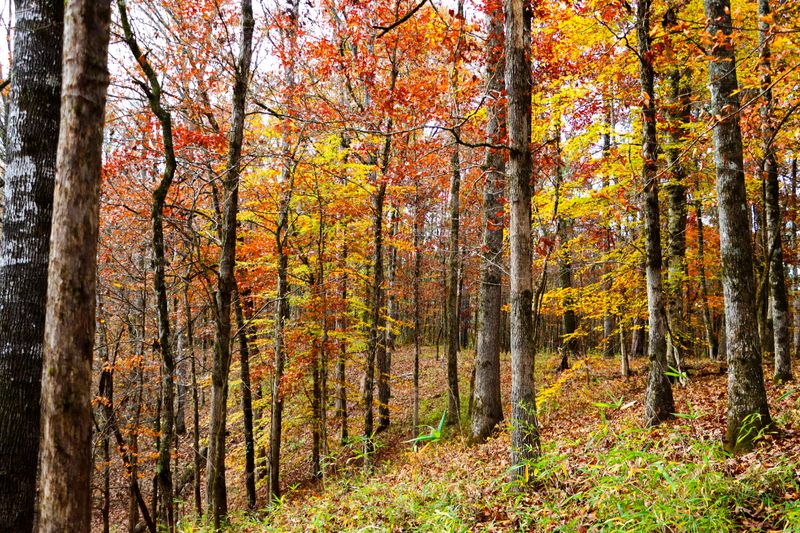
Autumn flips a switch in a bear’s brain. Scientists call it hyperphagia, which is a fancy way of saying eat almost everything, almost always.
Black bears can forage up to twenty hours a day during this stretch. All that effort builds the fat reserves they need before winter denning.
Their menu narrows to the good stuff. High-calorie nuts and seeds top the list, joined by fruits and berries scattered through the understory.
During fall, black bears spend much of their time searching for calorie-rich foods such as acorns, nuts, and berries.
Look for clues instead of scanning randomly. Overturned logs, clawed bark, and busy oak flats all hint that someone large has been shopping nearby.
Timing matters too. Early morning and late afternoon tend to be the most active hours for foraging.
Keep your pace slow and your eyes up. Rushing through the woods guarantees you see nothing but trail.
Bring binoculars and use them often. Distance keeps the encounter safe and honestly makes the view better anyway.
A River Corridor Built For Bears
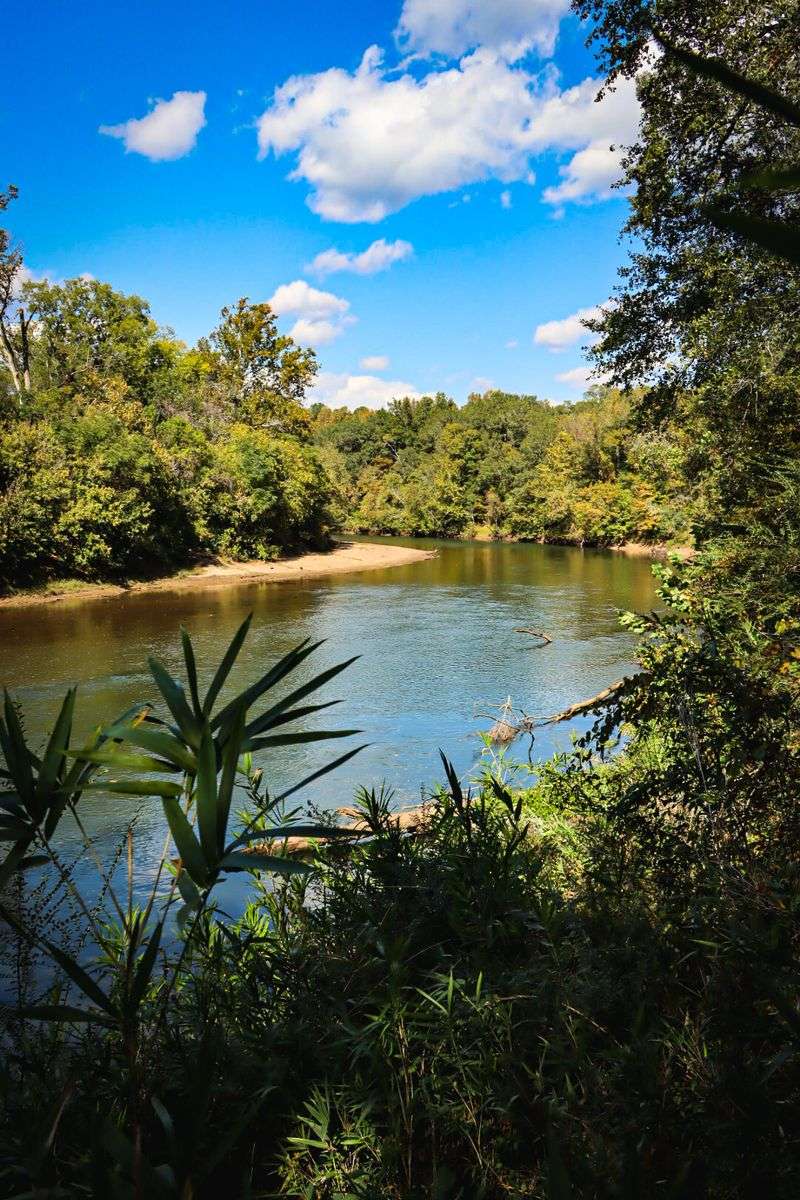
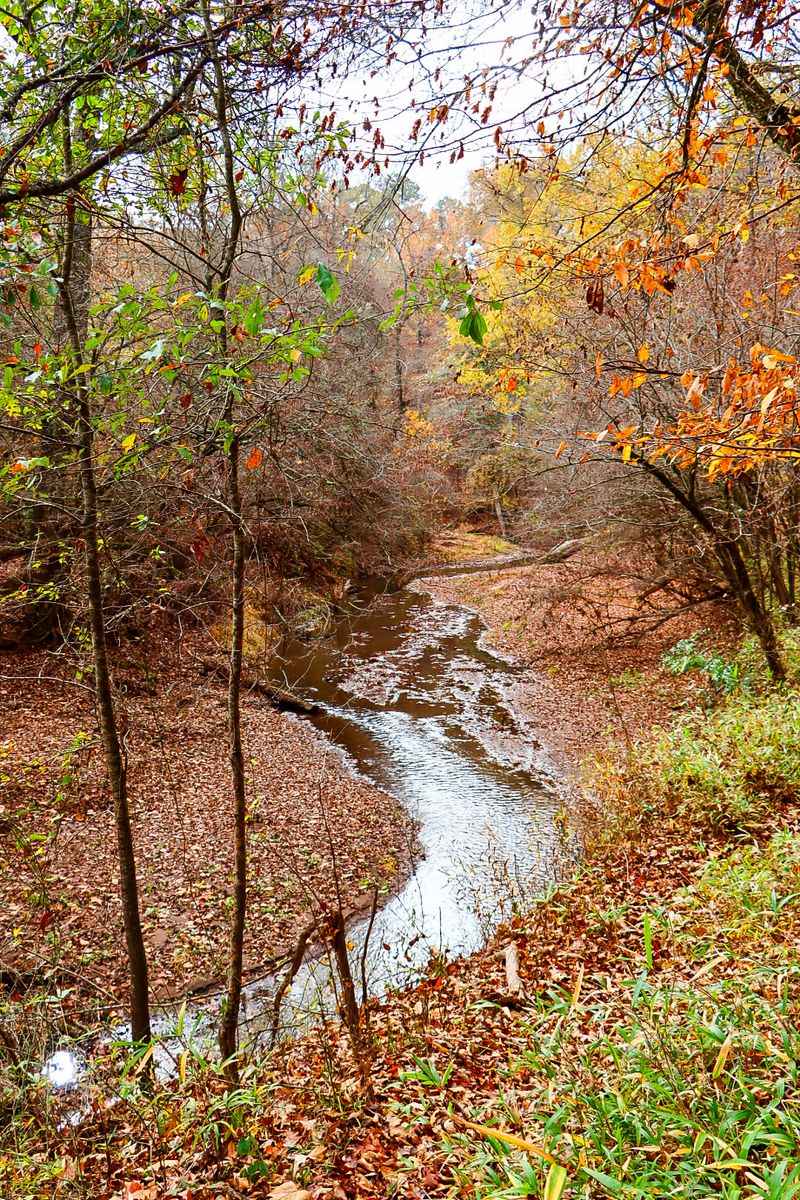
Habitat explains everything about why bears thrive here. The river drainage stitches together thick woods, hardwood swamps, and slow winding creeks.
Those features hand bears two things they need most. Food shows up in abundance, and cover lets them stay out of sight.
The corridor holds the largest continuous block of forested habitat in Georgia’s upper coastal plain. Big unbroken forest means bears can roam without constantly bumping into people.
Floodplains and mixed pine-hardwood stands do the heavy lifting. Oaks drop nuts, wetlands hold berries, and thickets offer quiet resting spots.
Central Georgia supports one of the state’s three main black bear populations. That fact alone puts this stretch of woods on the map for wildlife fans.
Walking through terrain like this changes how you listen. Every rustle in the brush suddenly deserves your full attention.
The river itself remains the standout feature. It shapes the land, feeds the forest, and quietly runs the whole show.
Trail Conditions Worth Knowing Before You Go
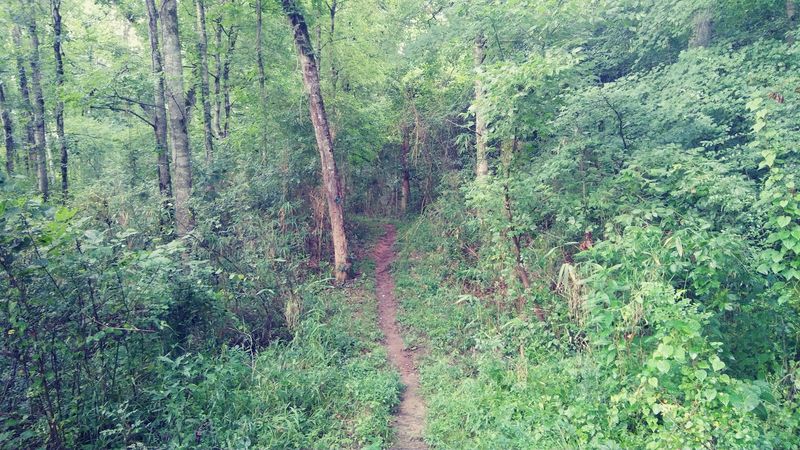
Honesty helps more than hype. Parts of this trail system get washed out, overgrown, or muddy depending on the season and recent weather.
Markings exist but can be faint in places. Hikers have found sections where locating the path took real effort.
Heavy rain complicates things further. Low stretches near the water flood, so waterproof boots or high-top hikers earn their keep.
A past forest fire left downed trees across some areas. Stepping over and around them is part of the deal on certain routes.
Pants and sturdy boots make sense year-round. Poison ivy grows thick, and the wetlands produce mosquitoes in impressive numbers.
Ticks deserve a mention too. Warm weather brings plenty of them, so repellent and a post-hike check are smart habits.
None of this should scare you off. The rough edges are exactly why the woods feel wild instead of manicured.
Pack more water than you think you need. Backcountry means no vending machines and no shortcuts.
Beginners still do fine here. The terrain stays gentle, and the payoff is real solitude.
Bear Safety Rules That Actually Matter
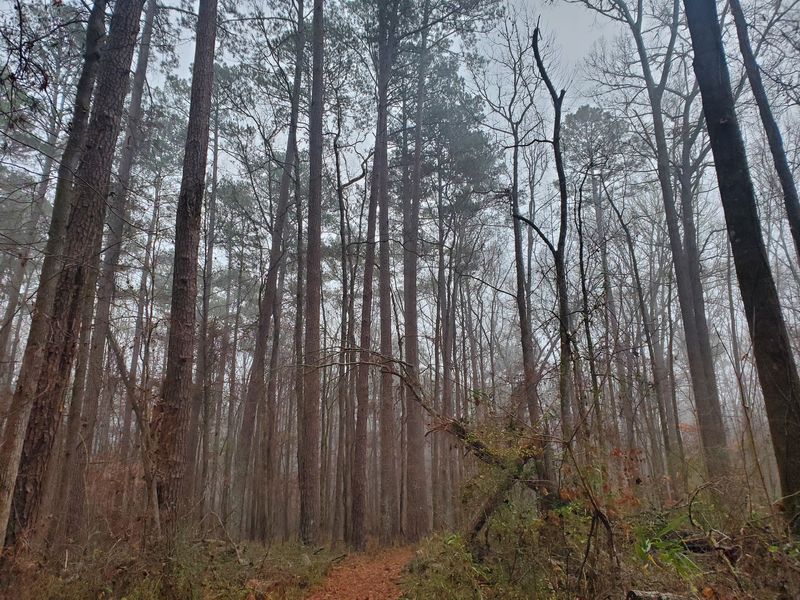
Seeing a black bear in the wild is a privilege. Respecting one is a responsibility, and the two go together.
Noise is your best friend out there. Talking or clapping now and then lets bears know you are coming.
Surprise encounters cause most problems. A bear that hears you early usually slips away before you ever spot it.
Keep dogs leashed at all times. An off-leash dog can lead a startled bear straight back to you.
If you see a bear first, enjoy the moment quietly from far away. Then back off calmly and give it room.
Never run. Running can trigger a chase instinct you absolutely do not want to test.
Should a bear notice you and approach, hold your ground. Wave your arms, look big, and shout loudly.
Yelling something clear like Hey Bear works well. The goal is convincing the animal you are not worth the trouble.
Carry bear spray and practice reaching for it. Knowing where it sits on your pack matters as much as owning it.
Keeping Food Out Of Reach At Camp
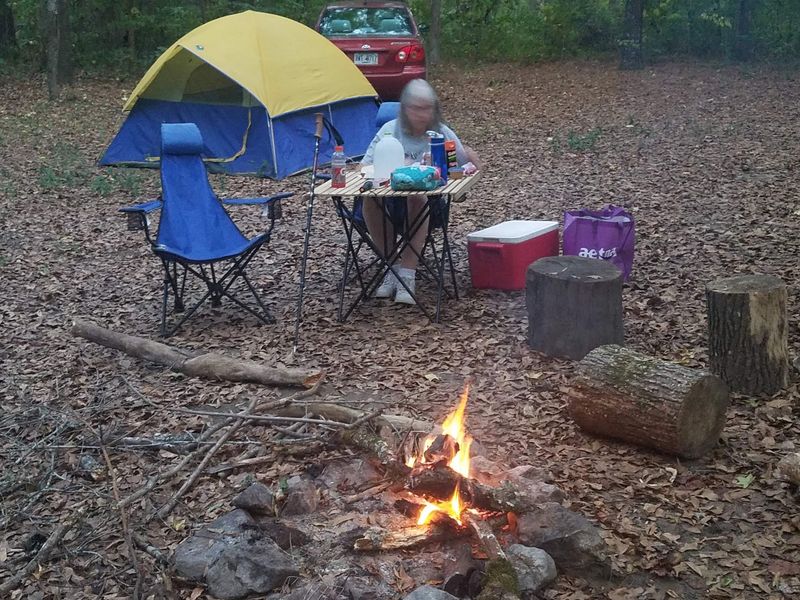
Camping near the trailheads is one of the best parts of visiting. It also comes with one firm rule about food.
Bears are opportunists. Any smell they can reach becomes a reason to return again and again.
Store food and trash securely, every single night. Loose coolers and open bags invite trouble you cannot undo.
Grills matter more than people expect. Clean them thoroughly after cooking so grease and crumbs do not linger.
Bird feeders and pet food count as bear food too. Bringing those items inside during active seasons keeps wildlife wild.
Wildlife officials repeat a blunt phrase for a reason. A fed bear loses its natural caution around humans, and that never ends well for the bear.
The Georgia Department of Natural Resources and BearWise publish clear guidelines. Reading them before your trip takes about five minutes.
Following those steps protects people and animals equally. It also keeps this forest open and welcoming for future visitors.
Think of good food storage as trail etiquette. The next camper inherits whatever habits you leave behind.
The Surprising Timeline Of Bear Families
Bear biology hides a genuinely odd trick. Mating happens in summer, usually around July, when males search for receptive females.
Fertilized embryos then hit pause. They stay in suspended development until the mother settles into her den in fall.
Biologists call that delayed implantation. It times the birth for the safest possible moment of the year.
Cubs arrive in the middle of winter, generally between late January and early February. They are tiny, helpless, and completely dependent on their mother.
Those cubs stick around for roughly eighteen months. They share her den through their first winter while learning survival basics.
Which brings us back to autumn hikes. A bear you spot this fall might be a mother traveling with her yearlings.
Females typically breed every other year because raising young takes so long. That slow pace keeps populations steady rather than booming.
Knowing the calendar changes how you read the woods. A family group needs extra space and zero interference.
Fun fact worth carrying with you. Newborn cubs weigh less than a bag of sugar.
Horseback Riding Along Ravines And Water
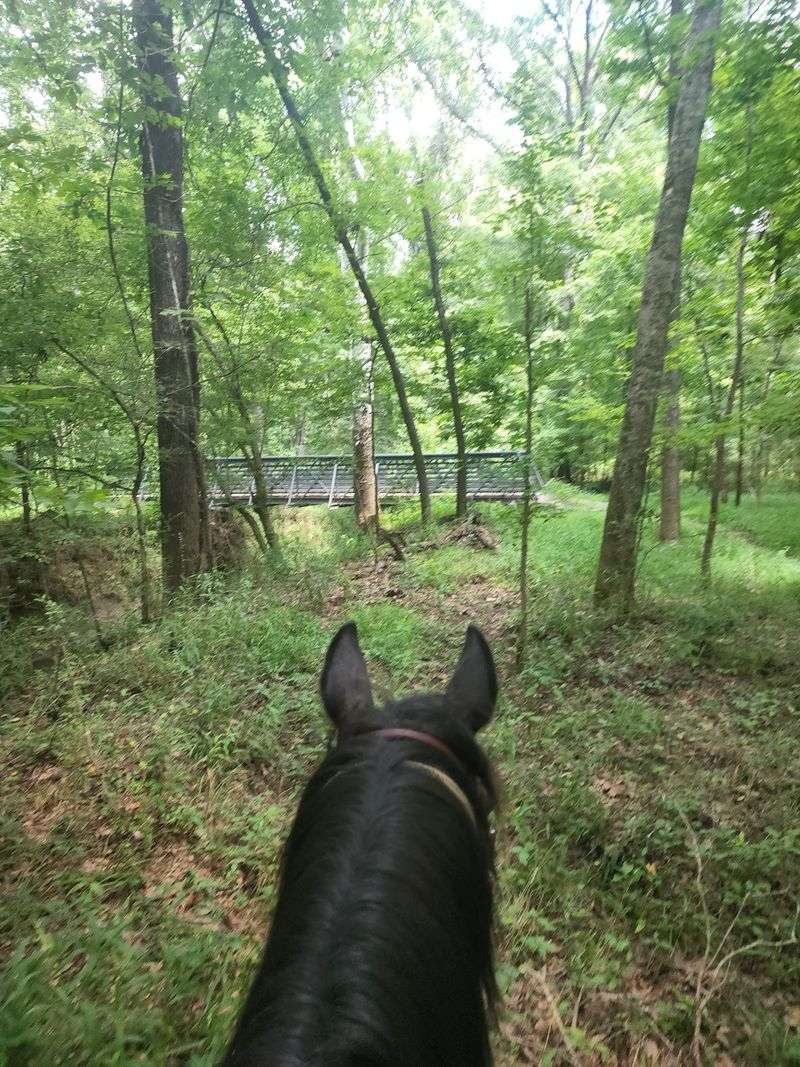
Hooves belong here as much as hiking boots. The equestrian network stretches for miles and welcomes riders of every skill level.
Wide stretches allow for open running. Other sections drop into beautiful ravines that make the ride feel far bigger than the map suggests.
Long-time riders return year after year. Some have logged decades on these paths and still find new corners to explore.
Overnight camping works well for riders. Multiple parking areas double as staging grounds for weekend trips.
Horses also give you a height advantage for wildlife spotting. Sitting higher means seeing farther into thick brush.
Stay alert anyway. A bear crossing ahead can startle even a calm, experienced mount.
Plan your entry point carefully. Several trailheads connect, so you can build routes of different lengths without backtracking.
Bring bug spray regardless of season. Wetlands nearby keep the mosquito population healthy and enthusiastic.
Fishing And Swimming At The Watering Hole
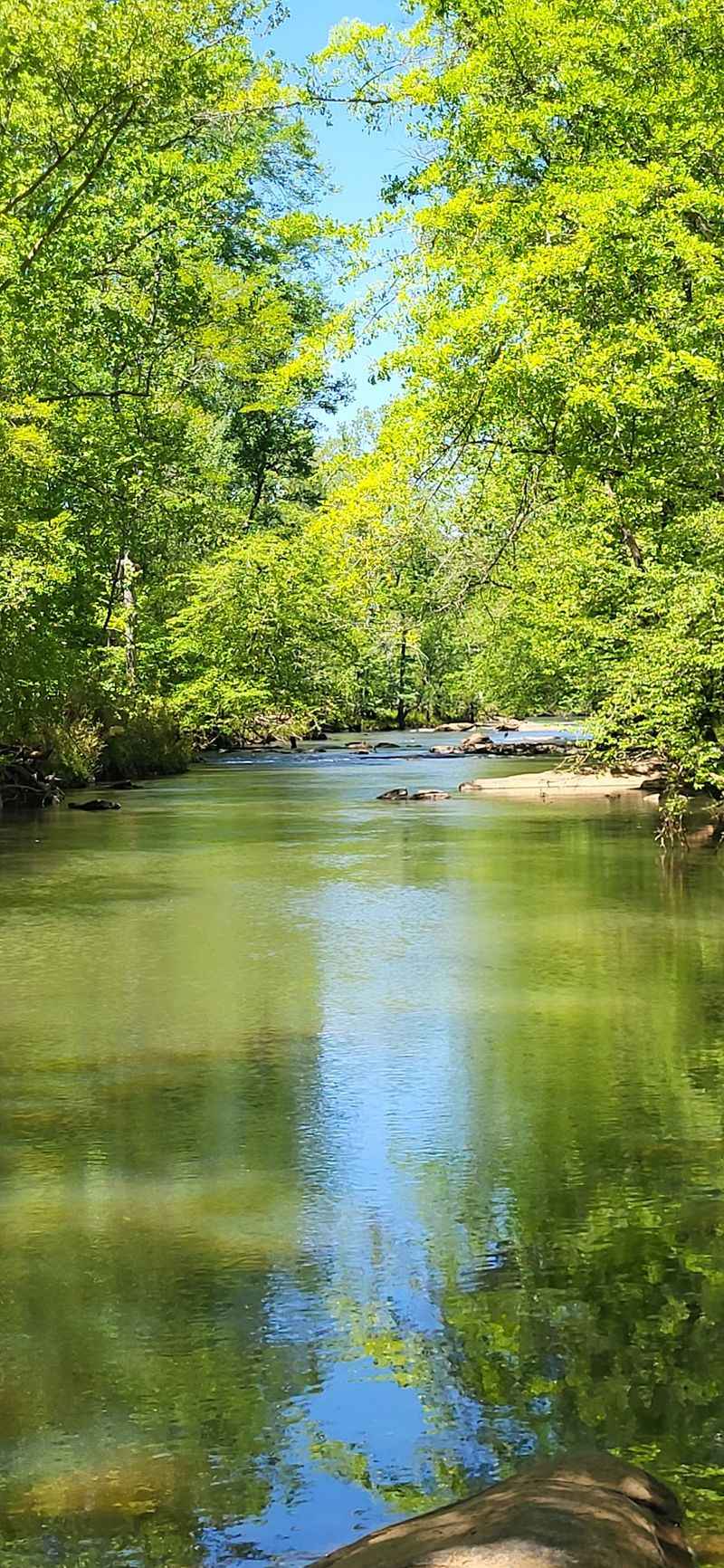
The river does more than look pretty. It pulls people in for fishing, wading, and the occasional cold-water swim.
Access points let you reach the bank without much scrambling. Shallow bends make good spots to cool your feet.
Anglers speak highly of the fishing here. Quiet stretches and few crowds help more than any fancy gear.
Kayaking pairs naturally with camping. Paddle part of the day, then set up near a trailhead for the evening.
Bears use water corridors too. Creek edges and riverbanks often show tracks in soft mud.
Check the current before you get in. Recent rain can raise levels and speed things up quickly.
Bring dry shoes for afterward. Wet boots on a long hike back are nobody’s idea of fun.
Background sounds add character. You might hear a distant train, or a plane passing overhead every hour or so.
Otherwise the quiet takes over completely. That mix of moving water and stillness is what keeps people coming back.
Planning A Fall Visit You Will Remember
Cool mornings make everything easier. Fewer bugs, better light, and bears actively feeding all stack in your favor.
Start early if sightings are your goal. Dawn hours reward patience more than midday walks ever will.
Tell someone your route before heading out. Remote forest roads run long, and help is not around the corner.
Layer your clothing. Central Georgia autumn swings from chilly to warm within a few hours.
Keep expectations realistic. Bears live here, but they are wild animals with no obligation to appear on schedule.
Even without a sighting, the payoff holds. Secluded paths, no crowds, and honest quiet are the real draw.
Pack out everything you carry in. Clean sites keep wildlife from associating trails with easy meals.
Consider joining a cleanup day if one comes up. Volunteers help maintain the area along the lake and trails.
Come with curiosity rather than a checklist. That mindset turns an ordinary forest walk into something you talk about for years.