This Small Georgia College Was The First In The World Chartered To Grant Degrees To Women
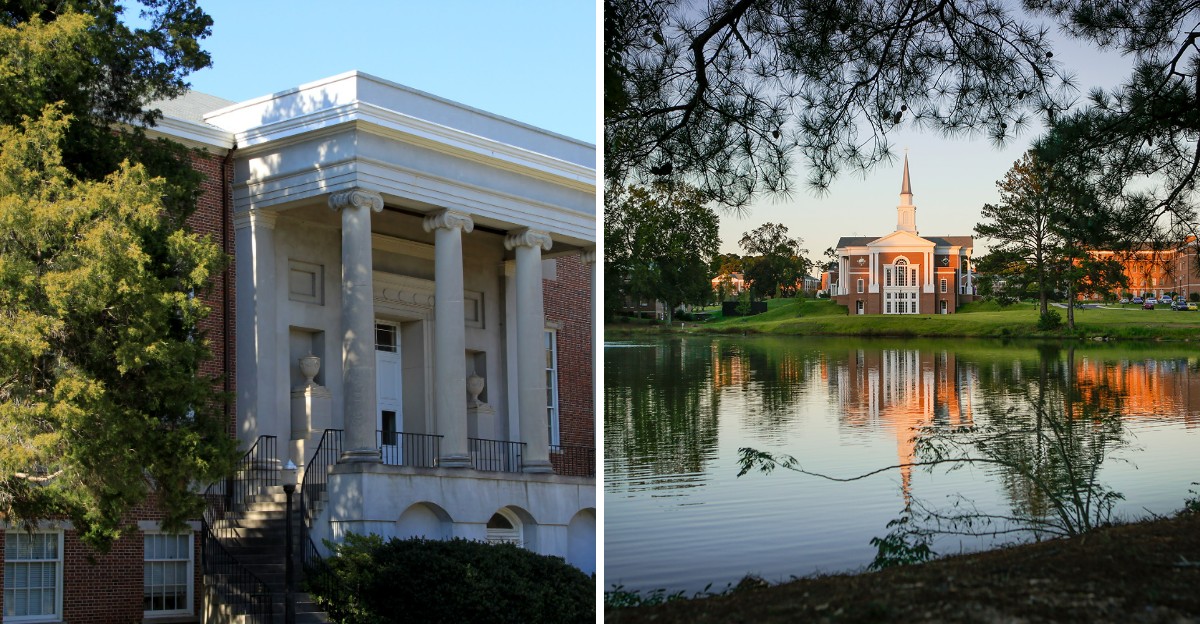
History books skip over this one more often than they should. A small college in Georgia beat the rest of the world to a decision most places would not make for decades.
Long before women could vote, this school handed them real degrees. I stood on the campus and tried to imagine what it felt like to walk in as a student back then, brave enough to claim something nobody had offered women before.
Georgia gets credit for plenty of firsts, but this one rarely comes up in conversation. Old brick buildings and quiet walkways hide a story bigger than the campus itself.
Professors here were teaching women academic subjects while much of the country still argued whether they should bother. That kind of boldness leaves a mark.
If you like history that actually surprises you, this place has plenty of it.
A Charter That Rewrote The Rules In 1836
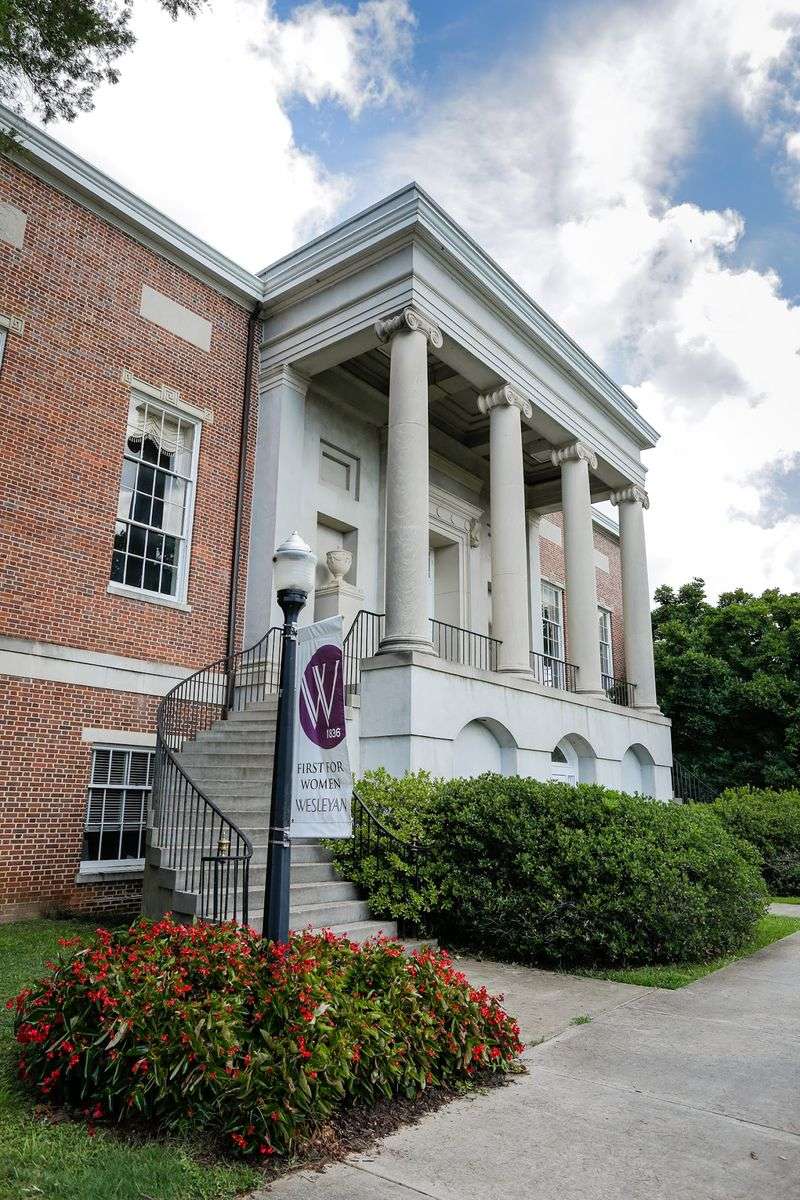
On December 23, 1836, a piece of paper made history. That charter created the first college in the world allowed to grant degrees to women.
At the time, the school carried a different name: the Georgia Female College. The idea came from a group of Macon citizens working alongside the Georgia Conference of the Methodist Episcopal Church.
Think about how bold that was for the 1830s. Women were rarely welcomed into serious academic study, much less handed real diplomas.
The charter did not just promise classes or polish. It promised degrees, the same currency of achievement men had held for centuries.
That single legal document set off a chain reaction. Other women’s colleges followed, but this one carried the distinction of being first.
Doors opened to students on January 7, 1839, roughly two years after the charter was signed. Building a college took time, money, and stubborn belief.
I love that the story starts with paperwork rather than a speech. Sometimes progress looks like ink on a page.
You can still visit the campus today at 4760 Forsyth Rd, home of Wesleyan College.
Eleven Women Who Graduated First
Picture eleven young women stepping forward on July 16, 1840. They became the first female graduates of a chartered degree-granting college anywhere.
Many of them had already studied at other academies before enrolling. That earlier schooling let them finish quickly once the college opened.
Their diplomas were not honorary or symbolic. These were earned degrees, backed by coursework and examinations.
What strikes me most is the size of the class. Eleven women, one ceremony, and a precedent that spread across continents.
Each of them had to ignore a world that told them college was not their place. Showing up took nerve, and finishing took grit.
Today’s students walk the same institution’s halls, though the campus has moved. The lineage runs unbroken from that first graduation day.
I find it easy to imagine the nervous energy in that room. Parents watching, professors reading names, history quietly shifting.
If you ever doubt that small groups matter, remember those eleven names. They proved the charter was more than a promise on paper.
Their graduation remains an important milestone in Wesleyan College’s history.
Real Coursework Beyond Finishing School Norms
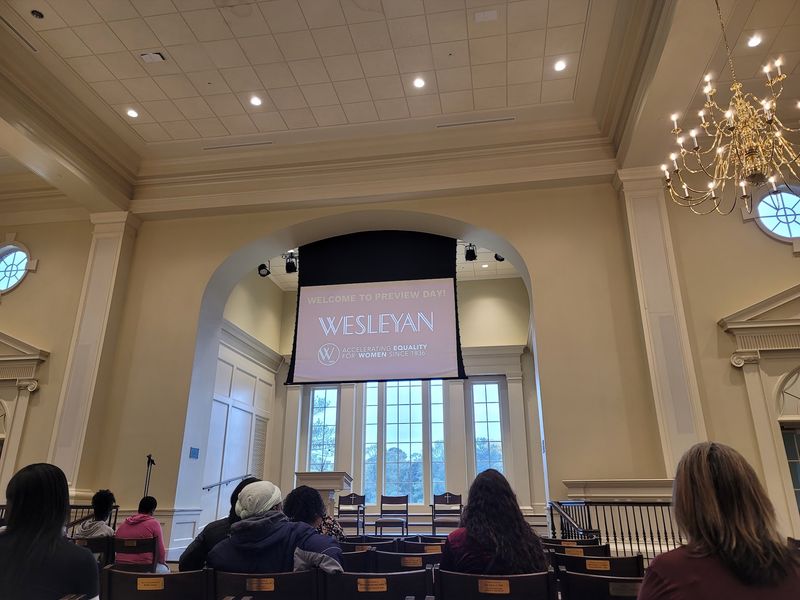
Plenty of schools in the 1800s taught women embroidery and posture. This one taught chemistry.
The early curriculum covered natural philosophy, which is what people called physics back then. History and languages filled out the schedule too.
Students studied both ancient and modern languages. That meant Latin and Greek alongside living tongues used in trade and travel.
Liberal arts and sciences sat at the center from the very beginning. Nobody treated it as decoration for a future dinner party.
That choice mattered enormously. Rigorous coursework proved women could handle the same material as men, quietly ending a long argument.
Another quiet first happened in 1844. The very first professorship in English literature in America was established here.
I did not expect that detail, and it stopped me cold. American literature study essentially got a formal home at a women’s college.
Academic seriousness still defines the place. Small classes let students work closely with faculty on research and projects.
Degrees offered today include Bachelor of Arts, Bachelor of Science, and Bachelor of Science in Nursing. Pre-professional programs round out the options nicely.
Why The Name Changed Not Once But Twice
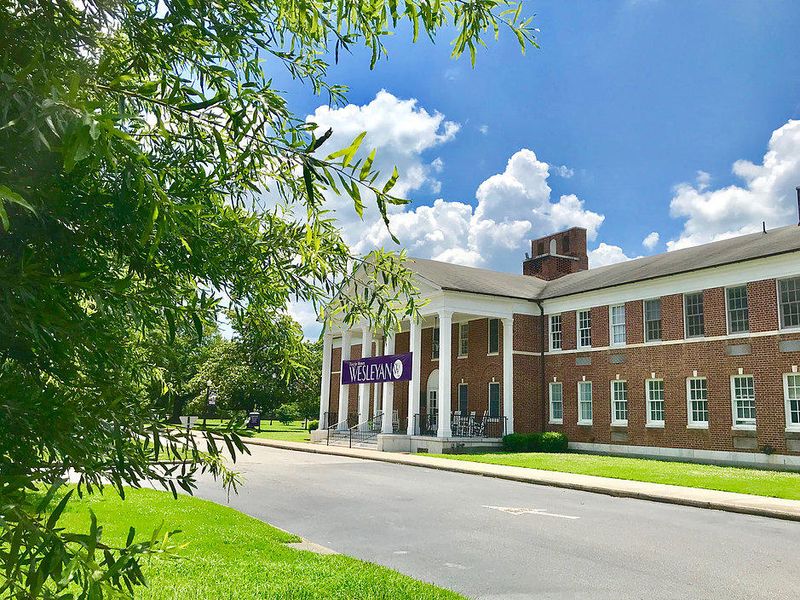
Names carry clues about their era. The original one, Georgia Female College, tells you exactly how 1836 thought.
By 1843, the name shifted to Wesleyan Female College. That change reflected the school’s ties to the Methodist Episcopal Church.
Then came 1917, and a small edit with big meaning. The word Female was dropped entirely.
What remained was simply the college name it still uses. The identity no longer needed a qualifier to explain itself.
I think that 1917 decision says plenty. A women’s college had earned enough standing to stop labeling itself as the exception.
Little details like this make campus history tours genuinely fun. You start noticing how language tracks social change.
Church roots still show in the institution’s traditions and name. The Wesleyan connection honors Methodism’s founding family.
Students today come from across the United States and around twenty countries. That global mix would have amazed the 1843 faculty.
Ask about the name history if you visit. Staff clearly enjoy sharing it, and the story lands better in person.
From Downtown Bricks To A 200-Acre Campus
The first campus sat right in downtown Macon. Today the U.S.
Post Office occupies that original site.
That early main building met a sad end. Fire destroyed it in 1963, taking a piece of architectural history with it.
Long before that, though, the college had already moved. The relocation happened in 1928.
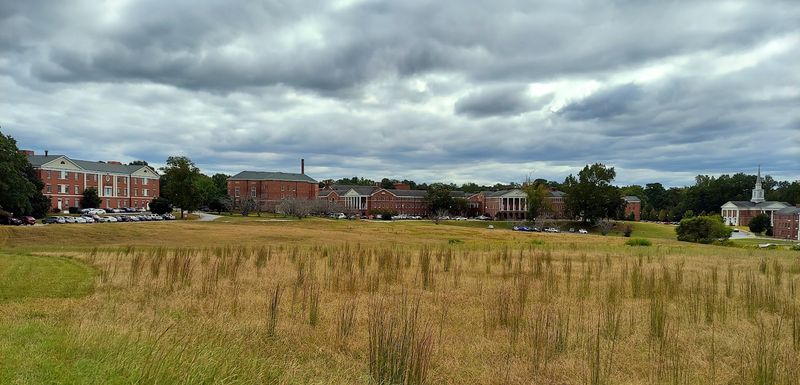
The new home became the Rivoli campus, spread across 200 acres. It sits roughly six miles north of the downtown starting point.
Space changes everything about a college experience. Room for an arboretum, athletic facilities, and long walking paths came with the move.
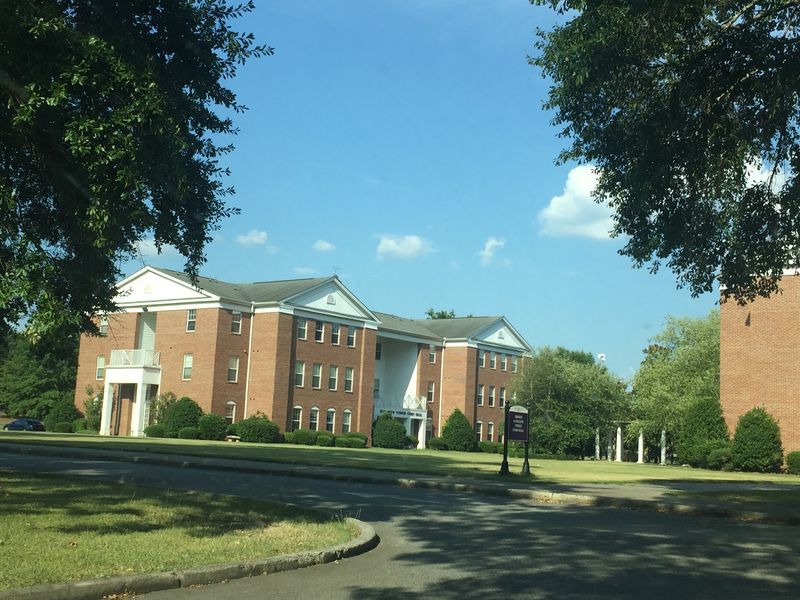
The whole campus now appears in the National Register of Historic Places. It is recognized as the Wesleyan College Historic District.
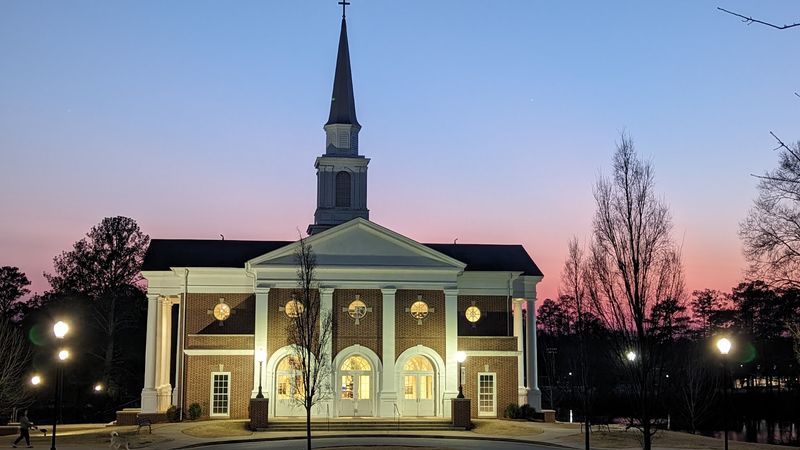
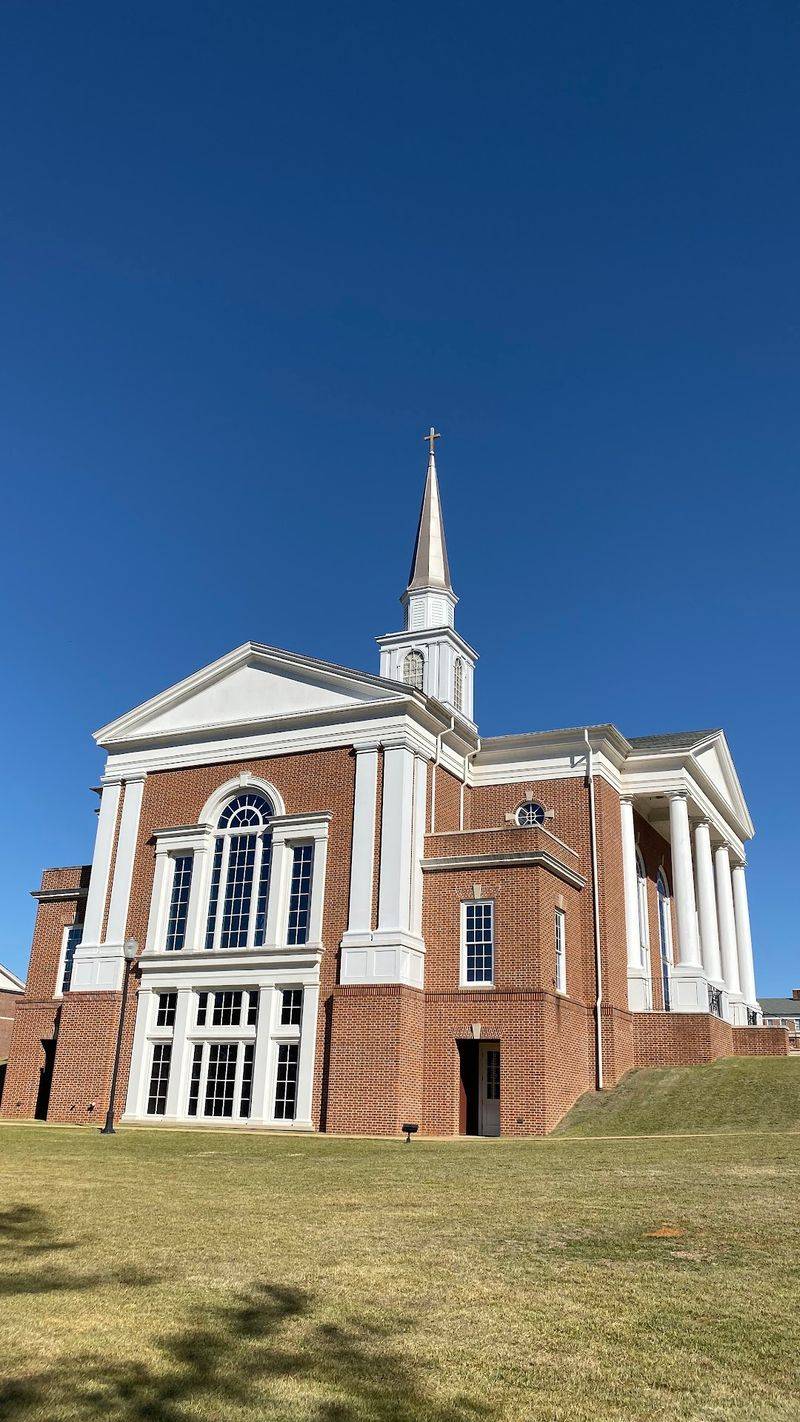
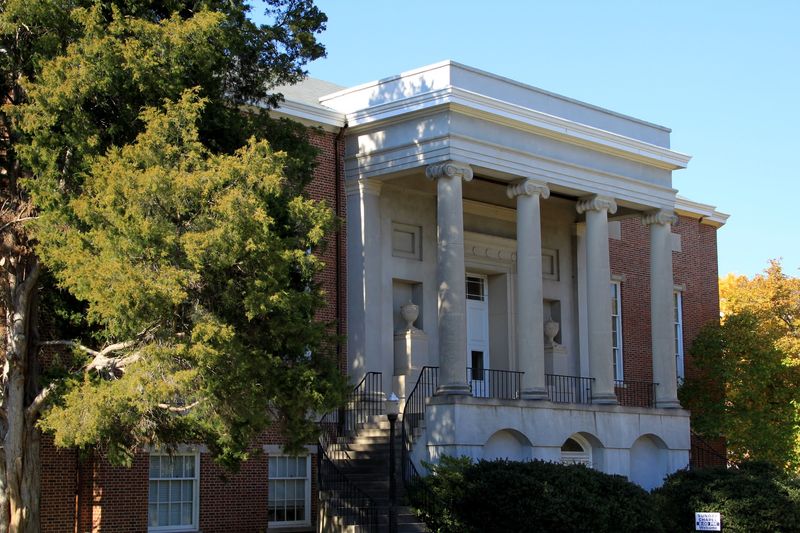
I walked part of it on a warm afternoon and understood the appeal instantly. Shade, lawns, and brick facades that photograph beautifully.
Visitors are genuinely welcome to enjoy the grounds. People bring cameras, dogs, and picnic baskets without any fuss.
Weekday hours run 8:30 am to 5 pm, with weekends closed for offices. Plan accordingly if you want help from staff.
Where American Sororities Actually Began
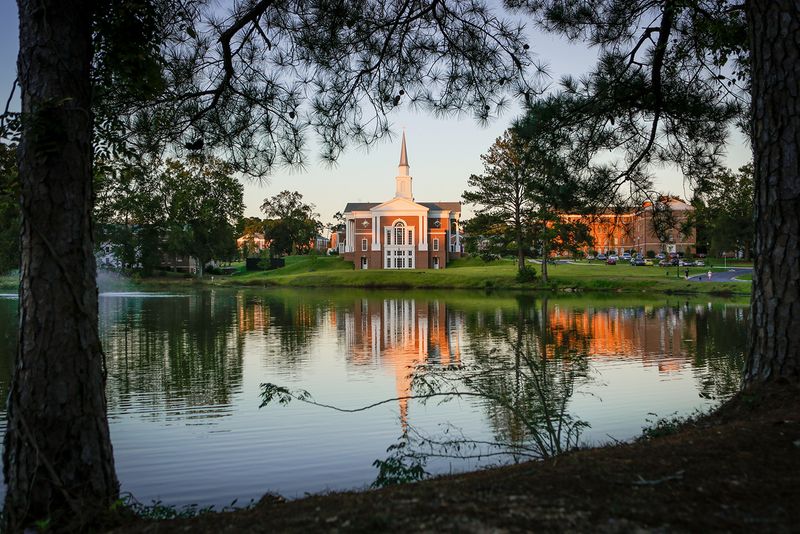
Two of America’s earliest women’s secret societies were founded here and later became Alpha Delta Pi and Phi Mu. That is not marketing; it is documented history.
The Adelphean Society started in 1851. Today the world knows it as Alpha Delta Pi.
One year later, in 1852, came the Philomathean Society. That group grew into Phi Mu.
Both were the first secret societies for women at any American college. Students wanted friendship, discussion, and a structure of their own.
Both organizations grew into national sororities with chapters beyond Wesleyan. The ripple effect is honestly staggering.
Members from both national organizations still make pilgrimages to campus. Standing where your sorority began hits differently than reading about it.
Another record belongs here too. The world’s oldest alumnae association began in 1859 at this college.
That association has kept graduates connected for well over a century and a half. Long before social media, women here built networks on purpose.
I like thinking about those 1851 meetings. A handful of students inventing something that outlived everyone in the room.
Alumnae Who Broke Barriers In Medicine And Law
Degrees here turned into firsts elsewhere. Graduates carried the college’s habit of going first into professional life.
The first woman from Georgia to earn a Doctor of Medicine degree came from this college. Medicine was almost entirely closed to women then.
Another alumna became the first Georgia woman to argue a case before the state Supreme Court. Picture that courtroom and the stares.
Neither accomplishment happened by accident. Both grew from an education that treated women as capable scholars.
Leadership development remains a stated focus today. The college works to help students use their voices with confidence.
Graduates frequently describe arriving unsure and leaving with direction. That transformation shows up again and again in their own words.
Nursing has become a major path here as well. The Bachelor of Science in Nursing program prepares students for demanding clinical work.
Non-traditional students attend too, including women returning to finish degrees later in life. Roughly 29 percent fall outside the typical 19 to 22 age range.
I find that mix encouraging. A school built on firsts still makes room for second chances.
Lifelong Learning Classes For Curious Adults
College here is not only for eighteen-year-olds. Adults can sign up for classes purely out of curiosity.
The Wesleyan Academy for Lifelong Learning offers rotating courses. New classes appear every month.
Topics range widely, from art and history to opera and food history. Variety keeps regulars coming back.
No grades, no exams, no pressure. Just subjects that sound interesting taught in a friendly setting.
Programs like this turn a college into a community resource. Neighbors get access to real instruction without enrolling in a degree.
Participants often describe the sessions as genuinely enjoyable. Learning without homework has obvious appeal.
I asked about it out of curiosity and immediately wanted to join. A food history class had my full attention.
Details also live on the official website. Registration windows vary by course, so early inquiries help.
Planning A Visit Without The Guesswork
A little planning turns a drive-by into a real experience. Timing matters more than you might guess.
Offices operate Monday through Friday, 8:30 am to 5 pm. Weekends are closed, so plan history questions for weekdays.
The grounds sit at 4760 Forsyth Rd in Macon, roughly six miles north of downtown. Parking is straightforward for visitors.
Staff have a reputation for being helpful with directions and campus questions. Asking beats wandering when you want specific buildings.
Pair the visit with other Macon history stops for a full day. The city has plenty of nineteenth century architecture nearby.
I would budget at least ninety minutes. Rushing a 200-acre historic district defeats the purpose.
Spring and fall bring the most comfortable walking weather. Summer afternoons in middle Georgia get seriously warm.
Above all, go knowing what you are standing on. The first place on earth chartered to grant women degrees deserves a slow look.