This Small Tennessee College Offers Full-Tuition Scholarships And Earns National Recognition
What if the most surprising part of a college visit were the tuition bill going down instead of up?
One Tennessee school offers scholarship opportunities that can cover the full cost of tuition for qualifying students. That alone earns attention, but the campus has more going for it.
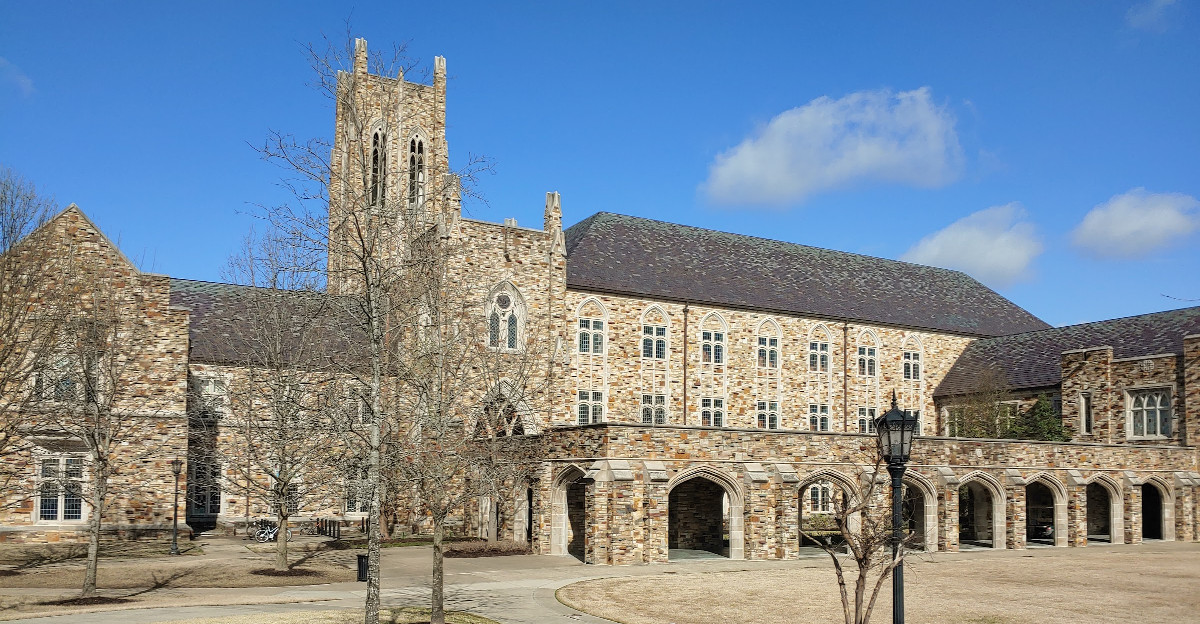
National recognition, small-class energy, and striking architecture give prospective students several reasons to look closer.
The atmosphere feels established without becoming stuffy. Academic life stays connected to practical experience as well.
For families comparing options, this is the kind of campus that can quietly rearrange a shortlist. Sometimes the numbers change the entire conversation.
Sandstone Beginnings And Big Moves
Long before it landed in Memphis, this school opened its doors in 1848 in Clarksville, Tennessee. Back then it carried the name Masonic University of Tennessee.
Names changed often over the years. Montgomery Masonic College came next, followed by Stewart College and, later, Southwestern Presbyterian University.
In 1855, control of the college passed to the Presbyterian Church, and Rhodes remains affiliated with the church today.
The biggest turn came in 1925. President Charles E. Diehl moved the whole institution to Memphis, trading a small town for a growing city.
The move gave the college access to a larger city, more students, and a broader range of resources.
For decades it was known as Southwestern at Memphis. The final name arrived in 1984, honoring longtime professor and former college president Peyton Nalle Rhodes.
The institution now carries more than 175 years of history across its Clarksville and Memphis eras. That long past remains visible in historic campus buildings and traditions carried forward after the move.
Walking tours often begin near the main entrance, and the address is easy to remember: Rhodes College, 2000 North Pkwy in Memphis.
Stone Towers And Slate Roofs
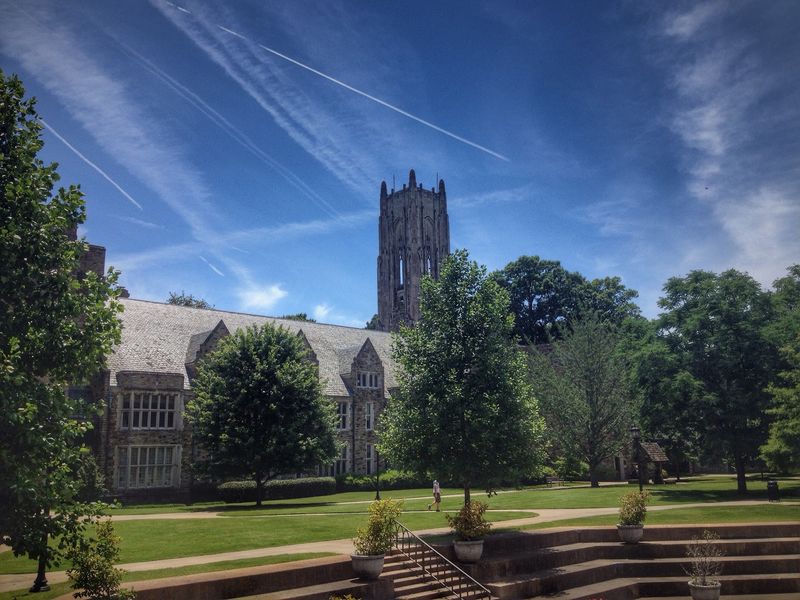
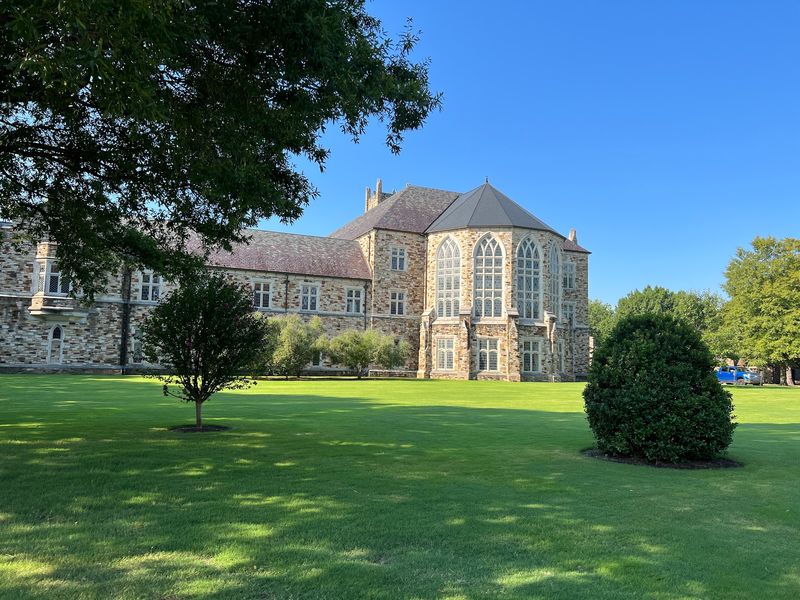
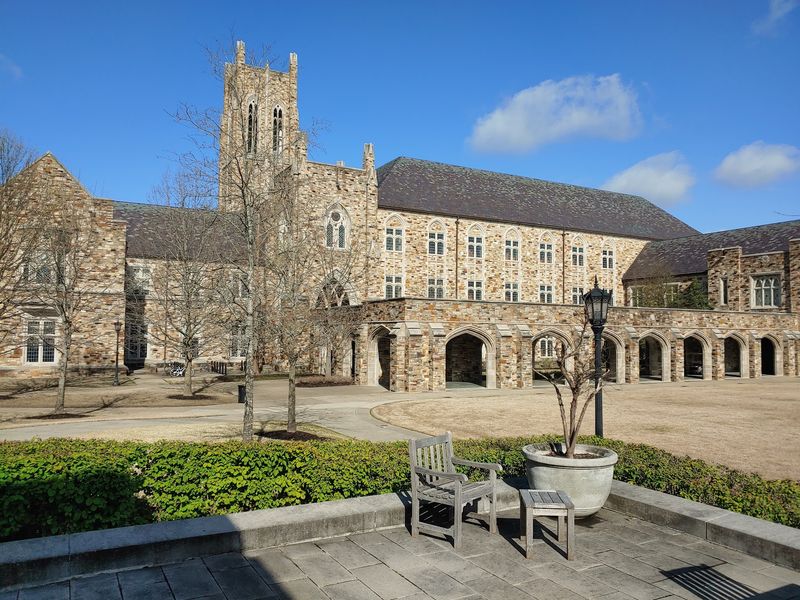
The central quad immediately showcases the campus’s unified Collegiate Gothic character.
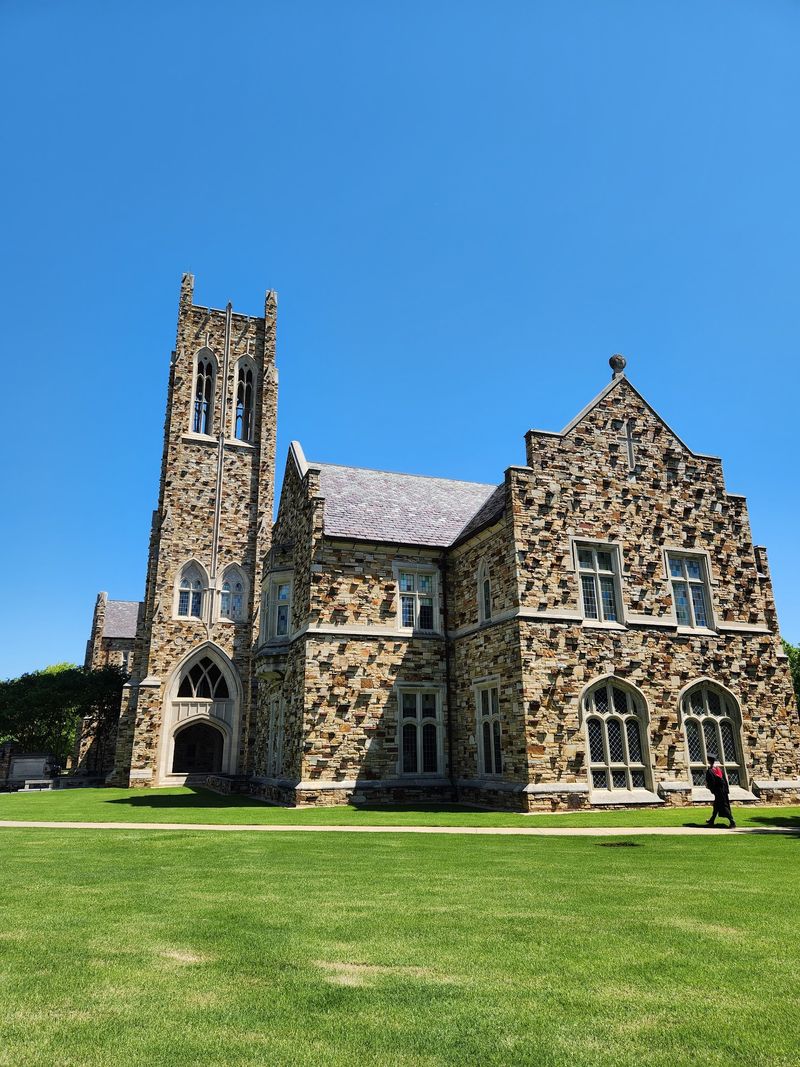
Arkansas sandstone walls, Vermont slate roofs, and Indiana limestone trim stretch across 123 acres in historic Midtown.
President Diehl chose Collegiate Gothic style when the school arrived in 1925. Later campus expansions have continued the Collegiate Gothic architectural approach.
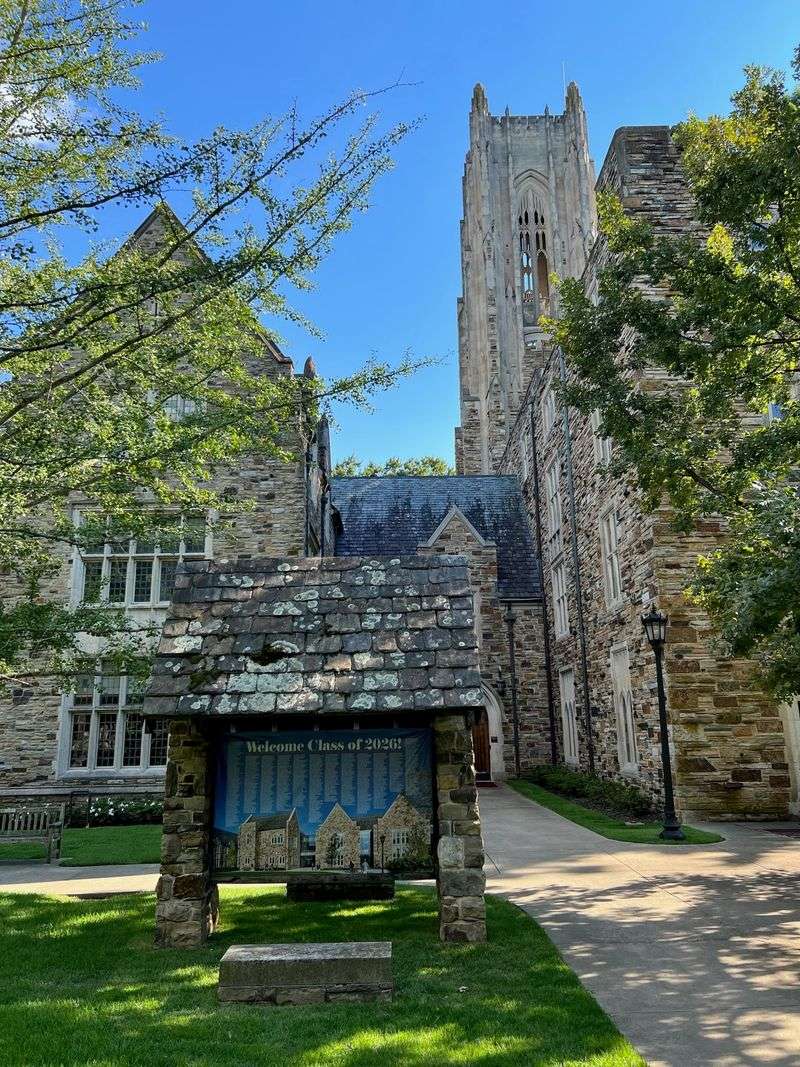
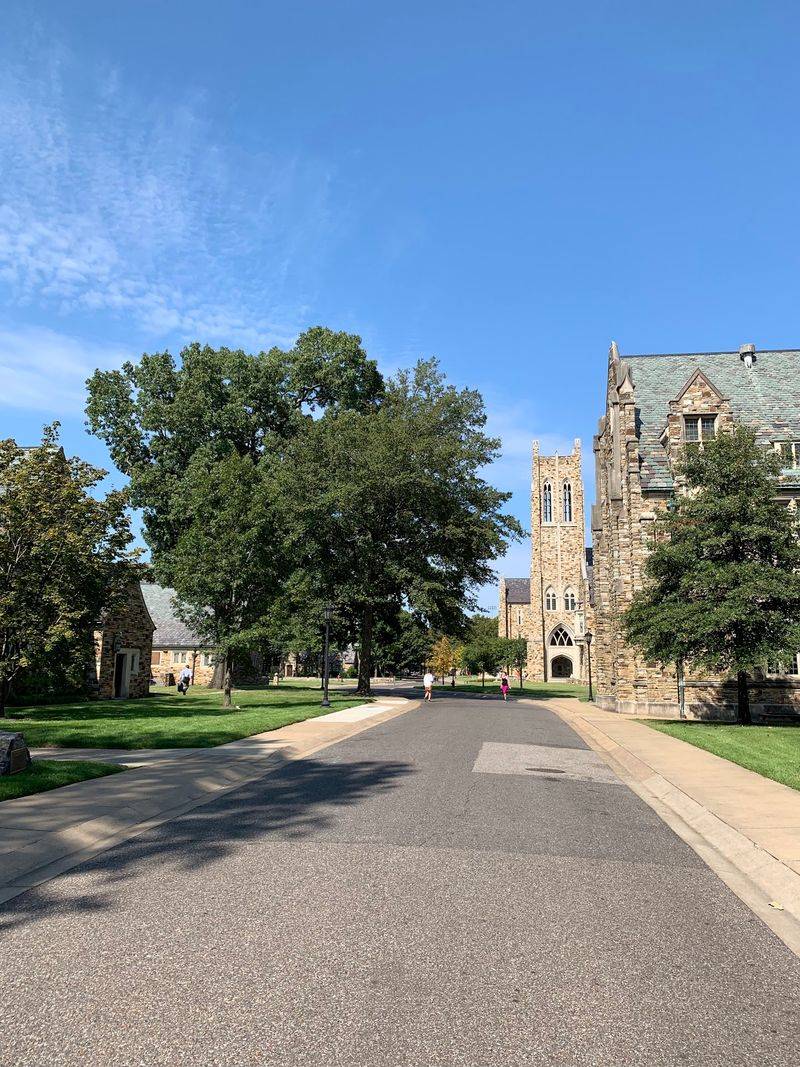
Thirteen campus buildings and two permanent gateways appear on the National Register of Historic Places. The 140-foot Halliburton Tower anchors the view and makes an easy meeting point.
Paul Barret Jr. Library draws attention too. It is regularly listed among the most beautiful college libraries in the country, and the reading rooms glow in the afternoon.
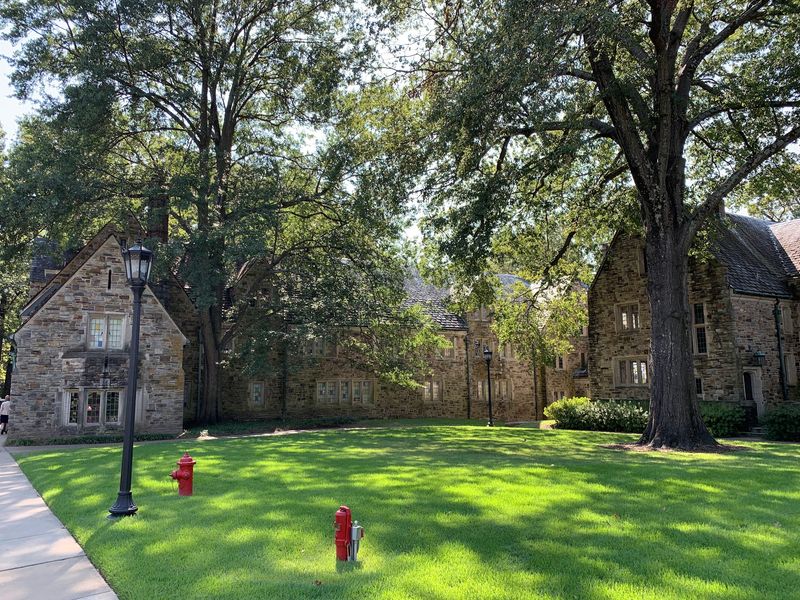
Greenery matters just as much as stone. The grounds hold a Class IV Arboretum rating, the top level given by the Tennessee Urban Forestry Council.
The college’s published arboretum count lists more than 1,500 trees representing over 120 species. Mature trees shade much of the pedestrian network across the 123-acre campus.
Architectural Digest has recognized Rhodes among America’s most beautiful campuses, while Southern Living has highlighted it among the South’s prettiest.
Classrooms Where Names Matter
Small classes change everything, and that is the heart of academics here. Students talk instead of just taking notes, and professors actually remember who said what.
Faculty guide undergraduates through research, fellowships, and internships. Mentorship is not a bonus feature; it is the standard operating system.
The results show up in national lists. The Wall Street Journal ranked the school second in Tennessee among the best colleges in the country.
Forbes currently includes Rhodes on its America’s Top Colleges 2026 list. U.S. News & World Report ranked Rhodes No. 55 among National Liberal Arts Colleges in its 2026 Best Colleges rankings.
The same rankings placed Rhodes No. 15 for Service Learning, No. 33 for Best Undergraduate Teaching, and No. 28 for Most Innovative Schools. The Princeton Review adds Best Value Colleges and a Top 20 spot for internships.
Earlier Fiske Guide editions highlighted economics, English, international studies, history, chemistry, business, biology, and psychology as particular strengths.
Rhodes reports an average class size of 15, supporting discussion-centered courses and close faculty interaction.
If you want lecture halls with 300 seats, look elsewhere. If you want a professor who reads your draft twice, this fits.
Full Tuition Without The Guesswork
Rhodes currently lists an automatic full-tuition merit award alongside a separate full scholarship for qualifying Memphis-area students.
The regular admission application also serves as the application for Rhodes merit scholarships.
The Clarence Day Scholarship goes furthest. It covers tuition, housing, and a meal plan for selected first-year applicants who attend high school in Memphis or Shelby County.
Day Scholars can lead and participate in programs for local children and serve as ambassadors for Memphis and the college.
The Oak Alley scholarship offers another full-tuition path. No separate scholarship application is required for Oak Alley because the admission application also serves as the merit-scholarship application.
Then there is the Bonner Scholarship, a four-year service award built to meet full financial need. Recipients commit ten hours each week to community work.
Other named awards, including Cambridge, Presidential, and Founders scholarships, provide substantial yearly support. Still, the full-tuition options are the headline.
What struck me most was the logic behind them. The full-tuition options reward different strengths, with some centered on academic merit and others combining achievement with service or local leadership.
Students Woven Into Memphis
Ask around Midtown and you will hear about the students, not just the towers. More than 80 percent take part in some form of community service.
The Lynne and Henry Turley Memphis Center for Community Engagement runs point. It links students, faculty, staff, and neighborhood partners on research, advocacy, and hands-on projects.
The Laurence F. Kinney Program organizes campus-wide social action efforts. Students study local needs first, then work toward solutions that last longer than a semester.
A student-run soup kitchen has operated here for decades. It stands as one of the longest-running programs of its kind in the nation.
Summer brings the Rhodes Impact Summer Fellowships. Students spend eight full weeks with Memphis organizations, earning academic credit while doing real work.
The Rhodes into Memphis: 100 Years of Service campaign pulled all of this together. The campaign began with a 50,000-hour goal and has since logged more than 100,000 hours of service.
The college now works with more than 280 community partners across Memphis.
Tennessee has plenty of colleges, but few stitch themselves into a city this tightly. The relationship runs both directions.
Clubs, Trials, And Traditions

Nearly 200 student organizations operate on this campus. That number surprised me for a school of its size.
You will find academic clubs, advocacy groups, club sports, cultural associations, media teams, performance troupes, and Greek chapters. Interfaith and special interest groups round out the list.
Mock trial is the standout. The program has claimed four national championships plus many top-ten finishes, which is remarkable for a small college.
Student Government handles real responsibility. Representatives voice student concerns and decide how activity funds get spent across the year.
Honor societies like Phi Beta Kappa and Omicron Delta Kappa recognize strong academics and leadership. Those invitations carry weight after graduation.
Social life also happens in ordinary corners. The Middle Ground coffee shop sits inside Barret Library beside a 24-hour study zone.
Its central location has made it a longstanding gathering place for conversation and informal study.
My advice for prospective students: join two clubs, not ten. Depth beats a crowded calendar every single time.
Campus culture here rewards people who show up consistently. Friendships form fast when the community is this compact.
Research, Internships, Passports Abroad
Textbooks alone do not satisfy this place. The Rhodes Promise guarantees every student at least one high-impact experience before graduation.
That could mean independent research, a fellowship, an internship, study abroad, study away, or community-based learning. Choice is wide, and advising helps narrow it.
First-year students can start research early. Some collaborate with St. Jude Children’s Research Hospital, which sits just a short drive away in Memphis.
Roughly 70 percent of students complete internships or fellowships. Placements range from large corporations to small neighborhood nonprofits.
About 65 percent study abroad or study away at some point. Passports get stamped, perspectives get stretched, and résumés get interesting.
Faculty-mentored projects let students chase very specific questions. Undergraduate projects span laboratory research, archival work, community-based inquiry, and other disciplines.
The city itself functions as an extended classroom. Hospitals, museums, businesses, and nonprofits all host student workers throughout the year.
Families can also ask how current fellowships and research funding support summer projects. Dedicated funding exists through several hands-on learning programs.
Graduates leave Tennessee with proof of work, not just a transcript. Those experiences give graduates concrete projects and skills to discuss in job and graduate-school applications.
Planning Your Campus Walkthrough
Timing your visit well makes a real difference. Guided tours run most weekdays and on select Saturdays, led by current students.
Those guides answer the questions brochures skip. Pair the walk with an admission counselor session for the full picture.
Cannot travel? Virtual tours and self-guided options let you explore the Gothic buildings and arboretum from your couch.
High school seniors who complete an official on-campus visit receive a $1,000 Campus Visit Grant in their financial aid offer if they enroll.
Visitors must present an approved government ID at the campus gate and receive a visitor badge unless they are pre-registered for an event. Arriving a few minutes early leaves time for the required check-in process.
Overton Park sits directly across North Parkway from campus. The Memphis Zoo remains there, while the Brooks Museum is spending its final September 2026 days in Overton Park before its new downtown home opens December 6.
Halliburton Tower rises 140 feet above the Collegiate Gothic campus and remains one of its most recognizable landmarks.