This Georgia Cemetery Ranks As One Of The Most Beautiful In The U.s.
A cemetery is not supposed to steal your attention. This one does anyway.
I walked in expecting quiet and stillness, nothing more, and instead found myself slowing down every few steps to look again. Moss draped over old stone.
Statues stood at strange, graceful angles. Sunlight cut through the trees in a way that made the whole place feel almost staged, except nothing here was arranged for show.
Georgia has its share of scenic corners, but this one plays by different rules. It does not try to impress you.
It simply is impressive, quietly and without effort. I did not expect a graveyard to be the highlight of a Georgia road trip, yet here we are.
I will not tell you where it sits. Just know it is worth finding.
A Garden That Ranks Number One In The Country
National Parks Guide ranked it the most beautiful cemetery in the United States. That is a bold claim, and the grounds back it up within minutes.
More than 100 acres stretch across the grounds, filled with sculpture, shade, and old stone. It reads less like a burial ground and more like a sprawling outdoor gallery.
The name comes from Italian and means good fortune. The property has a long history stretching back to the mid-1700s.
Peter Wiltberger bought the land in 1846 with plans for a private burial ground. Savannah purchased it in 1907 and opened it to the public.
Admission costs nothing, which still surprises first-time visitors. Gates open at 8 a.m. daily and close at 5 p.m.
Photographers show up early for the light, and I understand why. The sun slides through the branches and turns the whole place golden.
Comfortable shoes matter more than you think here. The grounds are large, and distances add up quickly.
You will find it at 330 Bonaventure Rd in Savannah, Georgia. The sign simply reads Bonaventure Cemetery.
Live Oaks Older Than The Country Itself
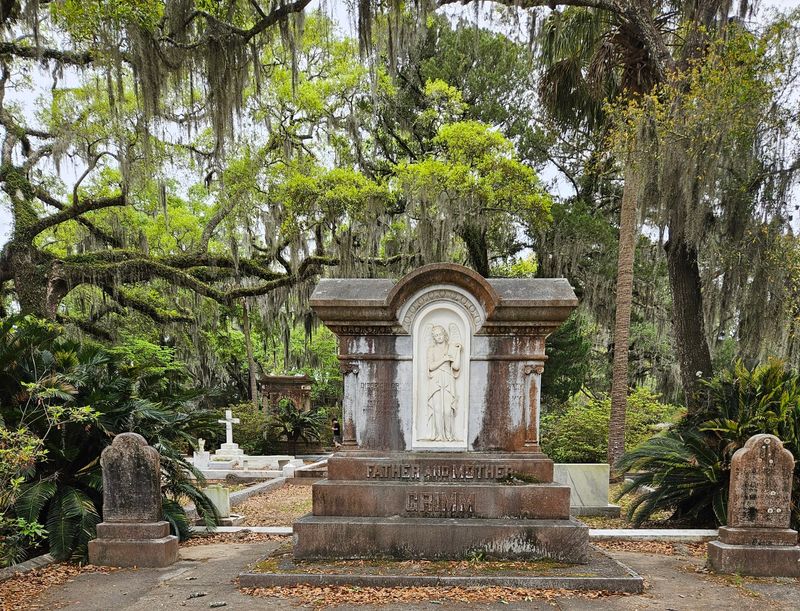
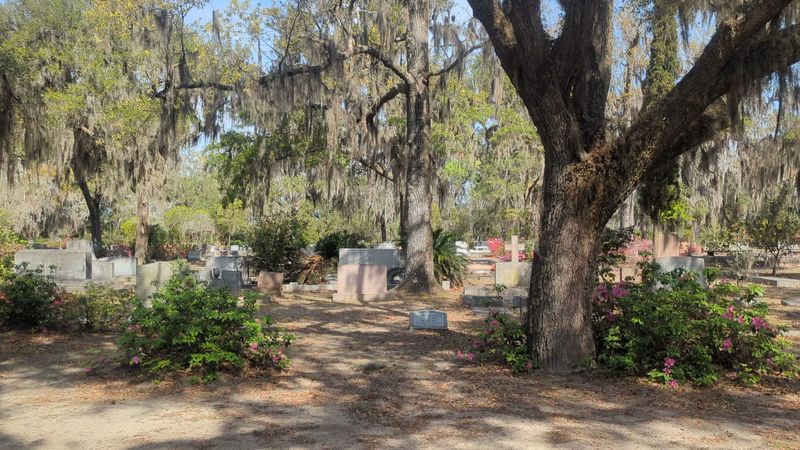
Some of the oaks here have stood for more than 250 years. Their branches arch overhead and knit together like a green ceiling.
Spanish moss drapes off every limb in long gray ribbons. Wind moves it slowly, and the whole avenue seems to breathe.
Visitors often compare the main lanes to the aisle of a cathedral. Standing under them, the comparison feels earned rather than poetic.
Shade is the practical bonus nobody mentions enough. Even in Georgia summer, the canopy keeps the walking bearable.
I spent longer than planned just looking up. The moss filters light into soft patches that shift as clouds pass.
Bring a real camera if you own one. Phone photos work fine, but the layered light rewards better glass.
Morning offers the softest glow and the thinnest crowds. Late afternoon brings warmer tones and longer shadows across the stone.
Hugging a tree is optional. Noticing how small you feel beside one is not.
These oaks anchor everything else you will see. Without them, the monuments would lose half their drama.
Victorian Sculpture You Would Expect In A Museum
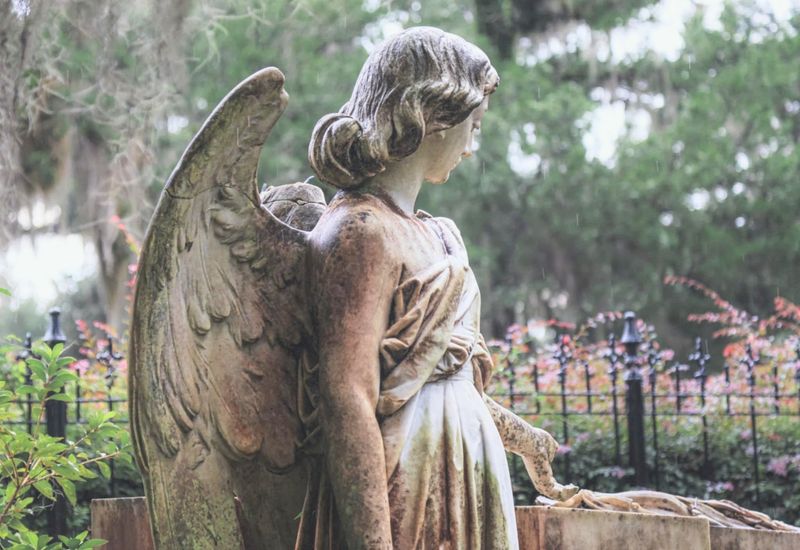
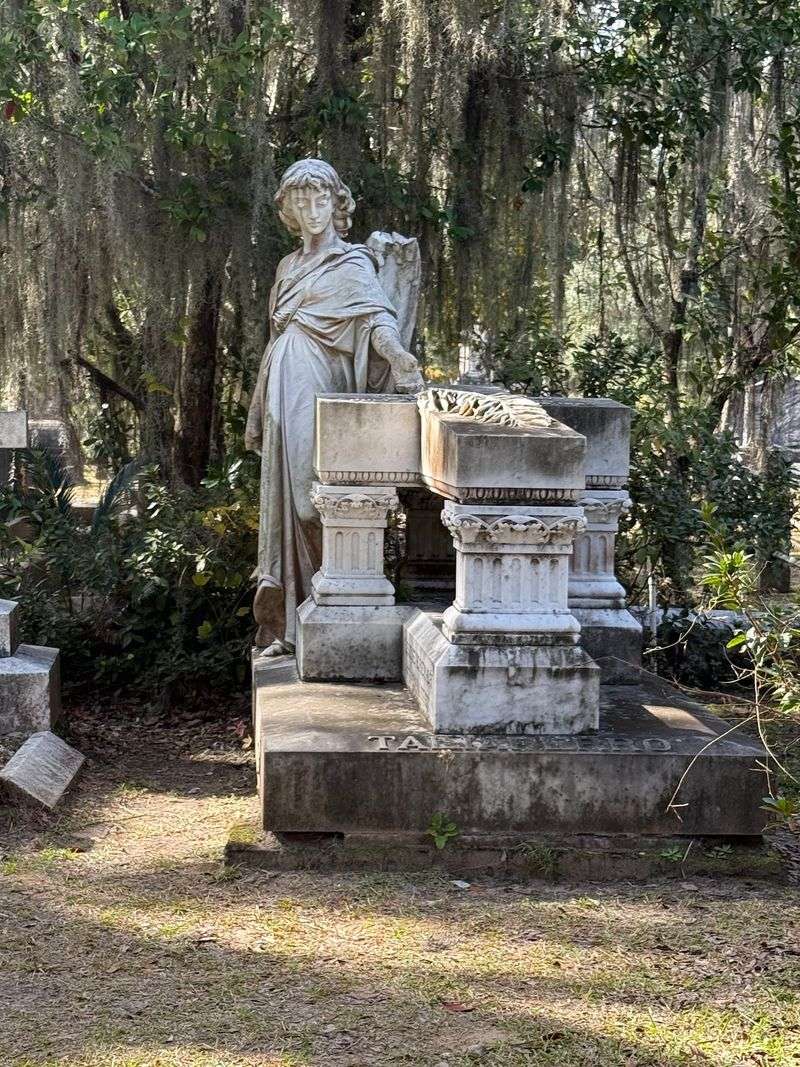
Angels, lambs, obelisks, and carved portraits appear at nearly every turn. The collection of Victorian funerary art here ranks among the finest anywhere in America.
Each monument functions like a tiny biography written in marble. Some carry verses, others carry symbols that meant something specific to the family.
Sculptor John Walz created more than 100 pieces on these grounds. His work shows up so often that regulars learn to spot his style.
Weathering has softened many faces and hands over the decades. That erosion adds character rather than taking it away.
Look for the small details, not just the tall statues. Carved flowers, folded wings, and worn inscriptions reward slow walkers.
Symbols repeat with meaning. A lamb usually marks a child, and an anchor once suggested hope.
I found myself reading dates from the 1800s one after another. The math of those years lands quietly.
Bring a notebook if you enjoy details. There is far more here than any single visit can absorb.
Art lovers routinely call it an outdoor museum. The label fits comfortably.
Little Gracie Watson And Her Iron Fence
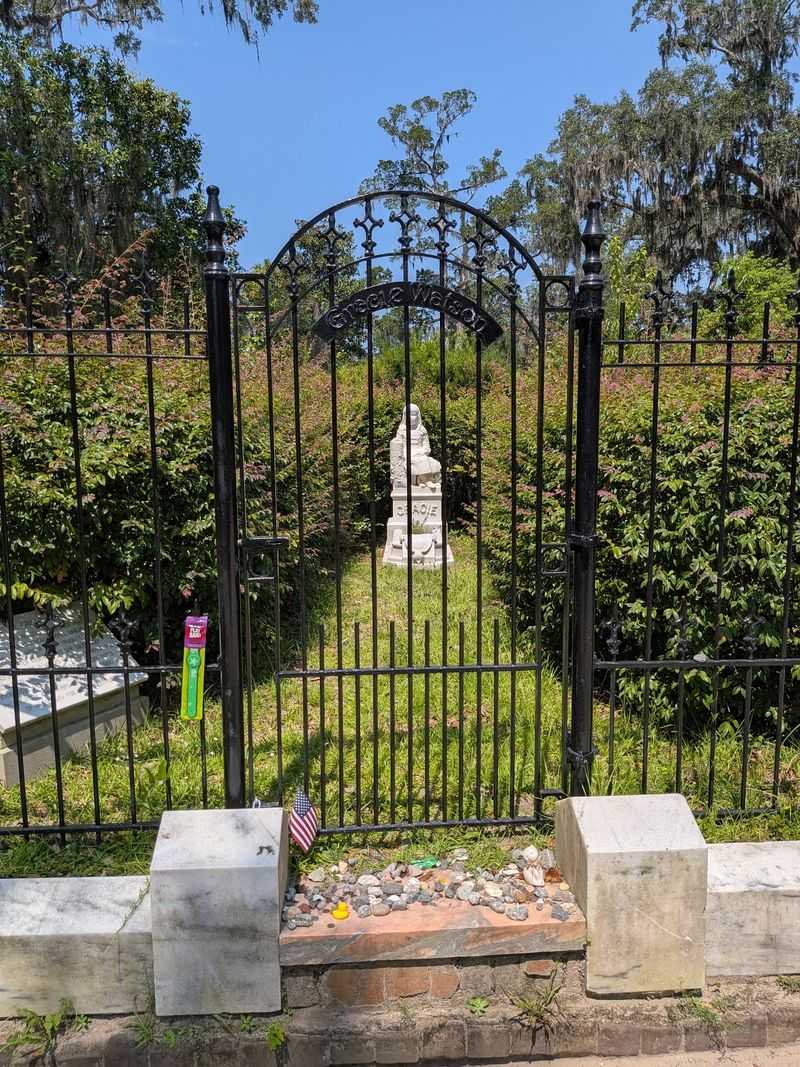
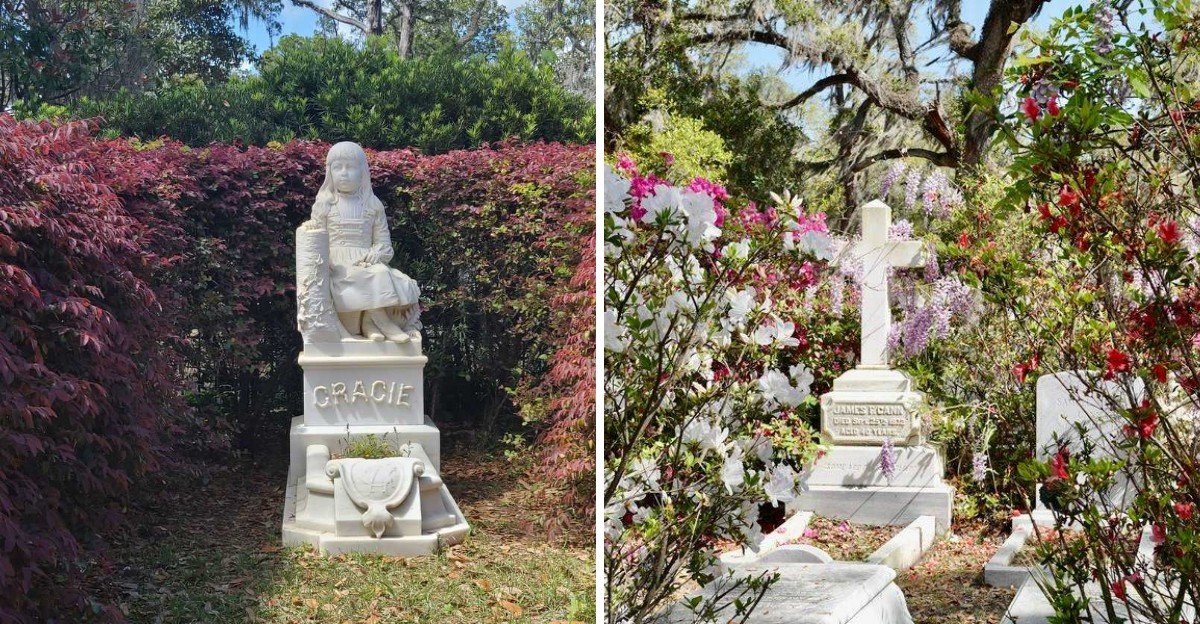
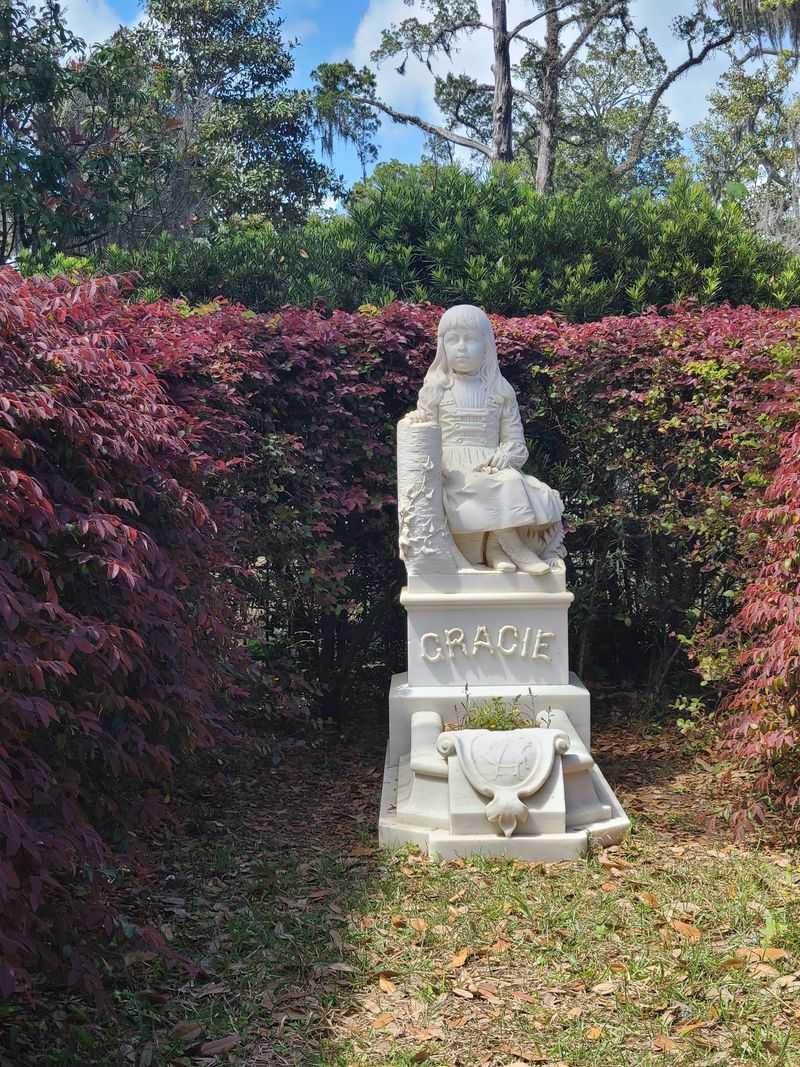
One of the most visited monuments on the property honors six-year-old Gracie Watson. Her memorial has become a well-known landmark here.
John Walz carved her likeness from a photograph. The result looks startlingly lifelike, right down to the folds in her dress.
A black iron fence surrounds the statue today. Visitors still leave toys and small trinkets along its rails.
Standing there quiets people down without anyone asking. Conversations drop to whispers on their own.
Finding her takes a little effort in such a large space. Maps and signage can be tricky, so plan for a short search.
The Bonaventure Historical Society app helps enormously here. It costs around five dollars and guides you through the historic section.
Photographs of the statue circulate widely, but they miss the scale. She is smaller in person than most expect.
Regular visitors often say hello out of habit. That small ritual tells you how beloved she has become.
Give the spot a few extra minutes. It stays with you afterward.
River Views From A Quiet Bluff
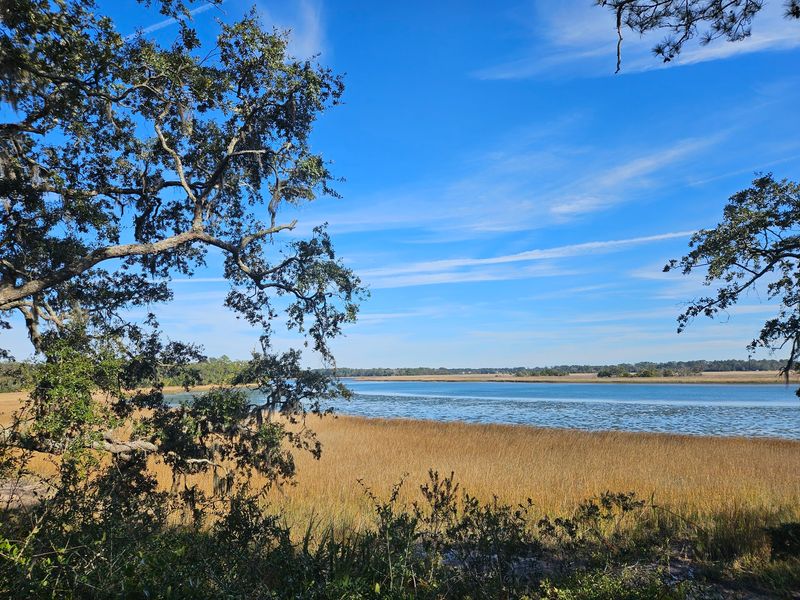
The Wilmington River runs right along the eastern edge of the grounds. Water glints through the trees while you walk the outer paths.
Long before cars, guests arrived here by boat. The original entrance faced the river for exactly that reason.
Breezes off the water make the riverside section noticeably cooler. On hot afternoons, that difference is a genuine relief.
Benches near the bluff invite you to sit and stare. Herons and gulls occasionally drift past at eye level.
Alexander Lawton’s prominent monument overlooks this stretch of water. Guides point it out often during their routes.
Photographers love the contrast between weathered marble and moving water. Sunrise and late afternoon both deliver strong results.
The sound here is mostly leaves, birds, and distant boat motors. City noise fades almost completely.
I lingered at the edge far longer than intended. The combination of moss, stone, and river is hard to leave.
Save this section for last. It makes a natural, peaceful finish to any visit.
Spring Azaleas Turn The Grounds Technicolor
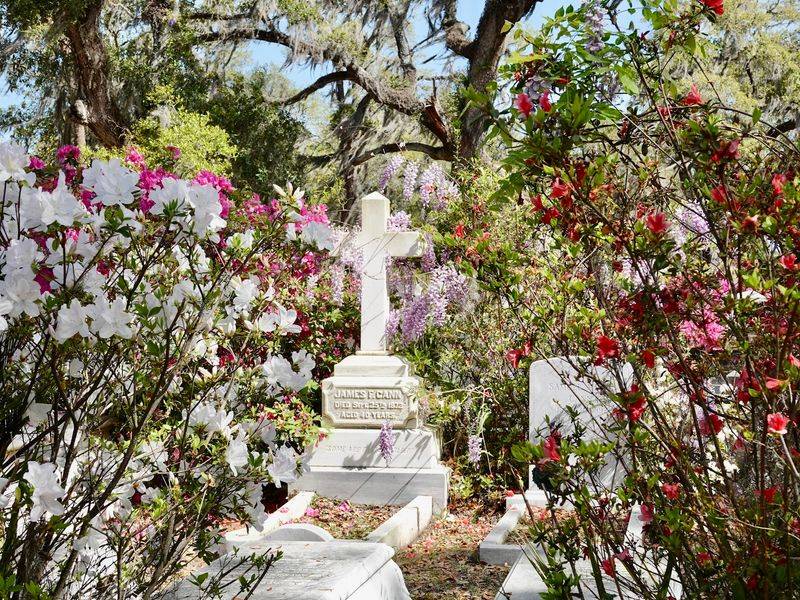
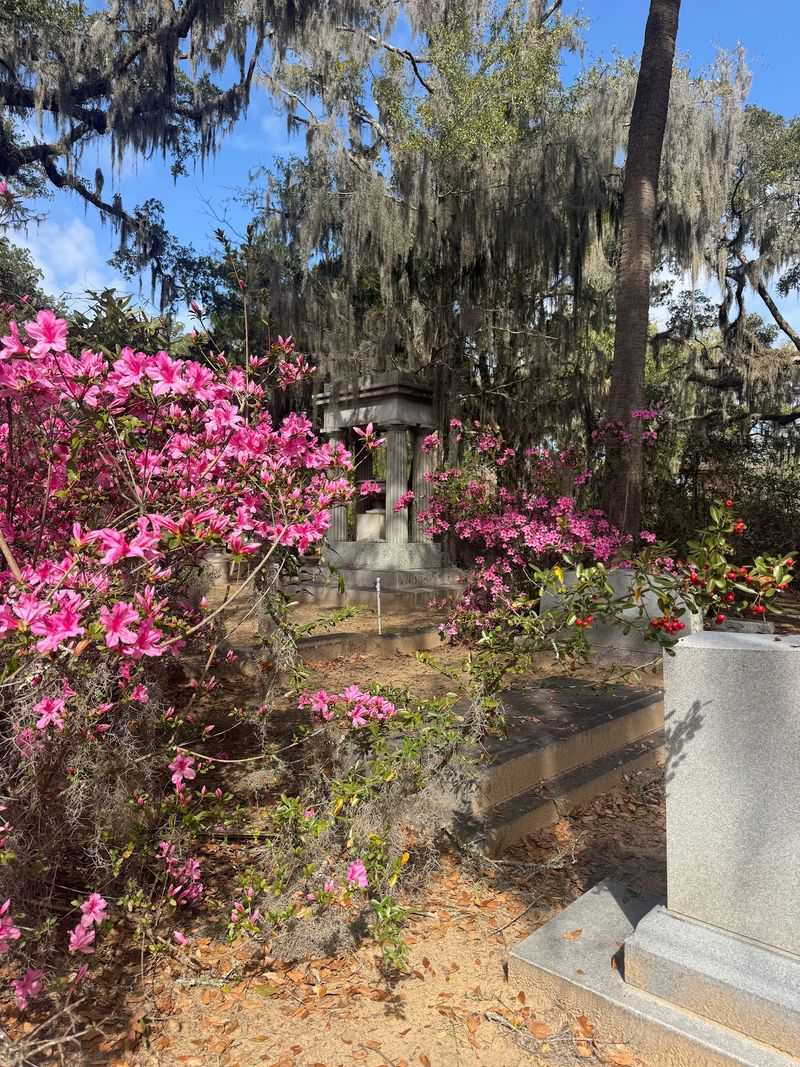
March transforms the entire landscape into something almost theatrical. Azaleas explode in pink, coral, and white beneath the gray moss.
Wisteria climbs and drapes in lavender clusters during the same weeks. The color contrast against weathered stone is remarkable.
Dogwood trees join the show with their pale blossoms. Together they soften every hard edge on the property.
Spring is easily the busiest and most rewarding season to visit. Arrive early if you want quiet paths and good light.
Temperatures stay mild, which makes longer walks comfortable. Summer heat can cut a visit short in a hurry.
The garden cemetery concept explains all this planting. Victorian designers built these spaces as public gardens for reflection and strolling.
That original intent still works beautifully today. People picnic nearby, cycle the lanes, and simply sit.
Bring allergy medicine if pollen bothers you. Savannah spring does not hold back.
A camera with color film feels appropriate here. The blooms deserve better than a quick snapshot.
Famous Names Like Johnny Mercer And Conrad Aiken Rest Here
Songwriter Johnny Mercer rests here, a Savannah native with over 1,500 songs to his name. He wrote Moon River and helped found Capitol Records.
Poet Conrad Aiken lies beneath a bench-style monument on the grounds. He won a Pulitzer Prize and spent his childhood in this city.
Noble Jones is another historic figure represented on the property. His marker dates back to the colonial era.
Many of Savannah’s street names trace back to families resting here. Extended relatives often share the same plots.
Reading the names becomes a history lesson without a classroom. Dates stretch from the colonial era into modern times.
A little research before arriving pays off enormously. Knowing who you are looking for makes the maze manageable.
Guided tours connect the stories far better than wandering alone. The Historical Society offers free tours the second weekend of each month.
Paid walking and golf cart options also exist. Both fill the gaps a self-guided stroll leaves behind.
History here feels layered and honest. That complexity is part of the appeal.
The Book And Movie That Made It Famous
John Berendt’s bestseller Midnight in the Garden of Good and Evil put this place on the global map. The book cover featured the Bird Girl statue photographed right here.
That statue no longer stands on the grounds. It now lives at the Telfair Museum of Art downtown.
Crowds grew so large that officials moved it for protection. Plenty of visitors still arrive hoping to spot it.
The film adaptation brought even more attention in the 1990s. Tour buses have been steady ever since.
Fame has not ruined the atmosphere, though. The property is big enough to absorb visitors easily.
Step off the main lanes and the quiet returns immediately. Most groups stick to the same short loop.
Naturalist John Muir camped here in 1867 and wrote glowingly about the scenery. Oscar Wilde visited and called it incomparable.
Those endorsements arrived long before any bestseller. The beauty was never a secret to writers.
Read the book before visiting if you can. Context makes the walk richer.
Smart Tips Before You Go
Parking confuses almost everyone on a first visit. Vehicles are allowed inside, so drive in and find a spot near your starting point.
A small visitor center near the entrance provides maps and directions. Stop there before setting off.
Signage can be spotty across such a large property. Download the Historical Society app to avoid backtracking.
Plan for at least two hours, and three if you walk slowly. Several visitors return the next day to finish.
Bicycles work well on the interior lanes. Families with strollers should expect some uneven ground.
Water and sunscreen belong in your bag from April onward. Shade helps, but Georgia humidity still wins arguments.
Keep voices low and stay off the monuments. Respect keeps the place welcoming for everyone.
Free admission makes this one of the best value stops in the region. Give it more time than you think you need.