This Georgia City Has One Of The Largest Arab Communities In The Entire State
Some cities hide their best stories behind ordinary strip malls. I almost missed this one completely.
I pulled off for gas and ended up staying for hours, pulled in by the smell of grilled meat drifting across a parking lot that looked like any other in Georgia. Signs mixed Arabic and English side by side.
Bakeries sold flatbread still warm from the oven. Conversations bounced between languages at the next table over, easy and unbothered, like this was just another Tuesday.
It was not what I expected to find on a quiet stretch of road in Georgia, yet there it was, thriving in plain sight. I ordered lunch and somehow left three hours later with a bag of pastries and a dozen new questions.
I will not tell you exactly where this is. Just know it is far bigger, and far more delicious, than it looks from the outside.
A Suburb With Numbers That Tell A Bigger Story
Statistics rarely make me hungry, but these did. About 2.30% of residents here identify as Arab, compared with just 0.33% statewide.
That gap is not small. It means the community is roughly seven times more concentrated than the Georgia average.
Zoom into the 30009 zip code and the number climbs again. Around 3.13% of people there report Arab heritage, one of the highest shares in the state.
Numbers alone do not explain the feel of a place. Still, they help explain why the grocery aisles carry three kinds of tahini instead of none.
The city itself holds about 66,855 residents, according to recent estimates. Roughly 27.7% of them were born outside the United States as of 2024.
Diversity shows up in the broader breakdown too. Residents are about 52.2% White, 20.4% Asian, 11.2% Black, and 9.4% Hispanic.
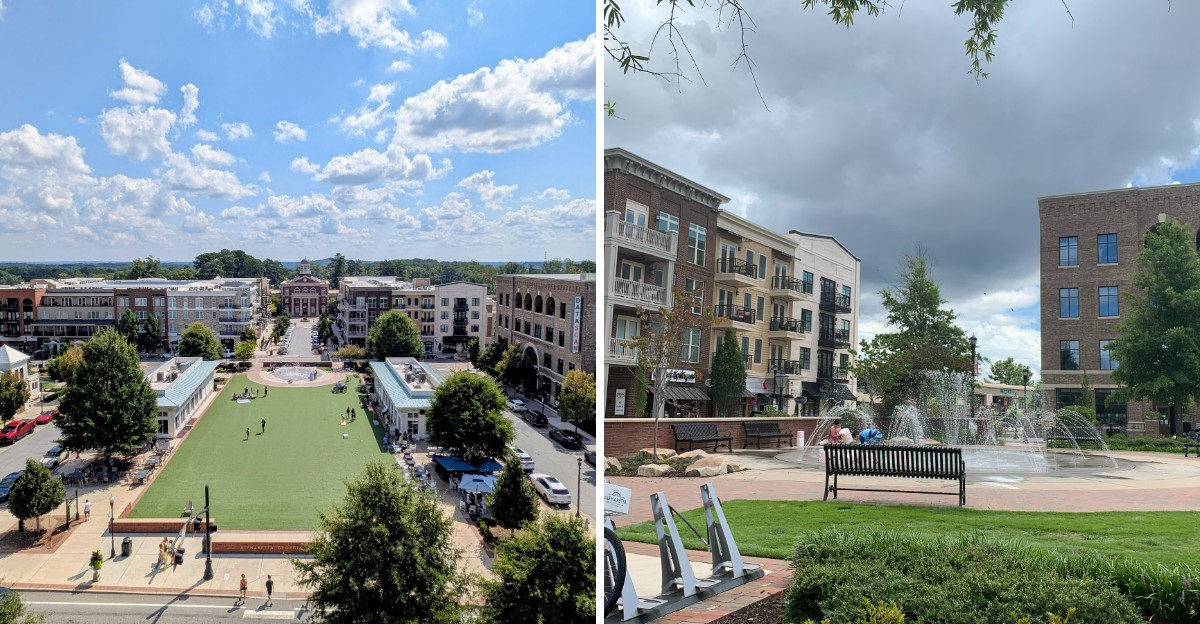
All of that adds up to a suburb that does not fit old stereotypes. It sits in northern Fulton County, part of metro Atlanta, and it is called Alpharetta.
Where Georgia’s Arab American Population Actually Lives
Georgia is home to an estimated 80,000 Arab Americans. That is a sizable group for a state better known for peaches and peanuts.
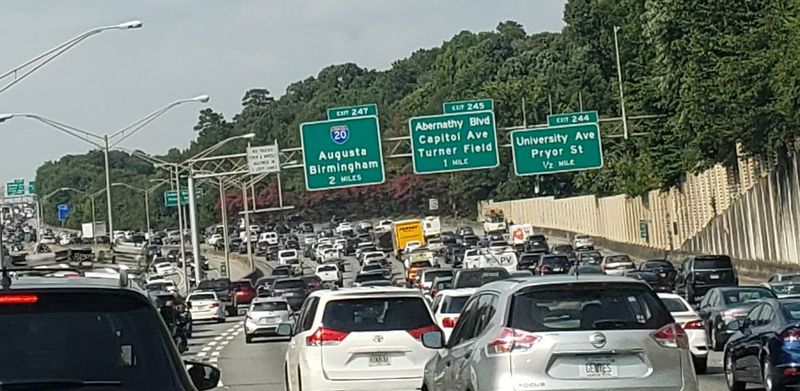
Roughly 50,000 of those residents live in Atlanta and its surrounding suburbs. The northern suburbs carry a healthy share of that total.
Geography matters here more than people expect. Being part of the metro area puts this spot inside one of the Southeast’s biggest Arab American population centers.
Suburbs often get dismissed as bland copies of each other. Spend a Saturday in the area and that assumption falls apart quickly.
Alpharetta’s location within metro Atlanta places the community near a major employment and business hub.
Tech and corporate employers helped seal the deal. The region has drawn professionals from across the world for decades now.
What grew from that was not just a population statistic. Bakeries, markets, community centers, and weekend gatherings followed the families who arrived.
If you want to understand the state’s Arab American story, start north of Atlanta. The evidence is on the shelves and in the parking lots.
Lebanese And Egyptian Roots Run Deepest
Ask about heritage and two countries come up first. Lebanon and Egypt have historically been the largest sources of Georgia’s Arab American community.
That history shapes what lands on the plate. Lebanese mezze traditions and Egyptian home cooking both show up across local menus.
Georgia’s Arab American community includes people with roots across several Middle Eastern and North African countries.
Each group brings its own cooking habits and celebrations. The result is a community that is layered rather than uniform.
I noticed this at a bakery counter one morning. Three different styles of savory pastry sat side by side, each tied to a different region.
Language works the same way. Dialects from Cairo, Beirut, and Ramallah all circulate in the same shops.
Younger generations blend it all together. Kids speak English at school and Arabic at home, often in the same breath.
Understanding these roots makes a visit richer. You stop seeing generic Middle Eastern food and start noticing the specific traditions behind it.
That small shift changes how you order, and how you eat.
The Hamzah Islamic Center And Its Classrooms
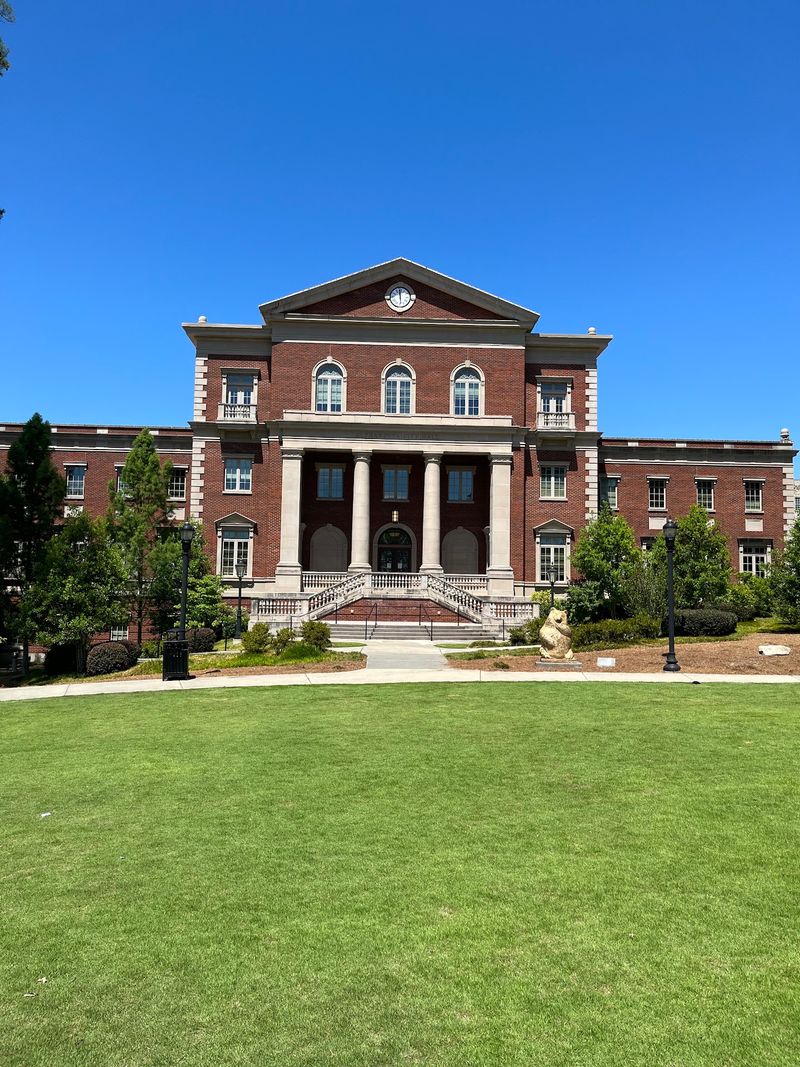
Community centers do quiet work that rarely makes headlines. The Hamzah Islamic Center is a good example of that.
Beyond serving as a place of worship, it runs real educational programs. Classes cover children from pre-kindergarten through fifth grade.
Arabic language instruction sits at the heart of the offerings. Families use it to keep a mother tongue alive across generations.
That matters more than it might sound. Language is often the first thing immigrant families lose by the second or third generation.
Parents drop off kids and stay to talk in the lobby. Those hallway conversations build friendships that stretch across neighborhoods.
Weekend programs draw families from surrounding towns too. The center acts as a hub, not just a local stop.
Visitors are generally welcomed with genuine warmth. Dress modestly, be respectful, and check schedules before showing up.
Programs like these explain why families choose to settle nearby. Schools and jobs bring people in, but community keeps them there.
It is a practical anchor, built by ordinary people who wanted their kids to stay connected.
Green Apple Academy And Early Learning
Early childhood education might be the least glamorous topic here. It is also one of the most important.
Green Apple Academy is affiliated with the Islamic Center of North Fulton. The academy provides childcare and educational services for young students.
Its approach blends secular and non-secular learning essentials. Kids pick up standard school basics alongside religious and cultural instruction.
Working parents get something they badly need. Reliable childcare close to home removes a huge daily stress.
Children get something else entirely. They learn early that their heritage belongs in a classroom, not just at the dinner table.
Programs like this often start small. A few families ask for help, and the need grows from there.
The academy reflects a community that plans for the long term. Institutions get built when people intend to stay.
Drive past on a weekday morning and the parking lot tells the story. Steady traffic, familiar faces, and plenty of car seats.
For newcomers, places like this ease the transition enormously. Finding your people often starts with finding a school you trust.
Southeast Islamic Community Center As A Gathering Point
Prayer spaces serve as more than places of worship. The Southeast Islamic Community Center serves the wider area from its location in neighboring Milton.
For daily worshippers, proximity is everything. Being able to stop in between work and errands changes routines.
Centers like this also handle life’s bigger moments. Weddings, holidays, and community meals fill the calendar throughout the year.
Ramadan turns the pace up noticeably. Evening gatherings draw crowds and fill parking lots well past sunset.
New residents often find their footing here first. Someone always knows a good dentist, a rental listing, or a reliable mechanic.
Support flows in both directions. Volunteers organize food drives, tutoring, and help for families who need a hand.
The building itself is unassuming from the street. What happens inside carries far more weight than the exterior suggests.
Together with the other centers nearby, it creates a real network. Three institutions in one suburb is not a coincidence.
Communities build infrastructure when the population supports it. The presence of these centers is proof of steady growth.
Delbar And A Taste Of Iranian Tradition
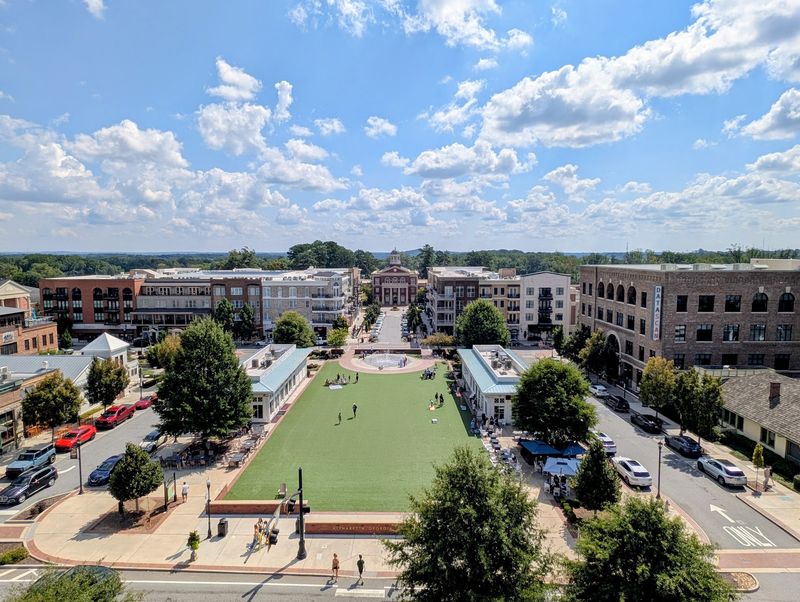
Saffron has a way of announcing itself before you sit down. Delbar Middle Eastern aims to offer a taste of Iranian culinary traditions.
You will find it at 4120 Old Milton Parkway. The address sits near the walkable heart of the city.
Persian cooking is precise in ways people underestimate. Rice technique alone separates a good kitchen from an ordinary one.
Herbs show up in quantities that surprise first timers. Whole bunches of parsley and mint arrive as an actual dish, not a garnish.
The dining room leans warm and polished. It works for a celebration dinner or a slow weekday meal.
Ordering advice is simple. Share several dishes instead of locking yourself into one entree.
Iranian food is technically not Arab, and the distinction matters. Its presence here reflects how broad the region’s food scene has become.
That variety is the real story. A suburb north of Atlanta now supports kitchens with genuinely different regional identities.
Reservations are smart on weekends. The place fills up faster than you would expect.
Jerusalem Bakery And Grill’s Four Decades Of Bread
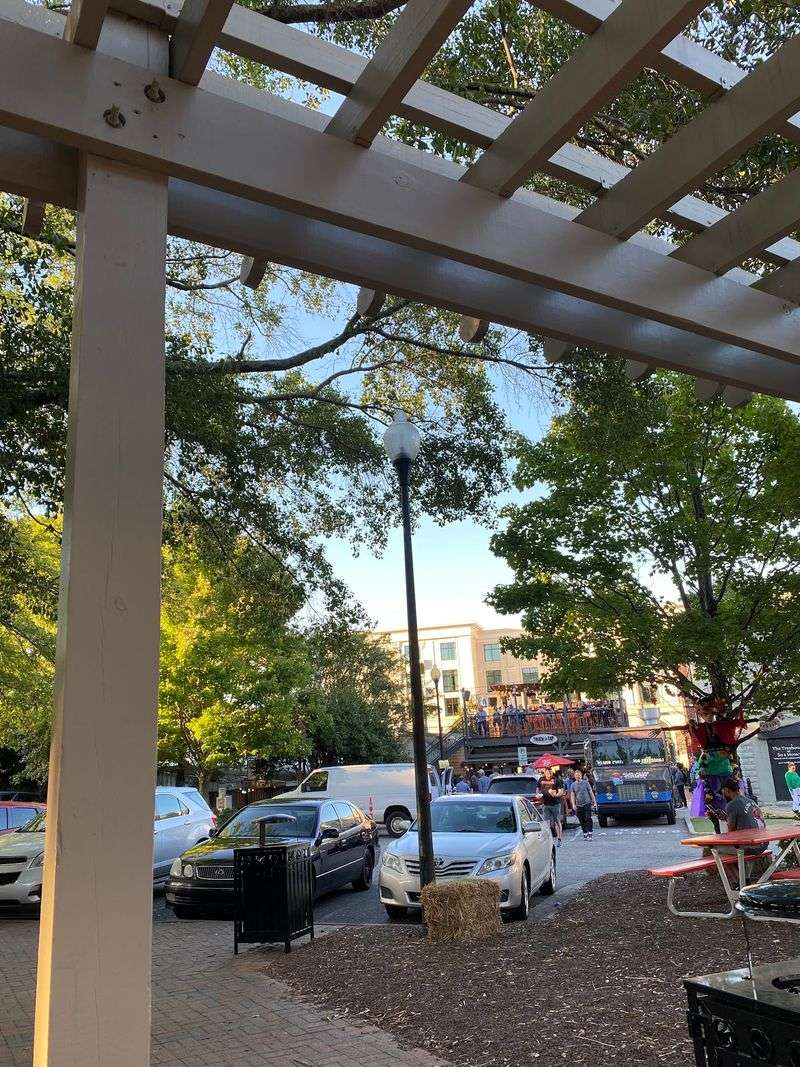
Forty years of baking is not a marketing line. Jerusalem Bakery and Grill is family owned with over 40 years of experience.
Bread is the foundation of everything there. Fresh Middle Eastern flatbread comes out warm and disappears fast.
The pastry case deserves its own visit. Layers of phyllo, nuts, and syrup line up in tidy rows.
Sweets here are not shy. Baklava and similar treats are rich enough to share between two people.
Savory options round out the menu. Grilled items and prepared dishes make it a practical lunch stop.
The family-owned business brings more than four decades of experience to its Middle Eastern bakery and grill.
My advice is to buy bread even if you already ate. It freezes well and beats anything in a grocery aisle.
Go earlier in the day for the best selection. Popular items sell out before closing time.
Family run businesses give a community its texture. Recipes get passed down and standards stay high.
It is the kind of counter where you plan your next order while paying.
Bezoria House Of Hummus And The Everyday Food Scene
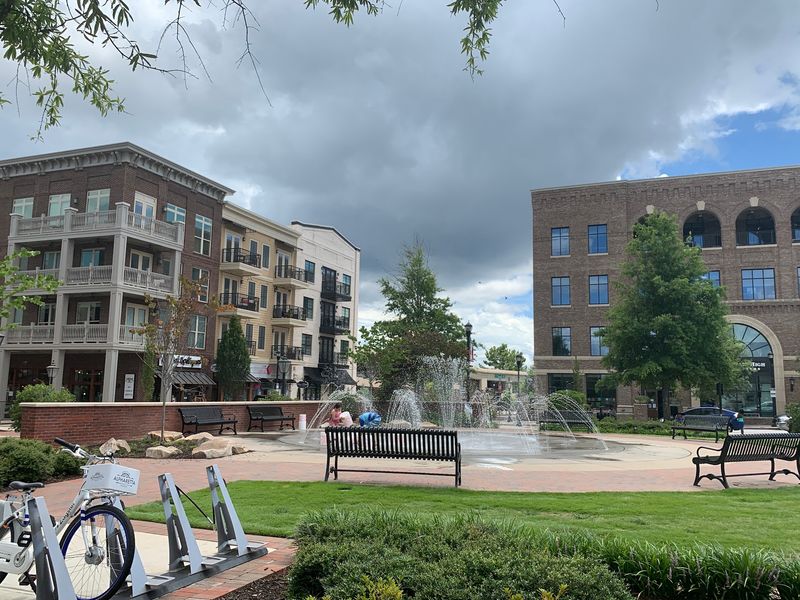
Not every great meal requires a reservation. Bezoria handles the casual end of Alpharetta’s Middle Eastern food scene.
Both add real depth to the local Middle Eastern food scene. They make the cuisine part of an ordinary weekday, not a special occasion.
Hummus is the obvious starting point. Good versions are smooth, lemony, and served with warm bread.
Falafel tells you a lot about a kitchen. Crisp outside and green inside is what you want.
Bowls and wraps suit lunch breaks well. Portions tend to be generous without feeling heavy.
Prices stay reasonable across the board. That accessibility is part of why these spots stay busy.
Having several options nearby creates healthy competition. Standards rise when customers have real choices.
For visitors, this is the easiest entry point. Order something familiar, then try one dish you cannot pronounce.
Food remains the friendliest bridge between cultures. A shared plate does more than a long explanation ever could.
Come hungry, order too much, and take the leftovers home. That is the correct approach here.