9 Georgia Counties Where Black Bears May Be More Active This Fall
A black bear on a porch camera tends to get everyone’s attention fast. That has been happening a lot lately.
Neighbors keep posting the same kind of clip, a large shadow ambling past a mailbox or knocking over a bird feeder in the middle of the night. Fall means bears are eating nonstop before winter, and that hunger is pushing them closer to backyards than usual.
Georgia wildlife officials have noticed the pattern too, with certain counties reporting far more sightings than normal this season. Georgia residents are not used to sharing sidewalks with something this size, yet here we are.
The good news is that a little awareness goes a long way toward staying safe and calm around them. Here are nine counties where bear activity is climbing, and what it means if one wanders into your yard.
1. Cobb County
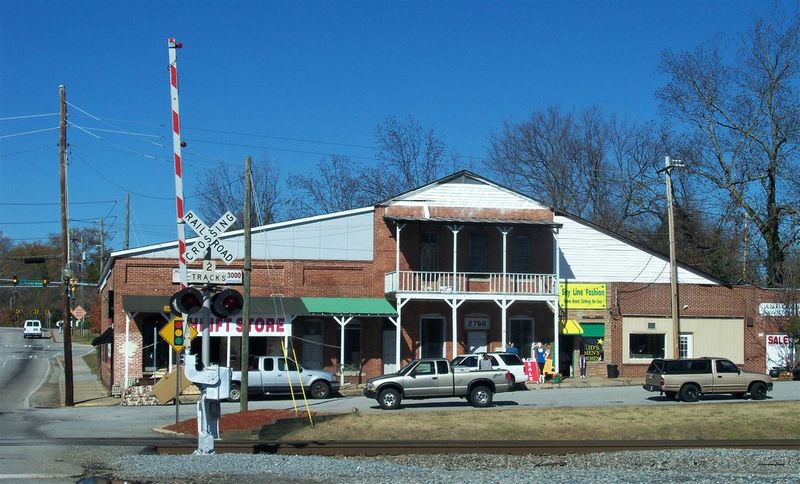
A bear jogging past an apartment complex sounds like a prank call. Cobb residents got exactly that in May 2026, and the video was very real.
Another sighting followed in July 2026 near Cottesford Drive and Windy Hill Road in Smyrna. Broader reports across metro Atlanta, including Marietta, popped up in June of the same year.
Wildlife officials point to young male bears searching for their own territory. They wander far, cross roads, and occasionally take a shortcut through a parking lot.
What pulls them into neighborhoods is usually simple. Trash bins, bird feeders, and pet food bowls smell like an open buffet to a hungry animal.
The fix is easier than most people expect. Store garbage in a secured spot, bring feeders in overnight, and feed pets indoors.
Curious readers can stop by the Cobb County Courthouse at 70 Haynes St, Marietta, GA 30090 for local information. County offices often share safety updates during busy sighting seasons.
If a bear appears in your yard, stay calm and give it room. Making noise from a safe distance usually convinces it to move along.
Black bears here are timid by nature and prefer avoiding people entirely. Georgia has no recorded fatal bear attacks in its history.
Treat a sighting as a reminder rather than an emergency. Secure the food sources, and the visitor rarely returns.
2. Coweta County
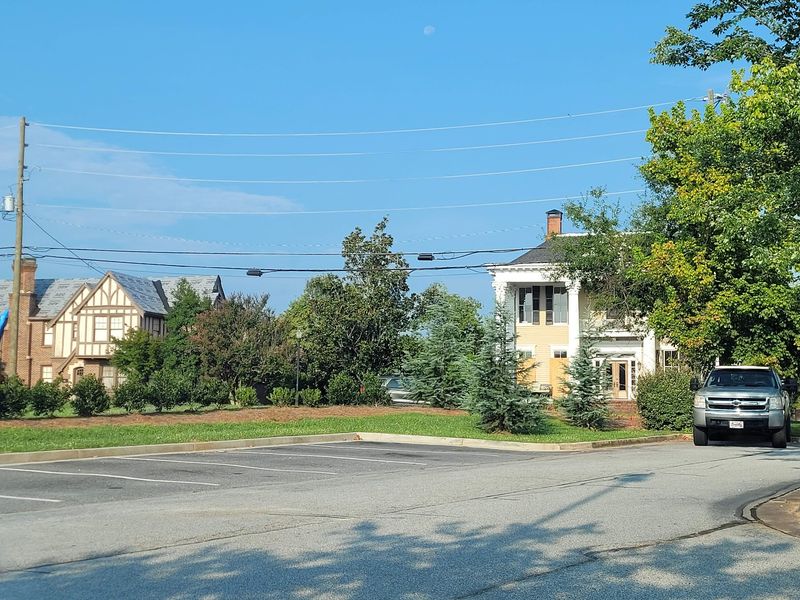
Few wild animals get a nickname from the police department. One roaming bear in this part of the state managed it anyway.
Officers in Newnan jokingly referred to a bear on the city’s east side as East Side Eddie. They also admitted the bear might actually be an Edith.
Sightings stacked up through June and July 2026 across Senoia and Newnan. One bear turned up in the Springdale Subdivision off Coweta Street.
Another was reported in the Stonebridge Subdivision, and security footage caught a bear on June 24, 2026. Doorbell cameras have become the unofficial wildlife survey of the region.
Bears travel these areas because farmland, creeks, and woods connect neatly together. A bear can cover miles without ever leaving cover.
Anyone wanting local guidance can find the Coweta County Courthouse at 200 Court Square, Newnan, GA 30263. It sits right in the middle of town.
Should a bear cross your path, avoid running or approaching for a photo. Back away slowly and let it choose its own exit.
Grills matter more than people think during bear season. Leftover grease carries a scent that travels surprisingly far.
Clean the grates after cooking and close the lid tightly. Small habits keep nicknamed neighbors wandering somewhere else.
3. Spalding County
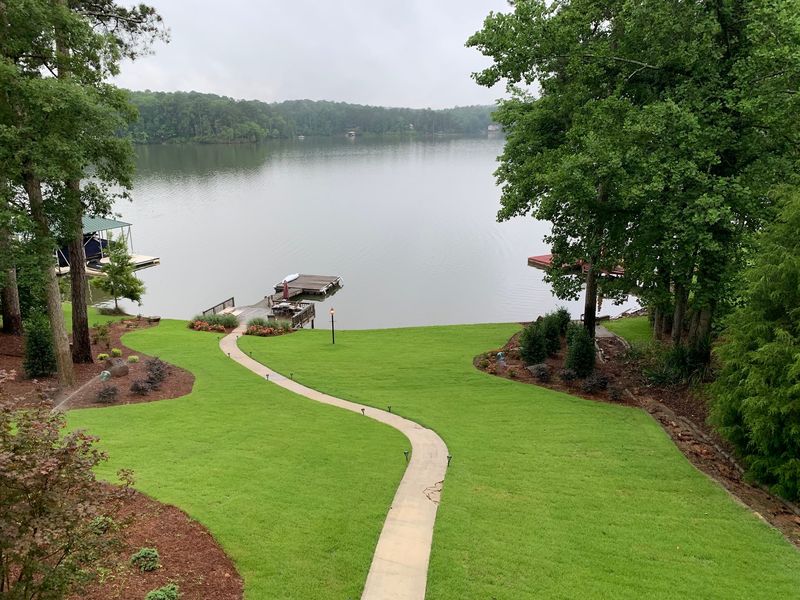
Most bear photos show a blurry shape in the dark. One Spalding County image was impossible to misread.
A black bear estimated at roughly 300 pounds was captured on camera in June 2026. The animal was spotted on Briarcliff Road, off Highway 16 West near Rover-Zetella Road.
The Spalding County Sheriff’s Office reported the sighting publicly. State wildlife officials with the Georgia DNR were notified soon after.
A bear that size draws attention for good reason. Adult males roam widely during summer while searching for mates.
Rural roads here cut through thick woods and farm fields. That mix gives bears plenty of cover and steady food.
Local information is available at the Spalding County Courthouse, 132 E. Solomon St, Griffin, GA 30223.
Sheriff updates often circulate through county channels first.
Drivers should slow down at dawn and dusk during autumn months. Bears move most actively when light is low and traffic is light too.
If you spot one near a roadway, keep your windows up and drive on. Stopping for photos creates traffic problems and stresses the animal.
Reporting sightings helps biologists track movement patterns across the area. Accurate reports also help neighbors prepare rather than panic.
Big bears make big headlines, but they behave like smaller ones. Food drives almost everything they do this time of year.
4. White County
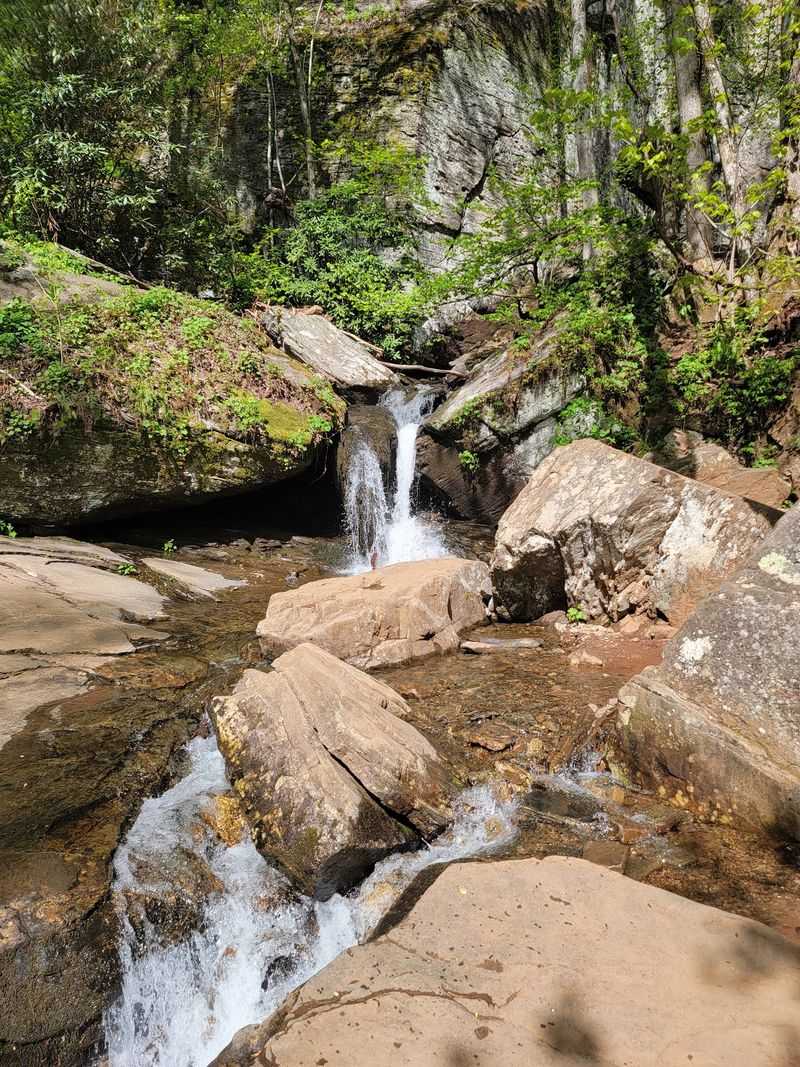
Mountain air, hiking trails, and bears go together here. Visitors near Helen often discover that the hard way, camera in hand.
North Georgia supports the state’s largest established black bear population. Sightings near Mount Yonah and around Helen are common through the fall.
Autumn brings heavy feeding behavior known as hyperphagia. Bears eat intensely from September through November to prepare for winter.
Acorns and persimmons top the menu during those weeks. Berries and farm crops round out the diet nicely.
Activity also rises in spring after denning ends. Summer brings cubs learning to forage alongside their mothers.
Travelers can find county details at the White County Courthouse, 59 South Main St, Cleveland, GA 30528. Cleveland sits a short drive from the busiest trailheads.
Campers should store food in sealed containers or vehicles. A cooler on a picnic table is basically an invitation.
Hikers benefit from talking or clapping on blind curves. Bears usually leave once they know a person is nearby.
Cabin renters should check porches before stepping outside at night. Coolers, grills, and trash bags belong indoors after dark.
Mountain bears here remain shy despite their size. Respecting their space keeps encounters brief and memorable for the right reasons.
5. Lumpkin County
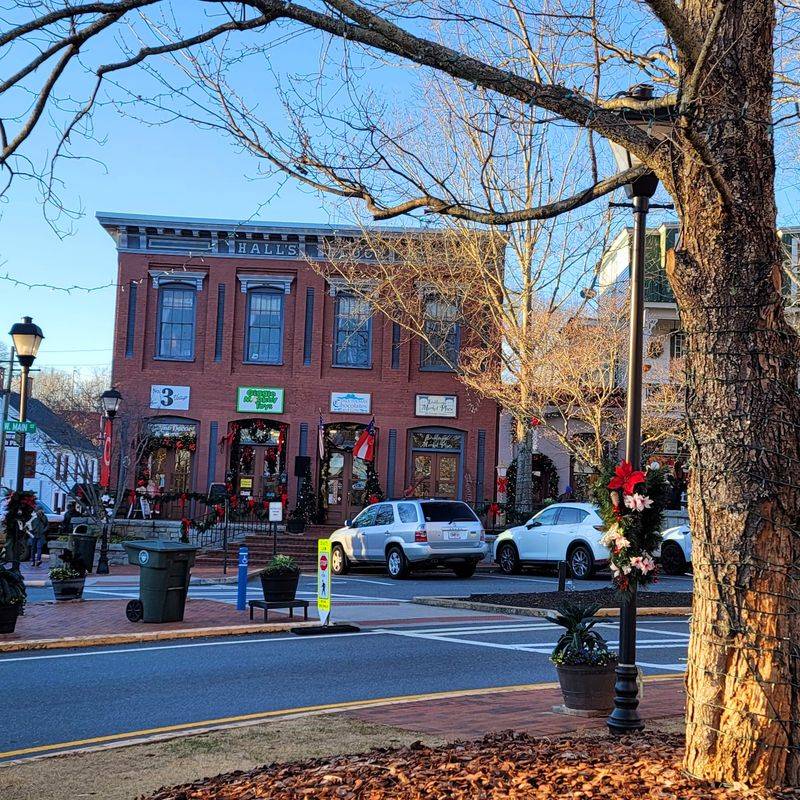
Dahlonega built its reputation on gold, not wildlife. Yet the surrounding ridges hold a steady black bear population.
Lumpkin County sits within North Georgia’s established black bear range. Its wooded mountain landscape provides suitable habitat for bears.
The Dahlonega Visitors Center offers updated information about local black bears. Staff there field questions from curious travelers year round.
North Georgia alone holds roughly 3,000 bears by current estimates. Statewide numbers range between 4,100 and 5,100 animals.
Neighborhood design plays a role in sightings. Homes built along wooded slopes naturally border bear travel routes.
County offices operate from 99 Courthouse Hill, Suite A, Dahlonega, GA 30533. The building sits near the historic town square.
Residents in wooded subdivisions should skip bird feeders during autumn. Seed and suet attract bears faster than almost anything else.
Compost piles also deserve attention this season. Fruit scraps smell irresistible to an animal packing on weight.
Motion lights near garbage areas help discourage nighttime visits. Simple deterrents often work better than complicated ones.
Trails, mountain views, and fall scenery draw visitors every October. Bears are drawn by acorns dropping across the same ridges.
Sharing the landscape works well with a little preparation. Secure the food, enjoy the scenery, and let the bears pass through.
6. Habersham County
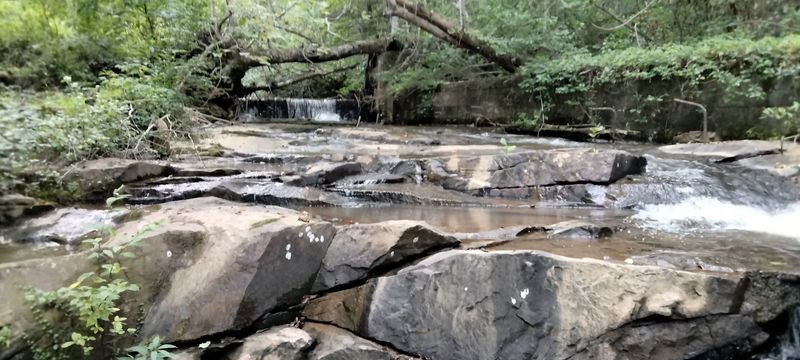
Some places get one dramatic sighting a year. Habersham County kept a steady stream going through summer 2026.
The county falls inside the state’s designated Northern Zone for black bears. That label reflects an established, long-term population.
Reports of increased activity spread across North Georgia during the same months. Metro areas farther south noticed the trend too.
Orchards, creeks, and hardwood forests fill much of the landscape here. Bears find food and cover without traveling far.
Apple country adds another wrinkle each autumn. Fallen fruit creates an easy meal near homes and farm stands.
County information is available at 295 Llewellyn St, Clarkesville, GA 30523. Clarkesville anchors the area’s daily business.
Homeowners with fruit trees should rake up windfall regularly. A clean yard removes the main attraction quickly.
Pet owners should feed animals indoors during fall months. Bowls left outside get emptied by more than pets.
Outdoor freezers and second refrigerators need secure latches. Bears are clever and patient when food is involved.
Following BearWise guidelines keeps neighborhoods much quieter. The principles focus on removing attractants rather than chasing wildlife.
A sighting here is no reason to cancel your plans. It simply means the forest is healthy and well fed.
7. Rabun County
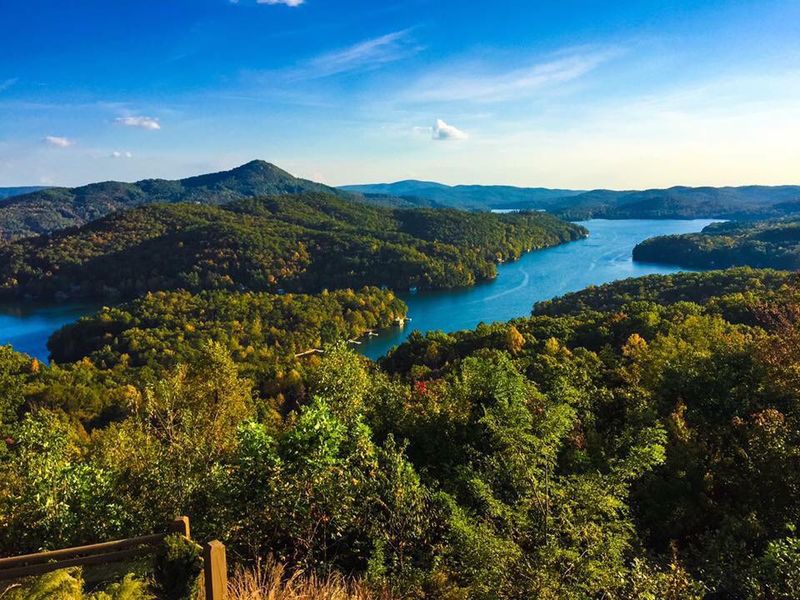
Waterfalls, lakes, and mountain trails define this corner of the map. Black bears have claimed the same territory for generations.
Rabun County sits firmly within the state’s Northern Zone for bears. Sightings held steady through summer 2026 across the region.
Campgrounds and cabin rentals sit close to unbroken forest. That proximity naturally increases the odds of a chance encounter.
Fall visitors arrive for leaf color and cool weather. Bears arrive for acorns falling from the same oaks.
County services operate at 25 Courthouse Square, Clayton, GA 30525. Clayton serves as the main hub for the area.
Backcountry campers should hang food or use bear canisters. Leaving a pack unattended is asking for trouble.
Day hikers should pack out every wrapper and crumb. Food scraps train bears to associate trails with meals.
Should a bear appear ahead on a path, stop and stay calm. Speak firmly, wave your arms, and back away slowly.
Never run or climb a tree to escape. Bears handle both far better than people do.
Keeping dogs leashed prevents surprise confrontations in thick brush. An excited dog can bring a bear closer.
Encounters here almost always end with the bear leaving first. Shyness, not aggression, defines their normal behavior.
8. Gilmer County
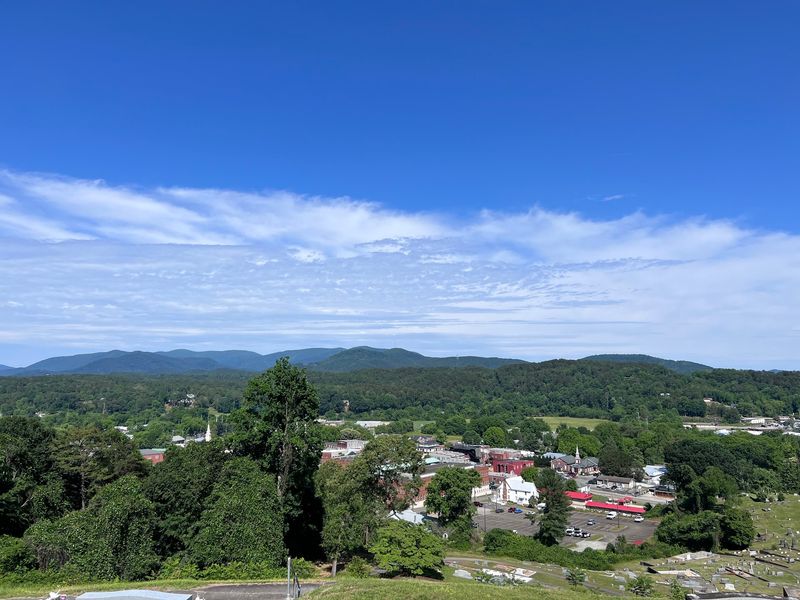
Apple stands, cider donuts, and mountain roads pack this county each October. Bears happen to enjoy the fruit season too.
Gilmer County belongs to the Northern Zone designated for black bears. Reports of increased sightings continued across North Georgia through summer 2026.
Orchards and wooded ridges sit side by side here. That combination gives bears easy access to high-calorie food.
During hyperphagia, a bear focuses almost entirely on eating. Acorns, berries, persimmons, and crops all make the list.
Local offices sit at 1 Broad St, Ellijay, GA 30540. The courthouse stands near the center of town.
Visitors picking apples should follow posted orchard rules carefully. Staff know the property and its wildlife patterns best.
Drivers on winding mountain roads should watch the shoulders closely. A bear can step out from brush without warning.
Cabin guests should read the property’s wildlife instructions before settling in. Many rentals include specific trash storage directions.
Leaving food on a deck overnight invites problems. Even a sealed bag of chips carries a strong scent.
Reporting unusual bear behavior to wildlife officials helps everyone. Early information prevents small issues from growing.
Autumn here remains one of the prettiest seasons around. A little awareness keeps the whole trip enjoyable.
9. Fulton County
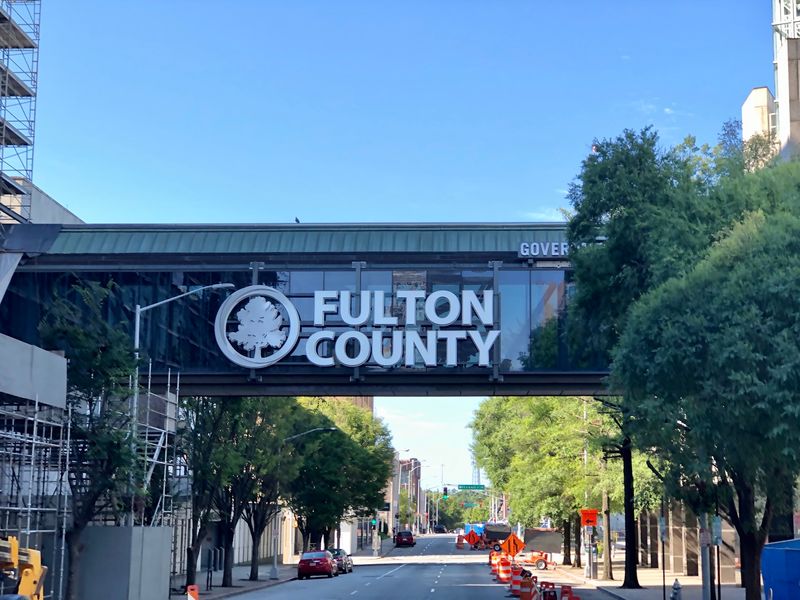
Nobody expects a bear near a busy elementary school. Alpharetta got one anyway in May 2026.
Another bear appeared in Sandy Springs during July 2026. That one reportedly knocked over bird feeders before moving along.
Wildlife officials explain that young bears leave the mountains looking for territory. Development and urban growth push those travel routes closer to homes.
Metro neighborhoods offer unexpected food sources in every direction. Trash bins, feeders, and pet bowls all qualify.
The Lewis R. Slaton Courthouse stands at 136 Pryor St SW, Atlanta, GA 30303.
County information flows through that address.
Suburban residents should secure garbage cans inside a garage when possible. Bins left at the curb overnight tend to attract attention.
Taking bird feeders down from September through November helps significantly. Seed is dense in calories and easy to reach.
Schools and neighborhoods often share alerts when a bear is spotted. Following those updates keeps families informed without alarm.
If a bear wanders into a yard, bring children and pets inside. Watch from a window and let the animal leave on its own.
Wildlife officials handle situations that require intervention. Calling the proper agency beats trying to chase an animal yourself.
Bears in the metro area are passing through, not moving in. Removing the food usually ends the visit fast.