This San Diego, California Fabric Store Is Packed With More Than 16,000 Bolts Of Colorful Fabric
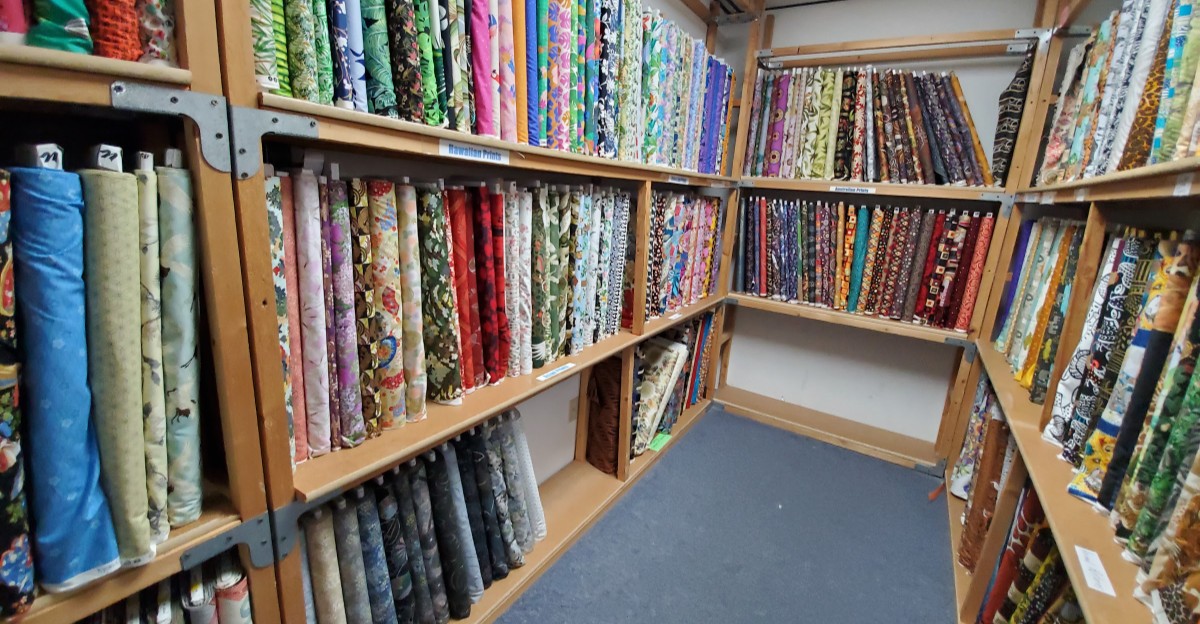
Walking into a fabric store with a specific project in mind sounds wonderfully responsible. Then you spot a print you never knew you needed, and the original plan is hanging by a thread.
With more than 16,000 bolts of fabric filling the shop, browsing can easily become an activity of its own.
There is always another aisle worth checking and another color convincing you that perhaps your next project should start sooner than planned.
San Diego, California, gives people plenty of reasons to lose track of an afternoon, and fabric lovers can add one more to the list.
Part of the fun is arriving with one idea and leaving with several. A quilt might inspire a bag or a fabric bought on impulse might sit patiently until the perfect project comes along.
That is the trouble with a store built for creative people.
More Than 16,000 Bolts Fill The Shelves
Counting bolts is not a normal shopping activity, but the number here is the first thing most people mention.
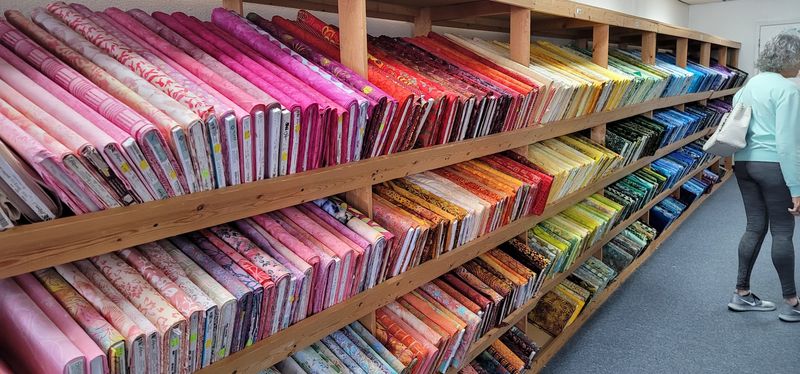
The shop stocks more than 16,000 bolts of 100% cotton fabric sourced from major United States manufacturers.
Some independent quilt shop listings place the count even higher, at 18,000 or more, which gives a sense of how much stock moves through the building.
Standing in front of that much fabric can feel overwhelming at first, and many visitors describe needing a minute to adjust before they start browsing.
The bolts are stacked on open shelving rather than hidden in bins, so colors read clearly from across the room.
Lighting inside is bright and even, which matters a great deal when matching subtle shades for a quilt top.
Because inventory rotates and new lines arrive regularly, the selection on any given visit will not look identical to the last one.
That turnover is part of the appeal for repeat shoppers who stop in every few weeks to see what changed.
Anyone shopping for a specific project may want to bring a fabric swatch or a photo of the existing pieces.
Holding a sample against the bolts under the store lighting is far more reliable than guessing from memory.
Roughly 8,000 Square Feet Of Browsing Space
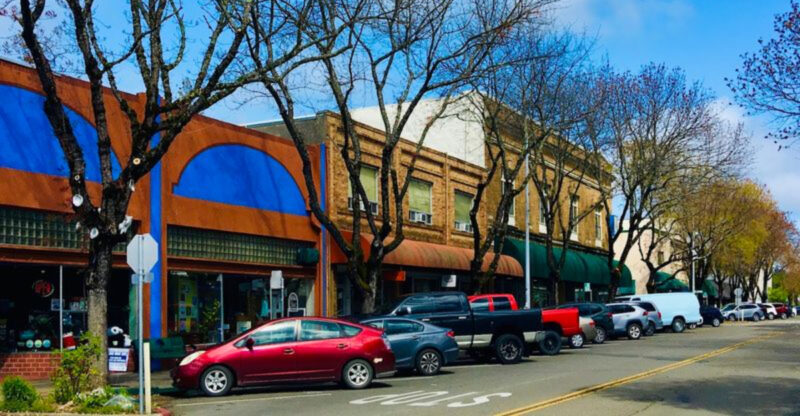
From the sidewalk the building does not announce its size, which surprises nearly everyone on a first visit.
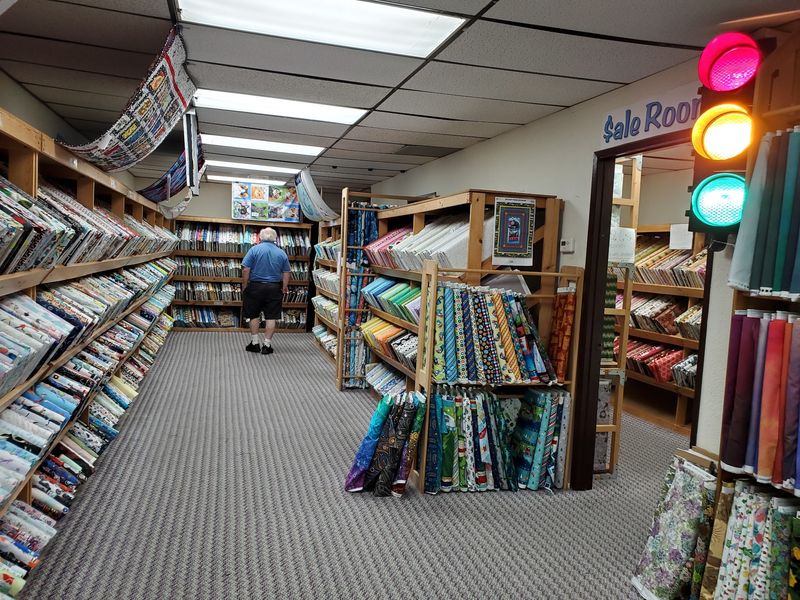
Inside, the shop spreads across roughly 8,000 square feet made up of several connected storefronts in the same commercial strip.
Shoppers move from one room into the next, and just when the browsing seems finished another section appears around a corner.
The layout creates a pleasant sense of discovery rather than a single warehouse floor.
Aisles are wide enough for a cart or a rolling bag, and the flooring stays level throughout.
Noise levels generally stay low because fabric absorbs sound, so conversations do not echo the way they do in hard-surfaced stores.
Comfortable shoes are a reasonable idea since a full walkthrough of every room covers a fair amount of ground.
Seating is limited on the sales floor, so anyone who needs frequent rest breaks may want to pace the visit.
Because the space is segmented, it helps to note which room holds a fabric of interest before wandering off.
Color Matching Is Where The Store Really Shines
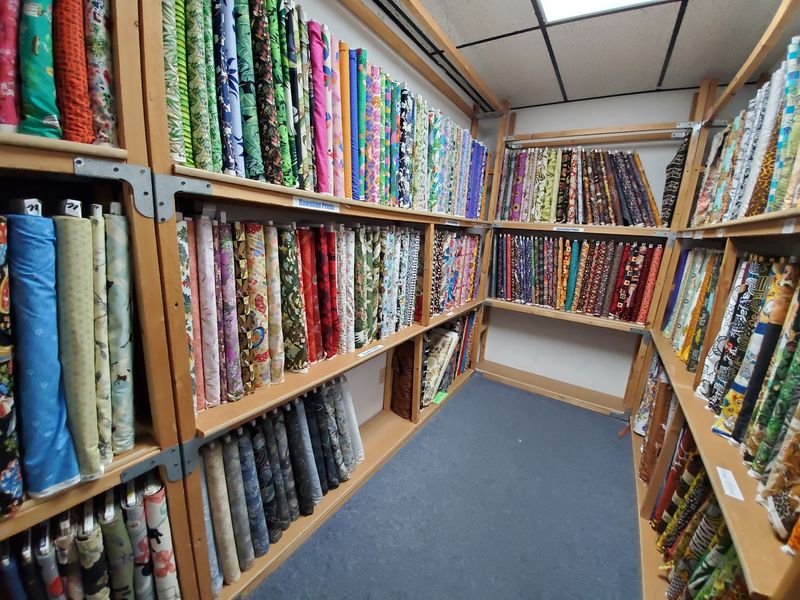
Finding one exact shade of dusty rose can derail an entire quilt project.
The quilting cottons here are arranged in subtle variations across each color family, which makes precise matching far more achievable than at a general craft store.
Small steps between shades let a shopper compare five near-identical options side by side. Good lighting supports the process, since color reads differently under dim or yellow light.
The store is well lit throughout, and bolts sit at heights that allow pulling two candidates together for comparison.
That small convenience matters more than it sounds. Bringing a physical sample remains the most reliable approach.
Phone photos shift color depending on the screen and the original lighting, so a real scrap of the fabric being matched gives a much truer result.
Shoppers working on a long-term project sometimes buy a little extra of a matched shade.
Fabric lines get discontinued, and returning months later for more of the same print is not always possible.
The depth of the color range is one of the main reasons quilters travel from outside the city.
Notions, Batting And Thread Round Out A Project List
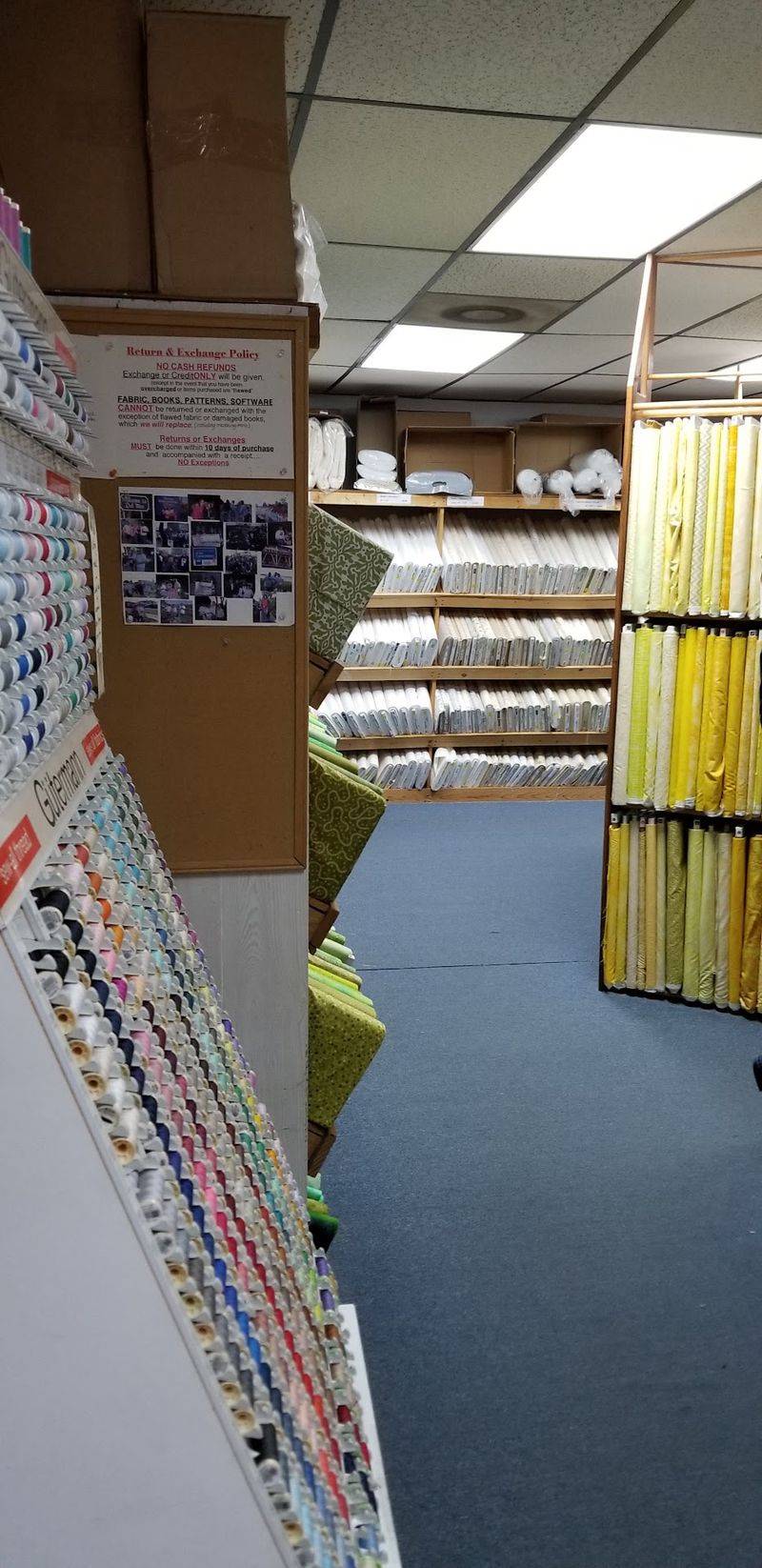
Fabric alone does not finish a quilt, and the shop stocks the rest of the list.
Alongside the cotton, shelves carry batting, thread, notions, rulers, cutting tools and quilting-related gifts. Machine embroidery supplies such as thread and stabilizer are also part of the mix.
Being able to gather everything in one stop saves a second errand across town.
That convenience has become more valuable to local sewers since several large chain fabric retailers closed their doors.
The shop has filled part of that gap for cotton and quilting supplies specifically.
Notions displays sit near the front and middle sections, so they are easy to reach on the way out. Picking up thread after selecting fabric makes matching simpler than guessing first.
Locally made sewn and quilted items are also sold, which gives non-sewers something to browse if they are tagging along.
Small handmade goods work well as gifts.
Sale items rotate, and the shop runs promotions that change from week to week.
Over 600 Quilting Books Line The Shelves
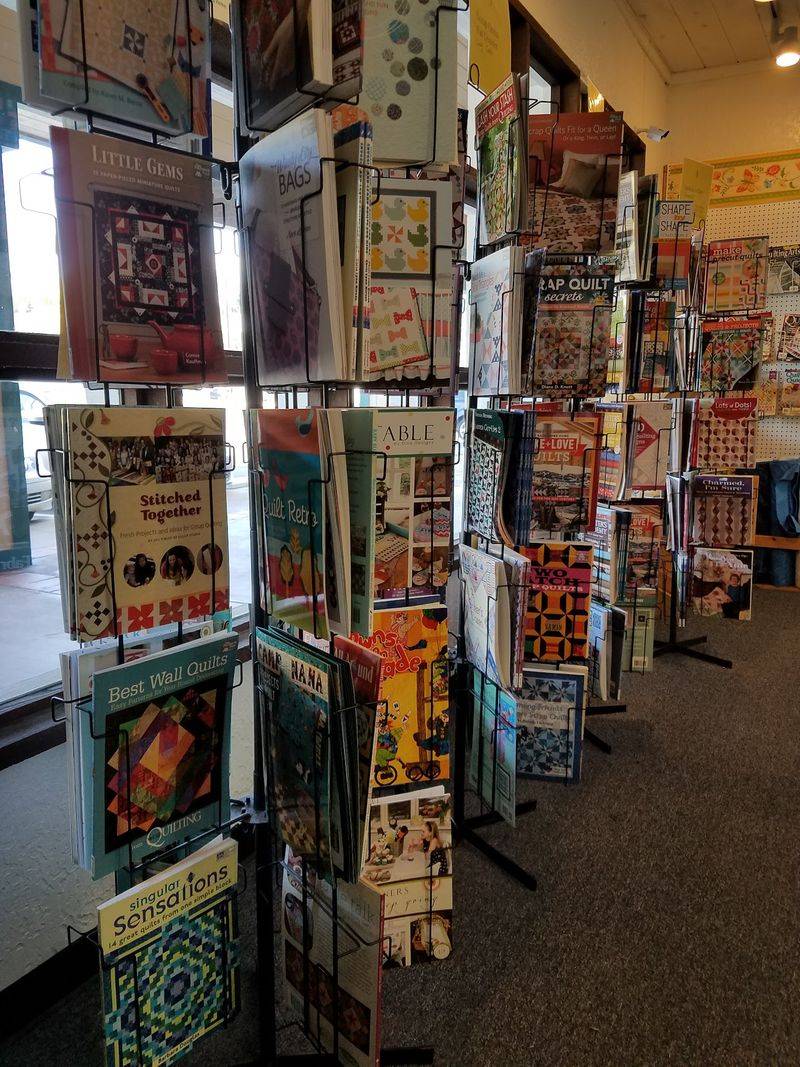
Book lovers who quilt tend to lose track of time in this corner.
Current listings describe a collection of more than 600 quilting-related books along with hundreds of patterns.
The range covers technique guides, block libraries, project collections and reference titles. Flipping through a physical book before buying is something online shopping cannot replicate.
Photos, diagrams and layout clarity vary widely between titles, and seeing the pages helps avoid a disappointing purchase.
The pattern racks work the same way, since sizing charts and fabric requirements are printed right on the envelope.
Clearance sections have included older quilt books at very low prices, which appeals to anyone building a technique library on a budget.
Patterns extend beyond quilts into other sewn items such as aprons and tote bags.
Garment sewers occasionally find useful options here even though the shop leans toward quilting.
Bringing a list of project ideas helps narrow the browsing.
With hundreds of patterns available, a clear goal keeps the selection from becoming a long indecisive stretch of the visit.
An 1,100-Square-Foot Classroom Hosts Workshops
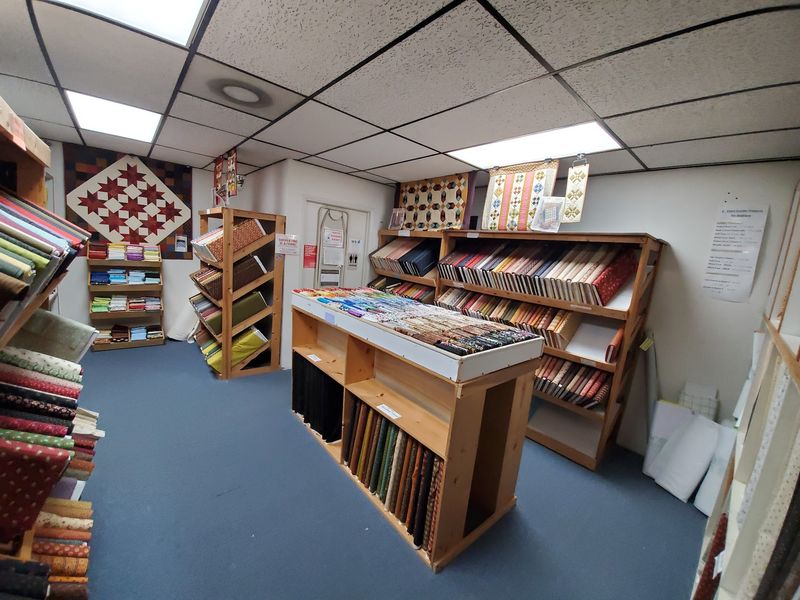
Learning to quilt goes faster with someone nearby who can spot a mistake early.
An 1,100-square-foot classroom inside the shop provides space for classes and workshops, and the room is large enough for multiple sewing stations.
Classes and retreats appear among the services listed for the business.
The San Diego Quilt Show has also held workshops at the store, which speaks to the room’s capacity and setup.
Long tables and good lighting make the space workable for cutting, piecing and instruction. Staff make an effort to keep the temperature comfortable during longer sessions.
The back section is also used for group space rental, and it is not unusual to see a group of quilters working together back there.
Having a dedicated room separate from the sales floor keeps noise from carrying into the shopping areas.
Class schedules and availability change, so contacting the shop directly is the reliable way to confirm current offerings.
Janome Sewing Machines Are Sold And Serviced Here
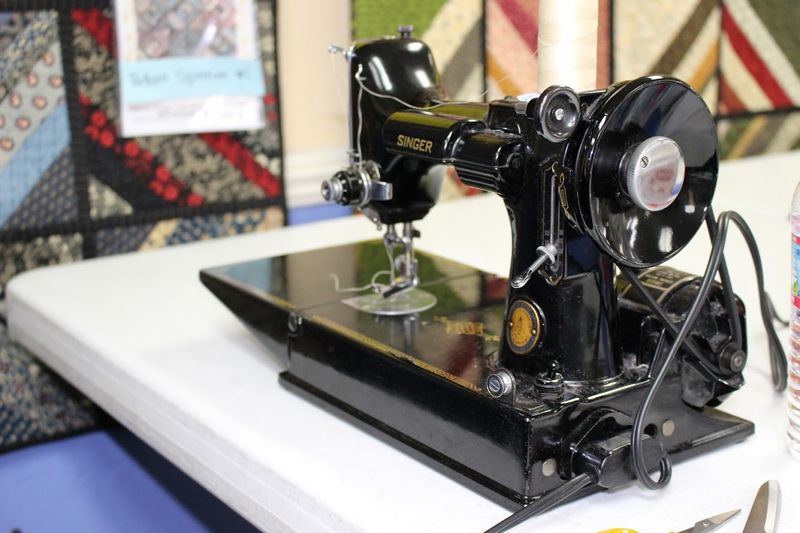
Machine trouble has a way of stopping a project cold.
The shop operates as a Janome dealer, offering sewing machine sales, accessories and service, with a dedicated section handled by a staff member.
Machine repair is available on site. Buying a machine from a shop that also services it has practical advantages.
Questions about tension, feet and settings can be answered by people who handle the same models regularly.
That kind of follow-up support is harder to find through online purchases.
Accessories such as specialty presser feet and bobbins are stocked alongside the machines.
Matching accessories to a specific model is easier in person, since fit varies between machine series.
For repairs, calling ahead to describe the issue helps set expectations about timing and cost.
Service turnaround depends on parts availability and current workload.
Anyone considering a first machine can see options in person rather than comparing spec sheets online.
Sitting down with a machine and feeling how it handles gives information that product listings cannot.
Planning A Visit With Hours, Location And Access
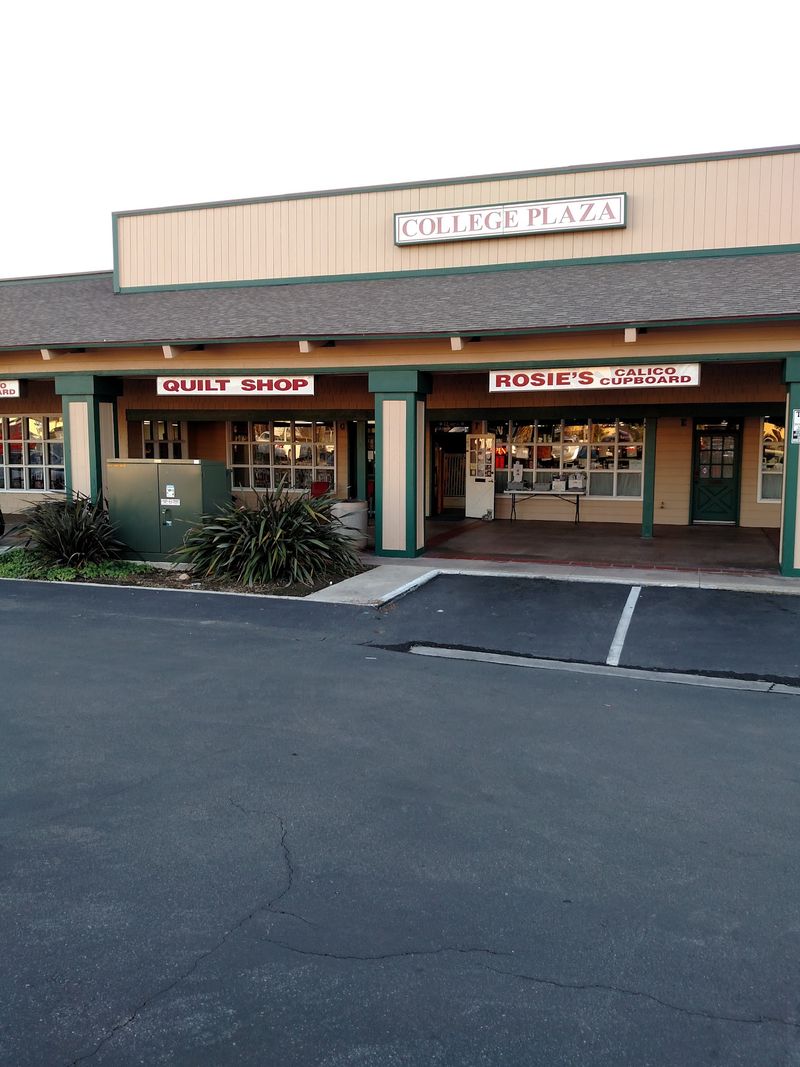
Getting the practical details right makes the difference between a good trip and a closed door.
Rosie’s Calico Cupboard Quilt Shop is located at 7151 El Cajon Blvd, San Diego, California 92115, United States.
The shop opens Monday through Saturday from 9:00 AM to 3:00 PM and stays closed on Sunday.
The shorter daily window is worth noting, since a 3:00 PM close catches some visitors off guard.
Arriving well before closing leaves enough time to browse the connected rooms without rushing the cutting counter.
A large parking lot sits in front of the building, which removes the street parking hassle common in other parts of the city.
The main entrance has no stairs or steps, and the store is wheelchair accessible throughout with level flooring inside.
Calling ahead is the most reliable way to confirm current hours or availability, since schedules can change.
Bringing a project list, fabric swatches and a rough yardage estimate keeps the visit efficient.