This Kentucky City Is Home To An Equine Hospital Where Two Of The World’S Four Veterinarian Farriers Work
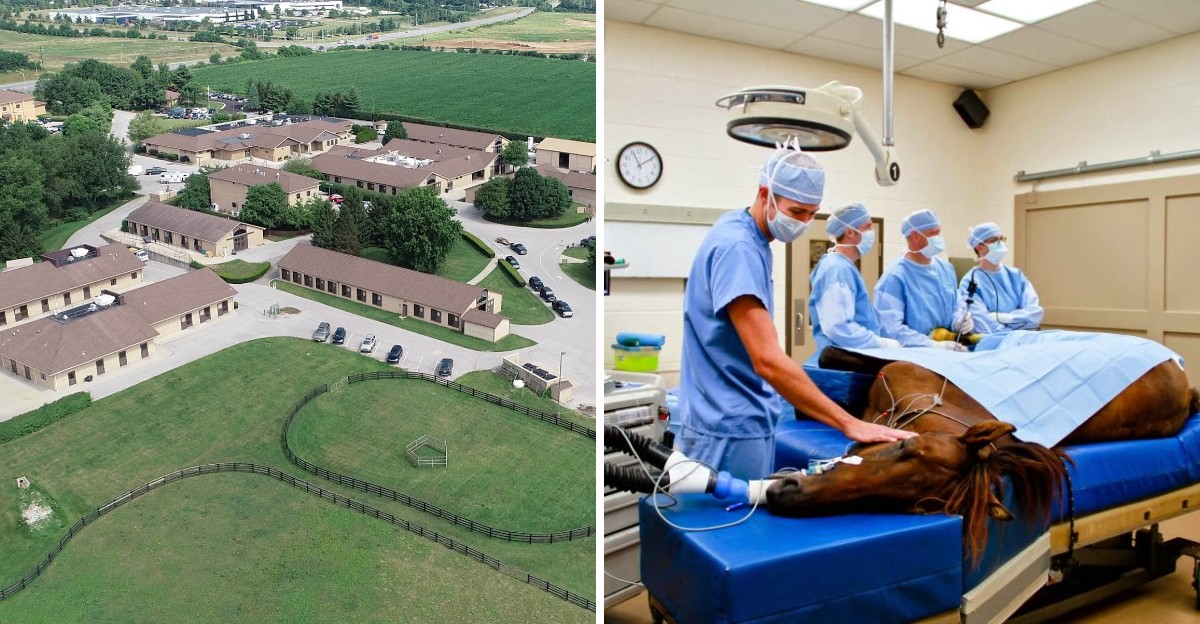
Think about how few people hold two demanding professions at once. Now narrow it to horseshoeing and veterinary medicine.
Reporting suggests only four people in the world do both, and two of them work at the same Lexington hospital. That is the kind of detail that stops a conversation.
This place treats horses the way a major hospital treats people. There is an MRI, a PET scanner, and video gait analysis that studies how a horse moves.
There is also a full farrier shop on site, because sometimes the fix is the shoe. More than fifty veterinarians work there, many with board certifications in surgery, internal medicine, cardiology and eye care.
They handle thousands of surgeries a year. Some of the patients have won races you have watched on television.
The hospital sits on twenty four acres in the middle of horse country. Kentucky takes its horses seriously, and this is the proof.
A Horse Hospital With A Nickname To Live Up To
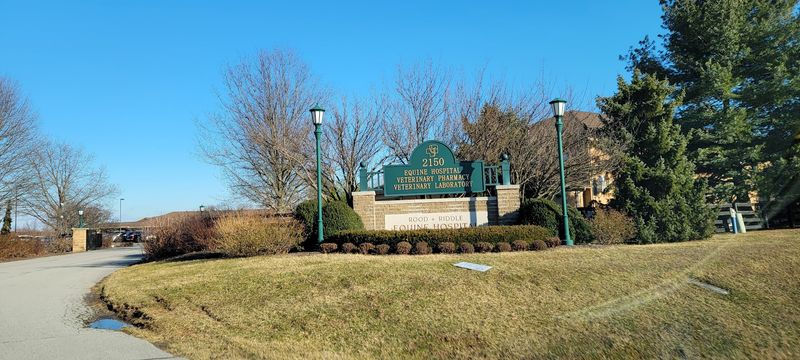
Some people call Rood & Riddle Equine Hospital the Mayo Clinic for horses. That nickname sets a high bar, and the place has spent decades earning it.
The hospital sits on 24 acres just north of downtown. Nine barns hold 150 stalls, which is more beds than some small-town human hospitals.
Veterinarians William Rood and Thomas Riddle opened the practice in 1986. What began as a partnership grew into a full referral center with satellite hospitals in Saratoga Springs, New York, and Wellington, Florida.
Referral matters here. When a local vet reaches the limit of what a farm call can solve, this is where the trailer heads next.
You will find horses of every background in those stalls. Racehorses share the property with backyard geldings and show ponies, and the charts get the same attention.
The location makes sense too. Central Kentucky is packed with breeding farms, training tracks, and bluegrass pasture, so demand never really slows down.
Visitors have long been able to see parts of the complex through organized tours. Guests often mention watching procedures and meeting staff across several departments.
You can find the campus at 2150 Georgetown Rd Building 25, Lexington, Kentucky.
Vets Who Also Swing A Farrier’s Hammer
Very few people on earth hold both a veterinary degree and farrier credentials. Two of them work at this Lexington hospital, which is why horse owners fly in from other states.
Dr. Scott Morrison built a farrier business first, then went to veterinary school. Today he oversees the hospital’s Podiatry Center.
Dr. Scott Fleming followed a similar road. He attended farrier school, ran his own shoeing business, became a veterinarian, and later became a shareholder in the practice.
Dr. Craig Lesser adds another layer. He passed his American Farriers Association certified farrier exam just days before graduating veterinary school, and he now focuses on distal limb diseases.
Why does that combination matter so much? A vet can read an X-ray, and a farrier can shape steel, but one person doing both removes the guesswork between them.
No government agency tracks how many veterinarian farriers exist worldwide. That is part of why the number is so often debated and so rarely matched.
For you as an owner, the takeaway is simple. Hoof problems improve fastest when diagnosis and shoeing happen in the same conversation, not in two separate appointments weeks apart.
The Podiatry Center Where Hooves Get Custom Work
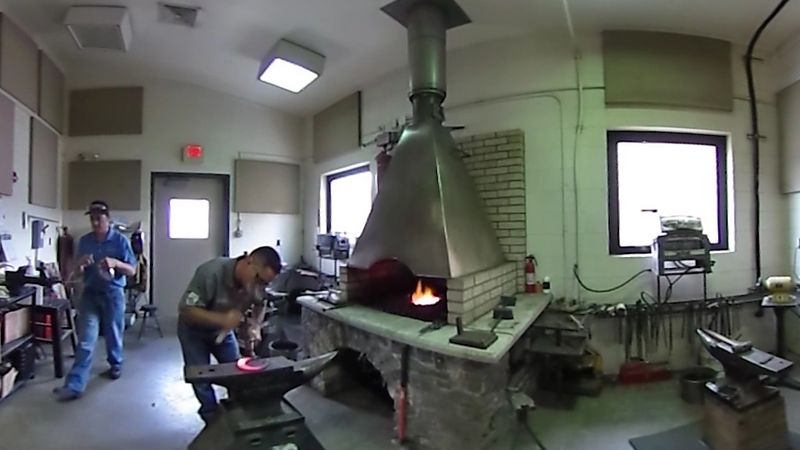
No hoof, no horse. That old saying is basically the mission statement of the hospital’s Podiatry Center.
Inside, veterinarians and farriers work side by side on the same cases. The collaboration means a shoe can be adjusted the same day a scan reveals a problem.
Corrective shoeing handles conditions like navicular syndrome and club feet. Those are structural issues, and fixing them takes patience plus repeated small changes.
Tougher cases come through too. The team manages laminitis and deep hoof infections, which rank among the most stubborn problems in horse medicine.
Diagnostics guide every decision. Digital radiography, PET scans, MRI, and video gait analysis all feed into the plan before anyone heats up metal.
Video gait analysis deserves a mention on its own. Watching a horse move frame by frame catches subtle irregularities that the human eye misses at full speed.
Owners bring horses here after local options run out. Reviewers frequently mention lameness exams and the clear explanations that follow.
If your horse has a chronic foot issue, ask your vet whether a podiatry referral makes sense. Specialized hoof care is a real field, not a luxury add-on.
Imaging Machines That Would Impress Any Doctor
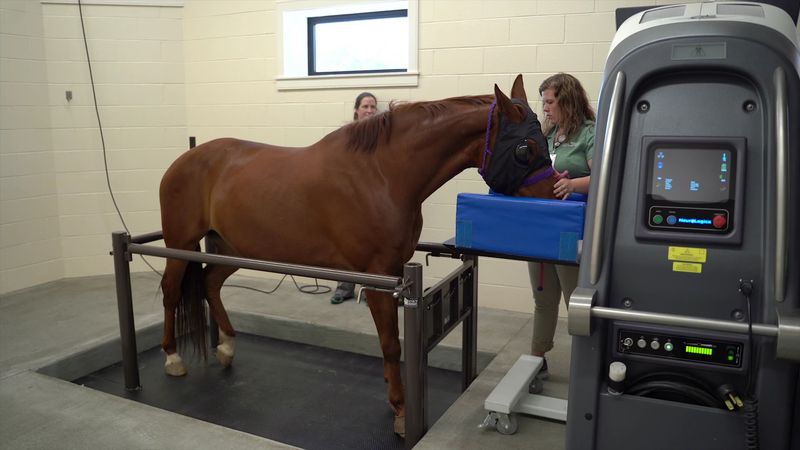
Guessing has no place in modern horse medicine. That is why this hospital stocks imaging equipment on par with a research center.
Computed tomography, or CT, builds cross-section views of bone and tissue. It shows detail that a standard X-ray simply cannot reach.
Equine positron emission tomography, better known as PET, is one of the newer tools in the field. It highlights areas of active change inside bone, often before damage becomes visible elsewhere.
MRI rounds out the soft tissue picture. Tendons, ligaments, and joint surfaces all show up with striking clarity.
Ultrasonography handles day-to-day checks. It is fast, portable, and useful for tracking healing over weeks rather than months.
All that hardware serves one goal. Precise diagnosis leads to targeted treatment, and targeted treatment saves time, money, and discomfort.
Think about what that means practically. A horse with vague hind end lameness might need three machines and two specialists before anyone commits to a plan.
Owners who travel long distances often come specifically for imaging their home clinic cannot provide. The drive tends to be worth it when answers arrive the same week.
Surgery Suites Built For Athletes
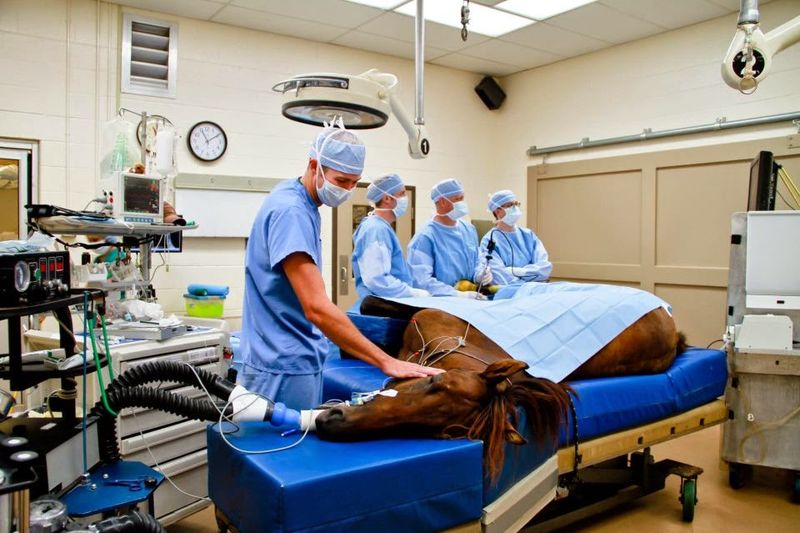
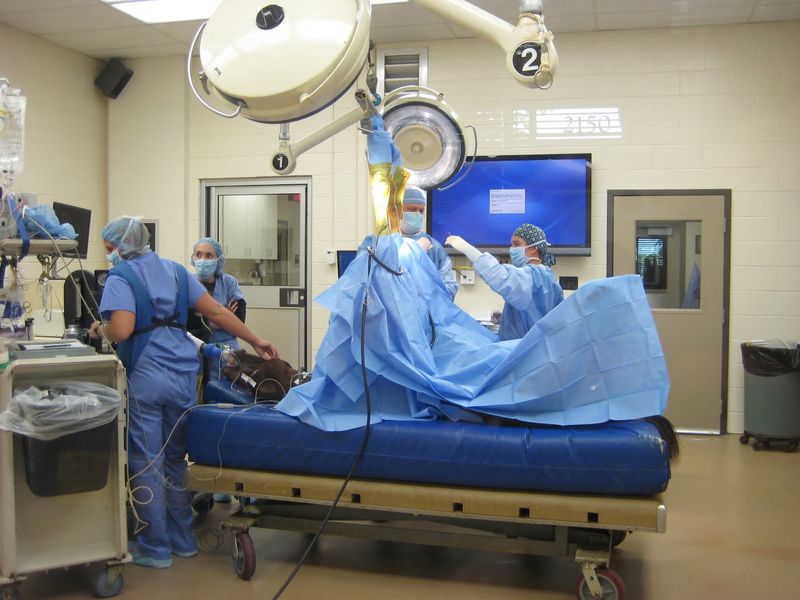
Operating on a 1,200-pound patient takes serious planning. Board-certified surgeons at Rood & Riddle handle both orthopedic and soft tissue procedures.
Orthopedic work covers bones and joints. Chip removals, OCD lesion cleanups, and joint repairs all fall into that category.
Soft tissue surgery covers everything else. Abdominal emergencies and wound reconstruction demand speed and steady hands.
Staffing is arranged so the team can respond quickly to severely ill or injured horses. In a colic emergency, hours genuinely change outcomes.
Recovery gets as much attention as the surgery itself. Horses wake from anesthesia in padded rooms designed to keep them safe while they stand up.
Owners have described being shown their horse before and after procedures, including the recovery space. Clear explanations seem to be part of the routine, not a special favor.
Names come up often in feedback, including surgeons who take extra minutes to answer repeat questions. That kind of patience counts when you are nervous in a waiting area.
For equine athletes, surgical skill can mean a return to competition. For everyone else, it simply means comfort, soundness, and more good years in the pasture.
Reproductive Science On A 200-Acre Scale
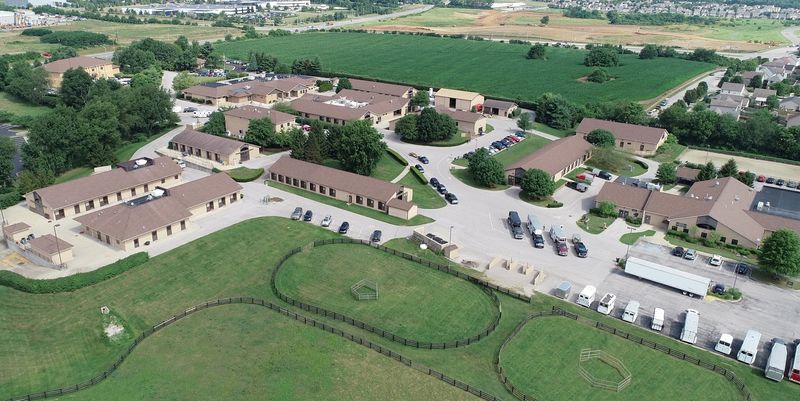
Breeding horses is part art, part laboratory work. The hospital’s Reproductive Center leans hard into the science side.
Services cover both mares and stallions. Fertility evaluation, breeding management, and problem pregnancies all get specialist attention.
Advanced procedures include embryo transfer and oocyte harvesting. Those techniques let valuable bloodlines continue even when a mare cannot carry a foal herself.
Embryo transfer works in a straightforward way. An embryo is moved from the donor mare to a recipient mare who carries the pregnancy to term.
That requires a herd of healthy recipient mares. A 200-acre farm near the Lexington hospital supports that herd along with a stallion complex.
Space like that is not decoration. Mares and foals need turnout, grass, and room to move for proper development.
Central Kentucky’s breeding industry keeps this department busy through the season. Timing matters enormously, and the calendar leaves little room for delay.
If breeding is in your future, the practical lesson is planning ahead. Reproductive specialists want records, exams, and decisions made early rather than during a scramble.
Ambulatory Vets Who Bring The Clinic To You
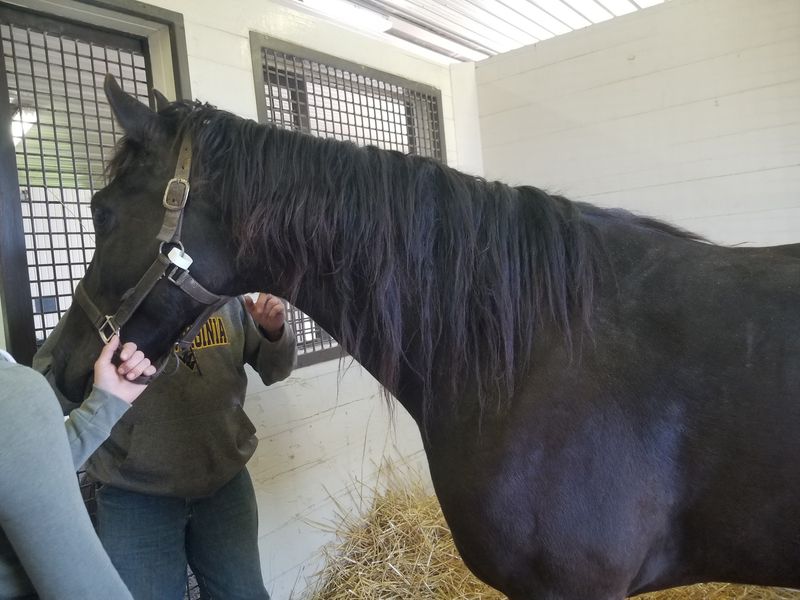
Not every horse needs a trailer ride. Ambulatory teams from the hospital drive out to farms and stables instead.
Those mobile veterinarians carry equipment and expertise in the truck. Routine exams happen right in the barn aisle where the horse feels settled.
Coverage includes emergencies. When something goes wrong at midnight on a back road farm, a responding vet changes everything.
Preventative care is the quieter half of the job. Vaccinations, dental checks, and wellness exams prevent bigger bills later.
General reproduction work also happens on the road. Many breeding tasks are handled more efficiently at home than at a hospital.
The arrangement creates a useful bridge. An ambulatory vet who spots something serious can refer the case straight into the main hospital with full notes attached.
Stress reduction matters more than people expect. A horse that stays calm gives a more accurate exam, especially during lameness evaluation.
One reviewer noted that a horse showed lameness differently in a quiet arena than in a busy courtyard. Environment shapes results, which is exactly why on-farm visits remain valuable.
Healing Powered By The Horse’s Own Body
Sometimes the best medicine already lives inside the patient. Regenerative therapy uses a horse’s own biology to speed repair.
Two treatments lead the way here. IRAP, short for Interleukin-1 Receptor Antagonist Protein, and PRP, or Platelet-rich Plasma, both come from the horse’s own blood.
The process starts with a blood draw. Lab work concentrates the helpful components, and the result gets injected where healing is needed.
Targets include tendons, ligaments, and cartilage. Those tissues heal slowly on their own, which makes extra help genuinely useful.
Joint problems respond well to this approach. Reducing inflammation inside a joint can keep a horse comfortable and working longer.
Recovery still takes time. Regenerative medicine supports the body’s process rather than replacing rest and controlled exercise.
Pairing these therapies with advanced imaging makes the whole plan sharper. Vets can see the injury clearly, treat it precisely, and track progress with follow-up scans.
Taken together with the podiatry work, the surgery suites, and the mobile teams, the picture becomes clear. A quiet Kentucky campus quietly holds some of the deepest horse expertise anywhere.