This Nebraska Country Store Sells Flour, Spices, And Baking Staples In Bulk, Plus Homemade Pies
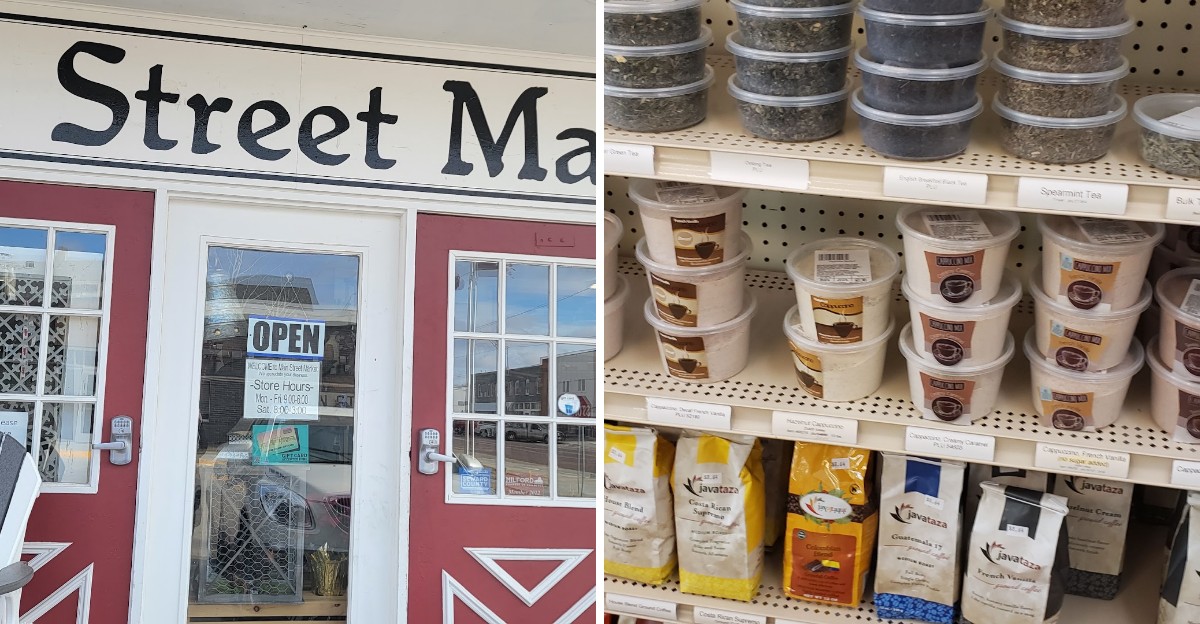
Some of the best stops in Nebraska don’t announce themselves with a big sign or a parking lot full of cars. I pulled off a two-lane highway looking for a quick sandwich and walked out an hour later carrying a bag of bulk cinnamon, a loaf of soft bread, and a pudding pie I had no plan to buy.
The place turned out to be part grocery store, part bakery counter, part gift shop, and entirely built for people who cook from scratch. If you bake, or if you just like wandering aisles where nothing looks like it came from a warehouse, this one deserves a detour.
A Grocery Store on Highway 6 in Milford
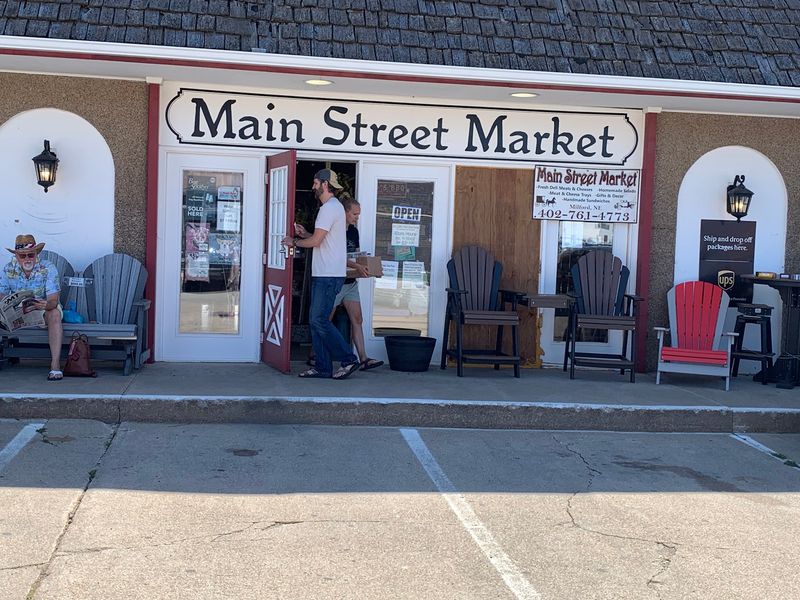
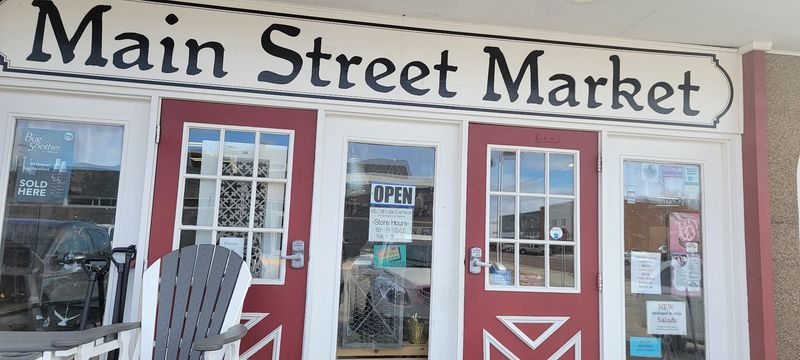
Right along US Highway 6 in the town of Milford, Main Street Market sits at 115 US-6, close enough to Interstate 80 that a five minute detour puts you in the parking lot. It reads as a country store from the curb, sometimes with handmade yard furniture or a wagon parked out front.
Inside, the layout splits neatly. One side runs as a working grocery with produce, a deli counter, frozen goods, and rows of bulk bins.
The other holds home goods, gifts, and a back room stocked with toys and puzzles for kids.
Karen and Craig Bontrager own and run the place as a family business, and they describe their goal as bringing old-fashioned bulk foods and a piece of Pennsylvania Dutch culture to Milford. That shows up in the brands on the shelves and in the way the bulk section dominates the inventory.
Seward County puts it within easy reach of Lincoln, and the store draws regular traffic from people who make the drive specifically for flour, spices, and whatever came out of the bakery that morning.
From Small Shop to a Bigger Storefront
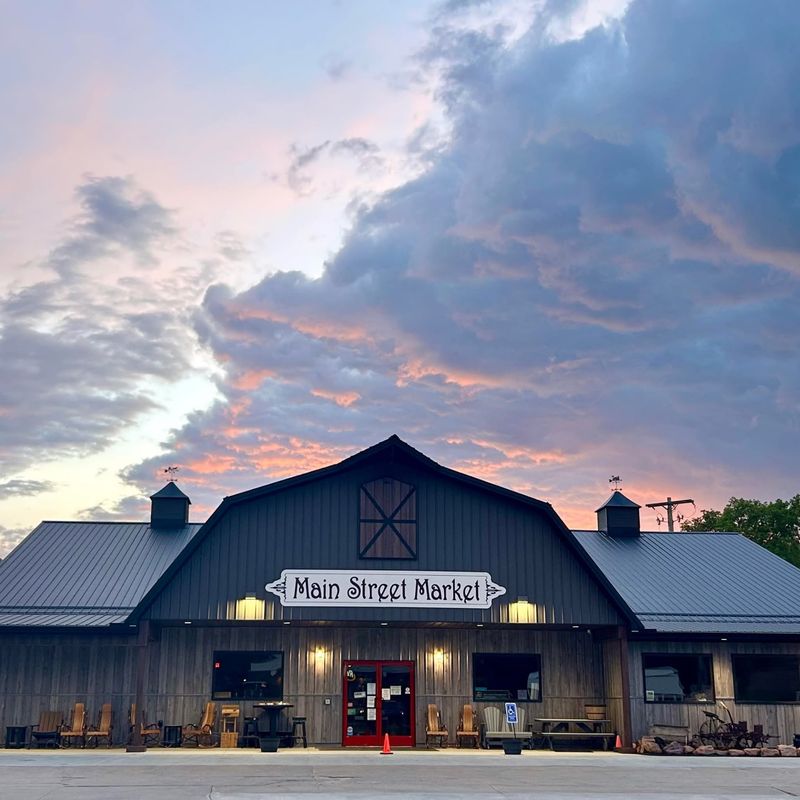
Growth is easy to spot here. The market operates out of a larger space than it once did, and the extra square footage went straight into more shelves, more bulk bins, and a bigger prepared-food operation rather than empty aisles.
The Bontragers run it as a family business built around a simple idea: stock the things that disappeared from regular supermarkets. Bulk food makes up the majority of what they carry, which is unusual for a store this size in a town this size.
Mennonite and Amish-made goods supply a large share of the inventory, from pantry staples to handmade rugs and trinkets. Those products come in from larger suppliers rather than being manufactured for big-box distribution, and the difference is visible in the packaging and the labels.
What keeps the place interesting is that the mix keeps shifting. Seasonal baked goods rotate through, Colorado peaches show up when they’re ready, and homemade soups appear once the weather turns cold.
You can visit twice in a year and find a different store both times.
Bulk Flour by the Bagful
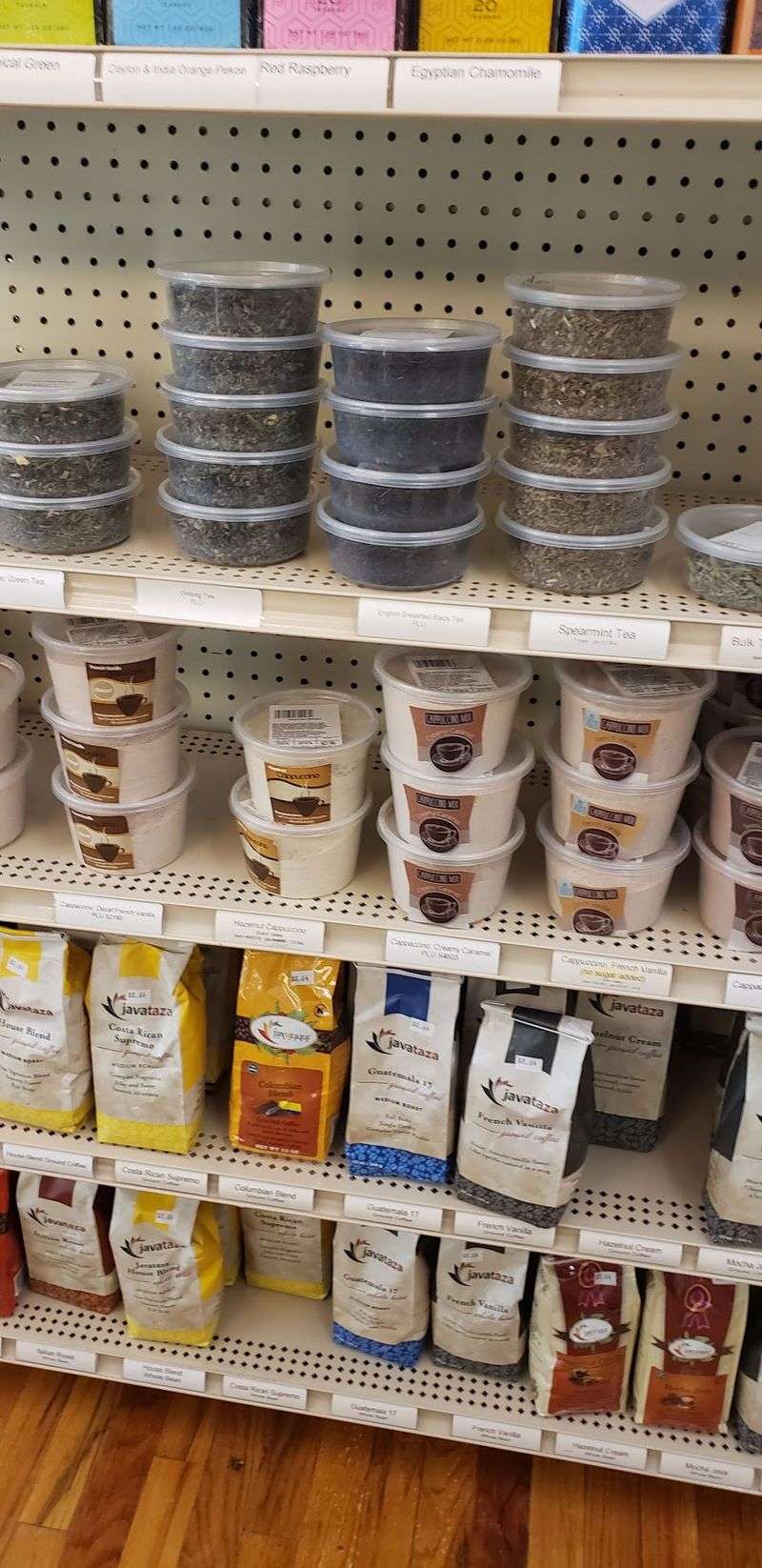
Ask a scratch baker what they can’t find locally and the answer is usually a specialty flour. Main Street Market carries an unusually deep lineup: rye, whole wheat, coconut, tapioca, white rice, almond, and potato flour, plus high gluten and full strength options for bread work.
Buying in bulk changes the math on a recipe. Instead of paying for a small branded bag, you scoop what you need, which helps when a recipe calls for two cups of something you’ll use once.
The bulk shelves extend well past flour. Sugars, oatmeal, cocoa, baking powder and soda, yeast, baking chips, raisins, craisins, nuts, and shredded coconut all sit in the same neighborhood, along with pie fillings for anyone skipping a step.
Mixes fill another section, covering baking blends, dips, and puddings that rarely make it onto supermarket shelves. Gluten-free shoppers find real options here too, including cake and brownie mixes.
Bring a list. It’s the kind of aisle where you remember four more things you needed halfway through.
The Spice Wall and Soup Bases
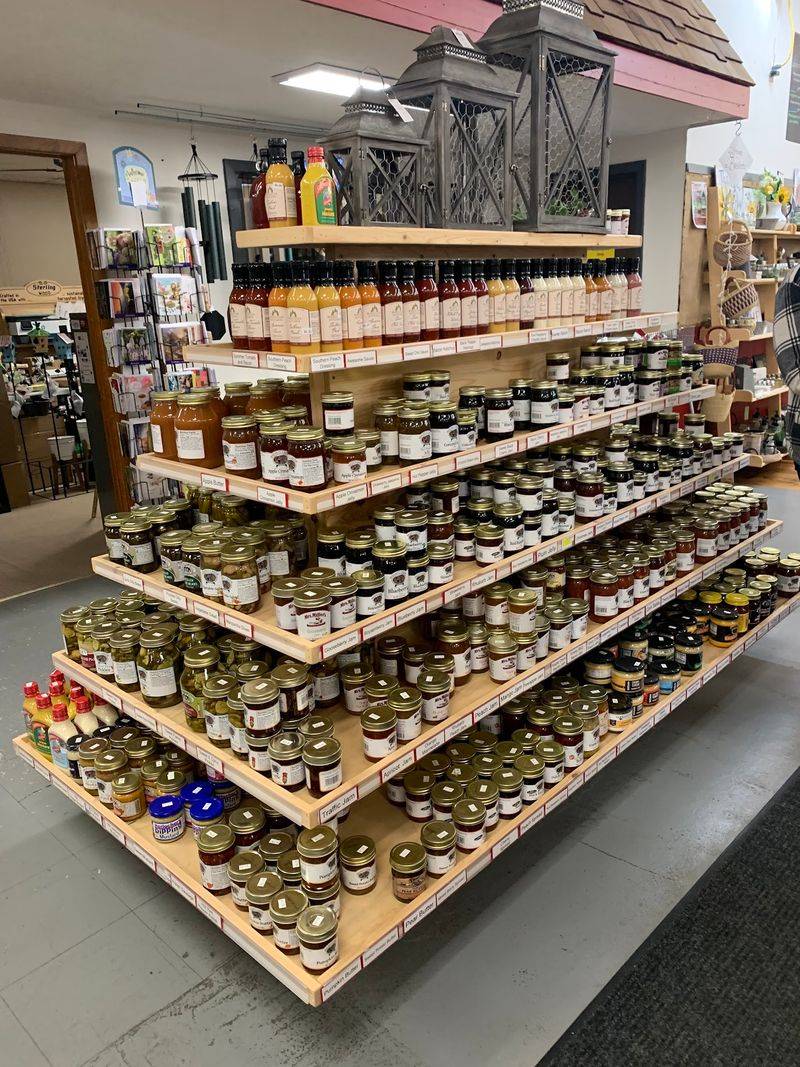
Spices are where the savings get obvious. A full line of spices sits in bulk packaging here, sold without the branded jar markup that makes a teaspoon of cinnamon feel like a luxury purchase.
Soup bases round out the same section, which matters if you make stock from scratch or want to skip the sodium bombs sold at chain stores. The variety runs broader than what a standard grocery spice rack holds.
For anyone who cooks from a cookbook rather than a box, the appeal is practical. Restocking a whole spice cabinet in one trip is realistic here, and replacing a single tired jar of paprika costs very little.
Pair the spice shelves with the flour bins and you can walk out with everything a serious baking weekend requires. Add canning jars, baking dishes, and cutlery from the household side, and the store covers the equipment too.
Prices across the store generally run above the big discount chains, but the goods are fresher and come from smaller producers. For spices specifically, the bulk pricing tends to come out ahead.
Homemade Pies and the Bright Side Bakery Shelf
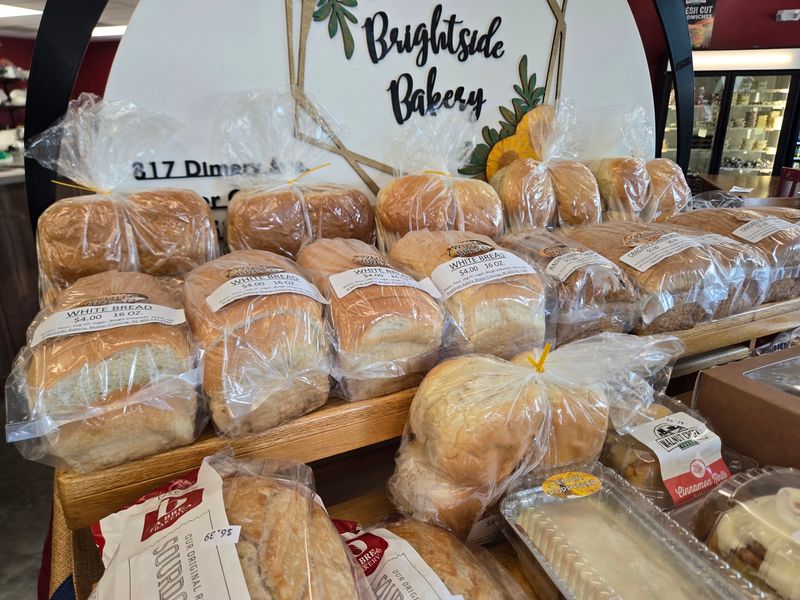
Pie is the reason a lot of people turn off the highway. Fruit pies and pudding pies are made in-house, and seasonal baked goods rotate through depending on the time of year.
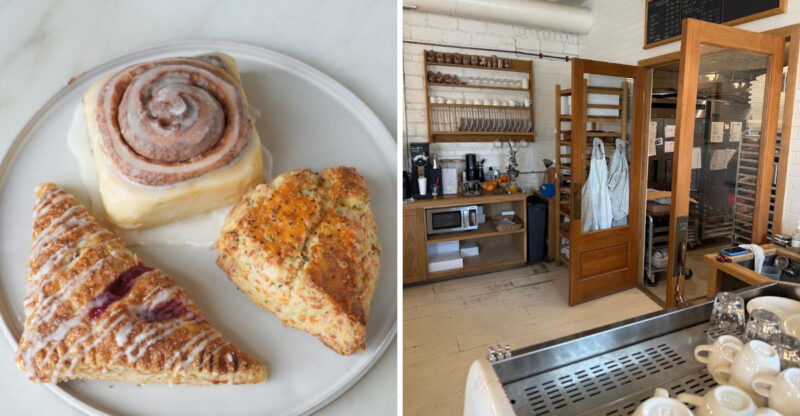
The rest of the bakery case comes from Bright Side Bakery nearby. Fresh cinnamon rolls, Amish cinnamon bread, sandwich breads and rolls, kolaches, and fruit turnovers all land on those shelves, and the bread is soft enough that it becomes the whole point of a sandwich order.
Kolaches deserve a mention of their own. Nebraska takes its Czech pastries seriously, and finding them on a small-town shelf alongside cinnamon bread makes for an odd, delightful combination of baking traditions under one roof.
Cakes and brownies show up in gluten-free versions as well, which is rare at a store of this scale.
Here’s the practical advice: baked goods move. If you arrive late in the day expecting a specific pie, you may be choosing from what’s left.
Morning trips give you the full case and the cinnamon rolls still warm-ish from delivery.
Deli Sandwiches, Soups, and Salads
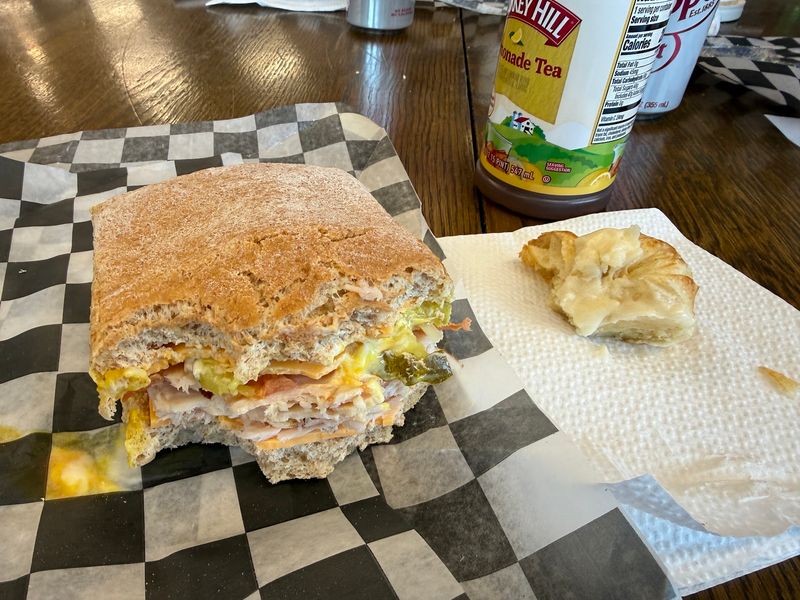
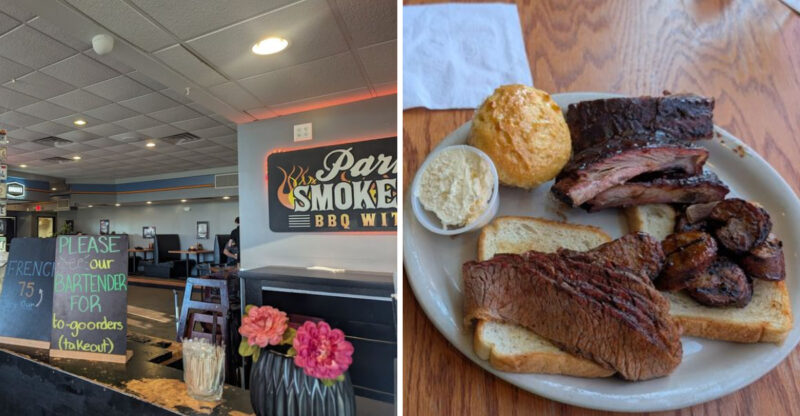
You order lunch here on paper. A little checklist lets you pick your sandwich, your bread from four options, and your toppings, then hand it over and wait a few minutes while the deli crew builds it.
Around a dozen sandwiches make the lineup, including the stacked 8-miler loaded with meats, cheese, and vegetables, a pulled pork option, and the Fireball served on ciabatta-style bread. Ham salad shows up as both a sandwich filling and a deli container to take home.
Two kinds of homemade soup are usually going during the colder stretch of the year, made fresh daily. Deli salads stay available year-round, with potato salad and pasta salad in the case alongside the ham salad.
The counter also slices meats and cheeses to order, and the frozen section holds more if you’re stocking up. Bacon here comes from smaller producers rather than national brands.
Seating is limited compared to a restaurant, so plan for a quick lunch rather than a long one. Many people eat and then shop the aisles afterward.
Rugs, Cookbooks, and the Toy Room
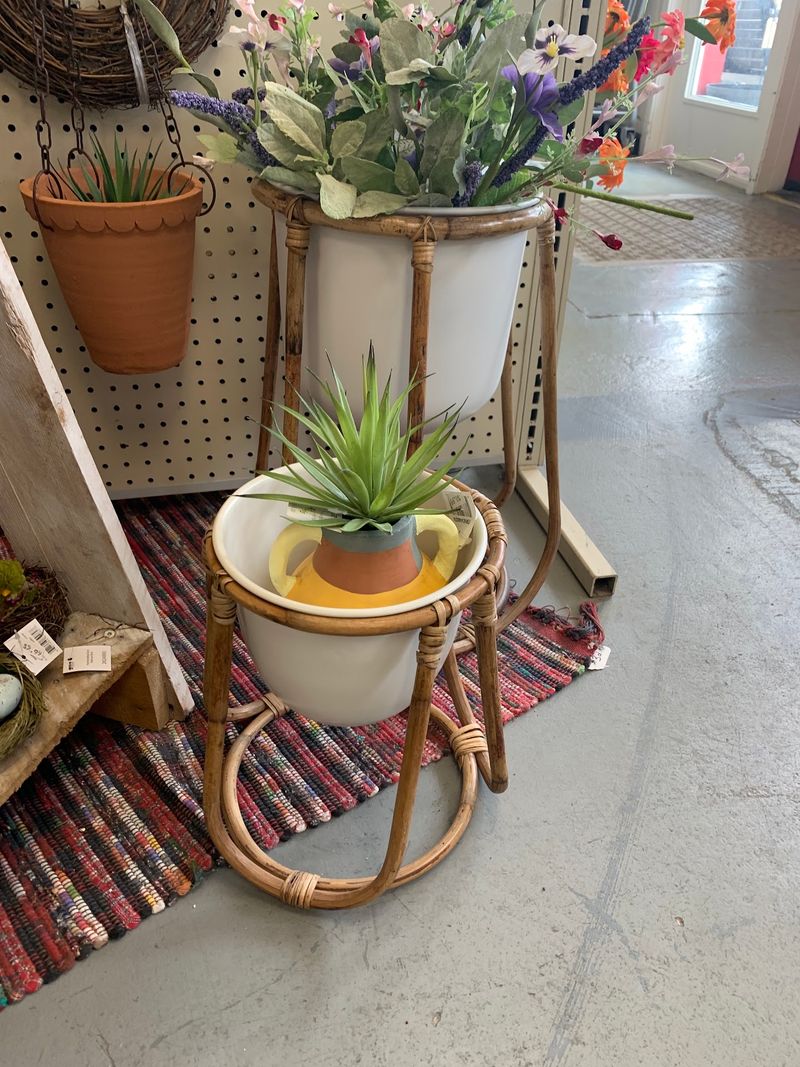
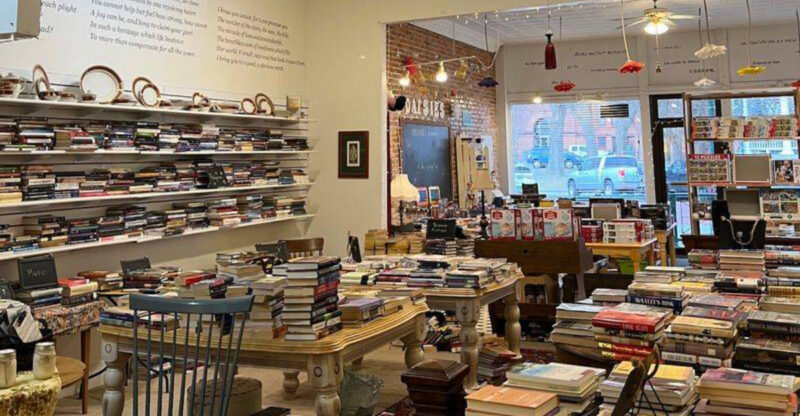
Half of the building has nothing to do with food. Old-fashioned-inspired decor fills the shelves on that side, along with handmade rugs sturdy enough for a front door and faith-based gifts.
Practical household goods sit right alongside the decorative stuff: cutlery, canning jars, baking dishes, cookbooks. If you just filled a cart with bulk flour and spices, the pans and jars to use them are twenty feet away.
Kids get their own territory in a back room stocked with toys, puzzles, and learning activities, which buys parents time to browse in peace. The bulk candy aisle usually wins their attention anyway, sold in resealable containers or bags.
Outdoor handmade yard and patio furniture appears out front from time to time, along with the occasional all-terrain tricycle or wagon. Nothing about the selection feels mass-produced.
Wandering is part of the experience. An hour disappears easily, and the inventory turns over enough that repeat trips still surface something unfamiliar on a shelf you thought you’d already picked through.
Planning Your Trip off Interstate 80
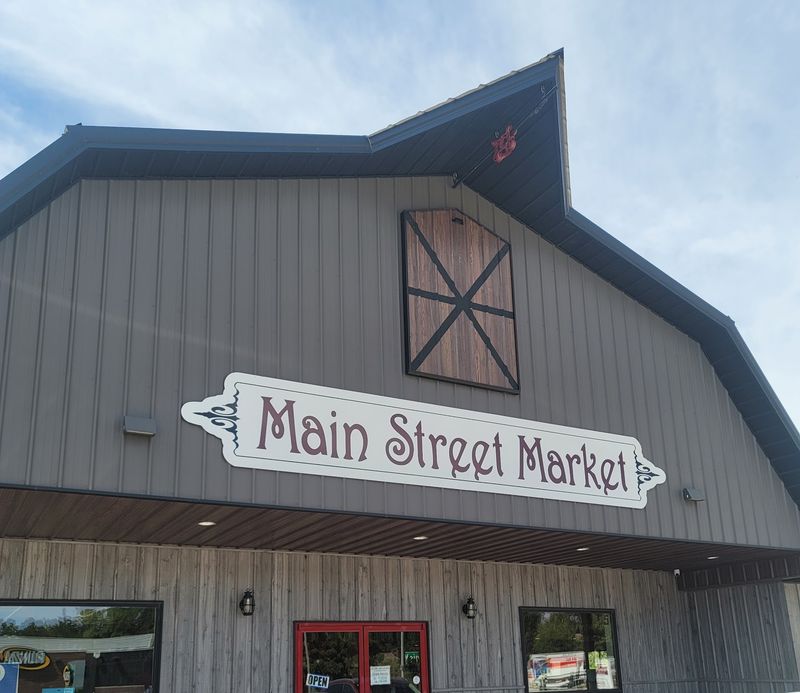
Getting there is simple. The market sits at 115 US-6 in Milford, a short hop off Interstate 80 and a straightforward drive from Lincoln, which makes it workable as a half-day outing or a cross-country pit stop.
Doors open at 9 in the morning Monday through Friday and stay open until 6 in the evening. Saturday runs earlier and shorter, opening at 8 and closing at 3.
Sunday the store is closed.
Time your visit around what you want. Mornings give you the best shot at cinnamon rolls, bread, and a full pie case, while a cold-weather midday trip means fresh soup at the deli.
Bring reusable containers or at least a plan for hauling bulk goods, since a serious flour and spice run adds up fast in weight.
Seasonal windows matter here as well. Colorado peaches turn up when the crop comes in, seasonal baked goods rotate through the year, and the soup pot only runs during the colder months.
Why the Detour Makes Sense
Scratch cooks get the most out of this store. If your pantry runs on bulk flour, real spices, and yeast measured out by weight, a single trip can replace several frustrating searches through supermarket aisles.
Everyone else still finds a reason to stop. The sandwich counter turns a highway lunch into something better than a chain drive-thru, and the pie case handles dessert on the way home.
Families do well here thanks to the toy room, the candy bins, and enough odd merchandise to keep kids curious. Retirees and day-trippers get a low-cost outing with a drive through farm country attached.
Expect prices on some grocery items to sit above the big discount stores. What you’re paying for is freshness, smaller producers, and goods that mostly aren’t sold anywhere nearby.
The verdict comes down to how you shop. Anyone who cooks from scratch, collects specialty ingredients, or simply likes a store where wandering pays off will find the Milford detour an easy call, and probably a repeat one.