12 California Counties Seeing A Massive Spike In Black Bear Sightings This Fall
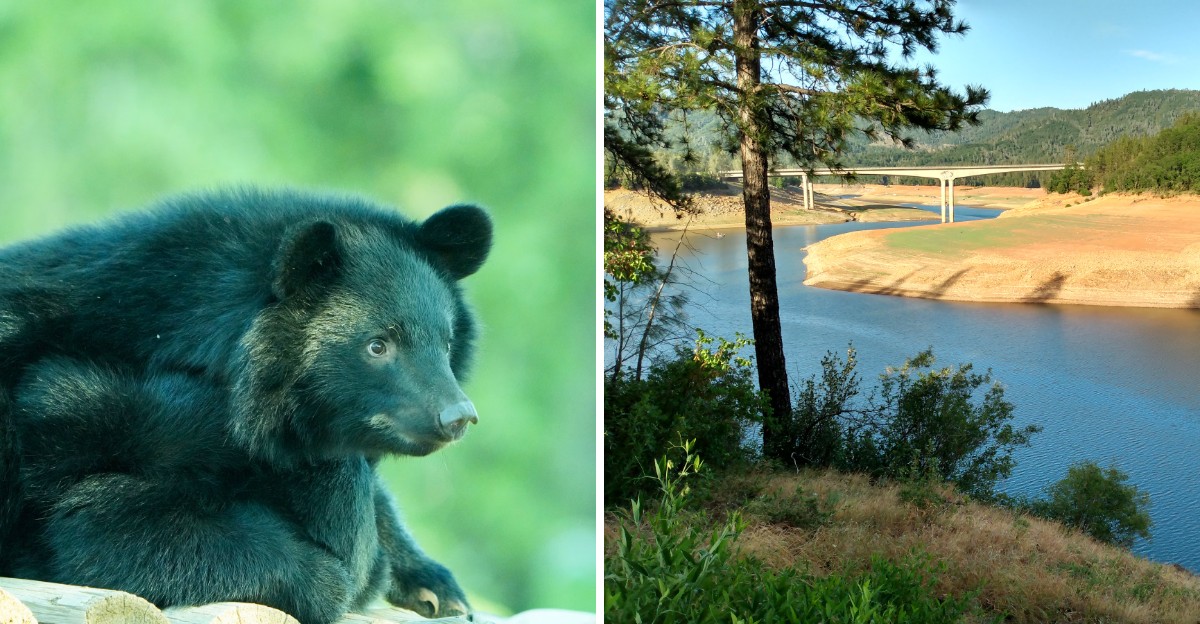
Fall can bring some unexpected visitors into neighborhoods, backyards, and mountain communities.
When black bears become more active around places where people live, even an ordinary trip to the trash cans starts feeling a lot more interesting.
Seasonal changes can send bears searching widely for food before winter, putting them closer to homes, roads, and other busy areas.
Reports of sightings can quickly get people checking outdoor cameras and paying much closer attention to what is happening beyond the porch.
That strange shape moving near the garbage cans is giving some California residents a very good reason to turn the porch light on first.
Spotting a bear can be exciting, but excitement needs to come with plenty of distance and common sense.
1. El Dorado County: South Lake Tahoe Leads The Pack
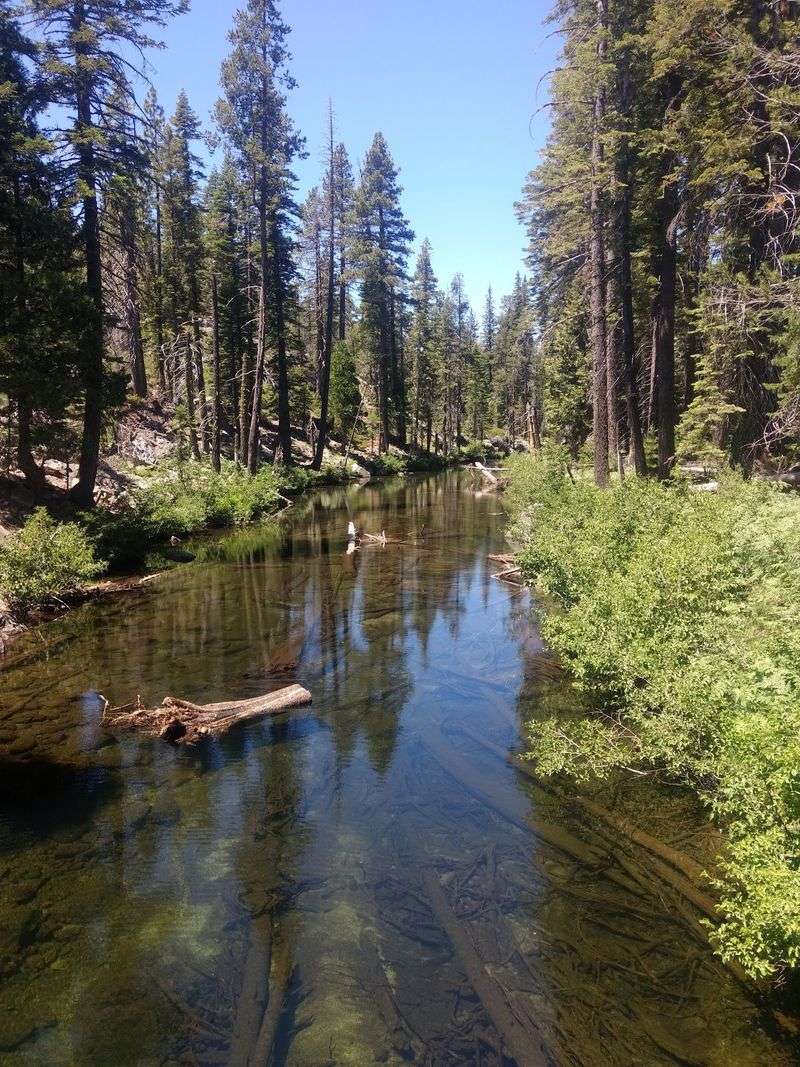
Picture yourself ordering a scoop of mint chip and finding a bear already helping itself behind the counter.
That actually happened in South Lake Tahoe, where a bear nicknamed Fuzzy wandered into an ice cream shop and became local legend.
The numbers back up the stories. South Lake Tahoe Police logged 174 bear-related calls by mid-August 2026, compared with 97 during the same stretch a year earlier.
That is close to an 80 percent jump, which is why this county sits at the top of the list.
Most of those calls were simple sightings, not attacks. Still, officers described bears acting like it was already deep fall, digging through bins and testing door handles well ahead of schedule.
If you are visiting, stop by the South Lake Tahoe Police Department at 1352 Johnson Boulevard, South Lake Tahoe, CA 96150, for current bear advisories and canister rules.
Rangers there will happily explain why a cracked car window smells like dinner to a bear.
Practical steps matter more than luck. Keep trash locked in a certified bear box, bring bird feeders inside, and never leave a cooler on the porch overnight.
Neighbors who work together see fewer repeat visits. One unlocked garbage can on a block can teach a bear to return nightly for weeks.
2. Placer County: Bears Roaming The Western Neighborhoods
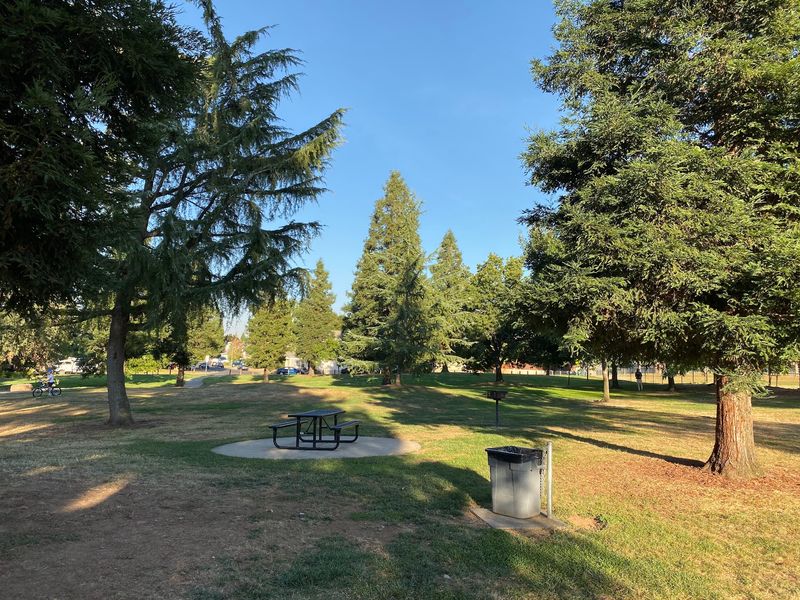
Suburban Placer County residents got a surprise this summer when bears started showing up in places with sidewalks and sprinklers instead of granite and pines.
In August 2026, a mother bear and two cubs turned up near Lincoln Way and Russell Road in Auburn.
Days earlier, Lincoln police fielded several reports from the Sun City Lincoln Hills area, with bears spotted between Wagon Wheel Lane and Overland Lane, then again near Oak Tree Lane and Highway 193.
Rocklin got its own alerts about a bear moving around Argonaut Avenue, Sweetwater Drive, and Aiken Dairy Road.
Roseville reported one near Foothills Boulevard between Blue Oaks and Pleasant Grove boulevards.
Wildlife officials point to a seasonal reason for the cluster. Mother bears push their yearlings out to live independently, and those teenage bears often wander into unfamiliar low-elevation towns while looking for easy calories.
Young bears are curious and inexperienced, which makes them more likely to climb a fence or raid a chicken coop. They are also easier to discourage if you act early with noise and motion lights.
Fallen fruit is the big culprit in this part of the state. Rake up plums, figs, and apples daily during September and October, and your yard stops being a snack stop.
3. Los Angeles County: Foothill Towns Get Regular Guests
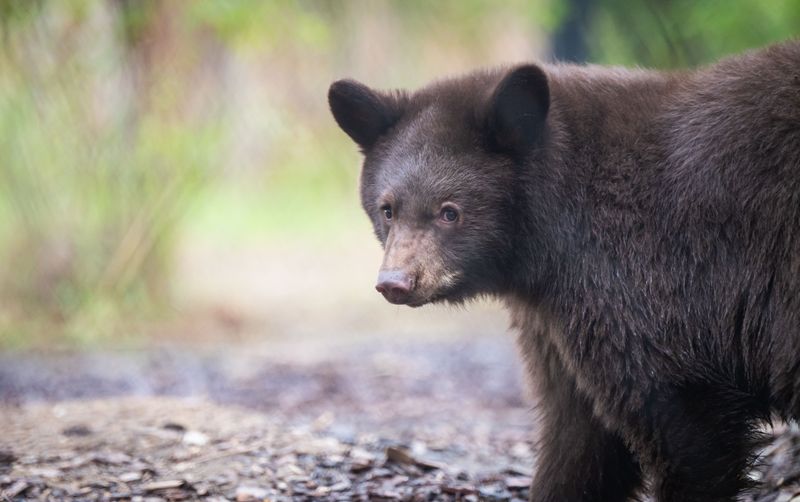
Monrovia has earned a nickname locals say with equal parts pride and exhaustion: California’s bear capital.
Backyard cameras there catch bears swimming in pools, napping under decks, and stripping avocado trees bare.
Across Los Angeles County, reported bear encounters are running at record levels, with September standing out as the busiest month.
Bears living in the San Gabriel foothills and the edges of the San Fernando Valley are packing on weight fast, and human neighborhoods offer shortcuts.
Biologists blame a mix of causes. Hyperphagia drives the appetite, hotter and drier years shrink acorn and berry crops, and homes keep creeping farther up the canyons into bear territory.
What surprises many residents is how ordinary these visits feel after a while. A bear crossing Foothill Boulevard at dusk barely earns a second glance from longtime locals, though officials stress that comfort should never turn into carelessness.
Crawl spaces deserve special attention here. Bears squeeze under houses to rest during hot afternoons, so seal vents and gaps before fall arrives.
For guidance, the Monrovia Police Department shares bear-proofing advice and responds to reports of bold or repeat visitors in residential streets.
4. Nevada County: Truckee Sits In Classic Bear Country
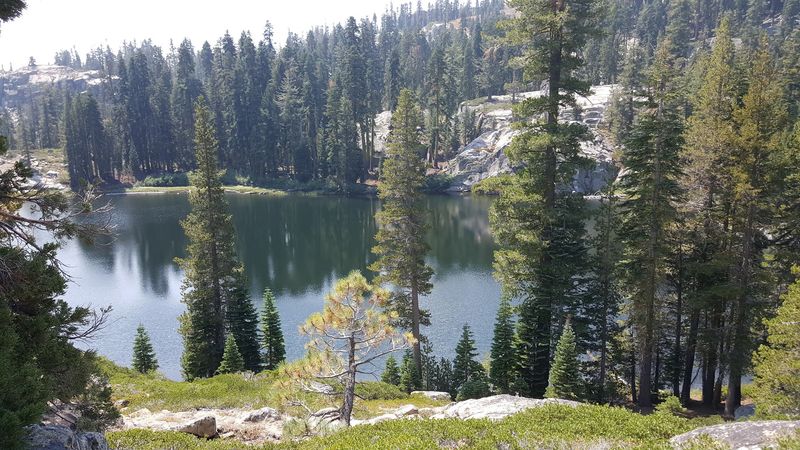
Ask anyone who lives near Truckee and they will tell you bears are simply part of the neighborhood, like snow tires and firewood stacks.
Nevada County stretches across the northern Sierra, and fall brings a noticeable bump in activity as bears hunt for calories before denning.
Tahoe Donner facilities have reported bears cooling off in the Trout Creek pool and poking around the Alder Creek Adventure Center, which delights visitors and frustrates staff.
The local approach is called being Bearwise, and it comes down to removing rewards. No food in cars, no coolers on decks, no dog kibble in the garage with the door cracked open.
Hikers here benefit from making a little noise on blind corners of forest trails. A bear that hears you coming almost always leaves before you ever see it.
Campers and renters should double-check dumpster latches at vacation properties, since short-term guests often forget. One sloppy weekend can teach a bear where the easy food lives for the rest of the season.
If you do meet a bear, stand tall, speak firmly, and back away slowly without turning your back. Running is the one thing you never want to do.
5. Tuolumne County: Yosemite’s Northern Gateway Stays Busy
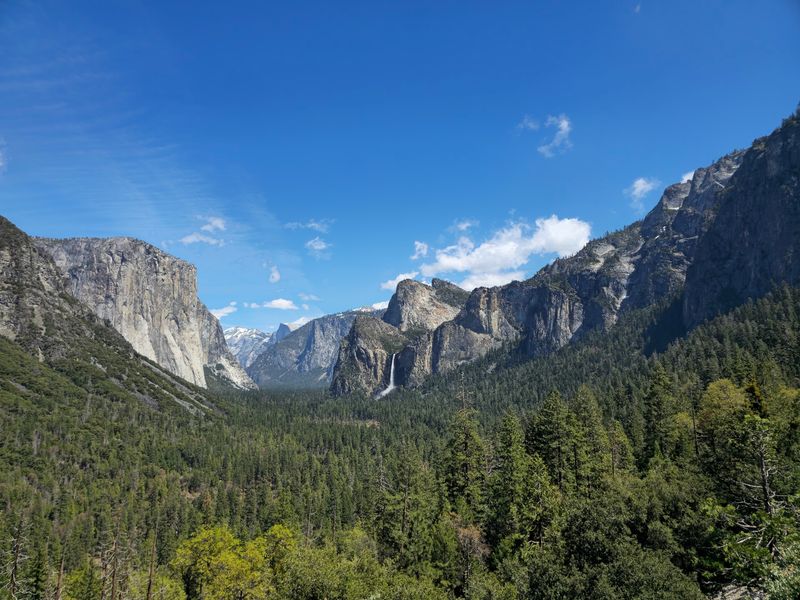
Bear incidents inside Yosemite National Park hit an unusual milestone in 2026. By early July, the park had logged as many incidents as it did in all of the previous year, a 26 percent increase over the same period.
Tuolumne County covers the park’s northern gateway, and that includes Tuolumne Meadows, where bears graze on grasses and dig for insects in plain view of visitors.
Yosemite holds an estimated 300 to 500 black bears, so meadow sightings are frequent.
An incident, in park language, means a bear damaged property or got human food. That second part is what worries rangers most, because a food reward turns a shy bear into a persistent one.
Backpackers should use approved canisters and store them well away from tents. Day visitors need to clear cars of wrappers and scented items, since bears have learned to recognize coolers through windows.
Gateway towns like Groveland see their share of action too, especially around dumpsters behind restaurants and campground bins left half open.
Drivers deserve a reminder as well. Bears cross Highway 120 at dawn and dusk, and slowing down protects both species.
6. Mariposa County: Yosemite Valley’s Determined Raiders
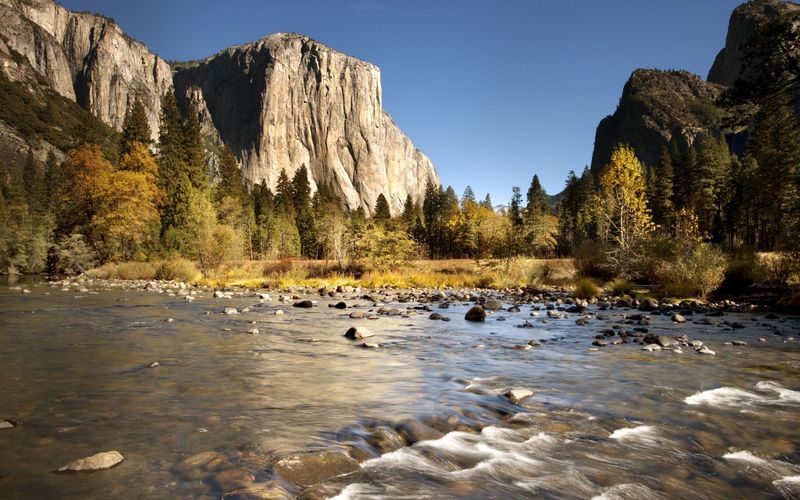
On August 1, 2026, a bear tore straight into a tent at Little Yosemite Valley and left with a bag of food.
Nobody was hurt, but the story spread fast among backpackers because it showed just how bold a hungry bear can get.
Mariposa County includes Yosemite Valley itself, along with El Capitan Meadow and the areas near Glacier Point where bears are spotted regularly.
Park staff even found evidence that a black bear climbed to the summit of Half Dome, which says plenty about their determination.
A bear’s nose is the real story here. Their sense of smell is estimated to be many times sharper than a bloodhound’s, which means toothpaste, gum, and an empty chip bag all register as food.
Campers who follow storage rules rarely have problems. Lockers exist at every campground and trailhead for a reason, so use them even for a quick hike.
Towns like Mariposa and El Portal also see bears working through residential trash during October. Locking cans and waiting until morning to roll them out solves most of it.
7. Plumas County: Sierra Forests Full Of Established Bears
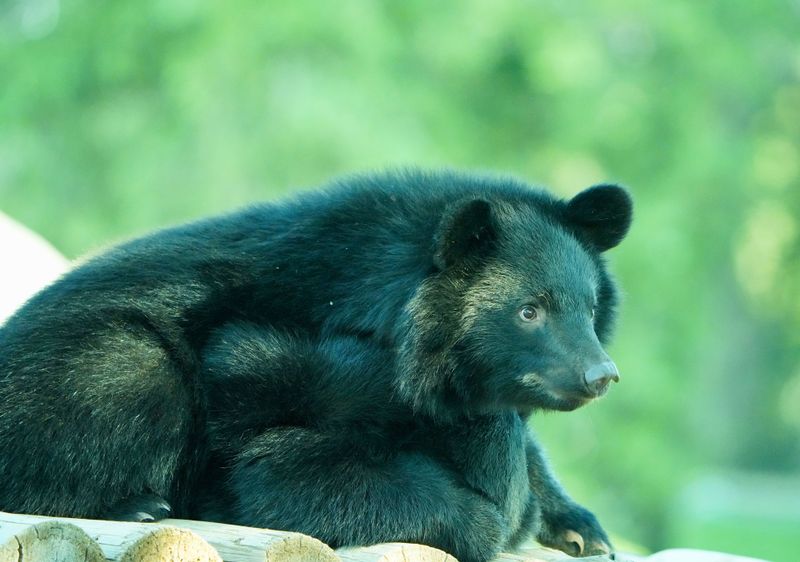
Routine is the word deputies in Plumas County use when bear calls come in. Bears in fruit trees, bears in garbage, bears strolling through a pasture at sunrise: none of it shocks anybody up here.
The county holds a huge stretch of Sierra forest, plus a slice of Lassen Volcanic National Park, where sightings along wooded trails are described as fairly common. That combination supports a strong, long-established black bear population.
Fall sharpens their focus. Bears may feed up to 20 hours a day as winter approaches, which means anything edible left outdoors will eventually be found.
Orchard owners learn this quickly. Electric fencing around small orchards and beehives works far better than hoping the bears prefer wild berries this year.
Residents who report sightings help wildlife staff track which bears are becoming too comfortable near homes, and the Plumas County Sheriff’s Office at 1400 East Main Street, Quincy, CA 95971, takes those calls.
Here is a fun bit of local trivia: black bears in California are not always black. Many Sierra bears wear cinnamon, brown, or blond coats, which confuses visitors who think they have spotted something rarer.
Keep chest freezers indoors, secure chicken coops with hardware cloth, and rinse recycling before tossing it. Small habits like these keep wild bears wild and out of trouble with people.
8. Madera County: Oakhurst Schools Locked Down For A Bear
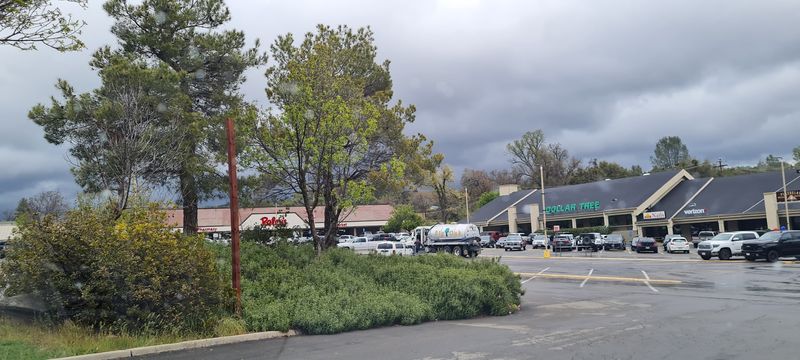
Yosemite High School sits at 50200 Road 426, Oakhurst, CA 93644, and on September 18, 2026, it became the center of one of the fall’s most talked-about bear stories.
A black bear wandered onto school grounds, prompting temporary lockdowns at four campuses: Yosemite High School, Oak Creek Intermediate School, Oakhurst Elementary, and the Bass Lake School District offices.
Staff kept students inside until the bear moved along on its own.
Nothing about the bear’s behavior was strange for the season. Foothill communities sit right where oak woodlands meet neighborhoods, and acorns draw bears downhill every autumn.
Parents in Madera County took the event as a wake-up call. Teaching kids to back away calmly, not run or shout, is a skill worth practicing before it is needed.
Schools in bear country often review procedures each September for exactly this reason. Quick lockdowns keep everyone safe without anyone needing to harm the animal.
Homeowners nearby can help by managing attractants. Compost piles with meat scraps and open dumpsters behind businesses all pull bears closer to where children walk.
Oakhurst sits along Highway 41, a busy route toward Yosemite’s south entrance, so drivers should watch shoulders carefully at dusk.
9. Shasta County: Cascade Foothills Host Plenty Of Bruins
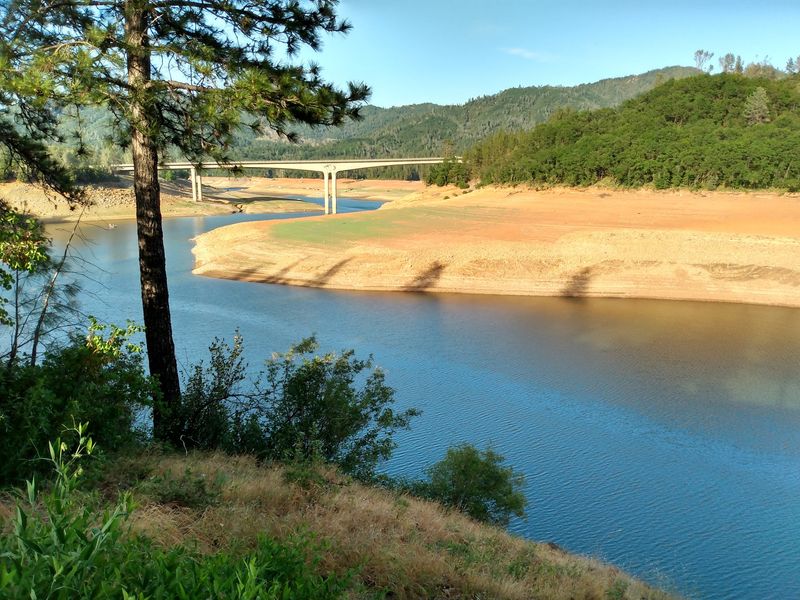
In early August 2026, residents watched a large bear travel cross-country through Bella Vista, moving from Intermountain Road toward Livona without much concern for property lines.
Another was reported near Pine Ridge, close to Mount Shasta.
Shasta County blends northern mountains, Cascade slopes, and oak foothills, which adds up to excellent bear habitat.
The Shasta-Trinity National Forest, the largest national forest in the state, supports a high density of black bears all on its own.
Late fall pushes their feeding hours to extremes. Bears here may forage as long as 20 hours a day, packing on the fat reserves that carry them through denning season.
Lake visitors should pay attention too. Houseboats and shoreline campsites on Shasta Lake attract bears that have figured out where coolers get stored.
Rural homeowners do well with simple fixes. Bear-resistant cans, cleaned barbecue grills, and livestock feed kept in sealed metal containers cut most conflicts before they start.
One detail people often miss is bird feeding. A single seed feeder can deliver thousands of calories, making it one of the strongest bear magnets in any yard.
10. Siskiyou County: Vast Forests, Steady Bear Presence
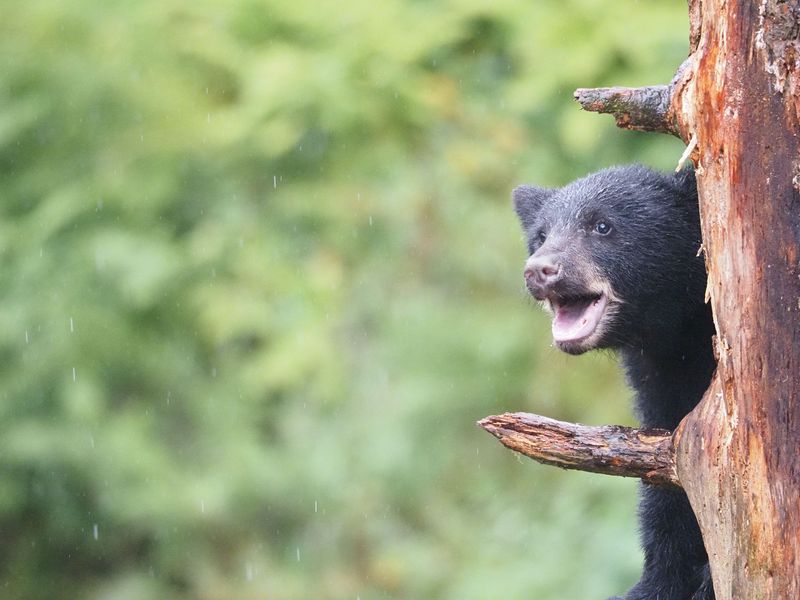
Few places in California feel wilder than Siskiyou County, where forests roll on for miles between small towns and volcanic peaks.
That kind of habitat means a steady black bear presence year after year. The Klamath and Shasta-Trinity forests provide berries, acorns, insects, and quiet drainages, which is everything a bear needs to fatten up.
Fall foraging brings bears closer to campgrounds, ranches, and highway corridors. Drivers on Interstate 5 through the Siskiyou Pass area should expect wildlife on the shoulders during early morning hours.
Hunters and anglers here have an extra responsibility. Fish scraps and game carcasses left near camp draw bears fast, so pack out or bury remains well away from tents.
Ranchers protect grain bins and calving areas with fencing and motion-activated lights, which tends to work better than chasing bears off repeatedly.
California’s black bear population has grown substantially over recent decades, and northern counties like this one hold some of the healthiest numbers in the state.
Visitors planning trips into the backcountry can stop at the Klamath National Forest Supervisor’s Office for current bear activity notes.
11. Humboldt County: North Coast Bears Barely Take A Break
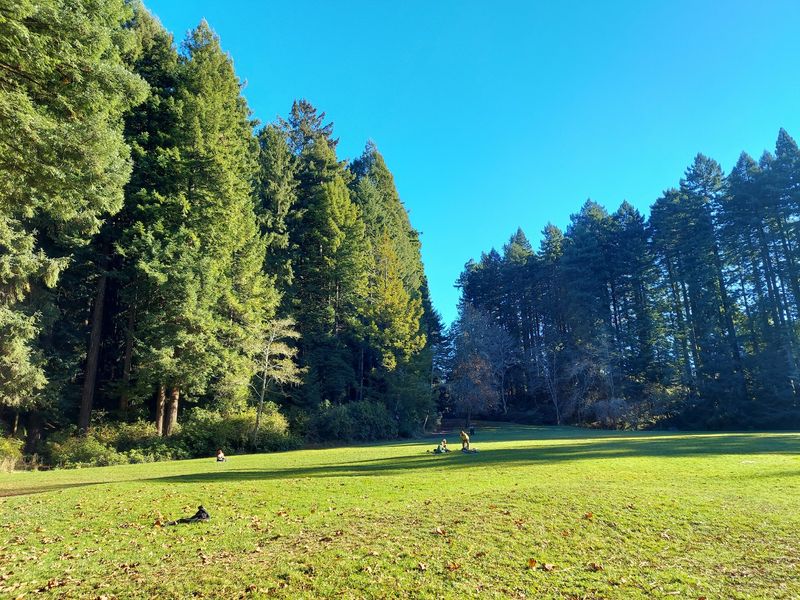
On September 12, 2026, a bear visited Fickle Hill in Humboldt County and spent time trying to pry open a secured trash can. It failed, which is exactly what a bear-resistant can is supposed to do.
Other summer reports included muddy paw prints near Ferguson Road and Oak Knoll, plus a bear wandering through Sunny Brae in Arcata.
Humboldt ranks among California’s highest-density black bear regions, thanks to redwood forests, salmon streams, and berry-heavy edges between timberland and towns.
Mild coastal winters change bear behavior here. Many local bears never enter a deep hibernation, dozing lightly and waking to forage whenever food is available, so encounters can happen in January just as easily as October.
That year-round activity means year-round habits. Secure compost, latch shed doors, and keep fruit picked no matter the calendar month.
Homeowners who invest in a certified bear-resistant container usually stop having repeat visitors within a couple of weeks.
Arcata and Eureka residents can report ongoing problems and get bear-proofing guidance through the Humboldt County Sheriff’s Office.
12. Trinity County: A Quiet Stronghold For Wandering Bears
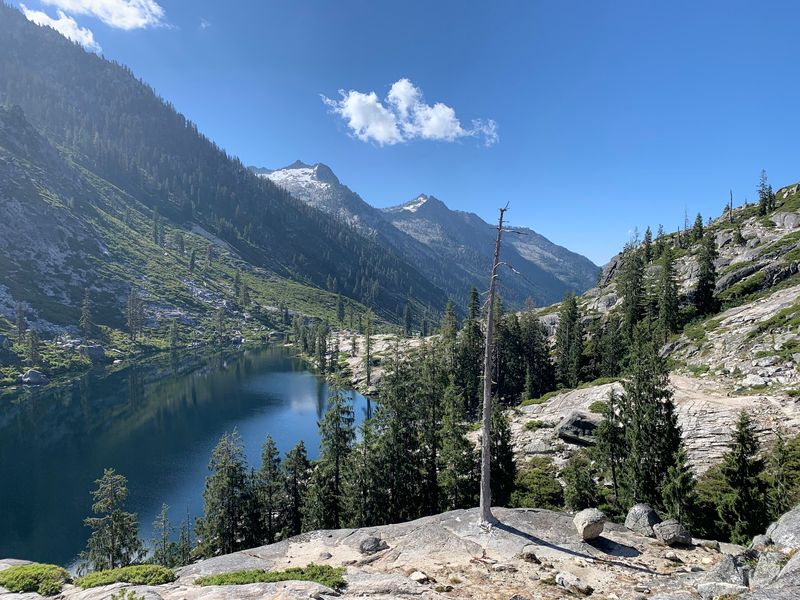
Trinity County has more forest than people, and bears seem perfectly happy with that arrangement.
Inside one of California’s principal bear regions, this heavily wooded county offers deep canyons, creeks, and ridges where black bears roam with little human interference.
Fall sends them searching hard for acorns, manzanita berries, and anything else that adds weight before winter.
Small communities like Weaverville, Hayfork, and Lewiston see bears passing through yards and orchards during October. Most visits end quietly once the animal realizes there is nothing easy to eat.
Backcountry travelers along the Trinity Alps trails should hang or canister their food properly. Bears in remote areas are usually shy, but a food-conditioned bear anywhere will test a pack left on the ground.
Cabin owners who leave for weeks at a time have a particular challenge. Clearing pantries of anything fragrant and closing shutters keeps curious bears from breaking in.
Dogs help as early warning systems, though they should stay leashed during walks. A loose dog that chases a bear often brings that bear right back to its owner.