You Can Hike Past 350-Year-Old Trees And Towering Sandstone Bluffs On This Secret Kentucky Trail
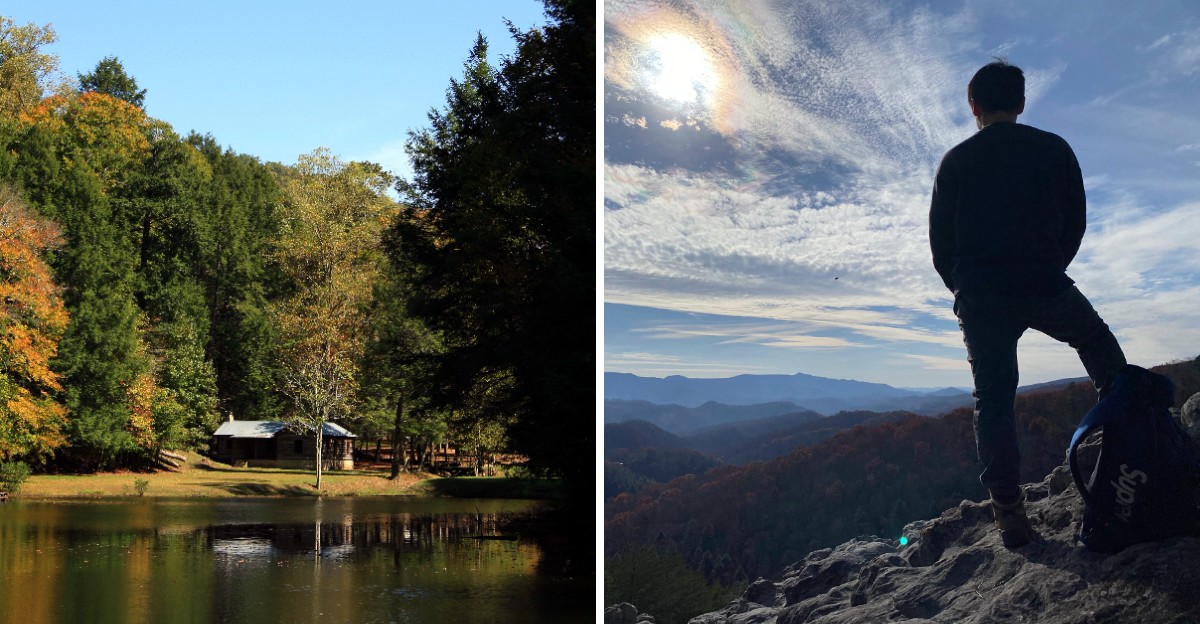
Kentucky has been logged pretty thoroughly over the past two centuries. That makes what survives on one Harlan County mountainside genuinely rare.
Some of these trees were already standing before Kentucky was a state. They run three to four feet across and rise a hundred feet overhead, which changes how a forest feels underneath them.
The preserve protects more than three thousand acres, and it is the largest old growth forest left in the state. The trail climbs to a sandstone outcrop with a view stretching across the ridge.
A longer loop continues past rock formations worth the extra effort. This is a real hike, not a stroll.
There is serious elevation gain, steep slopes, and cliffs that demand attention. Wear proper boots and watch where you put your hands.
Go on a clear day in fall. The trees have been waiting a very long time for you.
The Camp That Guards A 350-Year-Old Forest
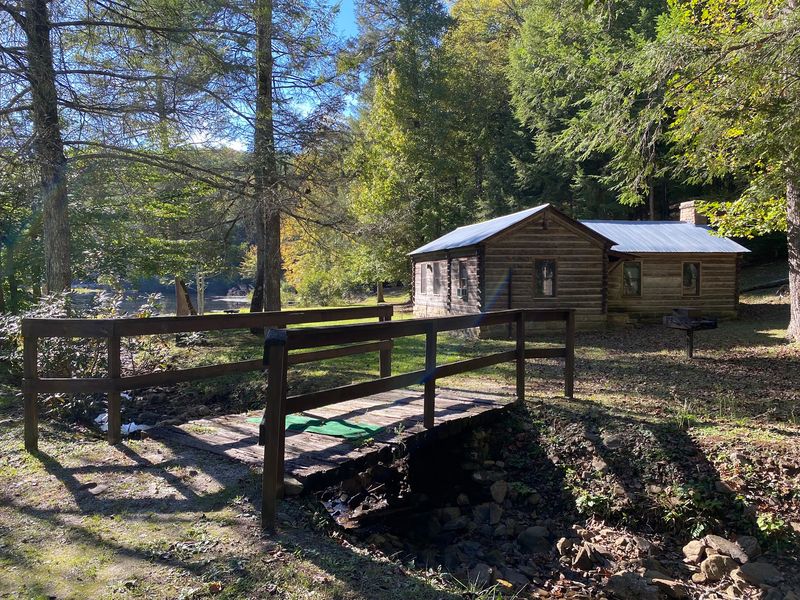
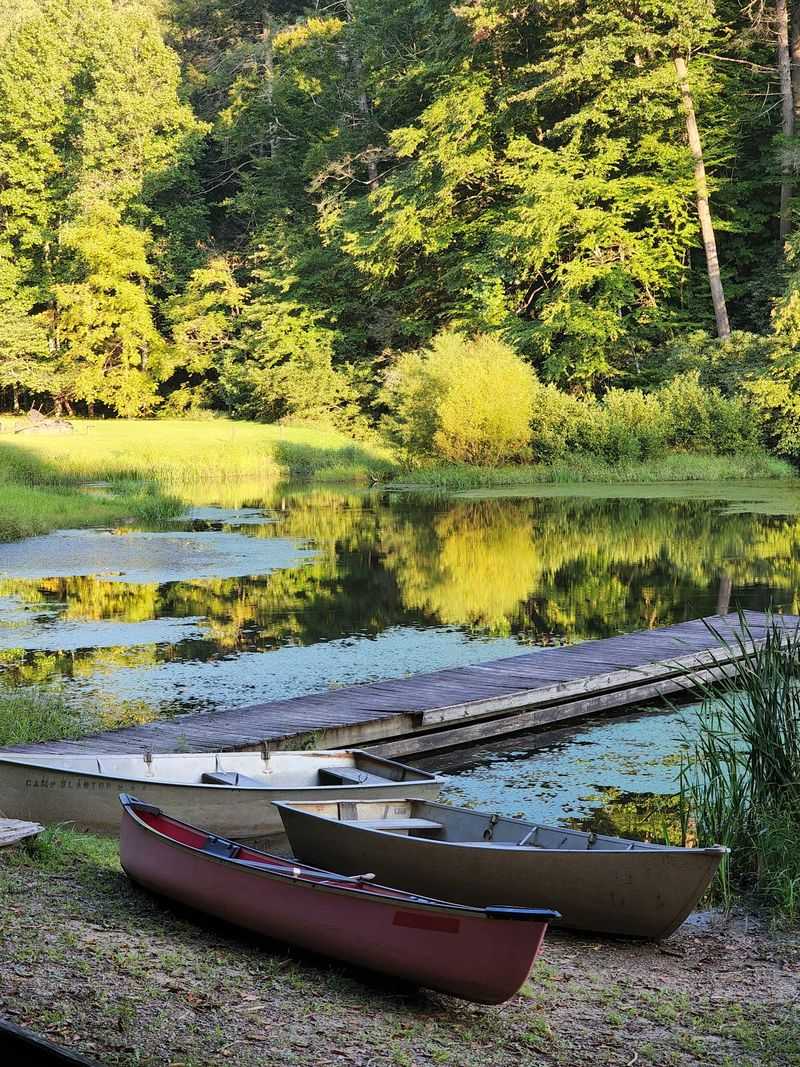
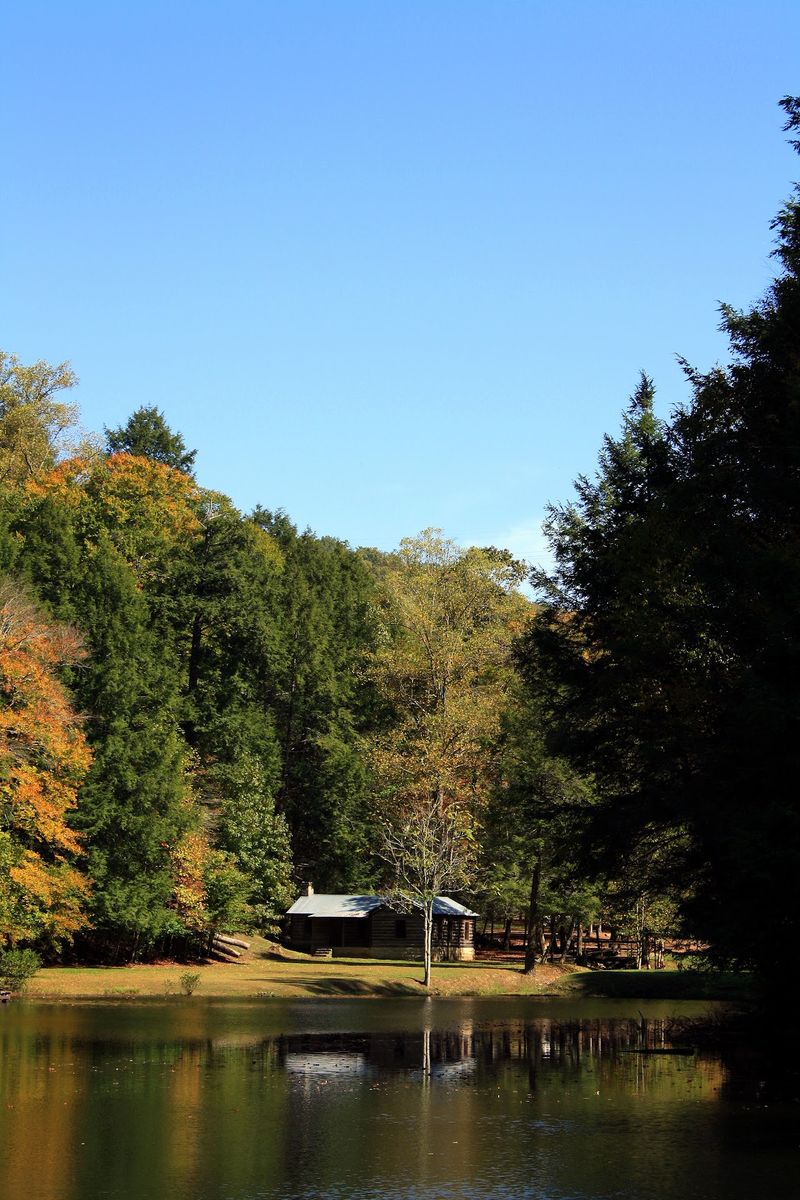
Camp Blanton looks like a classic mountain summer camp, with cabins, a mess hall, and a small lake. What makes it unusual is the gate it sits beside, because the parking lot here is the doorway to Blanton Forest State Nature Preserve.
The camp was gifted by the Blanton family back in 1934, first serving Harlan County and the Boy Scouts. Generations of kids learned to fish and hike right here, and many still return as adults.
The family bought land on Pine Mountain in 1928 with one firm intention. The timber would never be cut, which is exactly why the giant trees still stand.
Visitors consistently praise the grounds, the tidy cabins, and the well marked trails. Events happen here too, from family reunions to small weddings in the mess hall kitchen.
The road in is narrow and gravelly, so drive slow and enjoy the approach. A car with low clearance can manage, but patience helps more than horsepower.
Park in the lot next to the camp and look for the trail signs. Everything past that point is foot travel only, which keeps the forest wonderfully quiet.
You will find it at 4294 State Hwy 840, Wallins Creek, KY 40873.
Trees Older Than The United States
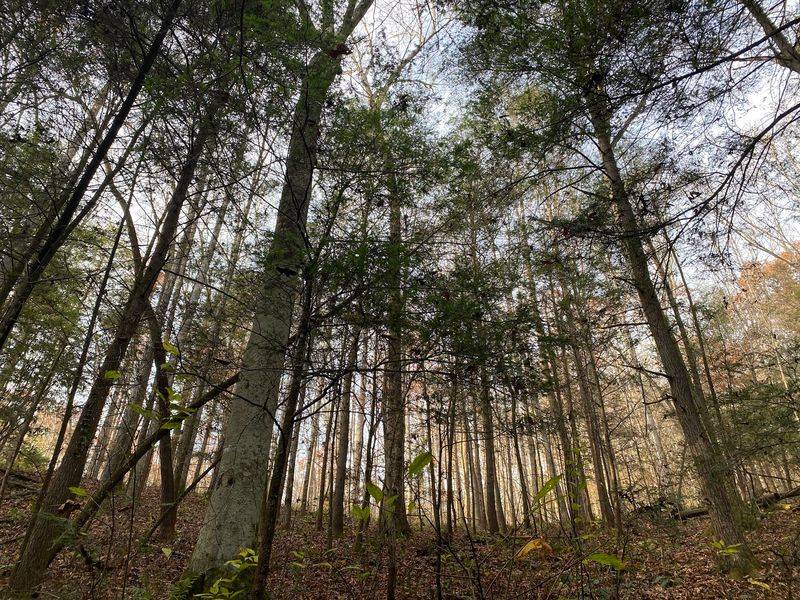
Several trees in this forest have been dated to the late 1600s. That means they were already growing when Kentucky was still unmapped wilderness.
Blanton Forest is recognized as Kentucky’s largest old-growth forest. It protects one of only 13 large old-growth tracts left in the eastern United States.
Size is the first thing that gets you. Trunks reach three to four feet across, and the tallest tops stretch near 100 feet overhead.
Look up and you will notice the canopy behaves differently than in younger woods. Light filters down in scattered patches instead of flat shade, which changes the whole mood of the walk.
Species include sugar maple, tulip poplar, several oaks, beech, hemlock, and magnolia. Botanists call this a mixed-mesophytic forest, one of the most diverse temperate forests on the planet.
Bring a tape measure if you have kids along. Wrapping arms around a trunk and failing is a memory that sticks.
Photos rarely capture the scale, so try placing a person at the base for reference. Even then, the pictures will undersell it.
Walk slowly here. The forest rewards people who stop more than people who rush.
Knobby Rock And Its Big Reveal
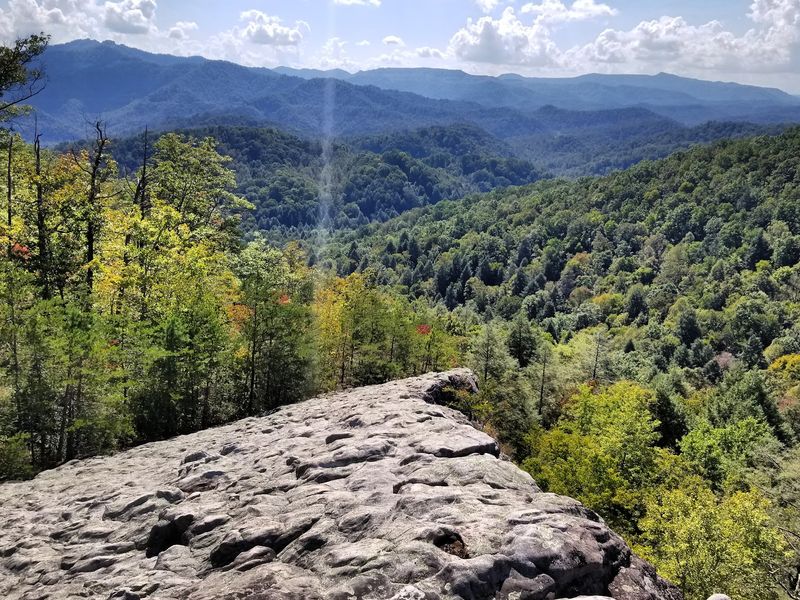
Knobby Rock is the payoff most hikers come for. The trail climbs steadily, then the trees simply open onto a wide sandstone shelf.
From the top you look across the forest canopy toward the long spine of Pine Mountain. Ridges stack into the distance, and on clear days the layers seem endless.
The loop is rated moderately strenuous. Translation: expect uphill for a good stretch, with a few spots that make your legs complain.
Longtime visitors often call this their favorite hike in the region. Former Boy Scouts who grew up at the camp still mention Knobby Rock by name.
The rock surface is broad enough for a snack break and a long sit. Wind moves across it freely, which feels great after a climb.
Stay back from the edges, especially with children. Sandstone can be slick after rain, and there are no railings up here.
Go in autumn if you can pick your season. The hardwoods turn gold and rust, and the view becomes genuinely ridiculous.
Sunrise light hits the ridges softly, but remember the preserve is daylight hours only. Plan your timing accordingly.
Scrambling Through The Maze
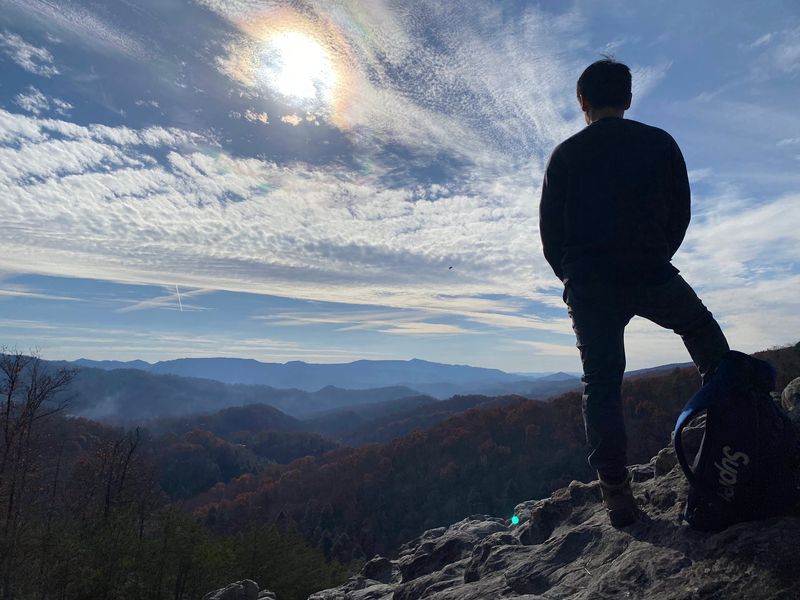
Somewhere along the Sand Cave Loop, the ground turns into a puzzle. Enormous sandstone blocks have broken apart and tumbled into a jumble hikers call The Maze.
You squeeze between walls of rock, step up onto ledges, and duck under leaning slabs. It feels less like hiking and more like exploring a ruined stone city.
Moss and ferns grow in the shaded cracks where water collects. The temperature drops noticeably in the deeper passages.
Use your hands. This section involves real scrambling, so trekking poles are better stashed than swung around.
Wear shoes with grip and skip anything with a smooth sole. Wet sandstone and slick boots make a bad partnership.
Pay close attention to the colored blazes painted on trees and rocks. The route is well marked, but the rock formations can turn you around fast.
Give yourself extra time here, because nobody moves through The Maze quickly. Kids especially will want to climb everything twice.
Some hikers skip this loop on a first visit due to time. That is a perfectly good excuse to come back.
Sand Cave And Its Painted Ledges
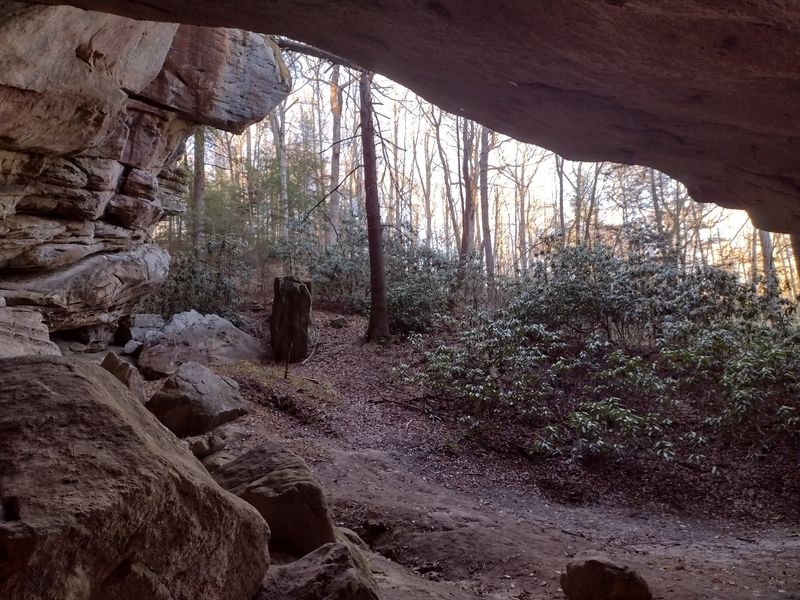
Sand Cave is the reward at the far end of the harder loop. It is not a deep cavern but a huge sandstone shelter carved back under the bluff.
The ceiling and walls show streaks of red, orange, and black. Minerals leaching through the rock over centuries created the coloring, and it looks painted on.
Sound behaves strangely inside. Voices soften, and the drip of water becomes the loudest thing around.
Bluffs like this were shelter long before trails existed. Standing under one gives you an instant sense of why.
Getting here requires the strenuous route, including the boulder scramble. Budget more energy than the mileage suggests.
Carry plenty of water and a real snack. There are no facilities on the trail, so what you pack is what you get.
Leave everything exactly as you found it. No carving, no stacking rocks, no collecting sand as a souvenir.
Cell service in these mountains is unreliable at best. Download a map before you leave the parking lot.
Tell someone your plan, too. It is smart practice anywhere with steep slopes and loose footing.
Watts Creek For An Easy Stroll
Not everyone wants to climb a mountain, and this preserve accounts for that. The Watts Creek Trail runs a gentle half mile along the water.
Hemlocks shade the path, and rhododendron crowds the banks. The whole walk feels cool and green, even in mid summer.
Watts Creek does something quietly impressive. It supports a population of the federally threatened Blackside Dace, a small colorful fish that needs clean, cold water.
Knowing that changes how you look at the stream. Clear water here is not decoration, it is habitat.
The flat grade makes this a good option for young kids and grandparents. It also works as a warm up before a bigger loop.
Stay on the path and out of the creek bed to protect the fish. Skipping rocks is better saved for other waters.
Listen for songbirds in the hemlock branches above. Morning is the noisiest and best time for it.
Combine it with a picnic back near the camp grounds. A short hike plus lunch by the lake makes an easy afternoon.
Roughly 4.5 miles of trail exist total, so mix and match freely.
Mountaintop Wetlands And Other Oddities
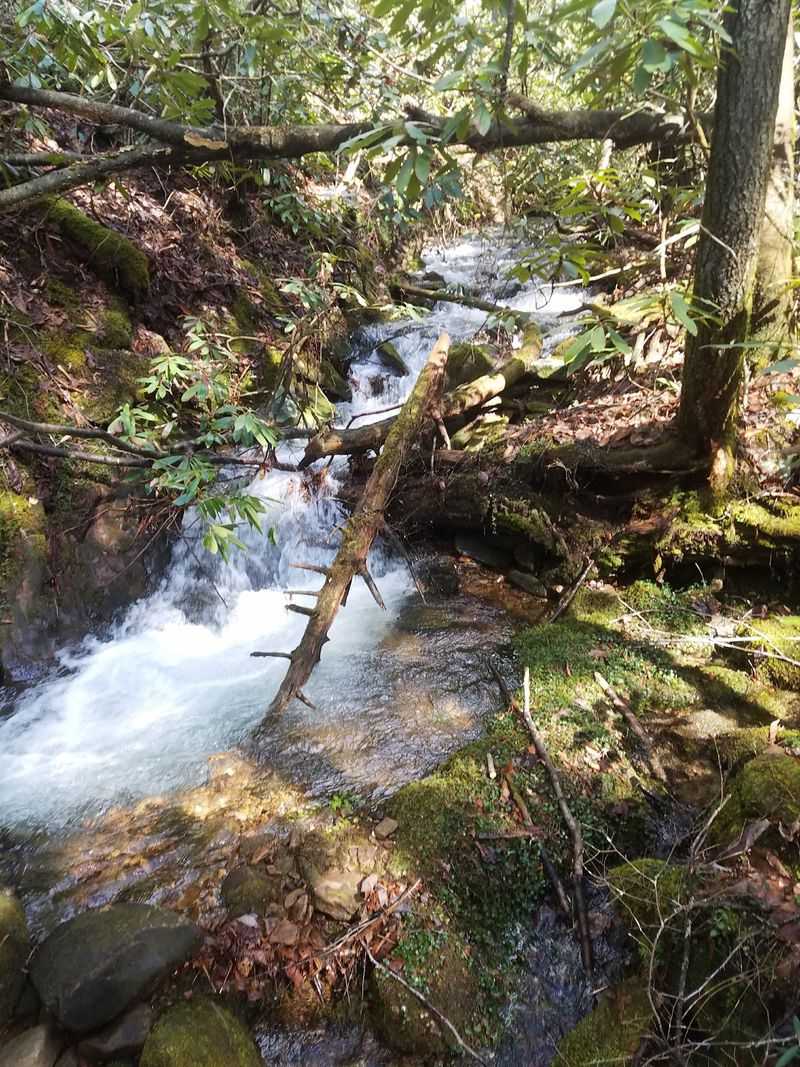
Wetlands on top of a mountain sound made up. Blanton Forest has them anyway, and scientists call them acid seeps.
Water collects in shallow spots high on the ridge, creating boggy pockets full of unusual plants. Mosses and specialized species thrive where most forest plants cannot.
The preserve covers roughly 3,509 acres of old-growth and second-growth woods. That size allows for a surprising range of habitats packed close together.
Ravines here fill with hemlock and rhododendron, staying dark and damp year round. Step into one and the air temperature drops.
Deer, birds, and small mammals move through constantly. Black bears live in the wider area, so make noise and keep food sealed.
Venomous snakes are present, which is normal for Appalachian rock country. Watch where you place hands and feet on warm sunny ledges.
Hazard trees are another real consideration in old forest. Avoid lingering under dead limbs on windy days.
None of this should scare you off. Awareness is simply part of visiting a place that runs on its own terms.
The preserve was officially dedicated on September 15, 1995, protecting all of it permanently.
Planning A Visit That Actually Works
A little preparation turns this trip from tiring into terrific. Start by checking the forecast, since rain makes sandstone slippery and roads muddy.
Park in the lot next to the camp and begin at the marked trailhead. The preserve stays open year round during daylight hours only.
Every trail is foot travel exclusively. No bikes, no horses, no vehicles past the lot.
Dogs are not permitted in the preserve, so leave them home. Planning ahead saves a disappointing turnaround at the sign.
Follow the colored blazes painted on trees, since each route uses a different color. Hikers regularly mention how easy the marking system is to follow.
Wear real hiking shoes and long pants for the scrambling sections. Pack water, snacks, and a small first aid kit.
Fall delivers the best color, while spring brings wildflowers and full creeks. Summer is green and humid, and winter opens up the long views.
The camp itself offers cabins, a lake, and rentable space for gatherings. Families have used it for reunions and showers for decades.
Come early, move slowly, and let the old trees set the pace.