This California Mountain Lake Is A Dreamy Fall Escape For Stargazing Under Dark Skies
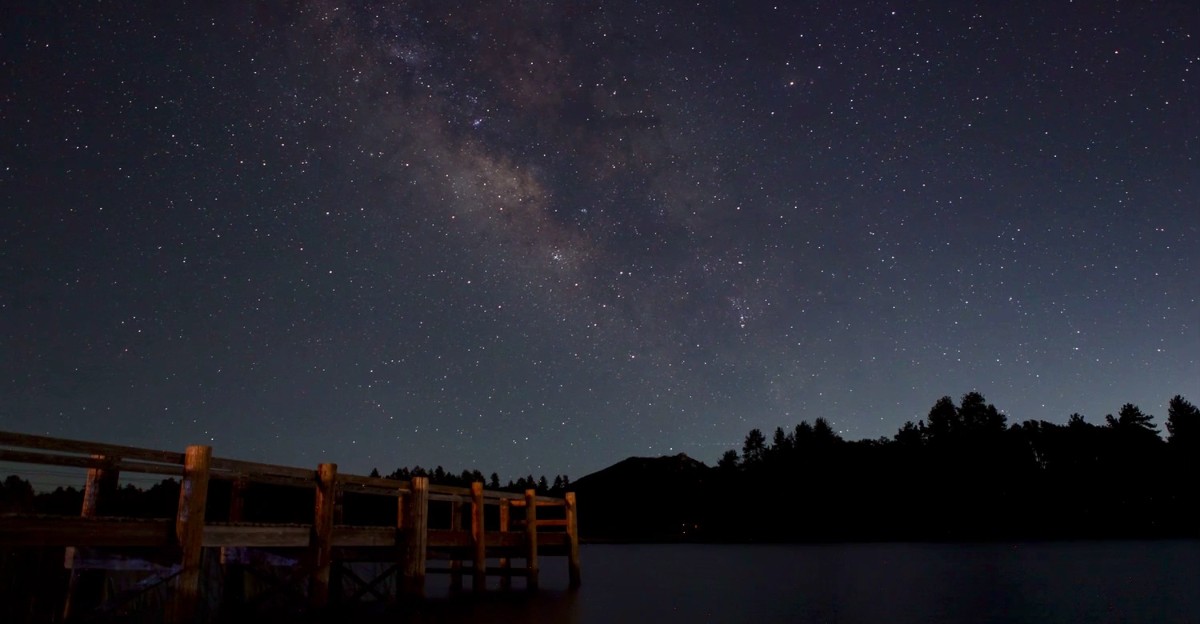
Some places become more interesting after everyone else starts thinking about bedtime. A mountain lake can be beautiful all afternoon, then darkness arrives and the sky starts competing for your attention.
Fall makes that kind of escape especially tempting.
Cooler evenings encourage an extra layer or two, the daytime rush settles down, and staying outside after sunset feels like part of the plan rather than an afterthought.
California looks completely different when the mountain lights disappear and thousands of stars get their chance to take over.
That quieter atmosphere is part of the reward.
There is no complicated entertainment required when the main event is overhead, and a little patience can reveal far more than the handful of stars usually visible around brighter areas.
Bring something warm and resist checking your phone every thirty seconds.
The lake may be the reason you chose the destination, but once night settles in, you could spend considerably more time looking up than looking at the water.
A Lake High In The Mountains
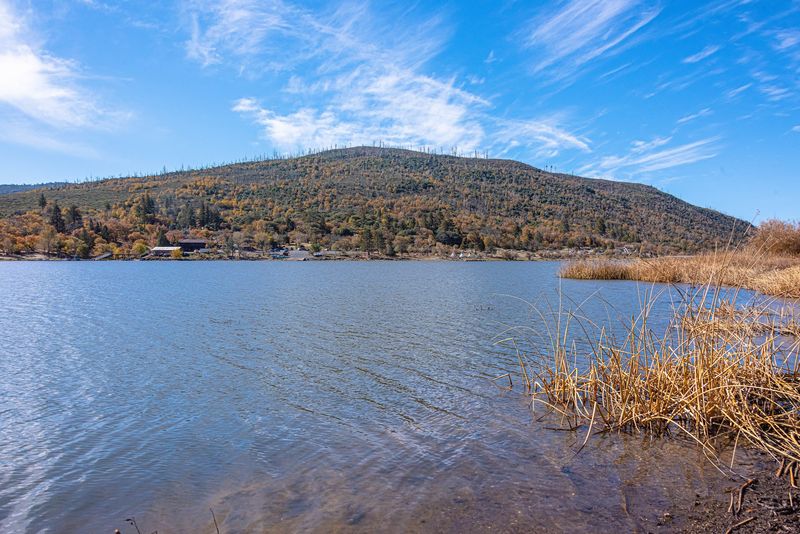
Cool air is part of the appeal before the stars even appear.
Lake Cuyamaca sits about 4,600 feet above sea level in the Cuyamaca Mountains. That elevation gives a fall visit a different feel from a day spent at lower elevations.
Sunshine can feel pleasant beside the water, while shade and evening air may call for an extra layer.
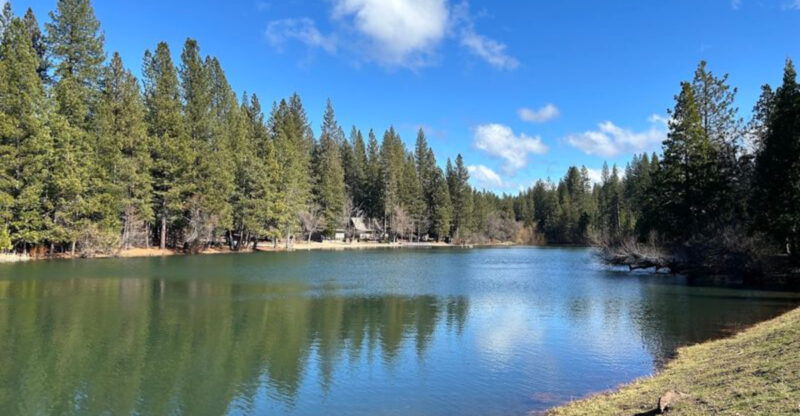
The setting also shapes the pace of a visit. A short stop can include time to look across the lake and notice the trees around its edges.
Visitors hoping to stay for stargazing need a more careful plan. Mountain elevation alone does not guarantee a clear sky, and clouds can block the view on any night.
Check a current forecast rather than counting on a sunny afternoon to predict the evening.
Pack clothing that can handle a change in temperature. A warm jacket, closed shoes, and a hat may make standing outdoors after sunset much more comfortable.
Bring a flashlight for moving around a campsite, but use a dim setting near others who are watching the sky.
The high mountain setting is a reason to slow down and prepare, not a promise of perfect viewing.
With the right layers and a clear forecast, the shift from lake scenery to night sky can be a memorable part of the trip.
Julian’s Dark Sky Connection
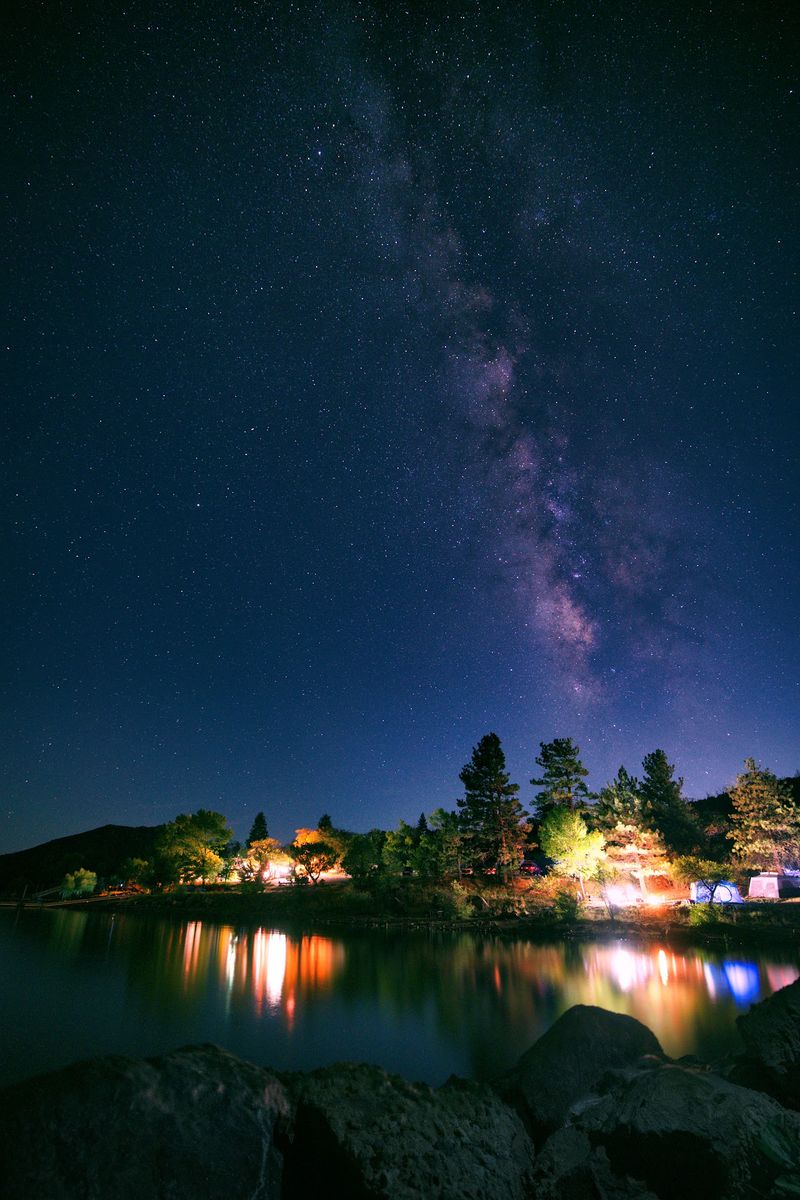
Nearby Julian gives a sky-focused trip another useful point of interest. The mountain town has been recognized as an International Dark Sky Community.
That designation reflects local work to limit harmful outdoor light.
It does not mean every nearby spot will be equally dark, but it helps explain why visitors come to this part of the mountains to look upward.
Lake Cuyamaca and Julian are separate places, so keep their roles clear while planning. A visit to the lake offers water views and overnight lodging options.
Julian offers a town stop that can fit into the same trip. Neither place guarantees a view of stars on a cloudy night.
Weather, moonlight, and nearby lights still matter more than a label on a map.
For a comfortable evening, choose an authorized place to stay before sunset rather than searching for a dark roadside pullout later.
Outdoor lights at a campground may affect the view, and other guests need light to move safely.
A small flashlight with a low or red setting can help protect night vision without making paths hard to see.
Give eyes time to adjust once brighter lights are off. The town’s recognition adds helpful context to the trip, while a sensible plan makes the actual night easier to enjoy.
A Possible View Of The Milky Way
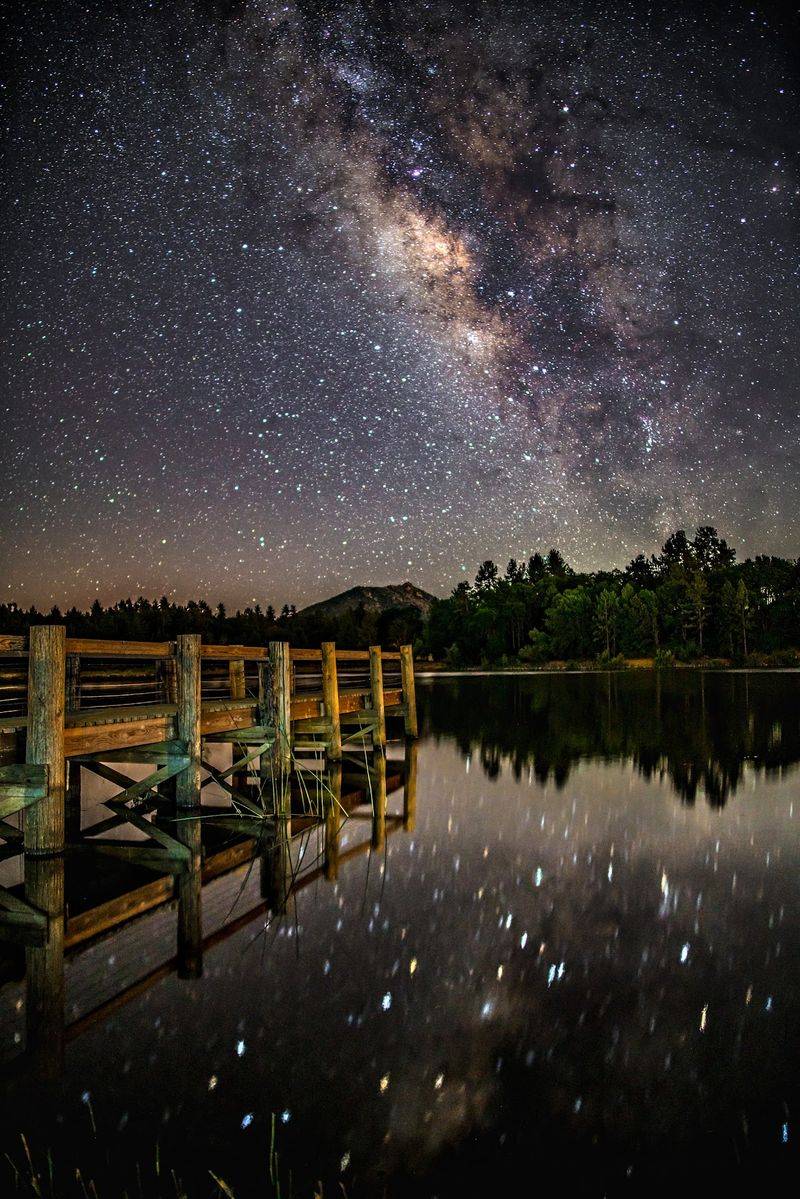
A pale band of light across the sky is easy to miss when brighter lights are nearby. Under suitable conditions, the Milky Way may be visible from the Lake Cuyamaca area.
Its appearance changes with the season, the hour, and the direction of view.
Start with a realistic goal. Seeing many more stars than usual can be rewarding even if the Milky Way does not stand out.
Choose a clear night close to the new moon and give eyes time away from phone screens and bright flashlights.
A sky map can help identify what is overhead, but set the screen to its dimmest useful level. Keep any viewing spot within an area where nighttime access is allowed.
No telescope is needed to notice the broad glow when conditions are favorable.
Binoculars can reveal more detail in parts of the sky, although simply looking up may be the most relaxing choice.
Watch footing around shorelines and camp areas after dark instead of walking toward an unfamiliar patch of black sky.
More Darkness As Fall Moves Along
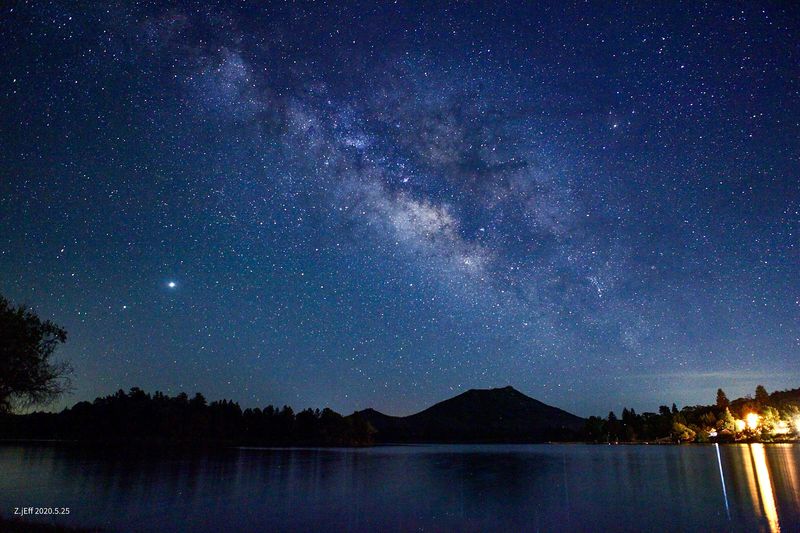
Sunset arrives earlier as fall moves along, leaving more of the evening for sky watching.
Longer nights are useful for campers who do not want to stay awake until the middle of the night to see stars. The exact sunset time changes throughout the season, so check it for the date of the trip rather than guessing.
An early evening can have a pleasant rhythm. Finish a daytime activity with enough light to return to the campsite.
Eat, add a warm layer, and let the sky grow darker without rushing.
Twilight is not the same as full darkness, and faint stars become easier to see after the remaining glow fades. Giving that change time can be more satisfying than expecting the whole sky to appear at once.
Earlier darkness also calls for practical care. Set up a tent before sunset if possible, and learn the route to the bathroom while it is still easy to see.
Keep a light available for safety, especially on uneven ground. Respect campground quiet hours and avoid shining beams into nearby sites.
Fall makes stargazing easier to fit into an evening, but comfort and safe access still shape the experience.
The New Moon Advantage
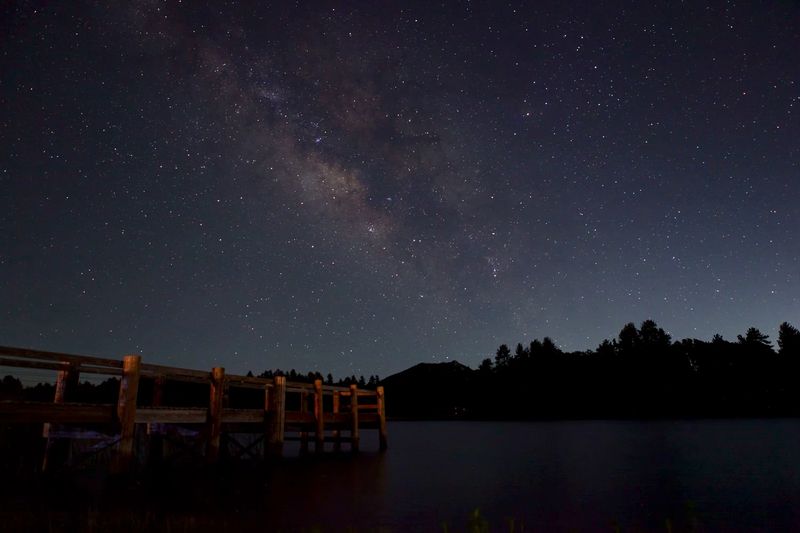
A bright moon can be lovely over the lake, but it makes faint stars harder to see. The darkest viewing conditions usually fall near a new moon, when little moonlight brightens the sky.
Checking a moon phase calendar before booking an overnight stay is one of the simplest ways to improve the chances of seeing more stars.
Moon phase is only part of the plan. Look at when the moon rises and sets, since a night can have useful dark hours even when the date is not the exact new moon.
Then check the weather close to departure. A moonless night under thick clouds will not offer the view that a clear night can.
Smoke or haze may also reduce visibility without fully covering the sky.
Leave room for the night to unfold naturally. Once settled in an authorized overnight area, turn off unneeded lights and wait for eyes to adjust.
Bright phone screens can interrupt that adjustment, so dim them before checking a sky map.
If a full moon happens to match the travel date, enjoy its light on the landscape instead of treating the outing as a failure. Planning around the new moon helps with faint stars, while flexibility helps keep the trip enjoyable.
Cabins For A Warmer Wind-Down
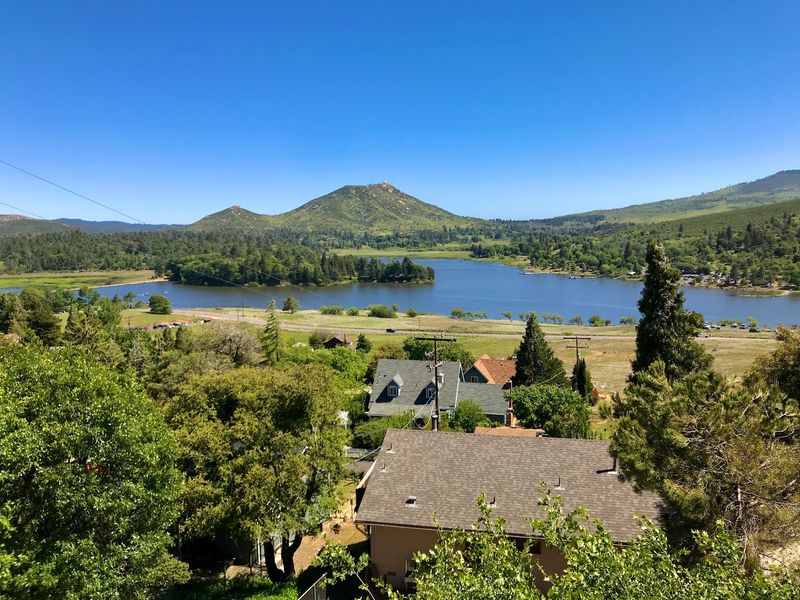
Cold fingers can make a short sky session feel much longer. A cabin stay offers a different way to enjoy the lake after sunset, with an indoor place to warm up between looks at the stars.
California’s Lake Cuyamaca lists cabin-style accommodations, but features vary by unit.
Read the current description for the exact booking rather than assuming every cabin has the same beds, kitchen equipment, or bathroom setup.
A cabin can also make a fall trip easier to pace. Spend the afternoon outside, return for a warm meal or a break, and check the sky again when full darkness arrives.
If the forecast turns cloudy, there is still a sheltered place to rest. Cabins may have outdoor lighting that affects nearby viewing, so turn off lights that are not needed while keeping safety in mind.
Bring layers even when indoor heat is listed, since stargazing still happens outside.
Follow marked paths at night and avoid treating a cabin reservation as permission to enter closed shoreline areas.
A cozy base does not replace a clear forecast, but it can remove the pressure to stand in chilly air without a break.
Fall Color Before Nightfall
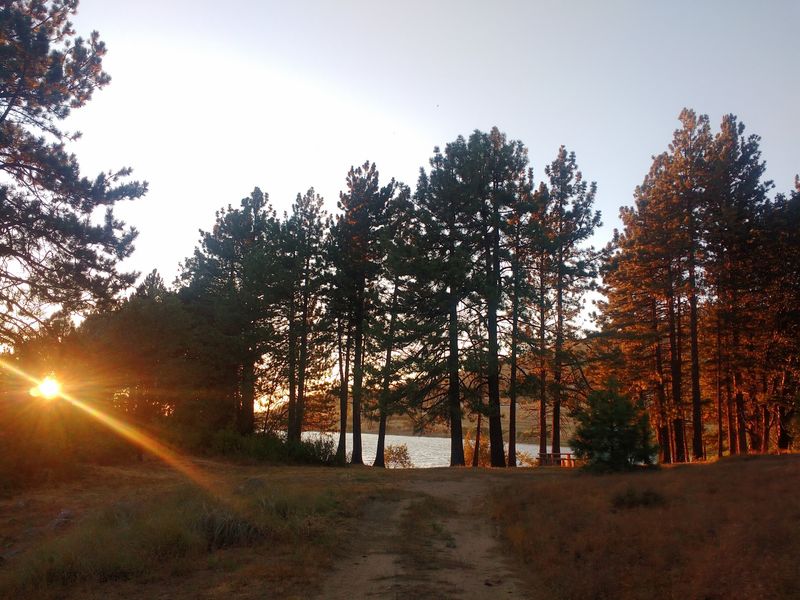
The best fall detail may appear well before the first star. Trees around Lake Cuyamaca and the nearby mountain landscape can show seasonal color among the evergreens.
The display varies with weather, elevation, and the date of a visit. Expect scattered patches of changing leaves rather than a promise that every hillside will look the same.
Daylight is useful for enjoying those details at an easy pace. Watch how yellow leaves stand out beside dark trunks or how their color changes under cloud cover.
A short walk in an open, permitted area may be enough.
Leave time to return before darkness if the walk is part of an overnight stargazing plan. Wear shoes suited to uneven ground, bring water, and keep to marked routes.
Wildlife and other visitors also use the area, so avoid blocking a path while stopping for a photograph.
Fall color gives the daytime hours their own reason to slow down. Even a year with subtle leaves can offer changing light on the water.
Room To Pause Beside 110 Acres Of Water
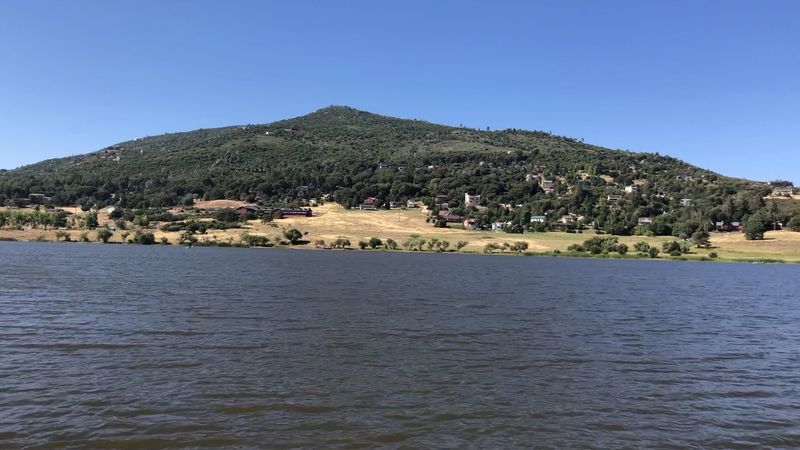
A broad stretch of water gives the mountain setting a calm center. Lake Cuyamaca covers about 110 acres, although water levels and the visible shoreline can change.
From a permitted viewing area, the lake offers plenty to notice without filling every hour with an activity. Light moves across the surface, trees frame different sections, and birds may pass over the water.
The lake’s size should not be mistaken for unlimited access. Shore sections, walking routes, and boating areas can have separate rules.
Check the current information from the lake operator before planning a long walk or an activity on the water.
Swimming and other body contact with the lake water are not allowed under the lake’s published rules. A visit centered on looking, fishing, or another permitted activity can still feel complete.
For a relaxed afternoon, choose one activity and leave spare time before an overnight sky session. Sitting with a view may be more comfortable than trying to cover every reachable section of shore.
Why Day Visitors Need An Exit Plan
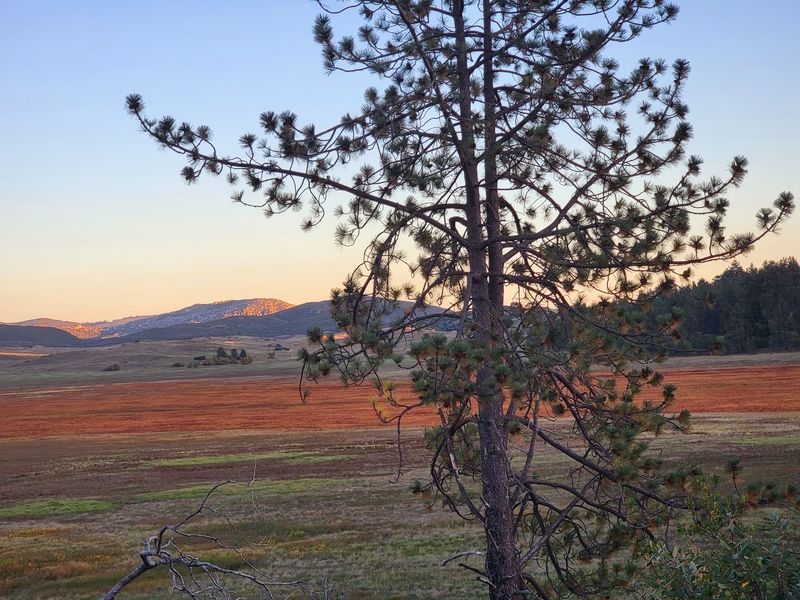
The lake may look inviting as dusk begins, but a day pass is not an overnight plan. California’s Lake Cuyamaca has operating rules that visitors should check before arriving.
Day-use access and fishing hours can differ from the access that comes with a campsite or cabin reservation. Do not assume a good stargazing forecast means the day-use grounds remain open for night viewing.
Read the lake operator’s current hours and posted signs, since rules and schedules can change. Allow enough time to finish a walk or fishing session and return to the vehicle before the required departure time.
Mountain darkness can make an unfamiliar route harder to follow. If the trip’s main goal is a long look at the stars, arrange permitted overnight lodging in advance instead of hoping to extend a daytime visit.
Other options require their own research. A legal nighttime viewing location outside the lake’s managed areas must be confirmed separately, along with its parking and access rules.
Never stop on a road shoulder simply because the sky appears dark. At the lake, following closing times protects both visitors and the place.
A day trip can still include a satisfying fall afternoon beside the water. Knowing when to leave keeps that outing simple and avoids turning a calm evening into a last-minute search for access.