German Prisoners Of War Once Lived At This Quiet Nebraska Site Now Open For Walking Tours
I pulled off a two-lane road in northwest Nebraska expecting a quick leg stretch and a glance at a few old buildings. Three hours later, I was still wandering, after standing where German prisoners of war once lived, staring at two mammoths with their tusks tangled together, and planning a return trip for supper under the open sky.
One of the calmest corners of the state holds a surprising slice of world history. Here is what makes it so hard to leave.
A Cavalry Post Turned Pine Ridge Playground
Soldier Creek Road meets U.S. Highway 20 just outside Crawford, and that simple intersection opens onto one of the biggest state parks in Nebraska.
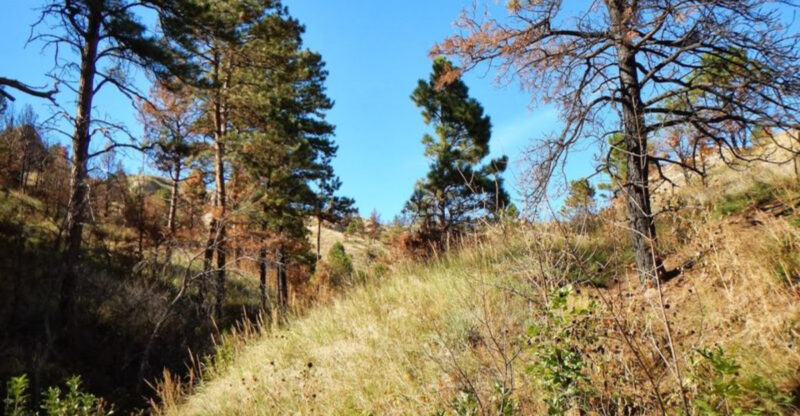
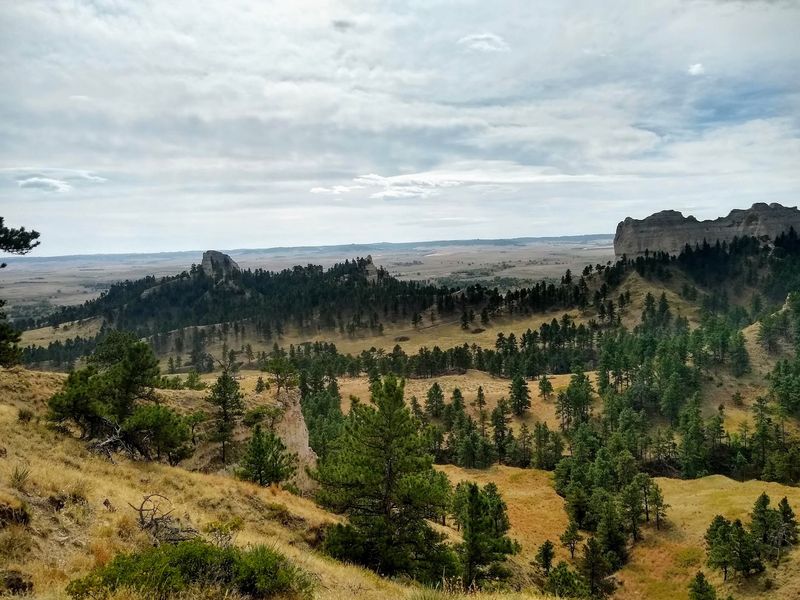
Fort Robinson State Park covers roughly 22,000 acres of the Pine Ridge, a rugged slice of the northwest where pine-dotted bluffs rise straight out of the grassland.
Most people picture this state as flat cornfields from end to end. Out here, the land folds into sandstone ridges, sunflowers crowd the roadsides, and small prickly pear cacti hide in the grass.
It looks nothing like the eastern half, which turns the drive itself into part of the adventure.
So what exactly sits at the end of that road? The site began as a cavalry-era military fort and now works as a historic park with lodging, museums, a bison herd, and a long list of outdoor activities.
Old buildings still line the grounds in tidy rows, and many of them host overnight guests instead of soldiers.
Layers of history pile up here, from the frontier years all the way through World War II. That last chapter surprises plenty of Nebraskans who grew up just a few hours away, and it deserves a closer look.
German Prisoners on the Nebraska Plains
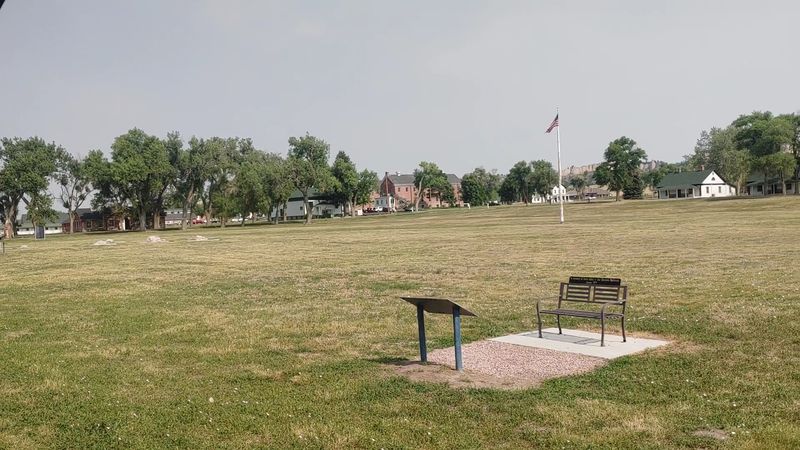
Picture a stretch of open ground above the old fort, grass bending in the wind, a half circle of picnic tables sitting near a covered shelter. During World War II, that area served as a prisoner of war camp, and German soldiers captured overseas spent part of the war living here in the Pine Ridge.
It sounds almost impossible today. Across the country, POW camps followed the rules of the Geneva Convention, and many prisoners worked on farms to help fill a wartime labor gap while American workers were away.
Camp life included meals, housing, and a steady routine far from the front lines.
How much remains of that era? The old POW area is still part of the park, and one of the chuck wagon dinners heads out to that very spot, so a meal can double as a history lesson.
The museums on the grounds help fill in the rest of the fort’s long timeline.
Standing there, the stillness is the most striking part. Wind, birdsong, and distant ridges make it hard to imagine an entire ocean separating these young men from home.
Frontier Stories That Still Carry Weight
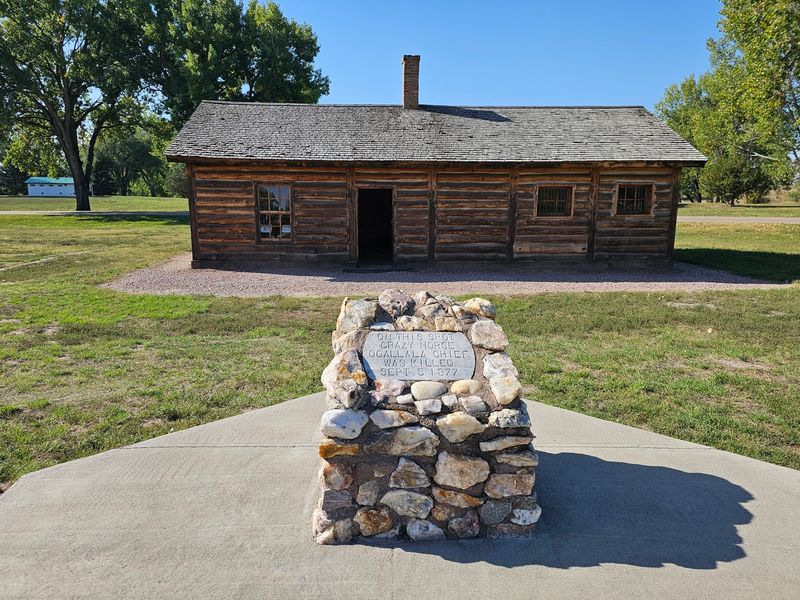
Long before the prisoner camp, Fort Robinson stood at the center of some of the most significant moments in Plains history. The Buffalo Soldiers served here, and the fort is tied to the final days of Crazy Horse, the respected Lakota leader.
The Northern Cheyenne story also runs deep on these grounds.
Memorials around the area share written testimonies from Native people whose lives were shaped by what happened at the fort. Reading those words in the same place where events unfolded lands differently than any textbook.
It is a heavy, thoughtful part of the visit, and it earns the time.
The mood shifts from lighthearted to reflective within a short walk. One minute, kids are lining up for pony rides; the next, a plaque asks readers to slow down and consider the people who lived through the frontier years.
Anyone headed toward the Crazy Horse Memorial farther north can treat this stop as a meaningful companion piece. The link between the two sites turns a scenic detour into a chance to pay respect and learn the fuller story of the man and his people.
Officer’s Quarters, Old Stables, and Self-Guided Strolls
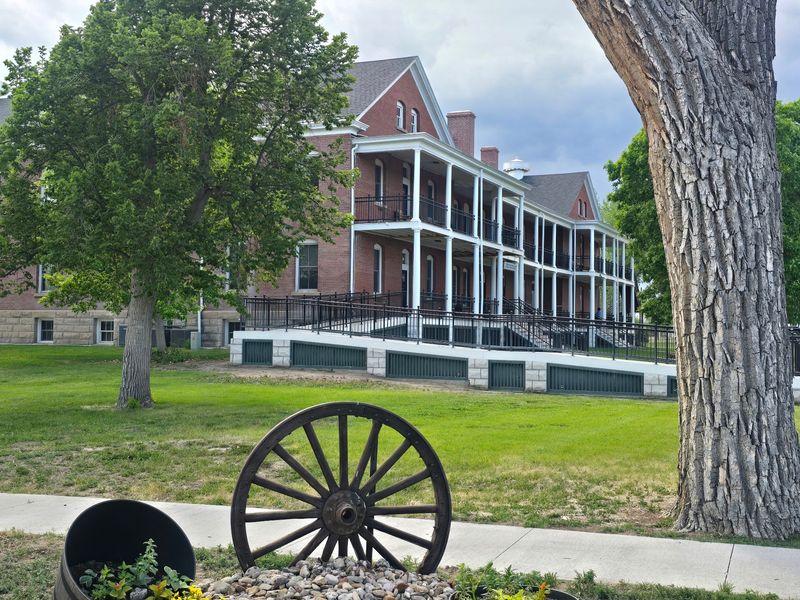
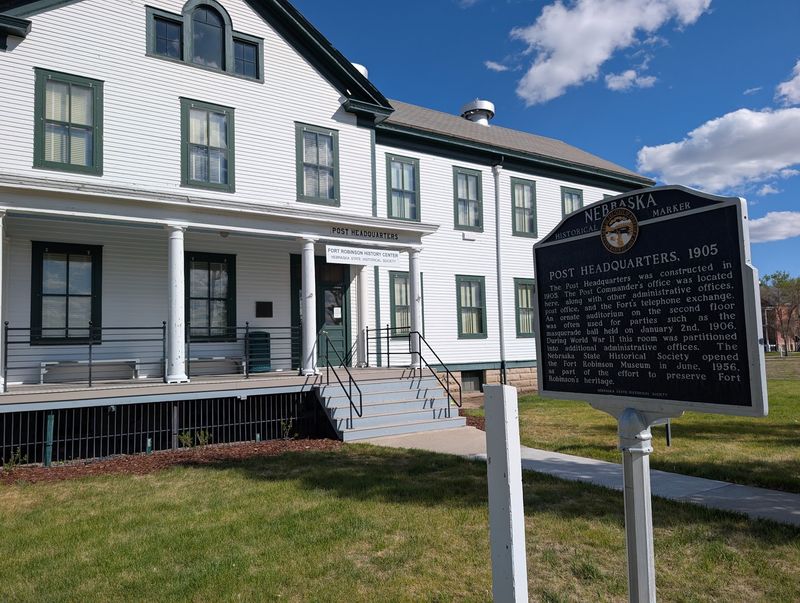
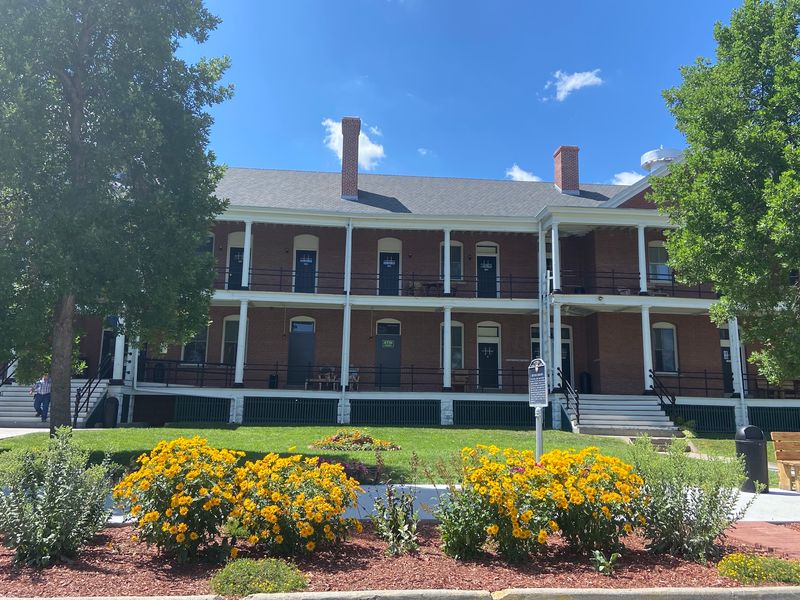
Gravel crunches underfoot and the smell of pine drifts across the grounds on a slow walk through the historic fort. Brick and wooden buildings from the fort’s early decades stand close together, many of them preserved with obvious care.
It is easy to spend an hour wandering between them without any set route.
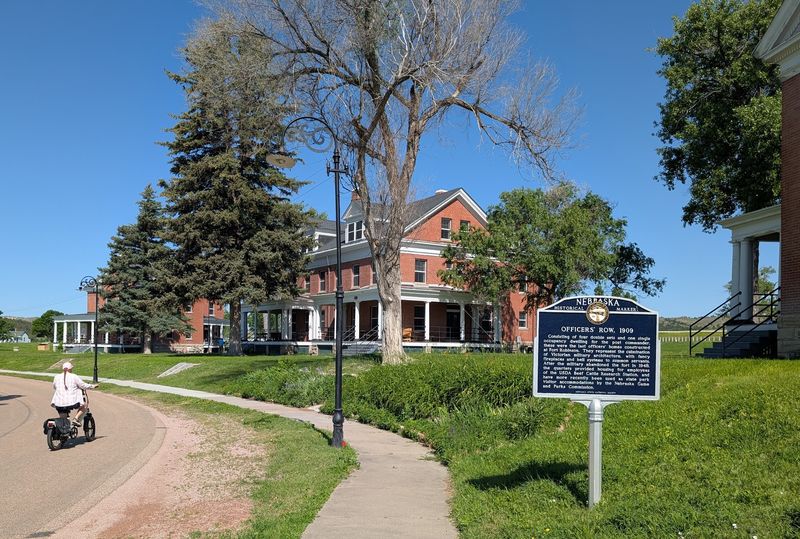
Some of the most striking structures are the 1870s officer’s quarters, which now serve as lodging. The historic barn still stables horses, too, so the sounds and scents of a working cavalry post have not fully faded.
Want the full backstory on each building? Signs at spots such as the old stables are fairly brief, so a stop at the museum first makes the walk more rewarding.
Grab the basics there, then head out with a better sense of what each structure once held.
Beyond the core of the fort, well-marked trails branch off for walking and riding. They lead into open prairie and toward the rocky high ground, giving a self-guided tour a scenic finish.
Comfortable shoes, water, and a hat help a lot, since summer afternoons can climb well into the 90s and the wind rarely takes a day off.
The Trailside Museum and Its Tangled Mammoths
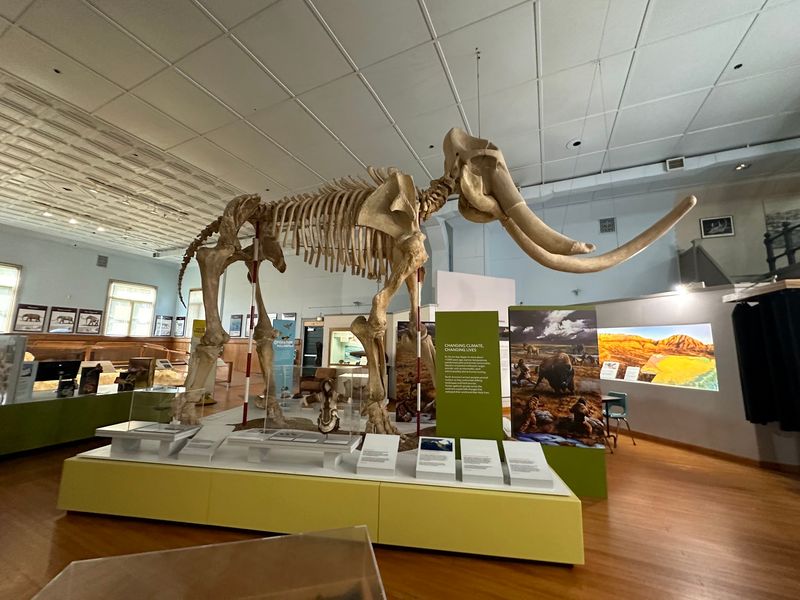
Two complete mammoth skeletons, their tusks locked together in an ancient standoff, anchor the exhibits at the Trailside Museum. The pair tangled up long ago and never pulled free, leaving a frozen moment that makes kids and adults stop in their tracks.
Did anyone expect ocean life in the Nebraska Panhandle? Displays explain that this region once sat beneath an ancient sea, home to giant marine reptiles such as plesiosaurs and mosasaurs.
Seeing those creatures described so close to dry sandstone cliffs is a fun twist, and the contrast sticks around long after leaving.
Other museums around the fort focus on its military past, covering army life from the early years through World War II. They also supply the context that outdoor signs leave out, so the order of the day matters: indoor exhibits first, then the grounds.
Budget a little extra here. Museum admission runs separately from park entry, so plan for a small added cost on top of the gate fee.
For a family, that covers an easy hour or two of learning, and the mammoths alone make the stop stick in memory.
Jeeps, Stagecoaches, and Trail Rides Into the Buttes
A jeep grinds up a steep grassy hill, tilts over the crest, and suddenly the view opens to rolling grassland where the park’s bison herd grazes. Donkeys wander nearby, too.
The jeep tours climb high for sweeping looks at the formations that frame the fort.
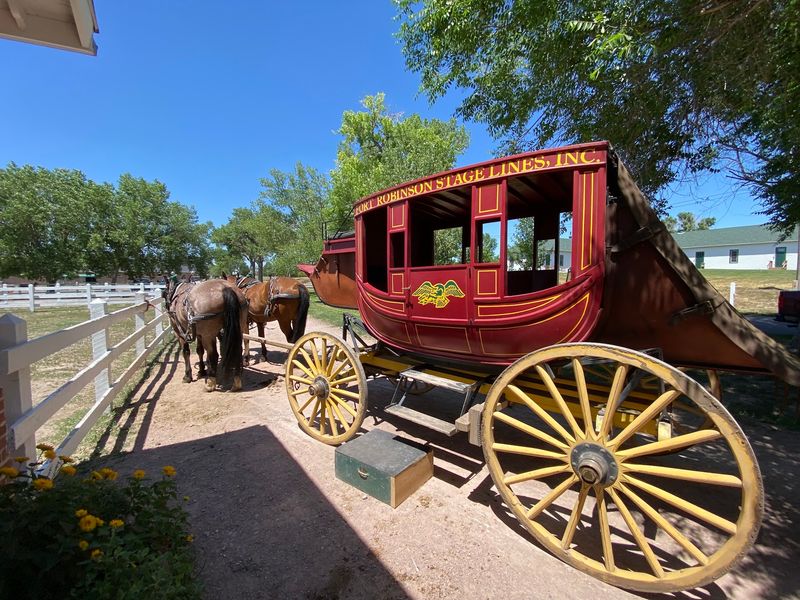
Prefer a slower pace? The stagecoach and horse-drawn carriage rides roll along at an old-time clip, a gentle option for younger kids and grandparents alike.
Pony rides handle the littlest riders, and hearing hooves on the gravel adds to the old-West mood.
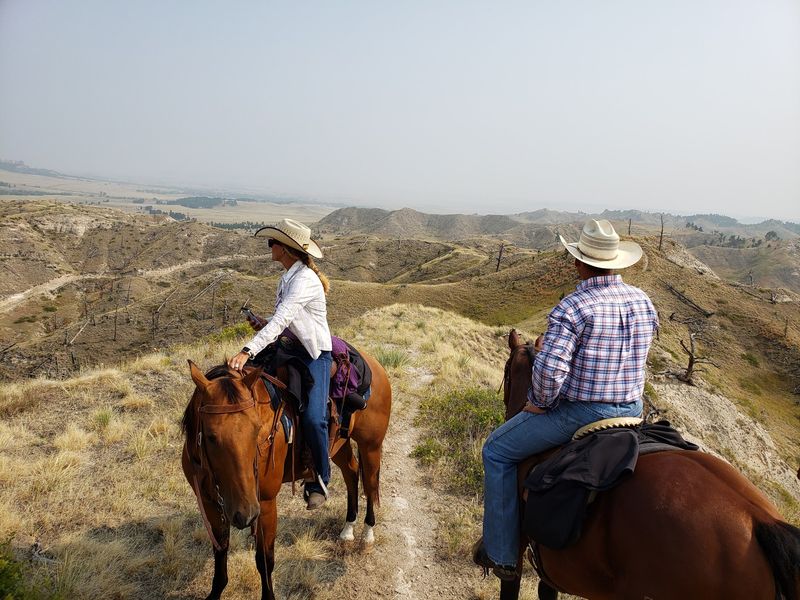
Guided horseback rides come in two lengths. The short ride lasts around 45 minutes, while the long ride climbs into the buttes, with steeper climbs and descents that make the outing far more exciting.
When both are running, the longer option offers more for the modest price difference.
Conditions can change from season to season. Fire recovery has limited some trails at times, leaving only the short ride open, so checking at the information desk upon arrival saves disappointment.
Riders who bring their own horses can use the marked trails and the stalls in the historic barn.
Chuck Wagon Suppers Under Open Sky
Sizzling ribeye, baked potatoes, cowboy corn, and a warm roll with butter fill the plate at the steak fry, one of the park’s standout evening outings. Guests ride a wagon out to the base of the buttes, eat cafeteria style in the open air, and roll back to the fort as the light fades.
Other meal outings run on different evenings and mornings. A hearty stew dinner travels by covered, cushioned trolley cars up to the old POW area, where picnic tables and a large shelter wait, along with cornbread and an Oreo brownie.
A chuck wagon breakfast rounds out the lineup.
Still hungry after the first plate? Seconds are common, with extra portions set out once everyone has been served.
Drinks stay simple, with tea, lemonade, or water.
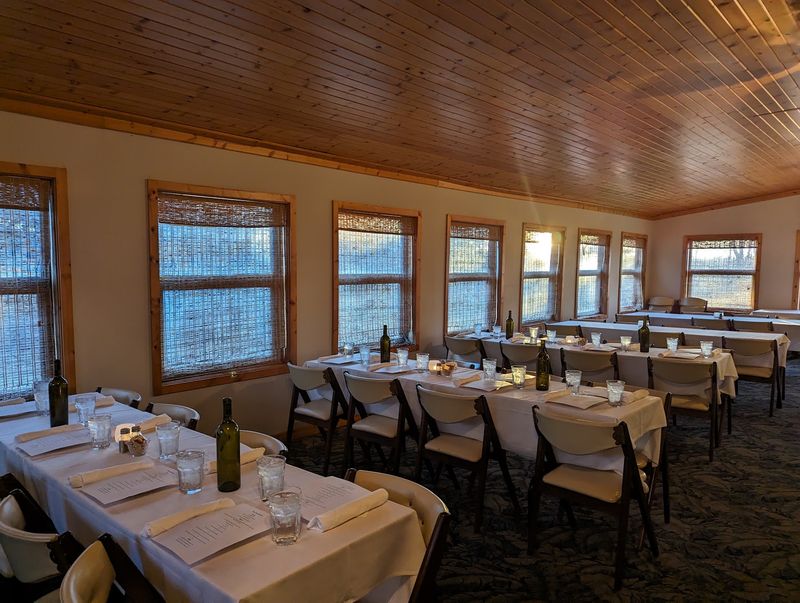
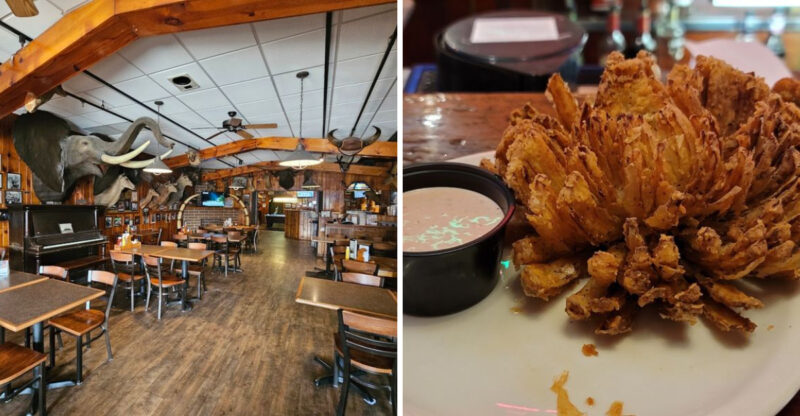
Not everyone wants to ride out for dinner, and the lodge restaurant covers that need. Breakfast arrives in heaping portions, and the full menu keeps campers fed until the grill is ready.
Schedules for the outdoor meals shift during the season, so confirm times at the fort before planning a night around one.
A New Swim Park, Live Theater, and Rainy-Day Backups
The brand-new swim park is the freshest headline at Fort Robinson, complete with a big slide and a splash pad. Lifeguards keep watch, and on a hot western Nebraska afternoon, it quickly becomes the busiest spot on the grounds.
Opening timing depended on construction early in the season, so checking ahead helps if swimming tops the list.
After dark, the lights come up at the Post Playhouse. The summer theater stages different shows on different nights, with past productions including Seussical and Clue.
Tickets are sold separately, and an evening there turns a camping trip into something closer to a small-town night out.
What about a windy or stormy afternoon? A game room, ceramics painting, and a playground keep kids busy.
The playground suits children over five best, since there is not much equipment for toddlers.
Some rentals skip televisions and radios altogether. That might sound like a drawback, yet it pushes families outside, into card games and long conversations, and lets kids simply be kids.
Bikes are welcome on the grounds, and a rodeo adds a lively, often funny evening option.
Sleeping in History: Lodging and Campgrounds in Nebraska’s Pine Ridge
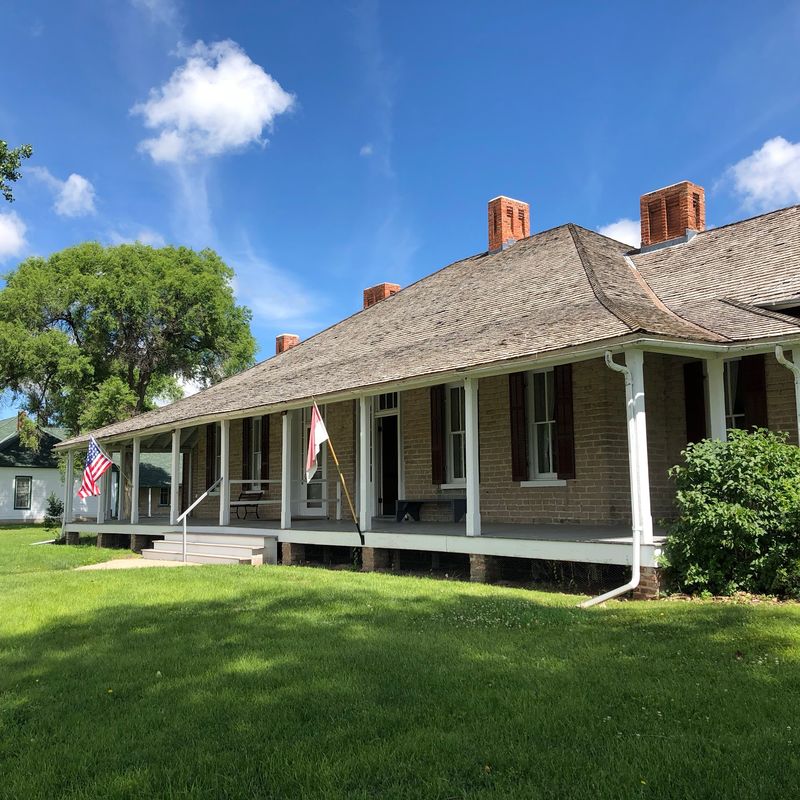
Overnight options range from rustic to roomy. Guests can book restored 1870s officer’s quarters, cabins, lodge rooms, or large houses such as the Bricks units, which can sleep multiple families with separate floors, bathrooms, and a fully equipped kitchen.
Big reunions and birthday gatherings fit comfortably.
Tall, mature trees shade the inner loop of the Red Cloud campground, a welcome break when summer temperatures push into the 90s. Sites there offer paved, level concrete pads, with full hookups and grills on many of them, though no fire rings.
Large fifth wheels fit with room to maneuver.
Any catch with all that shade? Northwest Nebraska sees strong wind and summer thunderstorms, and branches can fall from those big trees.
Tents and loose gear need securing no matter which loop you choose.
The Soldier Creek campground offers a shower house plus vault toilets, and the horse camp includes electric and water, stalls with water access, and a newer shower house. Showers throughout run on coins, and change machines are available.
Bathrooms stay spotless, and the park remains calm even on packed holiday weekends, so book early, since summer fills fast.
Planning the Drive and a Final Word
Chadron sits about 30 minutes away for groceries and supplies, so stocking up before arrival makes sense for campers. Toadstool Geologic Park, with its otherworldly rock formations, lies roughly half an hour from the fort.
Smiley Canyon and the abandoned Belmont Tunnel, the only railroad tunnel built in the state, make easy side trips.
When should you go? Summer brings the fullest lineup: the swim park, Post Playhouse shows, trail rides, and chuck wagon meals.
Hours and activity schedules shift through the year, so checking with the park before the drive keeps plans on track.
Entry is not free, and extras such as museum admission, rides, and meals carry separate costs. Even so, a family can fill a whole day walking the grounds, reading the memorials, and scanning the hills for bison without spending much beyond the gate.
Late afternoon light turns the bluffs gold over the old fort, and the layers of this place settle in. Army barracks, tribal memorials, a WWII prisoner camp, and ancient mammoths all share one valley.
For Nebraskans who have never made the drive, few places in the state pack this much story into a single stop.