This Grand 1916 Nebraska Hotel Is Where The Reuben Sandwich Was Invented Over A Card Game
Some buildings keep their stories quiet until you walk through the front door. In Nebraska, one redbrick hotel from 1916 has been standing on the same corner for more than a century, and the sandwich piled with corned beef, sauerkraut, and Swiss cheese that shows up on deli menus nationwide traces right back to a late-night card game inside it.
The hotel closed, sat empty, and then came roaring back with a pool deck, a steakhouse, and a lobby full of plants. Pull up a chair, because the history here is thicker than the rye bread.
A Redbrick Landmark on Omaha’s 36th Street
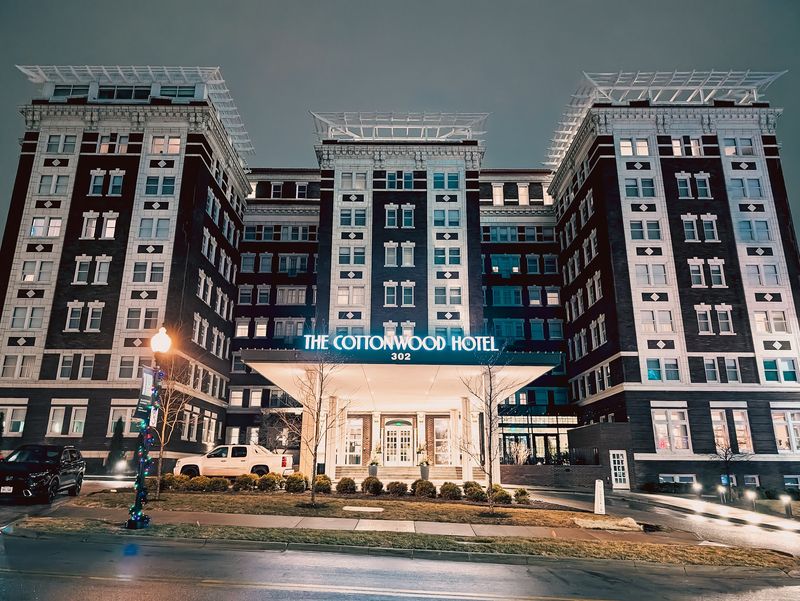
Drive west from downtown Omaha and the skyline thins out into brick storefronts, murals, and a stretch of street that carries the name Blackstone District. At 302 South 36th Street sits the Kimpton Cottonwood, an eight-story redbrick hotel that has anchored this corner since 1916.
It is less than a mile from Interstate 480, which makes it one of the easiest historic buildings in the state to reach without much planning. The Joslyn Art Museum sits about a mile away, and the shops and restaurants of the Old Market are roughly two miles east.
Inside, the building runs as a full-service hotel with a steakhouse, a cafe, two bars, an outdoor pool, a fitness center, and a rooftop terrace. Loaner bikes are available, along with valet parking and breakfast service.
What separates it from any other well-kept historic property is the sandwich. Long before the current name went on the door, this address was the Blackstone Hotel, and a weekly card game upstairs changed American lunch menus permanently.
From Residential Hotel to Lincoln Highway Showpiece
Construction started in 1915 on what was planned as a residential hotel, a building meant for people who wanted a permanent address with room service attached. The doors opened in 1916.
Charles Schimmel bought the property in 1920, and everything changed. Under his ownership it became the Blackstone Hotel, a name that carried real weight for travelers crossing the country on the Lincoln Highway between Chicago and San Francisco.
Schimmel ran it like a destination rather than a waystation. The hotel even published its own magazine, The Blackstonian, which is the kind of confidence you do not see from a roadside stop.
Over the decades the surrounding neighborhood took the hotel’s name, and the Blackstone District still goes by it today. The building eventually went dark, sat through a long stretch of vacancy, and then came back after a major restoration that kept the original bones intact.
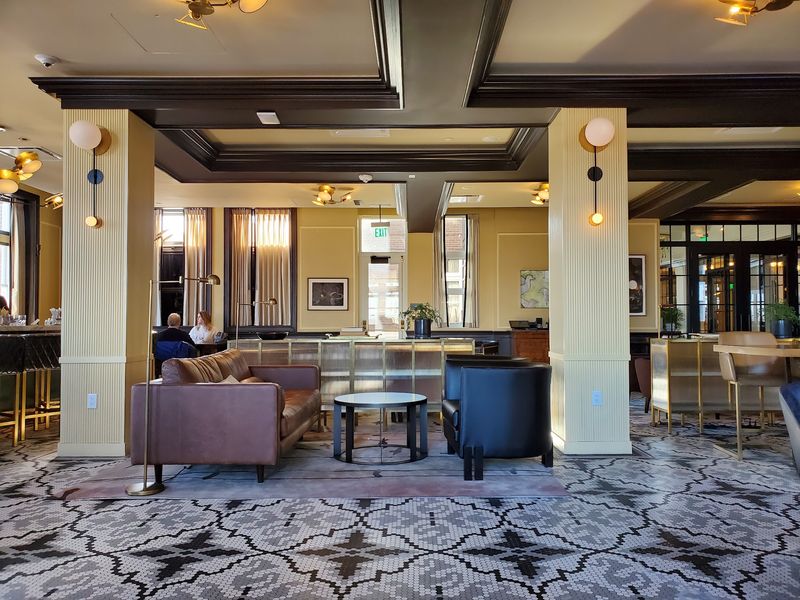
Walking the lobby now, the terrazzo, the columns, and the scale of the public rooms all point straight back to that early era of highway travel.
The Card Game That Produced a Sandwich
Every week between roughly 1920 and 1935, a group of Omaha men gathered at the Blackstone for a standing poker game. Among them was Reuben Kulakofsky, a Lithuanian-born Jewish grocer who lived in the city.
Late in one of those sessions, hunger set in, and Kulakofsky asked the kitchen for something built around corned beef and sauerkraut. Simple request, no fireworks expected.
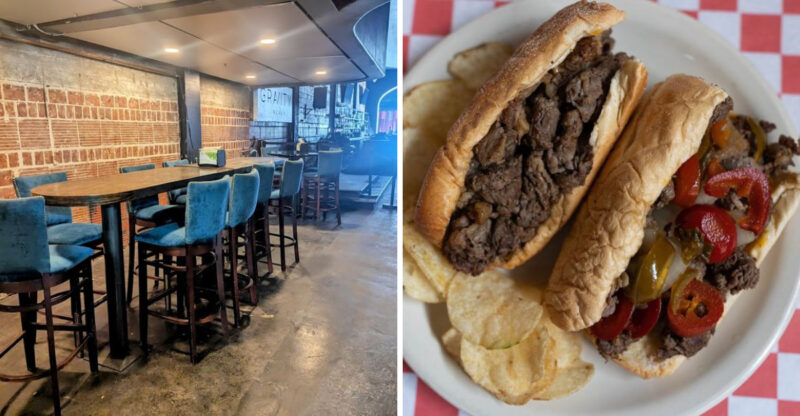
Bernard Schimmel, son of the owner and a graduate of the hotel school in Lausanne, Switzerland, took the order personally. He added Swiss cheese and a dressing, either Russian or Thousand Island depending on which account you follow, layered everything on rye, and grilled the whole thing until the outside crisped and the cheese gave way.
The table approved. Charles Schimmel liked it enough to put the sandwich on the coffee shop menu and named it after the man who ordered it.
The hotel dates to 1916, but the sandwich belongs to the mid-1920s, with 1925 the year most often attached to its creation. One hungry card player, one trained chef, one lasting result.
How a Nebraska Invention Went National
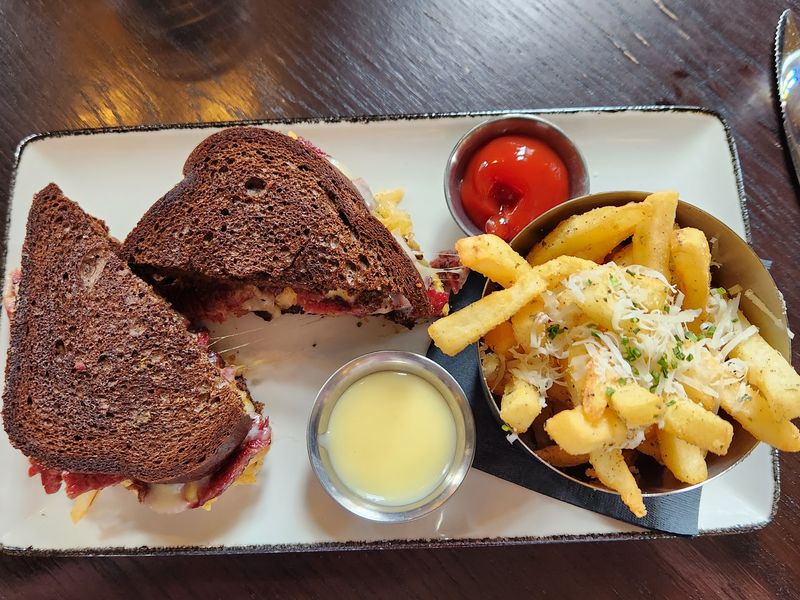
Thirty years is a long time for a sandwich to stay regional. Through the 1930s the Reuben lived mostly inside the Schimmel hotel chain, a house specialty that people encountered by staying somewhere rather than by reading a cookbook.
The turn came in 1956. Fern Snider, a waitress who had worked at one of the Schimmel properties, entered the recipe in the National Sandwich Idea Contest.
It won. That single victory pushed the Reuben out of Omaha and onto menus from coast to coast, where it has stayed ever since.
Competing origin stories exist, as they always do with popular food, and a New York version circulates too. The Nebraska account has the names, the hotel, the trained chef, and the contest paper trail behind it.
Pair the Reuben with the Vise-Grip and the state has a respectable invention record for something people use every single day. One tightens bolts, the other feeds you at lunch.
Not a bad legacy for a request made at a card table after midnight.
Rooms Built Inside a Century-Old Frame
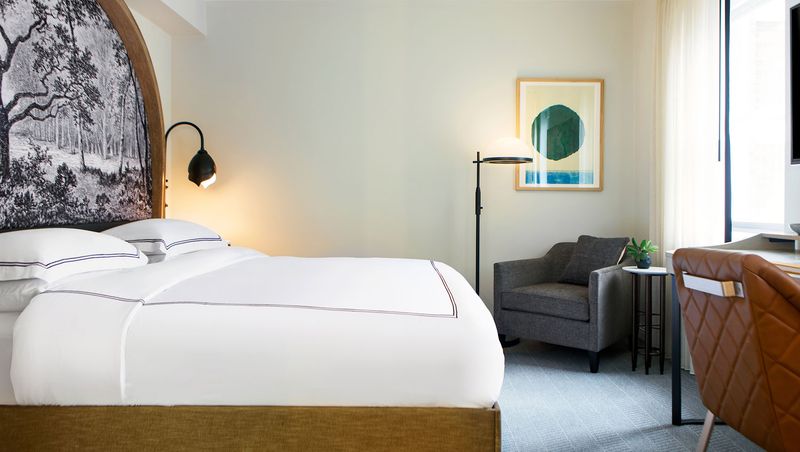
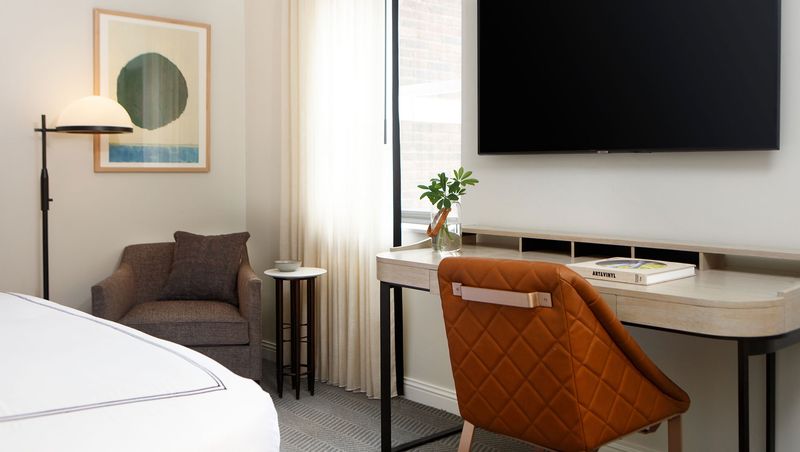
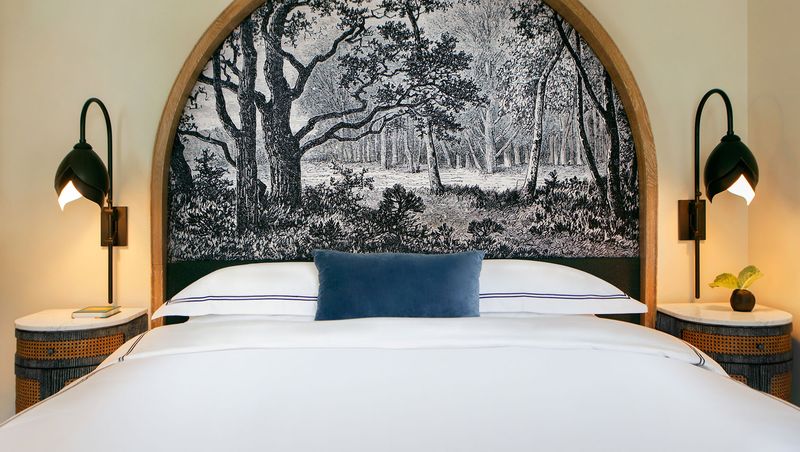
Historic buildings do not hand designers a blank rectangle, and the guest rooms here show it. Layouts vary, some run compact, and the occasional structural pillar turns up in a spot no modern architect would choose.
What they offer instead is character. Flat-screen televisions and Wi-Fi come standard, along with designer toiletries, and certain rooms add balconies, sofabeds, pool views, or a claw-foot tub set right in the room.
The tub rooms draw the most attention from people planning a slower weekend, and they are the upgrade most often recommended for a special occasion. Quiet comes up frequently as well, with the air conditioning running without a rattle.
A few practical notes worth knowing before you book. Lighting in some rooms skews dim, which matters if you plan to work at the desk, and coffee comes from the lobby shop rather than an in-room machine.
Guests who need a microwave or an iron should ask ahead, since not every room is stocked the same way. Housekeeping standards have drawn mixed feedback in recent months.
The Pool Deck Everybody Talks About
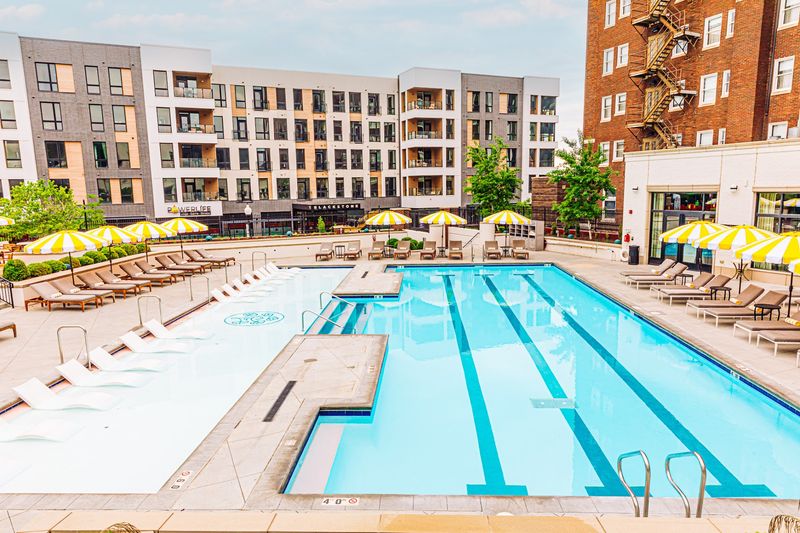
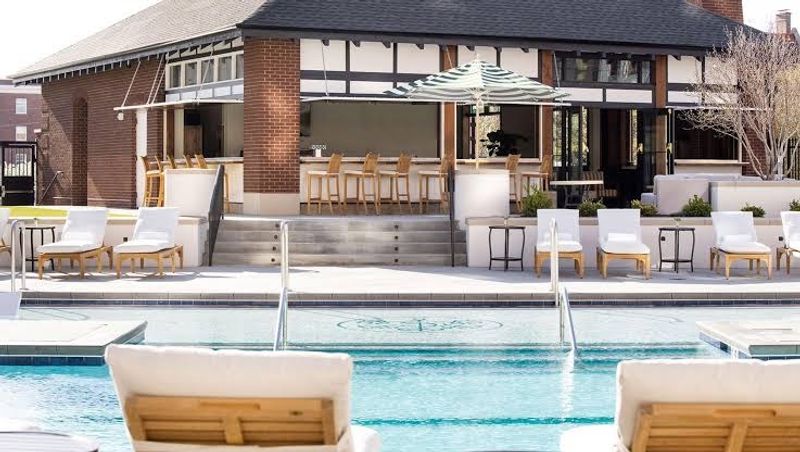
Summer in Omaha turns the courtyard pool into the busiest square footage on the property. Lounge chairs ring the water, there is a raised platform in the middle of the pool itself, and a smaller shallow area keeps younger kids occupied.
Mentions of the pool outnumber every other topic tied to this hotel by a wide margin, and the scene carries a party energy on weekends with music playing into the evening.
Policies have shifted, though, and that is the part to understand before you pack a swimsuit. Chair reservations now come at a cost, cabana rentals are available, and non-guest day passes mean the deck can hit capacity.
Free loungers are limited in number, so early arrival helps considerably on a hot Saturday. The pool bar operates separately from the hotel, which means separate payment rather than charging back to your room.
Families should also know the evening atmosphere leans louder and more social than the daytime one. Plan accordingly, and the pool remains one of the more distinctive outdoor spaces in the city.
Steakhouse, Cafe, and an Afternoon Tea Tradition
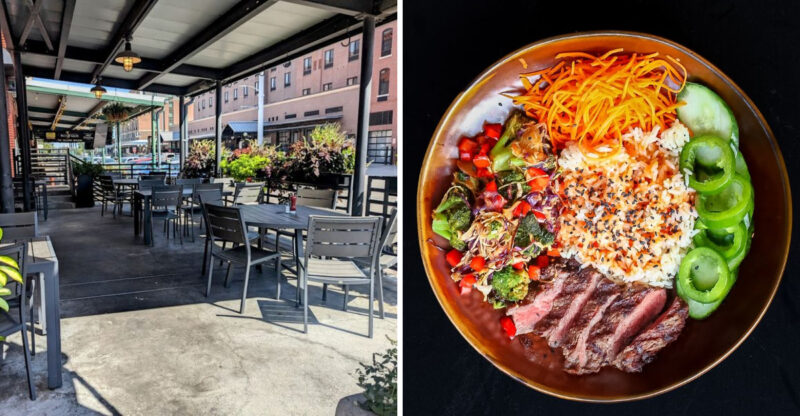
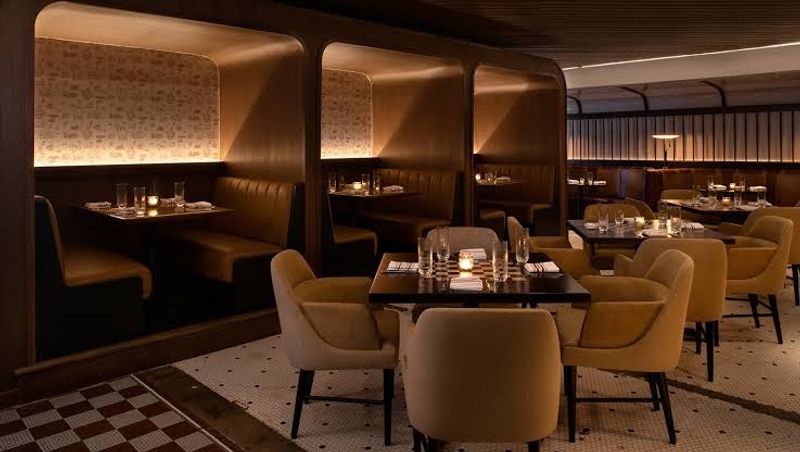
Dining runs on several tracks here. A sleek steakhouse handles the big-occasion end, including a multi-course steak dinner built as a full evening rather than a quick meal.
A warm, sophisticated cafe covers mornings, and two bars round out the lineup. The lobby coffee shop becomes the de facto gathering point early in the day.
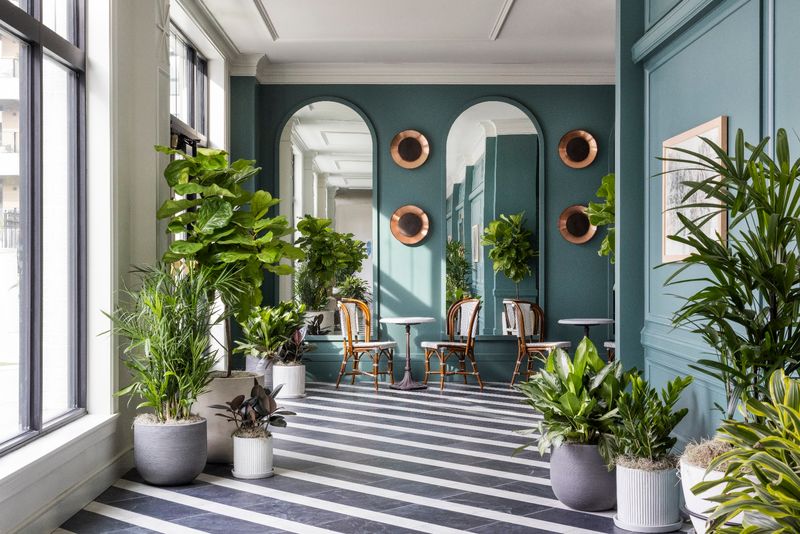
Then there is the Fontanelle Room, the plant-filled courtyard space near the front desk with natural light pouring in from above. Afternoon tea and brunch service runs there, with tiered trays of small sandwiches, smoked salmon and egg salad among them, plus a rotating tea list.
Groups of six or more may find the food arranged on shared trays rather than individual stands, so a smaller party gives you the full presentation. Reservations are the way to go.
Pricing lands at the upper end for Omaha, and service pace can run slow during busy stretches. The setting, all greenery and light and old bones, does a lot of heavy lifting either way.
Ballroom Dates and Wedding Weekends
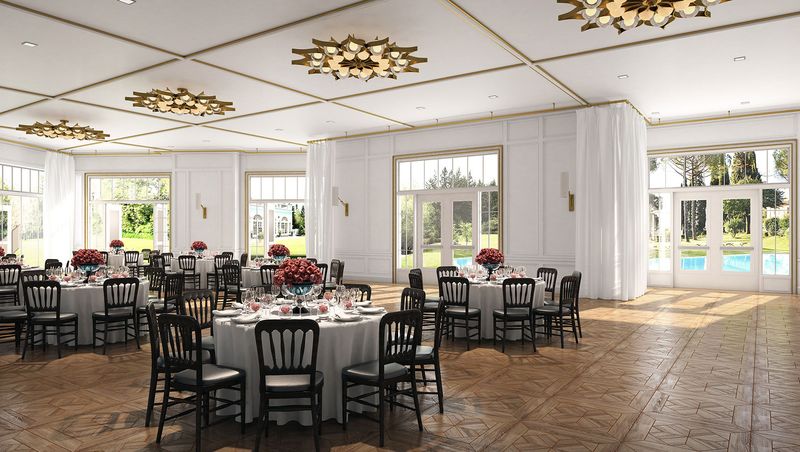
Weddings fill this building regularly, and the ballroom is the reason. High ceilings, period detail, and a location that puts out-of-town guests within walking distance of the Blackstone District make it an easy pick for Omaha couples.
The eighth floor hosts receptions, which is worth filing away if you are booking a regular room. Elevator traffic near an event space can feel crowded on a Saturday night, and taking the stairs one floor down sidesteps the bottleneck.
Anniversaries, milestone birthdays, and family reunions land here too. Multi-generational trips work well given the pool, the restaurants, and the short drive to the art museum.
The hotel is pet-friendly, with dogs a common sight in the lobby, though it pays to confirm what supplies are provided before arrival.
For anyone planning an event, the combination of a 1916 shell and a fully renovated main level gives photographers something to work with. Old brick, tall windows, and a courtyard full of greenery do not require much staging.
Walking the Blackstone District
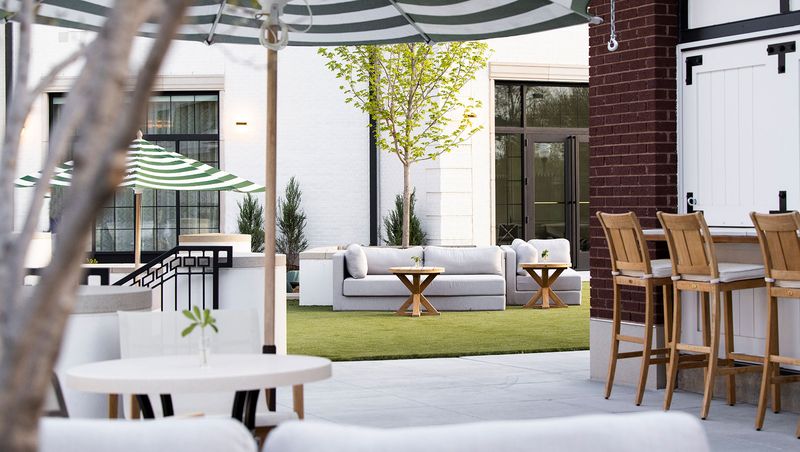
Step outside and the neighborhood does its share of the work. The Blackstone District grew up around this hotel and took its name, and the blocks nearby hold independent restaurants, coffee shops, and storefronts with patios that fill up when the weather cooperates.
Everything sits within walking distance, which is the appeal. Park once, leave the car, and spend an afternoon covering ground on foot.
The Joslyn Art Museum is about a mile away, an easy trip by bike using the hotel’s loaner fleet. Old Market, with its cobblestones and shops, sits two miles east.
One heads-up: streetcar construction is underway in the area, with work expected to continue for a few years. One-way streets and closures make the approach trickier than a map suggests, so build in extra minutes.
Valet service handles arrivals, and a paid lot operates across the street. Neither option is free, and both fill up during events.
Getting here from anywhere in eastern Nebraska is a straightforward highway run followed by a short surface-street stretch.
What to Know Before You Book
Cost sits at the top of the list. Nightly rates here run well above the Omaha average, and taxes and fees add meaningfully on top of the base number.
Chair reservations at the pool carry their own charge, and the pool bar cannot be billed to your room. Budget those separately if a summer weekend is the plan.
Parking means valet or the lot across the street, both paid. With road construction in the area, allow extra time for the final approach no matter which direction you come from.
Wi-Fi performance has been inconsistent for anyone planning to work, so a phone hotspot is a reasonable backup. Coffee lives in the lobby rather than the room.
The rating across more than a thousand Google reviews sits at 4.4 stars, with staff accommodation cited more than fifty times and quiet rooms noted frequently. Recent changes to pool access and lounge policies have drawn pushback from longtime guests.
Shoulder seasons bring lower demand and a calmer building if the pool scene is not your priority.
The Verdict on Nebraska’s Sandwich Birthplace
A building that survives 110 years, goes dark, and then comes back with a working pool deck and a full restaurant lineup has earned its place on the map. Add the Reuben and the case gets stronger.
For history-minded Nebraskans, the draw needs no explanation. You can stand in the lobby of the hotel where a poker player’s late-night request turned into a sandwich served in every state.
As a place to stay, expectations should match the price tag. The public spaces are restored beautifully, staff members regularly earn individual praise by name, and the food is solid.
Rooms vary more than the rate suggests, and the pool policies have changed enough recently that returning guests notice. Going in informed makes the difference.
You do not have to book a room to appreciate it, either. Afternoon tea in the courtyard room, dinner at the steakhouse, or an hour spent walking the district around it all deliver the building’s character.
The sandwich, at least, is easy to find anywhere. The birthplace only exists on one corner in Omaha.