9 Georgia Coastal Towns That Feel Better After Summer Winds Down
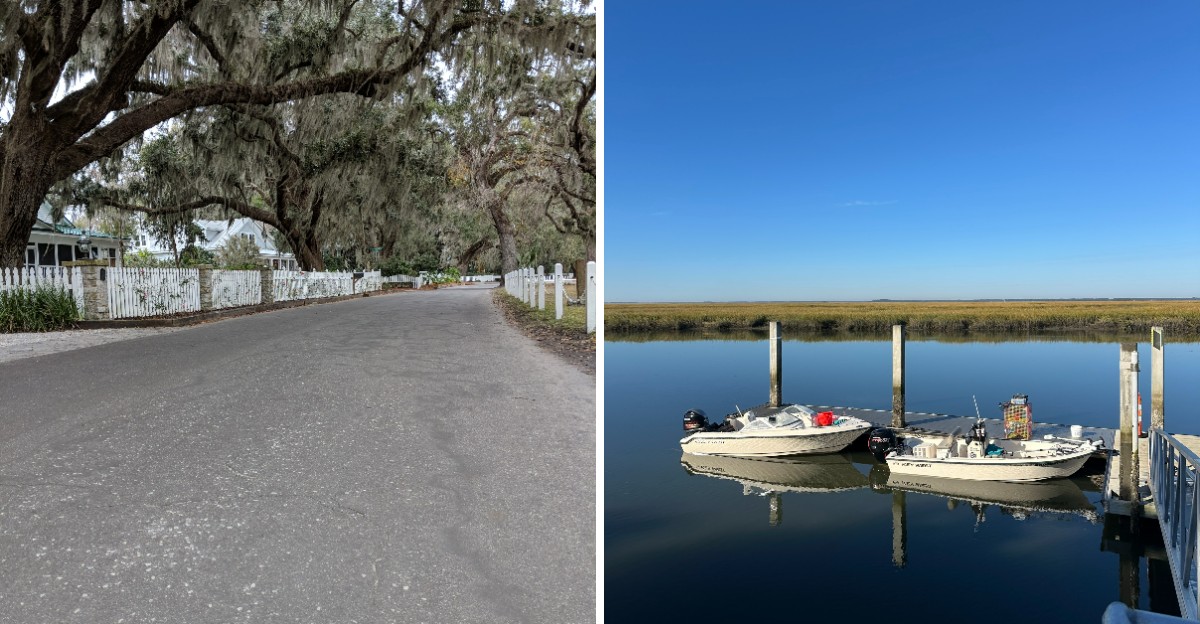
Summer gets all the attention on the coast. It shouldn’t.
The real magic shows up in September. That’s when the last beach umbrella folds and the traffic thins out.
You can feel the shift almost overnight. Parking spots open up.
Restaurant tables come without a wait. Shrimp boats still head out at dawn, and the catch lands on plates the same afternoon.
The marsh turns gold. The breeze softens.
Even conversations seem to slow down.
Georgia’s shoreline wears fall beautifully. Its small towns trade crowded boardwalks for quiet docks, empty sandbars, and sunsets you can enjoy without elbowing anyone.
I’ll take that trade every time.
If you’ve only seen the Georgia coast in July, you’ve seen half the story. Pack a light jacket and keep reading for the towns that shine brightest once summer says goodbye.
1. Tybee Island After The Beach Towels Disappear
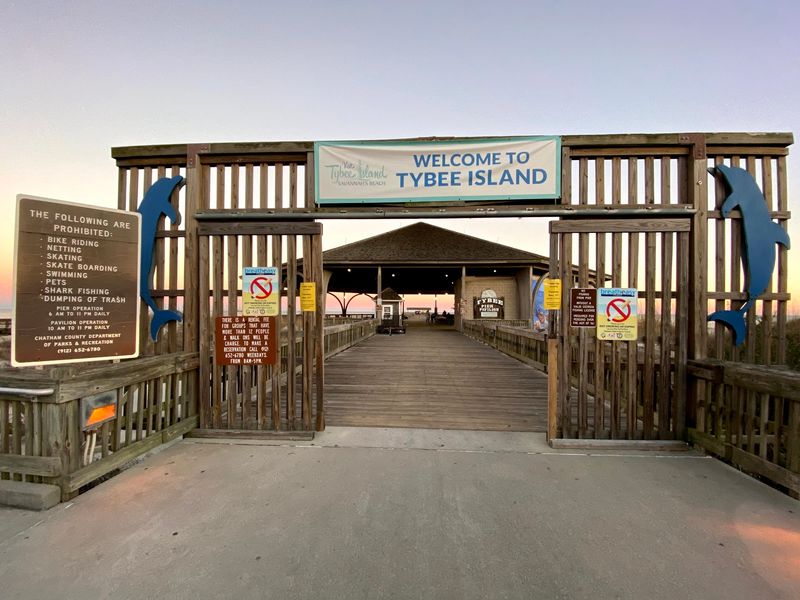
Summer on this barrier island can feel like sharing a bathtub with the entire Southeast. Come fall, the parking spots return, and so does my patience.
The ocean has not gotten the memo about autumn yet. Water temperatures often hover near 78 degrees in early October, so swimming is still on the table.
My favorite trick is a morning walk from the pier to the north end. The sand is cool, the shorebirds are busy, and nobody is fighting over umbrella space.
Then the pirates show up, and I mean that literally. Tybee Pirate Fest takes over the island each October, with 2026 dates set for October 8 through 11.
Expect costumes, a parade, live music, and plenty of kids waving foam swords. It is silly in the best way, and grown-ups dress up too.
For a calmer view, climb the historic lighthouse at 30 Meddin Drive. The 178 steps feel much kinder without July heat pressing on your shoulders.
At the top, you can see the ocean, the marsh, and the mouth of the Savannah River. Bring a light jacket, since the breeze gets bold up there.
Pack sunscreen anyway, because fall sun still bites. A late lunch of local shrimp on a shady porch finishes the day just right.
Weeknights are the calmest time to visit. Many hotel rates also drop after Labor Day, which leaves more money for ice cream.
2. Oaks, Lighthouse Views, And Easy Parking On St. Simons
Traffic on the causeway in July could test the patience of a saint. By October, the drive feels like a gentle glide over golden marsh.
The Village is the heart of the island, and fall lets you actually enjoy it. Shops, cafes, and the pier sit close together, so you can park once and stroll.
I like to grab a snack and watch people cast lines off the pier. Kids drop crab traps on strings, a coastal pastime that never gets old.
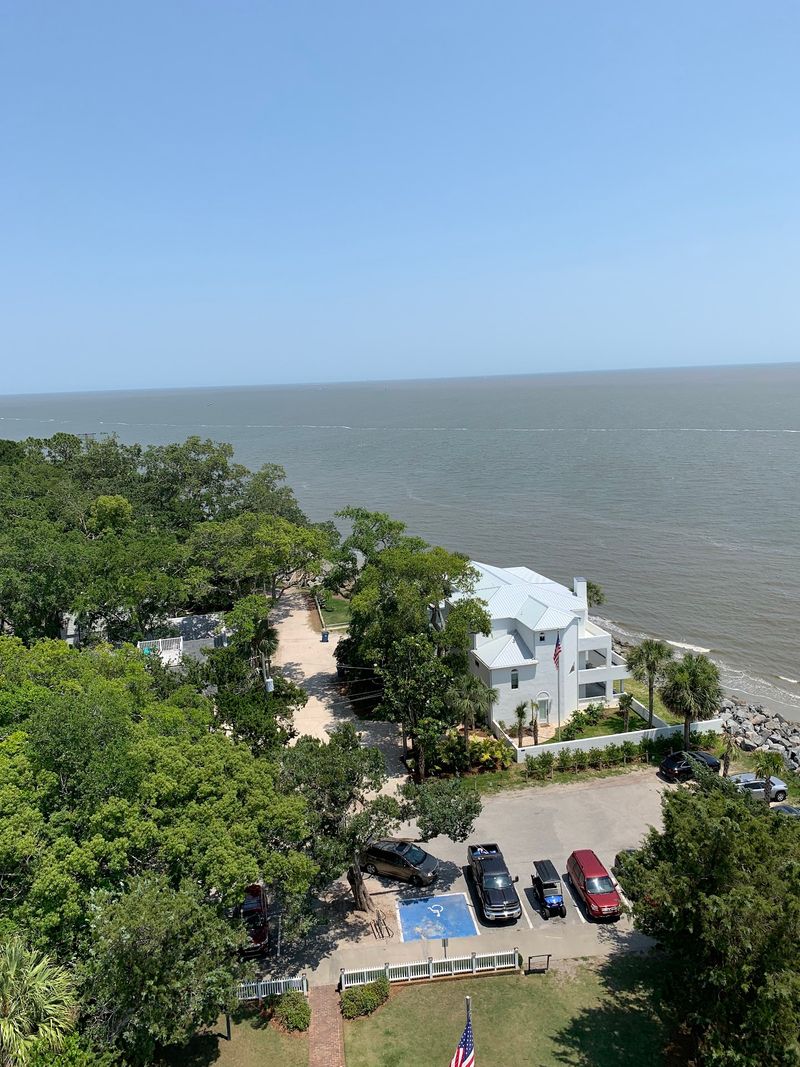
Right next door stands the St. Simons Lighthouse, at 610 Beachview Drive. Built in 1872, it rises 104 feet, and the climb has 129 steps.
Cooler air makes that climb far more pleasant. The view from the top covers the sound, nearby Jekyll Island, and miles of marsh.
Beyond the lighthouse, the live oaks steal the show. Frederica Road and the lane at Christ Church are draped in Spanish moss that sways with the breeze.
Keep an eye out for the Tree Spirits, faces carved into old oak trunks around the island. Spotting them turns into a fun scavenger hunt for all ages.
Bikes are the smartest way to explore. Paved trails loop through neighborhoods and along the beach, and fall temperatures make pedaling easy.
Pick a weekday if you can. You may get a whole bench under the oaks all to yourself.
3. Driftwood, History, And A Festival Worth the Drive
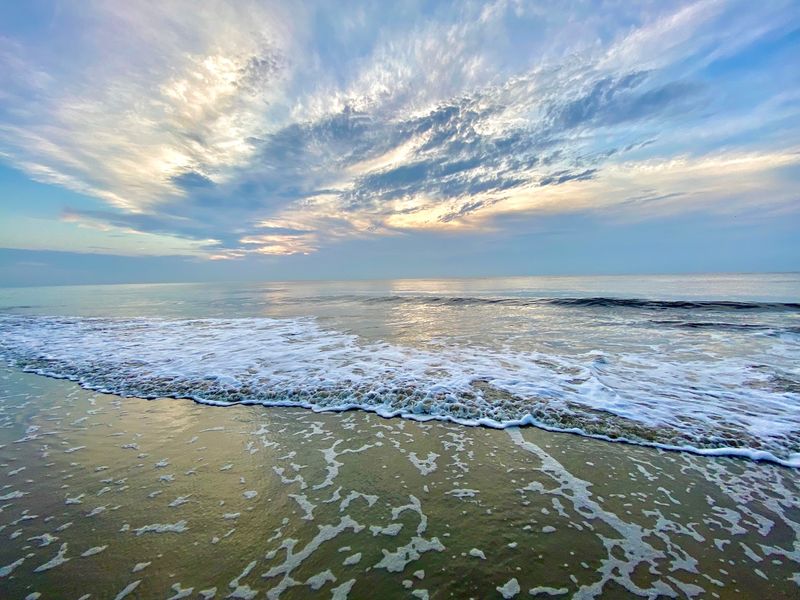
Some beaches have sand castles, but this one has tree skeletons. Driftwood Beach on the north end of Jekyll is covered with sun-bleached trunks twisted into wild shapes.
Summer glare can make it hard to linger there. Fall brings softer light, cooler sand, and far better photos.
I timed my first visit near low tide, and I am glad I did. More beach showed up, and I could wander around the trunks without wading.
Next comes the Historic District, where history dresses up in style. Wealthy families built the Jekyll Island Club here in 1886 as a winter retreat.
Their grand cottages still line the lawns under huge oaks. Tram tours from the Jekyll Island Museum at 100 Stable Road share their stories.
Food lovers should circle a date on the calendar. The Wild Georgia Shrimp and Grits Festival fills the Historic District, with 2026 dates listed as October 23 and 24.
Chefs compete, bands play, and the smell of buttery grits drifts across the lawn. Arrive hungry, because sampling is basically the whole point.
Bikes rule the island too. More than 20 miles of paved paths connect the beaches, marsh, and historic buildings.
Pack binoculars for the marsh side. Herons and egrets often put on a quiet show near sunset.
There is a small parking fee to enter the island. It supports upkeep, so think of it as a thank-you note.
4. A Ferry Ride To Wild Horses Starts In St. Marys
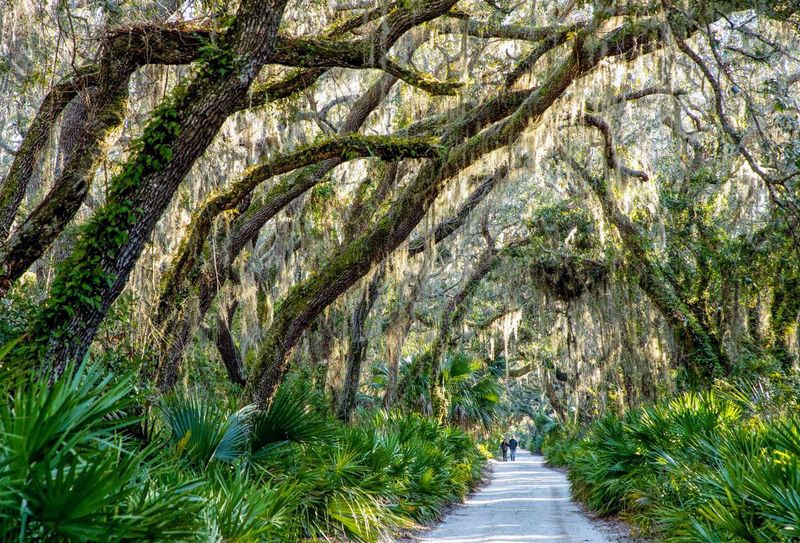
Ever wanted to share a beach with wild horses? The adventure begins in a small riverside town where the pace is slow on purpose.
St. Marys sits on the St. Marys River near the Florida line. Its downtown waterfront is walkable, with benches, a park, and views of passing boats.
The main draw is the ferry to Cumberland Island National Seashore. Boats leave from the waterfront near the visitor center at 113 St. Marys Street West.
The ride takes about 45 minutes and glides past marsh and river bends. Reservations are smart, since seats are limited even in the off-season.
Once you land, the island feels untouched. Wild horses graze near the ruins of Dungeness, a grand mansion that burned long ago.
Summer hiking here can feel like a steam room with mosquitoes. Fall trims the humidity and the bugs, so the trails feel far friendlier.
My advice is simple and hard-won. Wear good shoes, pack lunch and water, and carry out every scrap of trash.
There are no stores on the island, so plan ahead. Bikes can be rented in St. Marys and transported to the island by ferry for covering more ground.
Back in town, the evening is calm and easy. Grab dinner, then watch the sun sink over the river.
Some trips stick with you for weeks. Seeing a horse stroll past the dunes is one of them.
5. Squares, Shrimp Docks, And Sunsets In Brunswick
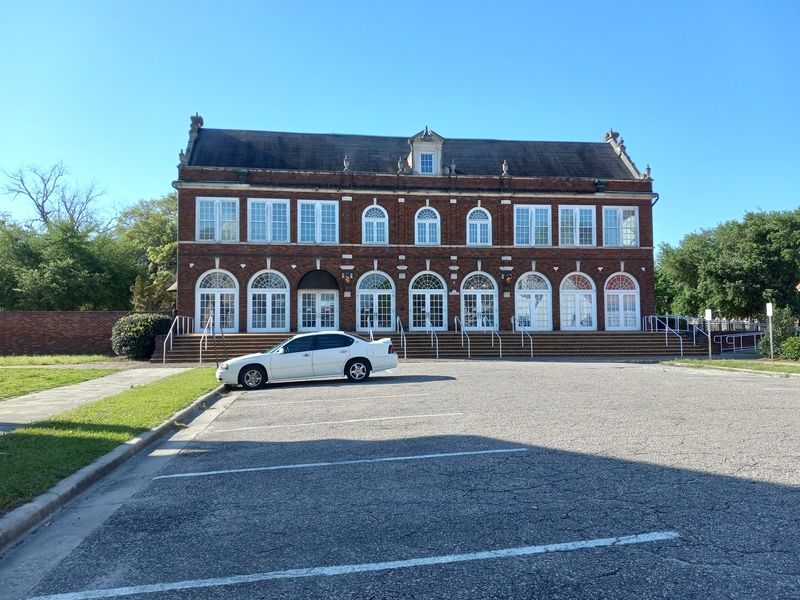
Plenty of travelers zip past on their way to the islands. That is a mistake I made for years before finally pulling off the highway.
Old Town Brunswick was laid out in 1771 on a grid of shady squares. Names like Hanover Square and Queen Square nod to the town’s English roots.
Strolling between them feels like flipping through an old photo album. Victorian homes, big porches, and tall oaks line nearly every block.
Down at the waterfront, the shrimp boats tell a different story. Brunswick has long been a working shrimp port, and boats still come and go from the docks.
Some outfitters even run shrimping trips from the harbor. You help pull the net and see what the sea hands over, from shrimp to tiny crabs.
Sunset is when the town really shows off. The marshes turn gold, then pink, then deep purple, and fall skies make the colors extra bold.
A classic spot is the Marshes of Glynn Overlook Park along U.S. Highway 17.
Poet Sidney Lanier wrote about these same marshes in the 1870s.
Mary Ross Waterfront Park downtown is another easy choice. It has open lawns, a playground, and a front-row view of the harbor.
Fall weather makes wandering the district a joy. Grab a coffee, pick a bench, and let the afternoon stretch out.
6. Darien, Where The Shrimp Boats And History Meet
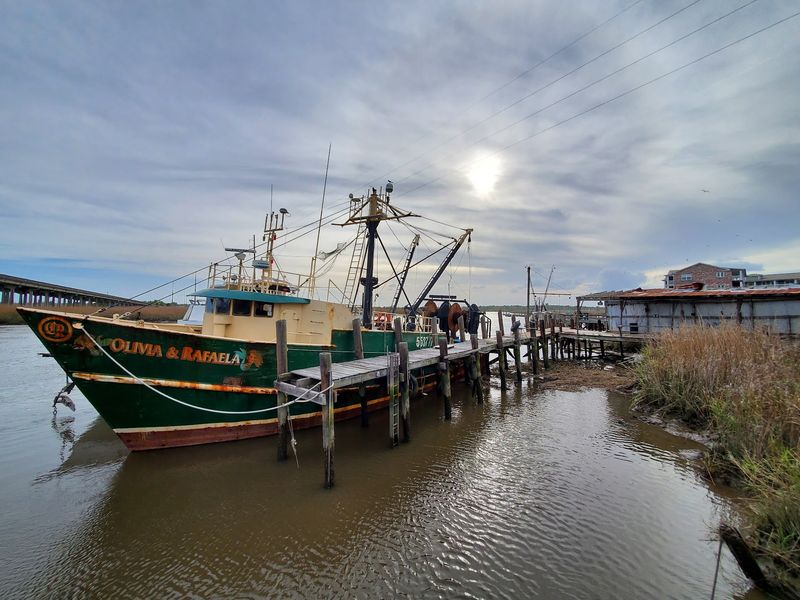
The shrimp boats here look like they belong on a postcard. Their tall nets and bright hulls line the river right below the bridge downtown.
Darien was founded in 1736 by Scottish Highlanders. It is one of the oldest planned towns in the state, and its waterfront still works for a living.
A short drive east leads to Fort King George, at 302 McIntosh Road SE. It was built in 1721, making it the oldest English fort on this stretch of coast.
The rebuilt blockhouse and barracks make history feel close enough to touch. A small museum explains how soldiers, settlers, and native people shaped the area.
November brings the Darien Fall Festival, with the 2026 event scheduled for November 7. The annual gathering brings seasonal activities and community events to downtown Darien.
Then there is the river, and what a river it is. The Altamaha is one of the largest free-flowing rivers on the East Coast.
Paddling it in August can feel like rowing through soup. Once the humidity breaks, kayaks glide past marsh grass, cypress, and quiet side creeks.
I stay close to the banks and watch for herons. Local outfitters rent boats and can suggest routes that match your skill level.
End the day with a plate of local wild shrimp. After watching the boats all afternoon, it tastes like a well-earned reward.
7. Moss, Porches, And Quiet Walks On Isle Of Hope
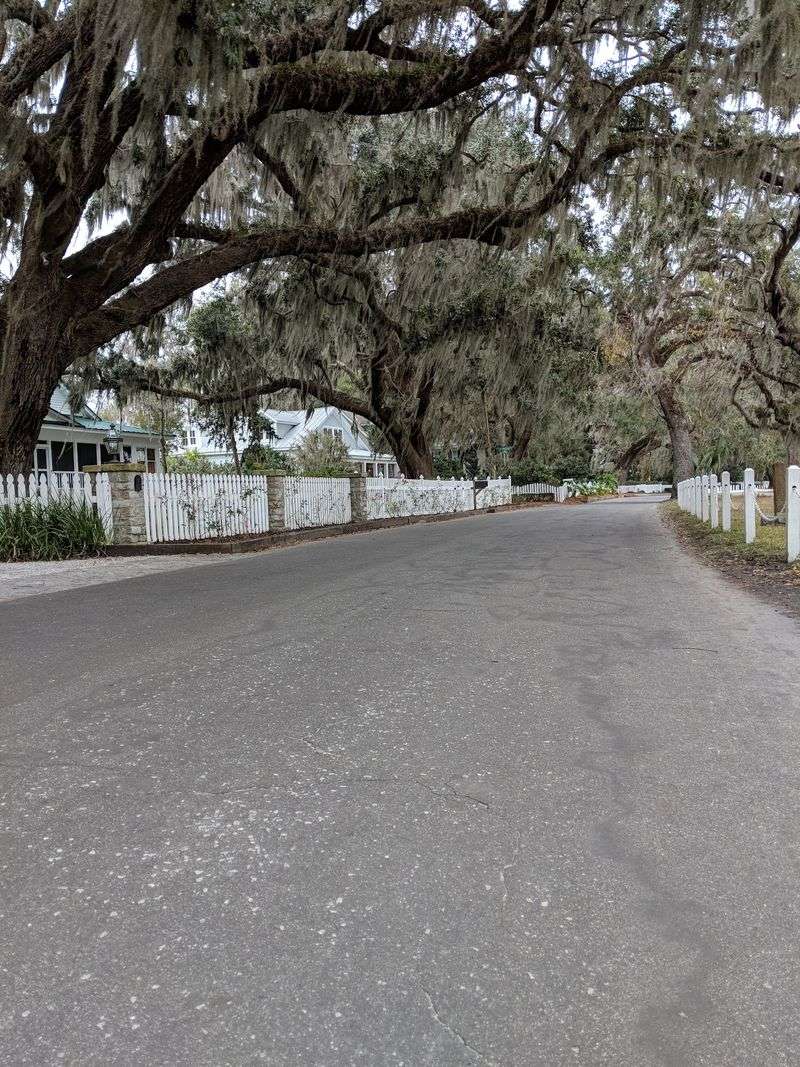
A street can be pretty, and then there is Bluff Drive. It curves along the Skidaway River, with grand homes on one side and water on the other.
Live oaks lean over the road, dripping with Spanish moss. On a crisp fall afternoon, the whole scene feels like a painting that forgot to dry.
Isle of Hope sits about eight miles southeast of downtown Savannah. It feels worlds away, even though the city is a short drive off.
I like to park near the marina and simply walk. Boats bob at the docks, and porches seem built for waving at strangers.
Remember that most of these homes are private. Enjoy the view from the sidewalk and keep voices low.
Right next door waits Wormsloe State Historic Site at 7601 Skidaway Road. Its famous entrance avenue runs well over a mile beneath more than 400 live oaks.
Photographers love it, and I can see why. Morning light slants through the branches and turns the moss silver.
Past the avenue, you will find tabby ruins from Noble Jones’s colonial estate. They are among the oldest standing structures in the Savannah area.
Nature trails wind through the woods and along the marsh. Cooler weather makes them comfortable, and the bugs mostly take a vacation too.
Pack a snack and a camera. This is a slow, sit-on-a-bench kind of place.
8. Trails And River Views Near Richmond Hill
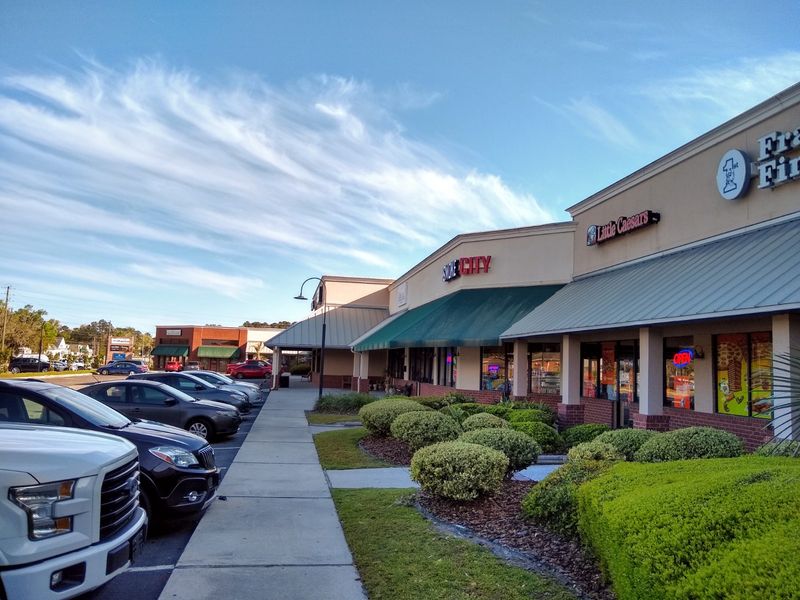
Few campgrounds combine riverside scenery and outdoor recreation quite like Fort McAllister State Park near Richmond Hill.
The park rests on the south bank of the Ogeechee River. Its address, 3894 Fort McAllister Road, leads to marsh views that stretch to the horizon.
The park combines historic grounds with scenic outdoor spaces along the river. Visitors can explore walking paths, grassy areas, and a museum near the entrance.
Fall makes this an easy place to breathe. Lower humidity turns the hiking trails into pleasant rambles through pine forest and salt marsh.
Camping here is a real treat after summer ends. Sites sit under tall trees, some near the water, and evenings finally cool down enough for a campfire.
Paddlers and anglers enjoy the river too. The boat ramp opens up quiet creeks where you might spot herons or a gliding osprey.
Watch the park calendar for fall events like the Candle Lantern Tour. Seeing the fort by lantern light gives the history a whole new glow.
Richmond Hill itself is a small, friendly town with easy access to I-95. Henry Ford once kept a winter home here, which surprises almost everyone.
Book campsites early for weekends. Fall is popular, even if it never feels crowded.
9. Fishing Stories Start In Shellman Bluff
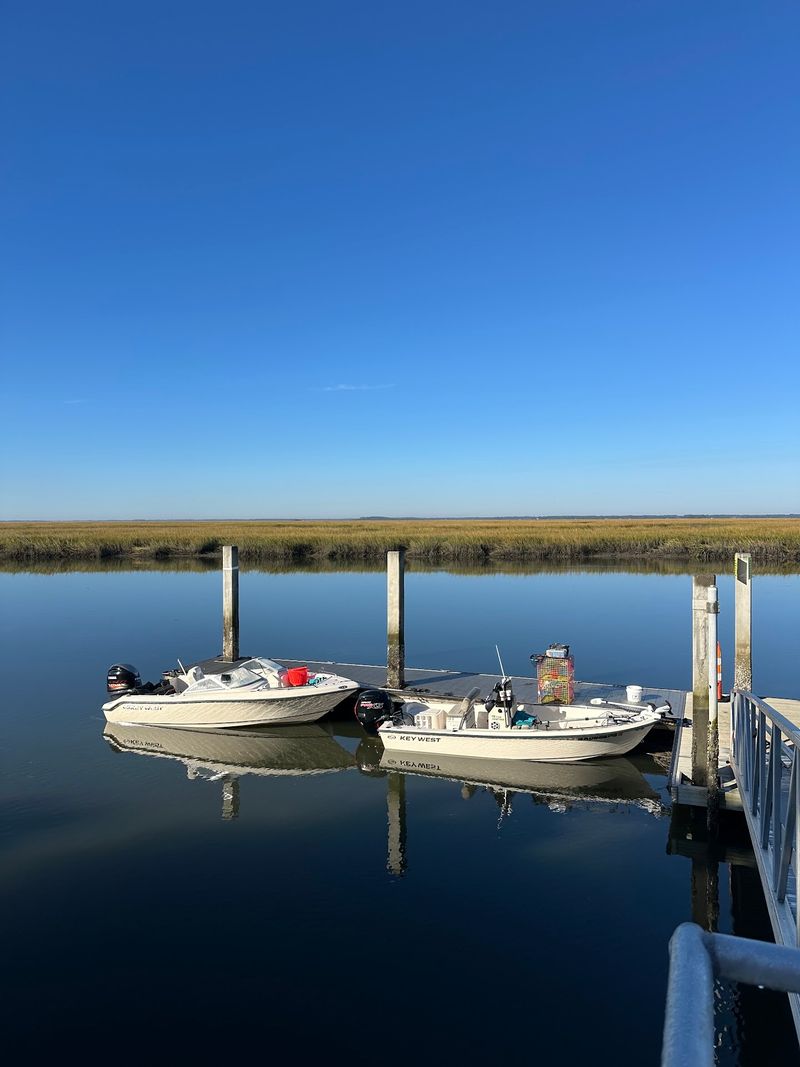
Blink on the drive down, and you might miss the turn. That would be a shame, because this tiny fishing village is worth the detour.
Shellman Bluff sits along the salt marsh in McIntosh County, north of Darien. There are no big resorts or crowded boardwalks, just docks, boats, and plenty of sky.
Fall is when the fishing gets serious. September and October are prime months for redfish, speckled trout, sheepshead, and black drum.
So what makes it so good? Fresh water from the Altamaha mixes with the salty Atlantic tide, creating rich feeding grounds.
Hiring a local fishing guide is the smartest move for first-timers. Guides know the tides, the creeks, and exactly where the fish like to hang out.
Pick up a fishing license before you cast. Saltwater anglers also need a free Saltwater Information Program permit.
Seafood is the other big reason to visit. Local restaurants serve shrimp, oysters, and fish so fresh they barely had time to pack a suitcase.
I still think about a plate of fried shrimp I ate here while boats rolled in. The sunset over the marsh was the perfect dessert.
Places to stay are limited, so book early. Small rentals and cottages go quickly during peak fishing season.
Bring bug spray for dusk, even in fall. No-see-ums love a good sunset as much as you do.