Idaho’S Tiny Town Of Stanley Has Fewer Than 120 Residents And A View Of 40 Peaks
Plenty of Idaho towns have one gas station, but few can claim more jagged granite on the skyline than people on the sidewalks. The mountain town in this story counted barely over a hundred residents in the last census, yet three national scenic byways meet at its doorstep.
Its little log museum costs nothing to enter, and the view from its parking lot might be the best free seat in the state.
Where Three Byways Meet
Three national scenic byways cross paths at one intersection in Custer County, Idaho, and no other spot in the country can make that claim. Highway 75 and Highway 21 meet right in Stanley, a town that covers just 0.62 square miles of the Sawtooth Valley.
The 2020 census counted 116 residents. That number nearly doubled from 2010, when only 63 people called the place home, so the town is growing in its own quiet way.
Getting here from Boise takes roughly three hours of winding mountain driving to the northeast. The payoff comes the moment the valley opens up and a row of sharp gray summits fills the windshield.
All around town stretches the Sawtooth National Recreation Area, a protected spread of 756,000 acres. Stanley sits inside it like a pebble in a very large pocket, with dirt side streets, wooden storefronts, and a handful of lodges and cafes serving travelers.
For generations, the town has worked as a gathering spot for the scattered ranches and cabins of the valley. Mail, supplies, and weather reports all seem to pass through here eventually.
A stroll from one end of town to the other takes about as long as finishing a cup of coffee.
Log Walls On Museum Drive
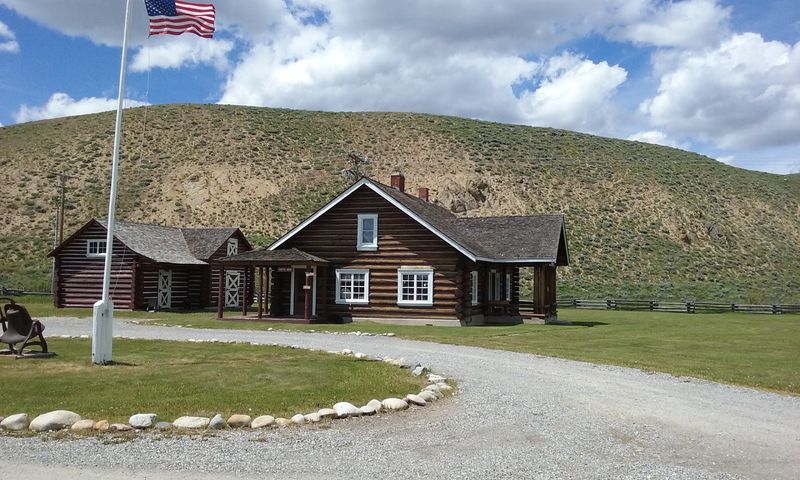
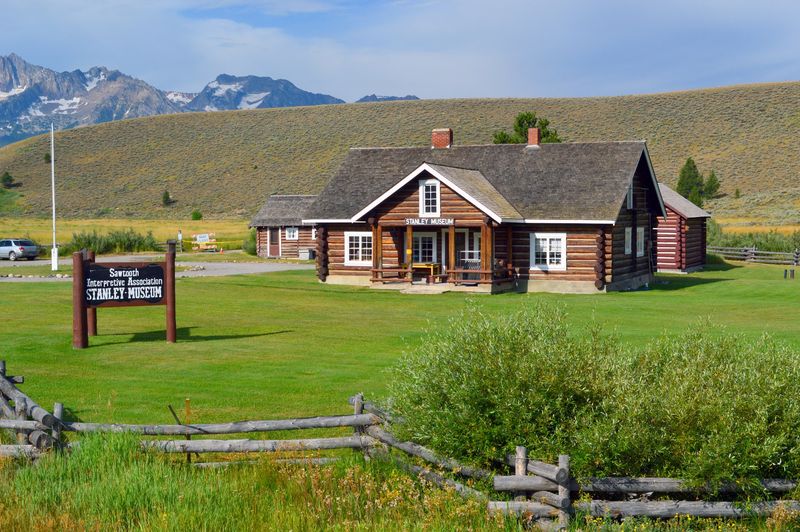
A weathered log building sits at 2 Museum Drive, just off Highway 75 on the edge of Stanley. Before it held exhibits and old photographs, the structure served as an authentic ranger station, and it still carries that sturdy, practical look.
Today the Stanley Museum tells the story of the Sawtooth Valley and the people who tried to make a living in it. Faded snapshots and early artifacts fill the rooms, while rangers and volunteers greet guests at the front desk during the summer season.
Here is the part that surprises first-timers: entry is free. A donation box waits near the door for anyone who wants to help keep things running, and a small gift shop and well-stocked bookstore sit inside.
The museum is modest in size. A visit fits neatly into a short break, which makes it an easy stop while stretching legs after the long drive up from Boise or down from Challis.
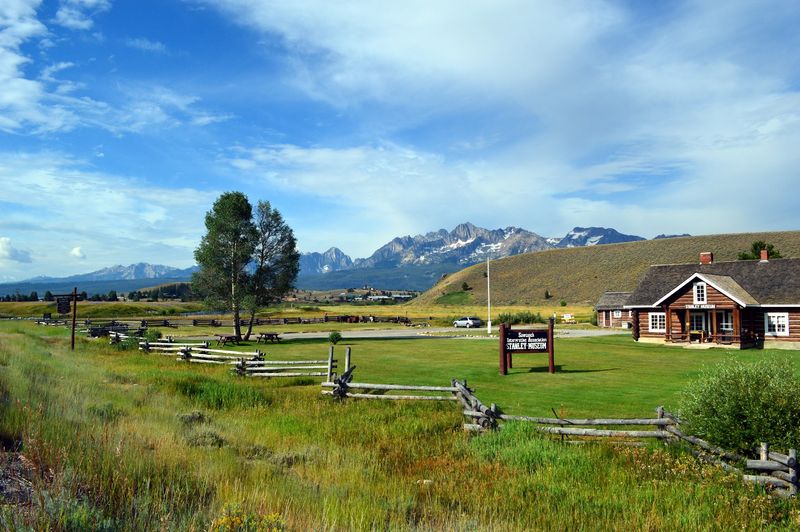
Then there is the parking lot. Even travelers who show up after closing time tend to linger, because the Sawtooth Range rises right behind the building in a jagged line that hardly looks real at first glance.
Trappers, Gold, And A Captain
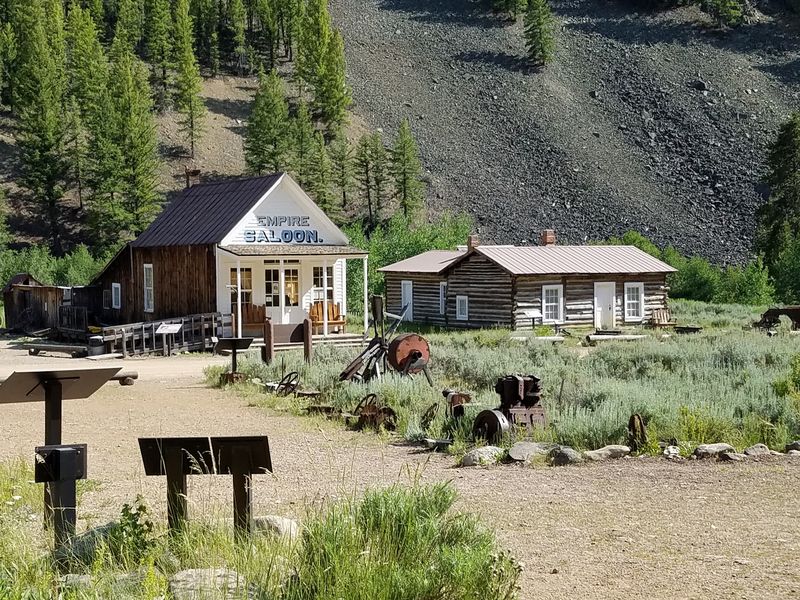
Fur trappers were the first outsiders to wander into the Stanley Basin, sometime in the 1820s. They came for beaver pelts, not scenery, though it is hard to imagine them ignoring those peaks.
Gold brought the next wave. In 1863, Captain John Stanley led a band of prospectors through the basin, and both the valley and the future town ended up wearing his name.
Prospecting camps came and went across the region in the decades that followed.
Official town status arrived much later. Surveyors laid out streets and lots in 1919, giving shape to a settlement that had grown up around ranching, supply runs, and stubborn homesteaders.
Mining history runs deep in this corner of Idaho. North of town along the Salmon River Scenic Byway, the Yankee Fork Historic Area preserves the Yankee Fork Gold Dredge, a hulking machine that once churned through the riverbed in search of gold.
More recent history made headlines too. In 2005, Hannah Stauts became Idaho’s youngest elected mayor when voters here picked her at just 22 years old, proof that a tiny town can still surprise the rest of the state.
Counting Summits From Town
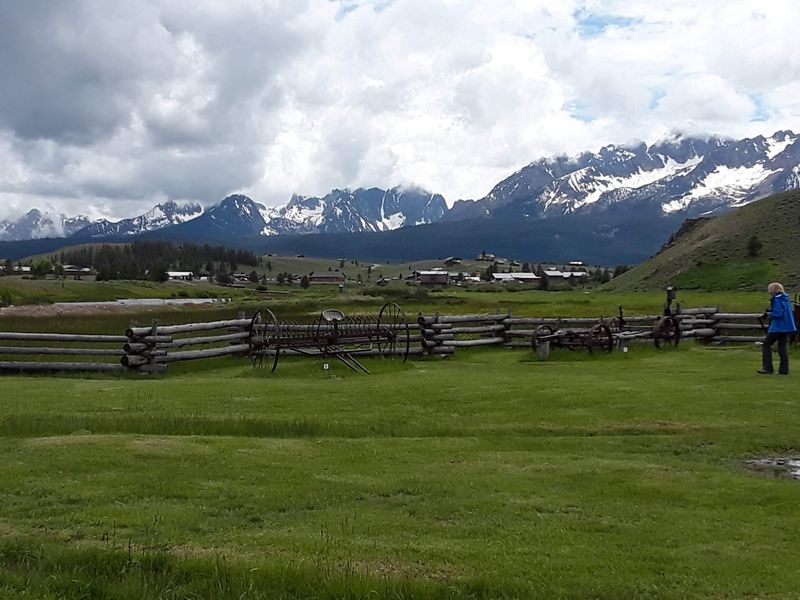
Start counting summits from the museum parking lot and the fingers run out quickly. Jagged granite points line the western horizon so tightly that the Sawtooths earned the nickname American Alps.
The Sawtooth National Recreation Area holds four separate ranges: the Sawtooth, Boulder, Smoky, and White Cloud Mountains. Together they contain at least 50 peaks that top 10,000 feet, and dozens of those crowd into the skyline around Stanley.
Light changes everything here. Early morning turns the rock faces pink and gold, midday flattens them into sharp gray cutouts, and evening paints long blue shadows down the slopes toward the valley floor.
Snow often clings to the highest ridges into early summer, giving the range a frosted edge. Come September, bands of yellow aspen appear on the lower flanks and the whole scene shifts color again.
Photographers tend to set up along Highway 21 near Stanley Lake or on the benches above the Salmon River. Still, one of the easiest views needs no hike at all.
The museum grounds face the range almost head-on, with plenty of room to stand, stare, and try to name every point before losing count somewhere past thirty.
Faces In Faded Photographs
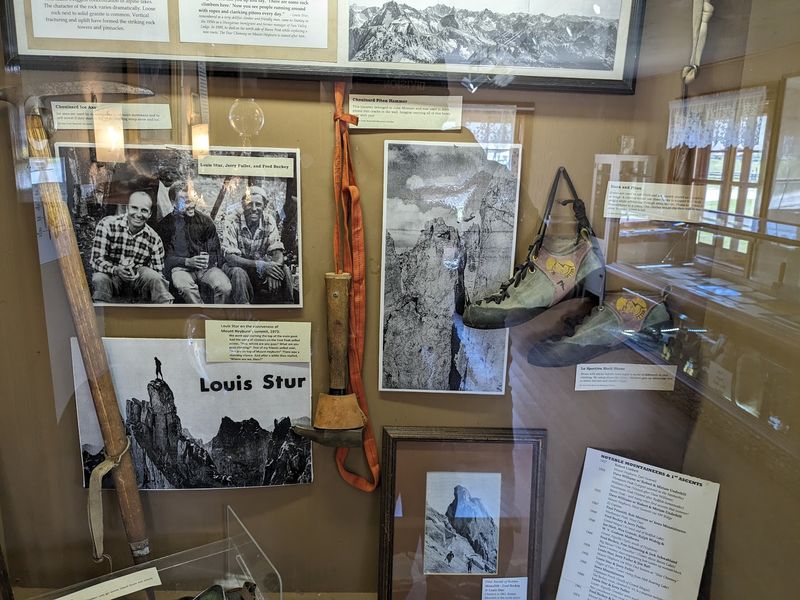
Black-and-white faces stare out from the old photographs, squinting into the same mountain sun visitors feel today. The museum leans hard on these images, and the interpretation around them is thoughtful and clear.
Much of the collection focuses on what it took to establish a homestead in the Sawtooth Valley. Short growing seasons, heavy snow, and long miles to any supply town shaped every decision early settlers made, and the exhibits lay that out without burying anyone in dates.
Early artifacts and relics from the valley’s past round out the displays. Notes beside each piece explain how it fit into daily routines for the families who once lived here.
Visitors who duck in during a passing summer thunderstorm often stay longer than planned. Central Idaho history can feel distant on a map, but it gets personal fast when a photo shows a family standing beside a cabin with the very same peaks behind them.
Nothing here is flashy or high-tech. The rooms are clean and tidy, the labels are easy to read, and the pace belongs entirely to the visitor, which suits grade-schoolers and grandparents equally well.
Cold Air In The Ice House
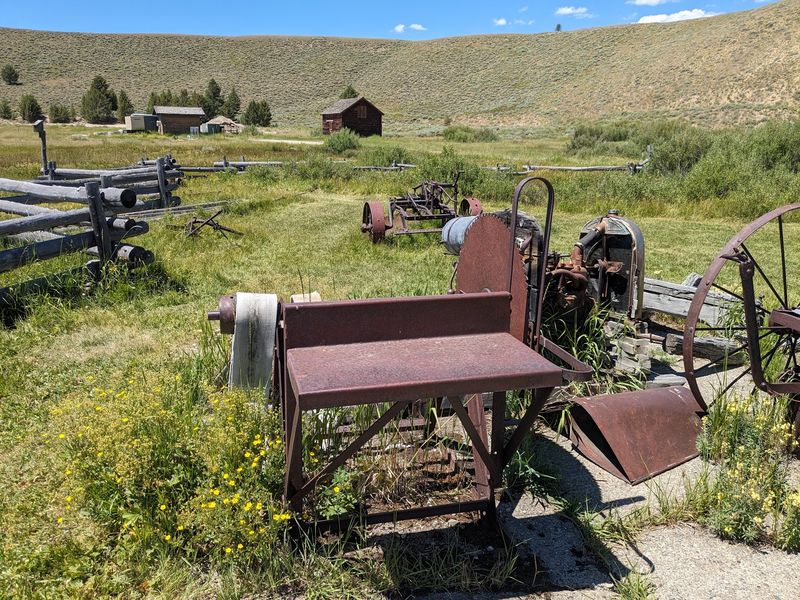
Step out the back door and the air suddenly bites. The museum’s ice house stays genuinely cold, even on a warm afternoon, and that chill teaches history better than any placard could.
Before refrigerators reached the Sawtooth Valley, families and businesses depended on ice cut from frozen water in winter. Blocks were packed away and insulated so they could last into the warm months, keeping food fresh through the short mountain summer.
Real ice harvesting equipment is on display, the same sort of gear workers once used to cut and haul heavy blocks. Young visitors who adore snowy movie princesses tend to find the tools especially fascinating, and older kids can piece together how the whole system worked.
Another favorite display waits inside the main building. A list compares prices of everyday items at the turn of the century with what those same things cost today, and number-loving children can spend a surprisingly long time doing the math.
Winters in Stanley rank among the harshest in the lower 48 states, so the ice harvest was never a hobby. It was a clever use of the one resource the valley always had in generous supply.
A Bell For Small Hands
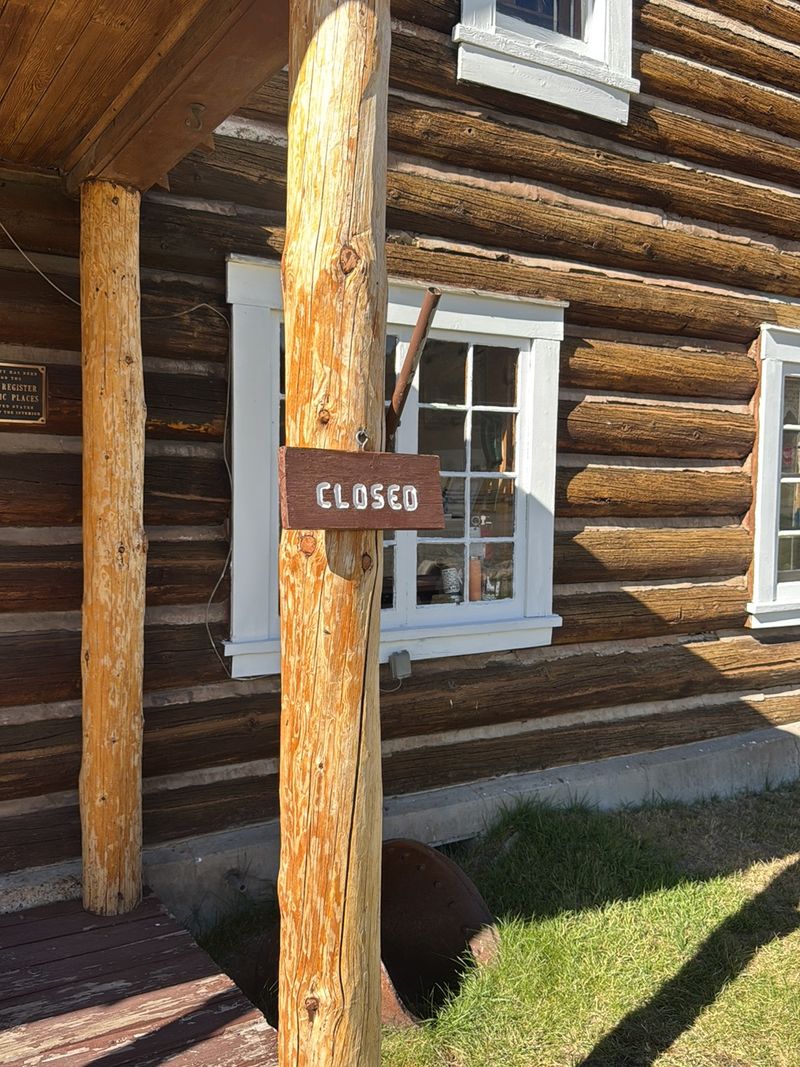
Clang. That big bell out front has a way of announcing when children have arrived.
Staff have been known to let kids give it a ring, and the grin that follows is usually worth the noise.
Inside, a scavenger hunt turns the exhibits into a game. Young explorers search room by room for answers, which keeps small feet moving and eyes actually reading labels instead of drifting toward the gift shop.
Plenty of families point to the hunt as the highlight of their stop.
Groups with a wide age spread tend to leave happy. Teenagers and young adults find the homestead stories interesting, while the younger crowd latches onto hands-on moments like the chilly ice house and the hunt itself.
Parents appreciate the size, too. The museum is compact enough that nobody gets lost or worn out, and it makes a smart pause between a morning paddle at Redfish Lake and an afternoon on the trail.
Stormy afternoons are when this place really earns its keep. Summer thunderstorms roll over the Sawtooths with little warning, and a free indoor activity with friendly faces beats sitting in the car watching the windshield wipers.
Trail Advice At The Desk
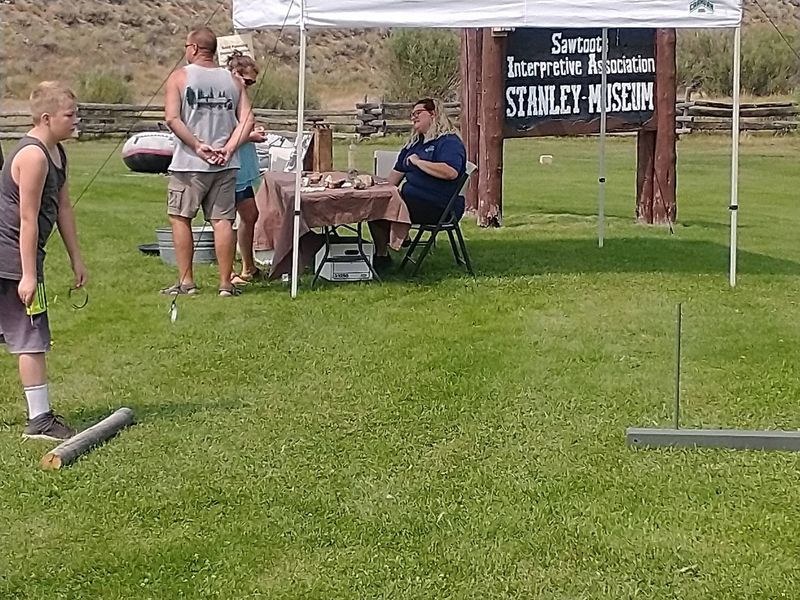
Ask about a trail, and the conversation might last longer than the tour itself. Rangers, naturalists, and volunteers behind the desk know the Sawtooth backcountry well, and they gladly point visitors toward hikes, lakes, and scenic drives.
Friendly staff come up again and again when visitors describe this spot. Guests call the team patient, well-informed, and eager to help, whether the question involves early settlers or where the wildflowers are blooming this week.
A park ranger is often on duty to field questions. That makes the museum a handy first stop for anyone new to the Sawtooth National Recreation Area, especially before heading toward popular routes like Fishhook Creek, Goat Lake, Iron Creek, or the Redfish Ridge Trail.
Hiking in the recreation area requires a permit, though it comes at no fee. Staff can explain the basics, and it pays to get that sorted before lacing up at any trailhead.
Before leaving, browse the bookstore and gift shop. Shelves hold reading about the region along with souvenirs, and every purchase helps support the museum and the conservation work tied to the valley.
Headwaters Of No Return
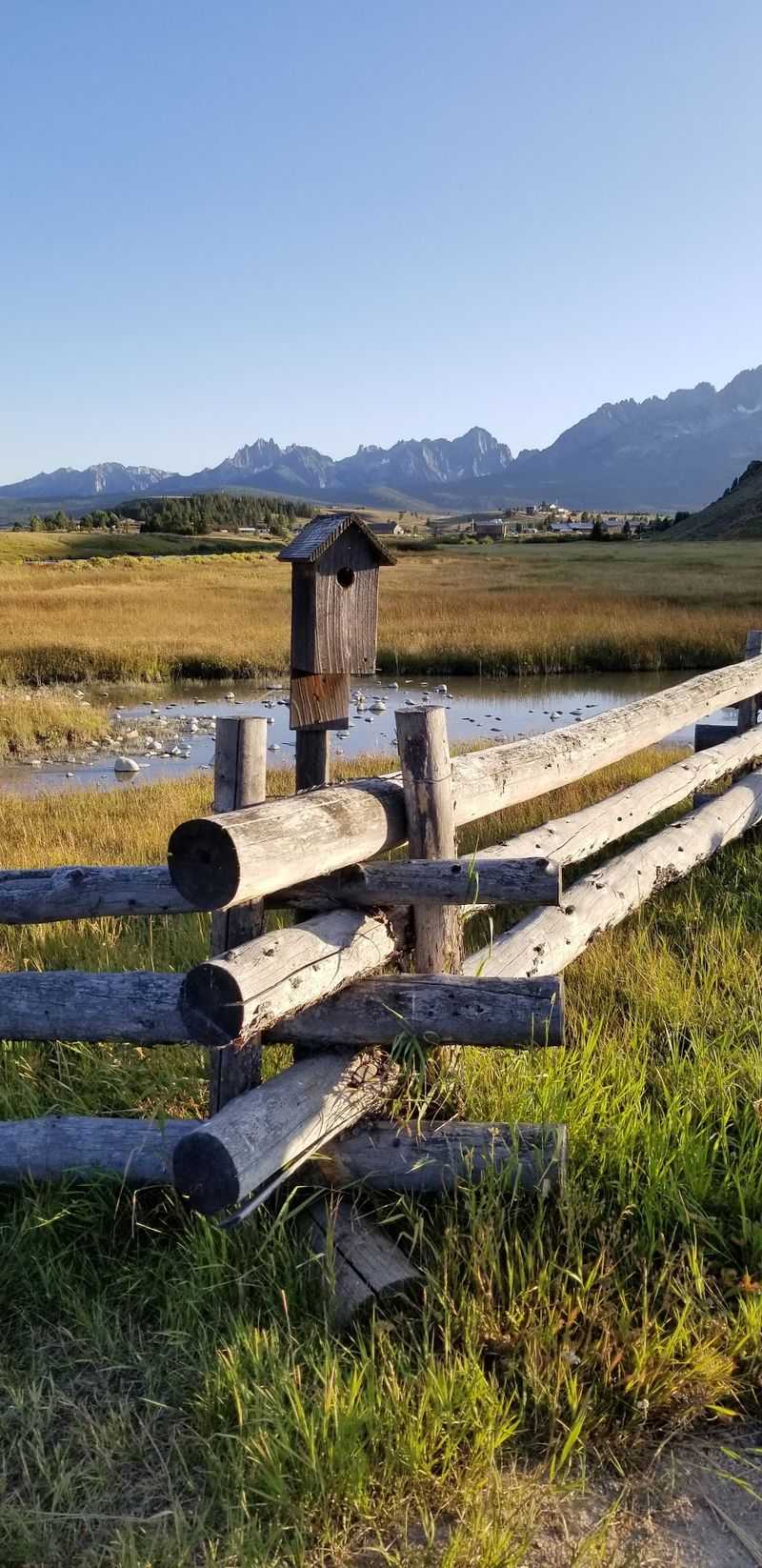
A mountain stream becomes a legend here. The Salmon River, famously called the River of No Return, has its headwaters in the high country around Stanley before carving its way across central Idaho.
Summer brings rafting outfitters to life in town, with guided whitewater trips for a range of skill levels. Gentler stretches suit first-timers, while bouncier sections give experienced paddlers something to talk about over dinner.
Anglers find plenty of water too. The river and nearby lakes are favorite fishing spots, and early mornings often bring the calmest conditions.
Redfish Lake sits just south of town, framed by peaks so close they seem to lean over the water. Paddle boarding, kayaking, and boating fill long summer days there, and guided horseback rides head out onto the surrounding trails.
Stanley Lake lies northwest along Highway 21, with McGown Peak rising sharply behind it. The water runs clear and cold, which makes wading a quick, squeal-filled experience for kids.
After a day on the water, the museum offers a welcome change of pace. It adds the human story to a landscape everyone just spent hours enjoying, and it explains how settlers once depended on these same rivers.
Starlight And Steaming Pools
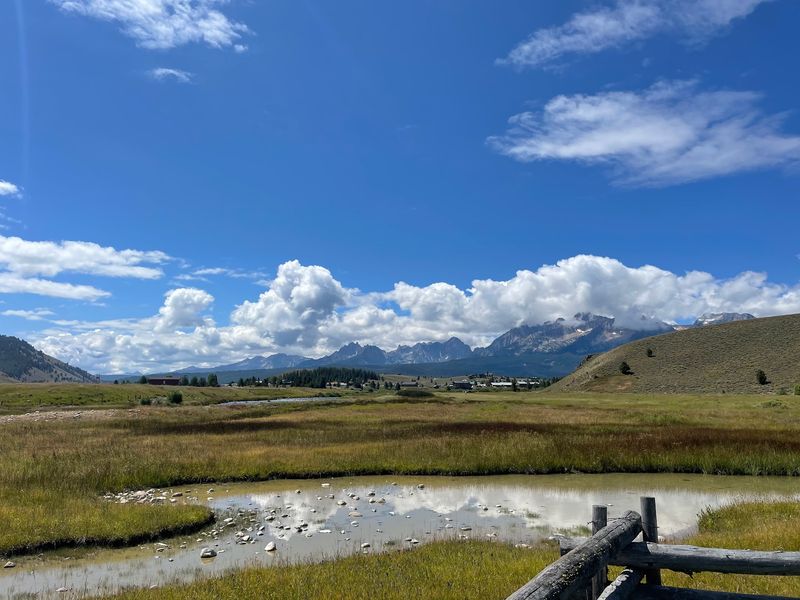
Sunset is only the opening act. Stanley sits inside the Central Idaho Dark Sky Reserve, where protections keep artificial light low and the Milky Way spills across the sky on clear nights.
Bring a warm jacket even in August, because frost can show up in any month here. Lie back on a blanket, let your eyes adjust for a few minutes, and the number of stars quickly becomes impossible to track.
Warmth of a different kind waits along the rivers. Natural hot springs such as Sunbeam Hot Springs, Boat Box Hot Springs, and Valley Creek Hot Springs let soakers settle into steaming pools with wilderness views all around.
Boat Box is especially quirky, a small tub-style pool beside the Salmon River east of town. Sunbeam, farther along Highway 75, has rock-lined pools where hot water mingles with the cold river current.
Pairing the two makes for a memorable evening. A late afternoon soak, a simple dinner in town, and a slow walk away from the few streetlights can easily fill the hours after the museum closes.
Pack out everything and respect posted rules, since these spots stay special only when visitors treat them gently.
When Winter Takes The Valley
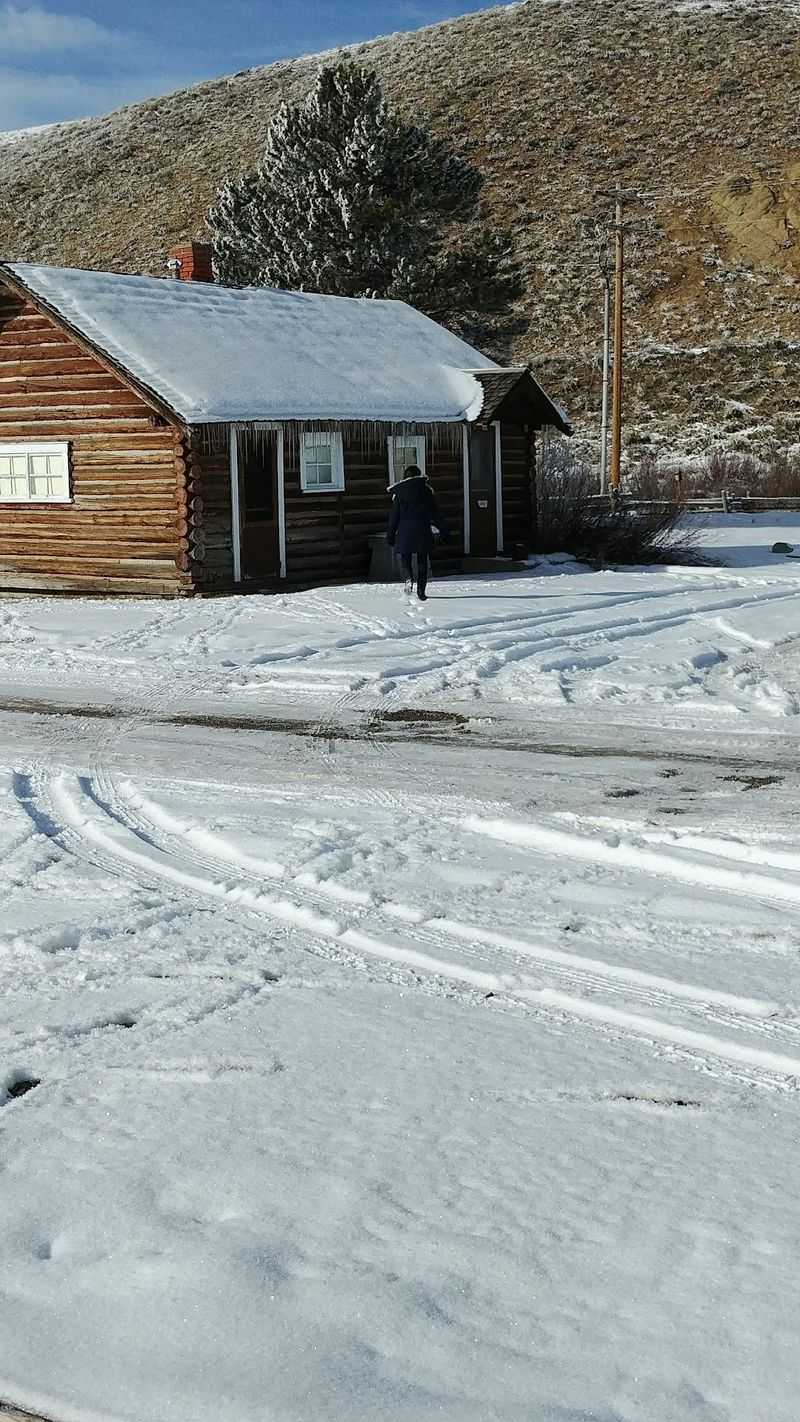
Thermometers here have a reputation. Stanley endures some of the most extreme winters in the lower 48 states, and frost can arrive in literally any month of the year.
Rather than shutting down completely, the valley switches gears once the snow piles up. Snowmobilers explore the backcountry, cross-country skiers glide through quiet meadows, and snowshoers crunch along paths that were dusty hiking trails only months earlier.
The Stanley Ice Rink becomes a winter centerpiece. Skaters twirl with the Sawtooths towering behind them, and the rink hosts lively events like a Pond Hockey Tournament and the Sawtooth Outdoor Bonspiel, a curling gathering that draws hardy fans.
Cold-season travel takes planning. Roads can turn slick, services grow thinner, and many businesses close for the season, so checking conditions before leaving Boise or the Wood River Valley is a smart move.
The museum itself runs as a summer attraction, so snow-season visitors should expect closed doors. Even so, a drive past the log building on a bluebird winter morning, with fresh powder on every peak, shows exactly why homesteaders needed that ice house and plenty of grit.
Few places in Idaho make the old stories feel so believable.
Timing The Trip Right
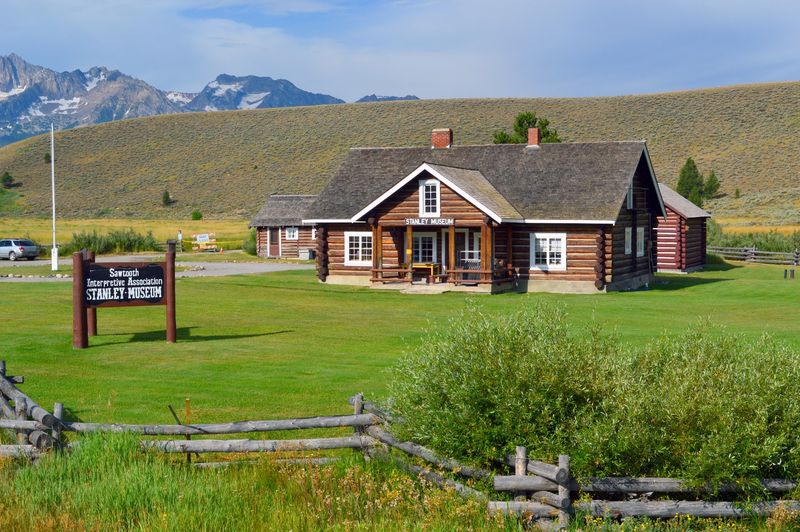
July is when crowds peak, and the reason is obvious: long, warm days and nearly every trail open. Still, June often brings reasonable weather with fewer people, and September and October swap summer bustle for golden aspens and quieter roads.
Fall timing comes with one catch. Many local businesses close as winter approaches, so late-season travelers should confirm lodging and meals before making the drive.
The Stanley Museum opens during the summer season, typically welcoming visitors from mid-morning into late afternoon. Dates can shift from year to year, so checking before driving is the safest bet.
Admission is free, with donations gladly accepted. A few dollars in the box helps keep exhibits and programs going, and the gift shop offers another easy way to chip in.
From Boise, plan on about three hours via Highway 21 through Lowman, or come up Highway 75 from Ketchum and over Galena Summit. Both routes are scenic byways, and both deliver the Sawtooths in grand fashion.
Pack layers regardless of the forecast. Mountain weather changes quickly, and a sunny noon can turn into a chilly, breezy evening before dinner even hits the table.
Worth Pulling Over For
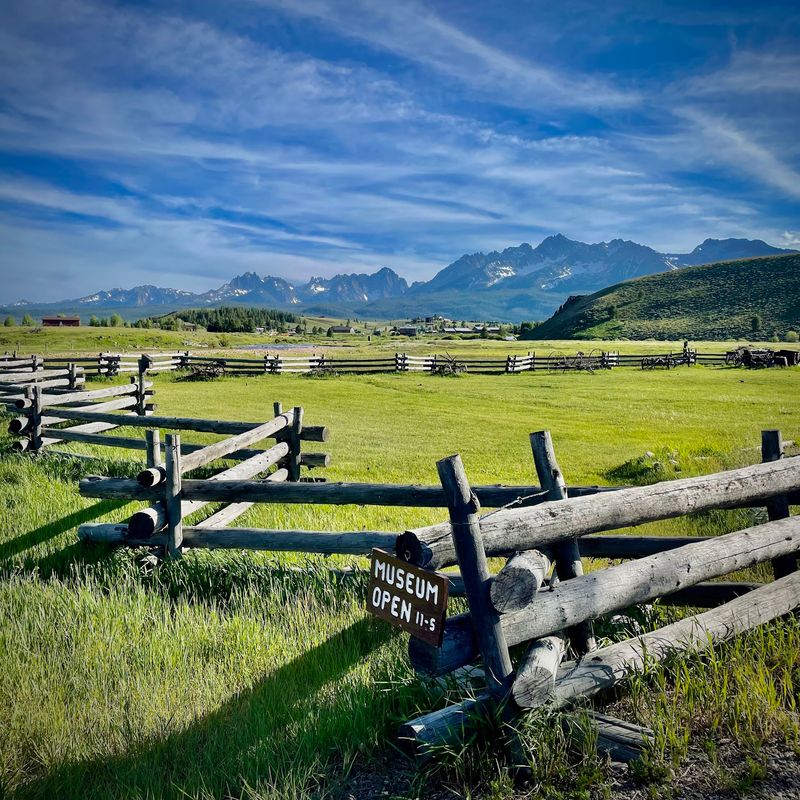
Small does not mean slight. A town of 116 people, a free log museum, and a skyline crowded with granite add up to one of the most rewarding stops anywhere in Idaho.
The Stanley Museum works best as a short, curious pause rather than an all-day outing. Spend part of a morning with the photographs and the ice house, chat with the staff about trails, and then let the mountains take over for the rest of the day.
Families will appreciate the scavenger hunt and the bell. History fans will enjoy the homestead stories and ranger station roots, while road-trippers moving between Boise, Challis, and the Wood River Valley get a clean, friendly place to stretch.
Plenty of travelers admit they drove past for years before finally pulling in. Most leave wondering why they waited so long.
So next time Highway 75 bends into the Sawtooth Valley, slow down near Museum Drive. Even if the doors are shut, stand in that parking lot for a minute and start counting peaks, then see how far the tally climbs before the crisp mountain air sends you back to the car.