You’ll Fall In Love With This Charming Rhode Island Park And The Animals That Call It Home
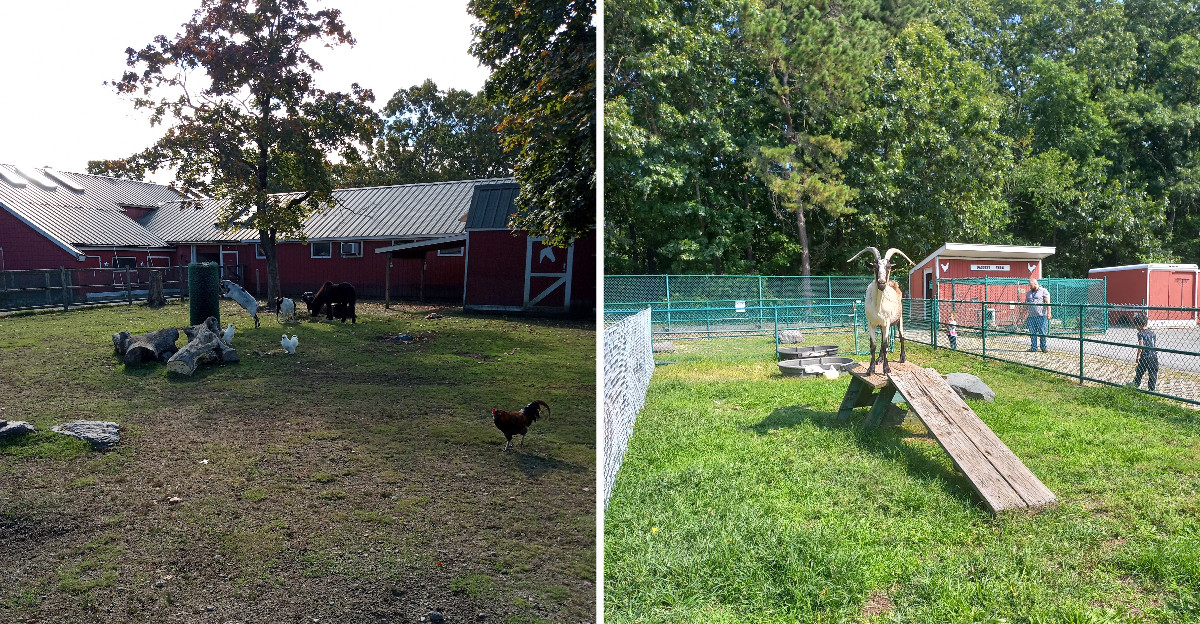
A goat wanders over, a child loses their mind with excitement, and suddenly the afternoon has planned itself.
Rhode Island keeps this family outing refreshingly simple, with animals, gardens, and open space sharing the same easygoing setting.
Nothing feels oversized or exhausting. Kids have plenty to watch, while adults can actually enjoy the surroundings instead of managing a complicated schedule.
The visit flows naturally from one little discovery to the next.
Maybe the animals steal most of the attention. Maybe a quiet path wins instead.
Either way, nobody needs a giant attraction to have a genuinely fun day. Sometimes smaller really is better!
A Small Farm, Big Appeal
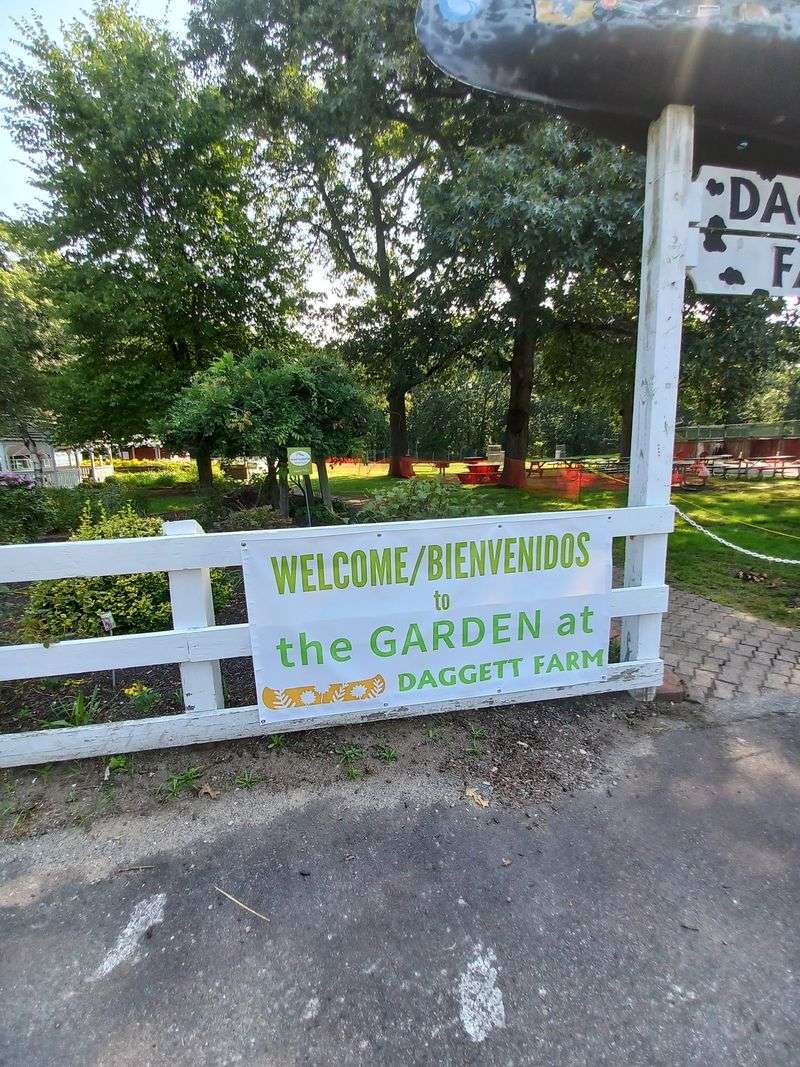
Daggett Farm sits inside Slater Memorial Park, where Pawtucket continues to operate the animal area as one of the park’s family attractions.
The farm shares this part of the property with gardens, walking areas, picnic space, and recreation facilities.
The animal enclosures give visitors a straightforward place to stop and observe without needing a complicated route.
That manageable setup can work especially well for families with younger children. A visit can remain brief or become part of a longer afternoon elsewhere in the park.
Animals may be active, resting, or out of sight depending on the time of day.
The best approach is simply to observe them at their own pace. Posted rules around the enclosures should guide how closely visitors interact with the animals.
That unpredictability is part of visiting a working animal area rather than a scheduled show.
Beyond the farm, Slater Park covers roughly 200 acres and includes paths, picnic areas, recreational facilities, a fishing pond, and other attractions. There is plenty of room to continue exploring once the animal stop is finished.
For the Daggett Farm and garden area, current visitor directions use the Newport Avenue side of Slater Park near 401 Newport Ave, Pawtucket.
Meet The Farm Animals
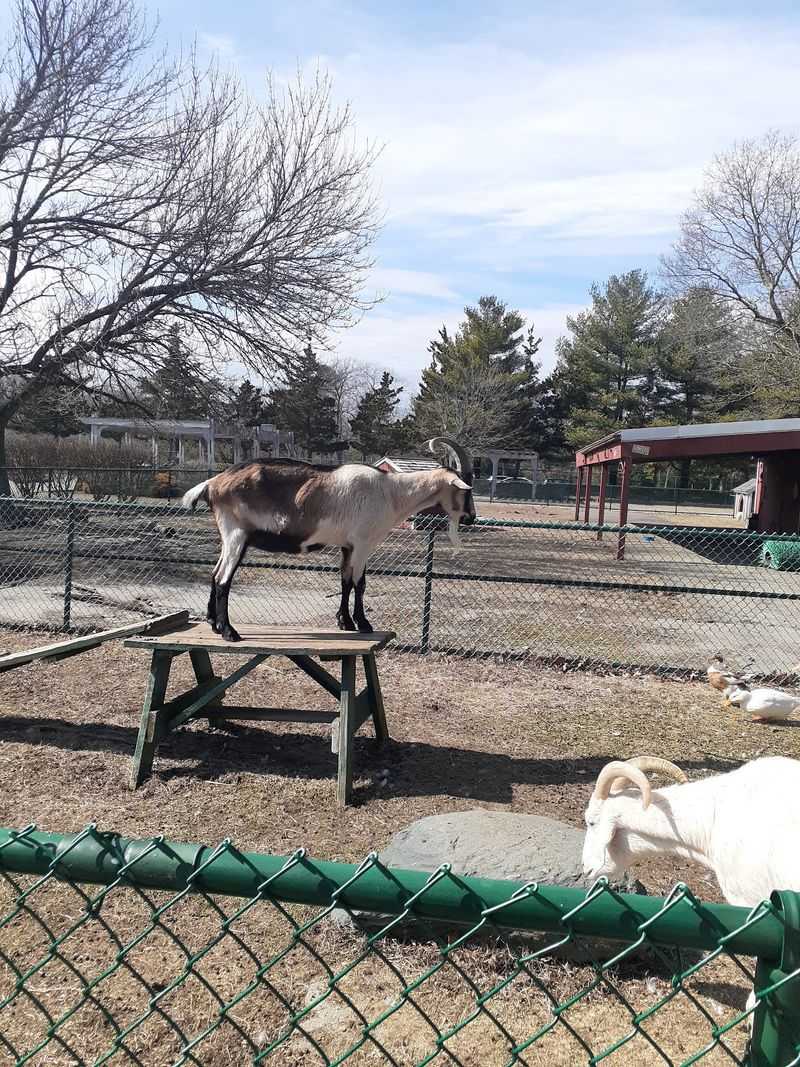
The animals remain the centerpiece of Daggett Farm, and the City of Pawtucket continues to operate the attraction through its Parks and Recreation Department.
The exact group of animals can change, so visitors should not expect every species associated with the farm in older listings to be present during every visit.
Each enclosure offers a chance to watch ordinary farm behavior at close range. Animals may be moving around, feeding, resting, or staying farther back from the fence.
There is no need for constant activity to make the stop interesting.
Younger visitors can focus on differences in size, coats, feathers, movement, and behavior while observing from the designated visitor areas.
A quieter approach also gives resting animals their space.
Posted instructions should always take priority when it comes to feeding or touching. Food should never be offered unless the farm specifically permits it, and barriers should be respected even when an animal approaches closely.
Find A Quiet Garden
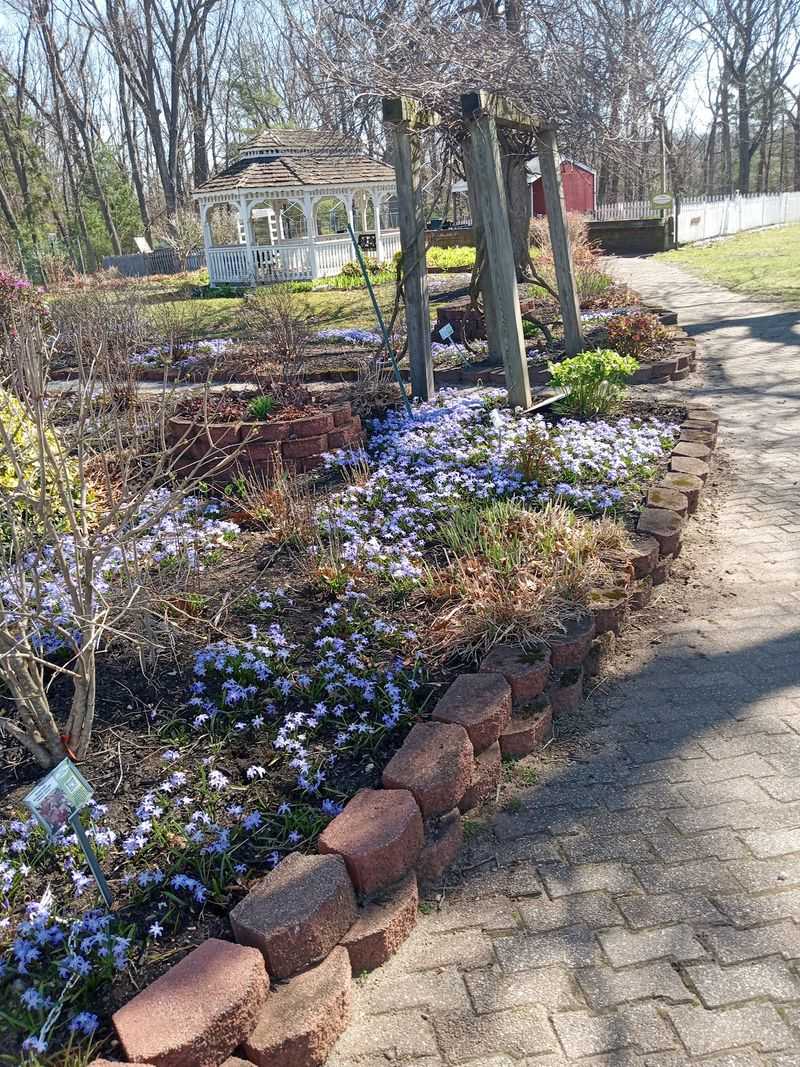
Behind the animal area sits the Garden at Daggett Farm, an inclusive therapeutic garden that provides a noticeably different setting from the nearby enclosures. Winding paths lead among planted beds, shrubs, and gathering spaces.
The garden is designed for slow exploration rather than rushing from one feature to another.
Raised beds were built at different heights to make plants easier to reach and observe for people with a range of physical abilities. Plant identification signs add an educational element along the way.
Those labels make it easier to turn an ordinary garden walk into a chance to learn what is growing. Accessibility was part of the garden’s original purpose.
Current visitor information describes winding wheelchair-accessible paths, while its history notes hard-packed surfaces, brick ramps, adaptive features, and raised beds created for visitors with different needs.
As with any outdoor garden, weather and maintenance can temporarily affect surface conditions.
Wisteria canopies and lilac hedges are among the established plantings, while the mix of flowers and foliage changes through the growing season. A gazebo renovated in 2018 offers a dedicated place to pause.
The garden works especially well as a quieter counterpoint to the activity around the animal enclosures and playground.
Look Back At Farm History
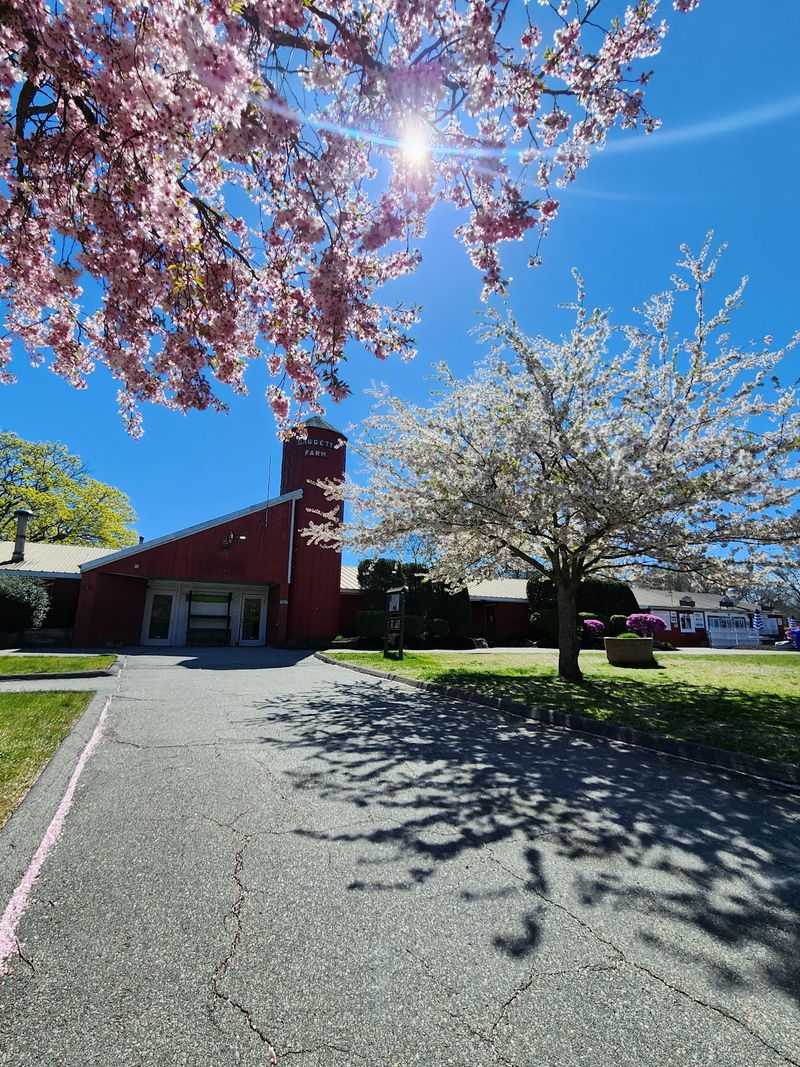
The historic Daggett House gives this part of Slater Park a much longer story.
Traditionally dated to 1685, it is the oldest surviving house in Pawtucket and one of the oldest remaining buildings in Rhode Island.
Its presence connects the modern park to the agricultural property that occupied this land long before it became public recreation space.
Pawtucket purchased 181 acres of the former Daggett farm in 1894 as the foundation of Slater Park. Smaller later acquisitions brought the historic park to approximately 197 acres.
That transition changed former private farmland into a major public landscape.
The Daggett House is now preserved as a historic museum rather than functioning as an everyday walk-in attraction. Public tours are offered during selected events, with additional visits generally arranged by appointment between spring and December.
Visitors should therefore check tour availability before planning on seeing the interior.
The house and surviving park landscape offer an easy way to compare different eras of the property. Historic farm history, later park development, and modern recreation now occupy the same grounds.
Enjoy The Open Grounds
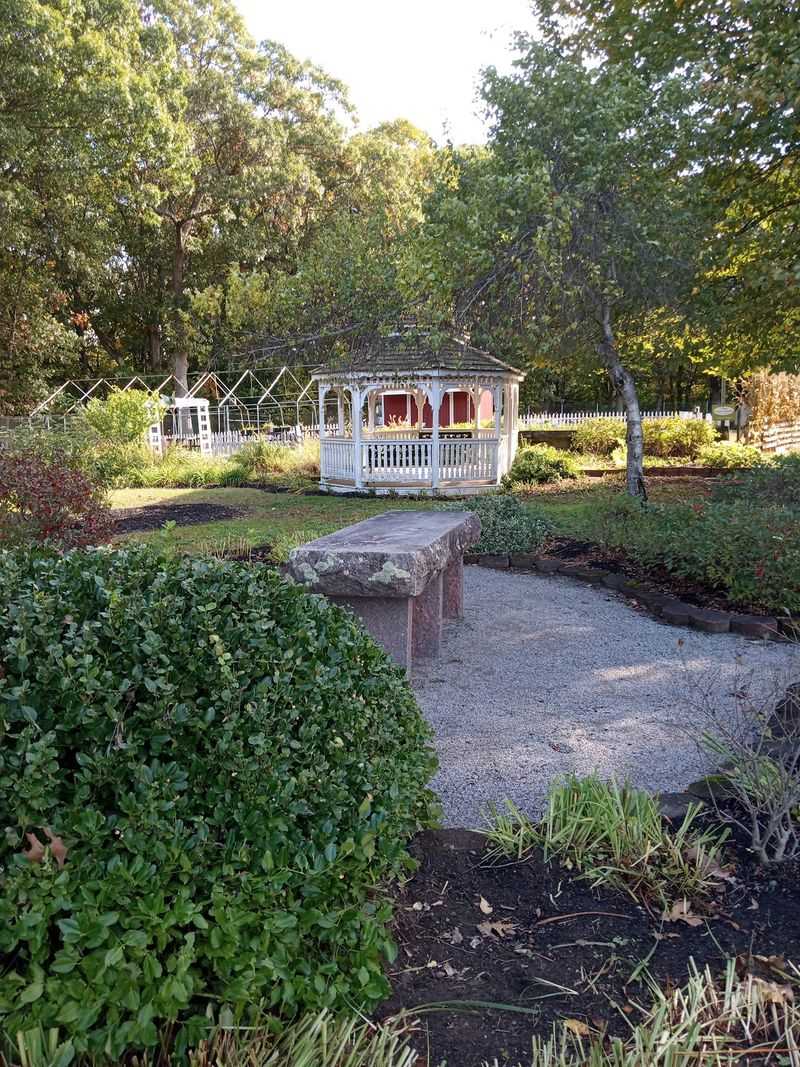
Slater Park gives Daggett Farm a much larger setting of lawns, mature trees, ponds, walking routes, picnic areas, and recreational facilities.
The city currently describes the park as an approximately 200-acre public space.
A walk beyond the farm can add as much or as little distance as a group wants.
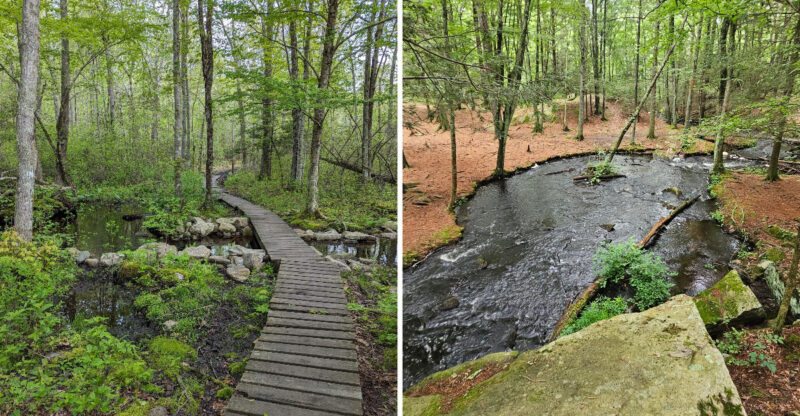
Open lawns provide room to spread out, while wooded sections and established trees create shaded areas throughout parts of the park.
Paths and recreation areas are shared spaces, so visitors should remain aware of cyclists, runners, families, and other park users.
The landscape looks very different from the property Pawtucket acquired in the nineteenth century. Historical records describe much of the old Daggett farm as heavily wooded, overgrown, worn-out farmland, or swampy ground.
Major improvements between 1907 and 1917 cleared undergrowth, reshaped low areas into ponds, planted trees, restored grass to former fields, and expanded the road and path system.
Today, those changes leave visitors with a combination of open grassy areas and established woodland.
The wider scenery also gives photographers options beyond the animal enclosures, especially around mature trees, lawns, gardens, and seasonal foliage.
Respecting paths and allowing other visitors room to pass keeps the shared landscape easy to enjoy.
Make Room For Play
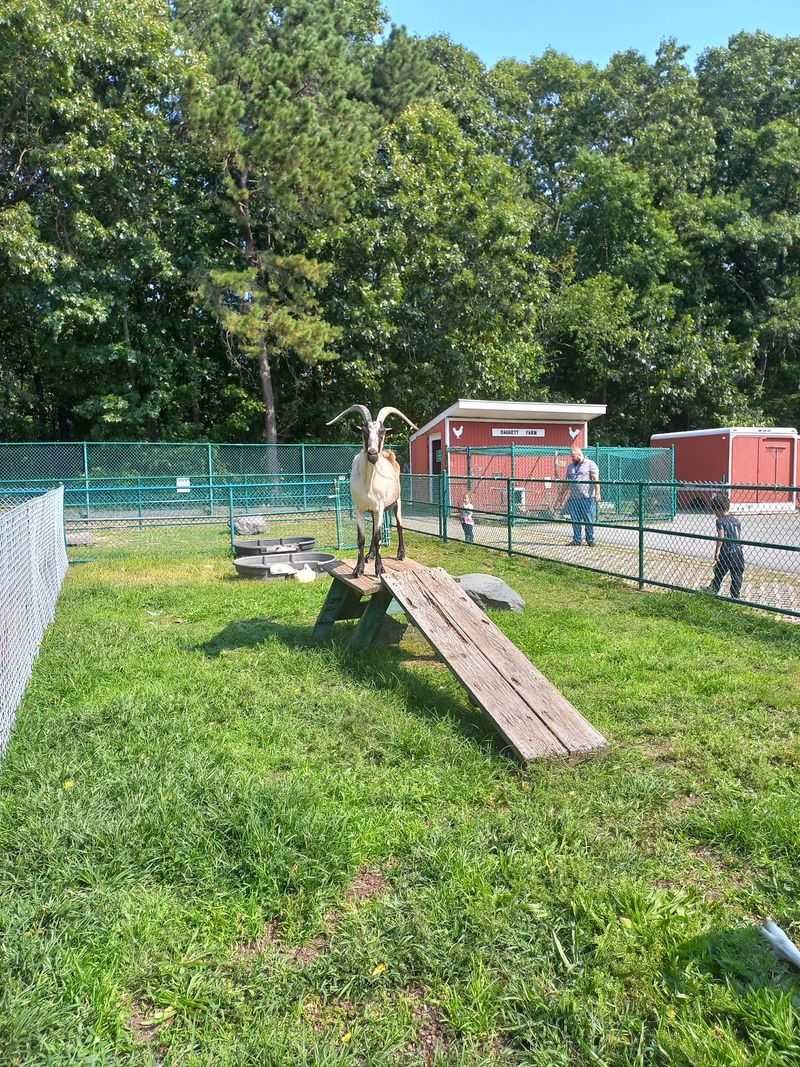
Farm animals are only one option for children in this section of Slater Park.
The Garden at Daggett Farm sits beside a children’s play area, and the city also maintains an Adventure Playground within the park.
That makes it possible to combine animal watching with a more active part of the outing without driving somewhere else.
The Adventure Playground currently includes climbing features, space nets, swings, slides, and an area designed for younger children.
Outdoor equipment and surfaces can change with rain, heat, maintenance, or seasonal conditions.
Families can decide which stop makes the most sense first based on energy levels rather than following a fixed route.
The animal area may work better before play for some groups, while others may prefer to use the playground first.
Leaving extra time between activities also allows for an unexpected return to the garden, picnic area, or favorite enclosure. A flexible schedule suits a park where several family attractions sit close together.
Choose Your Visiting Time
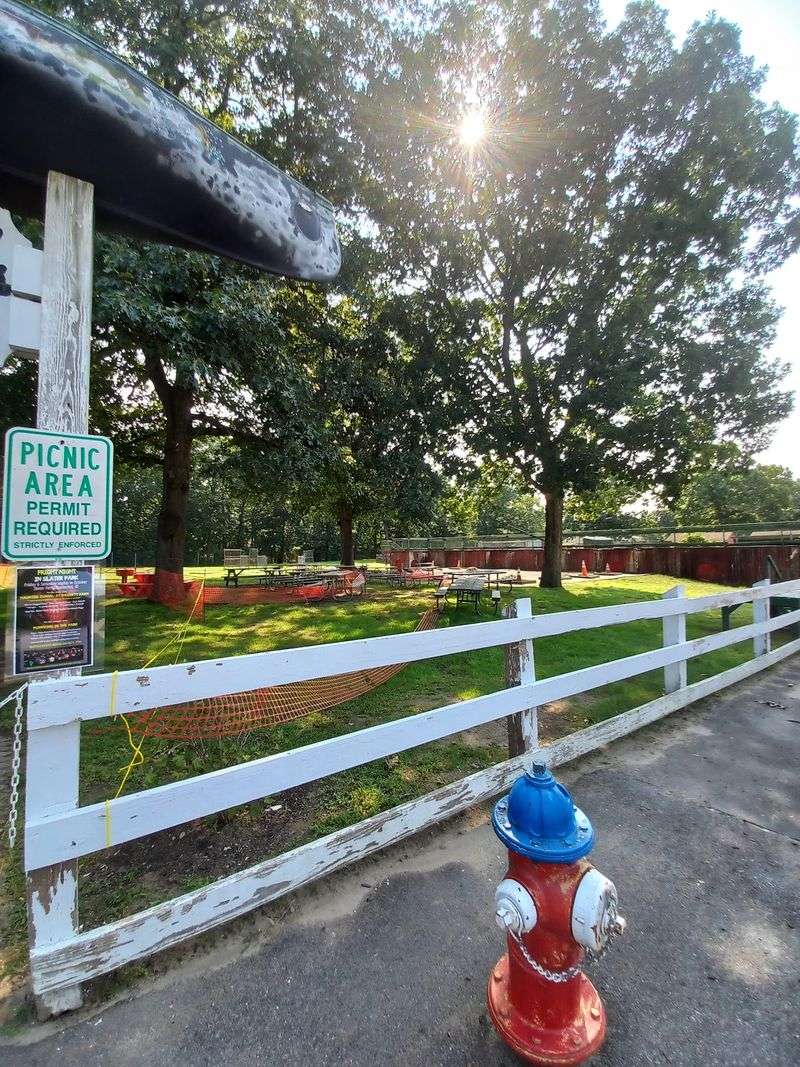
Current official information is clearest for the Garden at Daggett Farm, which is open daily from 9 a.m. to 4 p.m. The garden remains free and open to the public.
Rhode Island’s Slater Park itself is open from dawn until dusk under Pawtucket’s park regulations.
The city currently operates Daggett Farm, but its main Parks and Recreation pages do not publish a dependable daily 2026 animal-area schedule.
Checking with Pawtucket Parks and Recreation before making a trip specifically for the animals is the safest approach.
Morning visits can be more comfortable during hot weather, while sturdy footwear remains useful after rain.
The animal area does not need to occupy an entire day. The nearby garden, playground, picnic spaces, paths, and other Slater Park features make it easy to extend the visit.
If animals are resting or difficult to see during one pass, other nearby attractions provide plenty to do before returning.
Seasonal changes also alter the experience. Garden growth, summer shade, and autumn foliage give the same section of the park a different appearance throughout the year.
Comfortable clothing, water, and weather-appropriate shoes are more useful here than an overly detailed itinerary.
Leave The Farm Thriving
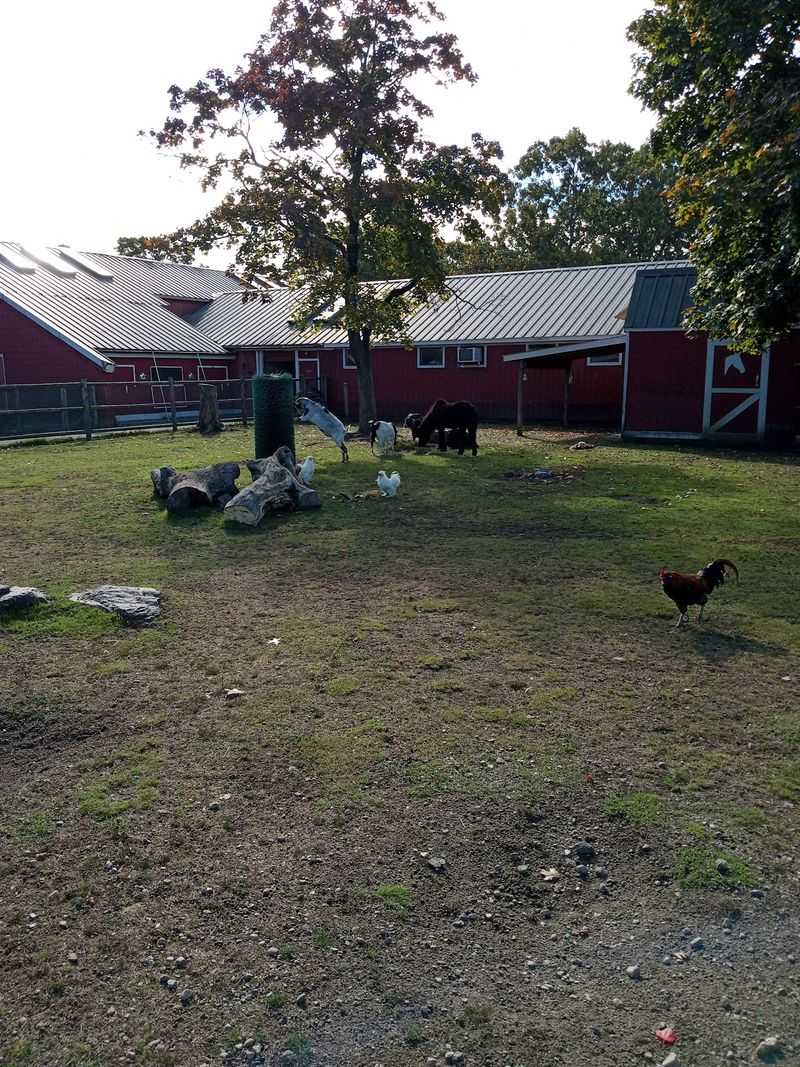
A good visit should leave the animal area and gardens exactly as they were found.
At Daggett Farm, posted enclosure rules should determine how visitors interact with the animals. Feeding, touching, or reaching through barriers should never be assumed to be permitted.
Personal snacks should remain away from the animal enclosures unless staff or signage specifically allows otherwise.
Watching without feeding still provides plenty of opportunities to notice how different animals move, rest, and react to their surroundings.
Giving animals space is especially important when they are sleeping, eating, or choosing to stay away from visitors.
The surrounding garden deserves the same consideration. Plants should remain in their beds, and paths should be kept free of litter.
These small choices help protect this Rhode Island farm, the accessible garden, and the larger park for the next group that comes through.