Florida Quilters Cross The State For The Packed Fabric Walls Inside This Small Sewing Shop
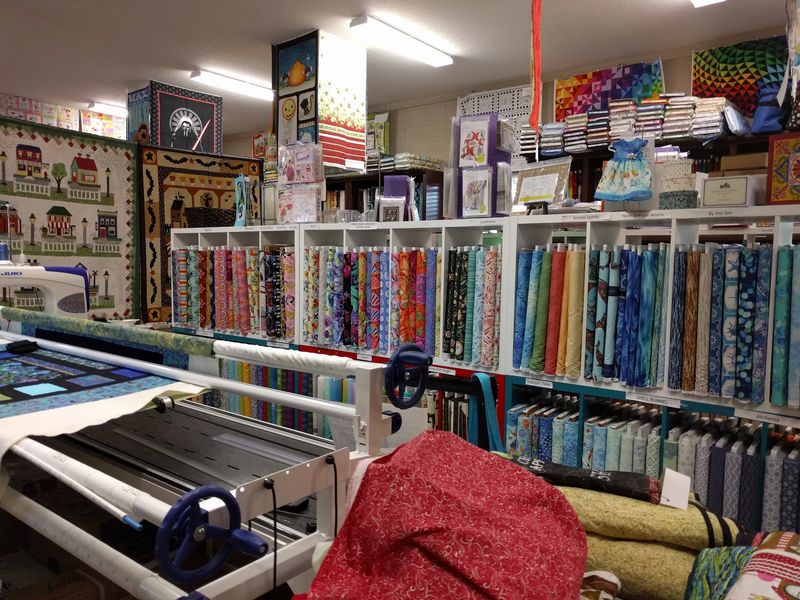
I told myself I was only stopping for one spool of thread, which might be the oldest fib in quilting. The building looked like it sold insurance, yet the door opened onto a Florida quilt shop crammed with bolts, panels, and sewing machines in every direction.
Quilters make the drive from all over the state for this place. Bring your swatches, a real budget, and more time than you think you need.
A Plain Storefront on County Road 19A
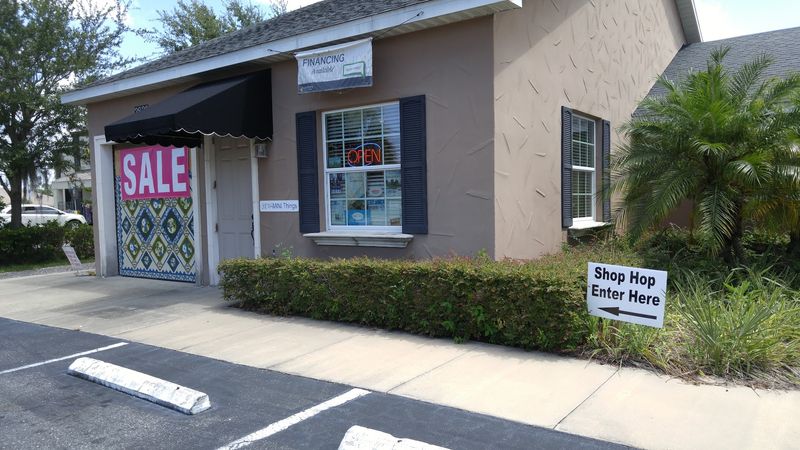
From the road, the building gives away almost nothing. A modest storefront sits along County Road 19A on the outskirts of Mount Dora, with a parking lot that could belong to a dentist or an insurance office.
Is that really the place people plan whole Saturdays around? It is.
Sew-Mini Things is a quilt shop, and the plain outside hides a store stuffed with quilting cotton, patterns, notions, kits, sewing machines, and long arm equipment.
Getting here is simple for most of Central Florida. The shop sits a little under an hour northwest of Orlando, and its spot near US-441 makes it easy to fold into a day trip from Leesburg, Eustis, Sanford, or The Villages, with gentle Lake County hills along the way.
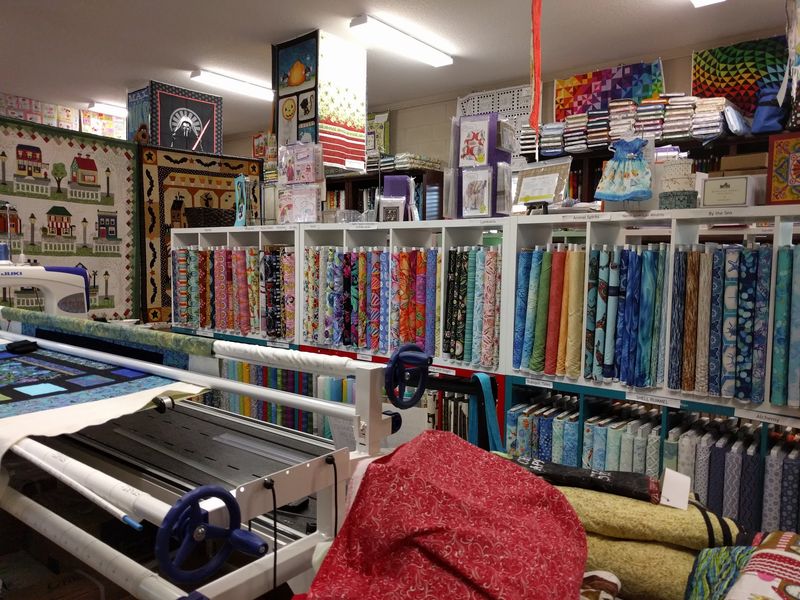
Compared with the big craft chains, the footprint is small. What it lacks in square footage, it makes up for in density, with shelves pressed close and bolts lined up in color runs that pull your eye from one wall to the next.
Park, grab your swatches, and bring a list you are willing to ignore. The address is 3820 County Road 19A, Mount Dora, Florida 32757.
Knock First, Then Step Inside
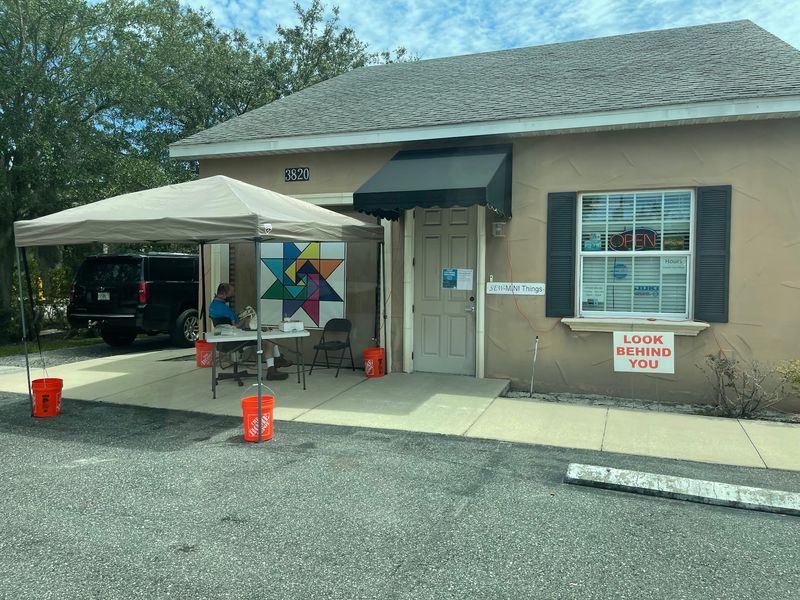
The front door stays locked during business hours. To get in, you knock, and a staff member comes over to let you through.
It feels a little odd the first time, more like showing up at a friend’s house than walking into a store. The system exists to keep staff and shoppers safe, and it takes about as long as saying hello.
Then the door swings open. Cotton, color, and the soft thump of a bolt landing on the cutting table greet you all at once, and the whole place reads less like a shop and more like a fabric and notions emporium somebody stocked with care.
Why does a small detail like this matter? Because it sets the tone for the visit.
Someone greets you at the threshold, which makes asking that first question about a pattern or a machine far easier than flagging down an aisle clerk at a chain store.
A quick tip for groups: send one person to knock while the others finish parking. Nobody minds waiting a moment, and the door gets handled quickly, so the entry never turns into a crowd on the walkway.
Bolt After Bolt of Quilting Cotton
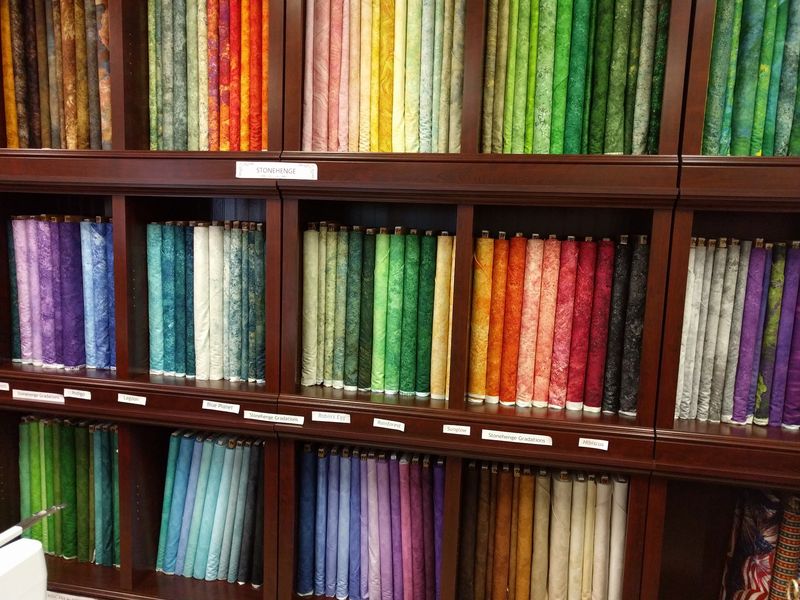
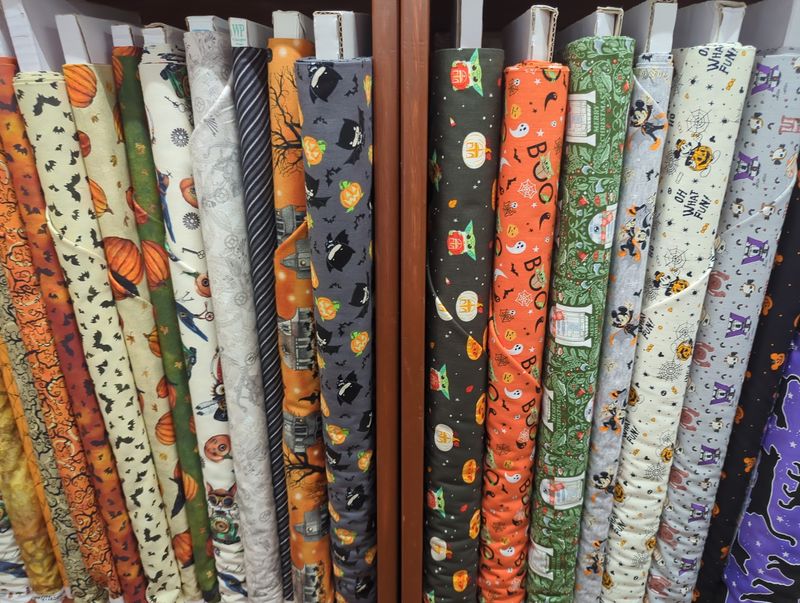
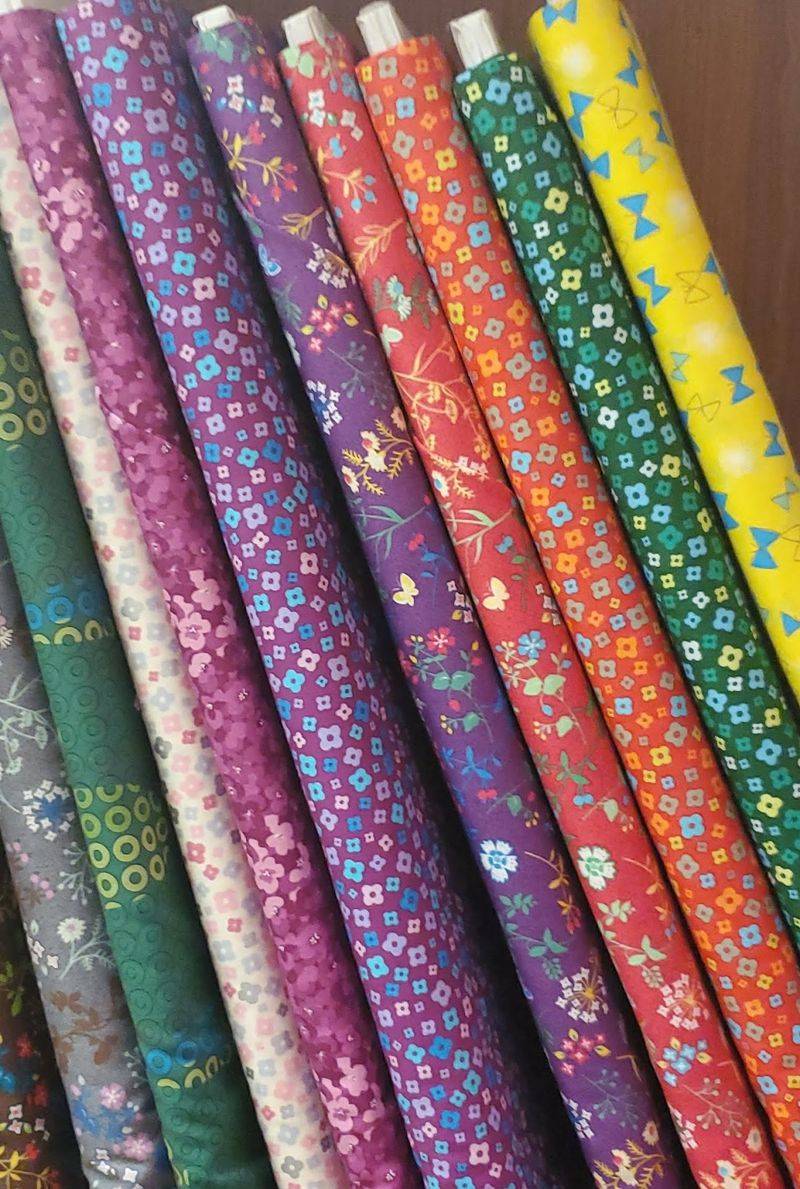
Color hits first. Reds bleed into oranges, blues cool down into greens, and neutral tone-on-tones sit in quiet stacks waiting to become backgrounds and borders.
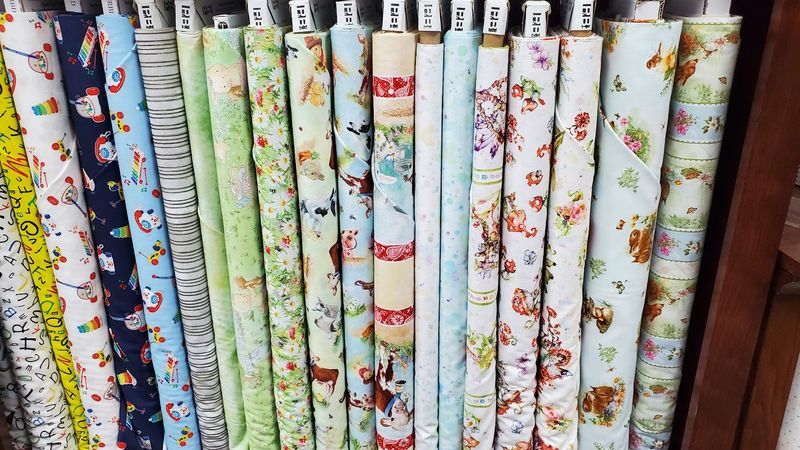
Thousands of bolts fill the store, most of them quilting-weight cottons, and the display is organized so browsing feels less like digging and more like reading a well-kept shelf. Bolts face out so the full print shows, and designs turn up here that rarely appear at chain stores, from whimsical novelty prints to subtle blenders.
Big box yardage this is not. The cottons carry a heavier hand and a crisper print, and pricing follows suit, running above chain-store rates the way specialty quilt shop fabric usually does.
Here is a strategy that helps: walk every wall once before pulling a single bolt. Snap photos of favorites, then circle back, because the fabric you spot in the last aisle often ties together the three you grabbed in the first ten minutes.
Hunting a batik colorway or one particular designer line? Check the online store before you go, since stock rotates and the exact print you want may have sold through.
Panels That Change Plans
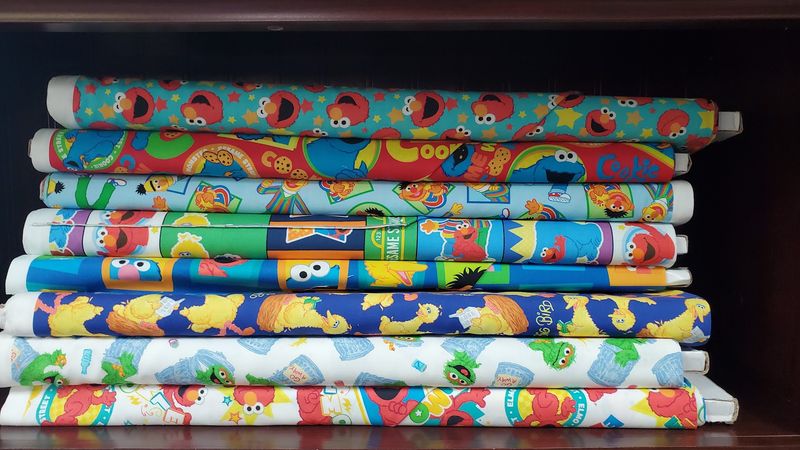
I walked in certain that panel quilts were not my thing. By the time I reached the counter, two of them were under my arm, and I was already sketching borders in my head.
The panel selection runs deep, and the printing quality stands out. Images are sharp, colors hold true at the edges, and the fabric feels sturdier than the thin, blurry panels that land in discount bins, with kids’ themes, seasonal scenes, and nature designs mixed in among the standards.
Where most shops carry a token flag print, patriotic designs here fill real space. Stars, stripes, eagles, and red, white, and blue themes show up in quantity, making this a strong stop for a veteran’s quilt or a Fourth of July table runner, and staff can pull fabrics that pick up the exact navy in a flag.
What makes a panel pay off? A clear image, good color registration, and enough coordinating yardage nearby to build borders and backing.
All three are easy to gather in one trip, since matching prints sit close by.
Unroll a panel under the shop lights and step back a few feet before buying. It shows how the colors will read from across a room.
Thread, Notions, and a Wall of Patterns
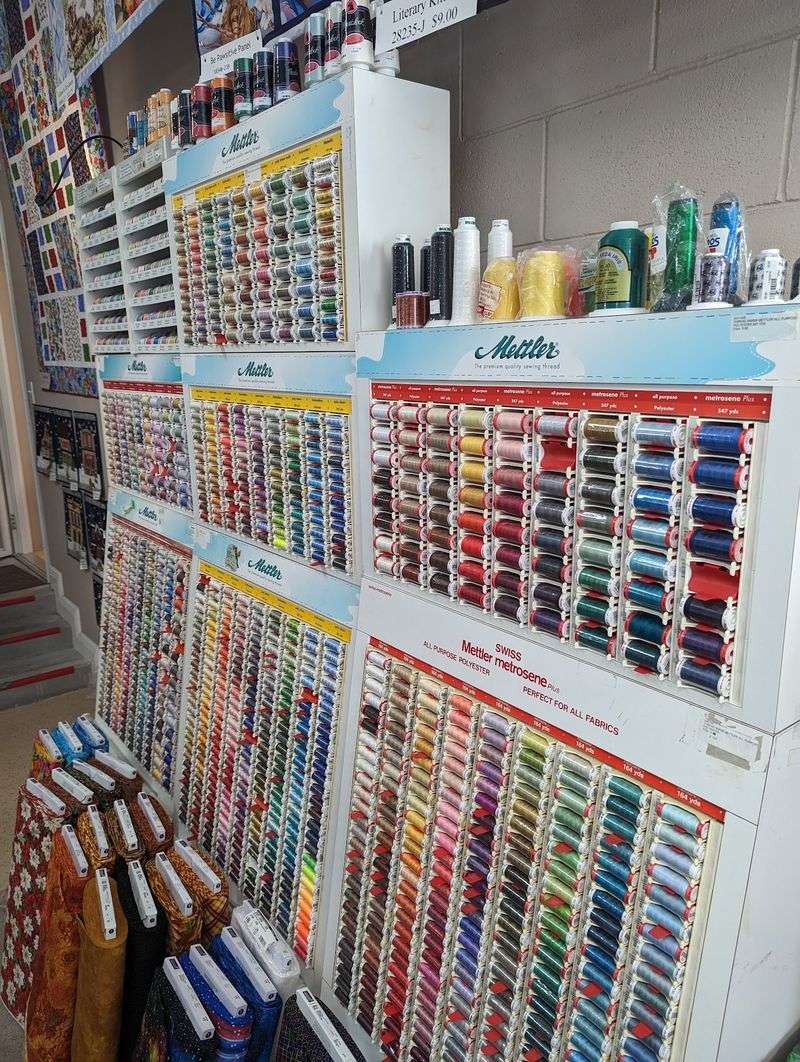
Pins, needles, thread, cutting tools, and marking supplies fill the notions area, and the stock leans toward quality rather than bargain filler. Backing fabric rounds out the basics, so a finished quilt top can leave with everything it needs.
Ever completed a top only to realize you are out of the right thread color? That problem shrinks fast in a shop like this, where the notions sit a few steps from the fabric they match.
Patterns cover a wide range. Beginner-friendly layouts share space with more ambitious designs, and the variety of projects on display, from bed quilts to smaller sewing pieces, gives a sense of what all that cotton can become.
Kits are the shortcut. Each one bundles a pattern with the fabric needed to finish it, which removes the guesswork of coordinating a dozen prints and makes a tidy gift for a quilting friend.
Newer sewists, take note: a kit plus a spool of matching thread and a fresh cutting blade adds up to a weekend project in a single bag. Grab one on the way out and the drive home becomes planning time.
Juki Machines, Sergers, and Long Arms
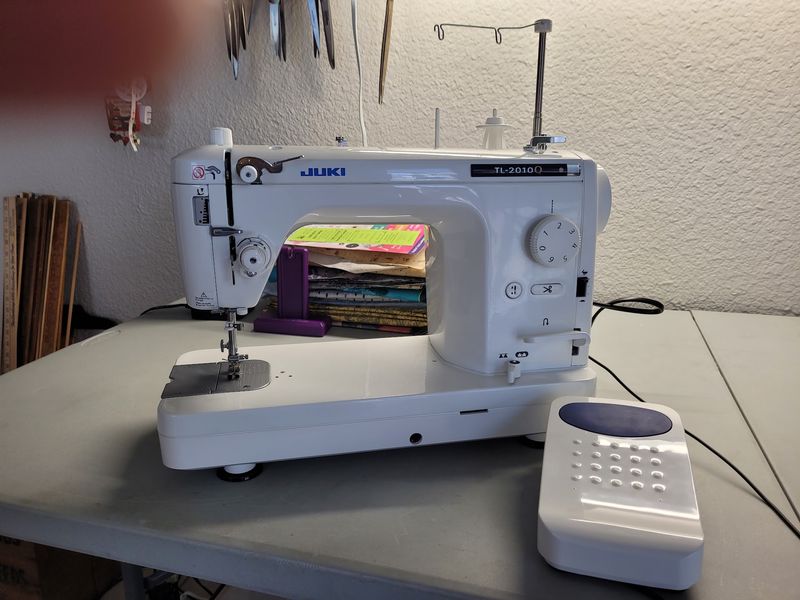
Sew-Mini Things doubles as a sewing machine dealer, and Juki sits at the center of the lineup. Models like the Juki TL-2010Q, a straight-stitch machine favored for quilting and bag making, have gone home from this shop, some of them ordered over the phone after a long conversation about features.
Shopping for a machine can feel like buying a car. The difference here is the tone of the conversation, with patient, honest answers whether you are replacing a decades-old Singer or buying a first machine.
On the floor, long arm quilting machines stretch across their frames, and chain stitch sergers are part of the mix too. Seeing them in person beats scrolling spec sheets.
Curious how a long arm handles a king-size top? Ask.
Staff know these machines deeply, and at least one team member can walk through Juki features down to the smallest setting. Store memberships are also available, and they pair naturally with a new machine purchase.
Bring the projects you sew most often, or photos of them. A quilter, a garment sewist, and a bag maker need different machines, and a clear picture of your work makes the recommendation sharper.
A Repair Bench for Tired Machines
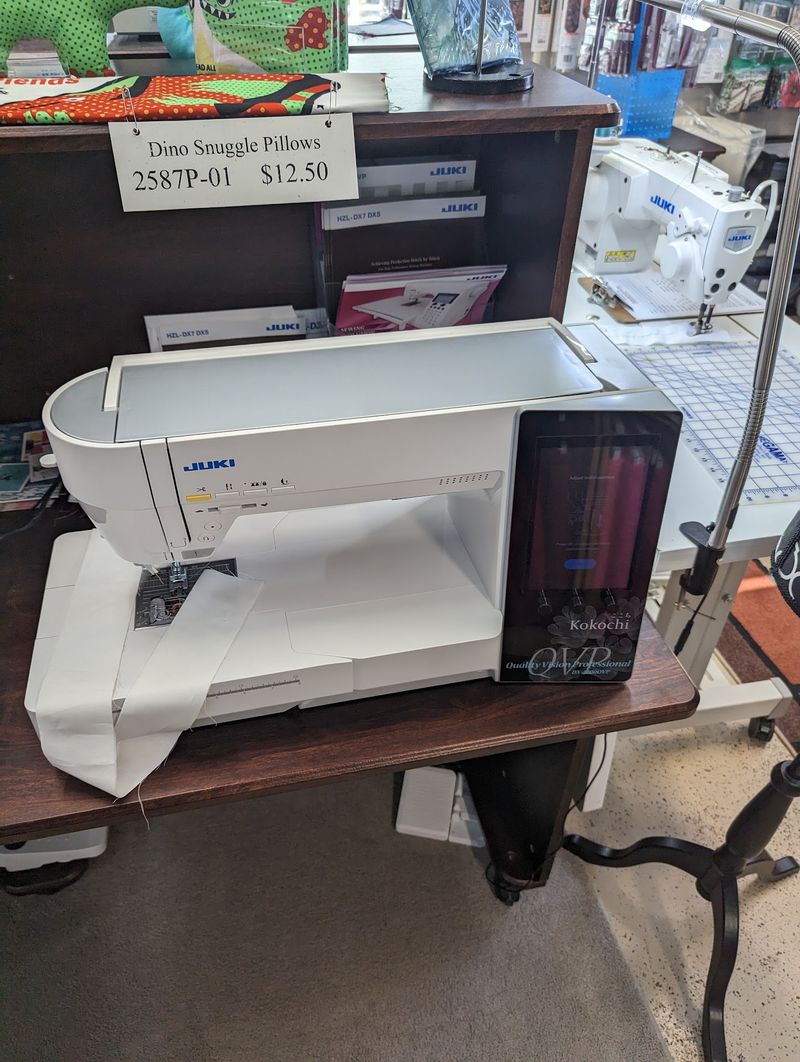
A machine that clunks, skips stitches, or grinds on every seam is a sad thing to own. Sew-Mini Things offers in-house servicing, and the technician on hand has a steady touch with neglected machines.
The results can be dramatic. A serviced machine comes back running smooth and quiet, often purring in a way it has not in years, which matters most to beginners who cannot yet tell whether a problem is the machine or their technique.
Costs deserve a clear-eyed look. Service pricing sits on the higher side, and the shop takes a deposit before opening a machine, a policy that can surprise anyone used to paying only at pickup.
Knowing that ahead of time keeps expectations realistic.
So how should you plan for it? For a machine you rely on weekly, a professional tune-up tends to pay off in fewer tangles and snapped needles, and asking about the estimate and deposit up front means nothing catches you off guard.
Bring the power cord, foot pedal, and any bobbins or presser feet you use regularly. Having everything in one bag makes the drop-off faster and lets the technician test the machine the way you sew.
Staff Who Measure Your Quilt Top
A quilt top lies spread across the cutting table while a staff member runs a tape measure edge to edge. Minutes later, a stack of backing options appears, along with suggestions for coordinating prints and exact cuts.
That kind of hands-on help defines the place. Phillip, a familiar face at the shop, has a habit of measuring tops, doing the yardage math, and matching backings to fabrics already chosen, while Tim brings deep Juki knowledge to the machine side.
Beginner or veteran, nobody gets rushed. Returning quilters coming back after years away meet encouragement rather than judgment, questions that feel silly get answered without a sigh, and the welcome is the kind that leaves a shopper feeling valued rather than processed.
Busy stretches can still create a bottleneck. When a single person is cutting and ringing up, the counter line slows, so plan for a short wait on crowded days.
How do you get the most from the help? Bring the quilt top itself, not just measurements, plus a photo of the pattern.
Staff can see the colors in person and steer you toward the right backing faster.
Classes, Shipping, and a Stop on the All Florida Shop Hop
A classroom area sits inside the shop, giving sewists a place to learn new techniques under the same roof as the fabric. Lessons taught steps away from the supplies make it easy to pick up what a project needs, so check the current schedule before planning around a specific class.
Can’t make the drive often? The online store fills the gap.
Orders arrive quickly, with yardage wrapped in tissue paper and panels sealed in zippered clear bags, a small touch that makes a box of fabric feel like a present.
Online and in-person shopping are not rivals here. Discovering the store through a package on the doorstep and then planning a detour on the next pass through Lake County is a common path, and the reverse works just as well.
The shop also takes part in the All Florida Shop Hop, the statewide event that sends quilters on road trips between participating stores. Hop season turns the place into a lively checkpoint, and it is a fine time to pick up a serger or a new pattern.
Order a small cut online first to feel the quality in hand before committing to a longer road trip.
Timing Your Trip to Mount Dora
Unlike the malls, the shop keeps short daytime hours, opening mid-morning and wrapping up by late afternoon. It also closes a couple of days each week, so check current hours before driving out.
Plan more time than you think you need. The clock moves fast between the first wall of cotton and the cutting counter, and swatches plus measurements let decisions happen at the shelf rather than in the car.
What about cost? Fabric runs higher than big box stores, in line with quality quilt shop cotton, so set a budget before walking in.
Kits and panels deliver a lot of project for the money.
Morning arrivals usually mean a calmer cutting line. The parking lot sits steps from the door, though aisles are snug with fabric, so strollers and oversized bags can be a squeeze.
Afterward, downtown Mount Dora waits a few minutes away, with brick streets, antique shops, boutiques, and restaurants overlooking Lake Dora. Lunch there and an afternoon stroll turn a fabric run into a full day out, and the shopping bags ride home in the trunk while you plan the next quilt over dessert.
Why Florida Quilters Keep Making the Drive
I left with more fabric than planned and zero regret. That is the usual outcome, and it says plenty about how the shop works.
Big chains offer convenience, but Sew-Mini Things offers something harder to find: depth. Thousands of cottons, strong panels, a full machine department, repair service, classes, and staff who will measure a quilt top by hand all fit inside a building you could drive past without a second glance, and the service runs on memory, with the person cutting your fabric often recalling the project you described at the door.
Who gets the most out of a visit? Quilters hunting prints they have not seen elsewhere, beginners who need a calm teacher, returning sewists easing back in, and anyone shopping for a Juki who wants straight answers before spending.
The drive from Tampa, the Space Coast, or Gainesville runs a couple of hours at most, a manageable trade for a store this well stocked. Pair it with lunch downtown and the mileage stops feeling like a sacrifice.
Knock on the door, give yourself the afternoon, and let the walls of color do the rest. Your sewing room will be glad you made the drive.