11 Northern California Coastal Towns That Get Even Better After The Summer Crowds Thin Out
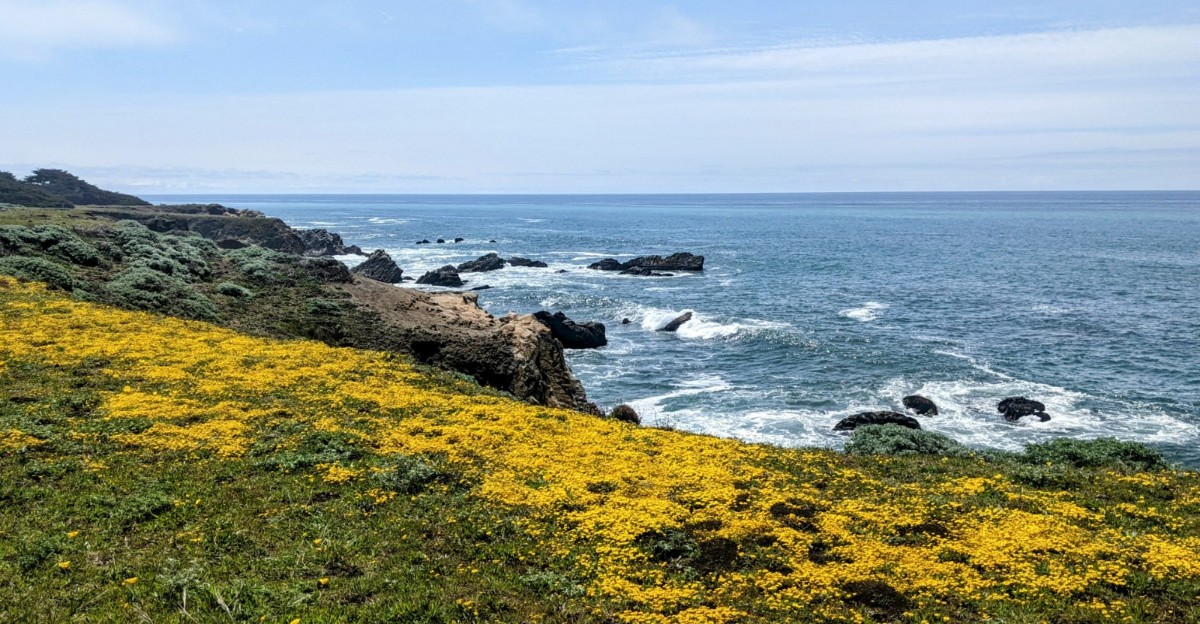
The coast does not become less beautiful when summer ends. If anything, losing some of the seasonal bustle can make a seaside escape feel considerably more relaxing.
Once the busiest weeks pass, small coastal towns settle into a different rhythm.
Wandering becomes easier, spontaneous stops sound more appealing, and staring at the ocean for far too long feels like a perfectly legitimate afternoon plan.
Northern California’s coastline can feel especially rewarding once summer loosens its grip and the little towns along it get room to breathe.
There is also something satisfying about visiting when the beach is no longer the only attraction.
Cafes become places to linger, local shops invite a slower browse, and a cool walk beside the water can be more appealing than chasing perfect sunbathing weather.
Summer may get the postcards, but the quieter season afterward has a strong argument for keeping the coast on your travel list.
1. Mendocino: Victorian Charm On The Headlands
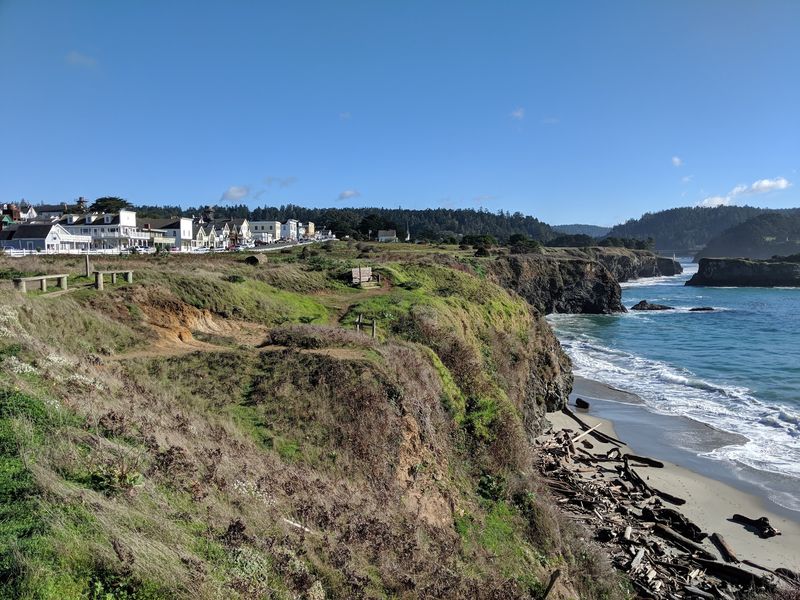
Think of a whole village perched on a cliff, with white wooden houses and water towers leaning toward the sea.
That is Mendocino, and in September it feels like the town finally lets out a long, happy sigh. The summer rush fades, parking gets easy, and you can wander the streets without bumping elbows.
Fall often brings the clearest skies of the year here. Daytime highs usually sit in the mid-60s, which is perfect weather for walking the trails of Mendocino Headlands State Park.
The paths loop around the whole town, passing sea caves, blowholes, and rocky arches where waves crash below.
Downtown is small enough to explore on foot in an afternoon. You will find bookstores, art galleries, candy shops, and cozy cafes inside buildings from the 1800s.
Autumn is also the start of wild mushroom season on the coast. Local restaurants often add mushroom dishes to their menus, and some inns host special foraging walks with experts.
Here is a fun bonus. The Anderson Valley region is less than an hour inland, and fall is harvest time.
Families can visit farm stands for fresh apples and cider while grown-ups sample local drinks.
2. Bodega Bay: Seafood, Salt Air, And Surprise Sunshine
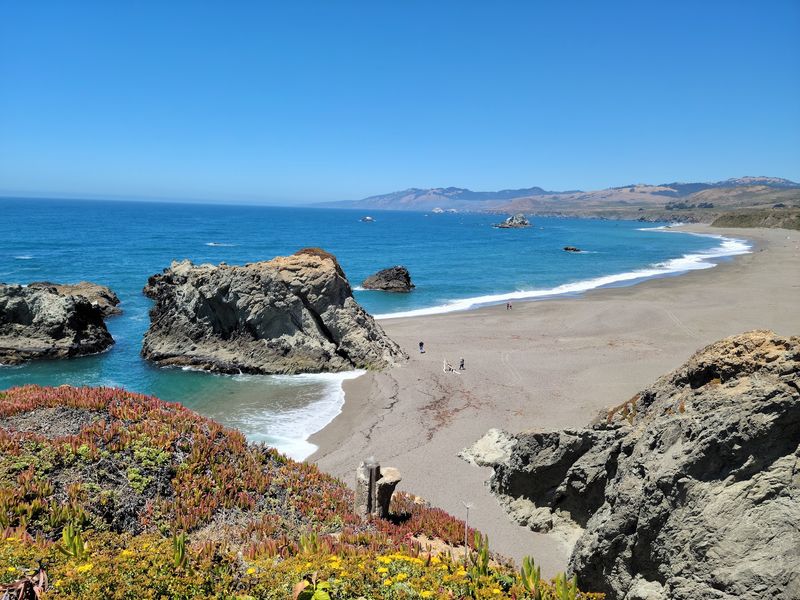
Here is a secret that locals love to share. The Sonoma Coast often enjoys some of its warmest, sunniest days in September and October, right after most vacationers head home.
Sonoma County Tourism even calls fall one of the best times to visit its coastline.
Bodega Bay makes the most of that sunshine. Fishing boats bob in the harbor, pelicans dive for lunch, and the smell of fried fish drifts from waterfront shacks.
Grab a basket of fish and chips or a cup of clam chowder, then eat it on a bench while watching the boats return.
For a leg stretch, head out to Bodega Head. The trail follows windswept bluffs with huge views of the ocean, and you might spot seals lounging on the rocks below.
Movie fans have one more reason to visit. Alfred Hitchcock filmed his famous thriller The Birds here in the early 1960s.
The old Potter Schoolhouse from the film still stands in the tiny nearby town of Bodega, and you can snap a photo from the road.
Fall is also a smart time to book a room. Hotels often lower prices once school starts, and weekday stays can feel almost private.
3. Trinidad: Tiny Town, Giant Views
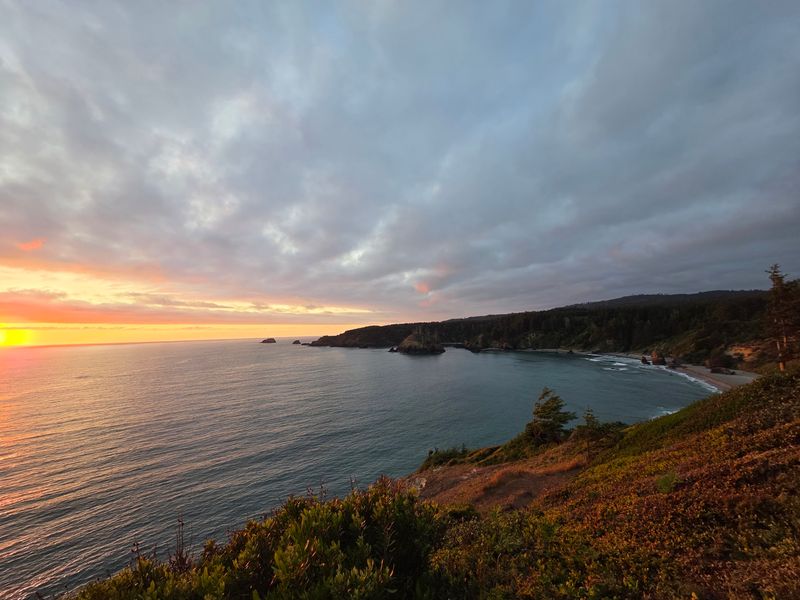
Blink while driving Highway 101 and you might miss Trinidad completely. With only a few hundred residents, it is one of the smallest incorporated cities in California.
Yet this little Humboldt County gem packs in more jaw-dropping scenery than places ten times its size.
Start with a hike up Trinidad Head. The loop trail is about a mile and a half, and it climbs through wildflowers and coastal brush to overlooks above the ocean.
On clear days, you can see sea stacks scattered across the water like giant chess pieces.
Fall is when Trinidad really comes alive for nature lovers. Mornings often start foggy, then clear into sunny afternoons with calm seas and light winds.
hose gentle conditions are perfect for kayaking near the harbor or spreading a picnic blanket at Trinidad State Beach.
Wildlife is everywhere this time of year. Salmon make their runs up local rivers, and Roosevelt elk bugle loudly during their fall mating season in nearby prairies.
Seafood fans, take note. Dungeness crab season usually kicks off in late fall, and the fresh catch shows up at local restaurants.
Before leaving, stop by the Trinidad Memorial Lighthouse replica near the harbor. It makes a sweet photo backdrop with the ocean behind it.
4. Fort Bragg: The Coast’s Adventure Headquarters
Want a coastal town with plenty to do? Fort Bragg is your answer.
It is the biggest town on the Mendocino Coast, and it offers enough activities to fill a long weekend without ever feeling rushed.
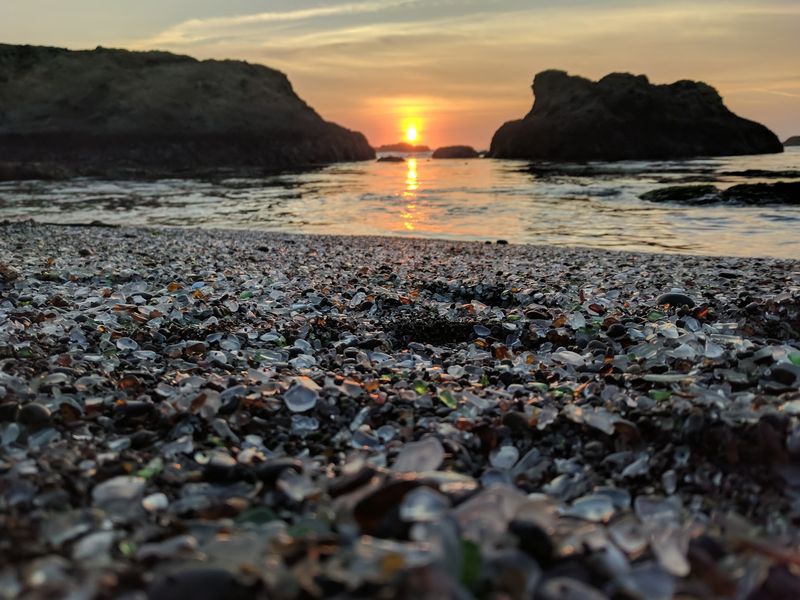
Glass Beach is the most famous stop. Decades ago, people dumped trash near the shore, and the waves slowly tumbled old bottles into smooth, colorful pebbles.
Today the beach sparkles with bits of green, brown, and white glass, but please leave every piece behind so others can enjoy it too.
October is a fantastic month to ride the Skunk Train. The historic railroad rolls through redwood forests along the Noyo River, and fall colors are at their peak.
The train got its nickname from the smelly gas engines that once powered it, which people said they could smell before they could see.
Noyo Harbor is another must. Sea lions bark from the docks, fishing boats unload their catch, and small restaurants serve up fresh seafood with water views.
The Coastal Trail also runs along the old mill site, giving walkers and bikers easy, flat ocean paths.
Flower lovers should save time for the Mendocino Coast Botanical Gardens. In October, dahlias bloom in bold colors and Japanese maples turn fiery red.
F
5. Gualala: Sunshine On The Secret Coast
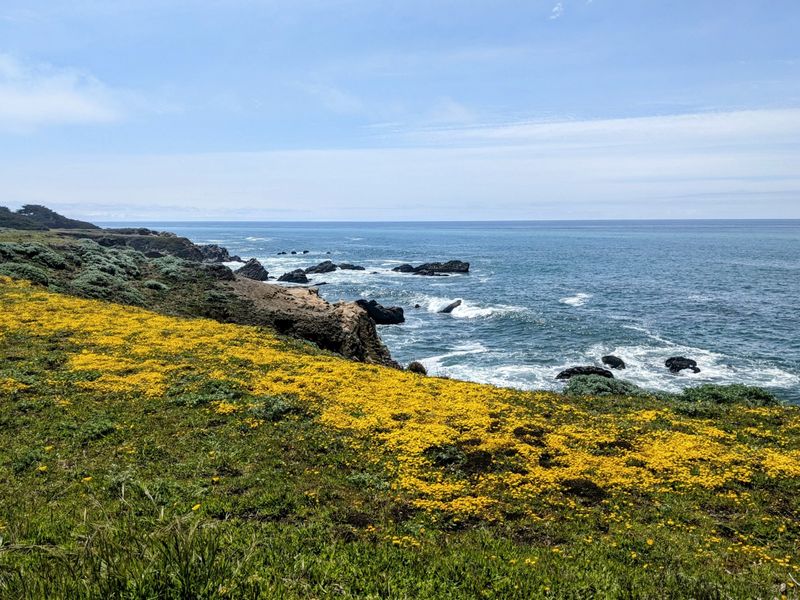
Locals have a funny name for this sunny stretch of shoreline: the Banana Belt.
Gualala sits right on the border of Mendocino and Sonoma counties, and a special microclimate gives it clear skies around 250 days a year. While nearby towns hide under fog, Gualala often basks in sunshine.
The whole area between Jenner and Point Arena is sometimes called the Secret Coast. That nickname fits, because it is far from big highways and busy cities.
Even in summer, crowds stay light, and by fall you might feel like you discovered the place yourself.
So what is there to do? Paddling the Gualala River is a top pick, since the calm water winds past redwoods and is gentle enough for beginners.
You can rent kayaks and watch for herons, otters, and ospreys along the way.
Bluff-top trails offer another easy adventure. Gualala Point Regional Park has paths that lead to the river mouth and wide ocean views.
At low tide, check the rocky pools for sea stars, anemones, and tiny crabs, but step carefully on slippery rocks.
Fall usually gives you the best shot at clear, blue skies here. The small town has art galleries, a friendly grocery store, and cozy spots to grab coffee.
6. Jenner: Where The River Meets The Sea
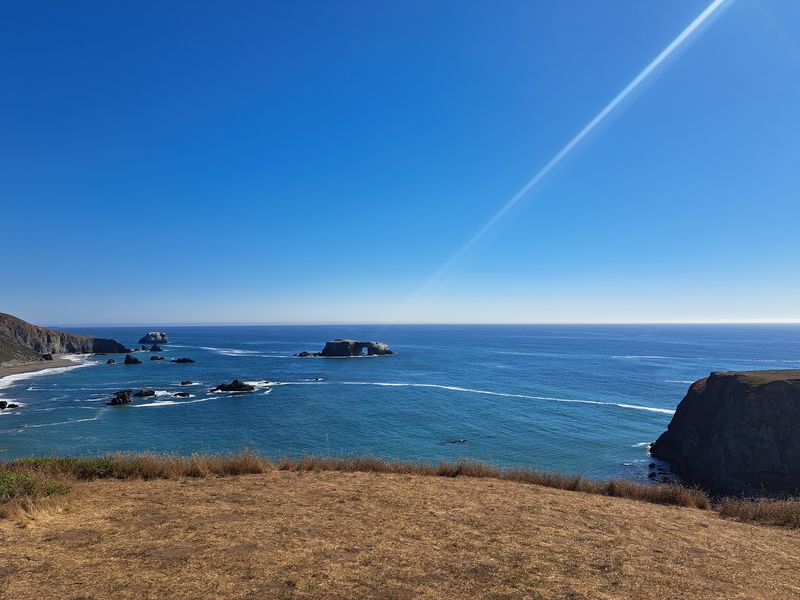
Standing on a hillside in Jenner, you can watch one of nature’s great meetings. The Russian River finishes its long journey right here, spilling into the Pacific Ocean at Goat Rock Beach.
Jenner is tiny, with just a handful of homes, a couple of restaurants, and a small visitor center. That is exactly the charm.
There are no traffic jams or long lines, just winding Highway 1 curves and breathtaking views in every direction.
The real stars here are the animals. Harbor seals often rest on the sandbar at the river mouth, and river otters play along the banks.
Look up and you may spot ospreys diving for fish or great blue herons standing perfectly still in the shallows.
Kayaking the Russian River estuary is a wonderful way to get close to all that wildlife. The water is usually calm near town, and local outfitters rent boats and share safety tips.
Hikers can explore the bluff trails of Sonoma Coast State Park, which stretch for miles. In fall, rangers and volunteers sometimes lead plant identification walks, and the hills around the river glow with autumn colors.
7. Point Arena: Climb The Tallest Lighthouse On The West Coast
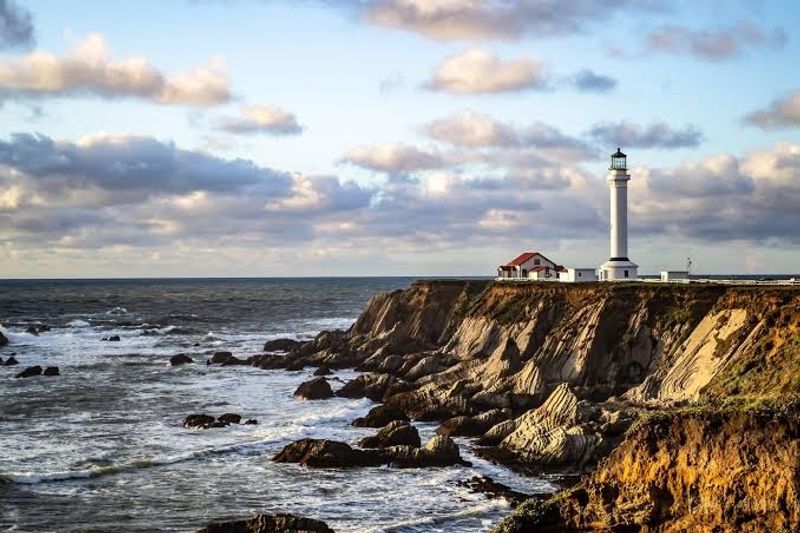
Did you know you can climb 145 steps to the top of the tallest lighthouse on the West Coast? The Point Arena Lighthouse rises 115 feet above a wind-blasted point, and the view from the top is unforgettable.
The lighthouse stays open daily in fall, though hours are a little shorter than in summer. Inside the museum, you can learn about shipwrecks, powerful earthquakes, and the brave keepers who lived here.
There is even a special whale watch room for spotting gray whales during migration season.
Back in town, Point Arena feels like a step into the past. Its short Main Street has a historic theater, a bakery, a bookstore, and friendly local shops.
Fewer than 500 people live here, so everyone seems to know each other.
Nature lovers should explore the Stornetta Public Lands, part of the California Coastal National Monument.
Trails wander past sea arches, hidden coves, and cliffs where waves explode into white spray. The land is open year-round and rarely feels busy after summer.
8. Shelter Cove: Gateway To The Wild Lost Coast
Some places are easy to reach. Shelter Cove is not one of them, and that is exactly why people love it.
Along the remote Lost Coast, it sits at the end of a steep, twisting road that scares off the casual crowd.
Why is it called the Lost Coast? The mountains here are so rugged that engineers could not build Highway 1 along this stretch of shore.
Instead, the highway turns inland, leaving about 80 miles of coastline wild and mostly untouched.
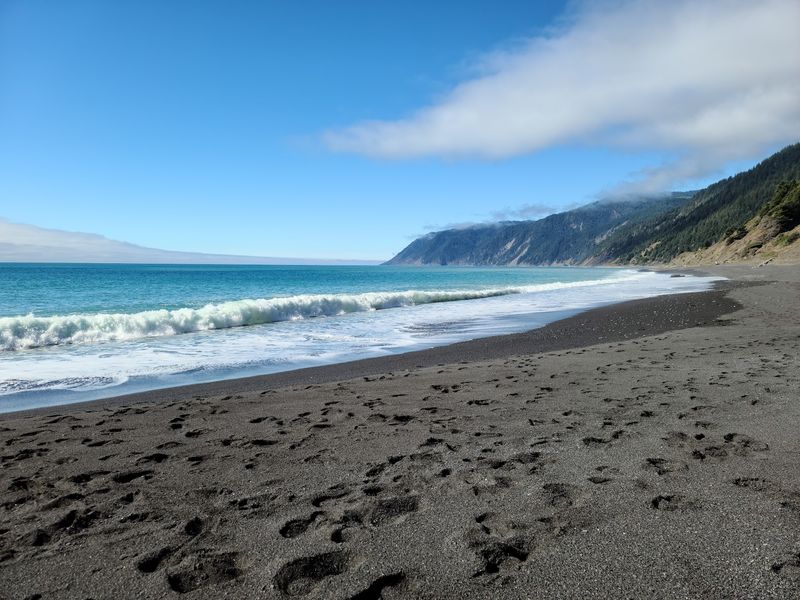
Black Sands Beach is the first place most visitors head. The dark sand and smooth pebbles stretch for miles, framed by steep green mountains.
It is a fantastic spot for beachcombing, and in fall you may only share it with a few gulls.
Experienced hikers come for the Lost Coast Trail, which runs through the King Range National Conservation Area. Its challenging terrain rewards backpackers with crashing surf, wildlife sightings, and total quiet.
Not a backpacker? No problem.
The town has tide pools near the small lighthouse, quiet bike paths, and cozy rentals with ocean views.
9. Eureka: Victorian Beauty On Humboldt Bay
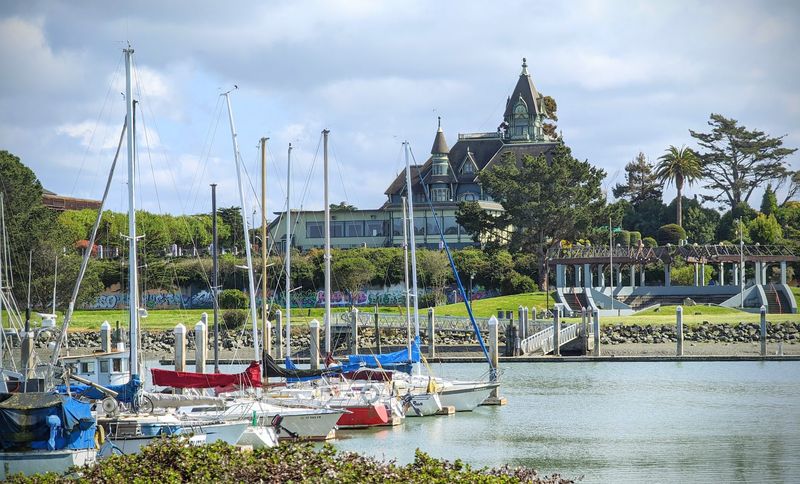
Gold Rush settlers named this city after a Greek word that means I have found it, and visitors still feel that way today.
Eureka is the biggest stop on this list, so it adds museums, breweries, and city fun to your coastal trip. In fall, temperatures usually hover in the mid-60s with little rain.
Old Town Eureka is the heart of the action. Colorful buildings hold art galleries, bookshops, cafes, and restaurants, and murals brighten many walls.
You can even take a horse-drawn carriage ride through the historic streets.
Architecture fans should not miss the Carson Mansion. Built in the 1880s for a lumber baron, it is often called one of the most impressive Victorian homes in America.
It is a private club, so admire it from the sidewalk, then check out the bright pink house across the street.
For a thrill, head to the Redwood Sky Walk at the Sequoia Park Zoo. Swaying bridges connect the treetops about 100 feet above the forest floor.
It gives you a squirrel’s view of the giant trees.
Humboldt Bay, the second-largest bay in California, is right at the edge of town. Take a harbor cruise, stroll the waterfront trail, or watch for herons and harbor seals.
10. Albion: A Quiet Pause Beneath The Bridge
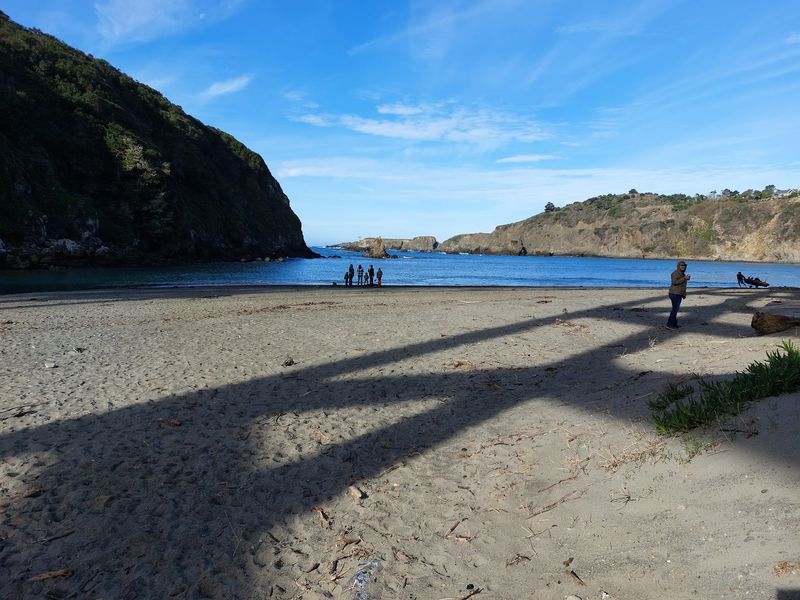
Driving south from Mendocino, you suddenly roll onto a tall wooden bridge high above a river. Look down, and you will see the Albion River curling into the Pacific, with fishing boats tucked into a sheltered cove.
The Albion River Bridge was built in 1944 and is known as the last wooden trestle bridge still carrying traffic on Highway 1. Pull over at a safe turnout to snap photos, especially in the soft golden light.
Albion is very small, with just a scattering of homes, a campground by the river, and a couple of inns.
In summer, most drivers zoom right through on their way somewhere else. By fall, the pace slows even more, and it feels like a secret hideaway.
Paddling up the Albion River is a peaceful adventure. The calm water winds inland past forests and quiet banks, where you might see ducks, egrets, or a curious harbor seal.
Local outfitters sometimes offer kayak rentals, though hours may shrink after summer, so call ahead.
Albion also sits in a handy spot for exploring. Van Damme State Park, with its famous Pygmy Forest of tiny, ancient trees, is just a few minutes north.
11. Dillon Beach: A Laid-Back Southern Finale
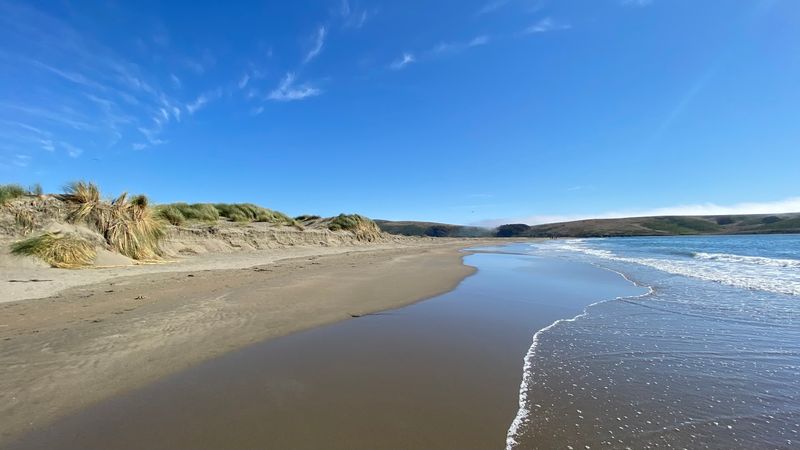
Just about an hour and a half north of San Francisco, Dillon Beach feels a world away from the busy Bay Area.
Instead of packed parking lots and crowded boardwalks, you get a small cluster of cottages, a general store, and a long, wide stretch of sand. It is the kind of place where flip-flops count as formal wear.
The beach sits near the mouth of Tomales Bay, making it a nice southern bookend for any Northern California coast trip.
Weekends can still get busy, with lines to park on sunny days. Visit on a weekday in fall, though, and the sand may feel like your private playground.
October through December is the quiet season here. Prices often drop, the air turns crisp, and the dunes glow golden in the late afternoon sun.
Beachcombing is a favorite activity. Look for sand dollars, shells, and smooth stones left behind by the tide.
Hungry? Nearby Tomales Bay is famous for fresh oysters, and several spots along the shoreline serve them grilled or raw.