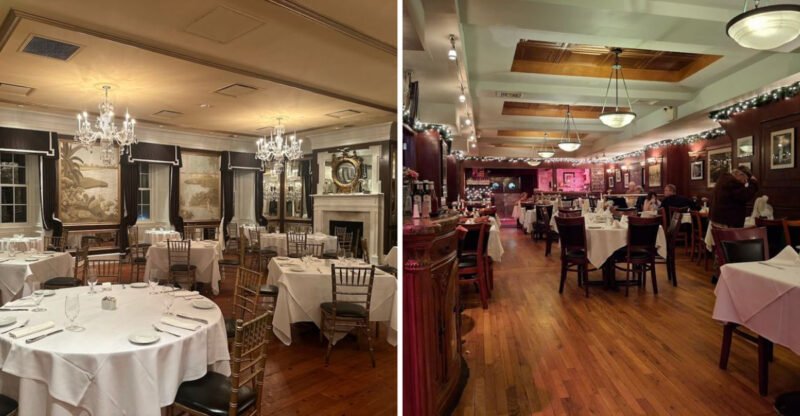
This Small Georgia Bakery Mills Its Own Flour For Naturally Leavened Bread
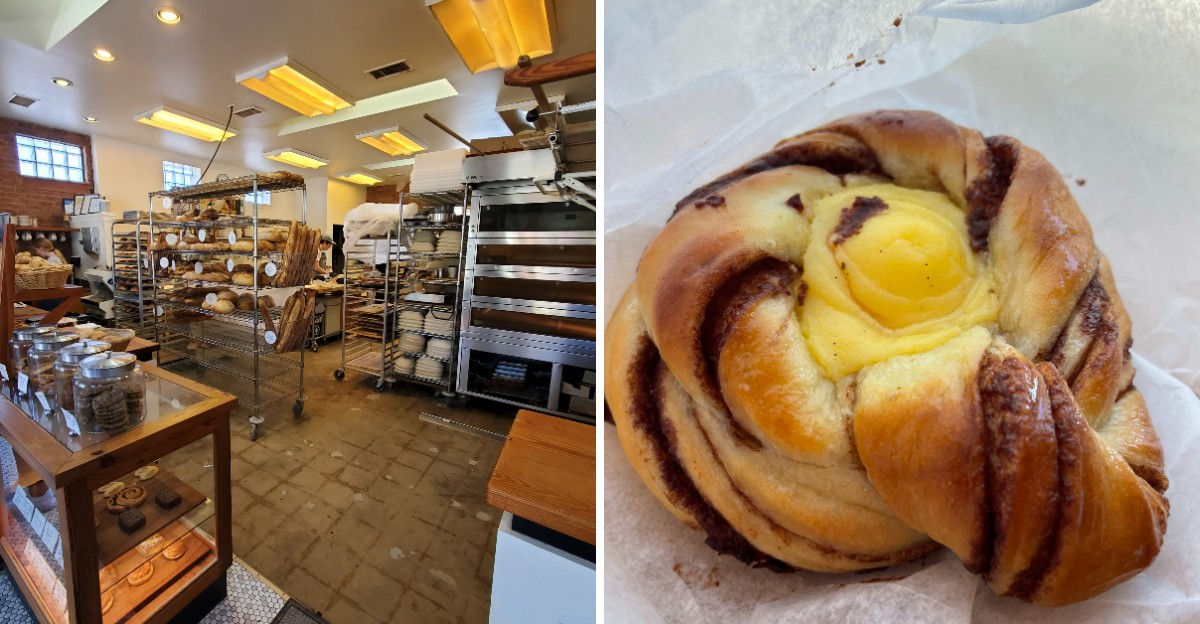
Most flour spends weeks in a bag before it ever meets an oven. Here, it might have been whole grain that same morning.
That one detail changes everything about the bread.
This small Georgia bakery mills its own flour on site. Grain goes in.
Fresh flour comes out, full of flavor that store-bought bags rarely hold on to. Then the process slows way down.
No commercial yeast. No shortcuts.
Just flour, water, salt, and a natural leaven given the hours it needs to work. The result is a loaf with a crackly crust, a tender crumb, and a gentle tang that lingers after each bite.
Good bread used to be a daily ritual. Somewhere along the line, speed replaced patience.
This bakery quietly pushed back. In a state known for biscuits, it proves Georgia has room for a slower kind of bread, too.
A Loaf Starts With Four Basics
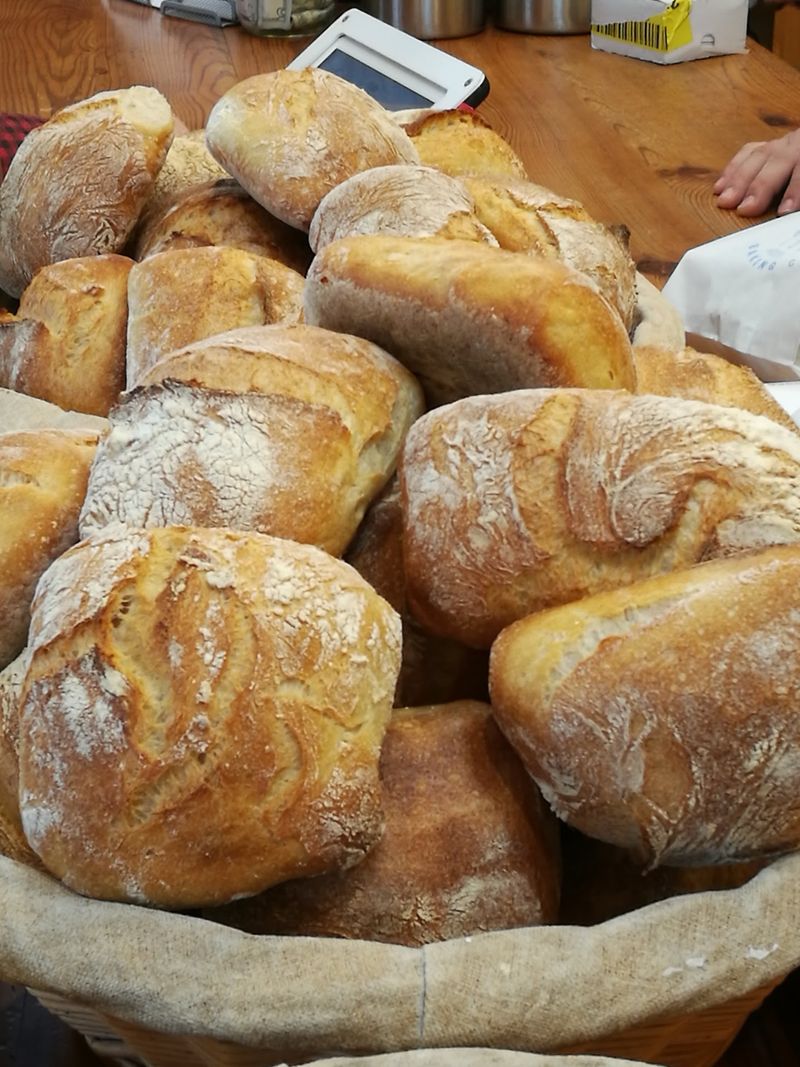
Good bread needs no crowded ingredient list. Flour, water, sea salt, and natural leaven provide the starting point for the loaves here.
I find that kind of simplicity surprisingly exciting. Each ingredient has a job, and there is little room to hide behind extra flavors.
Water brings the flour together into dough. Salt adds flavor, while the leaven helps the dough rise slowly and build character.
Fresh flour changes the picture before baking even begins. Milling whole grain on site gives the bakers a hands-on connection to a key ingredient.
Think of a loaf as tomorrow’s lunch, not just today’s treat. A slice can hold eggs, cheese, or vegetables without asking for much else.
For a first taste, try a plain piece before adding butter. Notice the grain flavor, the crust, and the soft center on their own.
Then save another slice for toast the next morning. Heat brings out different aromas and gives the crust another welcome crunch.
That simple test tells you more than a fancy label could. It also makes choosing a favorite loaf feel like a small adventure.
Ask what bread is available when you visit. The answer can guide your plans for breakfast, sandwiches, or dinner.
One small stop can keep several meals interesting. Find Independent Baking Co at 1625 S Lumpkin St, Athens, GA 30606, United States.
Fresh Flour Changes The Starting Line
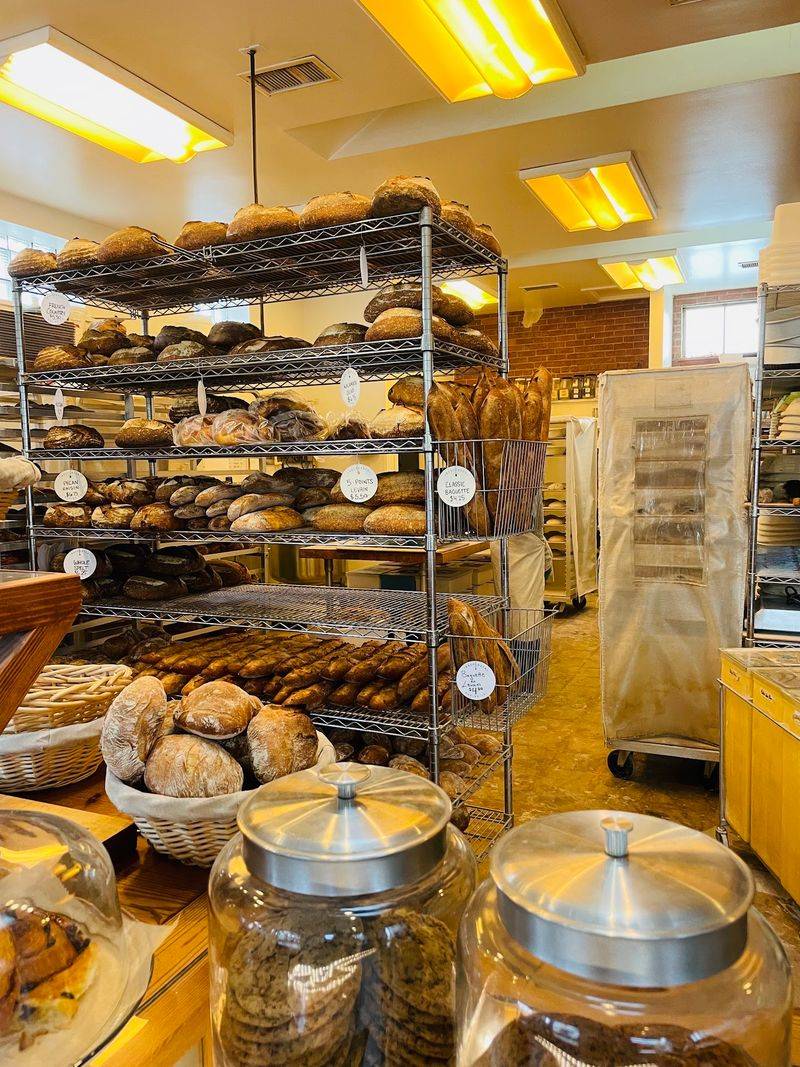
Flour has a freshness story, too. All the whole grain flour used here is milled in-house, rather than arriving ready for the dough.
That detail made me look at bread differently. The grain is part of the bakery’s daily craft, not merely a bag on a shelf.
Whole grain flour includes more of the grain than refined white flour. Its flavor can feel deeper, with earthy notes that suit slow-rising bread.
The bakery has used organic grain from Heartland Mill in Kansas. Sourcing matters because different grains can give bakers different flavors and textures.
A loaf made with whole grain may feel hearty. That does not mean every bite must be heavy or taste the same.
Fresh milling gives bakers another choice to manage. They can pay attention to the grain before it becomes dough and bread.
If you usually buy white sandwich bread, start with one slice. Try it toasted with a familiar topping and notice what changes.
I like comparing the plain crumb with the browned crust. They can offer two different hints of the same grain.
For home storage, keep a loaf wrapped after it cools. Freeze extra slices if you cannot finish them soon.
No special bread knowledge is needed at the counter. Curiosity and an appetite are enough to begin tasting the difference.
Stone Mills Do The Quiet Work
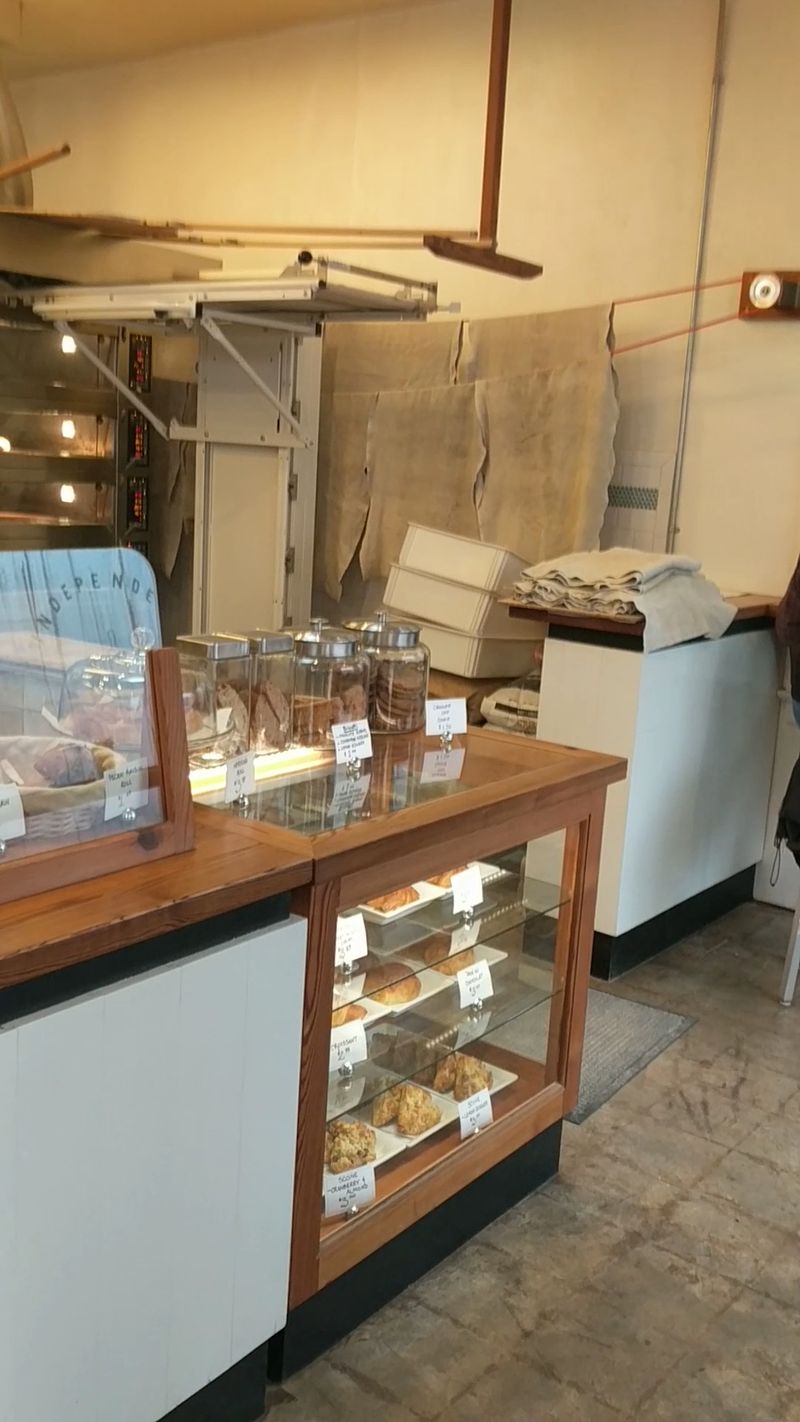
A mill is the bread’s behind-the-scenes character. This bakery uses stone mills to turn whole grains into fresh flour for its bread.
Stone milling sounds old-fashioned, and that is part of its charm. Basalt or granite stones grind grain into flour for the bakers to use.
I picture the grain changing little by little. It is a useful reminder that a finished loaf begins well before dough reaches an oven.
The machinery is not there for a showy label. Milling on site lets the bakery take an active role in preparing its whole grain flour.
That work calls for attention before mixing starts. Grain must become flour with the qualities needed for the bread being made.
For readers, the practical lesson is simple. Ask about the flour when choosing between loaves, especially if whole grains interest you.
Some people enjoy a bold grain taste for toast. Others may want a milder loaf for sandwiches and everyday meals.
Either preference is a good one. The goal is finding bread you will enjoy from the first slice to the last.
At home, notice how each loaf cuts and toasts. Those small details can help you choose what to bring back.
Next time flour looks ordinary, remember the mill. It has already done plenty of work before breakfast begins.
Natural Leaven Takes Its Time
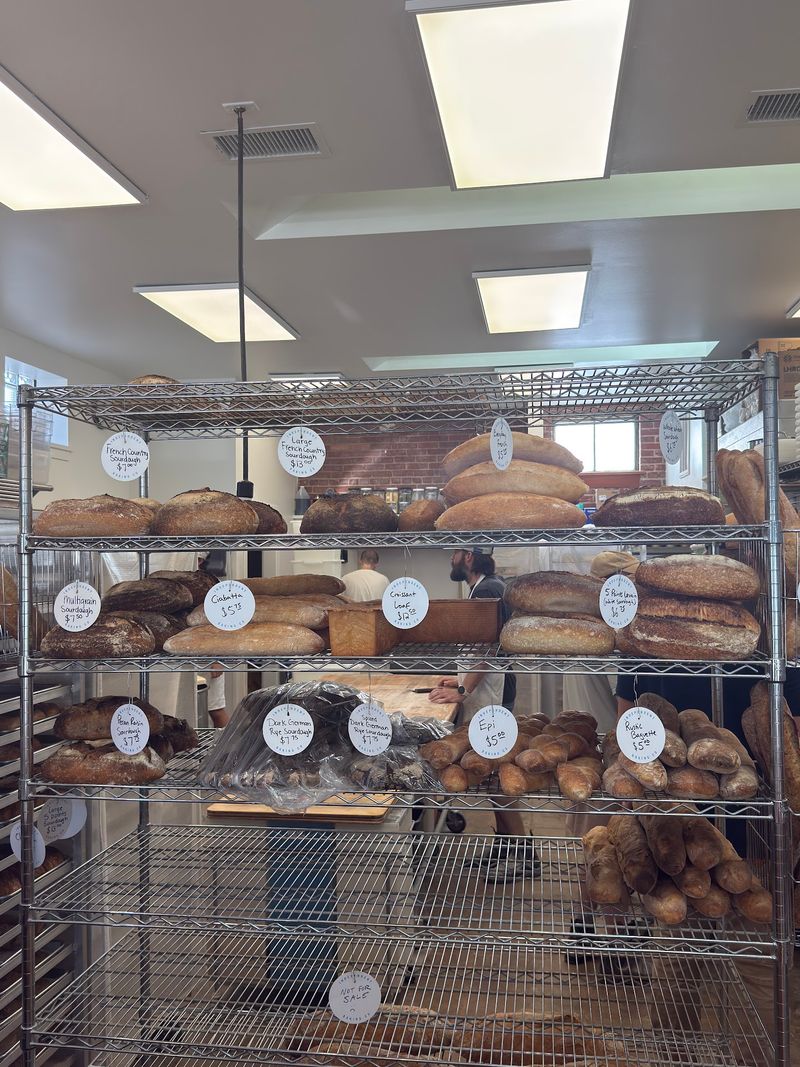
The dough here follows a slower clock. Natural leaven raises the bakery’s sourdough without relying on commercial yeast.
I appreciate that patience when I cut a slice. It gives me something to notice beyond whether the bread is soft or crisp.
During fermentation, the dough changes as it rises. That time helps build the layered flavor associated with naturally leavened bread.
Sourdough does not have to taste sharply sour. A loaf can carry gentle tang alongside the flavor of its grain.
If you are new to it, skip judging by the name. Take a plain bite first, then decide which topping sounds right.
Toast is a useful second test. A warm slice can bring the crust and crumb into clearer focus.
The method also helps explain why timing matters. Dough needs its chance to develop, even when hungry people would prefer instant bread.
I can relate to the impatient part. Still, waiting for a thoughtfully made loaf feels easier once dinner is planned around it.
Try sourdough beside soup or use it for a sandwich. Its flavor can stand up to fillings without needing many extras.
For the last slices, make toast or croutons. Slow-made bread deserves a useful finish, not a forgotten corner of the kitchen.
The Bread Case Rewards A Closer Look
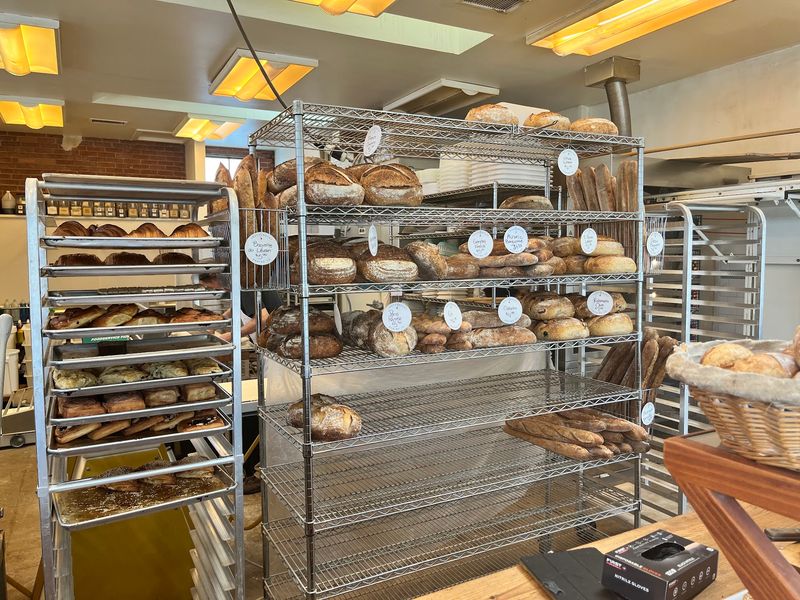
One loaf rarely tells the whole bread story. Alongside sourdough, the bakery is known for breads such as baguettes, rye, and ciabatta.
That variety makes choosing lunch more fun. A baguette suggests a crisp bite, while rye brings its own grain flavor.
Ciabatta gives sandwich makers another shape to consider. I would choose a loaf based on the meal, rather than the prettiest crust.
Planning soup for dinner? Pick a bread you will enjoy tearing into pieces and dipping into the bowl.
Making sandwiches tomorrow? Ask which available loaf will slice well and fit what you have in the refrigerator.
Different breads can appear at different times. Checking the current selection keeps an unexpected favorite from becoming a missed chance.
Buy what you can finish while it tastes fresh. A full loaf is inviting, but a sensible plan keeps every slice useful.
I often picture breakfast before buying bread. If toast sounds good, that thought helps settle the choice quickly.
A plain slice also makes an easy snack. Let the loaf speak before building a tower of toppings on top.
The case offers more than something to carry home. It offers small ways to shape tomorrow’s meals around good bread.
Croissants Make Room For Breakfast
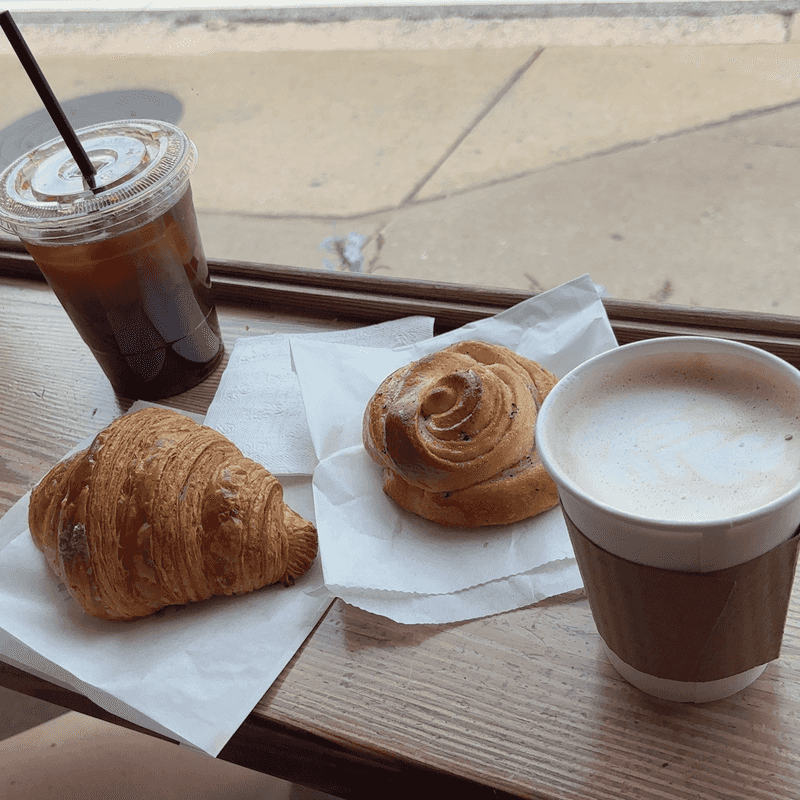
A croissant can make an ordinary morning feel well planned. Here, the pastry selection includes classic croissants, pain au chocolat, and ham and cheese croissants.
Each one answers a different kind of hunger. Plain lets the pastry lead, chocolate adds sweetness, and ham and cheese makes a savory choice.
I would start by looking at the layers. A flaky outside and tender middle are half the pleasure of eating a croissant.
Morning rolls add another option to the case. Their shape makes them easy to spot when bread is not today’s first priority.
Seasonal danishes keep the selection changing. That means the filling you see on one visit may differ from the next.
For a quick breakfast, choose a savory pastry. Add coffee if you have time to pause before the day gets busy.
For a treat to share, pick two different pastries. Cutting each in half turns a small order into a fun comparison.
My only practical rule is to eat flaky pastry neatly. Better yet, accept that a few crumbs are part of breakfast.
Ask what is fresh when you arrive. The case can help you decide faster than a long debate outside.
Bread may be the main event here. Still, these pastries give early visitors plenty of reasons to linger.
Small Sweets Keep Things Interesting
My sweet tooth rarely reads the bread menu first. Cookies, biscotti, and scones give it plenty to consider here.
Chocolate chip cookies make an easy afternoon choice. Biscotti offers a different bite, especially when paired with a cup of coffee.
The scone selection can move between sweet and savory. The bakery offers seasonal scone varieties, so the available flavors can change.
That range helps when friends disagree about snacks. One person can choose chocolate while another heads straight for cheese.
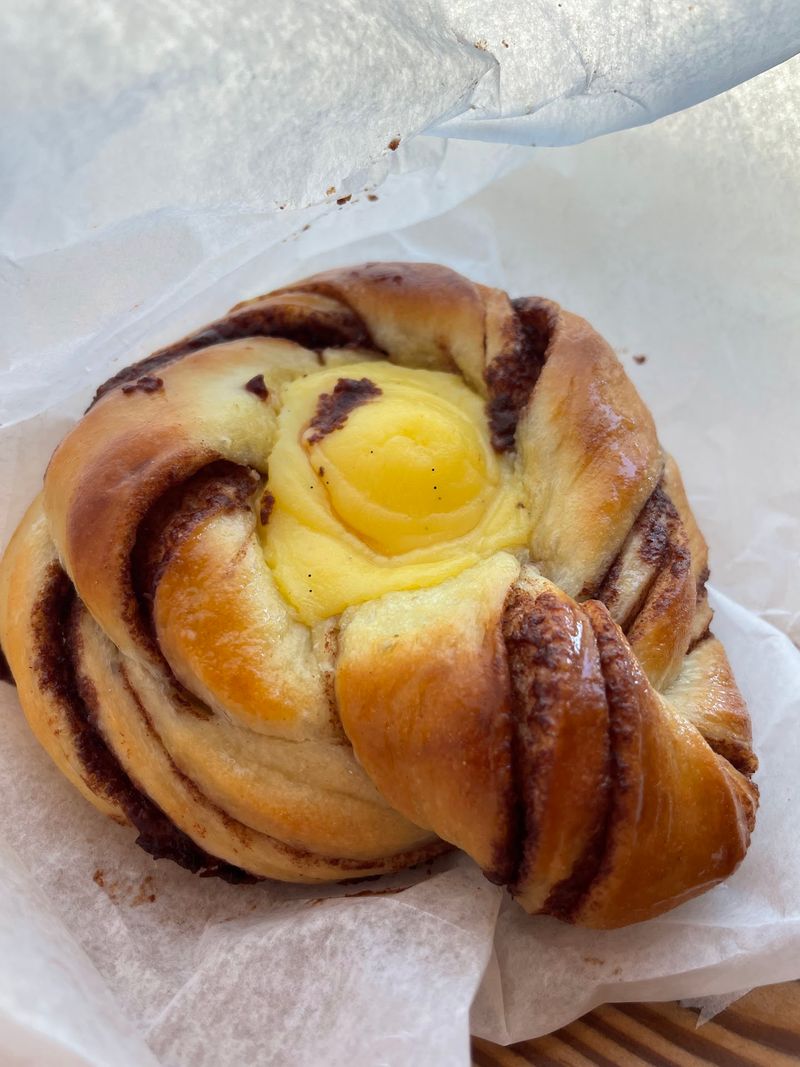
Weekend cardamom buns bring their own appeal. If that is your goal, ask about availability before building your morning around one.
I like a pastry that fits the moment. A cookie travels easily, while a scone makes more sense with a quiet break.
The selection can rotate, so treat the case as today’s menu. It is more useful than assuming last week’s choice remains.
Consider buying a little something for later. A small treat can make the trip home feel shorter.
For sharing, choose different textures rather than matching sweets. A tender scone and crisp biscotti make a lively pair.
None of this takes attention away from the bread. It simply means a flour-focused bakery can make snack time interesting, too.
A Small Room Keeps The Craft Close
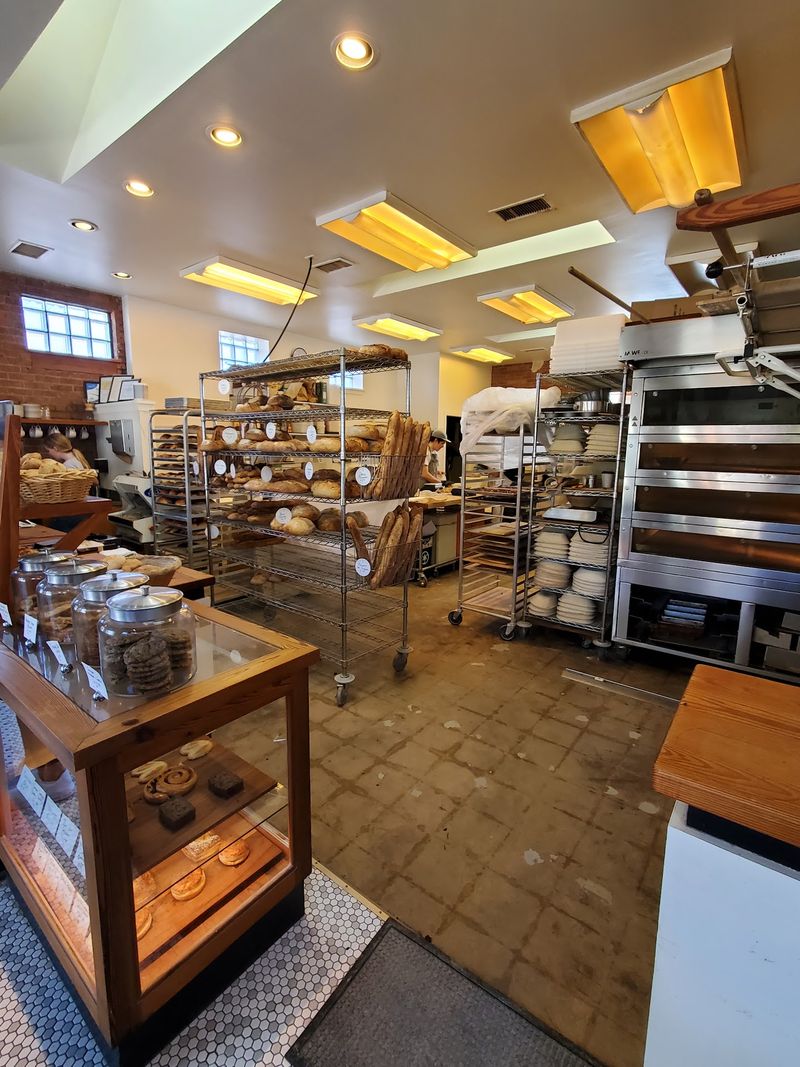
The room keeps its pleasures close together. Exposed brick, warm wood, and marble counters give the small bakery a welcoming feel.
An open layout can offer glimpses of baking work. I like that a loaf feels connected to a real process nearby.
Casual seating makes a pastry and coffee possible on site. The space is small, so a quick stop may suit busy visits.
There is comfort in a simple counter. You can focus on the bread case instead of figuring out a complicated dining plan.
For a quieter pause, bring something short to read. A coffee break does not need an entire afternoon to feel worthwhile.
If seats are taken, pastries travel well. Pick up your order and enjoy it wherever the rest of your day leads.
Watch the room without getting in anyone’s way. The open view can make ordinary baking tasks more interesting to notice.
I find that setting useful for curious eaters. Seeing a bit of the work encourages better questions about the loaves.
Keep your order simple if you are pressed for time. A pastry, coffee, and loaf can cover now and later.
The atmosphere matches the food’s approach. It gives careful baking room to speak without asking for a grand stage.
Take A Little Of The Mill Home
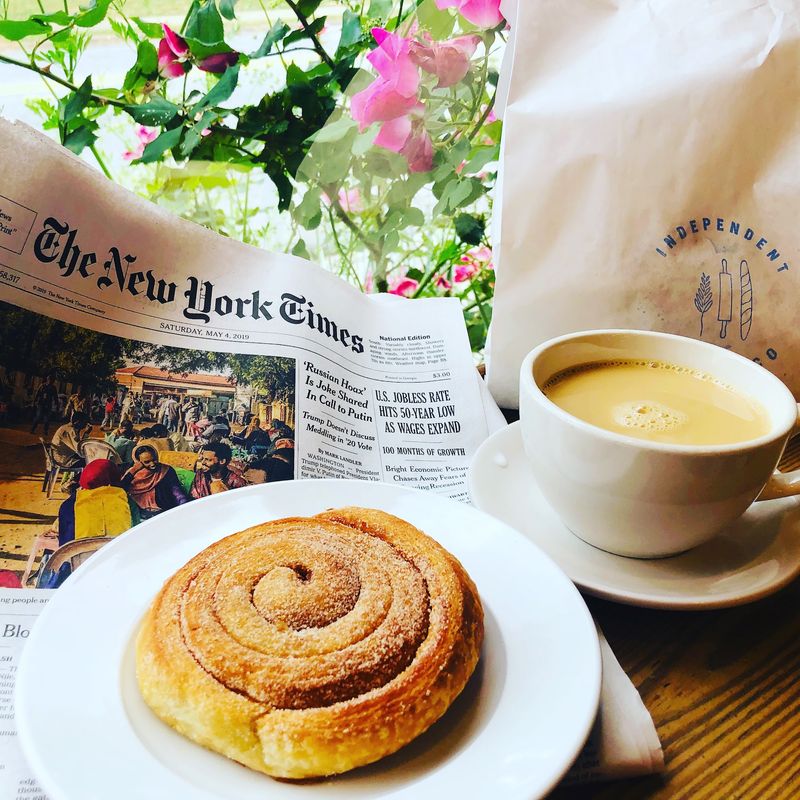
The loaf does not have to be your only takeaway. The bakery also offers select pantry goods, including house-milled heirloom corn grits and whole wheat flour.
That flour gives curious home bakers another connection to the mill. Grits offer a different way to bring grain into breakfast.
You may also find local coffee. Pairing it with a pastry is easy, but taking some home extends the morning ritual.
I would check the pantry selection before paying. A small bag of flour might inspire a weekend baking project.
Not ready to bake bread from scratch? Use whole wheat flour in a familiar recipe and pay attention to its flavor.
Grits make a warm base for simple toppings. Follow the package directions, then add what your own kitchen already holds.
Plan a visit around your appetite, not a rigid list. Bakery goods and pantry items may vary, so ask what is available.
Current posted hours are Tuesday through Friday, 7 a.m. to 6 p.m., and Saturday, 7 a.m. to 5 p.m. Sunday hours are 8 a.m. to 2 p.m., and Monday is closed.
Hours can change, so check before heading over. An early visit also gives you time to consider both bread and pastries.
Bring home something you know you will use. The best reminder of thoughtful baking may be tomorrow’s breakfast.