This Connecticut Vintage Paradise Packs More Than 40 Antique Dealers Under One Roof
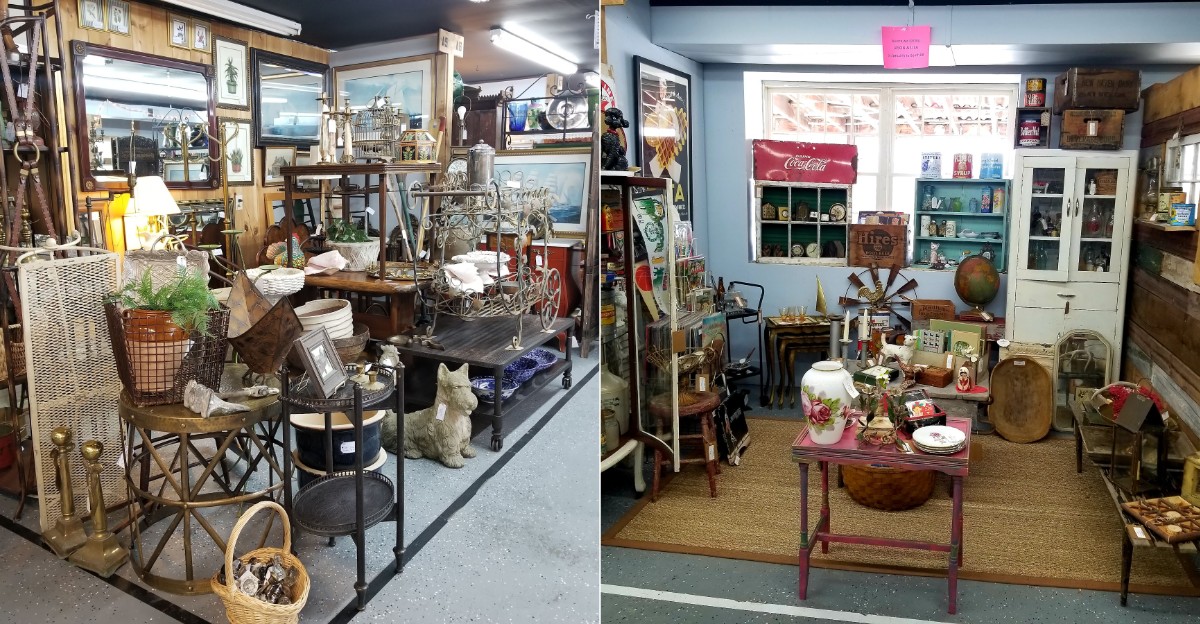
You know the shopping trip is in trouble when “just one more aisle” keeps revealing another room worth exploring.
Inside this sprawling vintage destination, browsing can quickly turn into a much longer hunt than planned. Different dealers bring their own collections, so the selection changes character as you move through the building.
More than forty antique dealers share this Connecticut destination, giving treasure hunters an enormous amount to explore without changing addresses.
That setup makes predictability almost impossible.
Someone hunting for a particular collectible may have a completely different experience from the person who walked in simply hoping something unusual would catch their eye. Both approaches work equally well when so many individual collections sit together.
Even leaving can become a negotiation with yourself.
Did you really inspect everything properly, or is the item you would love most still sitting unnoticed somewhere around the next corner?
1. Dozens Of Dealers Turn Browsing Into Treasure Hunting
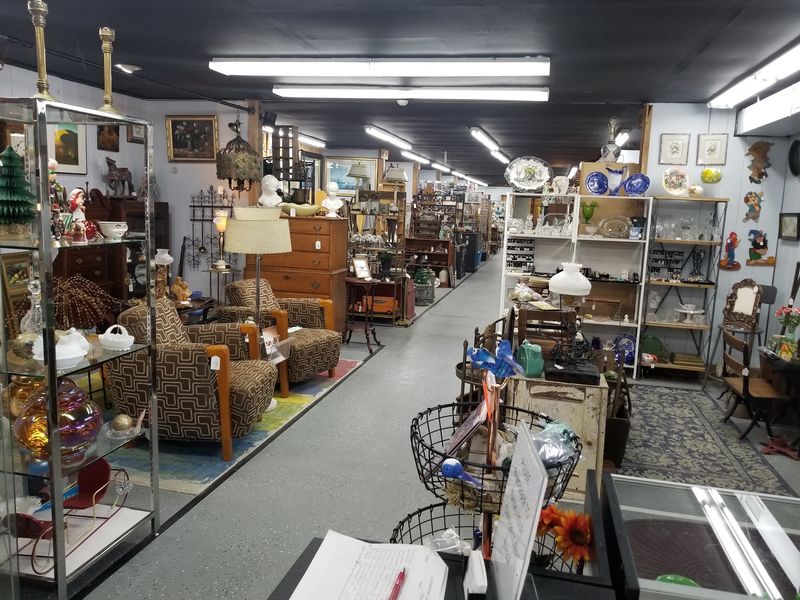
One aisle can change everything. You may arrive looking for one specific item and quickly get distracted by something you never expected to see.
That unpredictability is a big part of Key to the Past Antique Center. More than 40 dealers sell under the same roof, with individual spaces reflecting different interests and collecting styles.
For Connecticut antique hunters, that means plenty of variety packed into a single stop.
The selection keeps browsing interesting. Vintage jewelry may grab your attention before old advertising pieces pull you toward another booth.
Elsewhere, shoppers can come across china, comic books, artwork, records, furniture and quirky collectibles that are harder to categorize.
Despite the amount of merchandise, the center is arranged to make browsing manageable. Clear aisles and organized dealer spaces help shoppers examine items without feeling rushed, which is especially useful when checking the condition of older pieces.
Prices can also vary between sellers since dealers manage their own inventory. Taking an initial walk through the center before making bigger decisions can help you see what is available.
Then comes the fun part. Circle back, slow down and look closer at whatever caught your attention the first time.
With so many independent dealers together, another unexpected discovery could be waiting one booth away.
2. Vintage Finds Fill Booth After Booth
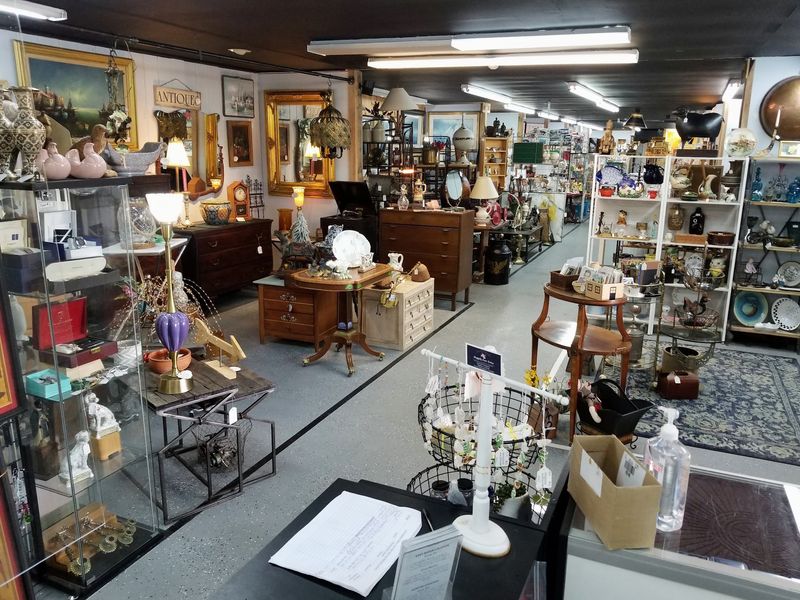
Glassware glints from one shelf, a row of old toys grins from another, and a tray of jewelry waits in a case nearby. That mix is what a typical walk through the booths looks like here.
You never quite know what the next corner holds.
Shoppers regularly point to the variety as a big reason they come back. Vintage glass, knickknacks, pottery, toys, and art all turn up, along with plenty of true antiques.
Some visitors say they hunt for oddities to add to personal collections, and they tend to leave happy.
Each booth works like its own mini shop, and visitors often describe the spaces as well organized and thoughtfully curated. That makes scanning a shelf feel easy instead of overwhelming.
Still, the best pieces sometimes sit low or toward the back, so look high and low.
So how do you make the most of it? Bring a short wish list, but stay open to things you did not plan on.
Measure any shelf or wall space at home before you go, and snap a photo of it on your phone. That way, if a colorful bowl or framed print speaks to you, you will know right away whether it fits.
3. Shoreline Road Trips Lead Right Past The Center
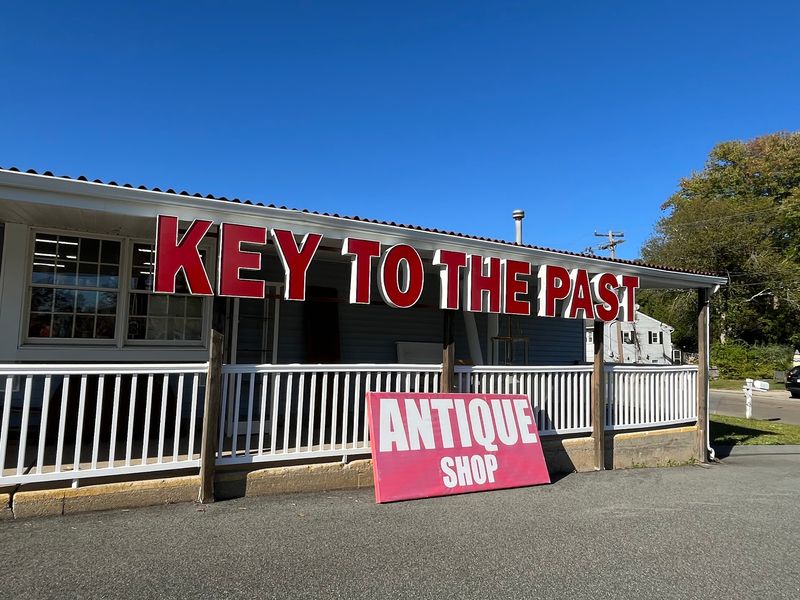
Treasure hunting fits nicely into a shoreline road trip. Stop for a browse, lose track of time for a while, then continue toward the coast when you are ready.
Key to the Past Antique Center sits along the Boston Post Road, making it a convenient addition to a day spent exploring this part of the shoreline. Interstate 95 is also nearby, so reaching the shop does not require wandering far from the main travel routes.
The surrounding area gives visitors plenty of ways to stretch the outing beyond antique shopping. Clinton has restaurants and shoreline scenery nearby, making lunch an easy next stop after browsing.
Starting earlier in the day leaves more freedom to explore without turning the trip into a race against the clock.
It also pays to think ahead if furniture or another oversized piece is on your shopping list. Measuring the available space in your vehicle before leaving home can save an awkward surprise later.
The antique center is at 301 E Main St in Clinton, directly along Route 1. Current hours generally run from 10 a.m. to 5 p.m. daily, although checking the schedule before a holiday visit is sensible.
Arrive with some extra time. Antique shopping tends to take longer once something unusual catches your eye.
4. Antique Furniture Shares Space With Smaller Collectibles
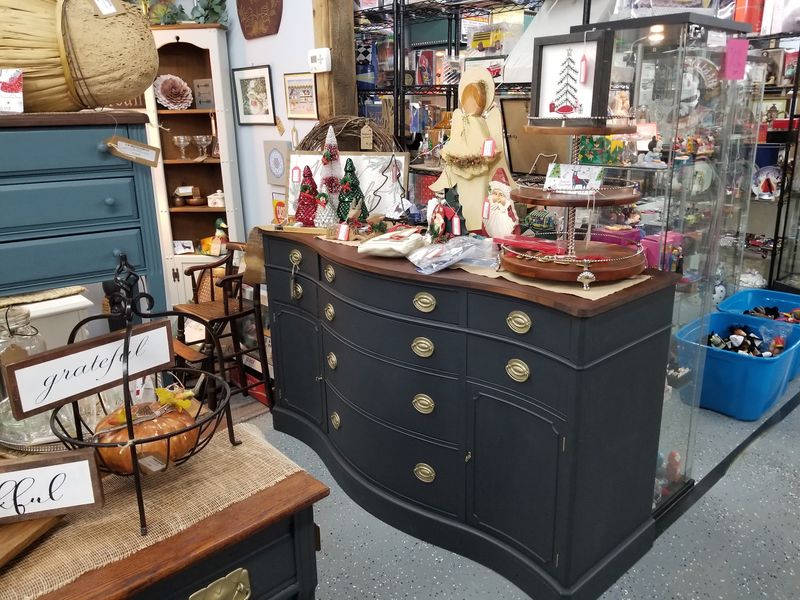
A sturdy wooden dresser does not usually share a room with a tiny coin, but here the two can sit just a few feet apart. The center mixes larger antique furniture with small collectibles, so shoppers with very different goals can browse side by side.
One person might be measuring a table while a friend studies a case of jewelry.
Seeing big and small pieces together is surprisingly useful. A lamp resting on an old side table, or glassware lined up on a cabinet shelf, helps you picture how things might look at home.
It is a bit like a free decorating lesson.
When it comes to furniture, a few quick checks go a long way. Open drawers to see if they slide smoothly, look underneath for sturdy joints, and gently test whether a chair wobbles.
Ask staff if you have questions, since visitors often describe the team as friendly, knowledgeable, and happy to help.
Smaller items call for a different kind of attention. Hold glass up to the light to look for cracks, and check china edges for chips.
Fun fact: many collectors flip plates and bowls over first, because the marks on the bottom can hint at who made them and roughly when.
5. Vintage Decor Covers Every Era And Style
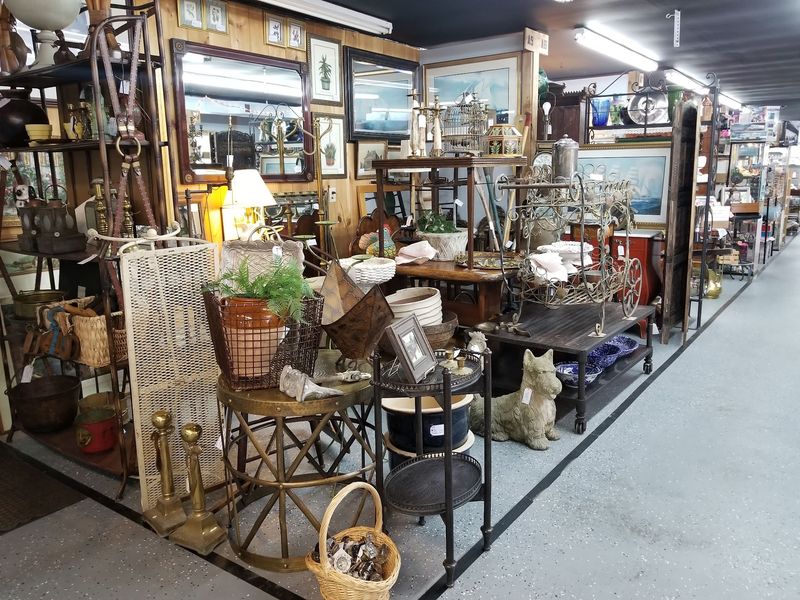
Decorating with old pieces is one of the easiest ways to make a room feel personal instead of store-bought. At Key to the Past, the decor on display comes from many different periods, since dozens of dealers each bring their own sense of style.
That range lets you shop for a look rather than a single item.
Maybe your kitchen needs a splash of retro color. Perhaps a bookshelf feels bare and could use a few interesting objects, or a hallway wall is waiting for framed art.
Browsing booths with a specific room in mind can turn a big selection into a focused hunt.
Designers often suggest a simple rule when mixing eras: repeat a color or material so different pieces feel connected. A vintage vase and a modern couch can look great together if they share a similar shade.
Brass, wood, and glass are easy materials to echo around a room.
Another good habit is buying one standout piece at a time. Live with it for a while, then return to find companions that suit it.
Because the center typically opens seven days a week, going back for a second look is rarely hard to fit into a schedule.
6. Old Records Add Another Reason To Dig
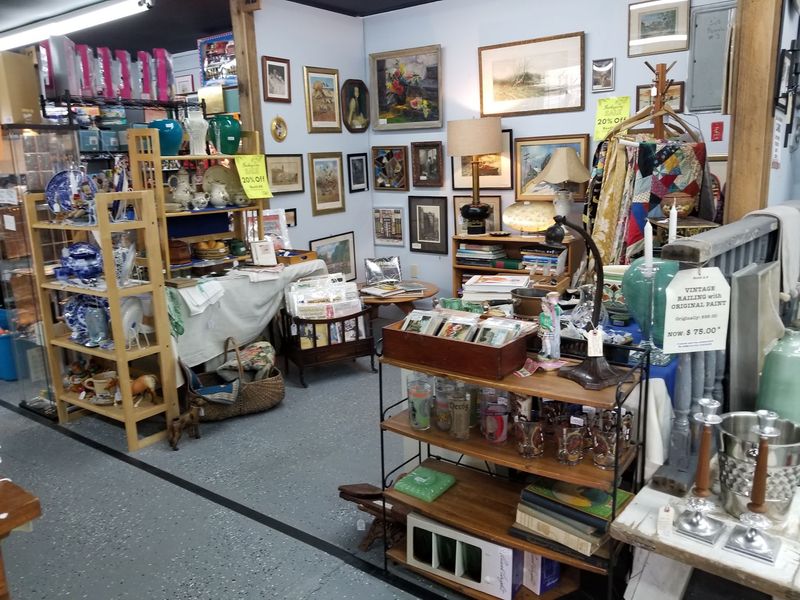
Flip, flip, flip. Anyone who has ever combed through a bin of vinyl knows that soft sound of album covers sliding past your fingers.
At this Clinton antique center, old records give music fans their own reason to linger.
Among the collectibles, the vinyl selection stands out for anyone who grew up with a record player. Music lovers have said it can be hard to leave without finding a good record in solid condition at a fair price.
Since the stock comes from several dealers, the mix can shift from one visit to the next.
Records are fun even if you do not own a turntable yet. Big, square album covers can double as wall art, and many people enjoy the artwork as much as the songs.
A few smart checks will help you pick well. Slide the record partway out of its sleeve and tilt it under the light to look for deep scratches.
Look along the edge to make sure the disc is flat and not warped.
Here is a bit of trivia to share while you browse. The common LP format, short for long-playing, was introduced in 1948 and usually spins at 33 and one-third turns per minute.
7. Changing Booths Keep The Selection Unpredictable
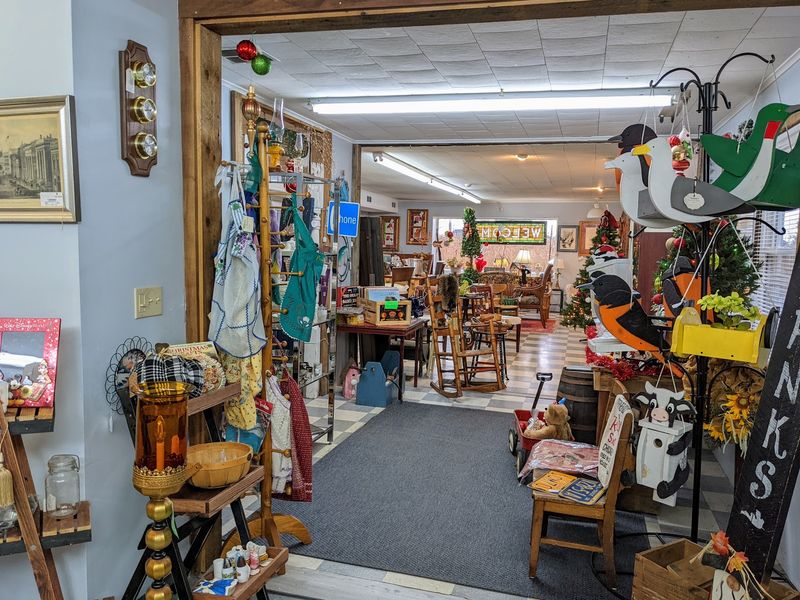
Last month’s shelf of teacups might be a stack of comic books today. That sense of surprise is built into how a multi-dealer shop works.
With more than 40 sellers keeping their own spaces stocked, the inventory is always in motion.
As pieces sell, dealers fill the gaps with new finds. Some items sit for weeks, while others may vanish quickly.
Regular visitors learn fast that waiting to buy later is a risky plan.
This constant change is why many shoppers treat the center as a place to visit again and again, not just once. A booth that seemed quiet on your first trip may be full of exactly what you collect on the next.
Stopping by every few weeks gives you a fresh look without much effort.
Want to stay a step ahead? Get to know which booths match your taste, and check those first each time.
If you are searching for something specific, let the staff know, since visitors have shared stories of helpful team members going out of their way to track down a particular item.
Above all, if something makes you smile and fits your budget, think seriously about bringing it home that day.
8. Patient Browsers Often Find The Best Surprises
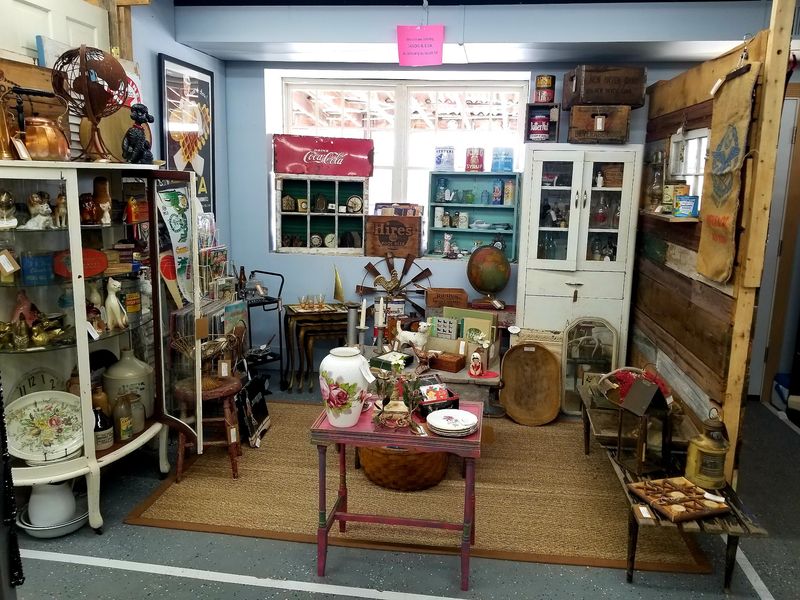
Slow down. The good stuff rarely announces itself.
That approach works especially well at Key to the Past, where every booth brings another batch of objects competing for attention. Moving too quickly can mean overlooking the odd little collectible hiding behind something larger or the vintage piece waiting on a lower shelf.
Comfort makes lingering easier. The indoor, climate-controlled space works well during muggy summer afternoons and chilly winter days alike, so browsing does not have to depend on perfect weather.
Give yourself enough time and the visit can easily become a leisurely afternoon rather than a quick shopping stop.
Prices vary between dealers, which gives bargain hunters another reason to look closely before making a decision. Display cases deserve attention as well.
If something catches your eye behind the glass, staff can help you take a closer look.
Turning the hunt into a game can make browsing even more entertaining. Choose one type of collectible you love and see how many different versions appear throughout the store.
Vintage toys, colorful glassware or old advertising pieces can send you down entirely different paths.
Best of all, nothing feels completely predictable. Each booth has its own personality, and the object you remember afterward may be the one you almost walked right past.