This Idaho Nuclear Reactor Made History When Atomic Power First Lit Up Light Bulbs
Four ordinary light bulbs glowed in the Idaho desert one December afternoon in 1951, and they made world history. The power came from a small reactor inside a plain brick building that still stands beside a lonely highway today.
You can walk through it for free, stand on top of the reactor, and even push buttons in the old control room. It is one of the most surprising summer stops in the whole state.
A Lone Brick Box
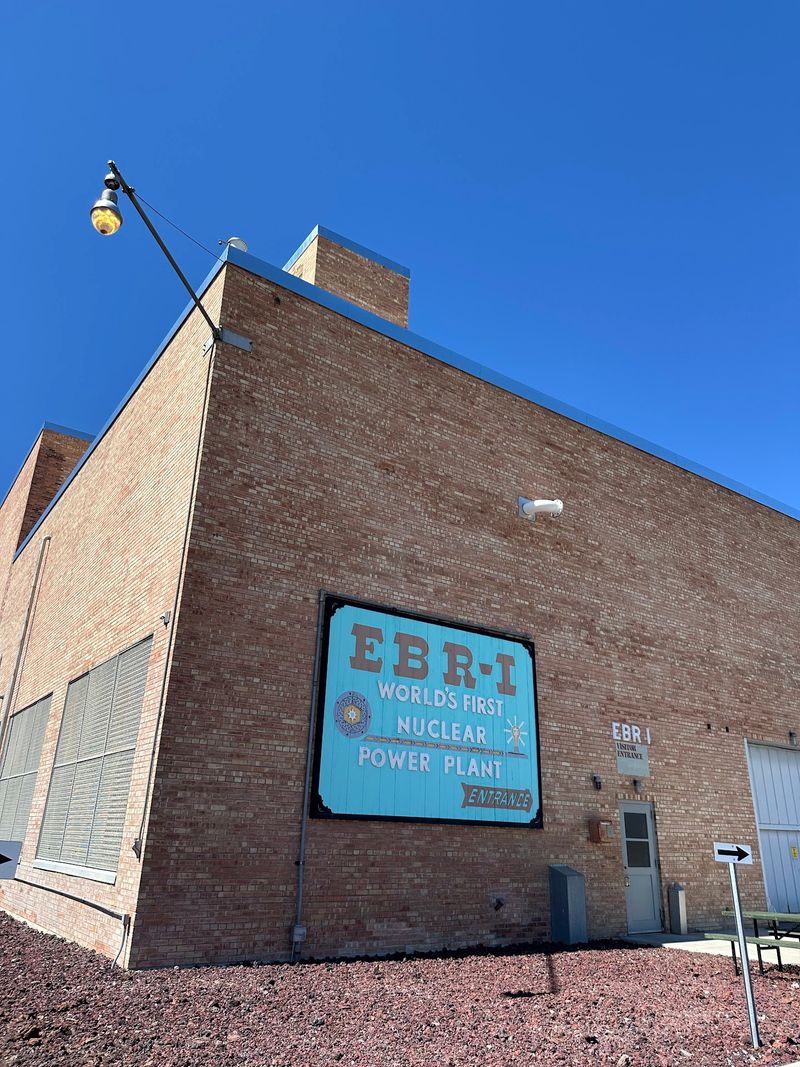
Faded brick, a squat silhouette, and a whole lot of sagebrush. That is the first impression most drivers get when the Experimental Breeder Reactor I, known to most folks as EBR-I, rises out of the flat desert of southeast Idaho.
The building sits about 18 miles southeast of Arco in Butte County, on the wide volcanic sweep of the Snake River Plain. Big Southern Butte looms nearby, a huge dome of rock that makes the little plant look even smaller against the sky.
On a clear summer day, the horizon runs blue in every direction.
Plenty of people cruise past without a second glance. It looks like an old utility building, maybe a pump station or a forgotten warehouse.
Inside, though, is the spot where a reactor first made usable electricity back in 1951.
Today the place works as a free museum run by Idaho National Laboratory. It is also a National Historic Landmark, which is a big deal for a structure that could pass for a rural shed from the highway.
The land around it is not empty either. It belongs to a huge outdoor research zone, where scientists still study the high desert and the plants, birds, and animals living in it.
Where The Map Pin Lands
Plus codes rarely make good bedtime reading, but GX6V+J9, Arco, ID 83213 is the one to punch into a phone before leaving town. It drops a pin right on the museum grounds along U.S.
Highway 20/26, the long stretch linking Arco and Idaho Falls.
Coming from the east, the drive takes a little under an hour from Idaho Falls. Travelers heading out from Arco have a shorter hop, roughly 18 miles, with nothing but sage flats, lava rock, and power poles for company.
A roadside sign points the way, and more than a few visitors admit that sign is the only reason they turned in.
One family shared how they passed by, wondered what the odd building was, then looked it up and drove back the very next day. That kind of double-take happens a lot out here.
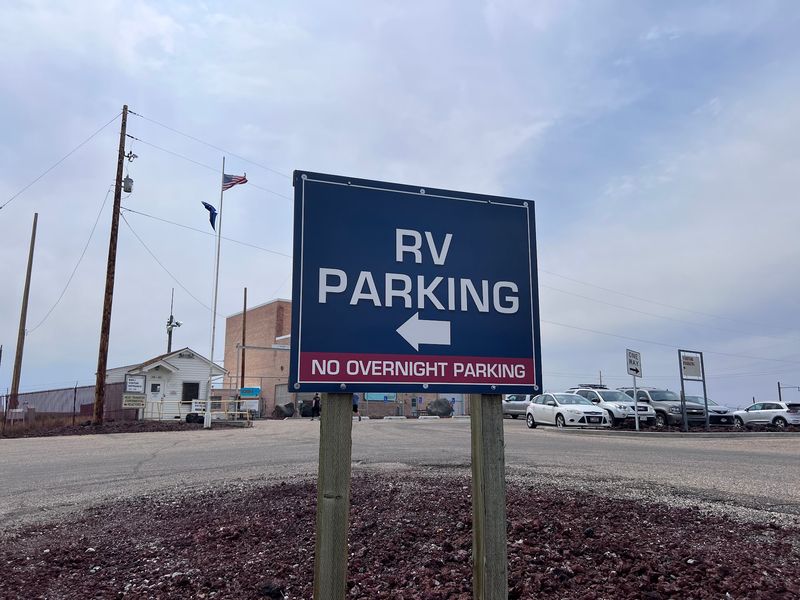
Once off the highway, parking is roomy. RVs and trucks pulling trailers can fit without awkward maneuvering, which helps on a desert highway where the next pullout may be miles away.
Cell coverage can come and go across the plain, so saving directions ahead of time is a smart move. Pack water too, since services are thin between towns.
Zinn’s Infernal Pile Rises
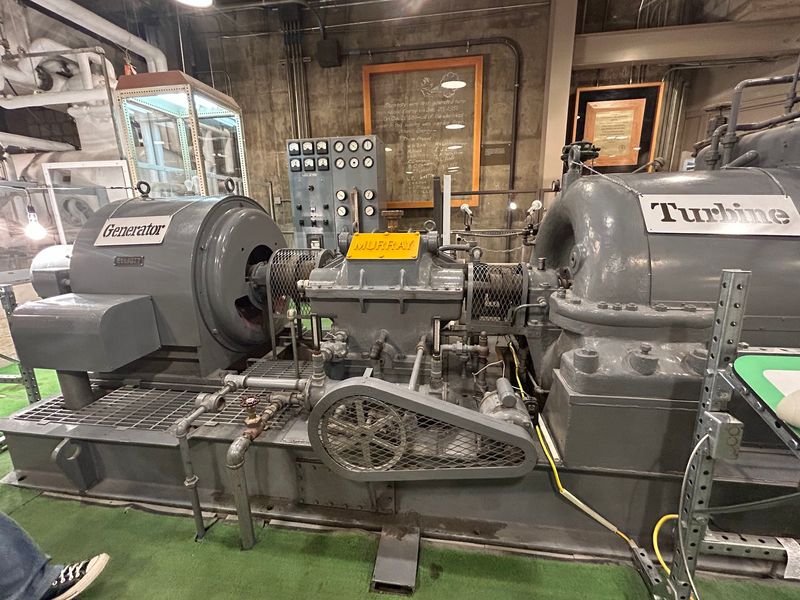
Walter Zinn had a nickname problem. Before anyone called his project EBR-I, the crew tossed around Chicago Pile-4, or CP-4, and the more colorful Zinn’s Infernal Pile.
Construction started in late 1949. Zinn led the team from the Idaho branch of Argonne National Laboratory, a group that went by Argonne-West back then.
Their job was to build something no one had built before, far out in the open desert where there was plenty of room to experiment.
That remote patch of Idaho became the National Reactor Testing Station. Today it goes by the Idaho National Laboratory Site, and it covers about 890 square miles of high desert.
EBR-I was the very first reactor built there. Over the following decades, 51 more would join it, making this corner of the Snake River Plain one of the busiest spots for nuclear research on the planet.
Imagine a pioneering crew in the early 1950s, working with chalk and paper instead of laptops. The building still carries that classroom feel.
Visitors notice tidy chalkboards around the rooms, with lettering neat enough to put modern whiteboard scribbles to shame.
Four Bulbs, One Afternoon
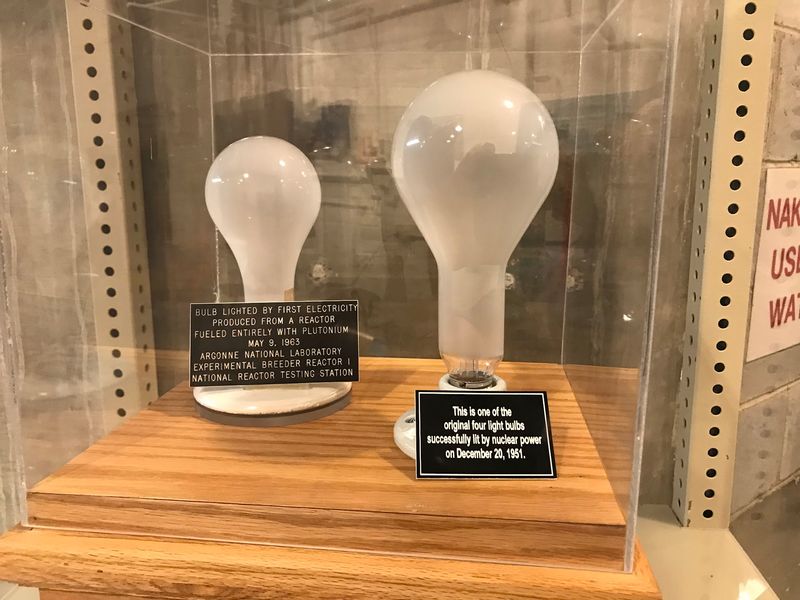
At 1:50 p.m. on December 20, 1951, a row of four 200-watt light bulbs glowed to life inside this brick building. The electricity feeding them came from EBR-I, and that moment made it the world’s first electricity-generating nuclear power plant.
Four bulbs may not sound like much. A single kitchen ceiling fixture can hold that many.
Still, those modest lights proved that a reactor could do more than make heat for experiments. It could produce power people could actually use.
The crew did not stop there. The next day, the reactor made enough electricity to run the whole building, right down to the lights in the parking lot.
Those same four original bulbs are on display inside the museum today. Seeing them in person carries a surprising punch, a bit like spotting the first telephone or the first airplane in a glass case.
They look ordinary, with the rounded glass shape found in any hardware aisle of the era.
Visitors often linger here longer than planned, and it is easy to see why. Zinn’s carefully cataloged logbook of reactor milestones is also displayed in the museum, tracking the big moments in his own records.
More Fuel Than It Burned
Breeding fuel sounds like science fiction, yet that was the whole point of EBR-I. The reactor was designed to test an idea from physicist Enrico Fermi: a nuclear reactor could create more fuel atoms than it used up.
Think of it like a campfire that somehow leaves behind more firewood than it burns. EBR-I became the world’s first breeder reactor, and it proved the concept could work in real life, not just on paper.
It also set another first. EBR-I was the first reactor to make electricity using plutonium fuel, a milestone that shaped research at the Idaho site for years.
The numbers tell a tidy story. The reactor generated about 1.4 megawatts of heat, and from that heat it produced 200 kilowatts of electricity.
That is small compared to modern plants, but for a prototype sitting alone on the Snake River Plain, it was huge.
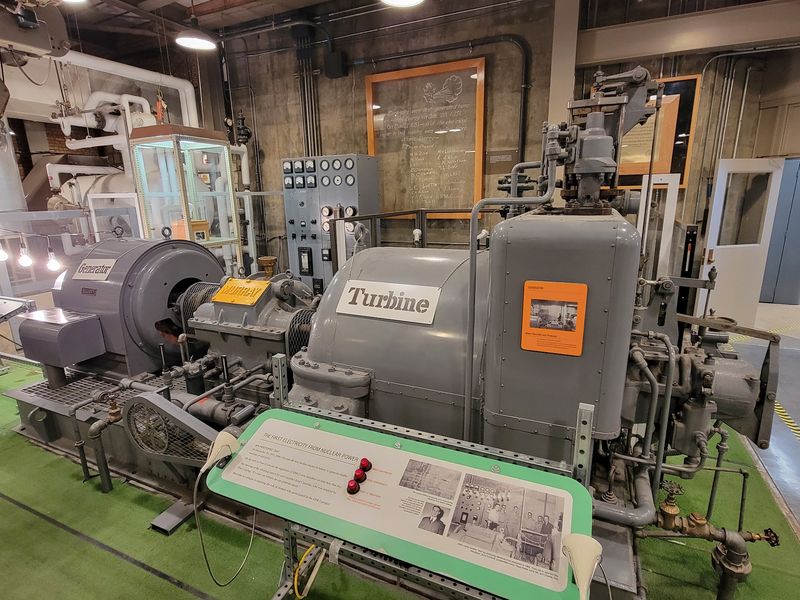
Inside the museum, colorful displays break down how splitting atoms turns into electricity. Families mention that the layout helps kids and parents follow the process.
A short movie also covers the physics and history, a good primer before exploring further.
From Reactor To Classroom
Twelve years is a long run for an experiment. EBR-I kept working as a research reactor from its first power operation on August 24, 1951, until its final shutdown in December 1963.
Not every test went smoothly. During one coolant flow experiment, the core unexpectedly partly melted, an event that sounds alarming but gave engineers valuable lessons for designing later reactors.
Mistakes, in science, often teach the most.
The plant was decommissioned in 1964. Instead of being torn down, the building got a second life as a place to learn.
On August 26, 1966, President Lyndon B. Johnson dedicated EBR-I as a National Historic Landmark.
Decades later, in 2004, it was declared an IEEE Milestone, a nod from the electrical engineering world.
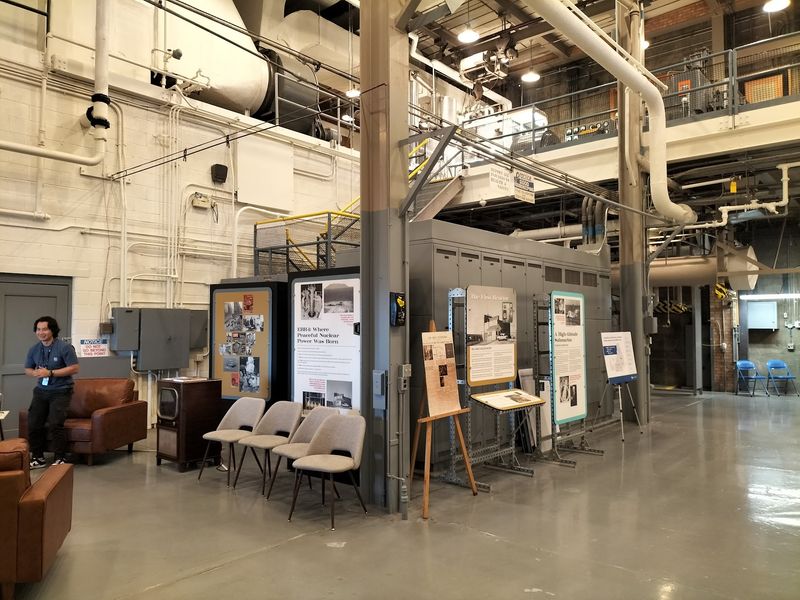
That shift from working reactor to museum is one of the most interesting parts of the story. Visitors describe the conversion as thoughtful, with much of the original equipment preserved and intact.
The control room, the reactor, and the machinery remain in the building, turning a real workplace into a walk-through classroom.
Idaho kept the building, and history got a front-row seat.
Firsts Worth Sorting Out
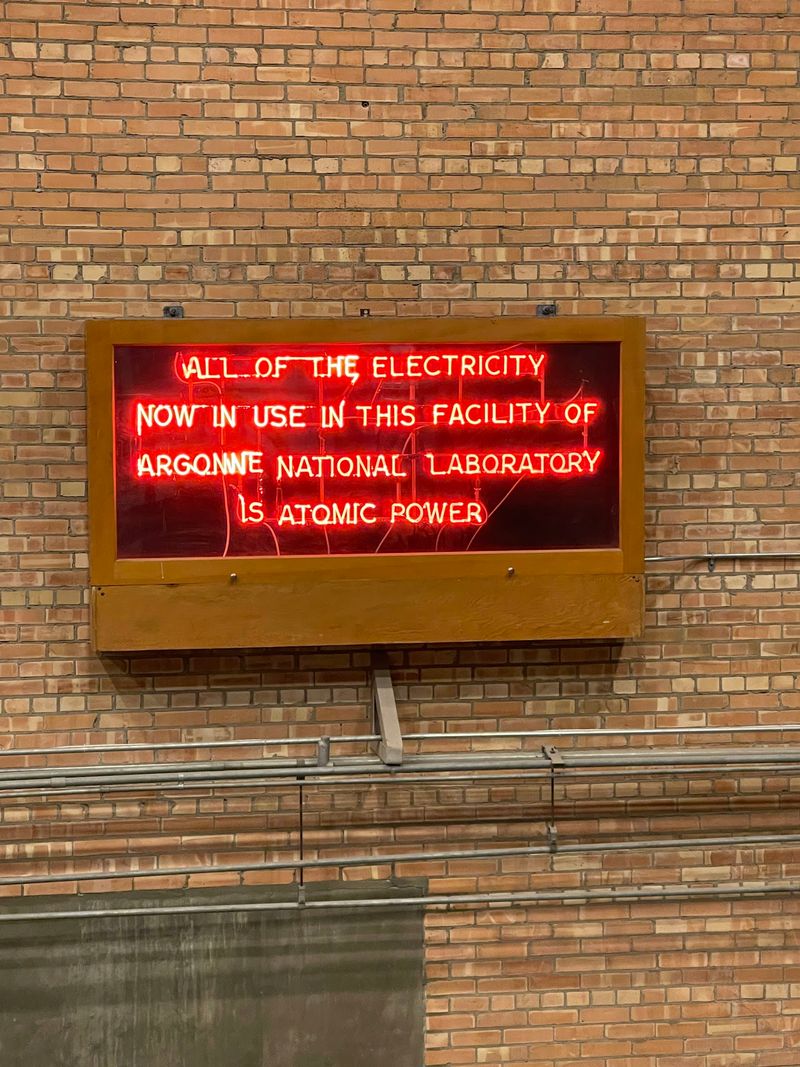
Trivia fans, this part is for you. EBR-I holds some major titles, but a few popular claims get mixed up, and the real story is even more fun to share at the dinner table.
The very first electricity from a nuclear reactor actually came in 1948, at the X-10 Graphite Reactor in Oak Ridge, Tennessee. That experiment lit a single bulb.
EBR-I’s 1951 achievement was different, since it produced electricity that could run equipment and, soon, an entire building.
Then there is the Arco angle. The little town really was the first city anywhere powered by nuclear energy, but that happened in 1955, and the power came from BORAX-III, an experimental boiling water reactor on the same testing grounds.
EBR-I earns credit for many firsts, just not that one.
Knowing the difference makes a visit richer. Standing inside the building, it becomes clear how many pieces had to click into place across several years and several reactors.
Plenty of longtime Idahoans mix these details up. Sorting them out turns a simple roadside stop into a genuine history lesson about the state’s atomic years.
Feet On The Reactor
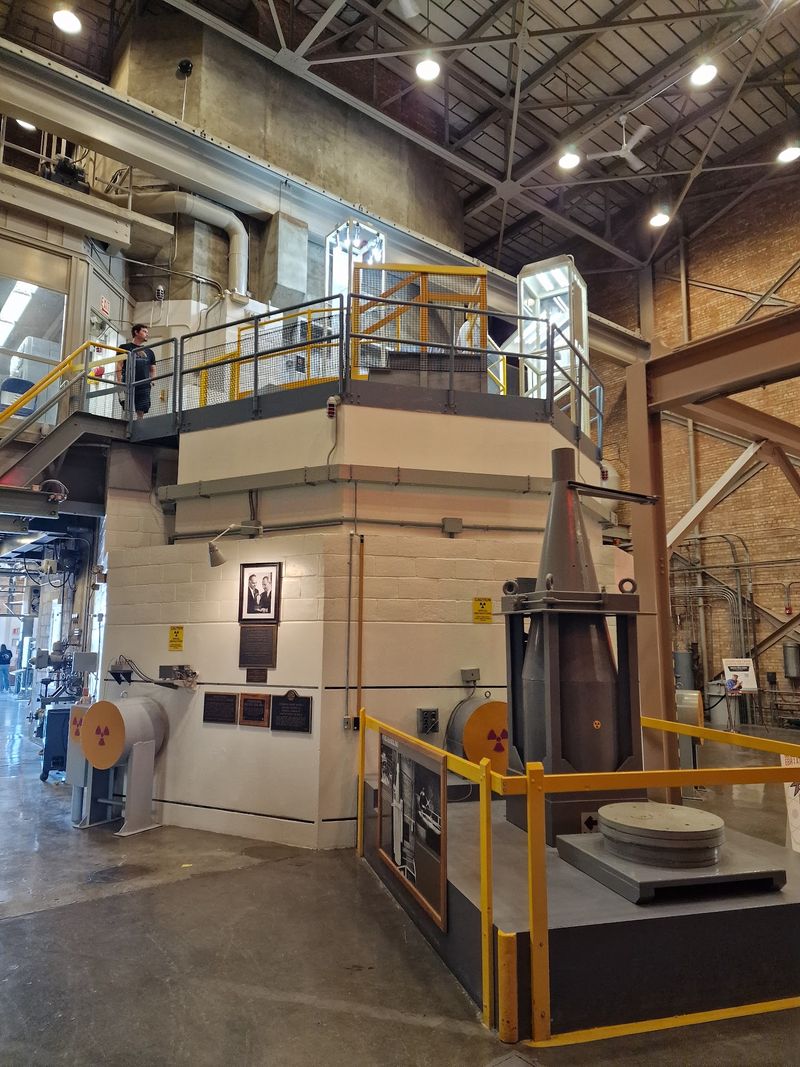
Few museums let guests stand directly on top of a nuclear reactor. EBR-I does, and the moment feels a little unreal, like wandering into a place that once belonged strictly to scientists.
The building spreads across three levels, and stairs lead to each one. Guests with limited mobility may want to check ahead before making the drive.
Walking from floor to floor gives a real sense of how the plant fit together, from the reactor area to the machinery surrounding it.
Visitors often describe marveling at all the moving parts of the reactor. Pipes, housings, and heavy steel fittings fill the rooms, and much of it can be viewed up close.
Parents of young kids say the freedom to explore and touch was a highlight.
One guest who first came at age three returned years later with sons of their own. They remembered being able to move the mechanical hands as a kid, and while that is no longer allowed, the visit still proved those childhood stories were true.
For some Idaho families, the trip has become a tradition handed down through generations.
Buttons Meant For Pushing
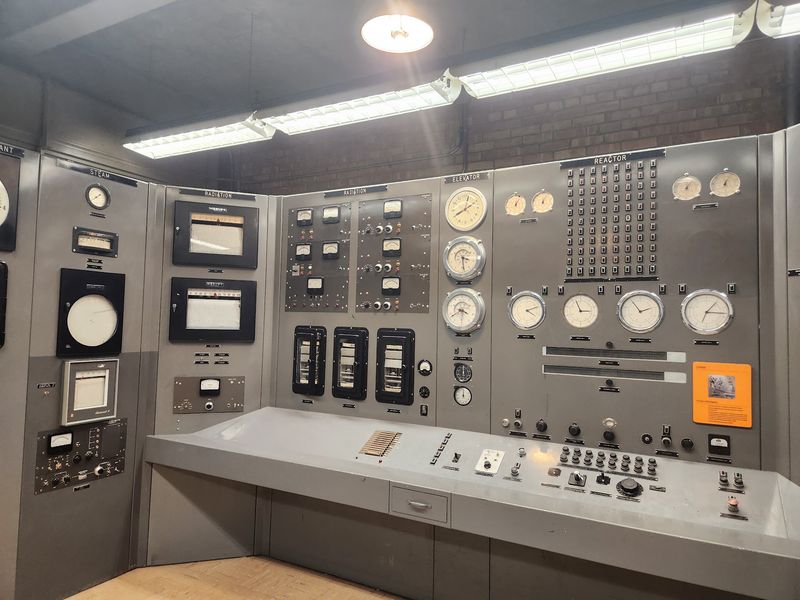
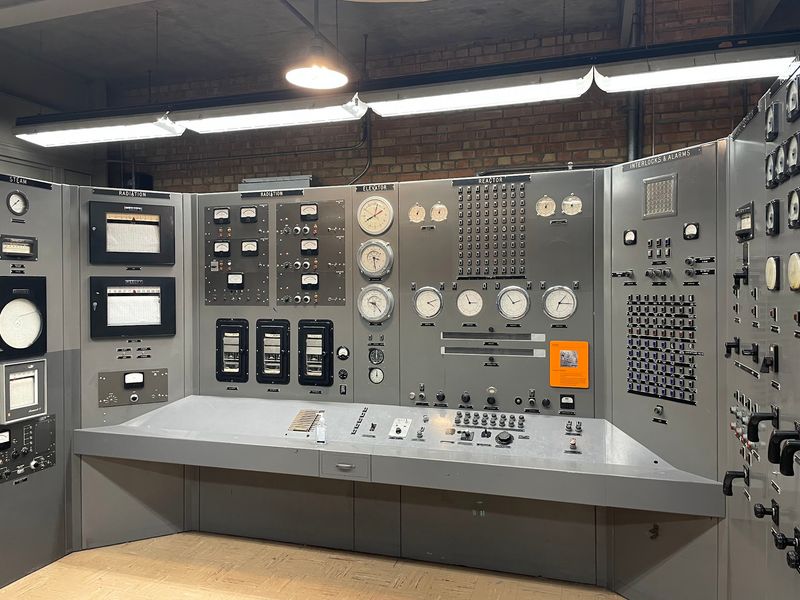
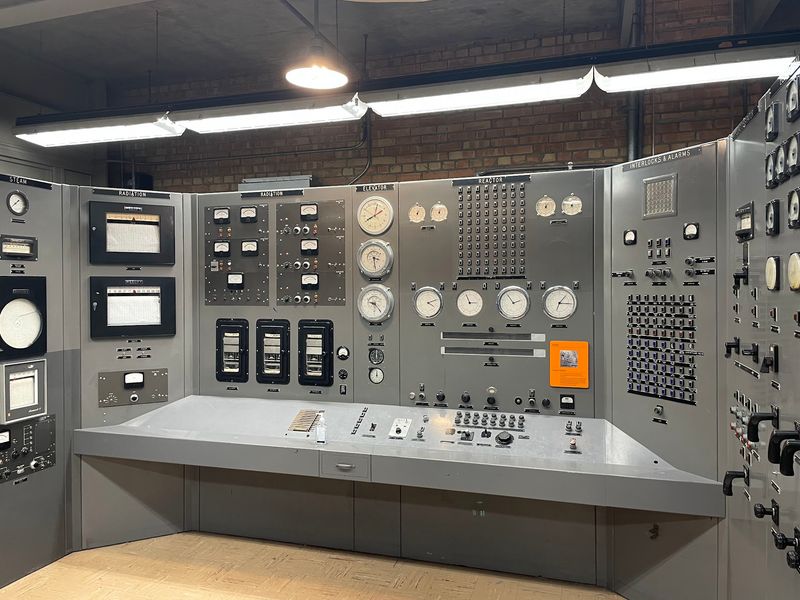
Go ahead, push the button. In most museums that sentence would get someone escorted out, but in the EBR-I control room it is practically an invitation.
The panels are lined with switches, dials, and knobs from the early 1950s, and visitors are free to press them. One guest happily reported pushing whatever buttons they wanted, and another called it a very cool part of the stop.
Nothing actually happens, of course, since the reactor has been quiet since the 1960s.
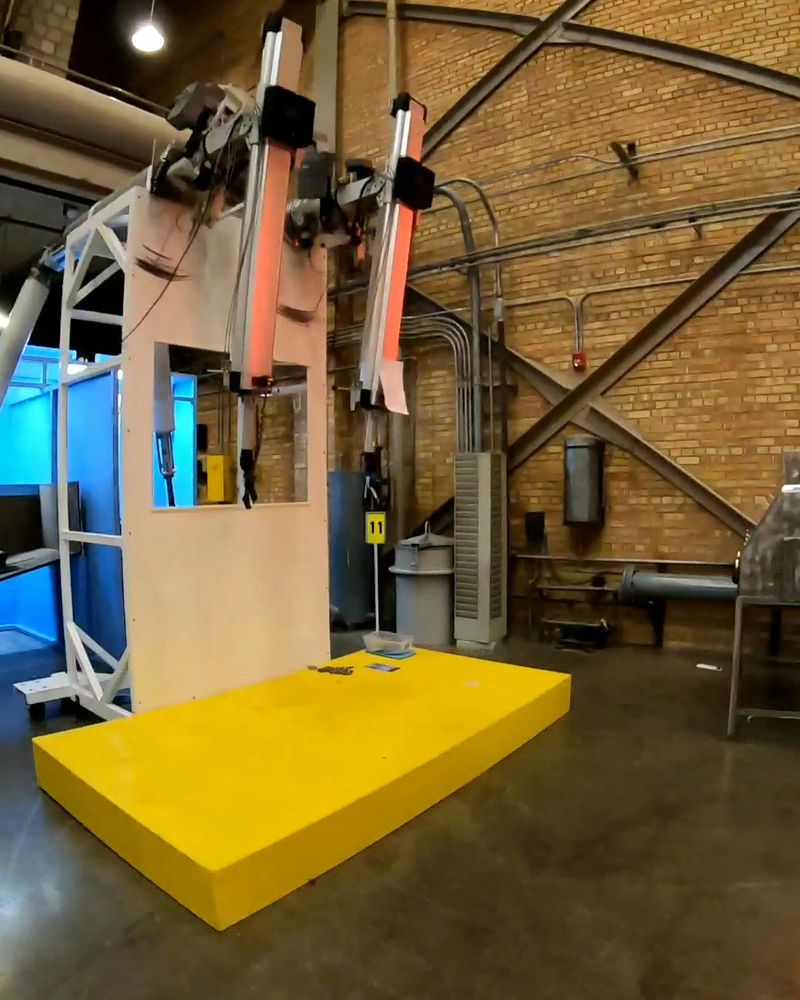
Beyond the control room, displays show remote handling devices, the clever tools workers used to move radioactive materials from a safe distance. Radiation detection equipment is on view too, offering a look at how crews kept track of what they could not see.
The exhibits work as part hands-on playground, part time capsule. The knobs carry the heavy look of mid-century machinery, a sharp contrast to today’s touchscreens.
A few visitors have noted the displays could use some updating. Oddly, that slightly vintage look adds to the effect, like walking onto a movie set where every piece was real equipment used by real people.
Airplane Engines In The Sagebrush
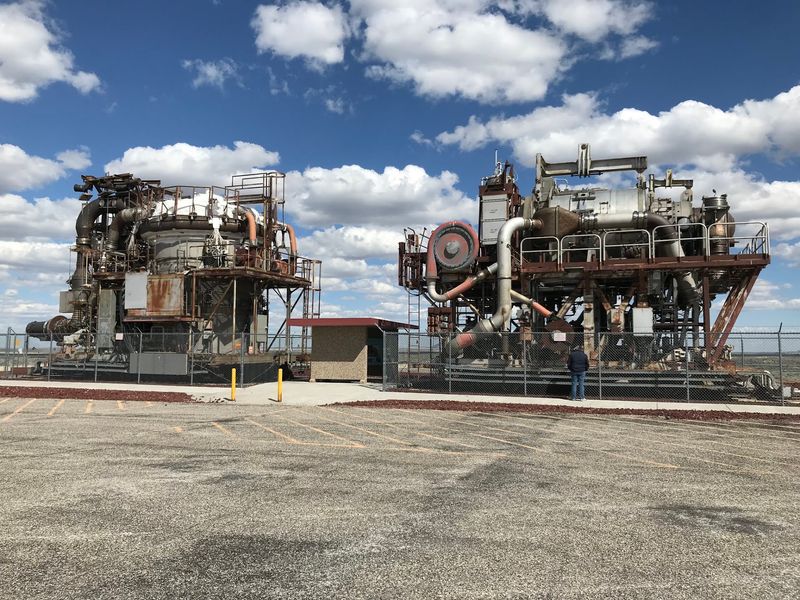
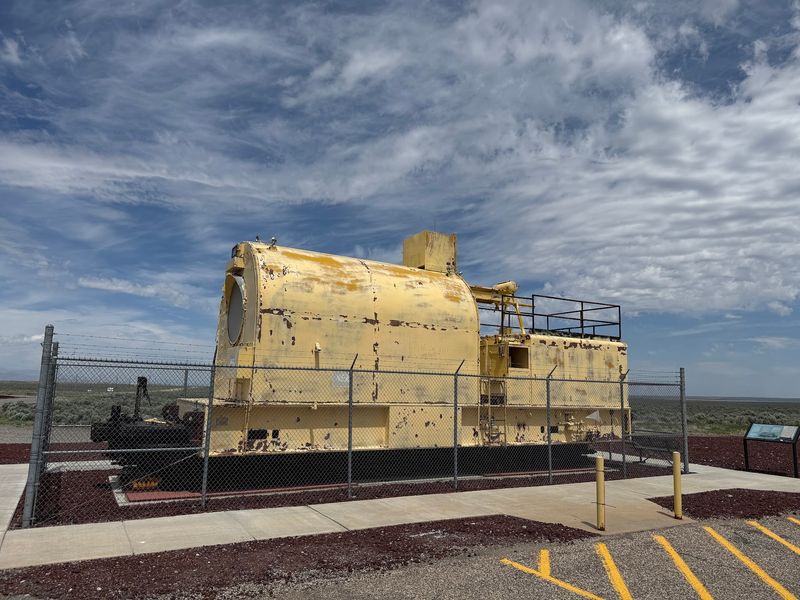
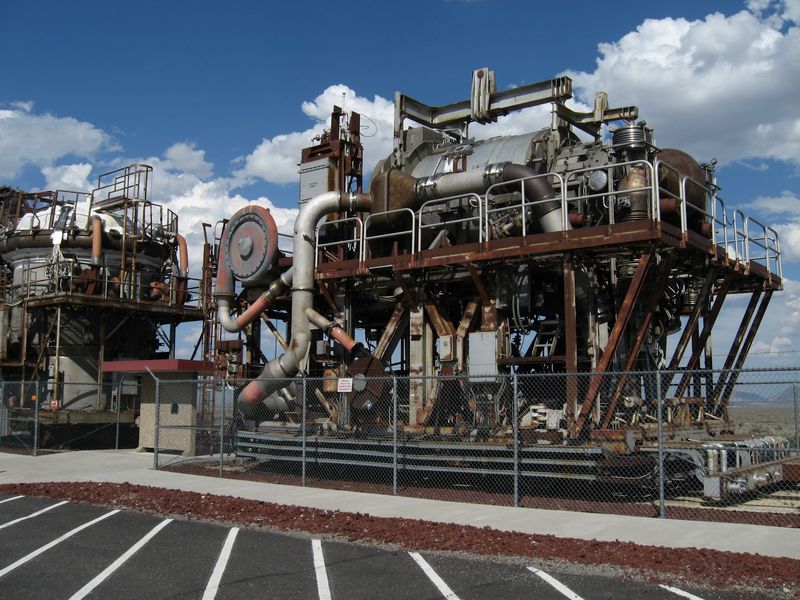
Parked outside like giant metal sculptures, two strange machines tend to stop people in their tracks. They are prototypes from the Aircraft Nuclear Propulsion program, an ambitious 1950s effort to build airplanes powered by reactors.
The test articles date from roughly 1955 to 1960. Engineers hoped a nuclear-powered aircraft could stay aloft for extremely long stretches.
The program eventually ended, but these hulking pieces remain, and they draw plenty of curious looks.
Counting these two prototypes, EBR-I is the only place in America where visitors can see four nuclear reactors in one spot. That is a remarkable claim for a lonely roadside stop in Butte County.
Here is a handy bonus. The aircraft displays sit outdoors and can be viewed even after the museum closes for the day, so late arrivals still get a payoff.
Fans of retro science and atomic-age video games get a kick out of them. One visitor said the experience helped explain how strongly people in the 1950s believed nuclear power was the future.
Bring a hat on summer afternoons. Shade can be scarce on the Snake River Plain, and the sun feels intense.
Guide Or Brochure
Two paths lead through the building, and both cost nothing. Guests can join a free guided tour or wander on their own with a self-guided brochure.
Guided tours run about 45 minutes. Guides are frequently described as knowledgeable, friendly, and fun, with a knack for turning physics into plain talk.
One traveler short on time asked for a quicker version, and the guide offered to trim it to around 25 minutes if the group could hold back on questions.
Tours tend to start when guests arrive, so timing can vary. On a slow day, the wait for the next group might stretch past half an hour, and some visitors choose to head off solo instead.
The self-guided route suits people who like to linger at certain displays and breeze past others. The printed brochure earns steady praise for being clear and easy to follow.
Plan for about an hour. Serious science fans can easily spend an hour and a half to two hours here, reading every panel and studying every valve.
A parent who went solo later wished they had picked the guided option, since their curious child kept firing off questions nobody could answer.
Quiet Desert, Loud History
Silence is the first thing many people notice on stepping back outside. Wind moves through the sagebrush, Big Southern Butte fills part of the skyline, and the wide Idaho sky feels enormous.
One visitor described the views from the old power plant as striking in their desolation, and that captures the mood well. Nothing crowds the building.
It simply sits there, a quiet brick box holding a very loud chapter of history.
Families tend to find plenty to do. Hands-on displays and the freedom to touch much of the equipment keep younger kids busy, while teenagers often connect with the science and the personal stories of the people who worked here.
Still, it is fair to set expectations. An older account from one parent noted their kids would have been bored, and that visit came with limited staff and sporadic tours.
Children who love buttons, machines, or rockets will likely have a blast, while others may drift.
Science lovers, retirees on a slow road trip, and locals who have driven past for years are the sweet spot. One longtime resident admitted living nearby for 15 years before finally stopping in, then called it a must.
Summer Window Planning Notes
Summer is the only window. The museum typically opens for the season around Memorial Day weekend and stays open daily through Labor Day weekend, with daytime hours.
Admission is free, and individual visitors do not need reservations. Just pull in, walk up, and choose between a guided or self-guided visit.
Some guests have wished for a donation jar to thank the staff, so bring a kind word at the very least.
Schedules can shift, so it is wise to check before driving out. At least one visitor mentioned seeing a temporarily closed notice online.
Restrooms are clean, according to travelers, which counts for a lot on a lonely highway. Services are limited between towns, so pack snacks and plenty of water.
For extra context on the drive, the free TravelStorys app offers an on-demand audio tour about the Idaho National Laboratory site. Virtual tours exist too, handy for classrooms or anyone planning outside the summer season.
Many road-trippers pair this stop with Craters of the Moon, not far from Arco. One couple spotted the museum sign on the way there and called it the biggest surprise of their whole trip.
Worth The Turnaround
Plenty of Idaho road trips blur together, all sage and highway and distant mountains. This one leaves a sharper memory, mostly because of four old light bulbs sitting in a brick building most people would never glance at twice.
EBR-I is not flashy. The displays show some age, the stairs take effort, and the site sits far from any coffee shop.
Yet standing in the spot where a reactor first powered a building, then pressing the same kind of buttons the crew once pressed, gives history a physical weight that textbooks cannot match.
For families, it is a cheap and easy outing. For science fans, it is close to a pilgrimage.
For locals in Butte and Bonneville counties, it is a reminder that some world-changing work happened just down the road.
An hour is enough for a quick look, and two will satisfy the curious. Either way, the cost stays at zero.
Many visitors end up recommending a small detour to anyone crossing the Snake River Plain in summer. That advice feels fair.
Check the season, pack water, and leave room for questions.