This Nebraska Blacksmith Shop Lets Total Beginners Hammer Out Their Own Knife From A Railroad Tie
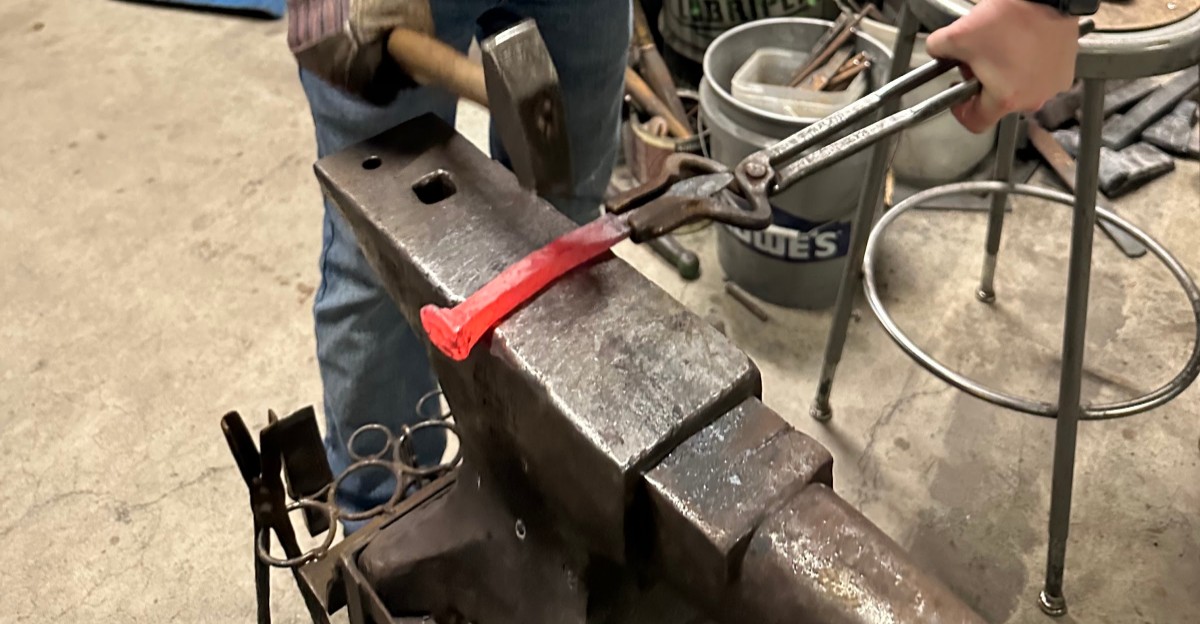
Some of the best surprises in Nebraska hide behind ordinary doors, and this one smells like coal smoke. Inside a plain-looking shop, total beginners pick up a hammer, heat a chunk of old railroad steel until it glows, and pound it into a knife they get to take home.
No experience is needed, just a willingness to sweat and a little curiosity. It is one of the rare places left where an old-time trade still gets passed from one set of hands to the next.
A Working Forge on North 84th Street
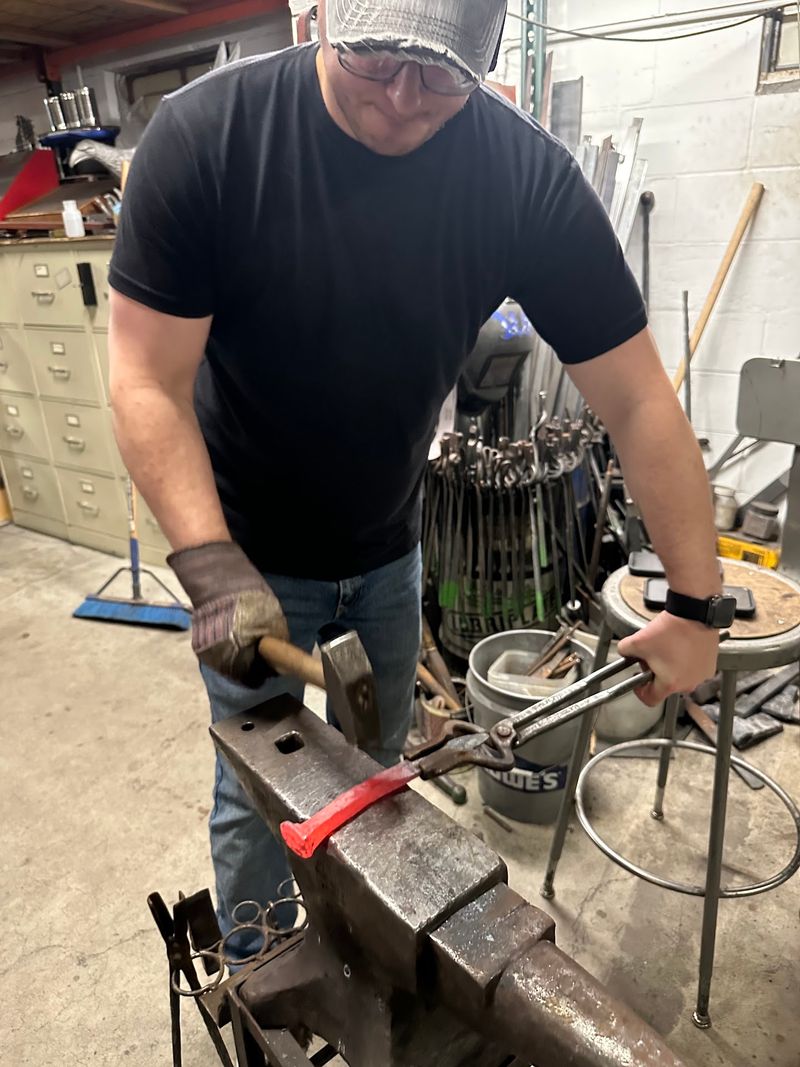
Picture a regular Omaha street address, then add the smell of coal smoke and the ring of steel on steel. The Blacksmith Shop Omaha sits at 2925 North 84th Street, and from the outside it gives little hint of the fire burning inside.
Step through the door and the scene changes fast.
What exactly happens here? It is a teaching forge, a place built around classes that take people with zero metalworking background and put a hammer in their hands.
The shop runs basic forging courses, bladesmithing sessions, axe classes, and workshops that go beyond pure hammer work.
Public forges are scarce in Omaha, which makes the setup unusual for a city this size. Most people who want to try blacksmithing end up reading about it online or watching videos.
Here, the anvils are real, the steel glows orange, and the instructors stand right beside you.
A small selection of handmade products shares space with the class stations, so even a quick stop offers something to look at. Still, the heart of the operation is instruction.
People walk in curious and leave holding metal they shaped themselves.
Elmo and Kathy, the Couple Behind the Anvil
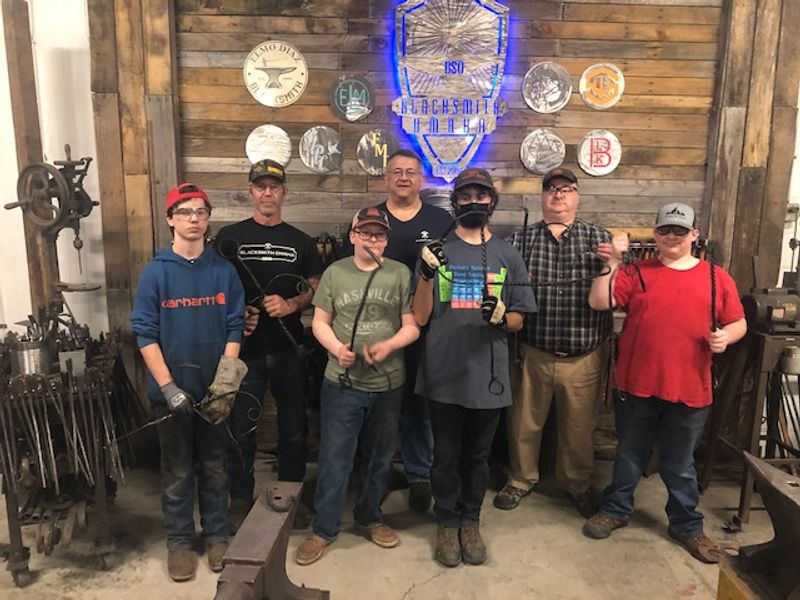
Some shops run on equipment, and this one runs on people. Elmo and his wife, Kathy, run the place together, and their styles fit like hammer and anvil.
Elmo handles most of the teaching. He is patient to a fault, happy to repeat a demonstration several times, and quick to spot a problem before it turns into a ruined piece of steel.
Between strikes, he drops in bits of metallurgy and blacksmithing history, so a lesson on tapering a bar might drift into how steel changes as it heats.
Kathy works the hospitality side. Where Elmo explains, she feeds, keeps people comfortable, and notices when someone needs a break.
Have you ever taken a class where the teacher seemed to enjoy it more than the students? That energy runs through the building.
The couple clearly loves passing the craft to the next generation, and it shows in the way they welcome first-timers and returning students alike.
A third name comes up often too: John, who leads the blade classes. More on him later, but the core of the shop remains a husband-and-wife team with a shared love of fire and iron.
Nebraska Rail Steel With a Second Life
Railroads built Nebraska. Towns rose along the tracks, grain rode east on them, and countless steel spikes held the rails to wooden ties across the plains.
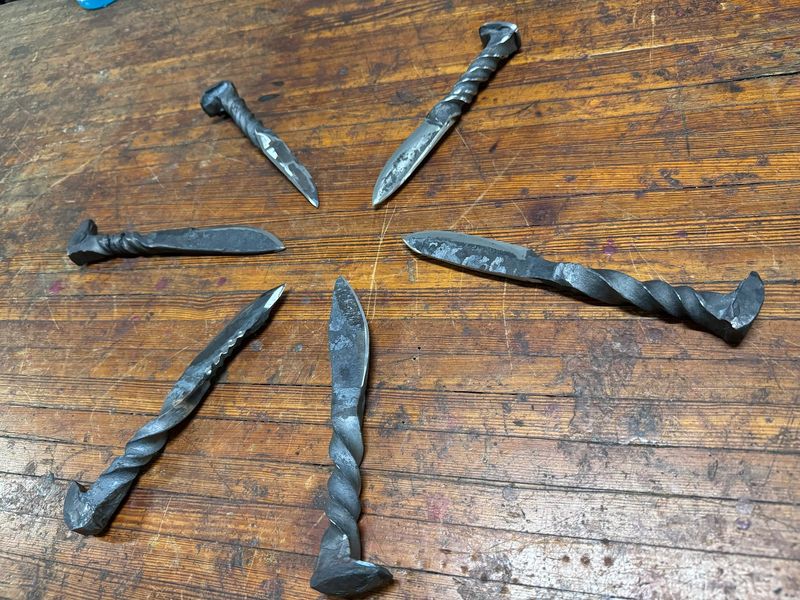
That history is the starting point for the beginner knife project. The class works with a railroad spike, the hefty piece of steel that pins rail to tie, and turns it into a blade you can hold.
It is a clever material: tough, familiar, and loaded with a sense of place.
Why a spike instead of a fresh bar from a supplier? Part of the appeal is the story.
A spike spent years doing hard, quiet work under passing trains, and now it gets a different job in your kitchen drawer or camping kit.
Cold, a spike feels impossible to change. It is thick, blunt, and stubborn.
Heated in the forge, though, it softens enough to move under a hammer, and that transformation is where beginners get hooked.
The finished knife keeps traces of its past. Depending on how it is forged, the old spike head can become a rustic handle, so the tool looks like what it is: a piece of rail history reshaped by your own hands.
From Glowing Spike to Finished Blade
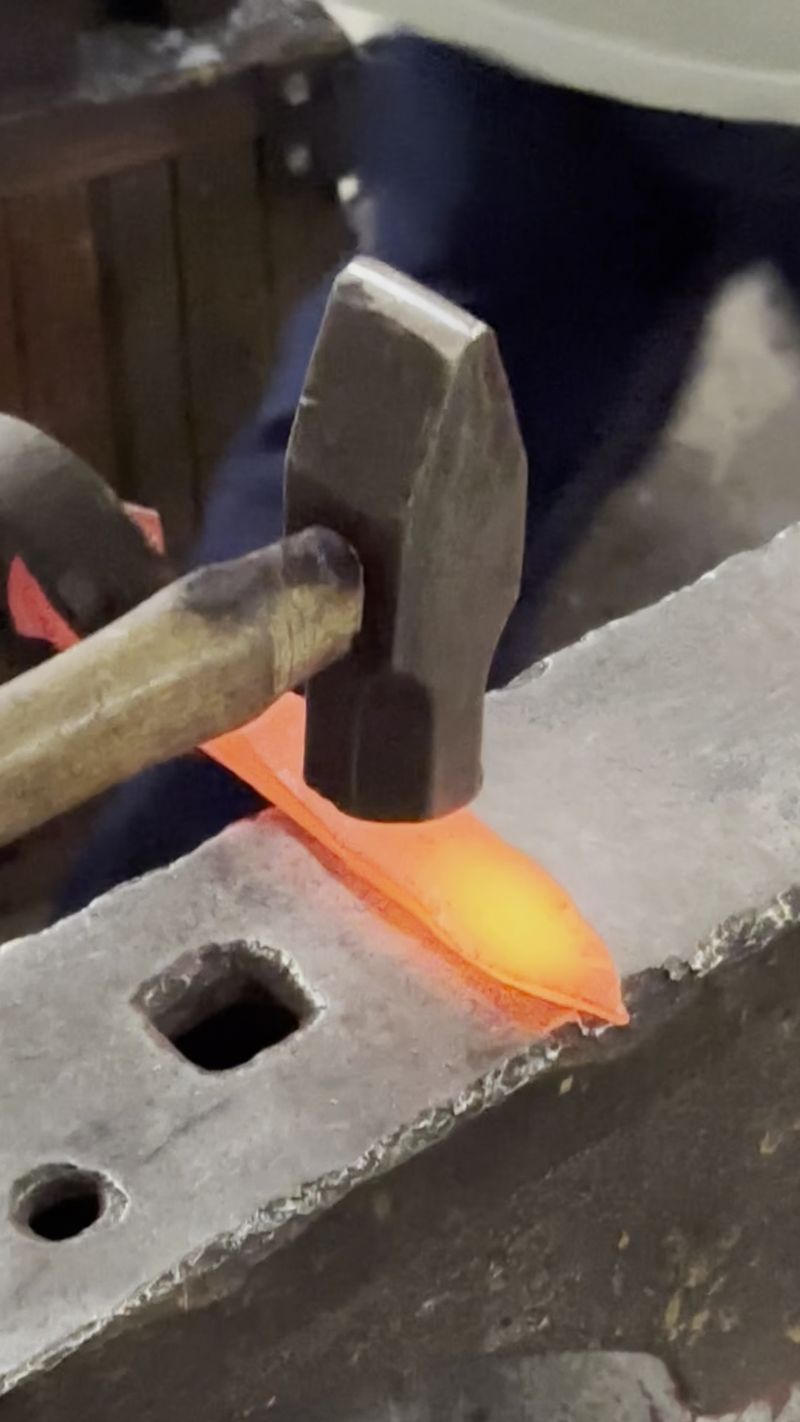
Orange light, a low roar, and a spike changing color in the coals. That is how the process begins.
Students learn to manage the fire first, reading the steel until it reaches a workable heat.
Next comes hammer work. Instructors demonstrate how to draw out the metal, lengthening and thinning it, then shaping a point and the rough outline of a blade.
Every few strikes, the steel cools and heads back into the forge, so the rhythm becomes heat, hammer, repeat.
How long does it take? A few hours, depending on each person’s speed and comfort level.
Faster hands finish sooner, while careful workers take their time, and nobody gets rushed out the door with a half-shaped piece.
Once the shape is set, attention turns to the edge. Beveling and grinding bring the blade toward sharpness, and heat treating and tempering help the steel hold that edge instead of dulling quickly.
Handle finishing wraps up the project.
Compared with buying a knife off a store shelf, the difference is huge. Every hammer mark on this one came from you, and no two spikes ever end up looking alike.
Safety Comes Before the First Swing
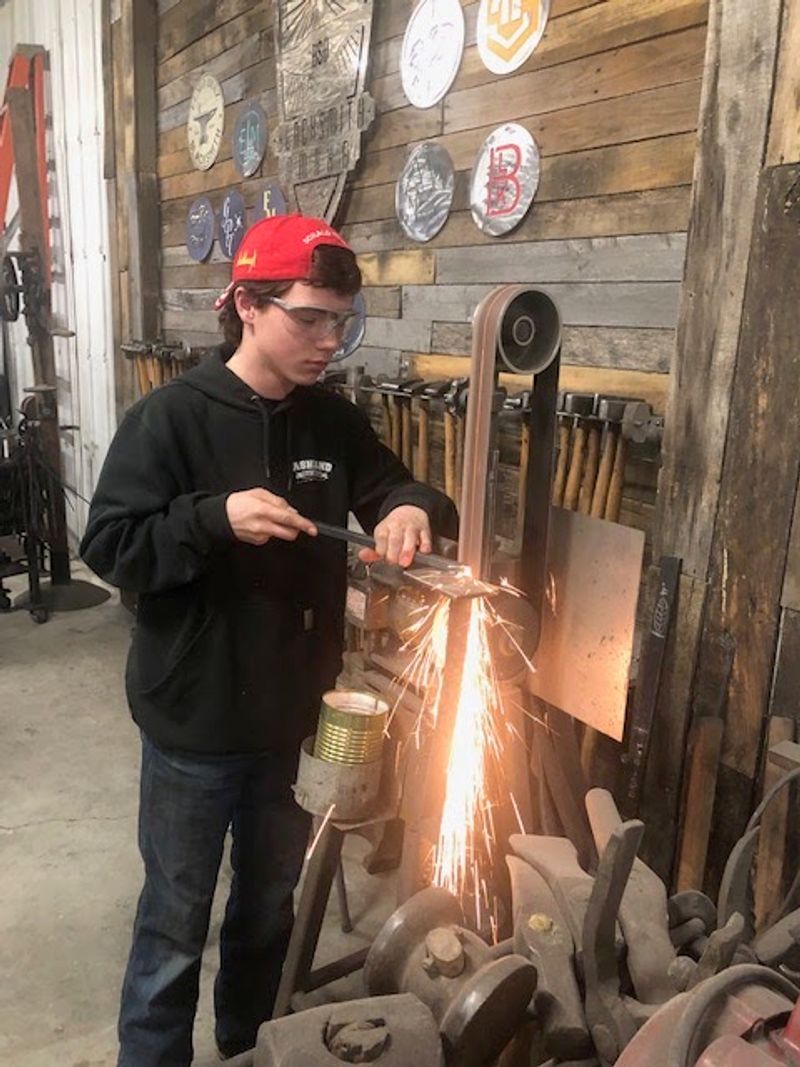
Safety sits at the center of every lesson here, not tacked on at the end. Before anyone touches a hammer, instructors walk through how the forge works, where to stand, and how to handle tools that are hot, heavy, or sharp.
Picture someone who has not swung a hammer in years beyond hanging a picture frame. The shop is set up so even that person can work without feeling nervous.
Clear demonstrations come first, then supervised practice, with help close by the whole time.
Grinders get the same careful treatment as the forge. Students learn proper stance, hand position, and what to watch for as sparks fly, so shaping the edge feels controlled rather than chaotic.
Is special gear required? Clothing matters more than most people expect.
Closed-toe shoes are a must, and natural fibers like cotton are the smart pick, since synthetic fabrics do not mix well with sparks and radiant heat.
A calm teaching style helps too. Elmo explains the why behind each rule, and understanding the reason makes the rules easier to follow.
By the time the first piece of steel comes out of the fire, nerves have usually settled into focus.
The Basic Forging Class, Everyone’s Starting Line
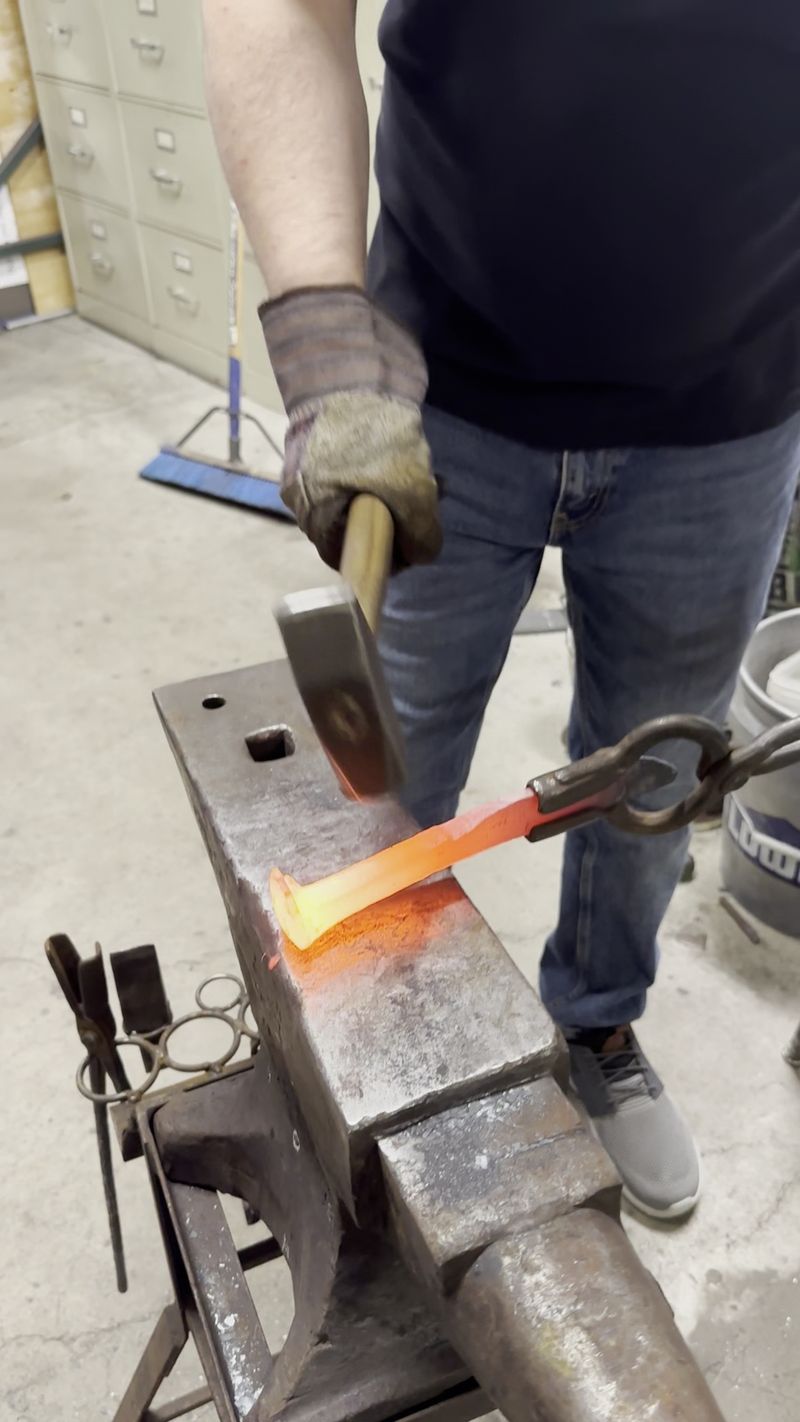
Want to jump straight into serious bladesmithing? Not so fast.
The basic forging class is required before students move on to the longer blade and axe courses, and it serves as the foundation for everything that follows.
Spread over two days, the course packs in roughly 14 hours of shop time. Tuition covers materials, instruction, and lunch, and the pace keeps adding new tools and techniques often enough to stay challenging without leaving anyone behind.
By the end, most students carry home three or four finished pieces. These are practical items you can use around the house, each one showing off a different skill picked up along the way.
The mix of people in a single class can be wide. Seasoned workshop hands stand at anvils next to folks who barely remember the last time they held a hammer, and the teaching adjusts for both.
Day two can feel like a test. Arms are tired, and the novelty has worn off a bit.
Push through, though, and the payoff lands hard: holding a useful, good-looking tool that started as a plain stick of steel brings a real surge of pride.
Bladesmithing With John of Dwarf Mountain Knives
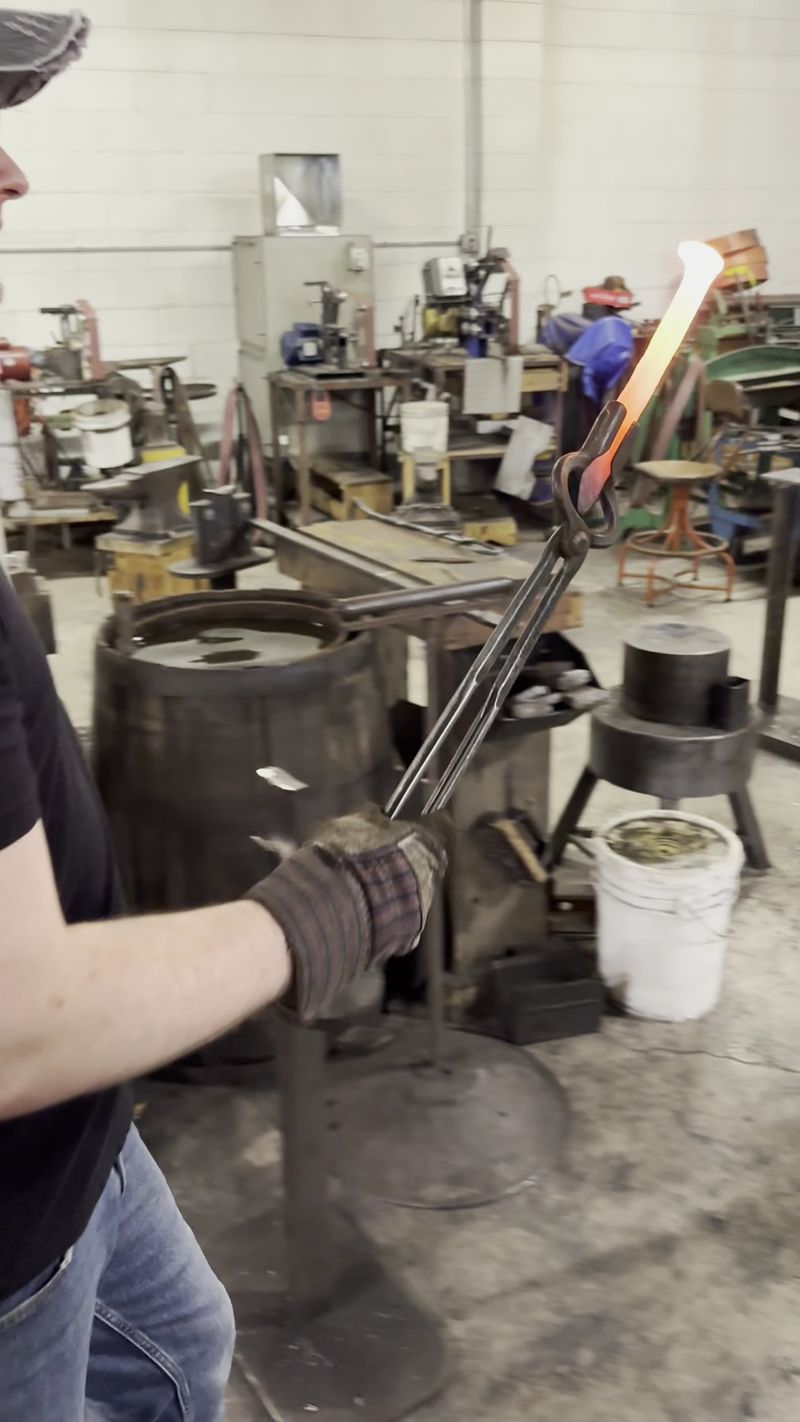
Fifteen hours, one raw billet of steel, and two finished blades at the end. Those numbers sum up the blade class, the natural next step once basic forging is complete.
John, who runs Dwarf Mountain Knives, leads these sessions. His background in both forging and finishing gives students a full picture of how a blade comes together, from the first rough shaping to the last polish on the edge.
He takes time to explain each process and will go over a step more than once when someone needs it.
Where does this class differ from the beginner spike knife? Mostly in depth.
Instead of repurposed rail steel, students start with fresh billet, and the extra hours allow deeper attention to geometry, grinding, and heat treatment.
Expect to work steadily the entire time. Blade class days are long, hot, and full, with little standing around.
Hands stay busy and minds stay engaged.
An axe class rounds out the menu for anyone who catches the bug. Some students take basic forging one weekend and blades the next, stacking skills quickly while the momentum lasts.
It is an efficient way to go from curious to capable.
Homemade Lunch and a Tray of Brownies
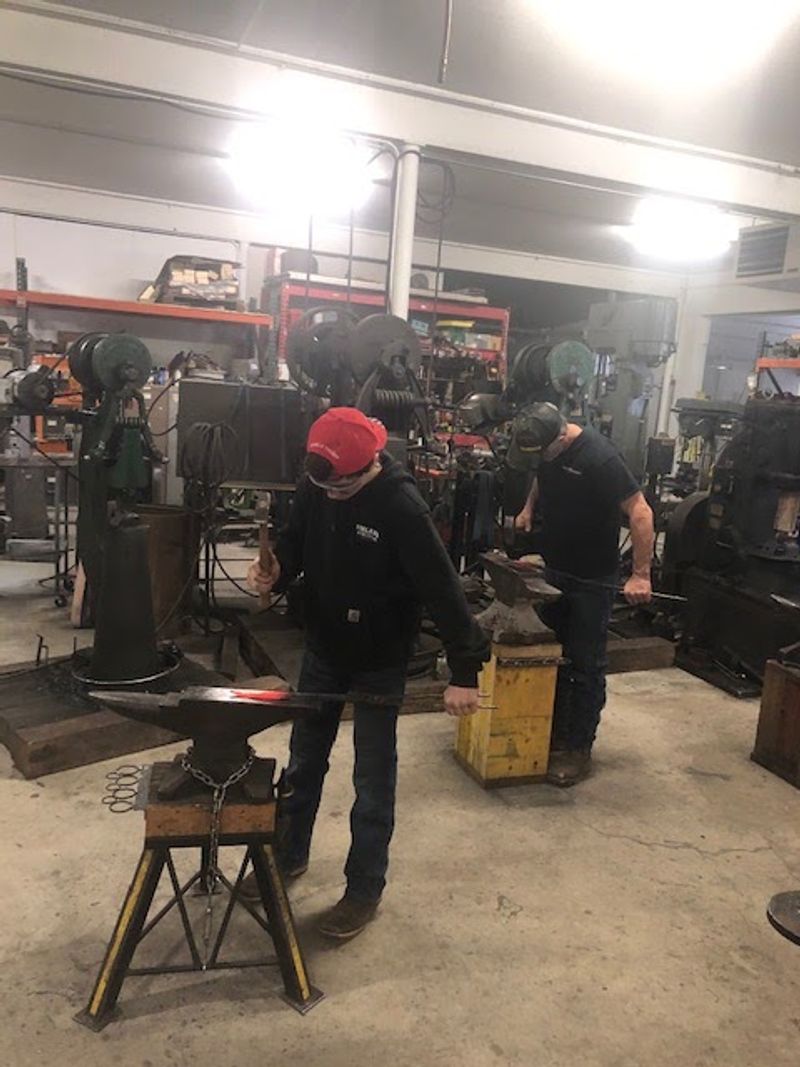
Nobody expects dessert at a blacksmith shop. At this one, it shows up anyway, along with a full lunch that tends to feed twice as many people as are in the room.
Kathy handles the food, and she goes big. During multi-day classes, she lays out a spread that keeps hammer arms fueled through long afternoons at the forge.
Leftovers are common.
Why does it matter? Forging burns energy fast.
A proper meal in the middle of a sweaty session resets the body and gives students a chance to sit down, trade stories about their projects, and watch each other’s progress.
Small gestures pile up here: a tray of sweets for a celebrating group, a plate refilled before anyone asks, a quick check on anyone who looks worn down. None of it is required, and all of it adds to the feeling that you are a guest rather than a customer.
Contrast that with a typical hands-on class somewhere else, where snacks come from a vending machine if they exist at all. The hospitality turns a demanding day into something closer to a gathering of friends around a very hot fire.
Heat, Sweat, and Tired Forearms
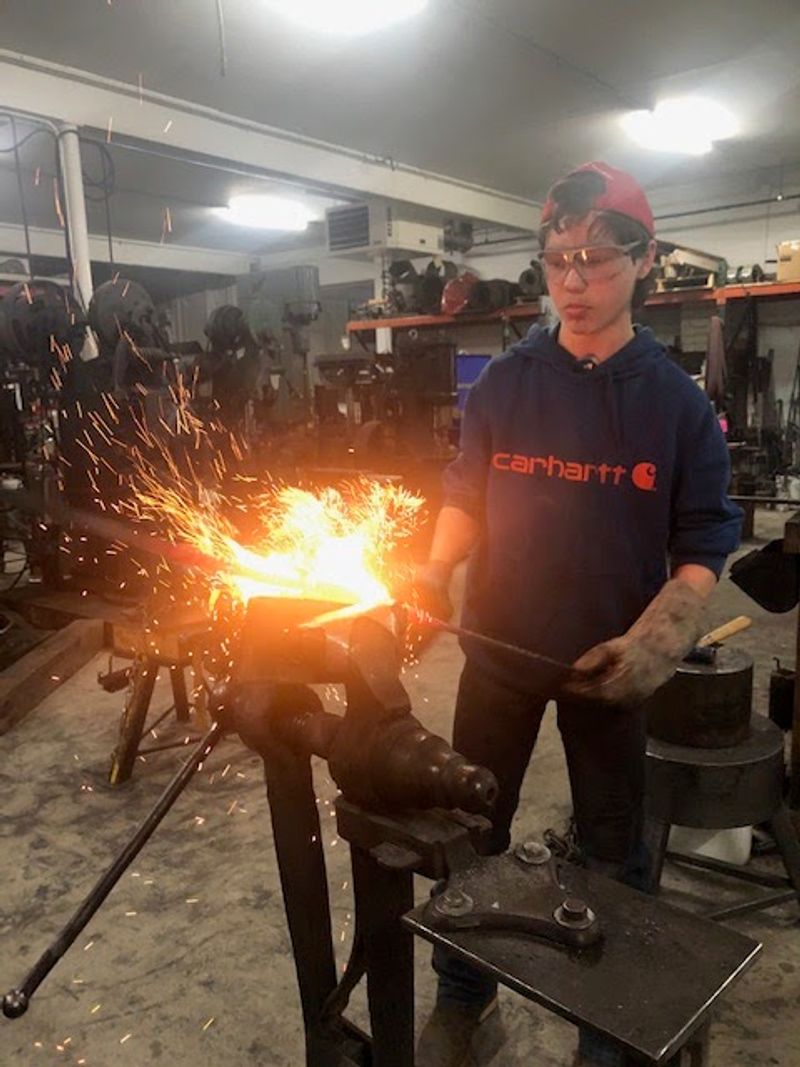
Sweat starts early. With the forge running, the shop gets hot, and swinging a hammer for hours turns a class into a full-body workout that nobody should underestimate.
That said, the effort is manageable. It is demanding but not brutal, the kind of workout you feel in a good way the next morning rather than a punishing ordeal.
Arms, shoulders, and grip all get a turn.
What should you bring? Water, and plenty of it.
Staying hydrated makes a big difference in energy and focus, especially during warm months when the air inside already runs toasty before the fire gets going.
A beginner walking in with zero experience can still leave with a solid finished product, plus a brand-new level of tiredness. Both are part of the deal.
Pace yourself, take breaks when offered, and let the instructors know if your arms need a rest.
Think of it less as a relaxing craft hour and more as honest labor with a creative reward. The steady beat of hammer on anvil has a way of clearing the mind, and the physical push is what makes the finished piece feel earned.
Parents, Teens, and Party Groups
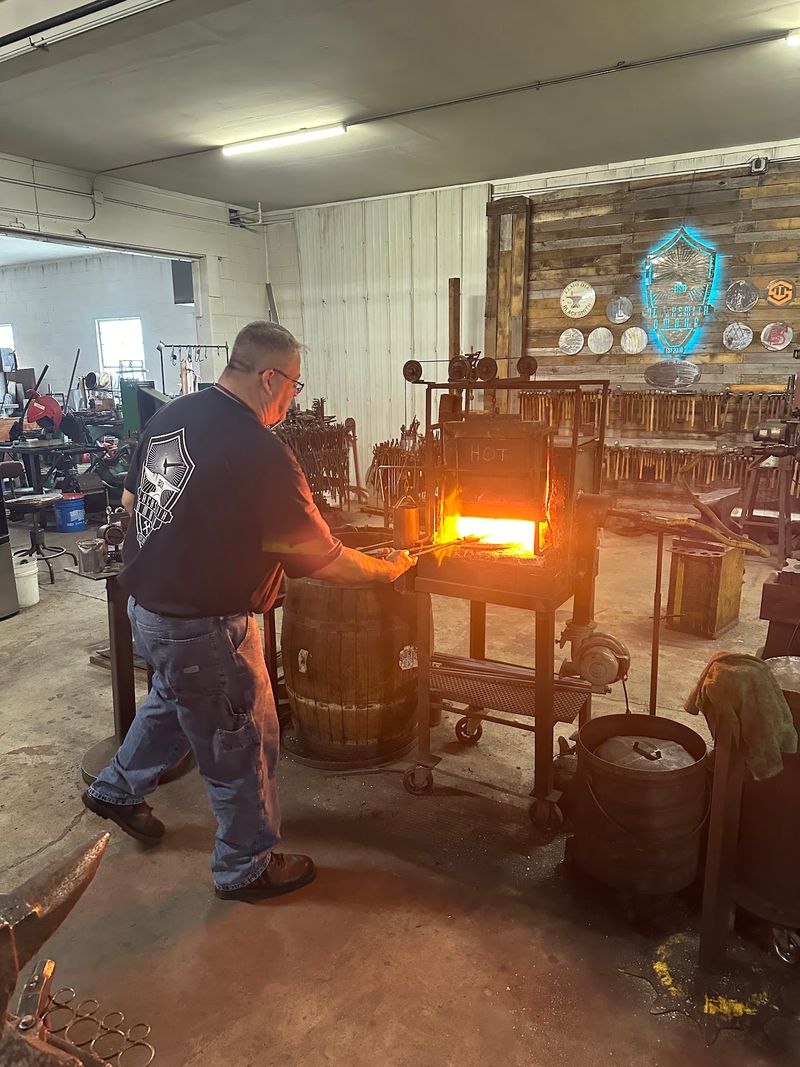
Imagine a parent and a young teen finishing two long days side by side, or a whole family taking the basic class together, or a crew of 14 friends celebrating before a wedding. All of those fit comfortably inside this shop.
Parent-and-teen pairs show up often, and the experience can be a powerful bonding moment. Working through a tough challenge together, then walking out proud of what you both made, leaves a mark that lasts long after the sore muscles fade.
Is it a good gift? Absolutely.
A class makes a present with staying power for a birthday or holiday, especially for someone who loves making things or has always wondered about old trades.
Groups get plenty of attention as well. Elmo keeps a large class moving so everyone gets time at the anvil, which makes the shop a solid choice for team outings and family days.
On the other hand, solo learners fit right in too. Classes mix strangers of all skill levels, and a shared anvil turns into an easy conversation starter within minutes.
Nobody needs to bring a buddy to have a good time.
Open Shop Time for Anyone Who Gets Hooked
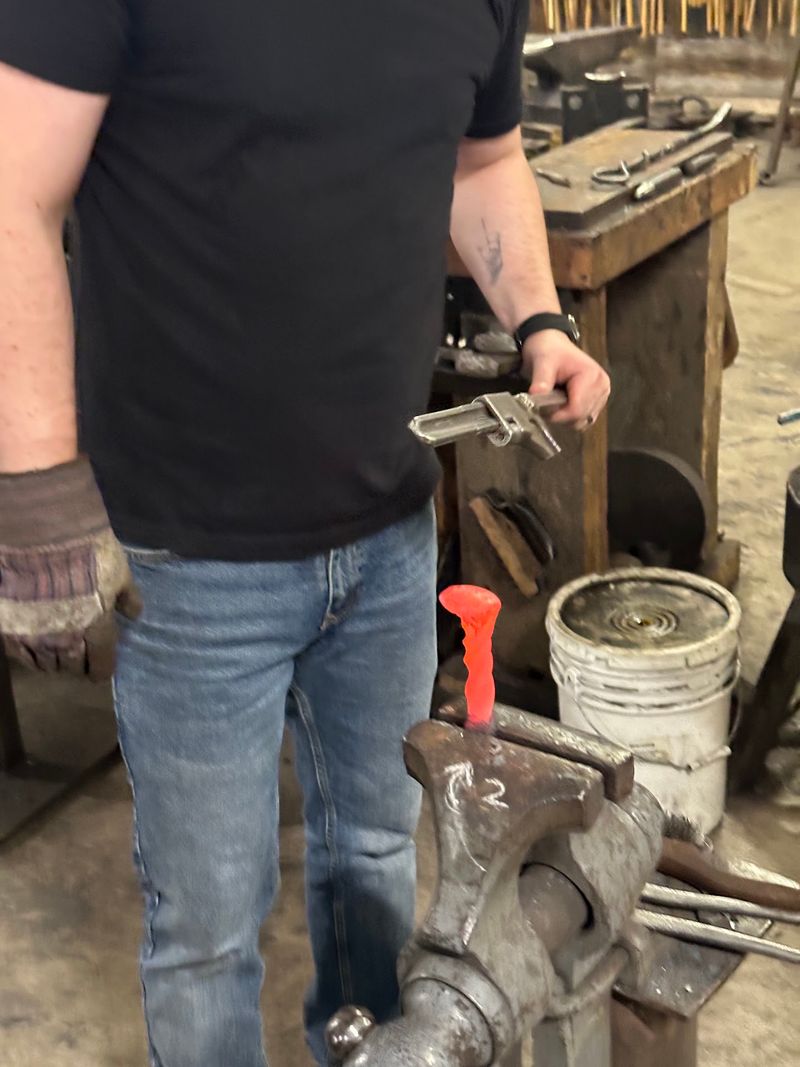
Where do you practice once you own a few skills and no forge? One class often leads to another, and eventually that question pops up.
The shop answers it with rentable shop time.
The shop offers an affordable monthly rate for people who want to come in and work on their own projects. That means access to the forge, anvils, and tools without building a setup in a garage or backyard, which can get expensive fast.
The hum of a working shop makes practice easier too. Help stays nearby when a project goes sideways, and the staff remains quick to lend advice or troubleshoot a stubborn piece of steel.
Some students go all in, taking every class the shop offers and settling into rented shop time between sessions. A Christmas gift of a basic class can snowball into a full-blown hobby, moving someone from nervous first swing to familiar face at the anvil.
Rentals can cover a couple of months at a time, here and there, as schedules allow.
Beyond forging, the shop hosts other workshops, so there is usually something new to try. Handmade items for sale add another reason to poke around between projects.
Practical Notes Before You Book
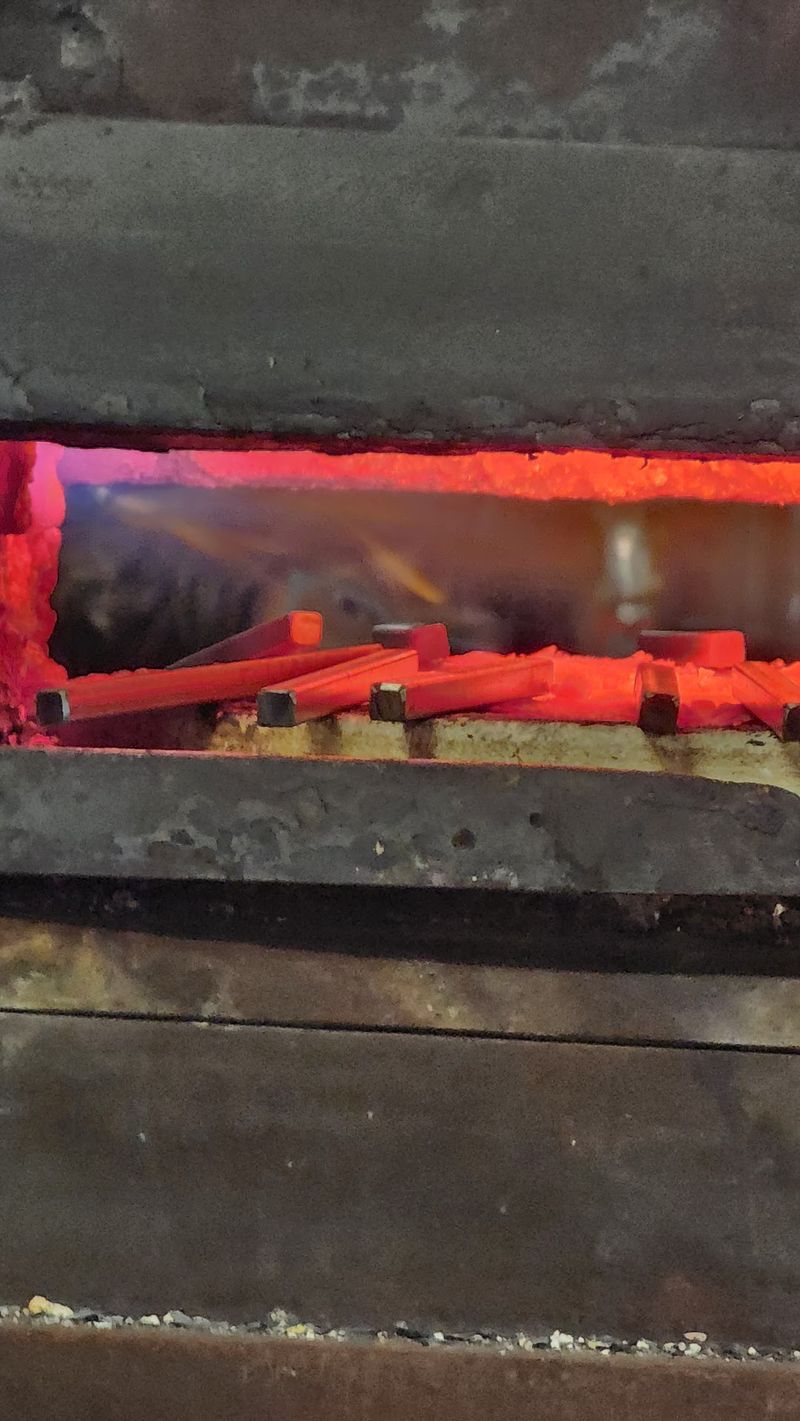
Classes fill up fast, sometimes months in advance. If a specific date matters, like a birthday or a group event, reserve as early as possible.
Afternoons are the window. The shop opens around midday every day of the week, closing in the late afternoon, with one midweek day stretching into early evening.
Checking the shop’s website before heading over is a good idea, since class schedules shape what is happening on any given day.
What does it cost? The basic class runs a few hundred dollars, and that fee bundles about 14 hours of instruction, materials, and lunch into one package, a strong value for everything included.
Monthly shop rental is priced affordably for ongoing practice.
Dress for heat and flying embers. Closed-toe shoes and cotton or other natural-fiber clothing are the way to go, and leaving loose, synthetic layers at home is wise.
Getting there is simple. The shop sits at 2925 North 84th Street in Omaha, an easy drive from most parts of the metro and a reasonable day trip from elsewhere in Nebraska.
Bring a full water bottle, a willingness to sweat, and maybe a snack for the ride home.
The Kind of Nebraska Afternoon That Sticks
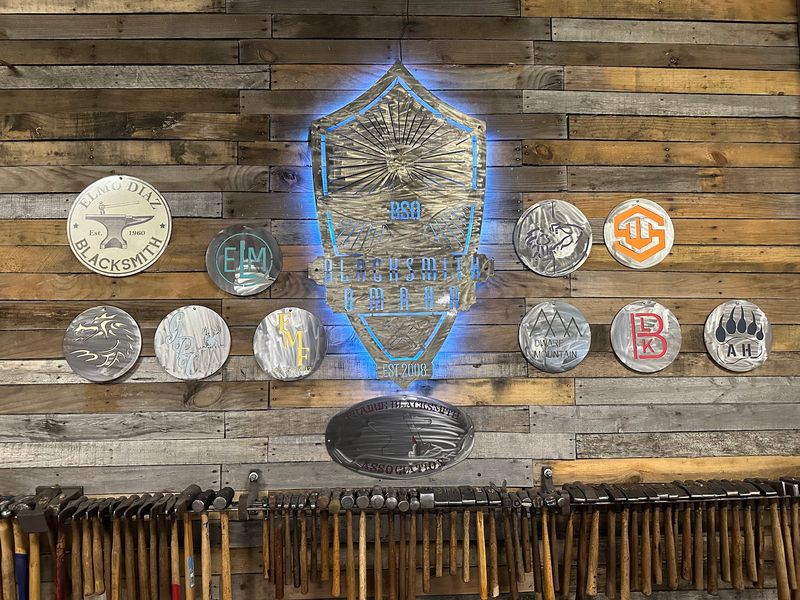
Few things in a modern week involve fire, steel, and your own two hands working together. That rarity is the core appeal of The Blacksmith Shop Omaha.
Consider what a single visit delivers: a patient teacher, a host who shows up with brownies, a forge roaring beside you, and a piece of Nebraska rail history reshaped into a blade with your fingerprints on it. The skills do not vanish once the class ends either.
Heating, hammering, and reading steel stick with you, and they carry over into all kinds of projects around the house.
Does it suit everyone? Not quite.
People hoping for a breezy craft hour with zero sweat may want to look elsewhere, since the work is physical and the room runs hot.
For anyone drawn to old trades, though, it hits the mark. First-timers, parent-and-teen teams, and groups of friends all have a place at the anvil, and the finished knife lands on a shelf or in a pack as a conversation piece for years.
Book early, bring water, and wear cotton. The rest takes care of itself.