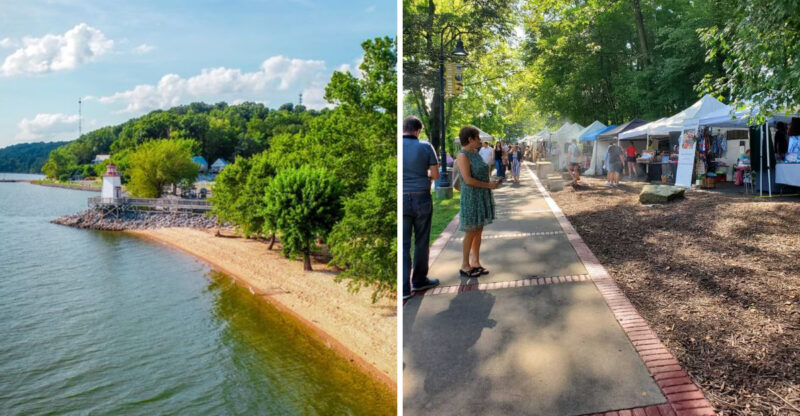
This Popular Kentucky Spot Is Home To One Of The State’s Most Common Human-Biting Ticks
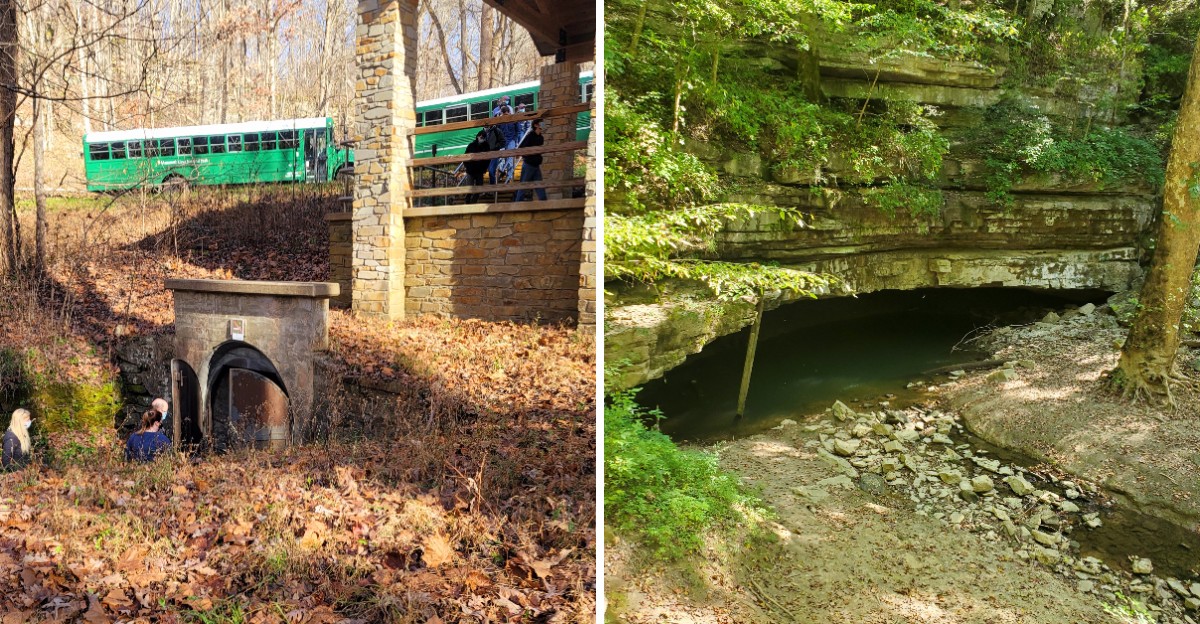
You probably pack snacks, water, and a good camera before a big day outdoors. There is one tiny tagalong you definitely did not invite.
This popular Kentucky destination is famous for its jaw-dropping natural wonders. However, its woods and trails are also home to a determined little hitchhiker.
It is called the lone star tick, and it is not shy at all. The females even wear a single white spot on their backs like a tiny badge.
They are easy to miss, and they love warm, humid days. Their bites can also carry real health risks, so this is no joke.
The good news is that a few smart habits keep you in charge. Long pants, repellent, and a quick tick check after your hike go a long way.
You can still enjoy every trail and every view with confidence. Here is what to know before you lace up those boots.
A Cave That Never Seems To End
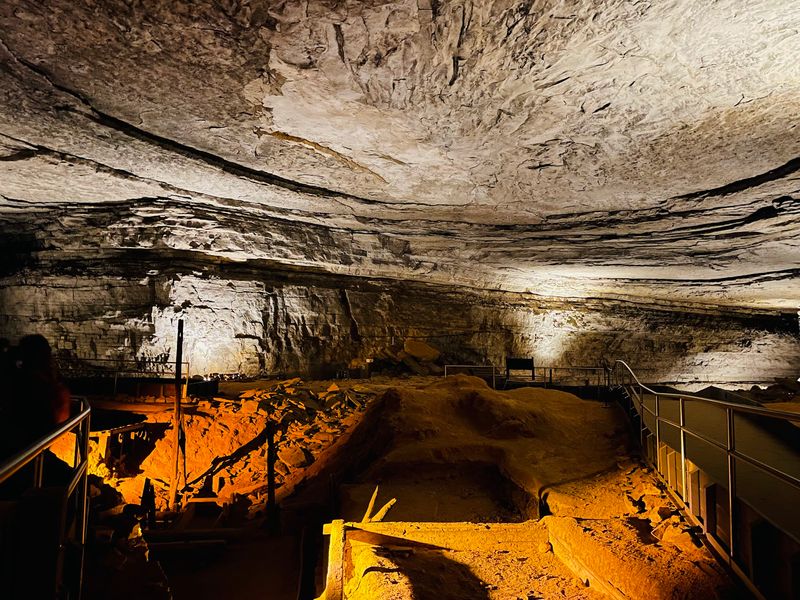
Bring good shoes, because this cave has more hallways than any school you ever attended. Mammoth Cave National Park holds the longest known cave system on Earth.
Explorers have mapped more than 426 miles of passageways so far. That number keeps growing as teams find new tunnels.
So how did all this space get here? Water did the work, slowly and patiently, over millions of years.
Rain soaked into the ground and dissolved old limestone rock from the Mississippian period. Drop by drop, it carved out a giant maze of tunnels and rooms.
The park opened on July 1, 1941. Today it is a UNESCO World Heritage Site, which puts it in very famous company.
It also became an International Biosphere Reserve in 1990. That honor points to how much life and science live here.
These passages at Mammoth Cave, Kentucky, feel like a giant sponge made of stone. The cool air and the quiet echo make every turn feel new.
You do not need to be an expert caver to enjoy it. Guided tours help you see the highlights safely.
Just remember that the adventure does not stop at the exit. The surface has its own stories, and a few tiny surprises too.
Sinkholes, Secret Rivers, And Sparkly Walls
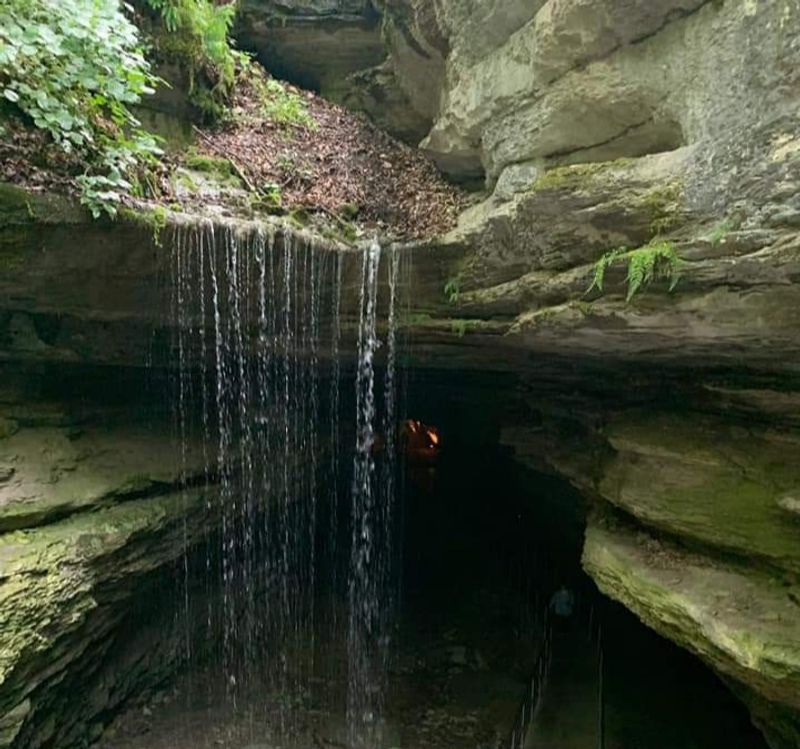
Mother Nature clearly had fun with a paintbrush and a bucket of water here. The land around the park is famous worldwide for its karst terrain.
Karst sounds fancy, but the idea is simple. It is land shaped by water dissolving rock below the surface.
That is why the area is dotted with sinkholes. You will also spot springs and streams that suddenly vanish into the ground.
Where do those streams go? Many of them join underground rivers flowing through the dark chambers.
Echo River is one of these hidden waterways. The River Styx is another, and its spooky name fits its shadowy home.
Look up and around inside the cave, and the decorations start to show off. Stalactites hang from ceilings like stone icicles.
Stalagmites rise from the floor to meet them. A simple trick to remember: stalactites hold on tight to the top.
Some rooms glitter with white gypsum crystals. They look almost like frost clinging to the rock.
Bring your curiosity and a little patience. These Kentucky formations grew very slowly, so please look without touching.
Oils from your skin can change how they grow. Keeping your hands to yourself helps them sparkle for the next visitor.
Footsteps From Thousands Of Years Ago
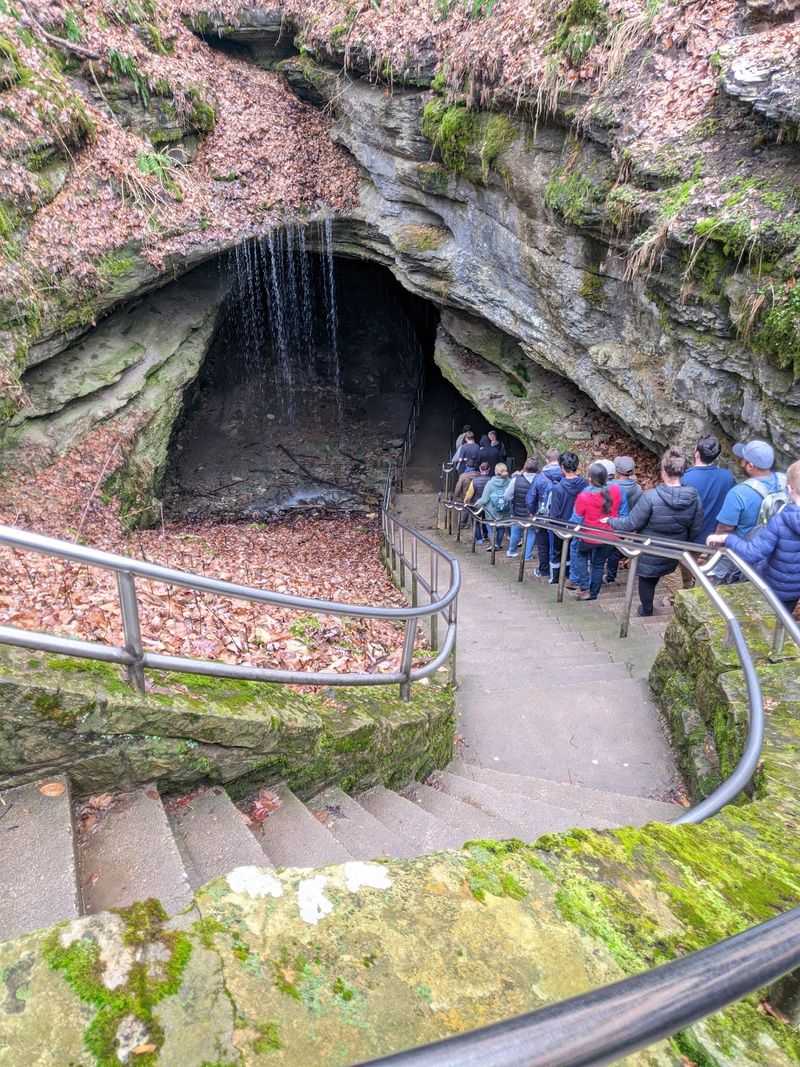
Long before selfies, people were already exploring these tunnels by firelight. Indigenous peoples used the cave thousands of years ago.
They came to gather minerals from the soil inside. Their careful work shows how well they knew this underground world.
Much later, the cave took on a new job. Workers mined it for saltpeter, a mineral people used in the early 1800s.
Then something fun happened. Word spread, and curious travelers started showing up just to see the cave.
By 1816, Mammoth Cave was a publicized attraction. That makes it one of the early stars of American tourism.
Think about that for a second. People were visiting here long before cars, trains to everywhere, or phone maps existed.
The Historic Entrance still welcomes visitors today. It has greeted explorers for centuries, and it still feels grand.
Cool air often drifts up from the opening. Standing there, you can almost hear the footsteps of everyone who came before.
If history makes you happy, ask a ranger about tours near this entrance. Their stories bring the old passages to life.
You get to add your own small chapter to a very long story. Not a bad way to spend an afternoon.
Trails, Paddles, And Plenty Of Fresh Air
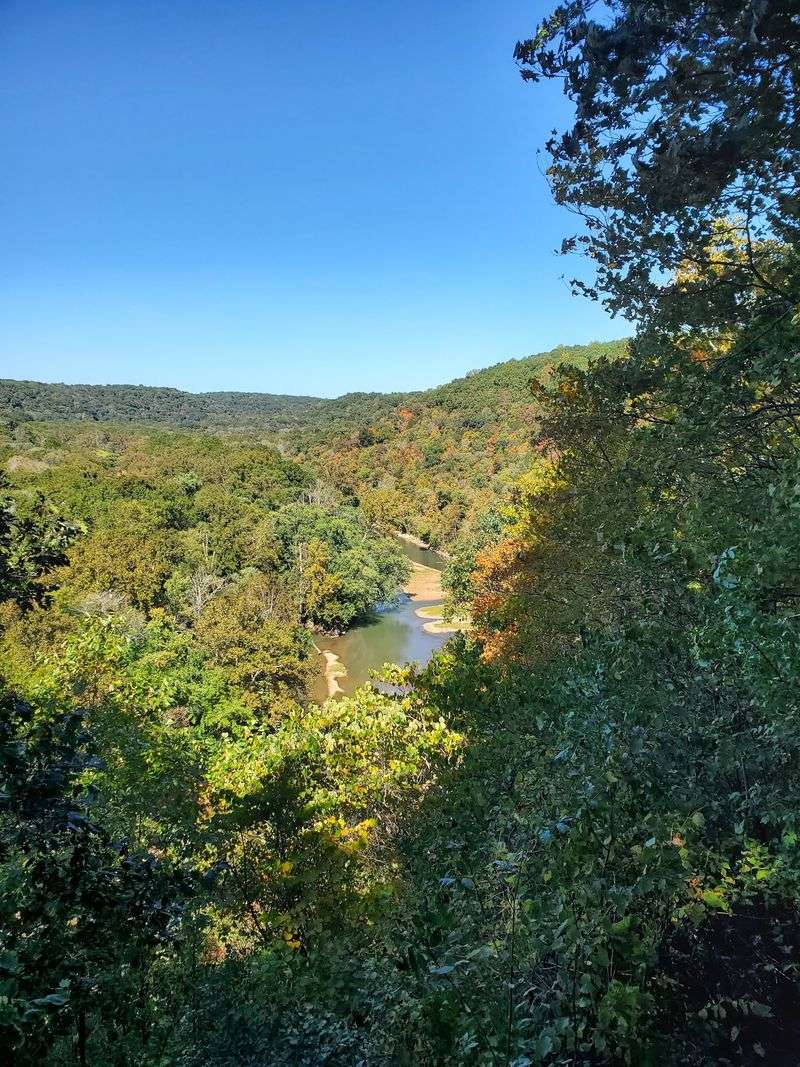
Plenty of visitors forget there is a whole park sitting on top of the cave. Above ground, you get about 53,000 acres of forests and rivers.
The scenery is green, leafy, and full of winding water. It is a great place to stretch your legs after a cave tour.
Hikers have more than 80 miles of trails to explore. Some are easy strolls, while others give your legs a real workout.
Prefer wheels? Bicycling is allowed on designated trails, so you can cruise through the woods at your own speed.
Horseback riding is another favorite here. There is something special about seeing the forest from a saddle.
Then come the rivers. You can canoe or kayak on the Green River and the Nolin River.
Paddling is peaceful and a little bit magical. Bluffs, trees, and birds slide past as you glide along.
Pack water, snacks, and sunscreen before heading out. A simple trail map also saves you from guessing at every fork.
One more thing belongs on your list. All that tall grass and shady brush is exactly where ticks love to wait.
So enjoy every mile, but dress smart. Later sections will show you how.
Neighbors With Fur, Feathers, And Zero Eyes
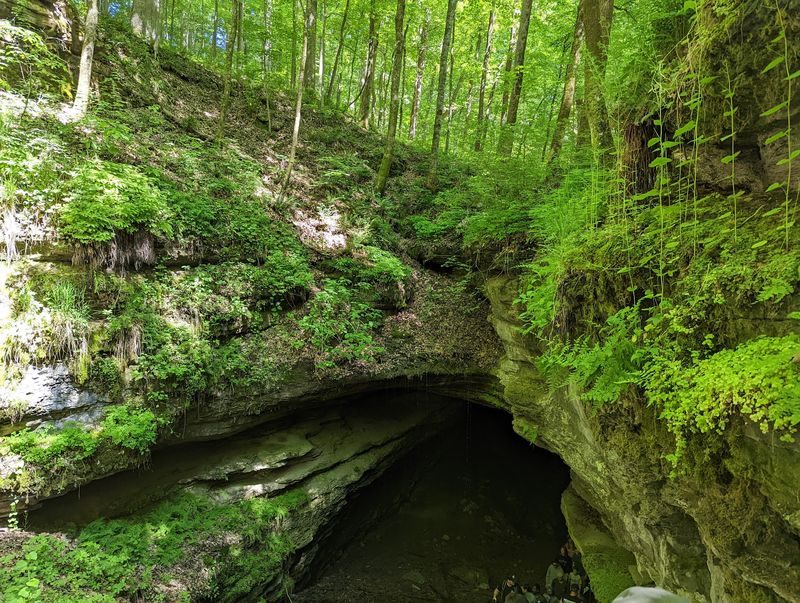
Keep your camera handy, because the locals here are not shy. White-tailed deer often wander through the forests and fields.
Wild turkeys strut around like they own the place. Eastern gray squirrels dart up trees, chattering about your snacks.
Songbirds fill the woods with music on warm mornings. Snakes live here too, so watch where you step.
The Green River deserves its own round of applause. It is one of the most biologically diverse waterways around.
River otters play along its banks. Mussels and salamanders also make their homes near the park waters.
Now for the truly strange part. Nearly 160 animal species live inside the cave system itself.
Bats hang out in the darkness. Cave crickets creep along the walls with long, twitchy legs.
There are even eyeless fish swimming in the underground waters. When you live in total darkness, eyes are not very useful.
Give every creature plenty of space. Feeding wildlife is a bad idea, even if a squirrel gives you its best sad face.
Of course, some park residents are too small to notice. You may not spot them until they spot you first.
The Tiny Hitchhikers Nobody Invited
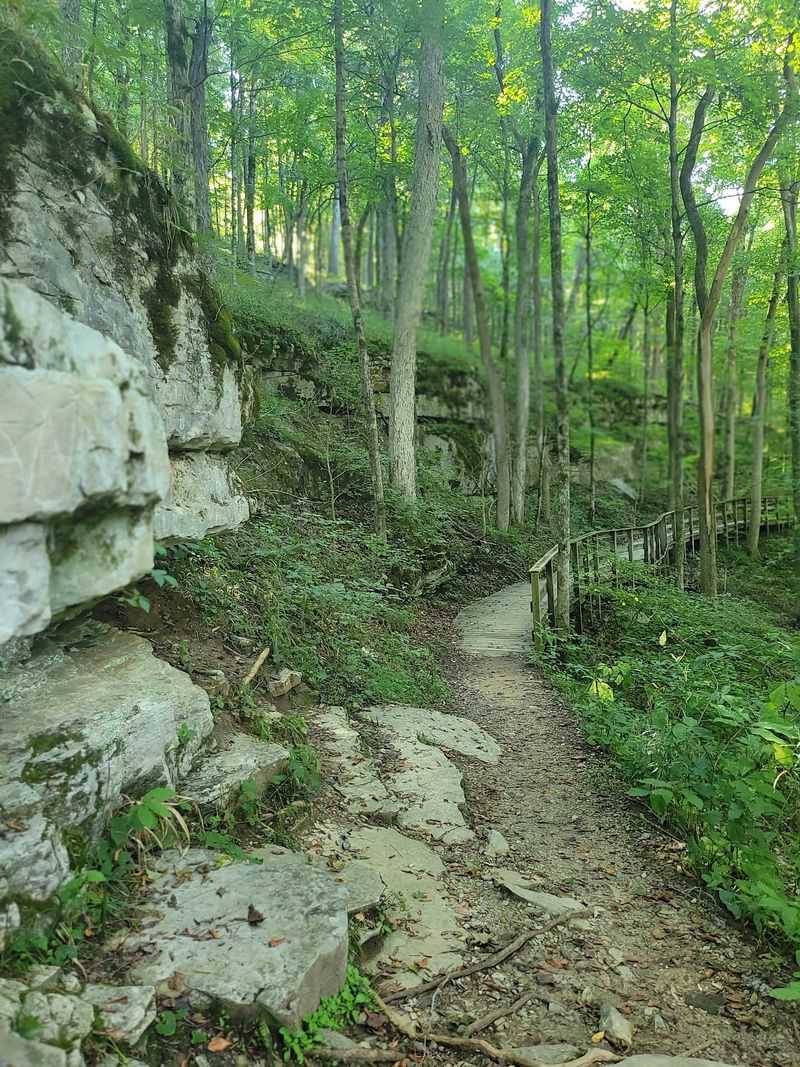
Not every trail buddy is a good one, and ticks prove it. These tiny creatures are common throughout Mammoth Cave National Park.
They hang out in tall grass, brush, and leafy spots. Then they wait for a warm body to walk by.
Ticks do not jump or fly. Instead, they grab onto you as you brush past plants.
Once aboard, they crawl around looking for a cozy spot. Behind knees, around waistbands, and near the hairline are favorite targets.
Summer is peak tick season in the park. Warm weather brings out hikers, and ticks happily join the crowd.
Why should you care about something so small? Ticks can spread several illnesses to people.
That sounds scary, but do not cancel your trip. A little planning keeps you in charge.
Staying in the middle of trails helps a lot. Avoiding tall grass along the edges cuts down your chances of a meeting.
Resting on logs or leaf piles invites trouble too. Choose a bench or a clear rock instead.
Think of ticks as the park’s pickiest pests. Once you know their habits, dodging them gets much easier.
Meet The Biggest Troublemakers
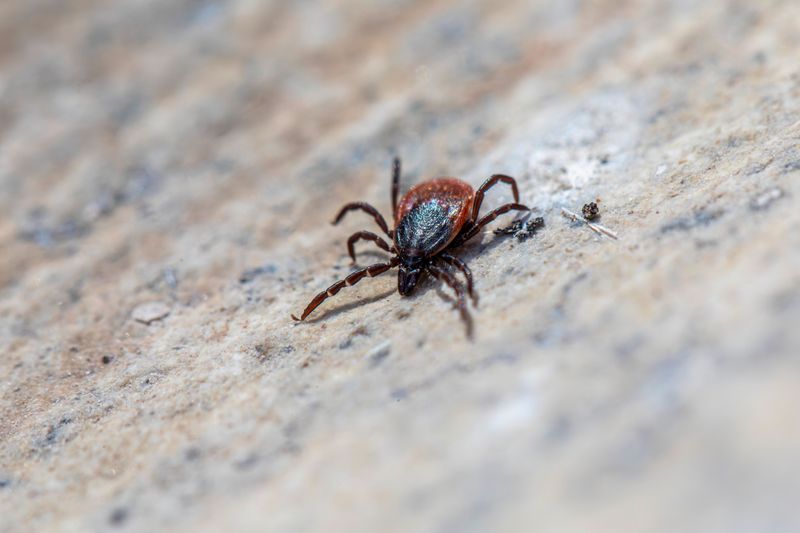
Every park has its famous residents, and some you would rather skip meeting. Some tick species stand out here in Mammoth Cave country.
First up is the black-legged tick, also called the deer tick. It is common across the eastern United States.
This tick is known for spreading Lyme disease. That makes it worth taking seriously.
Its young stage, called a nymph, causes the most worry in spring and summer. Nymphs are very small, about the size of a poppy seed.
Because they are so tiny, they are easy to miss. You might not feel one crawling at all.
Next comes the Lone Star tick. It gets its name from a white spot on the female’s back.
Lone Star ticks are known as aggressive biters. They do not wait around politely.
Their bites can lead to alpha-gal syndrome. This condition can cause reactions to red meat.
Knowing these two helps you stay alert. If a tick does bite you, save it in a sealed bag.
Then watch for rashes, fever, or aches over the next few weeks. Tell a doctor if anything feels off.
The American dog tick is another common Kentucky species, and its bite can transmit illnesses including Rocky Mountain spotted fever.
Your Game Plan For A Bite Free Visit
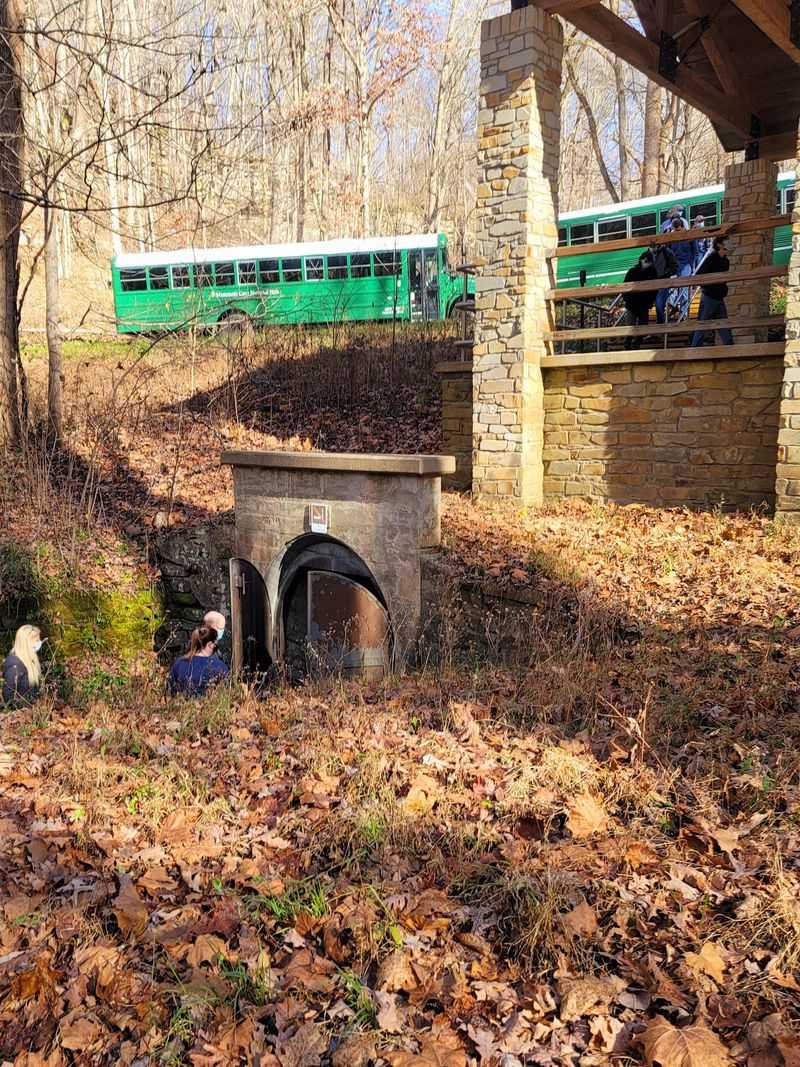
Fashion rules change a little when ticks are part of the crowd. Light-colored clothing is your new best friend on the trail.
Dark ticks stand out clearly against pale fabric. That makes them much easier to spot and flick away.
Long sleeves and long pants are a smart choice, even in summer. Less bare skin means fewer places for ticks to land.
Now for the look that wins no style awards. Tuck your pant legs into your socks and your shirt into your pants.
Yes, it looks a bit goofy. But ticks crawl upward, and this trick blocks their easiest routes.
Consider using an insect repellent made for ticks. Always follow the label directions carefully.
Tick checks are the real secret weapon. Check yourself often during your hike, not just at the end.
Look closely at your scalp, ears, underarms, waist, and behind your knees. A mirror helps with hard-to-see spots.
Kids and pets need checks too after outdoor fun. Pets can carry ticks right into your car.
With these habits, you can enjoy the caves, rivers, and trails worry free. The only thing you should bring home is great memories.