A Single Blinking Light Runs The Main Street Of This Idaho Mountain Town
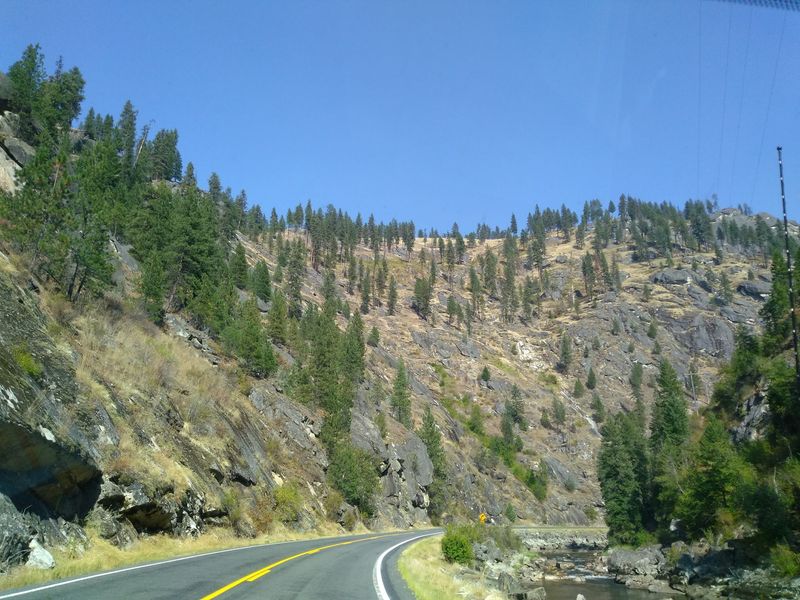
Highway 14 in Idaho does not end with a bang. It fades into a quiet mountain valley where a handful of buildings share space with meadows, forest, and not much else.
Only 170 people call this spot home, which makes it one of the more remote communities you can still reach on pavement in the state. Getting there means a long, curvy drive beside a rushing river, and the slow pace waiting at the end is exactly the point.
Where Highway 14 Runs Out
Pavement has a way of thinning out in north-central Idaho, yet Highway 14 keeps pushing east long after most drivers expect it to quit. Stay with it past the edge of the Camas Prairie and up into the timber, and the road finally settles into a small mountain valley holding Elk City.
On paper, the place is a census-designated place in Idaho County, the largest county in Idaho by land area. In person, it feels more like a clearing someone decided to keep.
Homes, a few buildings, and wide meadows sit ringed by forested ridges rolling off in every direction.
Elk City is not a pass-through town. Nobody arrives by accident on the way somewhere else, because the highway effectively ends in this area and the routes beyond turn to gravel and backcountry dirt.
That end-of-the-road setting shapes almost everything about the community, from its pace to its supply runs.
For Idahoans who like crossing off remote corners of their own state, this is one of the big ones. It rewards patience first and curiosity second.
Pack snacks, top off the tank, and plan to stay a while.
A Census Count Of 170
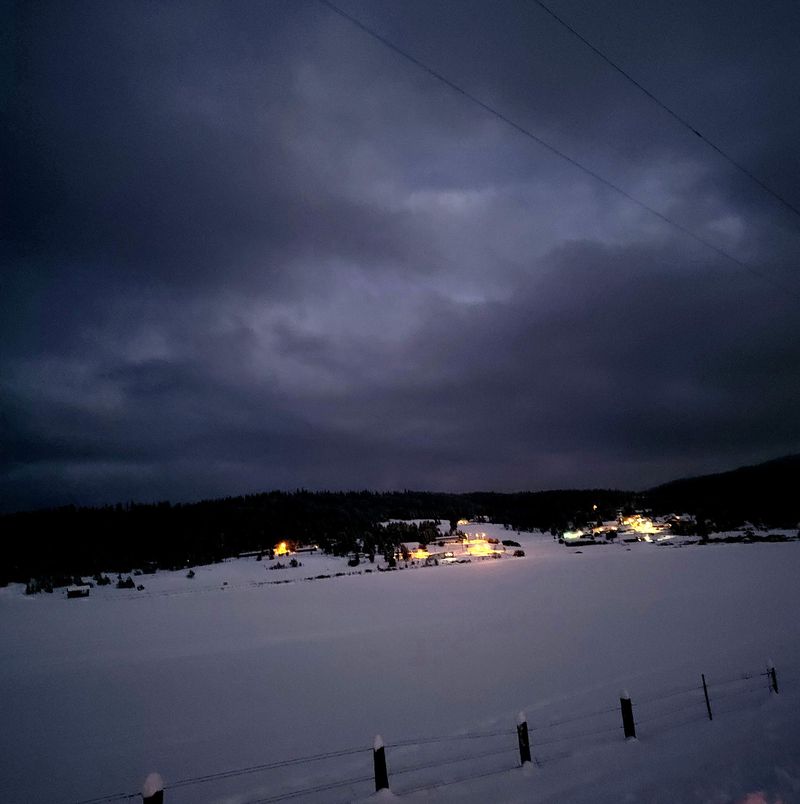
One hundred seventy. That was the headcount when the 2020 United States Census came through, and it tells you nearly everything about the scale of daily life here.
Fewer people live in Elk City than fill the stands at many Friday night high school games in the Treasure Valley.
Small numbers change the way a town works. Neighbors tend to know each other by vehicle as much as by face, and an unfamiliar truck on the main road earns a second glance.
Expect a friendly wave or two from passing drivers, since that habit comes standard on rural Idaho roads.
Mail for the community goes to the Idaho 83525 ZIP code, and that is about as formal as the address gets. Mapping apps drop a pin at roughly 45.83 degrees north and 115.44 degrees west, deep in the mountains of Idaho County.
A population this size also means services are limited and spread thin. Think of the town as a friendly outpost rather than a full-service stop.
Bring what you need, respect private property, and remember that the quiet is something residents chose on purpose.
Gold Fever In 1861
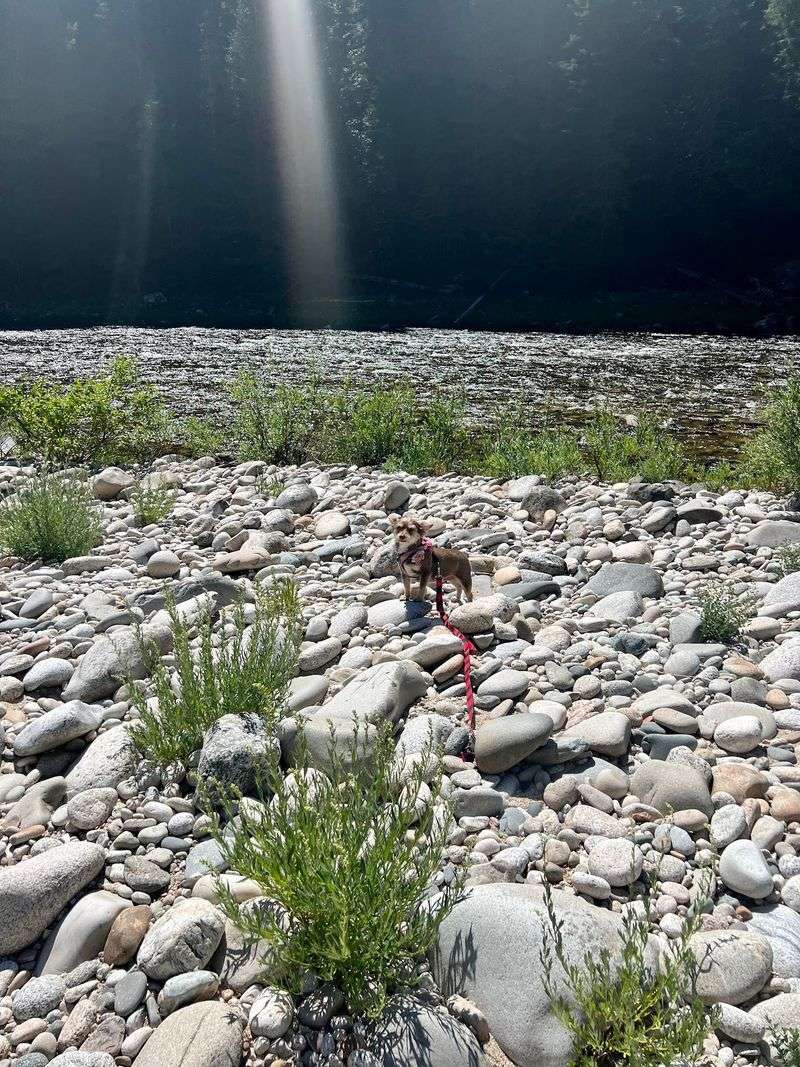
Gold started the whole story. Prospectors found color in the creeks here in 1861, during the same rush that sent miners fanning across the Clearwater country and gave rise to camps like Pierce and Florence.
Word traveled fast in those years, and so did people. Elk City grew quickly as miners worked the gravels of nearby streams, hauling supplies over rough trails from the Lewiston side.
Fun fact: Idaho Territory did not even exist yet when the first claims went in, since it was created in 1863.
Like most boomtowns, the camp swelled and shrank with the fortunes of the diggings. Placer mining gave way to other methods over the decades, including dredging that reshaped some surrounding creek bottoms.
Anyone who knows what old tailings look like can still read those efforts in the landscape.
Today the rush is long over, but the mining past lingers in place names, old cabins, and the stubborn fact that a town survived this far out at all. Plenty of Idaho gold camps faded into ghost towns.
Elk City kept its people and its spirit, and that persistence is worth appreciating when you roll in.
The Old Wagon Road Legacy
Long before asphalt, getting to Elk City meant a bone-rattling trip by wagon, horseback, or boot. The Elk City Wagon Road, completed in the 1890s, linked the mining camp to Harpster and the settlements near Grangeville across roughly 50 miles of grades, ridges, and creek crossings.
Freighters hauled flour, tools, and mail over the route, and a single journey could take days depending on weather and mud. Stage stops and roadhouses sprang up along the way to rest teams and travelers.
Much of that historic route still exists as a backcountry byway. Summer adventurers explore sections of it in high-clearance vehicles, on ATVs, or on mountain bikes, and signs mark some of the old stop sites.
Following even a short stretch offers a real feel for what early residents endured. Trees crowd close, the grades bite, and you quickly understand why supplies were precious.
Anyone who grumbles about the paved highway should try the wagon road first, because it makes Highway 14 feel like a luxury boulevard by comparison. Check current road conditions before heading out, since backcountry routes change with every season.
Fifty-Odd Miles Of River Bends
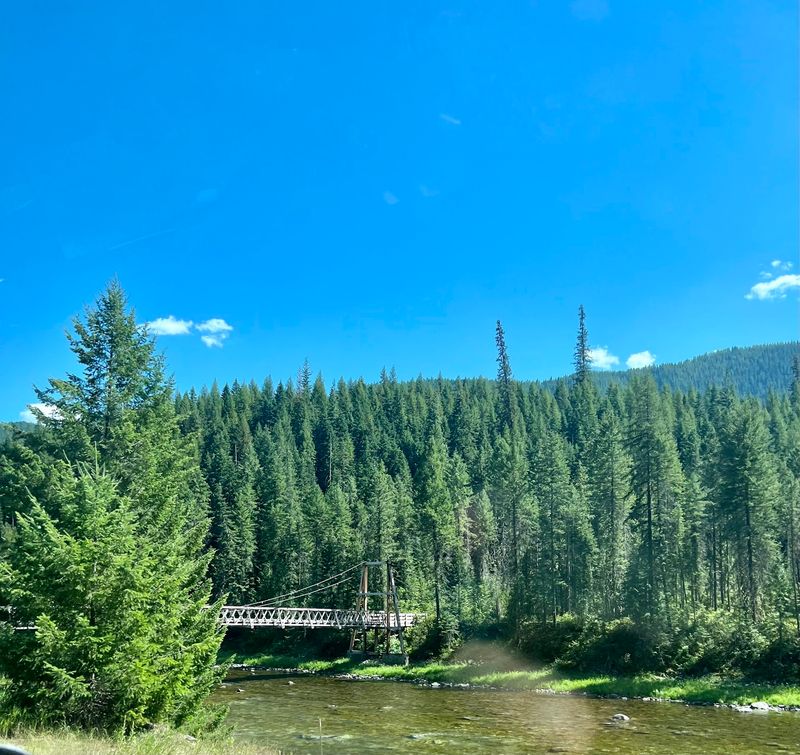
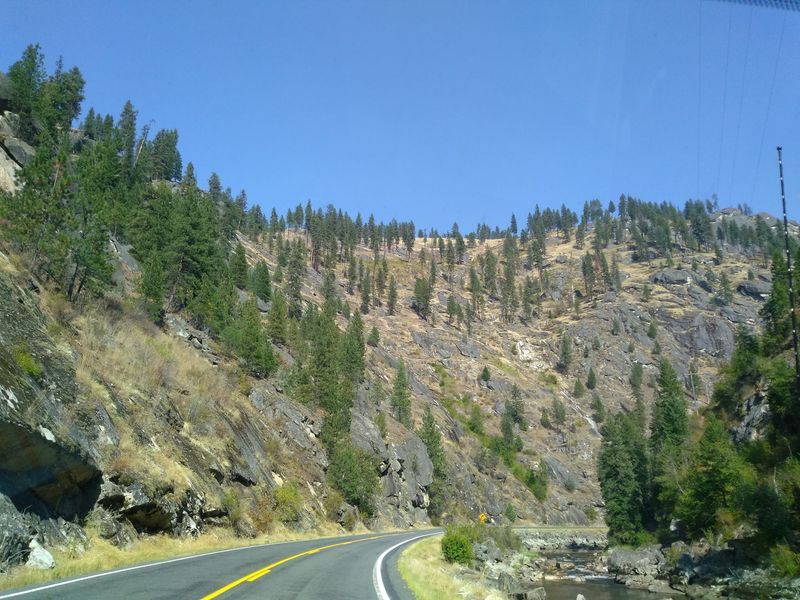
Buckle in, because the drive is half the adventure. Highway 14 splits off from Highway 13 near the tiny community of Harpster, then spends most of its roughly 50 miles tracing the South Fork of the Clearwater River upstream into the mountains.
Expect curves, lots of them. The two-lane road hugs the canyon wall on one side and the river on the other, with rock faces, rapids, and deep green pools taking turns in the windshield.
Pullouts appear now and then, and they make fine spots to stretch your legs and watch the current slide by.
Anglers often eye the South Fork for trout and, in season, steelhead. Check Idaho Fish and Game rules before casting a line.
Plan on the drive taking longer than the mileage suggests. Slow speeds, log trucks, wildlife on the shoulder, and your own urge to stop for photos all add time.
Cell service can drop out for long stretches, so download maps ahead of time. Most importantly, keep eyes on the pavement and let the passenger handle sightseeing duties.
The canyon deserves attention, but so do those tight bends.
Main Street At A Slow Blink
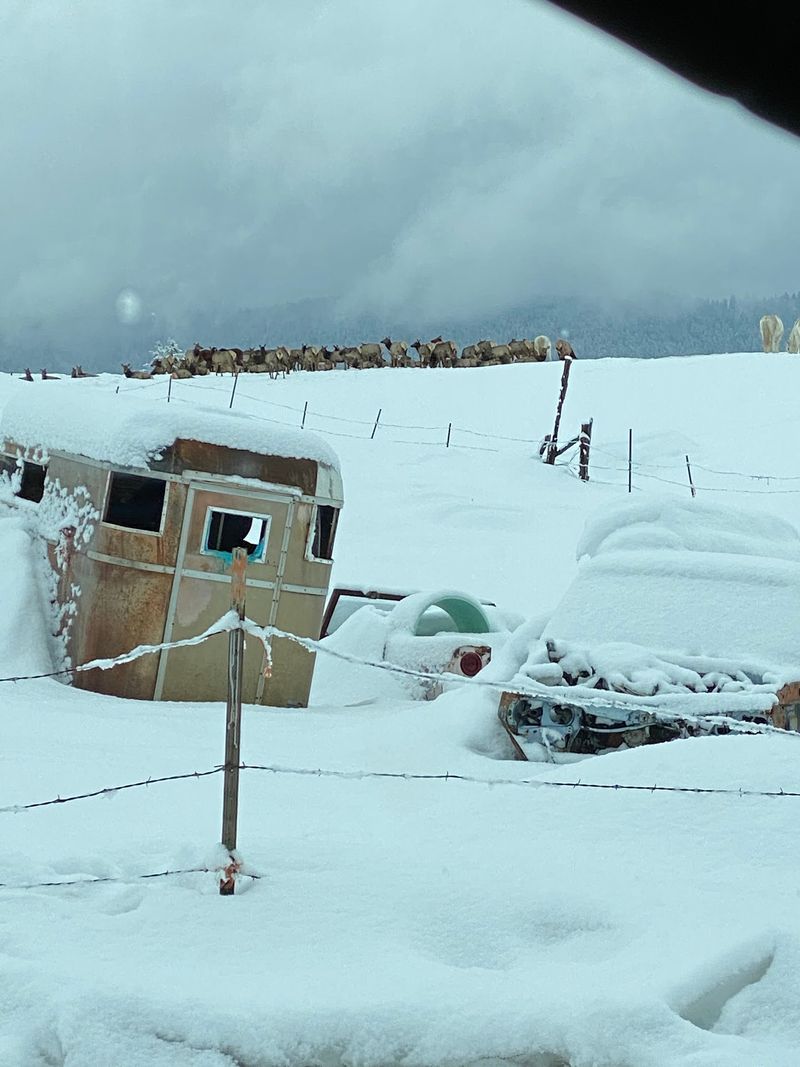
Forget rush hour. Life on the main road through Elk City moves at the tempo of a single slow blink, a pace set more by the weather and the seasons than by any clock.
With just 170 residents, there is simply no crowd to hurry along.
Most of the traffic you meet is local pickups, the occasional logging rig, and summer visitors towing trailers toward the backcountry. Parking is rarely a puzzle.
Contrast is part of the fun. Idahoans used to the growing Boise commute or busy Coeur d’Alene streets in July may feel their shoulders drop a couple of inches on arrival.
There is no grid of signals to navigate and no packed shopping center, only open sky, a few buildings, and a community that clearly values elbow room.
Small-town manners apply. Drive slowly through the populated stretch, give plenty of space to kids and dogs, and expect conversations to run long if you stop somewhere that happens to be open.
Those unhurried moments are exactly the reason to come. Slowing down here is not an inconvenience; it is the whole point of the trip.
National Forest In Every Direction
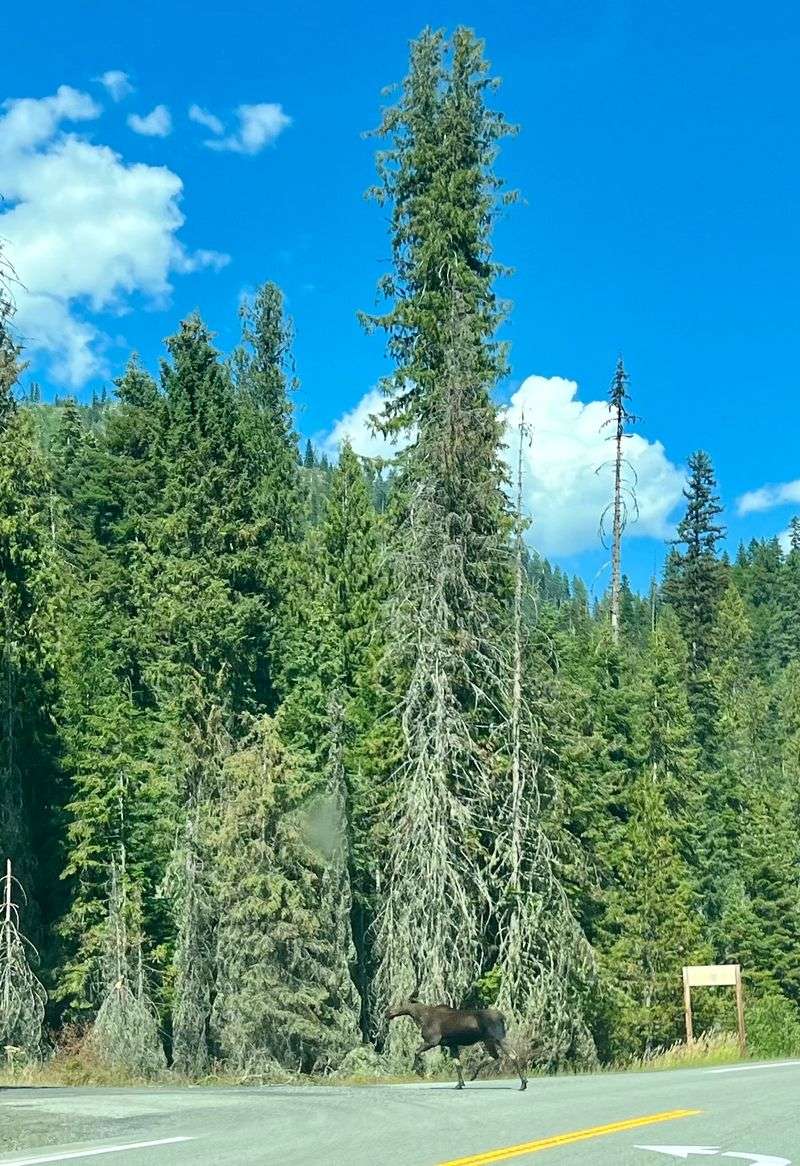
Look any direction from town and you will see trees. Elk City sits inside a vast sweep of the Nez Perce-Clearwater National Forests, a public land spread covering millions of acres across north-central Idaho.
That setting turns the town into a natural base camp. Forest roads branch out toward campgrounds, trailheads, and lookouts, and many see only a handful of vehicles on a busy day.
Camping ranges from developed sites to dispersed spots, depending on the rules for each area.
A Forest Service ranger district serves this corner of the forest, and checking in is a smart first step for maps, fire restrictions, and road updates. Staff can explain which routes are open and which have been washed out or closed for work.
Hikers, berry pickers, hunters, and photographers all find their own reasons to linger. In late summer, keep an eye out for wild huckleberries on sunny slopes, though longtime residents tend to keep their favorite patches to themselves.
Pack out trash, respect fire bans, and leave the woods as peaceful as you found them for the next visitor.
Gateway To The Magruder Corridor
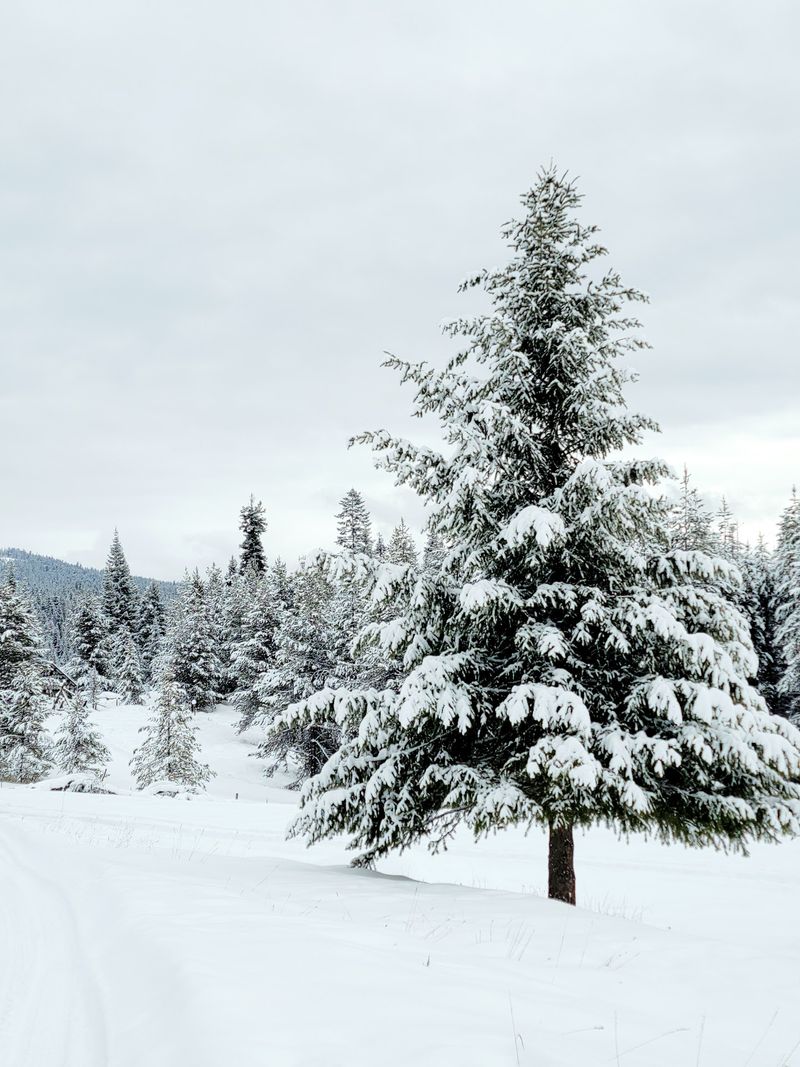
Serious backcountry travelers know Elk City as the jumping-off point for the Magruder Road Corridor. The primitive route runs roughly 100 miles east toward Montana, threading between two giant wilderness areas: the Selway-Bitterroot and the Frank Church-River of No Return.
The corridor is no Sunday drive. It is mostly a single-lane dirt road with steep grades, few services, and no fuel along the way, and high-clearance vehicles are the sensible choice.
Many people take two or more days to cross it, camping at primitive sites along the ridgelines.
Payoffs come as long views across rugged, roadless country that looks much as it did when pack trains crossed it in the 1860s. The road carries the name of a mining-era trader who used the route to haul goods between gold camps.
Timing matters. Snow typically keeps the high country closed until early summer, and the season can end with the first autumn storms.
Check with the local ranger district for current conditions, carry spare tires, and tell someone your plans. Elk City is often the last place to gather supplies before the corridor swallows you up.
Meadows Made For Elk
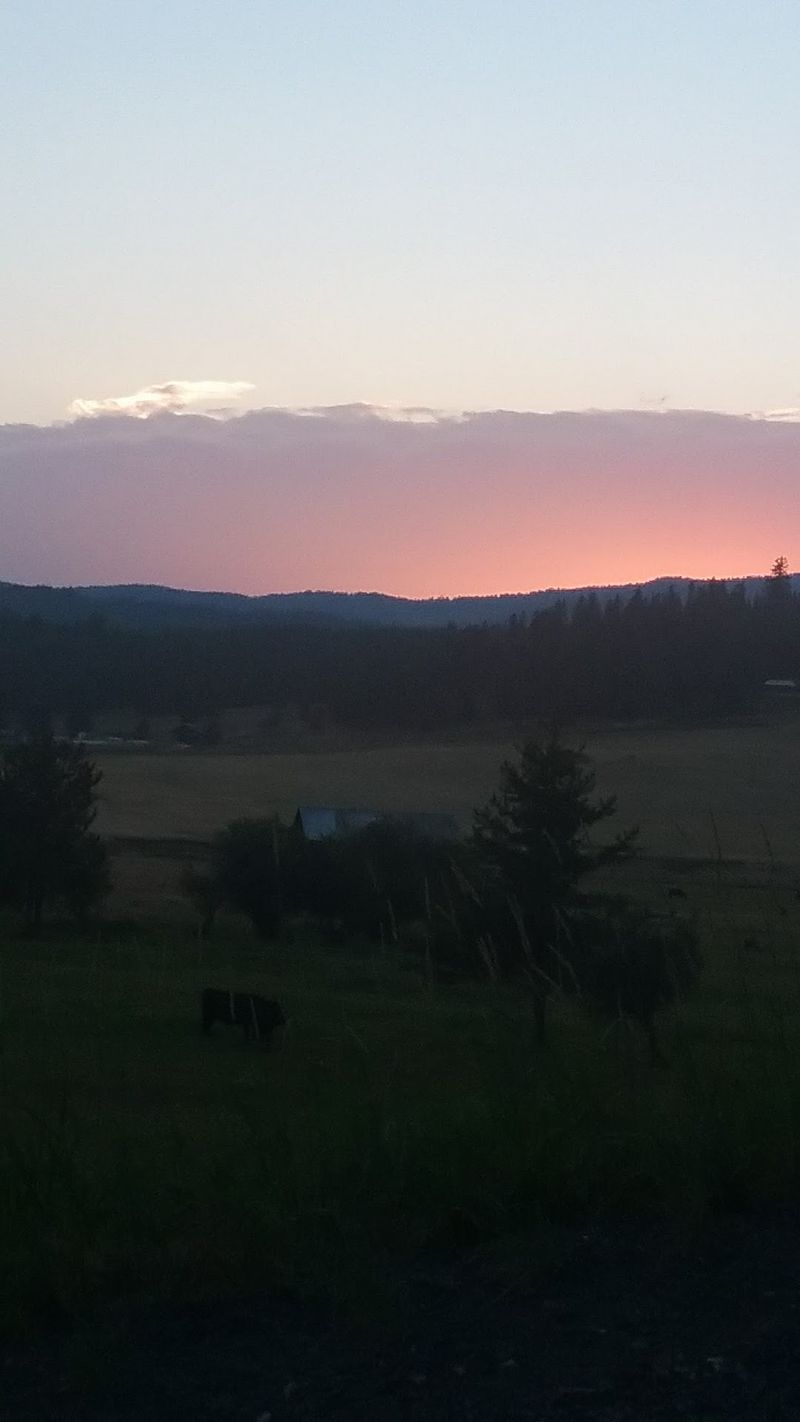
Names usually come from somewhere, and in this corner of Idaho the elk earned their billing. The surrounding forests and grassy meadows provide the kind of habitat these big animals favor, especially in the cooler hours around dawn and dusk.
Early risers have the best odds. A slow drive along the edges of open country, with a thermos of coffee and a pair of binoculars, can turn up elk, mule deer, or white-tailed deer grazing near the tree line.
Moose sometimes wander through wetter areas, and birders can scan the river for ospreys and hawks.
Distance is your friend. Wild animals are unpredictable, and a cow elk with a calf or a moose in any mood deserves plenty of room.
A telephoto lens or spotting scope beats creeping closer every time.
Fall brings an extra treat for anyone within earshot of the timber: the high, whistling bugle of bull elk during the rut. Hunting season also draws many people to the region in autumn, so wear bright colors when hiking and look up season dates from Idaho Fish and Game ahead of time.
Staying visible keeps everyone’s outing a good one.
A Calendar Written In Snow
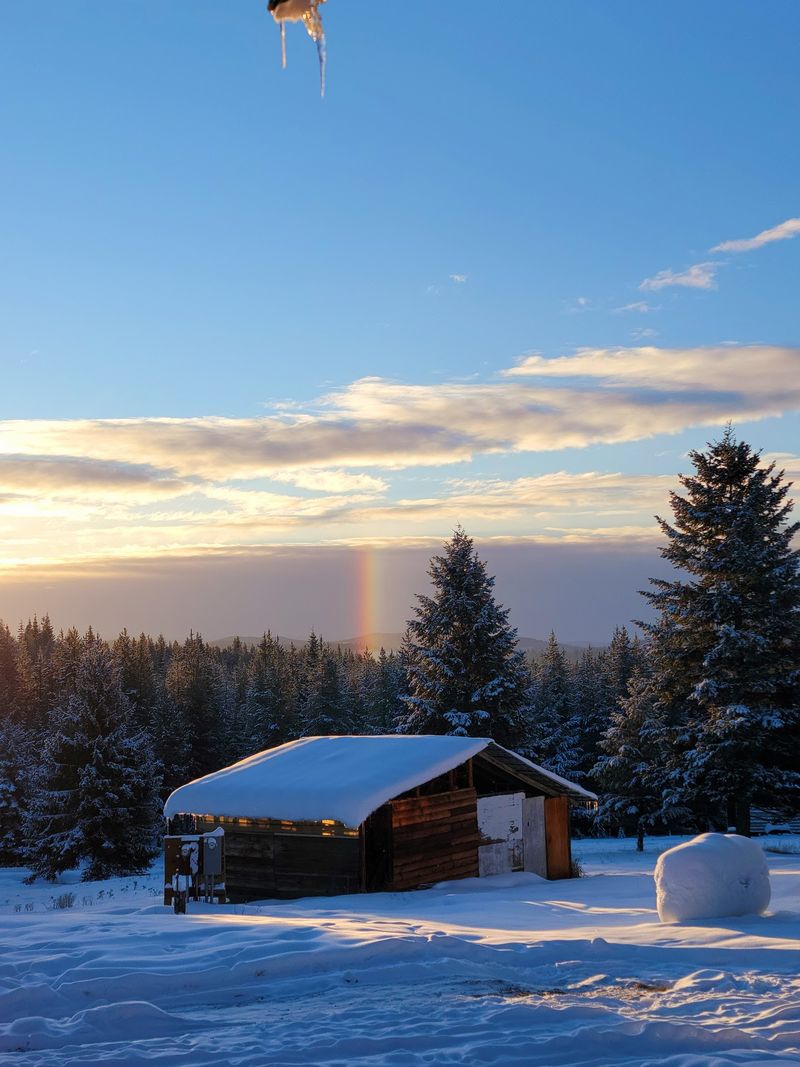
Winter decides a lot in Elk City. Sitting around 4,000 feet in the mountains, the town can see deep snow and long cold stretches, and the backcountry roads around it close for months at a time.
Late spring opens things up gradually. Snowmelt swells the South Fork of the Clearwater, meadows green up, and lower forest roads begin to dry out.
Higher routes, including the Magruder Corridor, often stay buried well into early summer.
Summer is prime time for most visitors. Long daylight hours, warm afternoons, and cool nights make July and August ideal for camping, fishing, and exploring the old wagon road.
Wildfire smoke can drift in during some years, so keep an eye on air quality reports.
Autumn paints golden larch across the hillsides and brings crisp mornings plus hunting season. Traffic picks up with camps and trailers, then thins sharply once the snow returns.
Winter visitors do come for snowmobiling and quiet cabin time, but they should arrive with chains, emergency gear, and a flexible schedule. Even on the main highway, conditions along those canyon curves can change within an hour.
Checking the Idaho 511 road report before leaving is always wise.
Who Feels At Home Here
Honestly, Elk City is not for everyone, and that is part of its appeal. Travelers who need boutique shopping, big menus, and nightlife will find the town a very long drive for very little of that.
Outdoor lovers are a different story. Campers, anglers, ATV riders, hunters, and backpackers heading for wilderness trailheads will feel right at home, since the town sits where pavement meets endless public land.
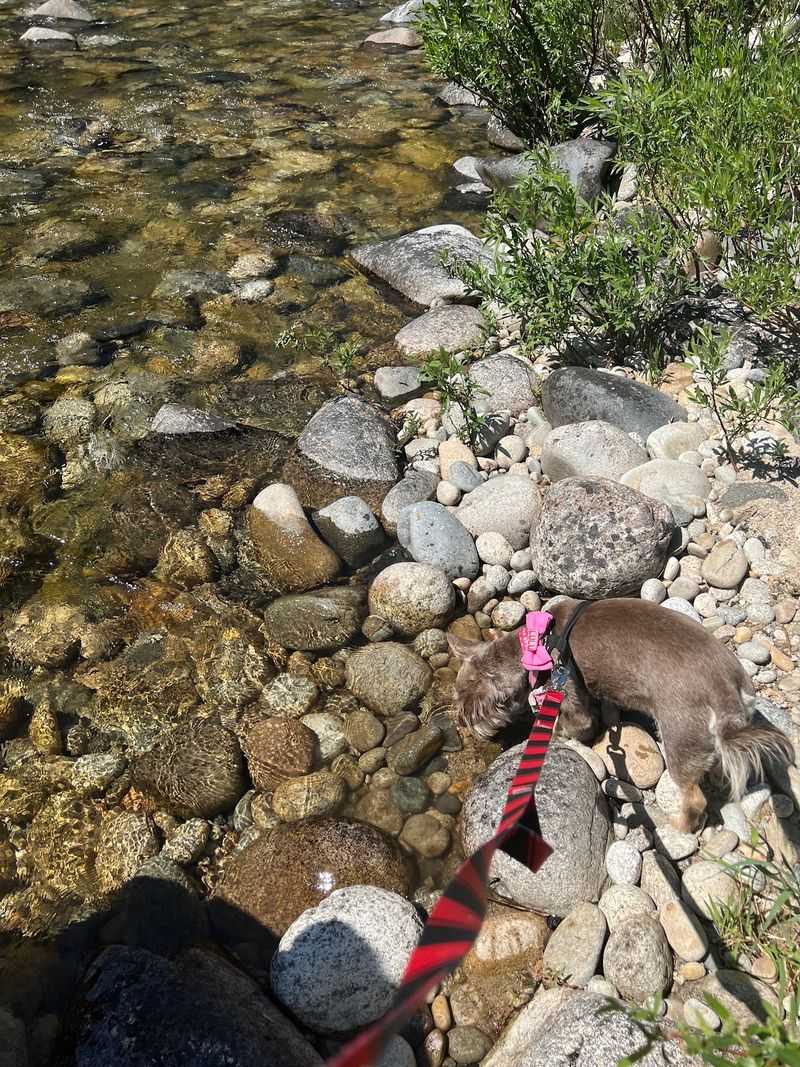
Families with kids who love creeks, bugs, and rocks tend to have a ball, too.
History buffs get a bonus. Wandering old mining country and tracing the wagon road offer a hands-on lesson in how Idaho gold rush settlements actually functioned.
Retirees and near-retirees looking for a slow, low-cost day or weekend can find what they want here as well: fresh air, a scenic drive, and zero pressure to rush. Photographers chasing river light or star-filled skies far from city glow will leave happy.
Perhaps the best fit of all is the curious Idahoan who has heard about Elk City for years but never made the trip. Showing up finally earns you bragging rights at the next family gathering.
Notes Before The Drive
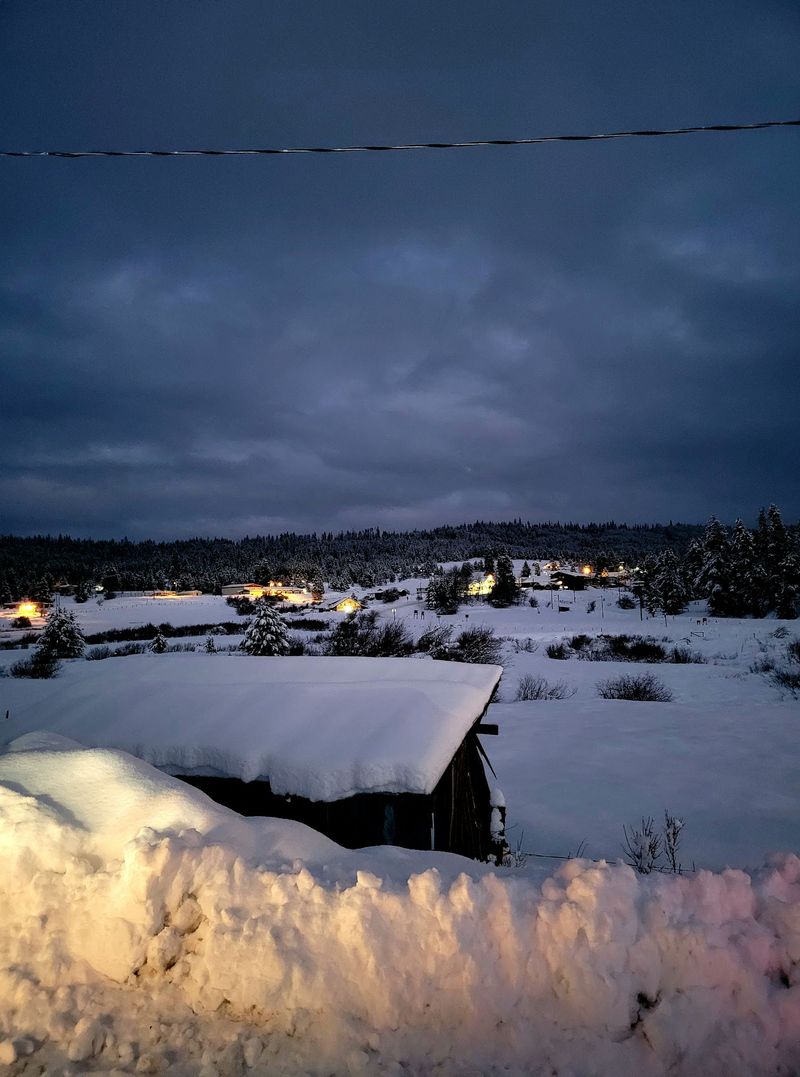
Preparation beats improvisation out here. Elk City sits at the end of a long mountain highway, and Grangeville, the nearest larger shopping hub, is well over an hour away on winding roads.
Start with fuel. Fill up before leaving the Grangeville or Kooskia area, and treat any gas available in town as a bonus rather than a guarantee.
The same goes for groceries, water, and medications, since services are limited and schedules can shift by season.
For directions, the general address is simply Elk City, Idaho 83525. Take Highway 13 to the Highway 14 junction near Harpster, then follow Highway 14 east along the river until the road reaches town.
Connectivity is spotty. Download offline maps, print directions as a backup, and do not count on steady cell service in the canyon or the backcountry.
Lodging and camping options in the region tend to be few, so reserve ahead during summer and hunting season. Check current information for any business you hope to visit before driving, because small-town schedules change often.
A spare tire, first aid kit, and warm layers belong in the vehicle year-round, even in July.
Worth The Long Way In
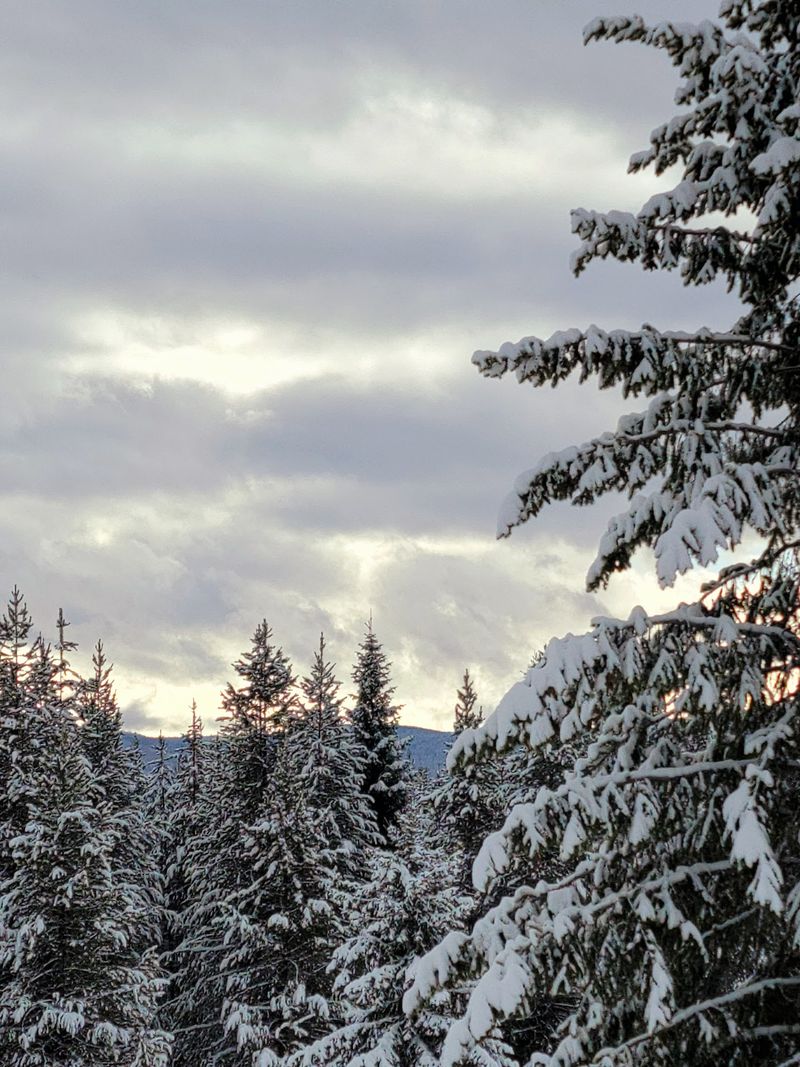
Distance filters out the casual crowd, and what remains in Elk City feels refreshingly honest. A town of 170 people at the end of a river canyon does not try to impress anyone.
It simply goes about its business in the middle of the forest, the way it has since the gold rush days.
For visitors, the reward is quieter than a theme park thrill but longer lasting. You get a winding drive along the South Fork of the Clearwater, a peek into Idaho mining roots, access to some of the wildest country left in the lower 48 states, and the rare feeling of arriving somewhere few people ever bother to reach.
Go in with realistic expectations. Services are minimal, the weather calls the shots, and patience is required on every mile of Highway 14.
Bring those qualities along, though, and Elk City returns the favor with fresh air, open meadows, and a pace that resets your internal clock. Many Idahoans spend a lifetime meaning to visit.
Summer is a fine season to finally turn that intention into a memory, one slow mile at a time.