There Is A Restaurant Inside A Historic Connecticut Mill And The Interior Is Truly Unreal
Dinner can feel different when the building around your table has been standing through centuries of history.
Old structural details immediately separate this restaurant from the usual dining room. Instead of hiding the building’s past behind a modern makeover, the setting allows its earlier life to remain part of the experience.
Historic Connecticut architecture rarely becomes part of dinner quite as dramatically as it does inside this beautifully transformed mill.
The effect is especially striking once you settle in.
Your attention keeps drifting away from the table toward the surroundings, noticing details that would never exist in a purpose-built modern restaurant. History feels present without turning the meal into a museum visit. That balance is difficult to fake.
Plenty of restaurants spend heavily trying to create atmosphere. A centuries-old mill already comes with more character than most designers could manufacture, giving dinner a backdrop that may compete surprisingly well with whatever arrives on the plate.
1. A Historic Mill Creates A Dramatic First Impression
Some restaurants decorate for atmosphere. This one already has centuries of it. Before dinner even reaches the table, the building gives you plenty to look at.
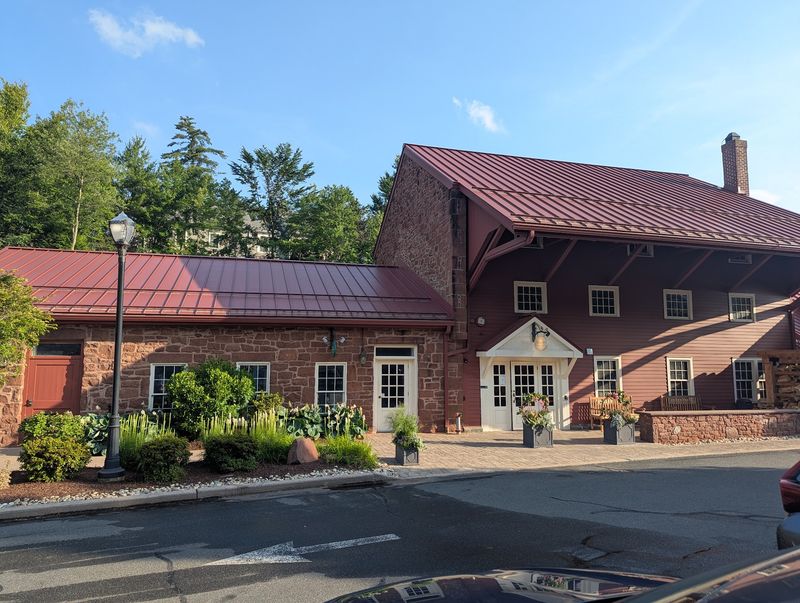
Millwright’s Restaurant occupies a historic Connecticut mill property whose roots date to the 17th century, when the site was used for milling operations.
Today, the old building has been transformed into a distinctive dining space overlooking the water, while much of its original character remains part of the experience.
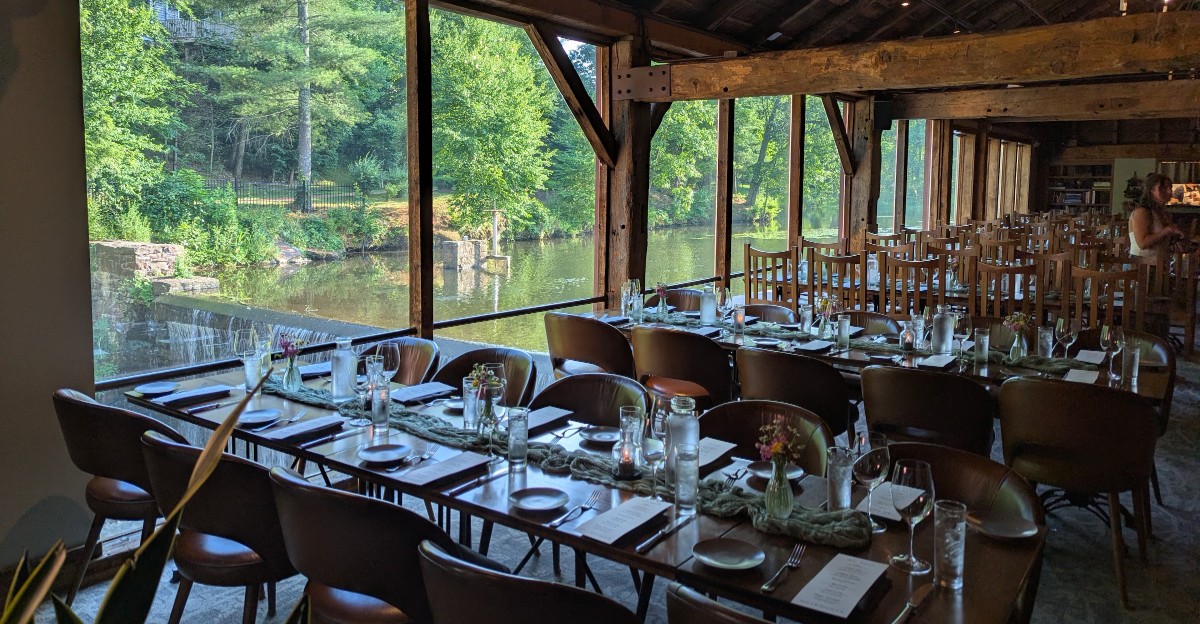
Inside, hand-hewn beams, wood ceilings, and post-and-beam construction immediately separate the rooms from a typical modern restaurant. Large windows in the main dining area bring the scenery into view, including the millpond and waterfall just outside.
The combination of historic woodwork and contemporary touches gives the interior an impressive sense of scale without making dinner feel overly formal.
It is worth looking around before settling completely into the meal. Small architectural details make it easier to appreciate just how unusual the setting really is.
The restaurant itself opened in the former mill building in 2012, beginning a very different chapter for the centuries-old property.
Dinner may be the reason you come, but this remarkable old mill makes sure the surroundings get plenty of attention too.
2. The Riverfront Setting Adds To The Atmosphere
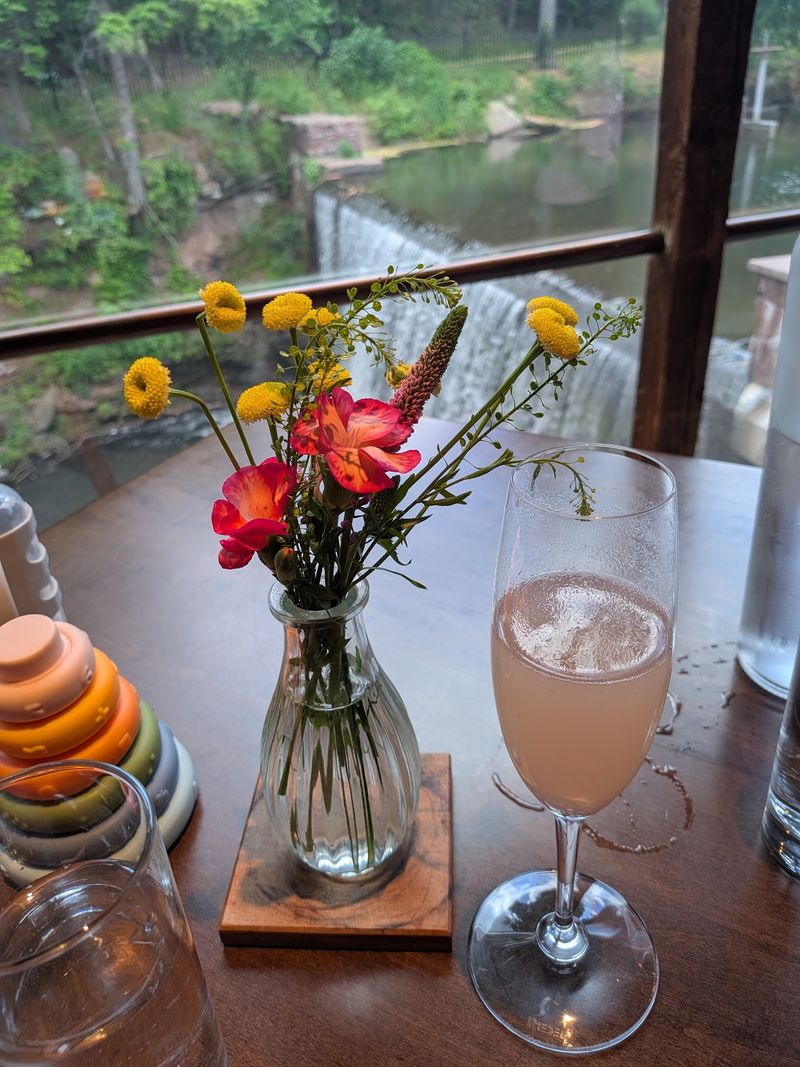
Water is not just a pretty detail at Millwright’s. It helps explain why this particular mill became such an appealing place to dine.
The building stands beside a pond and waterfall, so the scenery remains close even while guests are indoors. Large windows bring the outdoors into view, giving the historic rooms an open feeling that changes with the light.
A visit can look quite different from one season to the next. Trees and daylight change around the water, while the enclosed bridge dining area offers another way to take in the setting during cooler weather.
That area was created from a former outdoor bridge space, with views of water on both sides. It is an especially interesting example of how the restaurant has adapted an older building for present-day comfort.
If the scenery is a main reason for your visit, consider the time of your reservation. An earlier dinner may leave more daylight for seeing the pond and waterfall; a later one puts more focus on the glow inside the mill.
Either choice offers its own mood. You can ask about seating preferences when booking, though a particular table may not be available.
No matter where you sit, the relationship between the mill and the water gives the meal a clear sense of place.
3. Waterfall Views Steal Attention From The Tables
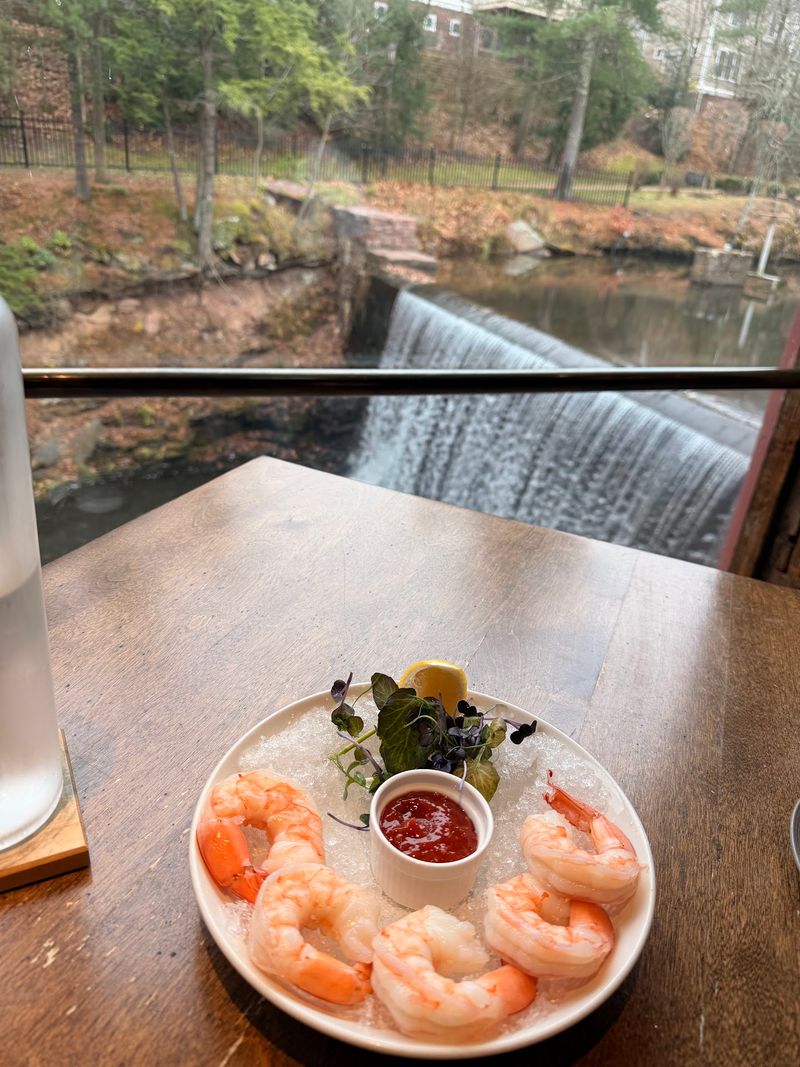
You might pause halfway through a conversation just to watch the water. The waterfall is one of Millwright’s most distinctive sights, and it gives the dining room a view that keeps moving throughout the meal.
Rather than serving as a picture on a wall, it is part of the landscape beside the building. The contrast is striking: solid old timbers inside, flowing water beyond the glass.
Window tables are understandably popular, but the waterfall is not confined to one corner of the restaurant. It can be seen from multiple vantage points, including the main dining room and the enclosed bridge area.
The bridge offers water views on both sides, a feature that makes its setting different from a standard window seat. What you can see from any given table will still depend on its position and the available daylight.
For the best chance of enjoying a particular view, mention it when you reserve. Treat the request as a preference, not a promise, since sought-after seats may already be booked.
If seeing the moving water matters more to you than evening lighting, choose a reservation with some daylight left. Then let the view share your attention with dinner.
It is a pleasure to look out between courses, especially when you have time to notice how the water changes.
4. Original Mill Details Shape The Dining Rooms
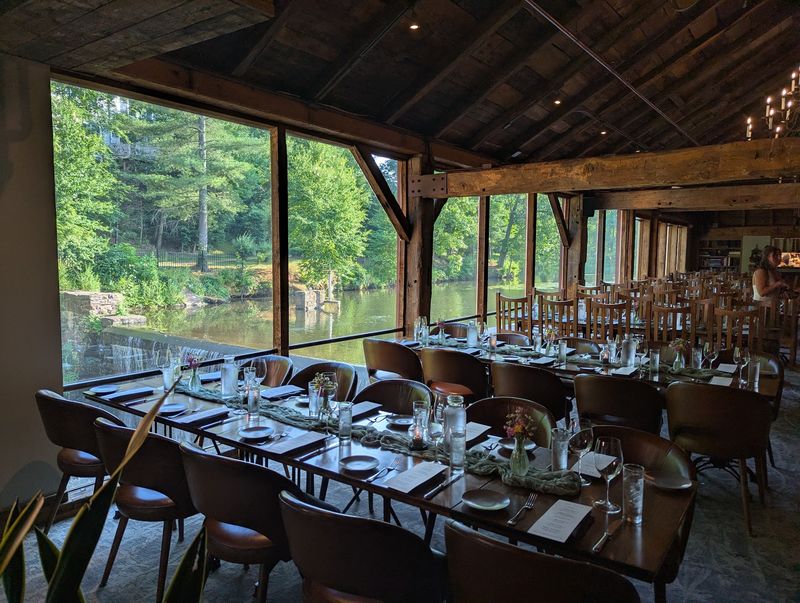
Look up before you settle into your seat. The exposed posts, beams, and wooden ceilings tell much of the story at Millwright’s without a sign or guided tour.
These are not decorations chosen to make a new room look old. They are part of the mill’s character, preserved within a restaurant designed for today’s diners.
The result is a space with texture and height that feels hard to copy.
Different areas offer different ways to experience that setting. The main dining room pairs the old structure with broad views outside.
The tavern has a more intimate feel and a large stone fireplace. An enclosed bridge adds yet another perspective on the water.
Private groups may also use a loft space with an open demonstration kitchen, depending on availability and the kind of gathering being planned.
Choosing between those spaces is less about finding the single best room and more about deciding what fits your evening. For a wide view, ask about the dining room or bridge.
If a smaller, cozier setting appeals to you, ask what tavern seating is available. The layout and seating can vary with reservations and events, so it helps to explain your preference when you book.
Wherever your table lands, the mill’s sturdy framework remains the defining feature of the interior.
5. New England Ingredients Drive The Seasonal Menu
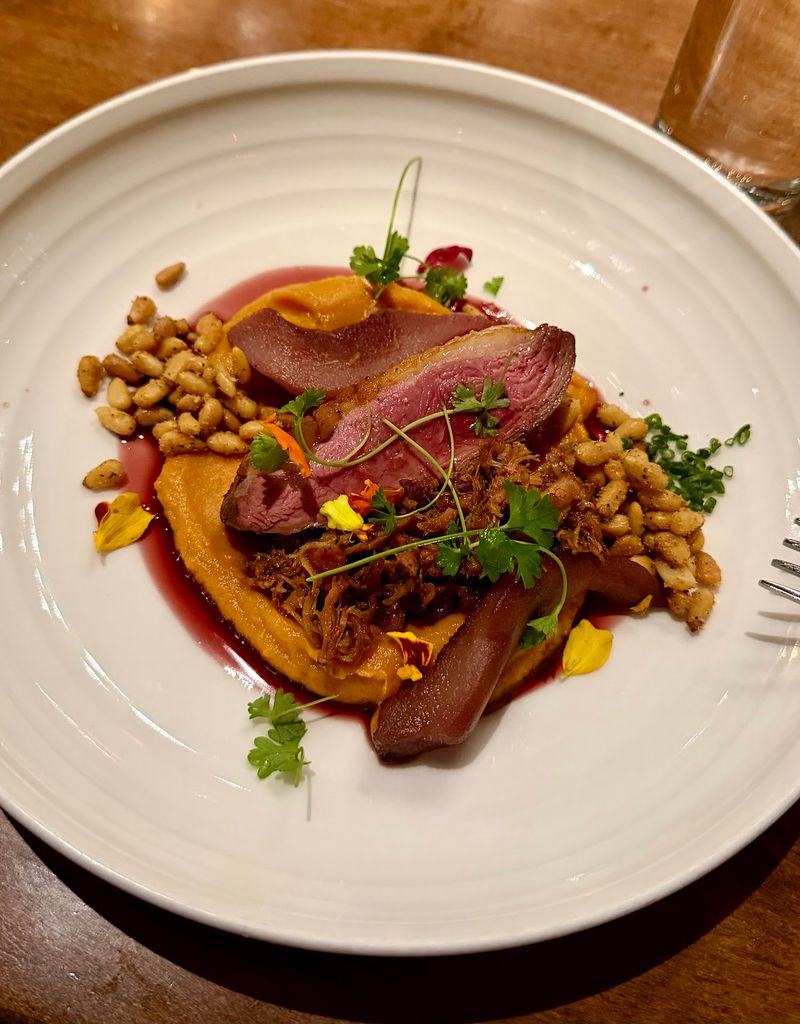
The building supplies the drama, but the food has its own reason for belonging here. Millwright’s describes its cooking as Inspired New England cuisine, with a focus on ingredients sourced from the region.
The kitchen works with local farms and other suppliers across New England and upstate New York. That approach connects dinner to the wider landscape without asking guests to study a long list of food terms.
Seasonal cooking means the plate can change as different ingredients become available. A vegetable at its best in one part of the year may give way to another later on.
The kitchen also prepares food from scratch and draws on familiar flavors while presenting them with care. It is a good fit for a restaurant where the old building is celebrated rather than hidden.
If you like knowing where your meal comes from, read the current menu before visiting and ask about ingredients that catch your eye. It is wiser to go with an interest in the season than with one fixed dish in mind, since selections can change.
That flexibility is part of the appeal: the food is meant to reflect what the kitchen can source well, not to keep the same choices on every visit. The result gives repeat dinners their own character.
6. Dinner Changes With What The Kitchen Can Source
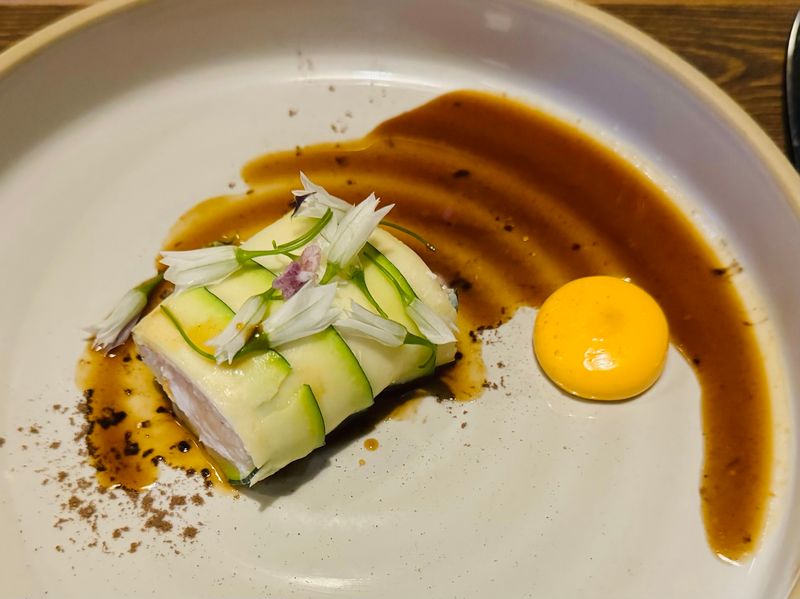
Planning to order the same meal a friend enjoyed months ago? Keep an open mind.
Millwright’s changes its menu in response to the season and the ingredients its kitchen can get. That gives diners a reason to look at the choices in front of them instead of relying on an old picture or a remembered dish.
The changing menu is a practical part of its regional cooking style.
Guests may choose from the current dinner offerings, and a tasting menu has also been part of the restaurant’s dining experience. That option can suit someone who enjoys a longer meal and wants the kitchen to guide the order of courses.
If you prefer to pick your own main dish, the regular menu offers a more direct route. Either way, allow enough time to enjoy dinner at a comfortable pace.
Dietary needs are best discussed before you arrive, especially if they require more than choosing a vegetarian or seafood option from the menu. Availability and possible adjustments depend on what is being prepared that day.
Ask when making your reservation, then confirm the details with the restaurant so everyone starts with the same information. Checking the latest menu can help you plan, but think of it as a preview rather than a guarantee.
A little flexibility makes the seasonal approach easier to enjoy.
7. Special Occasions Feel Right At Home Here
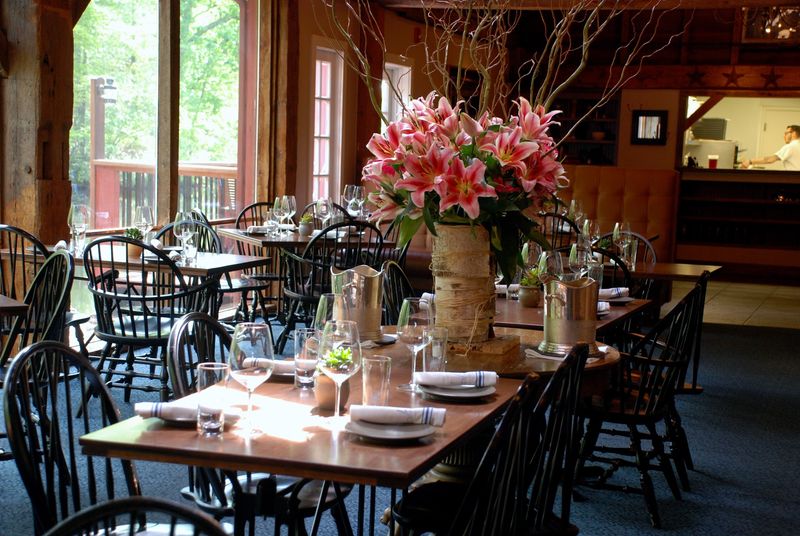
Celebrations feel better somewhere special. No balloons required. At Millwright’s, centuries-old woodwork and views toward the waterfall already give dinner a little extra magic.
The historic setting works naturally for birthdays, anniversaries, and other occasions, but it never has to feel like a formal event. Warm wood, exposed beams, and the waterside scenery create plenty of atmosphere while still leaving room for an easy conversation over dinner.
Bigger celebrations have options beyond the main dining room. Millwright’s hosts private events, with spaces that include a loft featuring an open demonstration kitchen.
Since event menus, room availability, and arrangements can differ from an ordinary reservation, discussing the details beforehand is the easiest way to understand what currently works for your group.
Smaller parties can keep plans much simpler. Reserving ahead is worthwhile when the date matters, especially if you hope for a particular area or a view of the waterfall.
Seating requests are never something to count on, so mention your preferences when booking. The restaurant is at 77 West Street in Simsbury.
If dinner marks a special occasion, sharing that detail when reserving can help everyone understand your plans.
After that, settle in and enjoy it. The historic mill provides the atmosphere without requiring much effort from you.
8. After Dark The Old Mill Feels Even More Striking
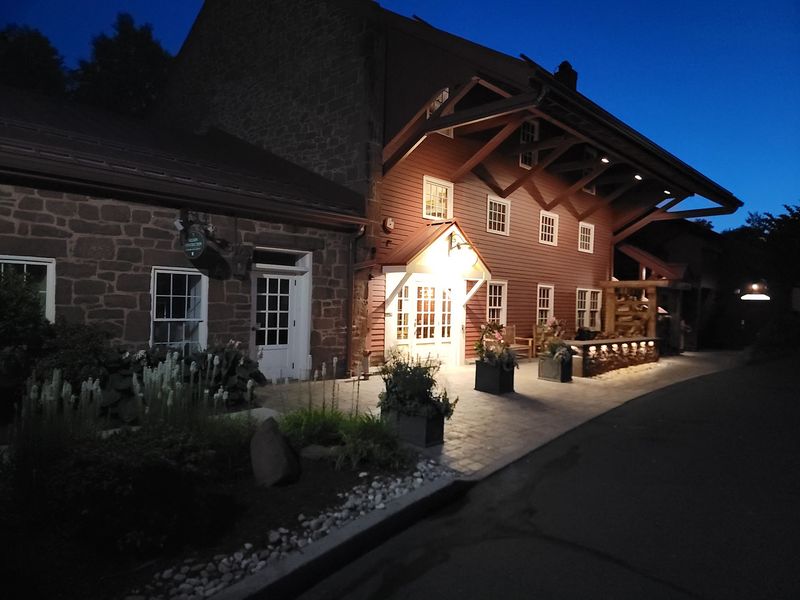
As daylight fades, the view at Millwright’s changes direction. Earlier, your eyes may go straight to the pond and waterfall.
Later, warm light inside the mill draws attention back to the beams, the height of the rooms, and the people gathered around the tables. The building feels especially inviting when its windows glow against the evening outside.
That change can help you decide when to dine. An earlier reservation offers a better chance to see the water clearly before dusk.
A later dinner puts the focus on the softly lit interior and the slower feel of an evening meal. The waterfall remains part of the setting, though its visibility changes with the light and where you sit.
Neither time offers the whole experience in exactly the same way.
For a first visit, think about which side of Millwright’s you most want to see. If the historic interior is your main interest, an evening table gives you plenty of reason to linger over its wood and stone details.
If you hope to take in the landscape too, arrive before it grows dark when possible. You do not need a special occasion to appreciate the contrast.
An old working building has become a place to slow down, share dinner, and watch the setting shift around you.