This Huge Nebraska Schoolhouse Is Packed With Cast-Iron Skillets And Farm Antiques
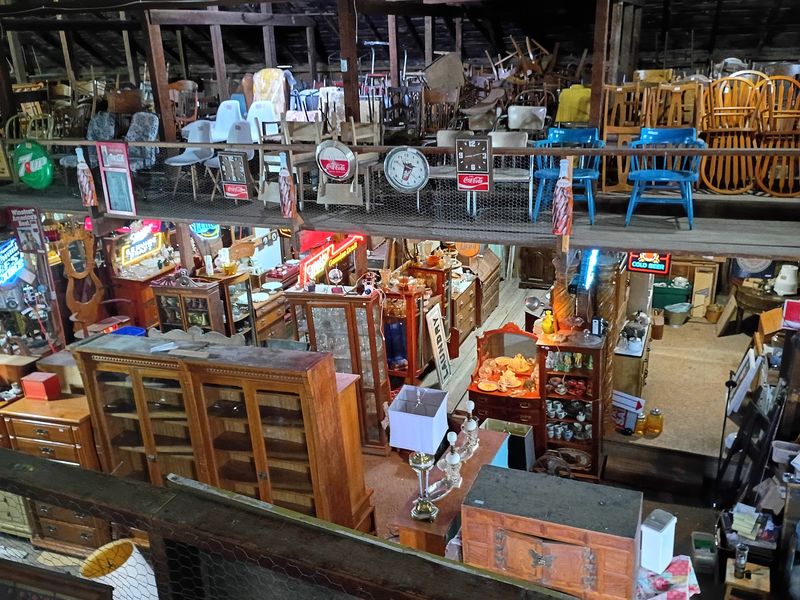
The plan was simple: stretch the legs, grab a snack, and get back on the highway through southeast Nebraska. Then an old building on a quiet Main Street turned out to be crammed from floor to rafters with furniture, stained glass, tools, and kitchen pieces from generations past.
One quick peek became a whole afternoon. If you like digging for treasure without leaving the state, this small-town stop deserves a spot on your map.
A Main Street Address in Shubert, Nebraska
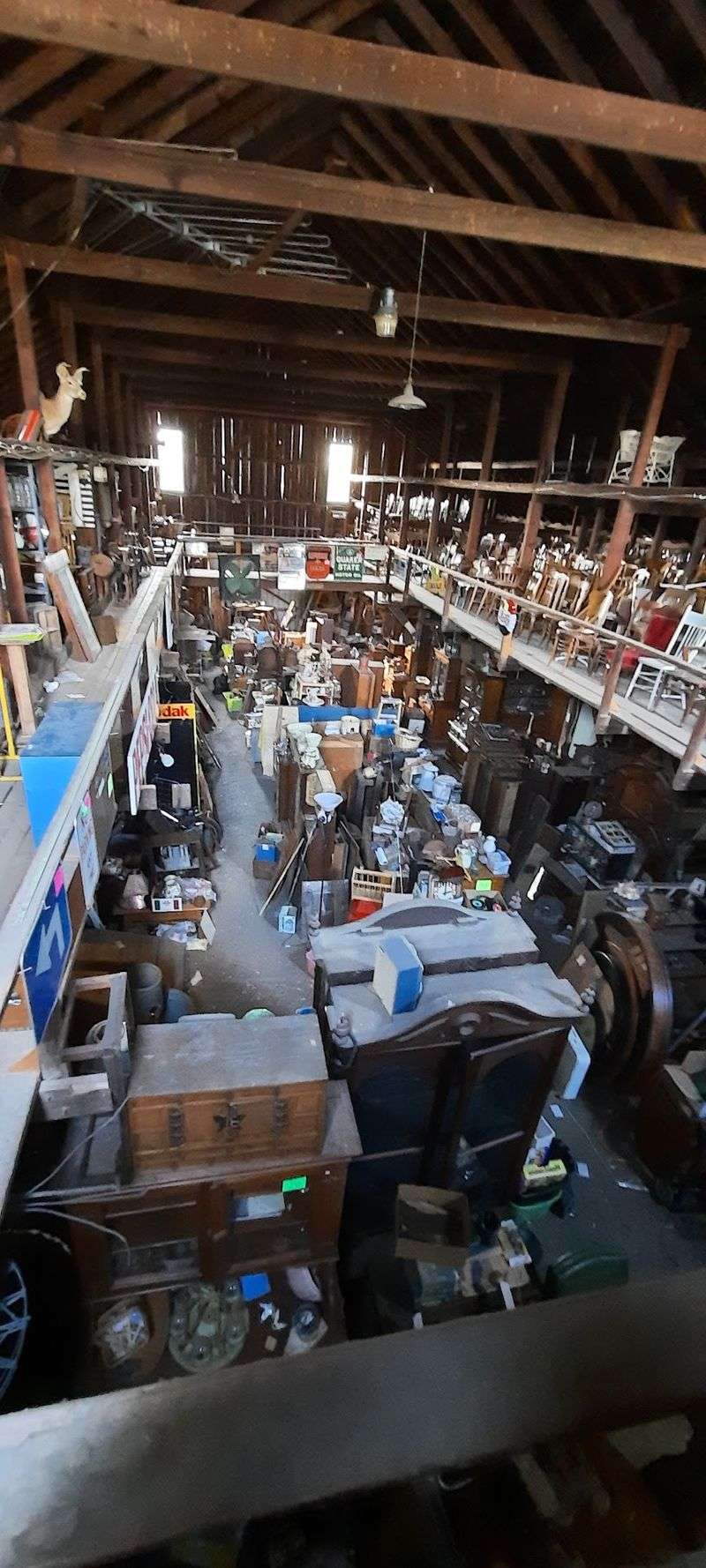
Picture a town so small you could miss it with one long blink. Shubert sits in the far southeast corner of Nebraska, and at 409 Main Street stands Old Windmill Antiques, a shop that holds far more than its surroundings suggest.
The store is an antique shop in the classic sense. Shelves, tables, and corners overflow with furniture, glassware, tools, kitchen goods, jewelry, books, and memorabilia.
Nothing about the outside prepares you for the volume waiting within, and that surprise is half the fun.
Why drive to a town this size for shopping? Because big-city antique malls often feel curated and polished, while this place feels like opening a family attic that never stopped growing.
You wander, you dig, you pick things up and turn them over. Every trip can uncover something different.
For anyone who grew up in Richardson County or has cruised the back roads between Falls City and Auburn, Shubert may already ring a bell. The shop gives that familiar name a fresh reason to pull over, park on Main, and stay a while.
Plan on a slow browse, since a quick lap rarely covers everything on the floor.
The Early 1900s Outbuilding Behind the Shop
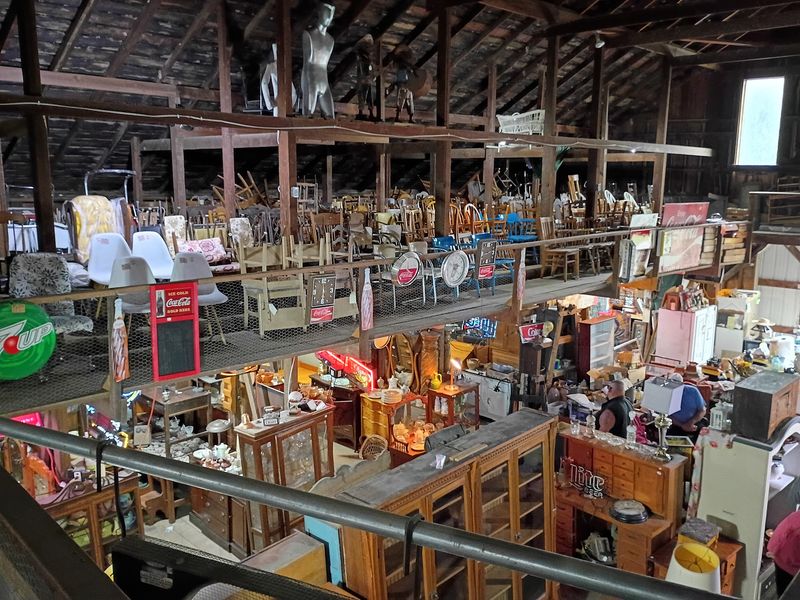
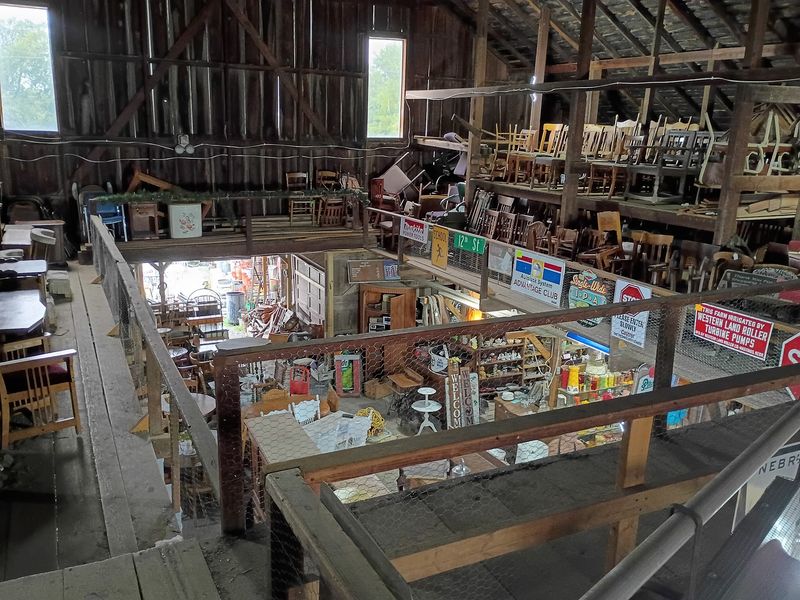
Old wood has a smell all its own, a mix of dust, sunshine, and decades of Nebraska weather soaked into the boards. That scent greets you the moment you walk into the massive early 1900s outbuilding that houses Old Windmill Antiques.
The structure feels closer to a filled-up old barn than a tidy boutique. Owners of the shop call it the barn themselves, and the name fits.
Tall walls, open floor space, and sturdy framing give the inventory plenty of room to spread out, stack up, and hang overhead.
Repurposed buildings carry a special weight in small Nebraska towns. A structure that once served farm life or commerce now serves a new role, keeping Main Street busy and giving old objects a fitting home.
There is something satisfying about browsing century-old goods inside a century-old frame.
Walking the aisles, you can almost feel the layers of history. The building sets the mood before a single price tag comes into view.
It turns a shopping trip into a small lesson in how rural spaces get a second life, which may be the best souvenir of all.
Shubert and Its Quiet Corner of the State
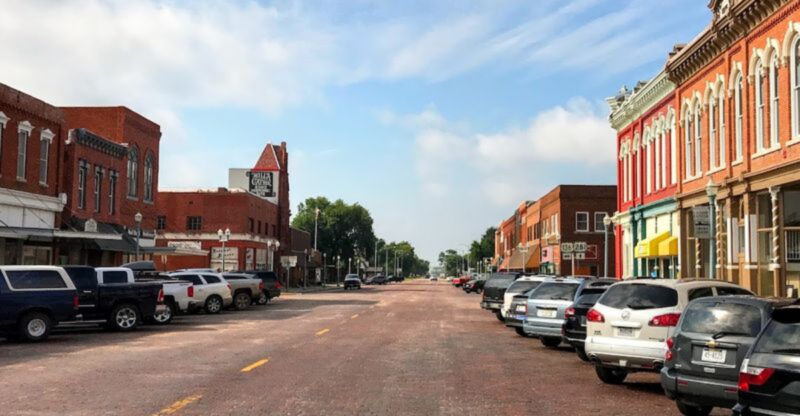
Southeast Nebraska looks different from the flat plains most people imagine. Rolling hills, winding county roads, and pockets of trees make the drive toward Shubert feel almost like a scenic byway in itself.
Shubert is a tiny farming community in Richardson County, near the Missouri River bluffs. The pace here is slow, and that is exactly the point.
Parking is easy, traffic is light, and Main Street has the unhurried rhythm that makes a small-town browse relaxing instead of rushed.
Getting there makes for a pleasant loop. Pair the shop with a drive through nearby towns like Falls City, Humboldt, or Auburn, and the outing turns into a full day of back roads and small main streets.
Fall brings changing leaves along the river hills, which adds color to the trip without requiring any special planning.
Families and retirees looking for an easy outing will find the setting welcoming. No crowds, no ticket lines, no rush.
Just a quiet town with a very full building waiting at the end of the road, ready for anyone curious enough to stop.
Furniture Stacked by the Roomful
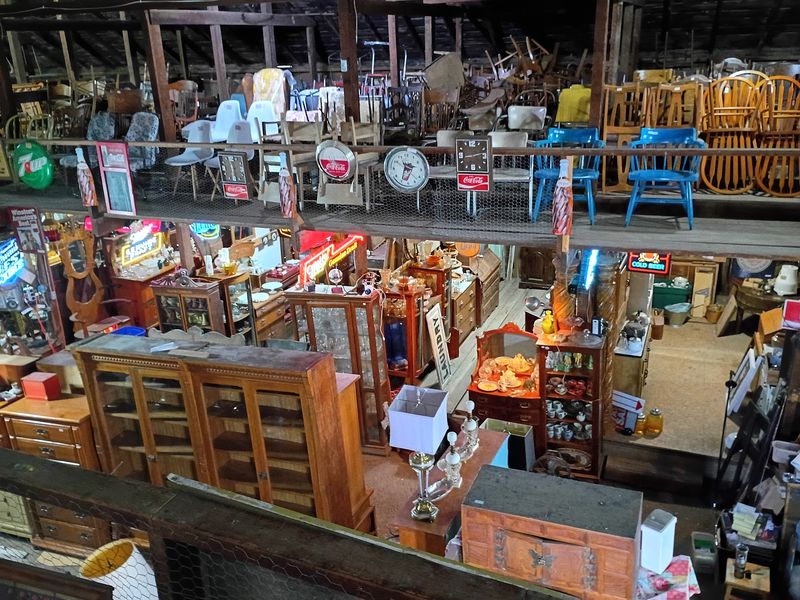
Dressers line up like soldiers. Tables hold chairs, and chairs hold smaller treasures, until the whole floor becomes a puzzle of wood grain and brass hardware.
Furniture makes up one of the largest parts of the inventory at Old Windmill Antiques. The selection is enormous, covering pieces that range from practical farmhouse workhorses to more decorative finds.
Cabinets, dressers, tables, and seating fill the space, and moving through it feels a bit like walking through several old homes at once.
Shopping for a single statement piece? This is where patience pays off.
Look behind the front row, peek under stacked items, and check the corners, because the best pieces often hide behind something else. Bringing measurements from home can save a headache later.
Large purchases also raise the question of hauling. The shop has worked with shoppers to arrange pickups, even meeting buyers to hand off pieces.
If you spot something big, ask about options before you leave, and consider bringing a truck or trailer on the trip just in case. A roomy vehicle turns a maybe into a yes.
Stained Glass That Catches the Afternoon Light
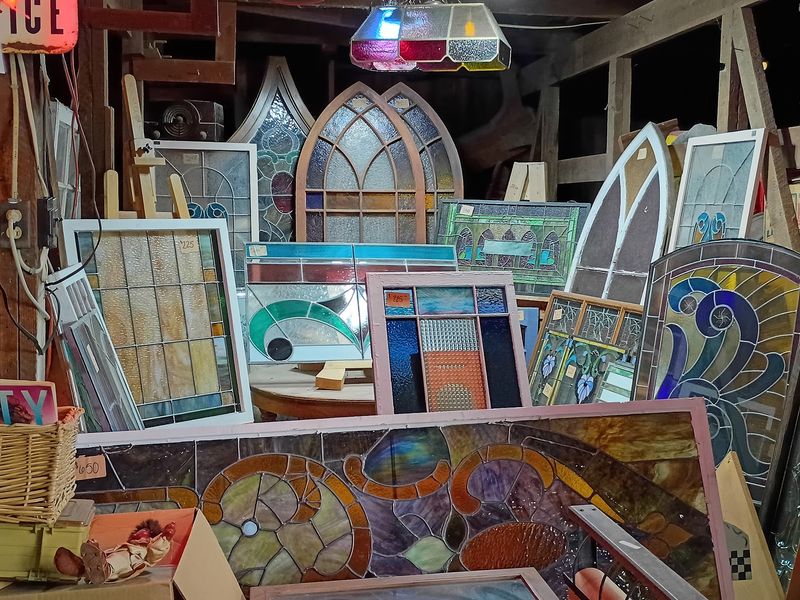
Colors shift across the floor when sunlight hits a leaded window just right. Amber, ruby, cobalt, and green scatter over the old boards, and for a second the whole corner glows.
Stained glass stands out as one of the most striking collections in the shop. The pieces range in size and style, and many carry the kind of hand-cut craftsmanship that feels rare today.
Some look like they came from old houses, others from grander buildings, and each has its own pattern and personality.
Decorators love stained glass for good reason. A single panel hung in a window can change the mood of an entire room without any remodeling.
Smaller pieces work well propped on a shelf or mantel, while larger ones can serve as a showpiece above a door or bed.
Handle these gently and ask for help moving anything heavy. Old glass can be fragile, and the lead framing adds surprising weight.
Bring blankets or padding in the car if you plan to take one home, since the drive back over county roads can get bumpy. Careful packing keeps that glow intact.
Old Tools From the Farm and Workshop
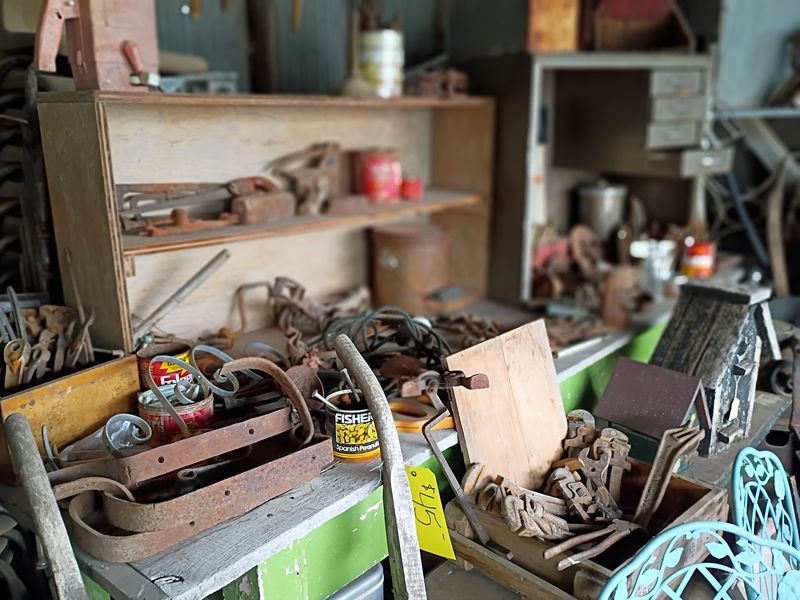
A worn wooden handle tells a story. Somebody gripped it through long seasons of fixing fences, repairing machinery, and building whatever the farm needed next.
Tools form a solid part of the mix at Old Windmill Antiques. Hand tools, workshop pieces, and other vintage implements turn up throughout the space.
For collectors of old iron and wood, sorting through them can feel like reading a history book about rural Nebraska work.
Here’s a fun bit of state pride to keep in mind while browsing. The Vise-Grip locking pliers were invented in DeWitt, Nebraska, by William Petersen in the 1920s.
Spotting an older pair among the shelves makes a neat connection to homegrown ingenuity.
Plenty of old tools still work just fine. A little cleaning and oil can bring many back to useful condition, and the steel in older pieces often holds up better than newer budget versions.
Others make great decor, hung on a garage wall or a rustic kitchen. Either way, the tool section rewards anyone willing to crouch down, dig through a box, and look closely at every handle and blade.
Kitchen Finds, Canisters, and Pyrex
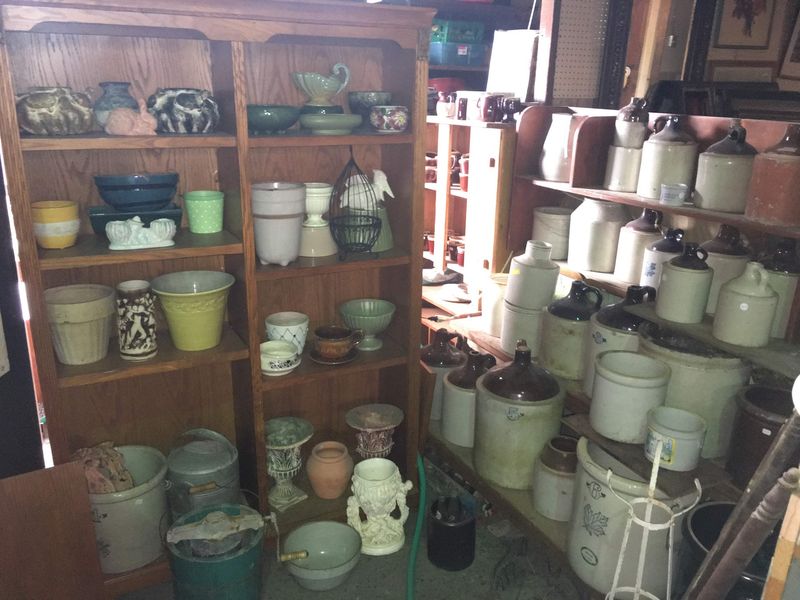
Remember Grandma’s mixing bowls, the ones with bright patterns and a satisfying weight? Chances are good that something similar sits on a shelf here.
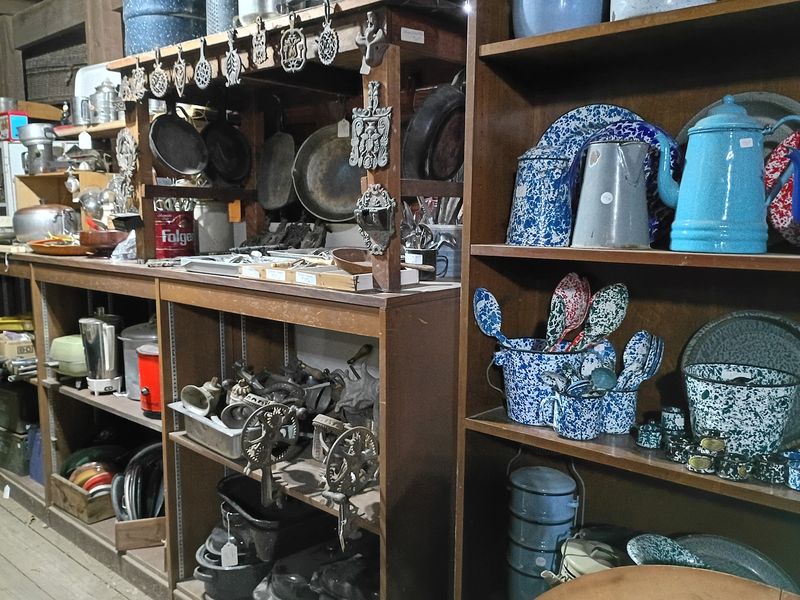
Kitchen antiques fill a lively section of the store. Canister sets, cookware, glassware, and utensils from past decades appear throughout, and Pyrex is a favorite topic for conversation with the staff.
Chatting about patterns and colors can easily stretch a quick stop into a relaxed afternoon.
One detail worth knowing: some items belong to sets, and the shop generally prefers to keep matched sets together. That protects their value and appeal.
If only one piece catches your eye, ask politely, but be ready for the answer to depend on the situation.
Vintage kitchenware works beautifully in everyday life. Old bowls still mix batter, canisters still hold flour and sugar, and cast pieces often cook as well as they did decades ago.
A farmhouse-style kitchen practically begs for a few of these finds on the counter. Shopping this aisle feels like gathering heirlooms, even if they came from somebody else’s family, and it offers a sweet reminder of Sunday dinners long ago.
Jewelry, Books, Signs, and Memorabilia
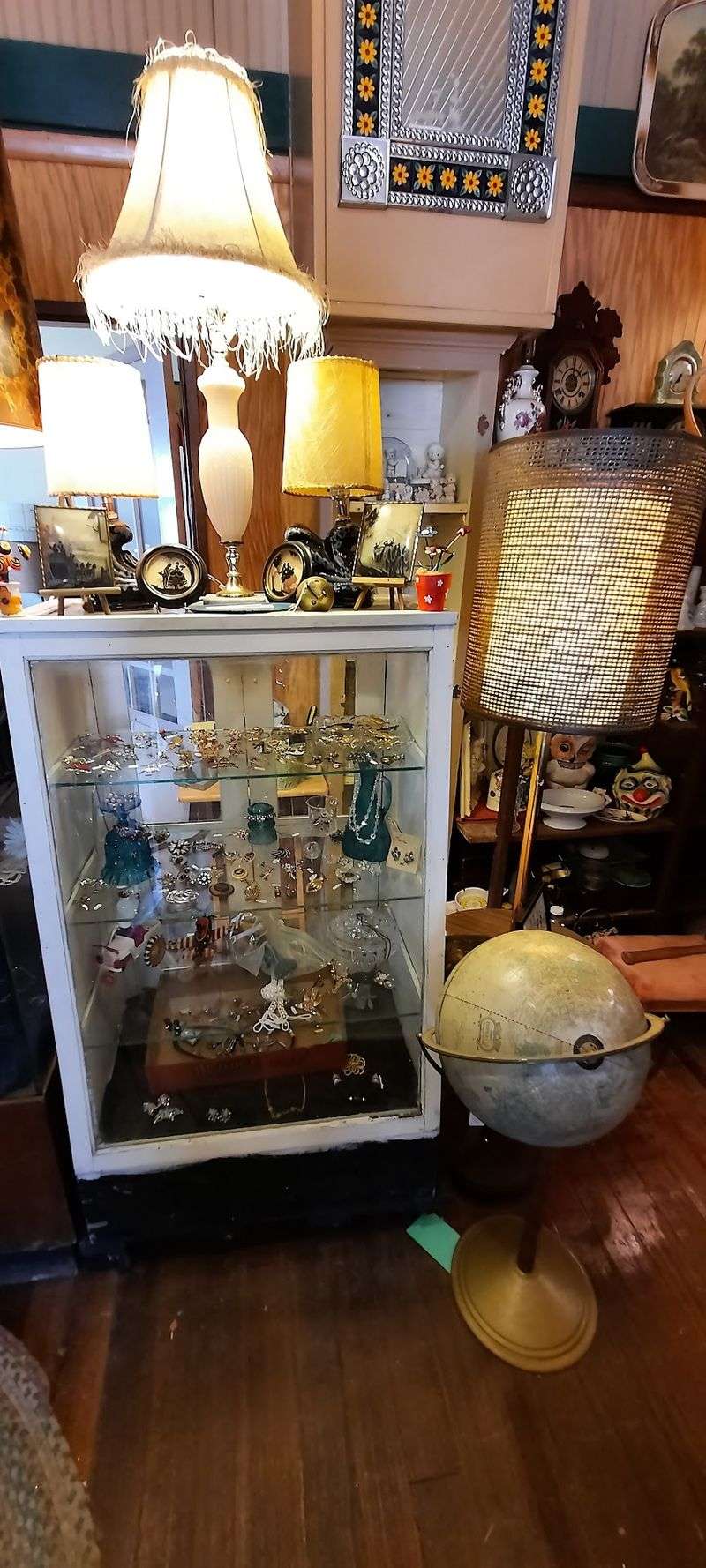
Tiny treasures often hide in plain sight. A glass case of vintage jewelry sits a few steps from stacks of old books, and nearby, faded signs lean against the wall waiting for new homes.
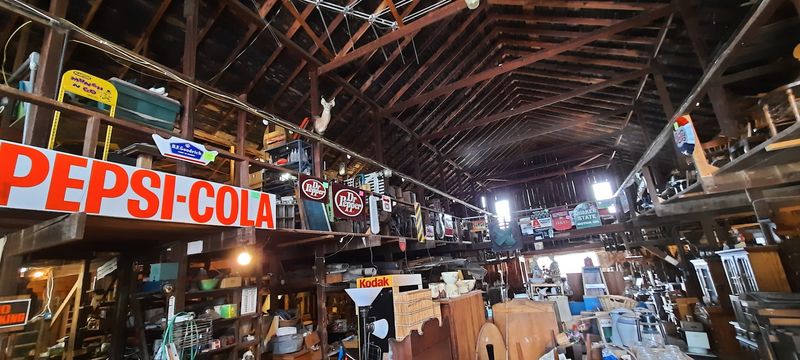
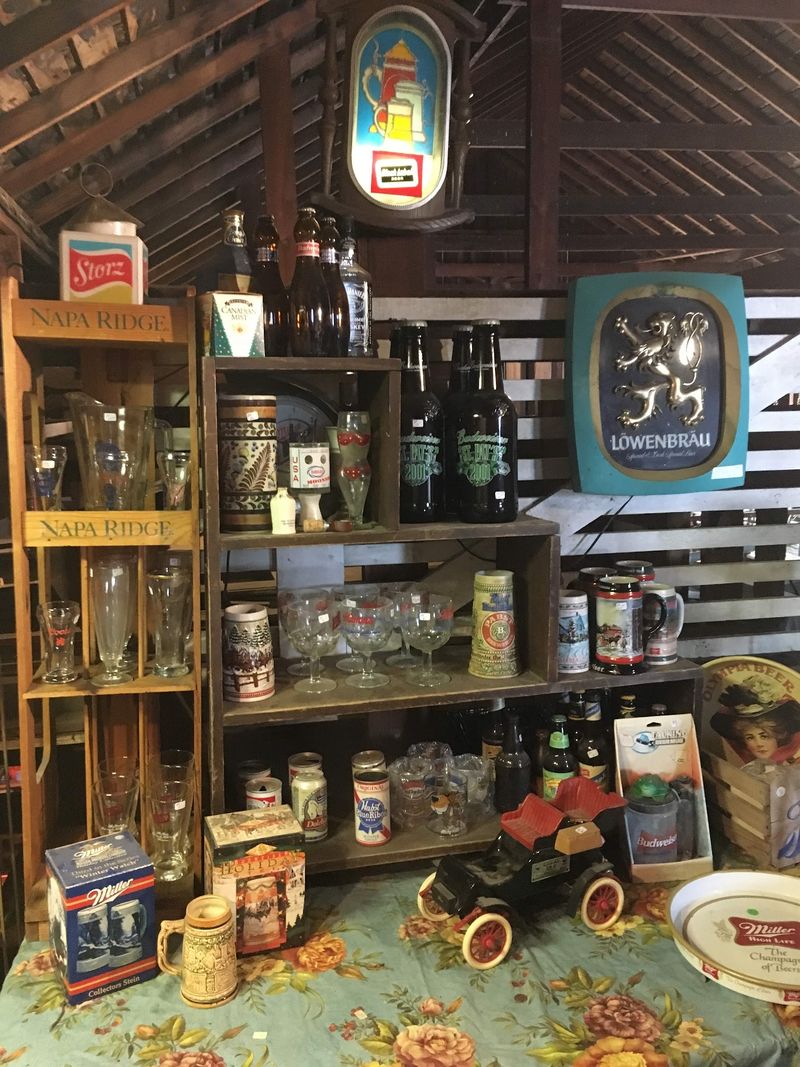
Beyond furniture and kitchenware, the shop carries a wide range of smaller collectibles. Jewelry, books, advertising signs, and memorabilia of all kinds turn up across the space.
The mix runs from practical to purely nostalgic, and it shifts every time new stock arrives.
Small items make great gifts. A vintage brooch, an old hardcover with a handwritten inscription, or a piece of local memorabilia can carry more meaning than anything bought new.
They also fit easily in a car, so there’s no need to plan for a trailer.
Book lovers should set aside extra time. Old volumes can hold surprises between the pages, like pressed flowers, notes, or bookmarks from another era.
Signs, meanwhile, bring instant character to a garage, man cave, or kitchen wall. For collectors who hunt specific categories, the variety here means patience and a sharp eye can lead to a satisfying find on almost any visit.
An Inventory That Never Sits Still
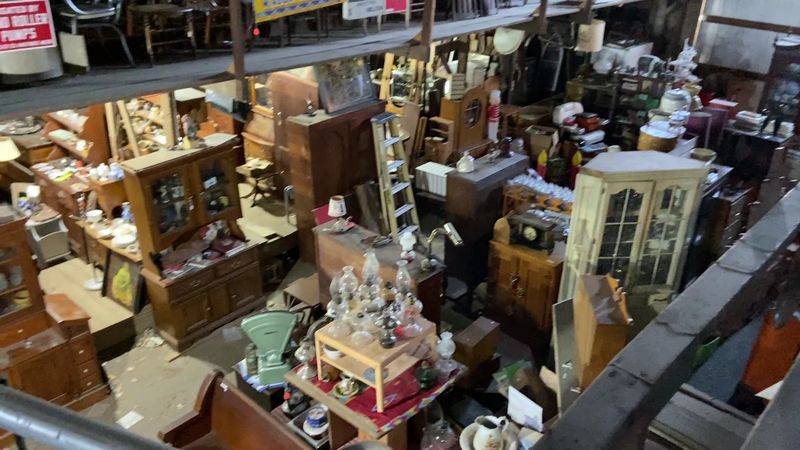
Last month’s empty corner might now hold a walnut sideboard. Shelves that looked picked over could be packed again, because the stock here keeps moving.
The shop states plainly and often that it is always stocking the barn with new items. Its massive inventory changes constantly, and that turnover gives repeat trips real purpose.
What you saw on one visit may be gone the next, replaced by something you never expected.
That constant flow also means a certain amount of controlled chaos. The sheer volume can feel close to overwhelming, especially on a first visit.
There is so much to see that eyes start skipping over things, and that is when it helps to slow down and take a breather.
A few strategies make the browsing easier. Walk one full lap first to get the lay of the land, then return to sections that caught your interest.
Keep a short list of what you’re hunting for, whether that’s a dresser, a particular glass color, or a certain kind of tool. Returning every few months keeps the thrill of discovery alive and lets you watch the collection evolve with the seasons.
Pricing and a Little Friendly Haggling
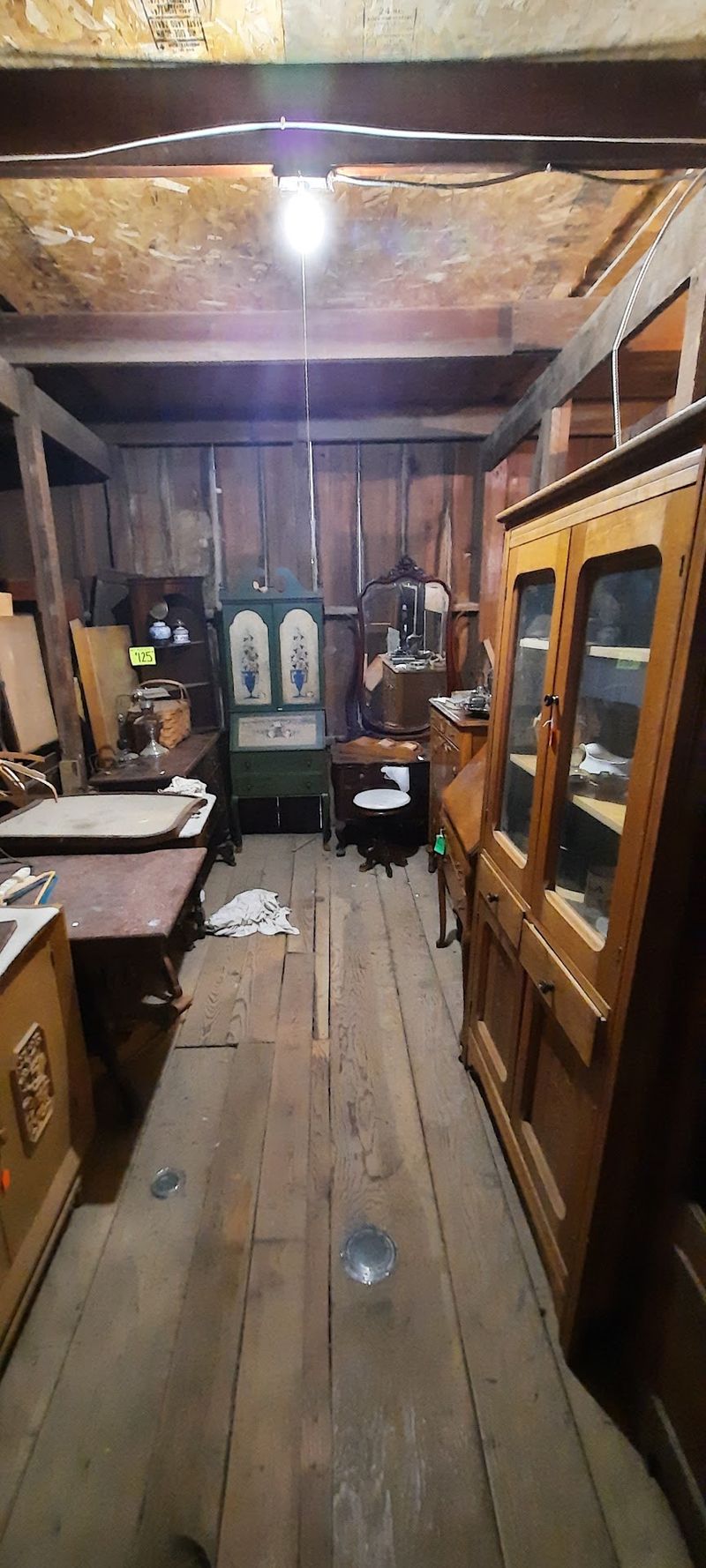
Here’s a simple truth about antique shopping: the price on the tag is often a starting point. At Old Windmill Antiques, that’s stated openly.
The shop has said it offers some of the lowest antique prices in its area and is always willing to negotiate. Plenty of pieces are fairly priced from the start, while a few may feel steep depending on what you’re used to paying.
Asking respectfully can close the gap, and staff have worked with shoppers on price before.
A little preparation goes a long way. Know roughly what similar items sell for, especially with collectible glass or furniture.
Bundling several items together can also make a conversation about price feel more natural. Cash, a smile, and patience rarely hurt.
Keep expectations reasonable, though. Matched sets and family pieces may not be open for bargaining, and some items simply hold their value.
Browsing itself costs nothing, which makes this an easy outing for families on a budget. You can spend a full afternoon exploring for the price of a tank of gas, then decide whether any treasure deserves the trip home in your back seat.
The Friendly Faces Behind the Counter
Warm greetings set the tone before any shopping begins. The staff at Old Windmill Antiques are friendly, helpful, and relaxed, the kind of people who let you browse in peace but happily answer questions.
Names like Donna and Rachel come up when people talk about the shop’s service, and they have a reputation for helping without pushing. That balance matters in a place this full.
Shoppers can wander freely, then call for a hand when something needs moving, measuring, or explaining.
Service here stretches beyond the counter too. The team has come in on a day off to meet a buyer and arrange a pickup.
That kind of small-town flexibility is hard to find in chain stores.
Mistakes happen in any business, and the shop has faced a mix-up or two, such as family pieces accidentally placed out on a shelf. The response was an apology and a discount on a related item.
Honest communication like that builds trust, and it shows a crew that cares about how people leave feeling. Conversations about Pyrex, old furniture, or local history flow easily here, so bring your curiosity along with your wallet.
Timing Your Trip to Shubert
Afternoons are the golden window. The shop opens after lunch on Thursdays, Fridays, Saturdays, and Sundays, and stays closed early in the week, so a Monday drive will leave you peering through the door.
Plan to arrive early in the open hours. The building is large, and a thorough browse can easily fill most of an afternoon.
Showing up late means rushing through aisles that deserve a slower pace, and nobody enjoys spotting the perfect dresser just as the lights go off.
Shubert sits on Main Street in the southeast corner of the state, reachable by highway and county roads from Falls City, Auburn, or Lincoln. The route offers pleasant rural scenery, especially in autumn when the river hills turn gold and red.
Weekend trips make an easy day out for families and retirees.
A few packing tips help. Bring a tape measure, blankets for fragile finds, and room in the vehicle for surprises.
Comfortable shoes are smart, since the floor space is extensive. Calling ahead before a long drive can confirm hours and avoid disappointment, particularly around holidays when small shops sometimes adjust schedules.
A Soft Verdict on This Small-Town Treasure Trove
Some shops ask you to admire their displays. Old Windmill Antiques asks you to roll up your sleeves and hunt.
That approach won’t suit everyone. Shoppers who prefer neat rows and minimal clutter may find the sheer volume a bit much, and a few price tags may call for friendly negotiation.
Yet for anyone who loves the thrill of discovery, the packed building feels like an invitation rather than an obstacle.
The appeal comes from the details: stained glass throwing color across old boards, drawers full of forgotten tools, mixing bowls that look straight out of a 1960s farmhouse kitchen, and staff happy to chat about all of it. Add a century-old building on a quiet Main Street, and the whole experience feels deeply rooted in rural Nebraska.
So is it right for you? If a slow afternoon, a scenic drive, and a car full of old treasures sounds appealing, the answer is probably yes.
Pack patience, bring a vehicle with extra room, and leave the schedule loose. Shubert may be small, but this shop gives the town a big reason to slow down and explore.