Every Fall Thousands Of Visitors Gather At This Nebraska Orchard For Cider Made From Its Own Apples
The plan was simple: grab a jug of apple cider in southeast Nebraska and head home before lunch. Four hours later, there was sticky cider on one sleeve, a paper bag of apple toffee in hand, and a strong urge to climb one more rope bridge high in the trees.
Some farm stops fill a quick errand, and some quietly swallow an entire autumn afternoon. This orchard belongs firmly in the second group, and fall is when it shines brightest.
An Orchard Farm at the Edge of Nebraska City
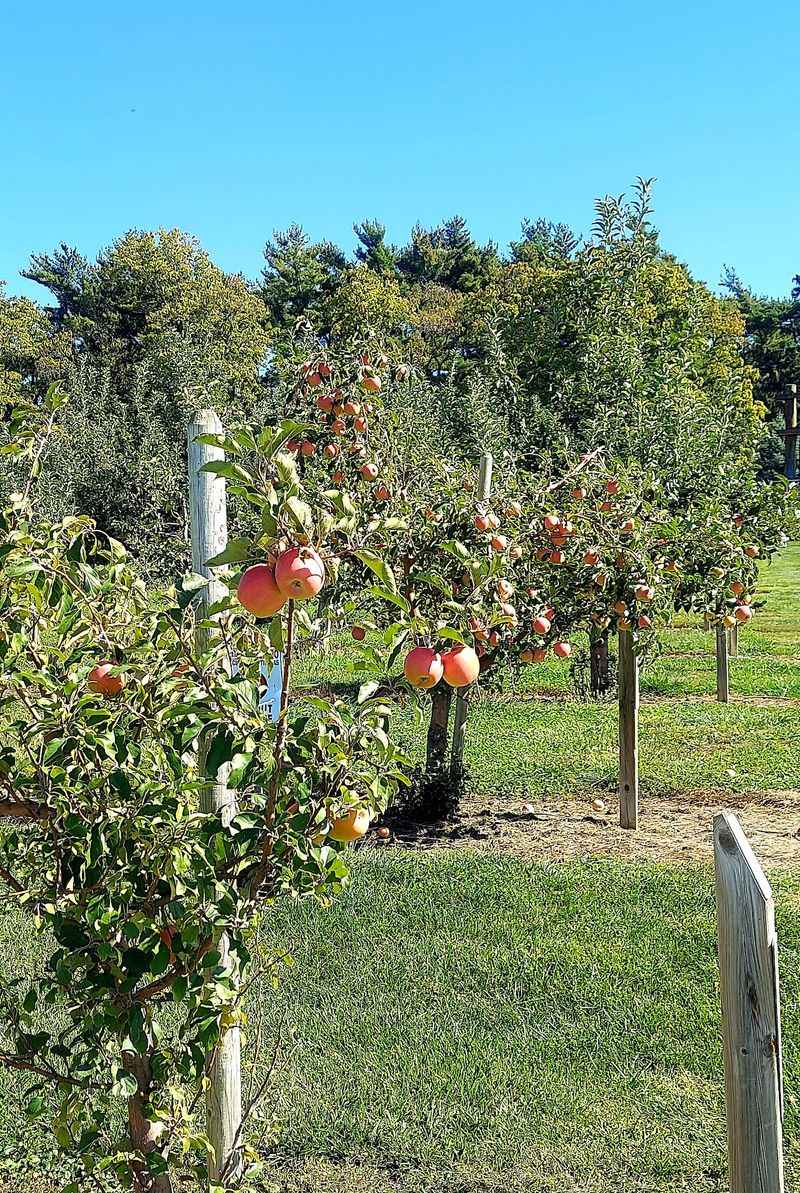
Apple trees line the rolling ground on the edge of Nebraska City, and they are only the first clue that Arbor Day Farm is more than a fruit stand. Spread across the property are orchards, historic barns, a forest trail system, a treetop play village, a barbecue counter, and a market stocked with apple goods.
Here’s the short version. Arbor Day Farm is a working orchard mixed with a nature park, built around one big idea: trees matter.
Everything on the grounds circles back to that theme, from the fruit you can taste to the shade you walk under.
Getting there is easy for most of eastern Nebraska. The farm sits roughly an hour from most of the Omaha metro, which puts it squarely in day-trip territory, and it’s also a straightforward drive from Lincoln.
Off-street parking for passenger vehicles is plentiful, so there’s no circling the block.
Fall is peak season, when apples hang heavy, cider flows at the market, and the whole place fills with families. Still, the farm operates year-round, so the trails and play areas stay open well beyond harvest.
Where the Arbor Day Story Took Root
Few holidays can point to a hometown, but Arbor Day can, and that hometown is Nebraska City. The tree-planting holiday began in Nebraska, and the farm carries that legacy forward with every orchard row and woodland path.
Picture a grand house from the late 1800s perched on a hill above the grounds. The Morton mansion is open for tours, and its rooms hold plenty of history tied to the family whose name is woven into the Arbor Day story.
It’s a quiet break from the busier parts of the farm and a good fit for anyone curious about how this corner of the state came to champion trees.
Across the property, historic barns add to the sense of age. One barn now hosts weddings, a second life for a building made for farm work.
What makes the history land is that it isn’t locked behind glass. The same trees and soil that inspired the holiday are still producing apples, shading trails, and drawing crowds each autumn.
For anyone who grew up hearing about Arbor Day in school, seeing where it started brings that lesson full circle.
Apple Cider From the Farm’s Own Trees
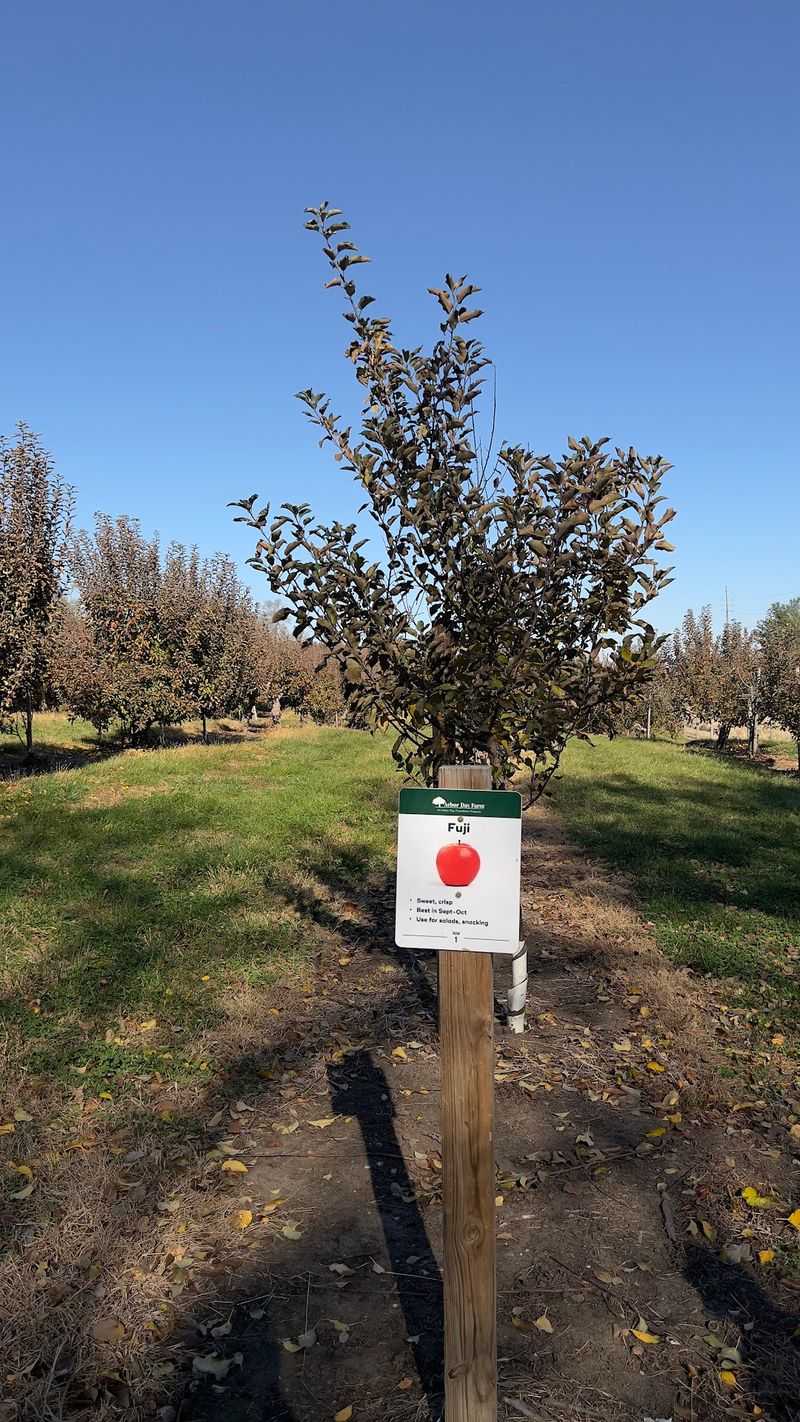
Cold, sweet, and faintly tart, a bottle of Arbor Day Farm apple cider tastes like the orchard outside the window. It’s sold inside the market, and it tops the list of things to carry home.
Why does it stand out? The fruit doesn’t travel far.
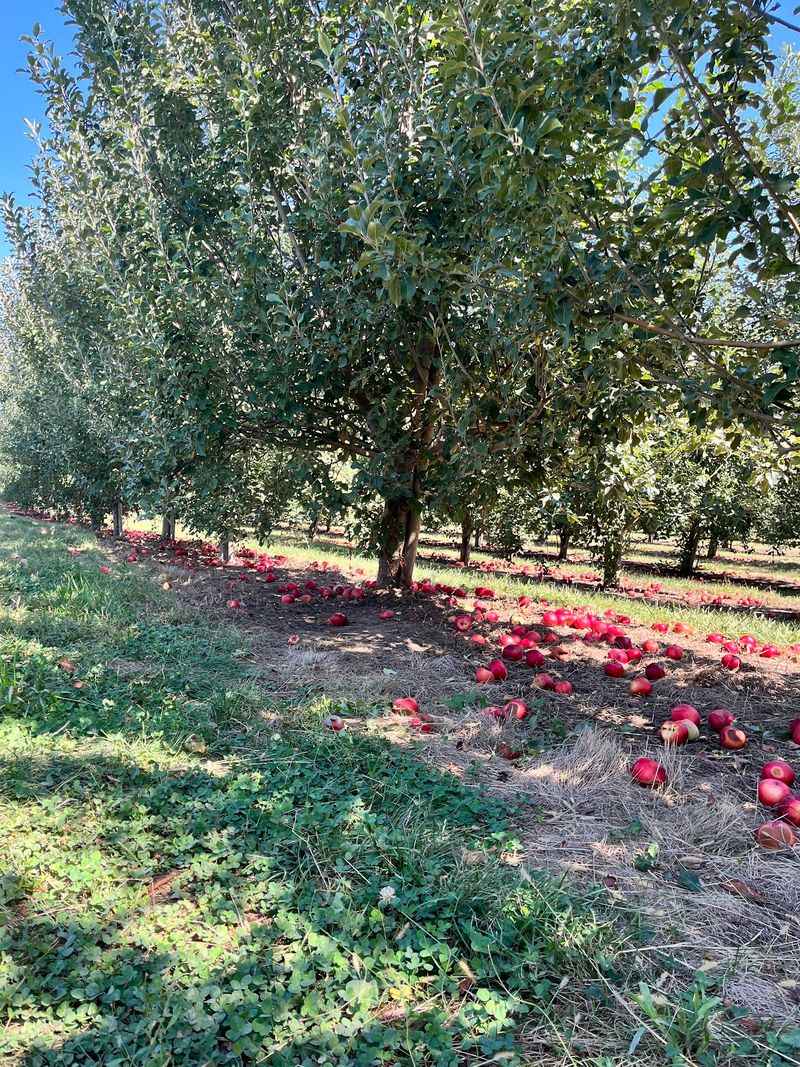
Apples grown on the property become the cider on the shelf, which gives it a fresh, clean flavor that grocery store jugs struggle to match. During harvest season the market feels busiest, and grabbing cider fresh in the fall is the move for anyone with the choice.
Cider tastings add another layer. Sampling side by side makes it easy to notice how different blends lean sweeter, spicier, or brighter, and it turns a quick purchase into a small event.
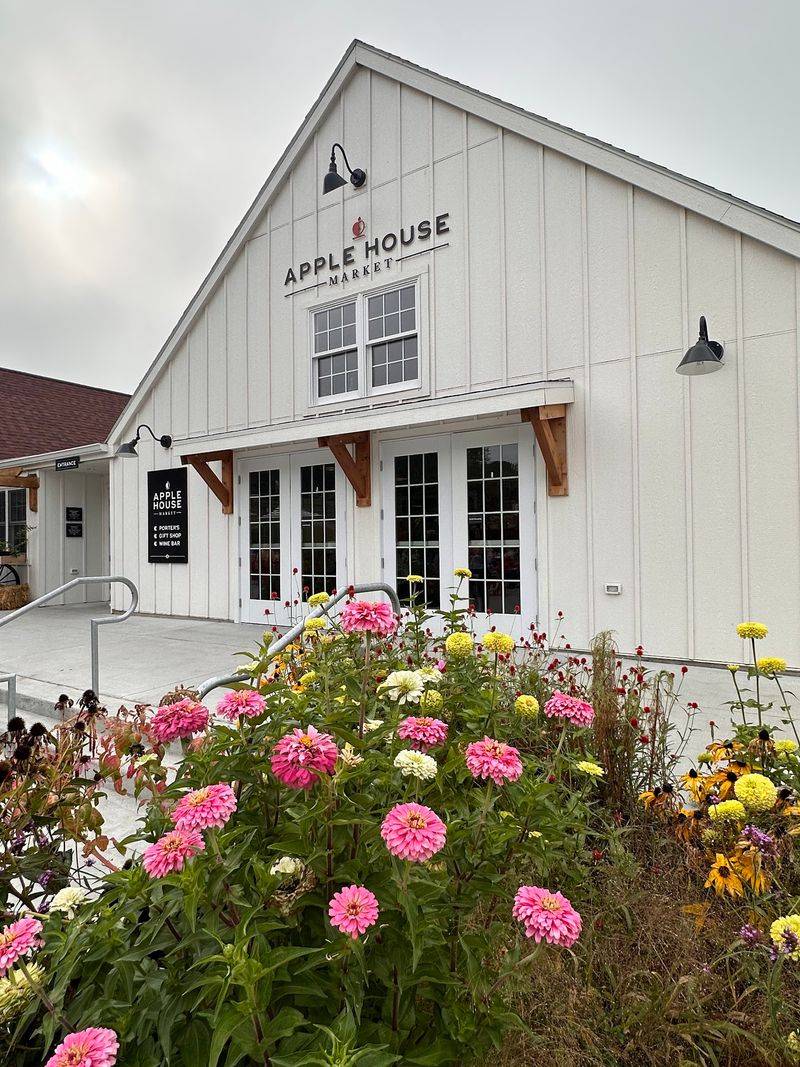
The Apple House Market carries more than drinks, too. Apple toffee is a sleeper hit, crunchy and buttery with real fruit flavor, and it makes a tidy gift for a grandparent back home.
Kettle corn pops up as well, a salty partner for all that sweetness.
Tip: bring a small cooler in the trunk so bottles stay chilled on the ride home.
Pick-Your-Own Days in the Apple Rows
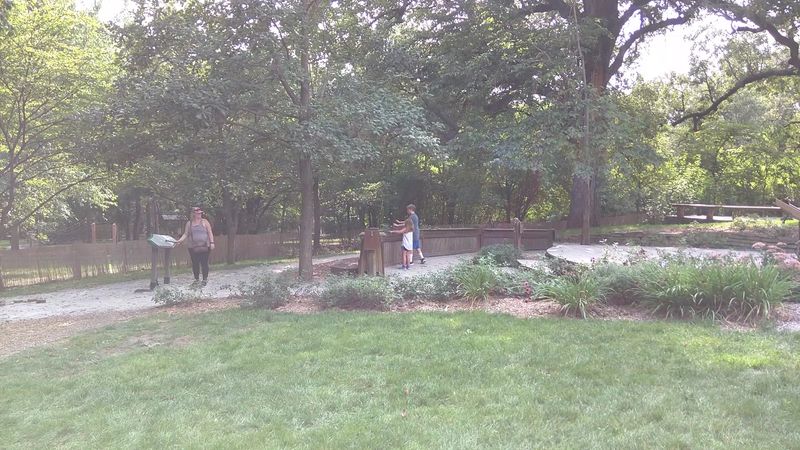
Reaching up for an apple and feeling it snap free from the branch is a small thrill, even for grown adults. At Arbor Day Farm, apple picking turns the orchard from scenery into an activity.
Pick-your-own happens on select days rather than every day of the season, so timing matters. The farm posts picking dates on its website, and checking ahead is the difference between filling a bag and just admiring the trees.
Kids take to it fast. There’s something about choosing the biggest, reddest apple that brings out a competitive streak, and the rows give plenty of room to roam.
For younger ones, it’s also a first real lesson in where food comes from, with no screen required.
Once the bags are full, the rest of the day opens up. Apples can be snacked on during trail walks, saved for a pie at home, or compared against the cider back at the market.
A few simple habits help. Wear shoes that can handle grass and a little dirt, bring a sturdy bag, and plan to arrive earlier in the day when the trees are fullest and the crowds lighter.
Rope Bridges and Treehouses Up in the Canopy
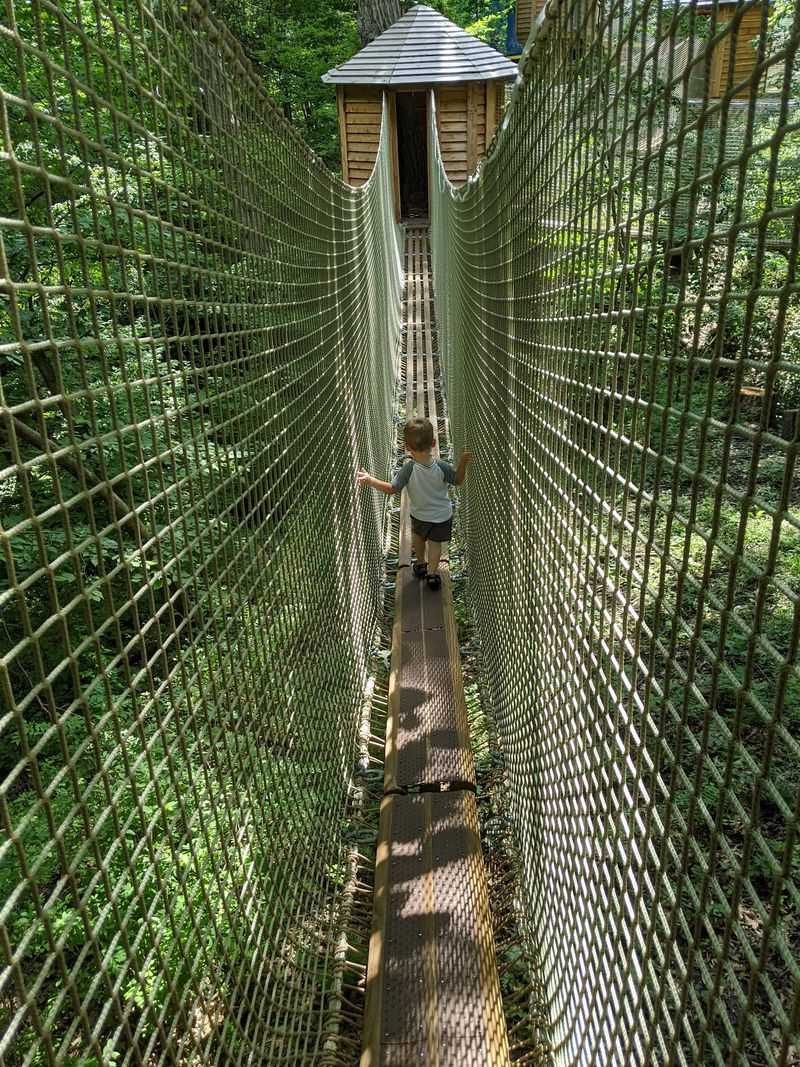
Wobbly suspension bridges sway just enough to make hearts race as they link one treehouse to the next. Welcome to Treetop Village, the centerpiece of the farm’s Tree Adventure area.
Getting across takes both hands on some walkways, so leave the cider bottle on a bench first. Inside the canopy, a lookout point offers wide views over the forest, and the Wondernet in the center acts like a giant hammock where kids bounce and adults stretch out to stare at the leaves.
The fun keeps going below the treehouses. Slides, a small zip line, a giant spider web for climbing, and interactive musical instruments are scattered throughout.
Whoever designed it clearly understood woodworking and kids in equal measure, because there’s something to climb, touch, or bang on at nearly every turn.
Admission is separate from the free parts of the farm, with reduced rates for children and free entry for toddlers. A Family Pass makes sense for anyone planning repeat trips.
Accessibility gets attention here, too. Part of the area is wheelchair accessible, and the main pathway handles strollers well, which matters when half the group is still napping.
Forest Trails, Gnomes, and Tracks in the Cement
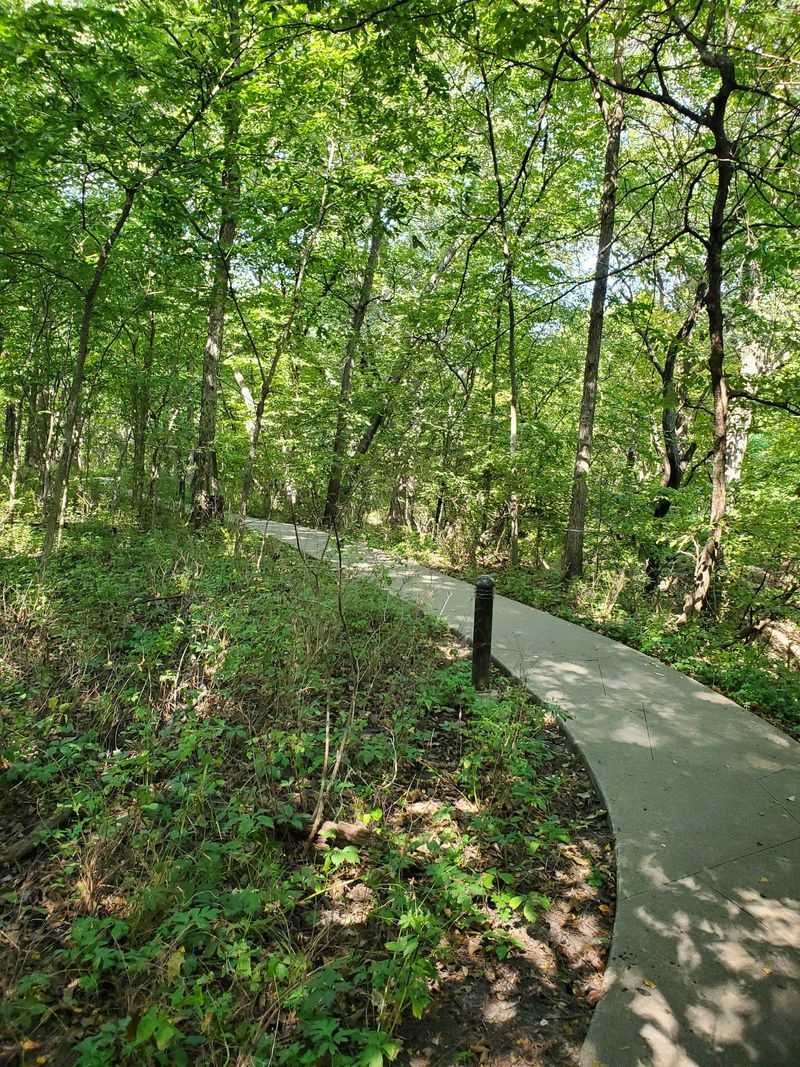
Deep shade covers most of the trail system, and on a sticky late-summer day that canopy can drop the temperature enough to keep everyone moving happily. Even when the thermometer creeps toward 90, the woods stay pleasant.
The South Table Creek Trail stretches about two-thirds of a mile into the heart of the forest. Rustic timber bridges cross the creek, and scenic vistas open up between the trees.
It’s short enough for little legs yet long enough to feel like a proper hike.
Look down along the Tree House Trail. Animal paw prints are pressed into the cement path, and guessing which critter left each track becomes a scavenger hunt that keeps preschoolers glued to the ground in the best way.
Then there are the gnomes. A few tiny figures hide along the paths, adding a whimsical touch that rewards sharp eyes.
Real wildlife shows up as well, with birdsong nearly constant and the occasional deer stepping out near the trail.
Paths stay neatly maintained. For guests of the lodge, Doug’s Trail offers a walking connection to the farm, a nice way to arrive without starting the car.
Porter’s BBQ and a Bowl of Smoky Beans
Hunger hits hard after an hour on rope bridges, and the smell of smoked pork drifting across the farm doesn’t help. Porter’s BBQ sits right on the grounds, ready for exactly that moment.
Start with the pulled pork sandwich. The meat is smoked just right and piled onto a buttery bun that holds everything together, with chips on the side.
Three sauces sit ready: original, Carolina, and a spicy version that brings heat without overpowering the pork.
Sides deserve serious consideration. Mac and cheese arrives well seasoned, with a satisfying cheese pull on the first forkful.
The baked beans, though, steal the tray. They come in a smoky, chili-style sauce, looser than most, and loaded with big burnt ends.
On a cool fall afternoon, a bowl of them could stand in for a hearty chili.
A small food shop near the market offers lighter options for anyone not in a barbecue mood.
Planning tip: eat between activities instead of at the very end. A full stomach makes the trails feel easier, and the picnic-friendly setting turns lunch into a relaxed break rather than a rushed stop.
Harvest Crowds and Nebraska Fall Traditions
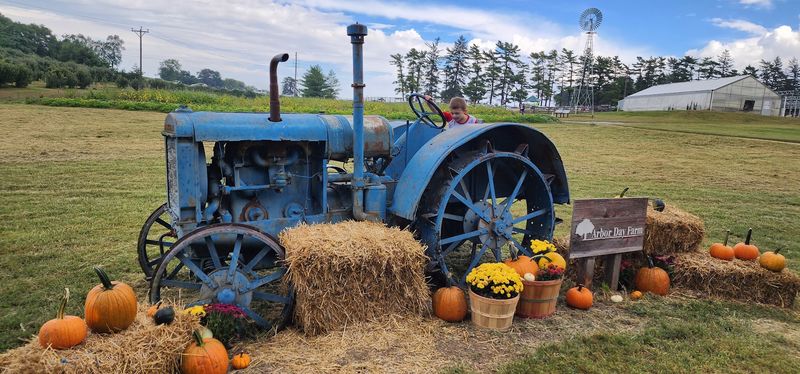
Crowds swell once the leaves start turning. Autumn is when Arbor Day Farm feels most alive, and the energy spills over from Nebraska City’s annual Applejack Festival.
During the festival, the grounds fill with a farmers market, a craft fair, apple-themed food and drinks, and the hum of families moving between barns. Staff members greet guests with real enthusiasm, and the whole scene has the warm, busy feeling of a community harvest party.
Even outside festival days, fall weekends carry that same buzz.
Later in the season, attention shifts to Halloween. All’s Hallow Eve transforms the farm with decorations and activities, and it’s easy to spend two hours or more wandering through it.
Holiday events continue beyond October, too.
So who fits here best? Young families top the list, from toddlers who love the music playground to school-age kids tackling the treehouses.
Couples looking for a calm outing enjoy sunset over the orchard, and history lovers head straight for the mansion.
Grandparents fit in just as well. Stroller-friendly paths, clean indoor bathrooms with step stools for kids, and plenty of benches make multigenerational trips much smoother than at most outdoor spots.
Planning the Day, Plus a Night at Lied Lodge
Mondays are the one day the gates stay shut, so plan around that. The rest of the week, the farm opens in the morning, with later closing times on Friday and Saturday evenings, which suits anyone driving in after work or school.
Hours can shift with the season, so a quick check before leaving is smart.
Costs stay reasonable. Wandering the grounds, browsing the market, and walking many of the trails costs nothing, while Tree Adventure carries a modest admission.
The Family Pass pays off quickly for households that return several times a year.
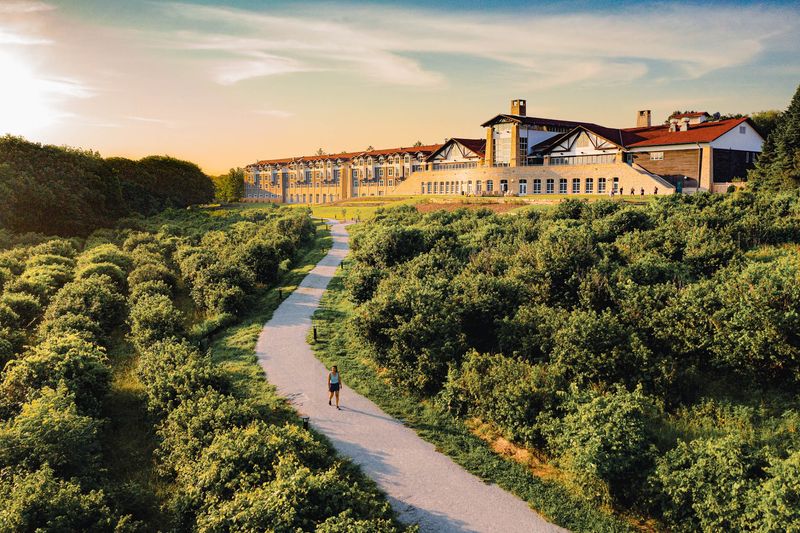
Want more than a day? Lied Lodge sits right on the property, with updated rooms, comfortable beds, and views over the trees.
Its restaurant serves dishes like corn chowder and a chocolate hazelnut tart, and the kitchen will adjust plates for vegetarians.
For the drive, allow about an hour from most of the Omaha area. Wear layers in fall, since mornings start crisp and afternoons warm up.
Here’s the verdict. Come for the cider, stay for the canopy, and leave with apple toffee in the cupholder.
An autumn afternoon here tends to stretch into evening without anyone noticing.