This Nebraska Town Preserves A Log Cabin That Once Served As A Pony Express Station
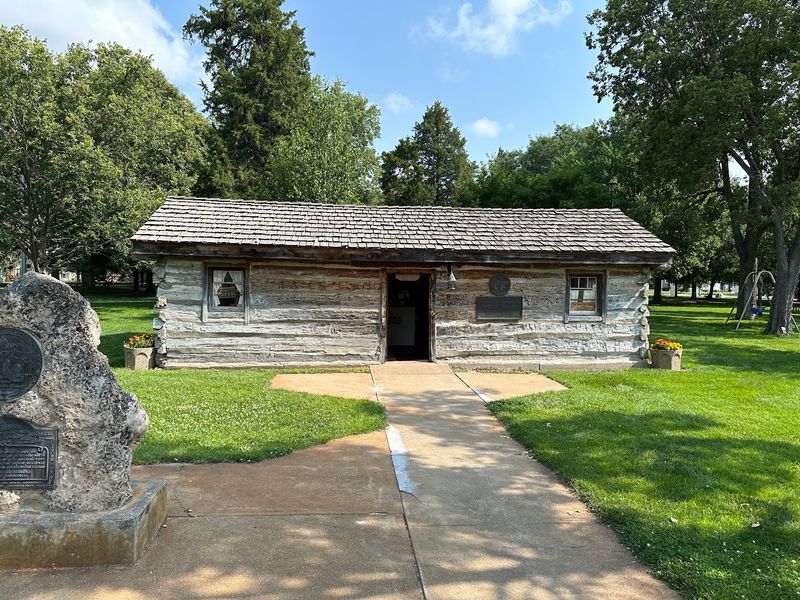
A quick stop to stretch our legs in central Nebraska turned into an hour we still talk about. Inside a small park sits a weathered log cabin where young riders once swapped horses and raced mail across the frontier.
It looks modest from the curb, but the walls hold stories from a service that lasted only about 18 months and still shapes how we picture the Old West. Bring a postcard, a few coins, and some curiosity.
A Frontier Cabin in Ehmen City Park
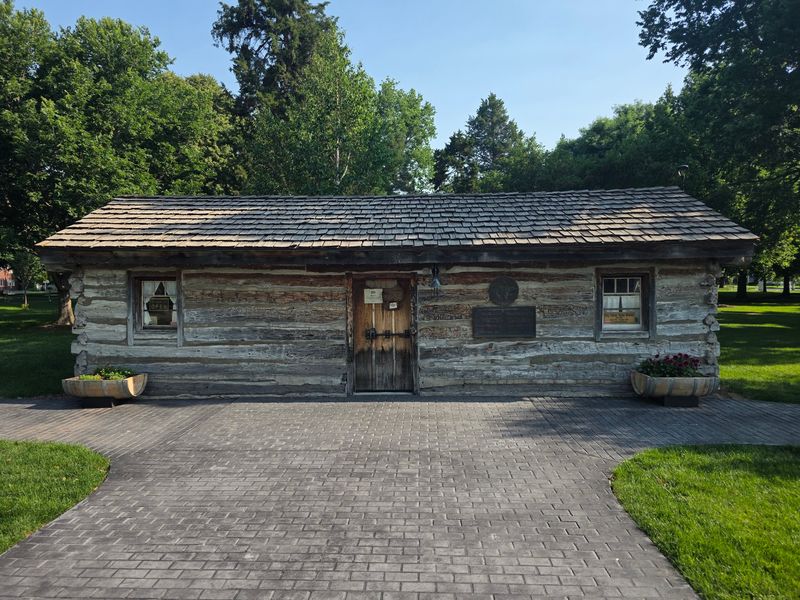
Right in the middle of a shady town park, a squat log building sits under tall trees. It is the Pony Express Station Museum, found at 510 15th St in Gothenburg, inside Ehmen City Park and its arboretum.
The cabin is an original, not a replica. Its logs once stood southwest of town near Fort McPherson, where the structure served as a relay point for Pony Express riders between 1860 and 1861.
Today it holds a small museum on one side and a gift shop on the other, with free admission during the open season.
Getting here is easy for anyone rolling along Interstate 80. The exit sits close by, and the park setting makes the stop feel more like a picnic break than a detour.
Kids can burn off energy on the nearby playground, restrooms are close at hand, and the grounds offer plenty of spots for photos.
For Nebraskans who have driven past Gothenburg a dozen times on the way to somewhere else, the cabin is a reminder that one of the most talked-about chapters of frontier history happened right off the highway, in a place many of us never slowed down to see.
Fur Trade Beginnings Along the Oregon Trail
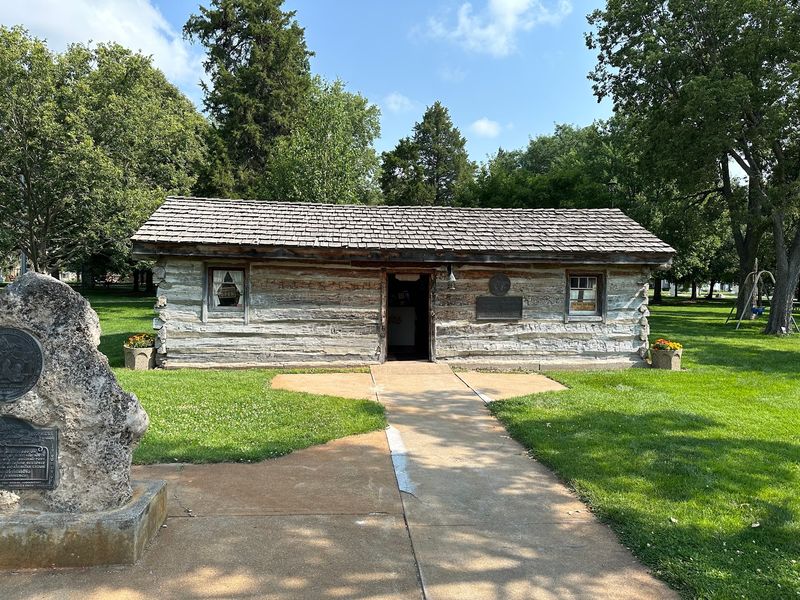
Long before any rider galloped up to its door, the cabin had a different job. Built in 1854, it first served as a fur trading post and ranch house along the Oregon Trail, the famous route that carried wagon trains west across Nebraska.
Picture the scene. Covered wagons creak past on a dusty track, travelers pause to trade or rest, and the prairie stretches in every direction.
The building stood as a small anchor of shelter in that wide open country, a place where supplies and news changed hands.
Its location made it a natural fit for what came next. When the Pony Express needed relay stops spaced along the trail, a sturdy existing cabin on a busy route was exactly the kind of spot that made sense.
The building shifted roles in 1860 and became part of a mail line stretching from Missouri to California.
Few structures in the state can claim such a layered early life. Trading post, ranch house, and mail station all fit inside its first handful of years, and that was only the start of the cabin’s working career on the plains.
Eighteen Months That Changed the Mail
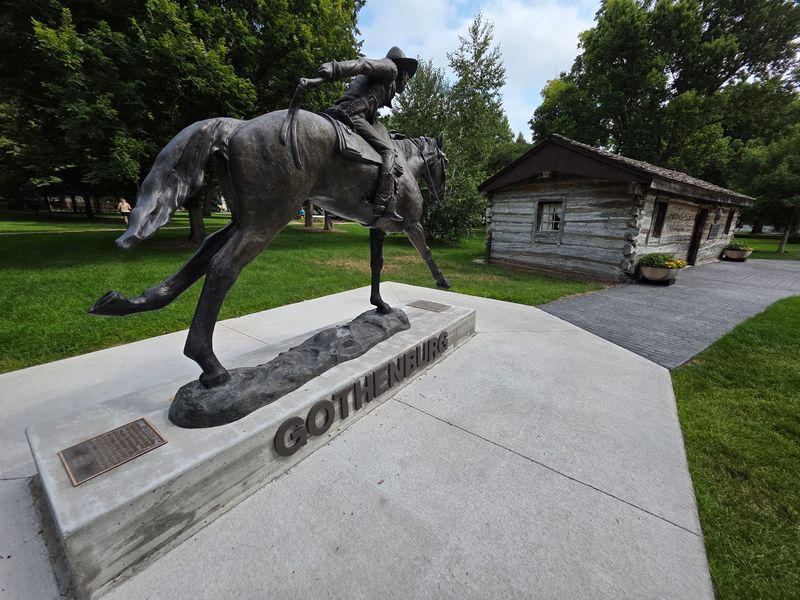
How fast could a letter cross the country in 1860? Before the Pony Express, the answer was weeks longer than anyone liked.
Riders changed that by passing mail from horse to horse and rider to rider in a relay that cut delivery times dramatically.
Each horse ran only about 8 to 12 miles before a fresh mount took over at the next station. The young riders would swap animals quickly and push on, and stations like this cabin made the whole system possible.
Without those stops, the pace would have collapsed.
The service ran from April 1860 to October 1861, roughly 18 months in all. Then the telegraph arrived, and messages could zip across wires faster than any horse.
The Pony Express shut down almost as quickly as it had started.
Short as it was, that burst of speed left a deep mark on American memory. The museum lays out the timeline clearly, and seeing how brief the whole operation was tends to surprise first-time visitors of every age.
A few months of hard riding became a legend that still draws people to a small Nebraska park.
Life on the 96 Ranch After the Riders Left
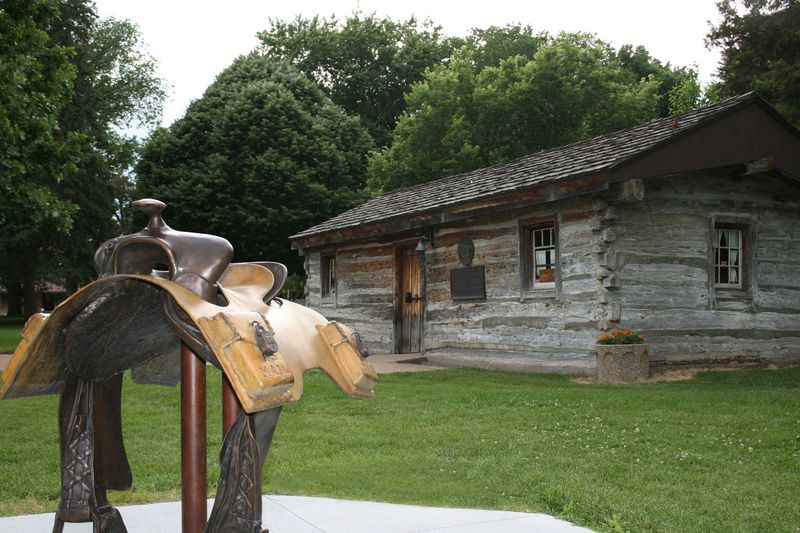
Once the mail riders vanished, the cabin simply kept working. It became an Overland Trail stage station, carrying passengers and freight across the plains, before settling into a long stretch of ranch life.
On the 96 Ranch, the building took on whatever role was needed. It served as a dwelling, then a bunkhouse for ranch hands, and later a storage building.
Decades of Nebraska winters, summer storms, and daily chores passed through its doors, and the logs held up through all of it.
That practical second life is a big reason the cabin survived at all. Plenty of frontier structures fell apart or were torn down once their moment passed.
Here, a working ranch kept a roof on the place because it was useful, not because anyone was thinking about museums.
The ranch chapter lasted until 1931. By then, the cabin had outlived the Pony Express by about seventy years, quietly sheltering workers and supplies while the country around it filled with farms, fences, and railroads.
Its next move would carry it into town for good.
Tagged Log by Log: The 1931 Move to Town
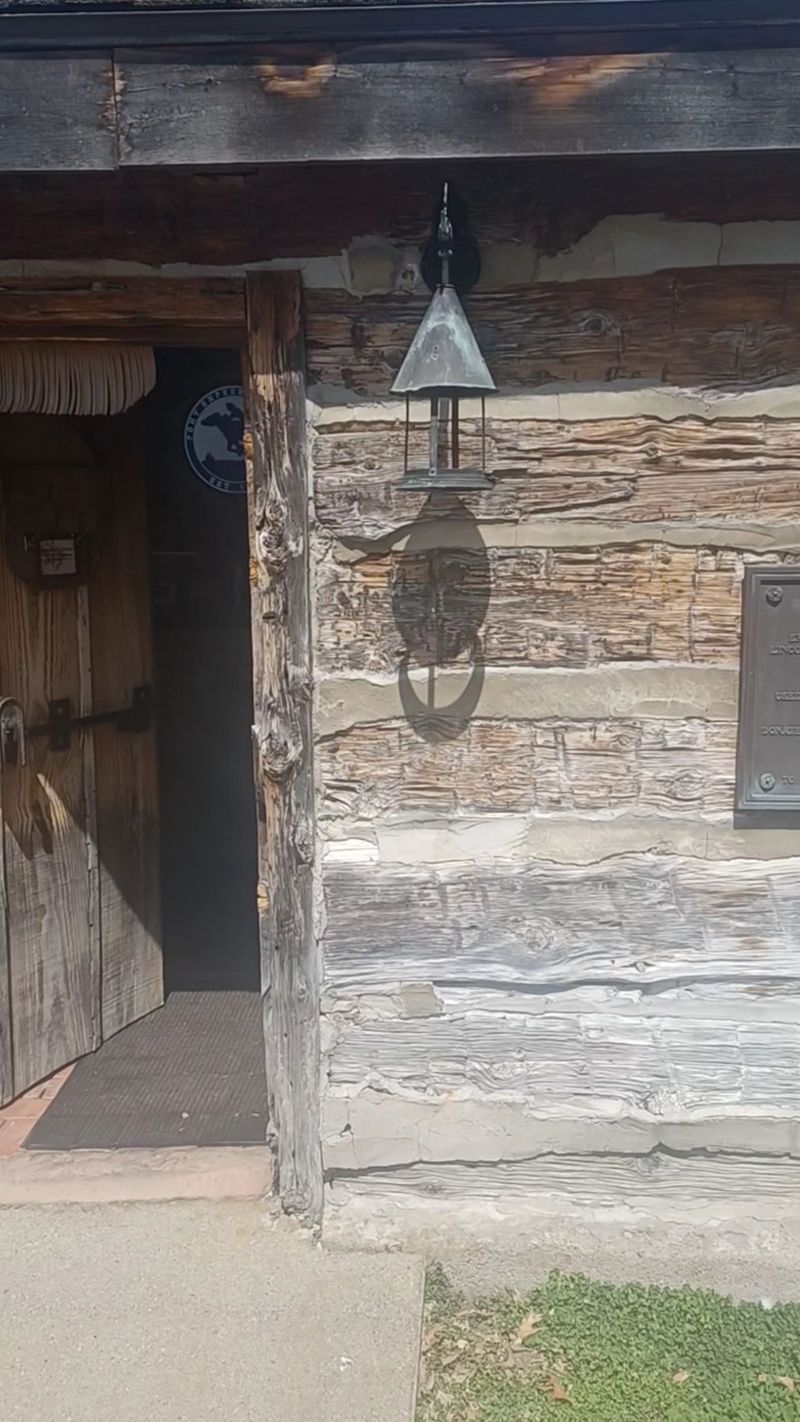
In 1931, Mrs. C.A. Williams donated the original log building to the City of Gothenburg.
That gift set off one of the more careful moving projects the town has ever seen.
Members of American Legion Post No. 64 tagged every single log before the cabin came apart. Each piece was marked so it could return to its proper place, then the whole structure was hauled from its spot near Fort McPherson into Ehmen City Park and pieced back together.
One change came with the move. The cabin originally stood two stories tall, but it was reassembled as a one-story building.
So the version standing today is shorter than the station riders knew, though the logs themselves are the same ones that sheltered them.
Think about the patience that job took, long before power tools and modern trucks made such work simple. A volunteer crew treated weathered timber like a puzzle worth solving, and their labeling kept the cabin authentic.
Next time you run a hand along those walls, you are touching wood that traveled from the open prairie into town thanks to that effort.
From Teen-Run Gift Shop to Nonprofit Museum
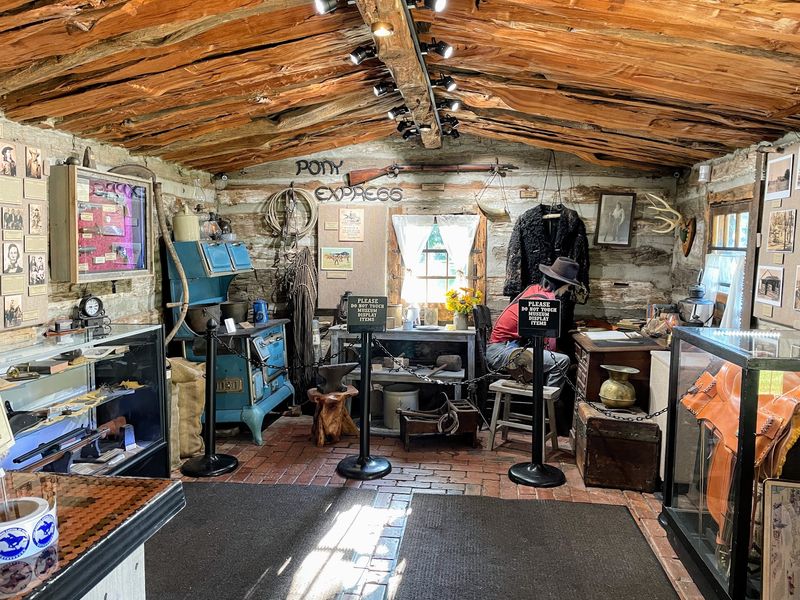
Tourists kept pressing their faces to the windows. Back in the mid-1950s, local teenagers noticed travelers stopping to peek inside the empty cabin, and their idea led to opening it as a gift shop for the public.
For decades that was mainly how the station operated, as a souvenir stop in a historic shell. Then in 2016, the Gothenburg Pony Express Association Inc., a local nonprofit, took over management.
The group reshaped the space into a true historical museum, adding a wide range of Pony Express exhibits.
The mission is straightforward. The association works to preserve the building and its artifacts while teaching people how the Pony Express shaped local, Nebraska, and American history.
Volunteers staff the cabin, which gives the place a hometown feel instead of a corporate one.
An estimated 40,000 to 50,000 people pass through each year, a big number for such a small room. The gift shop still exists on one side of the building, so the teenagers’ original spark lives on, now paired with displays that give every souvenir a story behind it.
Saddlebags, Rider Photos, and Old Frontier Gear
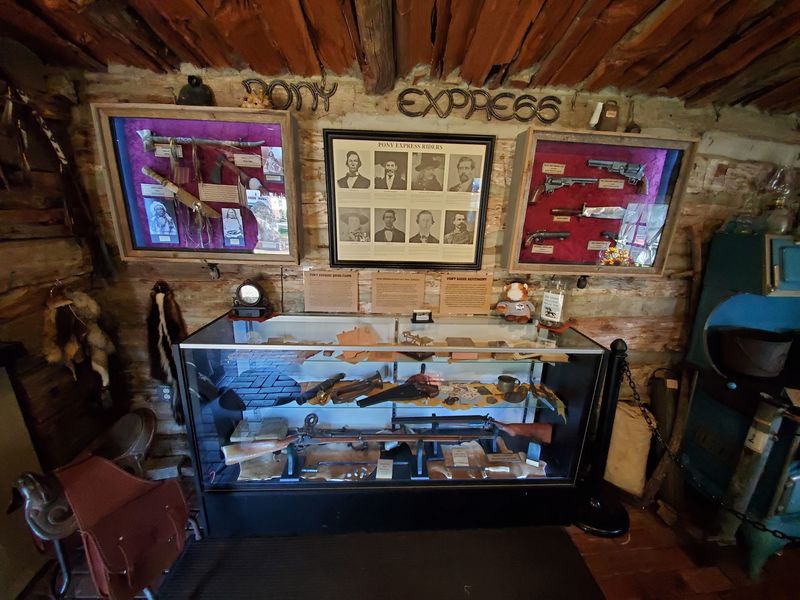
Leather worn smooth by long rides. Faded portraits of young men who carried the mail.
The artifact side of the cabin packs a surprising amount into a tight space.
Displays include old bags like the ones riders relied on, along with period firearms showing the gear of the era. Photos of actual Pony Express riders line the walls, and plaques share their stories in easy-to-read chunks.
There are also images of other log cabin stations along the route, which help place this building within the bigger network.
Recreations add to the picture, giving a sense of how equipment looked in use. It is a small building, yet the collection feels generous.
Expect to move slowly, reading one panel and then leaning in toward the next case.
On hot days there is a bonus. The thick log walls keep the interior cool and comfortable even when temperatures outside climb into the nineties.
That makes the exhibits a pleasant retreat on a scorching summer drive across the state, with history and shade arriving together.
Volunteers Who Bring the Trail to Life
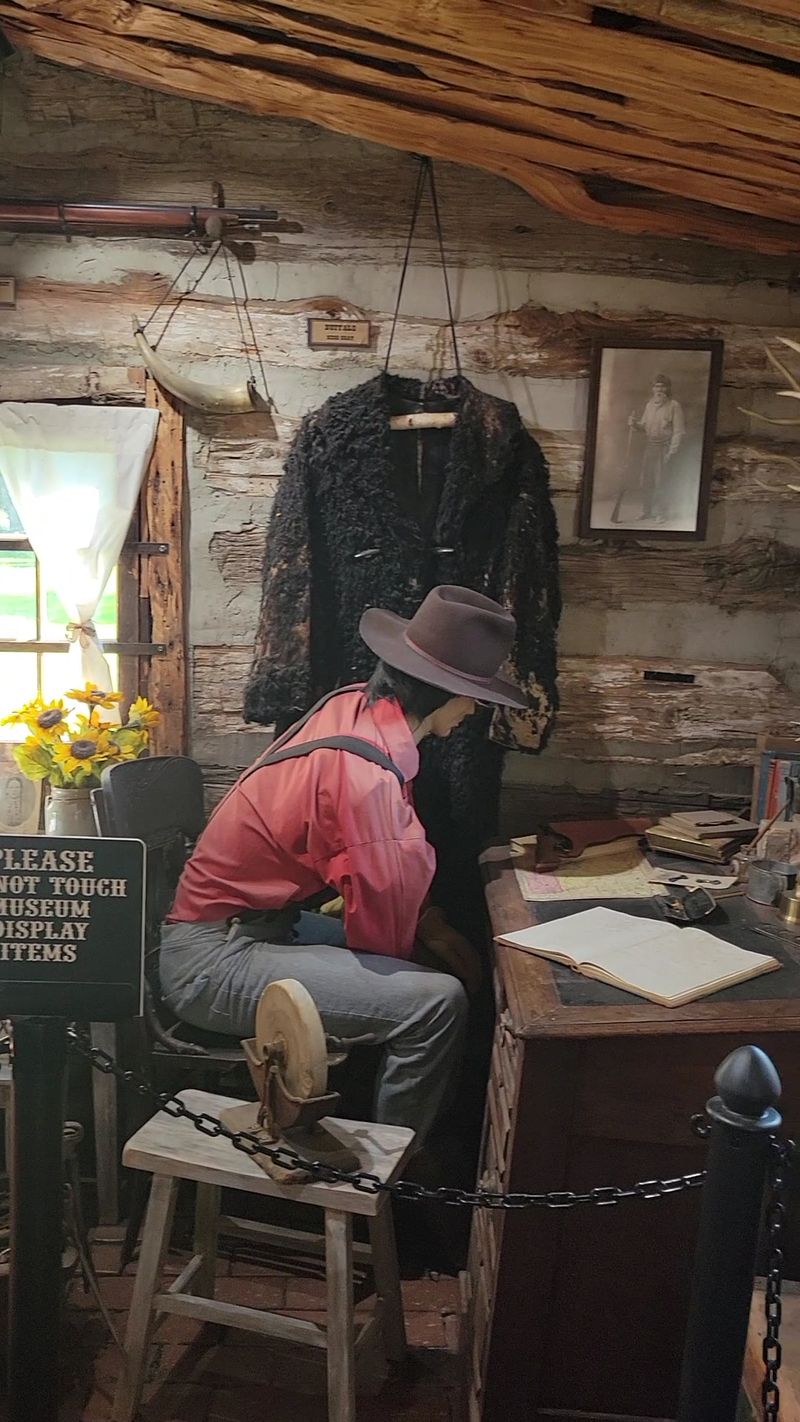
Sylvia, Rhonda, Alan, and a rotating crew of volunteers are a big part of what makes this stop stick. The docents working the cabin carry deep knowledge of the Pony Express and the surrounding region.
Ask a question and you may get a full story in return. The staff explain how riders moved, why the stations mattered, and what happened when the telegraph showed up.
Their storytelling turns a few framed photos into a clear picture of those intense eighteen months, and what might have been a five-minute peek becomes a real conversation.
That personal touch suits families with school-aged kids who enjoy history. Children can hear the relay system explained by someone who clearly loves the subject, which lands better than any sign.
Adults on a long road trip get the same treatment, along with tips about other stops around town.
Friendliness runs through the whole operation. Volunteers greet people warmly, keep the cabin clean and well kept, and seem happy to chat as long as anyone wants.
Their passion is the living exhibit here, and it rounds out everything else in the room.
Postcards in the Pouch and a Penny Press
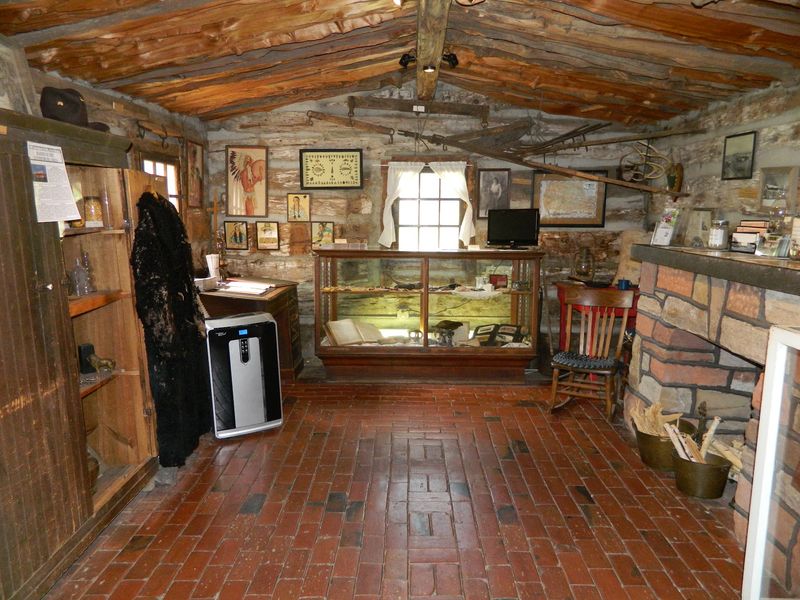
Here is a detail many people miss: you can mail a letter from the cabin itself. A Pony Express style pouch hangs from the old door, ready for postcards bound anywhere.
The gift shop sells postcards for about fifty cents each, plus stamps, so the whole ritual happens on the spot. Write a note, add a stamp, and drop it in the pouch.
Retired letter carriers and road-tripping kids alike get a kick out of sending mail from a station that once handled it by horseback.
Shelves hold books on the Pony Express Trail, reasonably priced souvenirs, and branded merchandise. Free stickers sometimes turn up too.
Then there is the pressed penny machine, a classic souvenir stop that turns a coin into a keepsake stamped with a frontier design.
Bring two quarters and a penny for that machine, since it needs exact change. Together, the pouch and the penny press give everyone something small to carry home, and the postcards arriving a few days later make friends back home wonder where your trip took you.
Planning Your Stop in Gothenburg
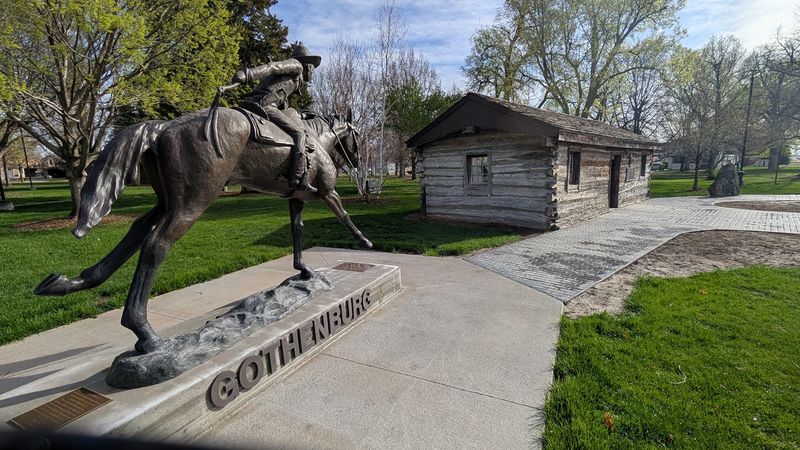
Timing matters most. The museum interior typically opens seasonally from spring through fall, roughly April to October, with longer hours in peak summer, and admission is free.
Off-season arrivals are not out of luck. The cabin exterior is open year-round, day or night, and an informational FM broadcast on 88.1 lets you tune in from the car and hear the station’s story.
A life-sized bronze sculpture of a Pony Express rider stands in the park for photos any time.
Finding the place can take a moment. Signs near town point toward the original station, but after the first one it is easy to wander off course, so set your map for 510 15th St in the park.
The location sits a short drive from Interstate 80, making it a simple leg-stretch break.
Plan to pair it with the free historical society museum across the street. Gothenburg also claims a second original station, the Midway Station, which sits south of town on private property and generally opens only for special events, so check ahead if seeing both stations is your goal.
Why Nebraska’s Pony Express Capital Earns the Title
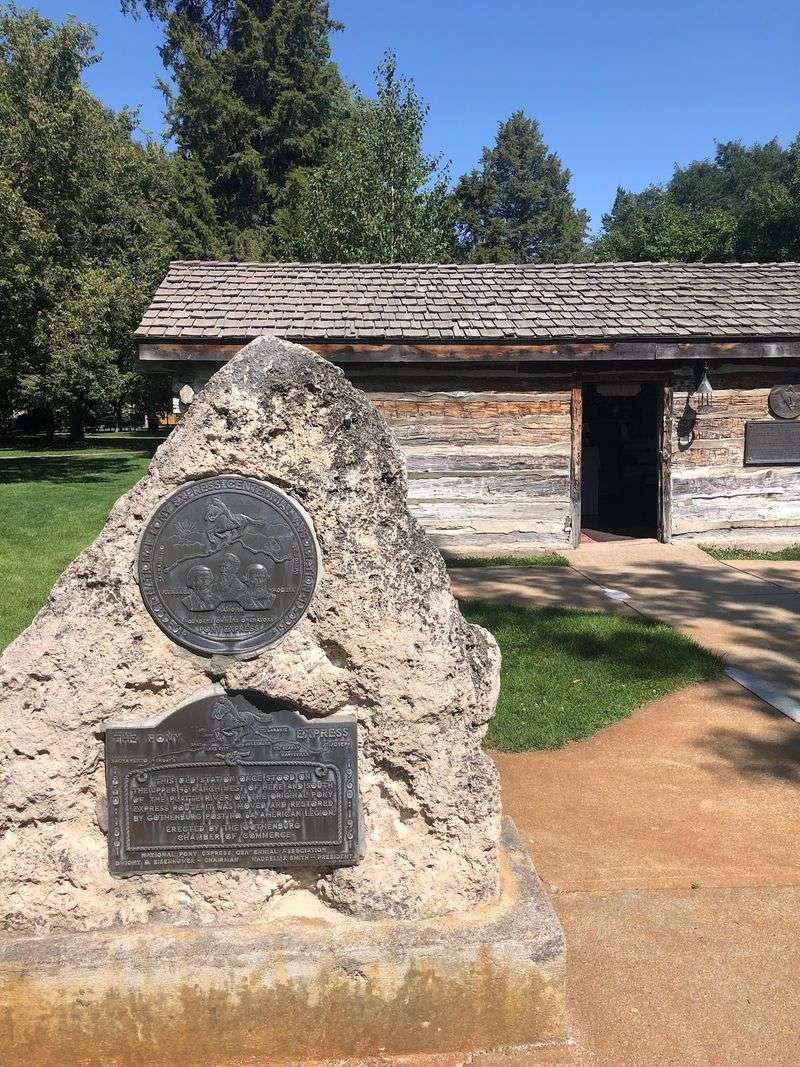
Few towns can say they are home to two original Pony Express stations. Gothenburg can, and it calls itself the Pony Express Capital of Nebraska with good reason.
Picture a quiet evening in Ehmen Park, the log walls glowing in late light, the bronze rider frozen mid-gallop nearby. The setting is peaceful, the cabin is humble, and the history behind it is enormous.
A service that ran only about a year and a half still gets a proper home here, cared for by volunteers who clearly want it remembered.
The stop fits almost any plan. Families get a free lesson that sticks, history lovers get authentic logs and artifacts, and highway travelers get a restful break under the trees.
Nebraskans who grew up nearby get something else entirely: proof that a nationally known story unfolded close to home.
So next time the Gothenburg exit comes up on Interstate 80, consider taking it. Mail a postcard from the pouch, press a penny, and spend a few minutes with walls that once heard hoofbeats racing west.