This Florida Town Has A Healthcare System Recognized Among The Best In America
A healthcare trip is rarely anyone’s idea of a getaway, but the place around an appointment can still matter.
In Florida, one city is home to a major medical campus that has drawn national attention.
Coastal air and quieter places to decompress are also within reach. That combination can make a demanding visit feel a little less clinical.
The story here goes beyond rankings and specialists. It is also about how the surrounding city works for people arriving for serious reasons.
Practical details suddenly matter more. So does having somewhere peaceful to exhale afterward.
Sometimes the setting around the care becomes part of the experience too.
A Medical Milestone
Mayo Clinic opened its Jacksonville campus in 1986, becoming the organization’s first group-practice location outside Rochester, Minnesota.
A major land donation from a Jacksonville family helped make the expansion possible.
The original operation began with a relatively small medical staff in a single five-story clinical building.
The campus has expanded substantially since then, adding a hospital, additional patient-care buildings, research facilities, and other support spaces.
Today, the Jacksonville campus covers about one square mile and serves patients across dozens of specialty areas.
That growth explains why checking the exact building on an appointment itinerary matters. The current campus includes the Cannaday, Davis, Duan Family, Mangurian, and Mayo buildings, with different services spread among them.
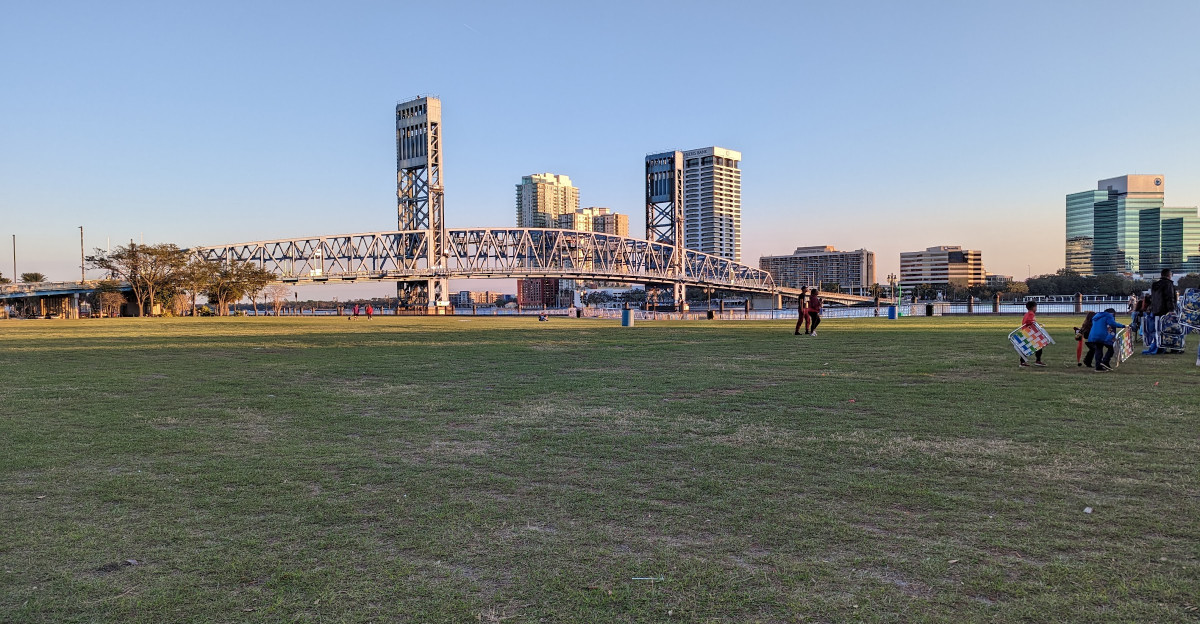
Jacksonville is a large coastal city in northeastern Florida, giving visiting patients and families a wide range of lodging, transportation, and everyday-service options.
Appointments should still be arranged before travel because availability depends on medical need and the specialty involved.
The main Mayo Clinic address is 4500 San Pablo Road in Jacksonville.
Space To Pause
Even a short pause outside can change the pace of a busy day.
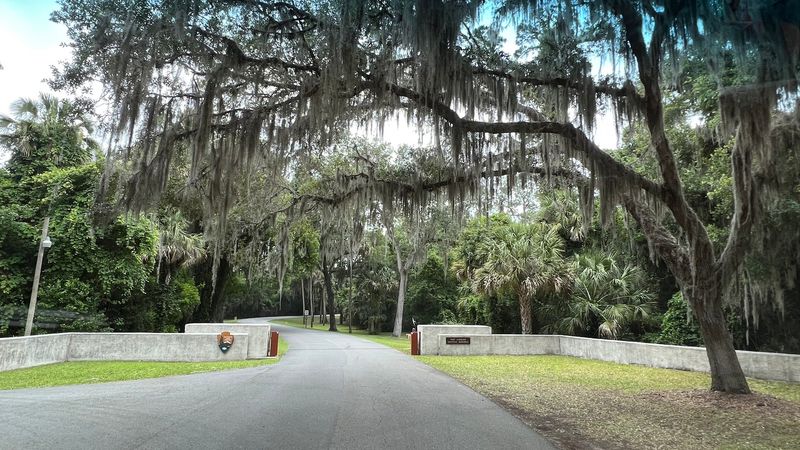
Mayo Clinic’s Jacksonville campus includes landscaped areas and outdoor respite spaces, including Louchery Island, a meditation area set within one of the campus lakes.
More than half of the campus acreage remains in a natural state, giving parts of the medical complex a noticeably greener setting than the buildings alone might suggest.
Getting between appointments is also easier in several parts of the campus.
The Cannaday, Davis, and Mayo buildings are connected by enclosed walkways, while information desks, campus maps, and patient escorts can help with longer or unfamiliar routes.
Mobility support is available for visitors who need it. Wheelchairs and patient escorts are offered throughout the campus, and accessible parking and restrooms are available at patient-care buildings.
The Cahill Meditation Atrium in the Cannaday Building provides another quiet indoor space and is open around the clock.
For anyone with time between appointments, the outdoor areas can provide a brief change of setting. The schedule should still come first, especially when tests, consultations, or check-in times are close together.
Specialists Working Together
One appointment can raise several questions, especially when care involves more than one specialty.
Mayo Clinic’s model is built around teams that can bring together specialists from different departments according to a patient’s needs.
That structure can be useful for complicated evaluations, but it does not mean every answer, test, or consultation will happen immediately.
Appointment timing still depends on the condition being evaluated, the services required, and availability.
Patients are generally given an itinerary for scheduled appointments and testing.
Bringing requested records, a current medication list, and written questions can make that itinerary easier to follow and help the care team work from accurate information.
Additional testing or consultations may extend beyond the original schedule. Mayo Clinic advises travelers to keep plans flexible when possible because some evaluations require more time or a return visit.
Visitor rules can also differ by setting. Current Florida guidance allows limited accompaniment in outpatient clinics when needed, while hospital visitation may depend on room size and patient-care requirements.
Why Recognition Matters
Rankings attract attention, but the details behind them matter more than a broad headline.
For the 2026–2027 U.S. News & World Report rankings, Mayo Clinic in Florida is listed as the No. 1 hospital in the state and is nationally ranked in nine specialties.
That recognition gives useful context for the campus’s reputation, particularly for travelers comparing major medical centers.
It does not replace a discussion about the specific condition, service, or physician team involved in an individual case.
Hospital rankings can also change from year to year. Checking the latest published results is more useful than relying on an older award or an undated claim.
For visiting patients, practical questions remain just as important. Confirming the specialty, appointment location, requested records, and expected schedule can do more for trip planning than a ranking alone.
Jacksonville’s size adds flexibility around the medical visit. The city offers hotels, transportation services, and daily necessities across a broad area, including lodging options on and near the campus.
Research Beyond The Exam Room
Some of the work in Jacksonville happens well beyond a standard exam room.
The campus includes three research buildings as well as specialized facilities such as a cyclotron and radiochemistry laboratory.
Research is closely connected with patient care, particularly in areas involving complex disease and emerging treatments.
The Florida campus is especially recognized for its research and clinical work in neurosciences, transplant medicine, and cancer care.
The newer Duan Family Building, opened in 2025, also integrates advanced cancer-related imaging and radiation services into the campus.
Clinical research does not mean every patient automatically enters a study. Trials follow specific protocols and eligibility rules, and participation may involve additional appointments, testing, forms, or follow-up.
Education is another part of the Jacksonville mission. The Florida campus trains physicians and scientists, and in 2026 it held a commencement for graduates completing medical and biomedical-science programs connected with Mayo Clinic.
For patients, the useful question is simply who is involved in their care and what role each person has. Clear explanations can make a teaching and research environment easier to navigate.
A Coastal Breathing Break
After a long appointment, a change of setting may be welcome if time, energy, and care instructions allow it.
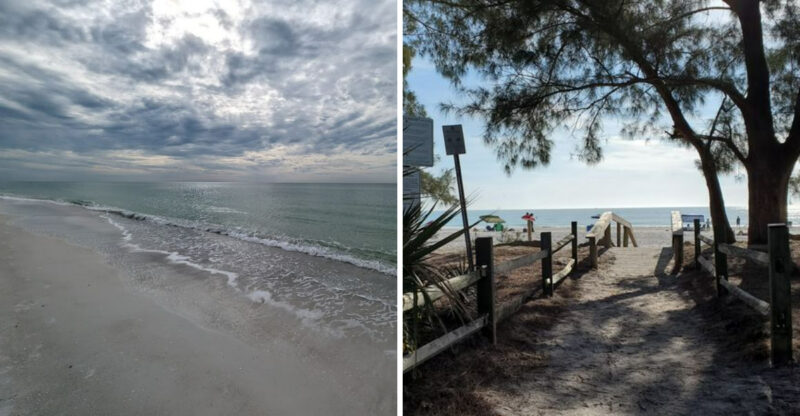
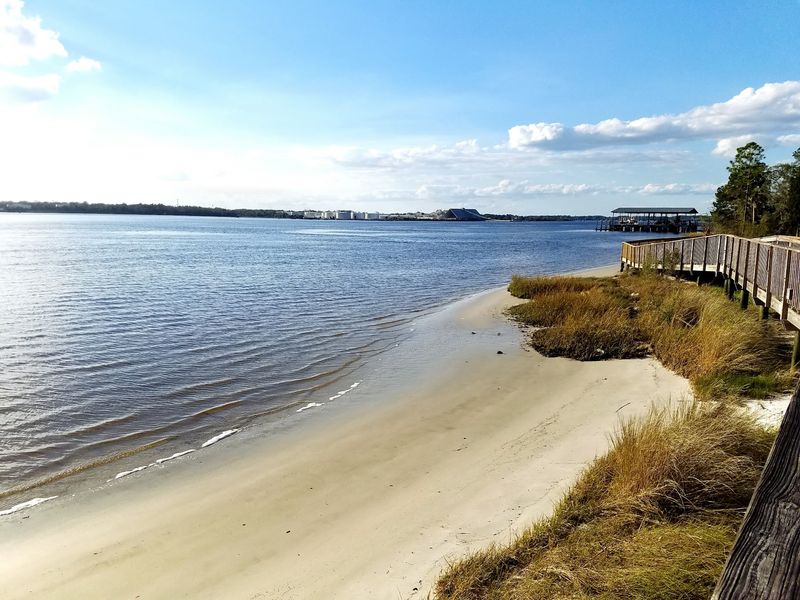
Jacksonville’s Atlantic coastline gives visitors access to beaches within a relatively short drive of the medical campus.
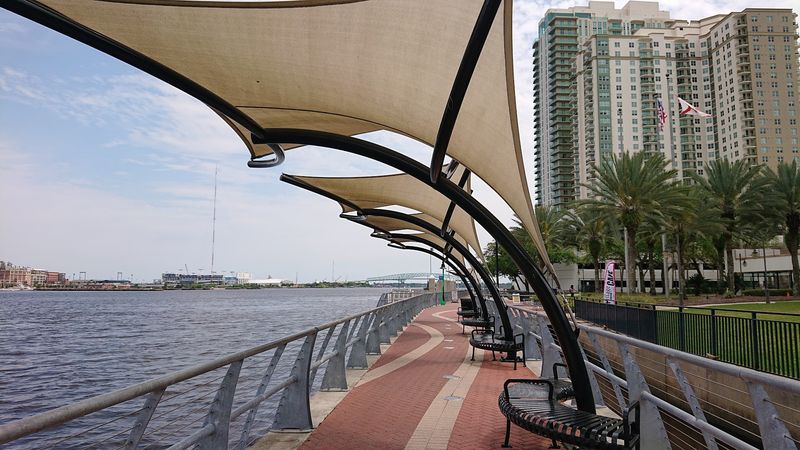
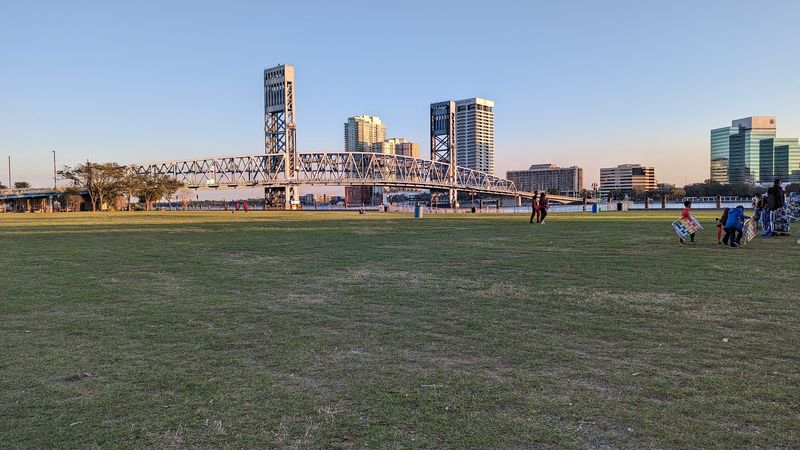
The city also has an extensive park system and riverfront spaces, creating options that do not require a full sightseeing schedule.
Weather still deserves attention because heat, humidity, storms, and travel time can change an easy outing quickly.
Not every medical traveler will want or be able to add a walk or beach stop. A quiet afternoon at the hotel, a brief outdoor break, or time on campus may be the better choice depending on the day.
For anyone who does explore, keeping the route simple helps. Saving directions, watching the appointment schedule, and leaving room for changes can prevent a relaxing break from becoming another source of pressure.
Coastal scenery gives Jacksonville another side without distracting from the main reason many visitors arrive.
Planning An Easier Stay

The least exciting part of a medical trip can make the biggest difference.
Start with the appointment confirmation, arrival time, and exact building, then organize transportation and lodging around that information.
Mayo Clinic publishes a current campus map and identifies parking areas by patient-care building.
Several patient lots are available, and some nearby or on-campus hotels provide shuttle transportation to appointments. Two hotels are located on the campus itself, which can simplify transportation during a longer stay.
Visitors with mobility, visual, or hearing needs can request accessibility services. Patient escorts, wheelchairs, accessible restrooms, and other support are available across the Florida campus.
Keeping identification, requested medical records, medication information, and appointment details together can simplify check-in. The official patient guide also recommends allowing extra time for parking and walking when visiting an unfamiliar building.
For longer stays, lodging location can matter more than a hotel’s general proximity on a map. Jacksonville covers a large geographic area, so confirming the actual route to the correct campus entrance can prevent unnecessary travel.
Flexible scheduling helps too. Medical appointments can run longer than expected, and additional testing may be added when clinically appropriate.
Care Beyond Campus
A major healthcare system also has a role in the community around it.
Mayo Clinic in Florida supports local programs focused on access to care, mental health, nutritious food, health disparities, education, and other factors that affect health and quality of life.
Its community work extends beyond the San Pablo Road campus.
A downtown Jacksonville Community Health Collaborative provides space for health education, community engagement, clinical-research participation, and outreach.
Research partnerships also aim to include community perspectives. The Florida campus has used community advisory structures to connect researchers with residents, local organizations, and other regional partners.
For visitors, those programs are a reminder that the institution serves both traveling patients and people who live in Northeast Florida year-round.
Current program details and eligibility can change, so official community pages are the best source for events, participation requirements, and available services.
The broader picture is larger than any single ranking.
Mayo Clinic’s Jacksonville presence combines patient care, research, education, and community engagement, while the surrounding city provides the practical infrastructure many traveling patients need.