This Florida Farm Lets You Meet Capybaras And Decorate Your Own Pumpkin
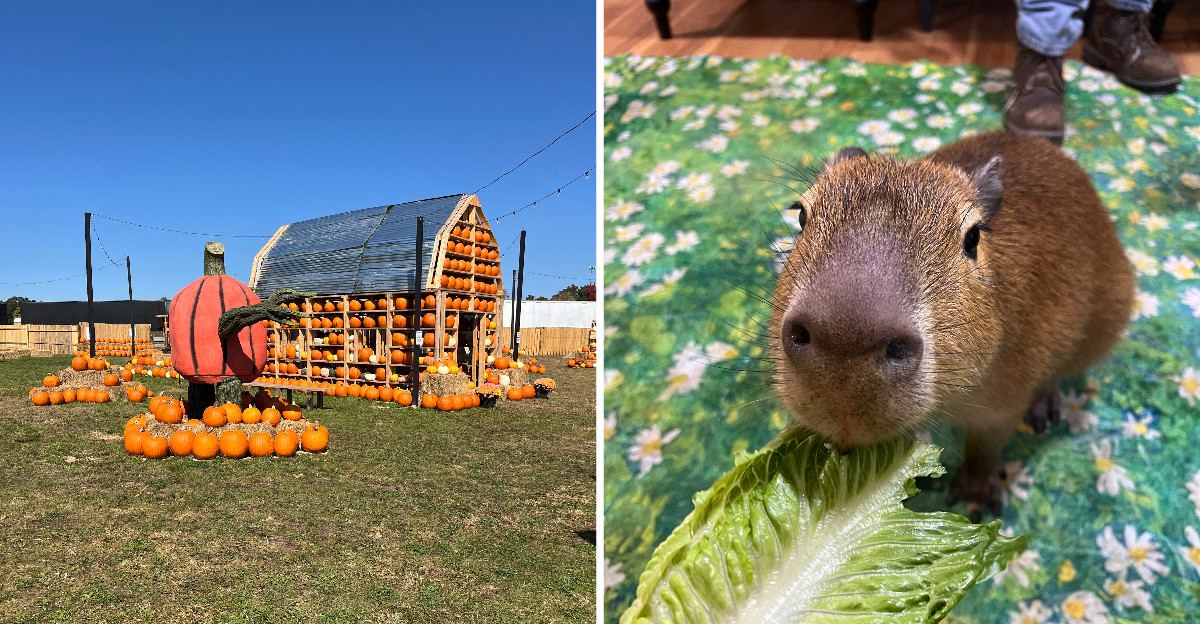
Capybaras and pumpkins in the same afternoon? That is an impressively random fall combination, and somehow it works!
One Florida farm turns seasonal fun into something far more memorable than a quick photo stop.
The animal encounter brings visitors close to those famously calm, oversized rodents.
Pumpkin decorating slows things down afterward with a colorful little project to take home.
Goats and everyday farm chaos keep the middle interesting. What makes the whole visit charming is how simple it feels.
There is no need for giant attractions. Animals, autumn, and far too many capybara photos can apparently fill an afternoon just fine.
Meet The Capybaras
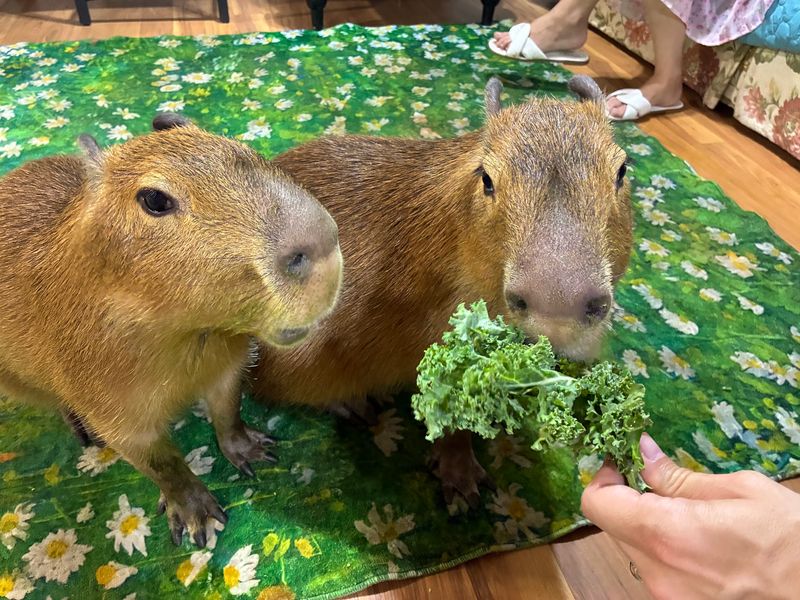
Meeting a capybara is the main attraction, and the farm gives visitors more time than a quick look through a fence.
The current private capybara encounter lasts about 45 minutes and is reserved for one family or group at a time. Advance booking is required.
The experience includes supervised playtime, feeding, petting, and close interaction before guests continue into the petting-farm areas.
Capybaras are the world’s largest living rodents, so seeing one at close range gives a much better sense of their size and unusual build.
Staff remain part of the experience and can explain how to approach, feed, and interact with the animals safely.
Two resident capybaras currently take part in the farm’s encounters, giving visitors a chance to notice different behavior without forcing interaction.
Children younger than 14 must be accompanied by a participating adult during the private encounter.
The experience also includes access to other farm-animal interactions, including opportunities to meet young goats, bunnies, and a mini Scottish Highland.
Violette Hill Hay Farm is located at 5505 N Orange Blossom Trail in Mount Dora, where the capybara program now operates.
Paint A Fall Pumpkin
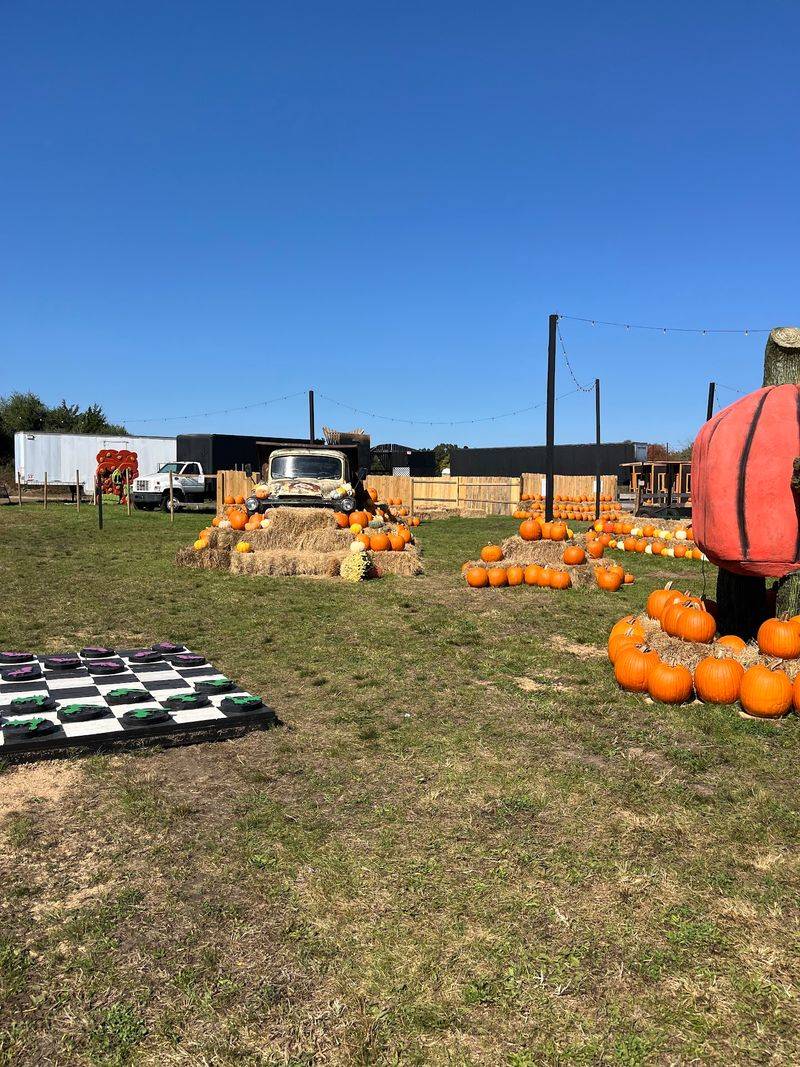
Pumpkin decorating is part of the farm’s current seasonal program rather than a standard activity offered with every ordinary visit.
The fall event runs on Saturdays during September and October, beginning September 26, with activities scheduled from late morning through the afternoon.
Each guest receives a small pumpkin to paint and take home, making the craft part of the event rather than a separate add-on.
Painting also keeps carving tools out of the activity, which makes the project easier to share with younger children.
Simple designs work well on the rounded surface. Stripes, dots, faces, leaves, or blocks of color can all turn a small pumpkin into a fall keepsake.
A stable pumpkin is easier to paint, especially for smaller hands working around a crowded craft table.
Lighter colors may need a little drying time before darker details go over them, so the activity works better when nobody is rushing.
Clothes that can handle a little paint are a practical choice. A bag or box can also help protect the finished pumpkin on the drive home.
Spend Time With Goats
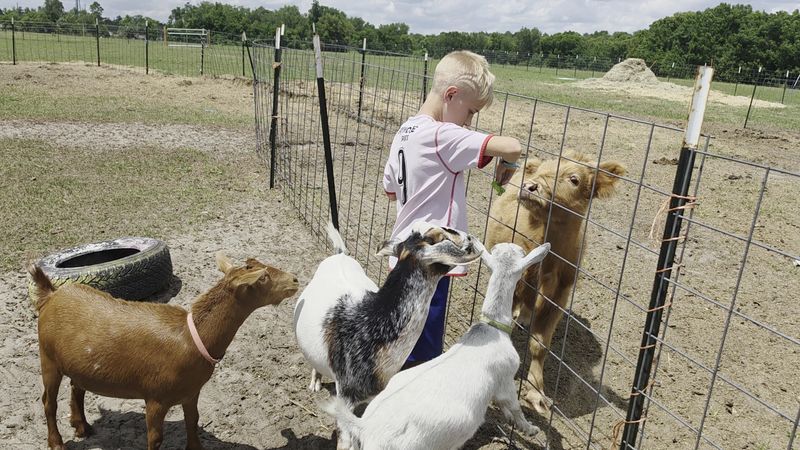
Goats add a livelier kind of interaction to the farm, especially when feeding and close contact are part of the visit.
The regular petting-farm experience currently includes opportunities to meet, feed, and spend time with goats under farm guidelines.
Food can bring several animals closer at once, so following staff directions keeps the interaction more controlled.
Waiting for an open space around an animal also makes feeding easier than reaching across another goat.
Goat behavior changes quickly when food is involved, and watching those reactions can be just as interesting as handing over a snack.
Younger visitors benefit from simple reminders about gentle touching and giving animals room to step away.
Food brought from outside should stay out of the animal areas unless the farm specifically approves it.
Some of the farm’s educational programs go further than ordinary petting-farm visits. The Farmer for a Day activities, for example, can include washing and grooming goats.
Loose straps and small belongings are worth securing before entering hands-on animal areas.
Visit The Bunny Area
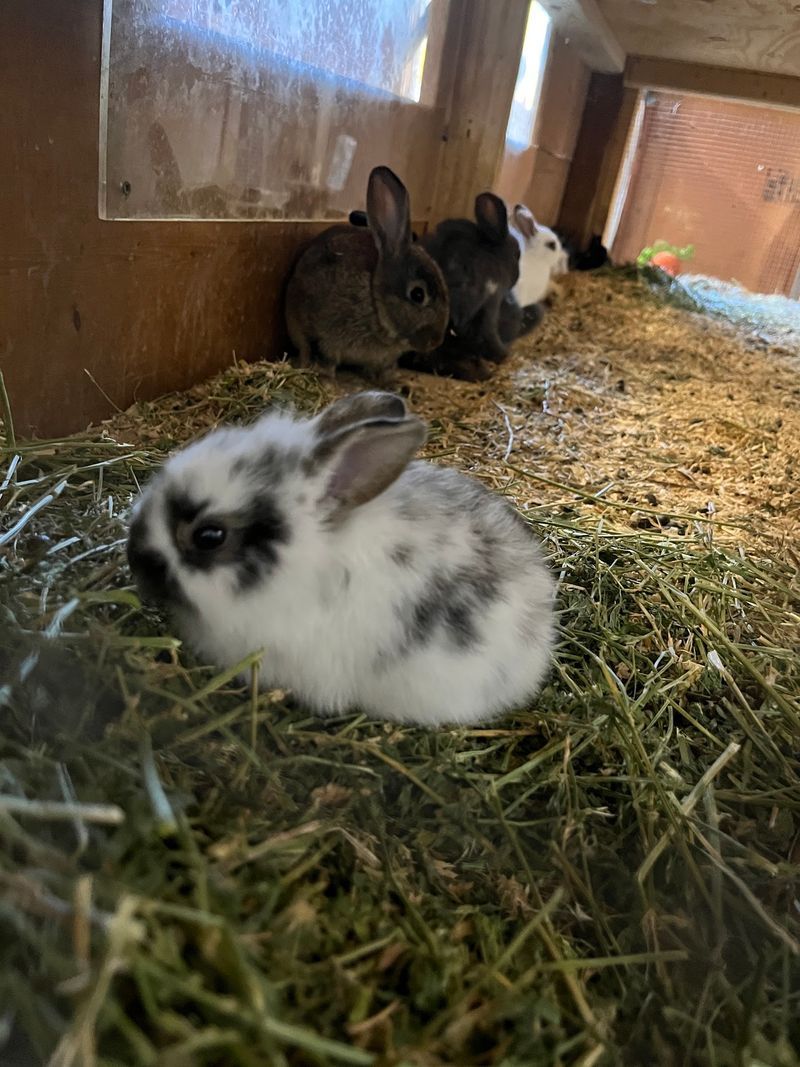
Bunnies provide a quieter contrast to the more energetic goat areas.
The farm currently lists bunnies among its hands-on petting-farm animals, and young rabbits may also be included with private capybara encounters.
Visitors should follow staff guidance about which rabbits can be handled or cuddled during a particular session.
Sitting calmly near a rabbit often makes the experience easier than immediately reaching toward it.
Handling should stay gentle and supervised, particularly when younger children are taking part.
A child does not need to hold a rabbit for the visit to be worthwhile. Watching one settle, move, or investigate its surroundings can be enough.
Low voices and slow movements help keep the area calmer for the animals and the people around them.
This Florida farm’s fall masterclass also advertises an indoor bunny cuddle room as part of its seasonal programming.
Clean hands before and after close animal contact are especially useful when moving between different enclosures.
Once an animal pulls away or settles elsewhere, giving it space keeps the encounter centered on the animal’s comfort rather than one more photograph.
Look For Larger Farm Animals
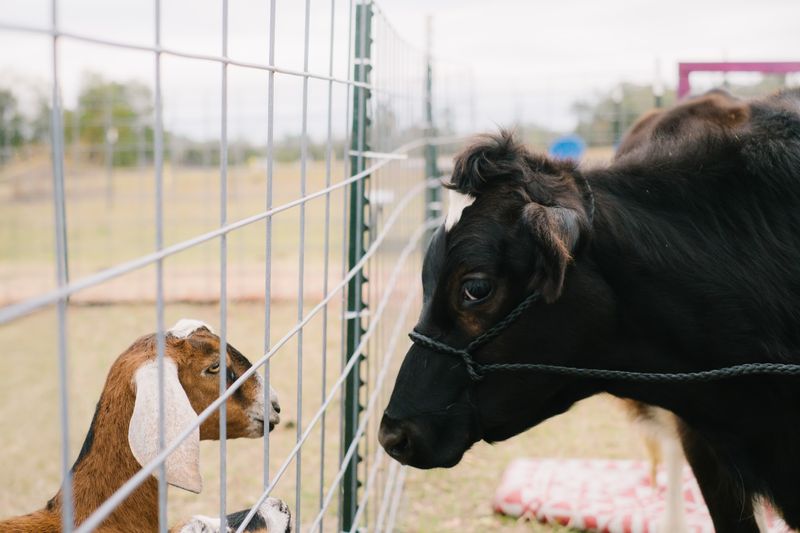
Small animals are only part of the current farm lineup.
The petting farm also lists cattle, a mini Scottish Highland, a pony, a donkey, and pigs among the animals visitors may encounter.
Access depends on the area and the activity taking place, so gates and enclosures should only be entered when farm staff allow it.
Larger animals move and respond differently from rabbits or young goats, which makes simple observation part of the experience.
Feeding should follow the farm’s directions rather than relying on grass, snacks, or other food brought from outside.
Young children may need a little extra distance at first when meeting cattle, ponies, or donkeys at close range.
Shade and drinking water become especially useful when the visit stretches across several outdoor animal areas.
Photography works best without flash, sudden noises, or attempts to force an animal to look toward the camera.
Ears, posture, movement, and distance can reveal plenty about how comfortable an animal is with the activity around it.
Keeping pathways and gates clear also gives staff room to manage the larger animals safely.
Explore Farm School Programs
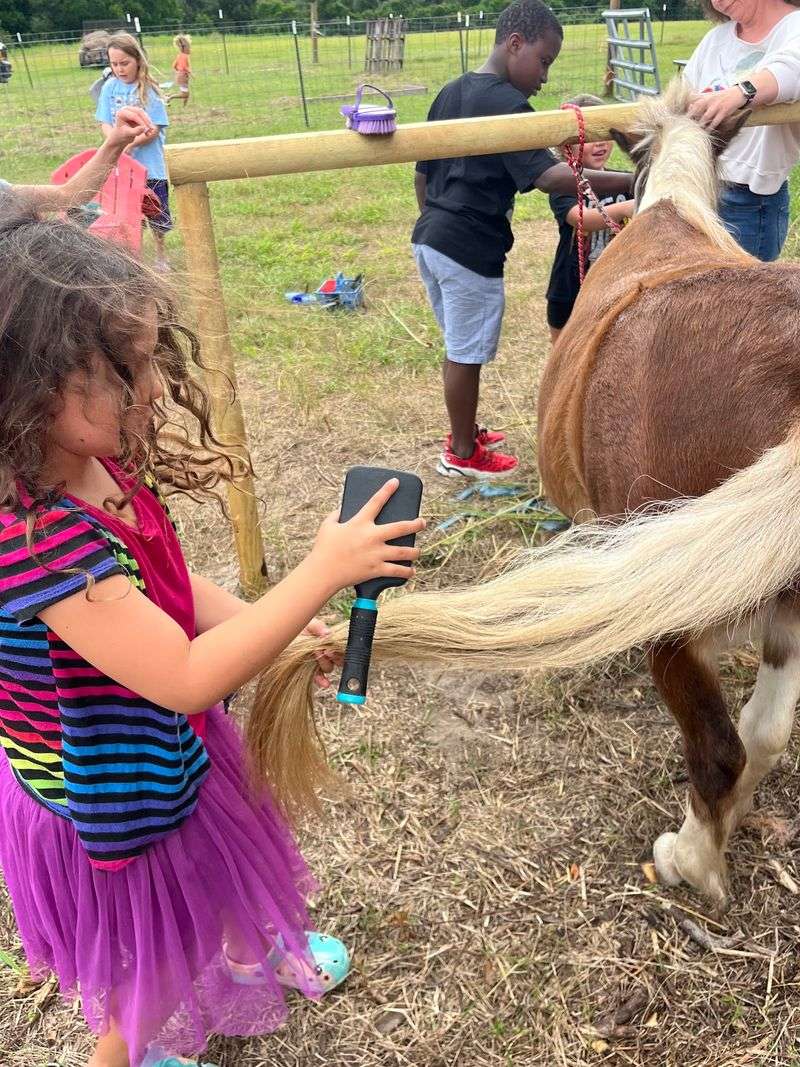
A regular farm visit can easily lead to more questions about how the animals are actually cared for.
The farm’s current Farm School programs turn those questions into structured hands-on lessons for children.
Animal Husbandry classes cover feeding, grooming, behavior, farm routines, and basic agricultural practices through work in barns, pastures, and classroom areas.
More advanced levels move into animal health, handling, record keeping, disease prevention, identification, and other practical care topics.
Current offerings include multiweek Animal Husbandry programs, an advanced Animal Care Tech track, and a hybrid program drawing from several Farm School subjects.
Some lessons also include farm labs, games, outside projects, crafts, goat milking, shelter work, and food-production activities.
The farm currently schedules many Farm School sessions on Wednesdays, Thursdays, and Fridays, with morning and afternoon time blocks.
Programs are designed for different experience levels, so the most suitable class depends on a child’s age and previous farm-school participation.
Closed shoes and clothes that can handle outdoor work make more sense here than classroom clothes that need to stay clean.
Watch For Seasonal Events
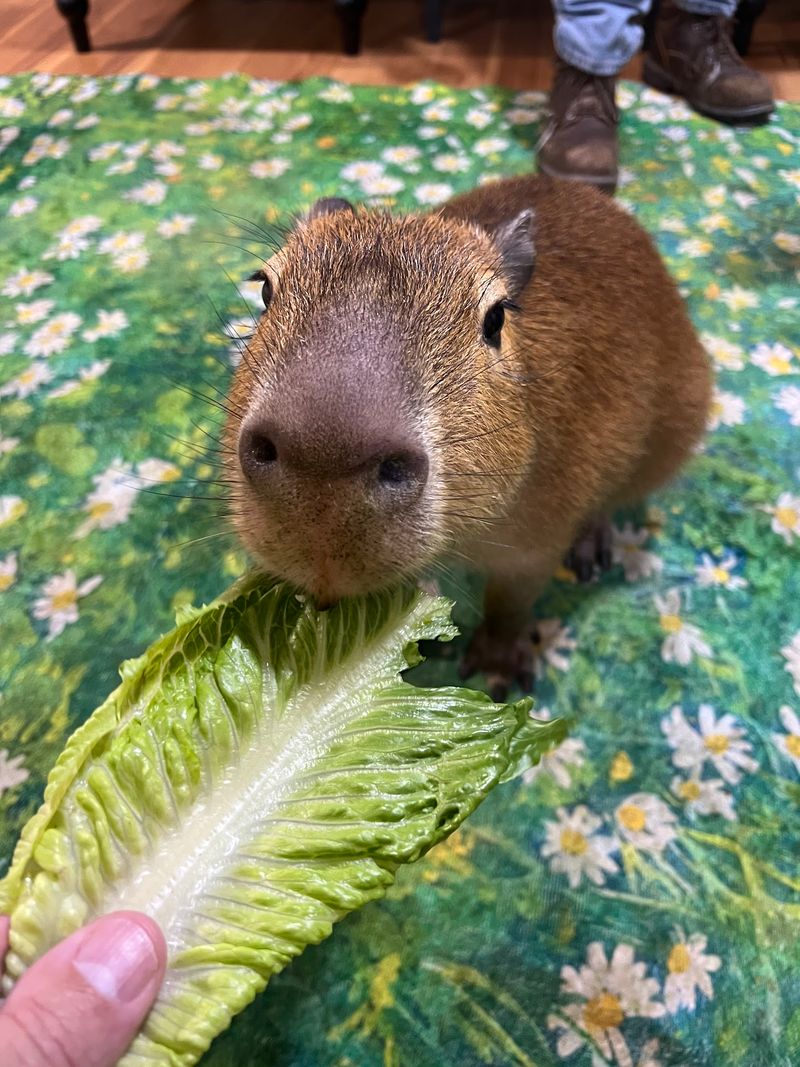
Autumn adds a separate layer to the farm calendar, with programming that differs from an ordinary petting-farm visit.
The current Pumpkins with Pumpkin event runs on Saturdays through September and October, beginning September 26.
During those event days, the capybaras move around designated farm areas while visitors can pet them, take photographs, and learn from farm staff.
Each admission also includes a small pumpkin to paint and take home, along with seasonal decorations and additional fall activities.
Regular petting-farm visits are not offered in their normal format on those Saturdays, so the event schedule matters when planning.
Private capybara encounters continue separately on Sundays during the fall promotion.
Another seasonal option is the Farmer for a Day Fall Harvest Masterclass, which combines agricultural lessons with harvest-themed activities.
That program can include making butter, collecting eggs, grooming goats, preparing animal snacks, pony rides, hay rides, a corn pit, and time in the bunny cuddle room.
Because special events use their own schedules and activity lists, this Florida farm’s current booking page is the best place to confirm what is included on a particular date.
Plan A Comfortable Visit
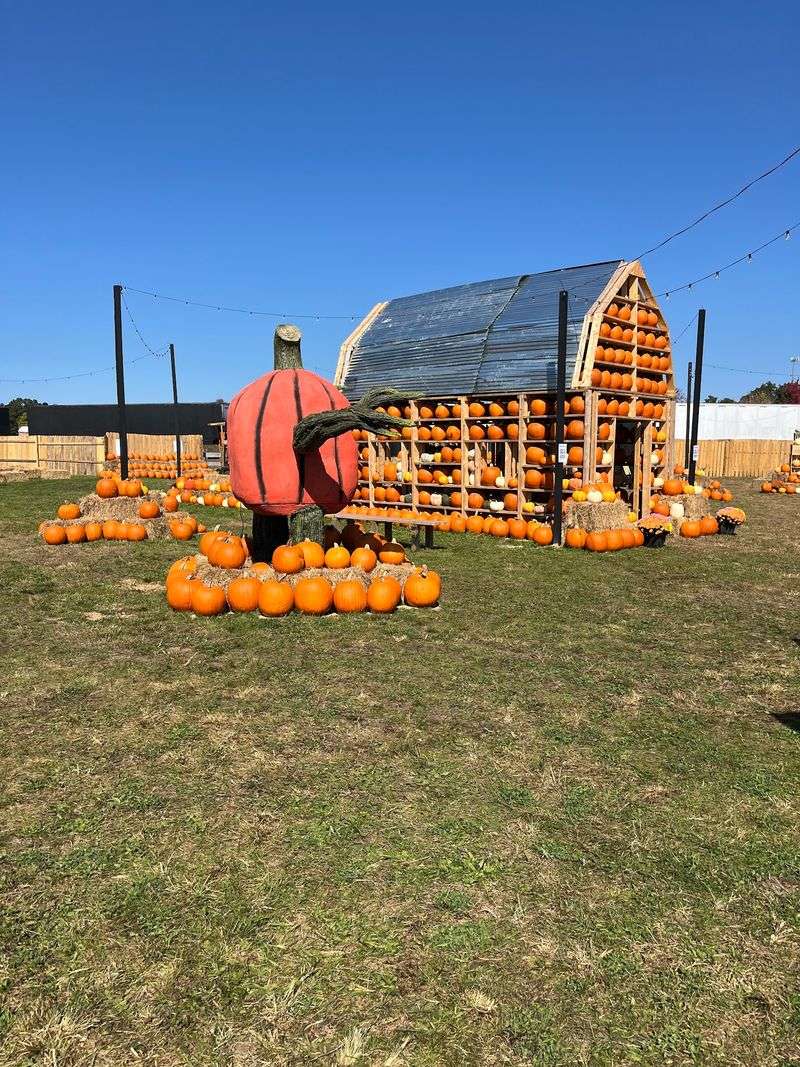
A little preparation helps separate the farm’s regular admission, private encounters, classes, and seasonal events.
The farm’s current contact page lists general hours for most days of the week, with Tuesday closed, but individual experiences follow their own schedules.
Regular petting-farm visits currently do not require advance reservations and can be purchased during operating hours.
The private capybara encounter is different. It requires a reserved time and currently lasts about 45 minutes.
Pumpkin painting should also be treated as a seasonal activity because it is tied to the fall event rather than ordinary admission.
Closed shoes are a practical choice around animal areas, while clothes that can handle dust, hay, and paint make the day easier.
Drinking water and sun protection are useful for the outdoor portions of the visit, particularly during warmer afternoons.
Florida visitors should follow posted and verbal instructions before feeding, petting, or entering any animal enclosure.
A handwashing stop after animal contact is also worth building into the day before eating or beginning another activity.