Search For 300-Million-Year-Old Fossils At This Incredible Texas Park, And Take Home What You Find
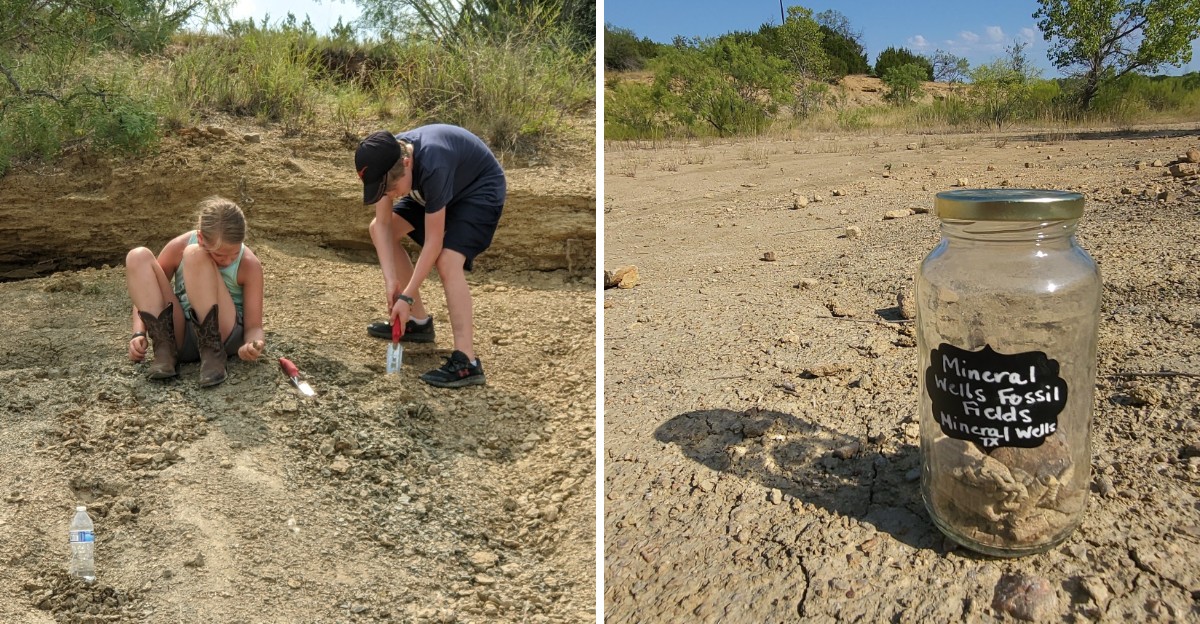
You have probably picked up a cool rock or two in your life. This time, that rock might be even older than the dinosaurs.
The ground here is scattered with ancient sea creatures from a long-lost ocean. Yes, Texas was once underwater, and it left behind plenty of souvenirs.
You get to crouch down, squint at the gravel, and play paleontologist for the day. Tiny crinoid stems look like stacked beads from a prehistoric necklace.
Some shells look like they were dropped by a mermaid in a hurry. Every handful of rocks feels like a scratch-off ticket from the ocean floor.
The kids will race each other to find the biggest treasure. You will secretly compete with them, and nobody has to know.
The best part is that your discoveries get to ride home with you. Grab a hat, pack plenty of water, and get ready to meet the ancient past.
A Free Ticket To The Ancient Past
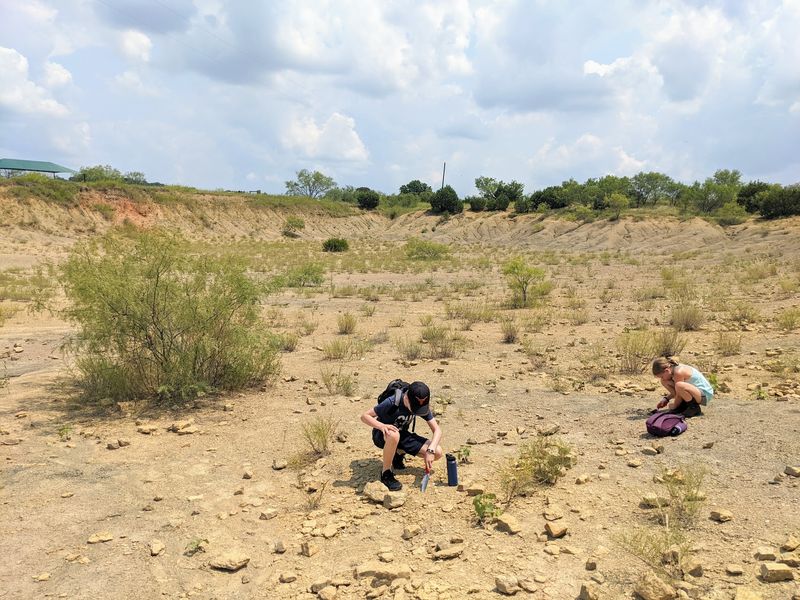
Time travel costs nothing here, which is a rare bargain. Mineral Wells Fossil Park is a free public park where you hunt real fossils about 300 million years old.
No admission fee means you can visit as often as you like. Families, rock fans, and curious beginners all share the same open ground.
The park sits on land that was once part of an old clay pit. The city turned it into a public fossil site so anyone could explore it.
That makes it one of the few places in Texas built just for casual fossil hunters.
Getting there adds a little adventure. The last stretch is a dirt road, about a mile long, and visitors say it stays well kept.
Your car may need a rinse on the way home.
GPS can be a bit confused near the end. Some drivers get pointed toward a nearby club first, so just keep driving until the road ends at the park.
Cell service is spotty in the area, too. Download your map before you leave town.
It saves you from waving your phone at the sky like a lost wizard.
The park at 2375 Indian Creek Rd, Mineral Wells, Texas, earns strong ratings from visitors. For a free outing, it delivers far more wonder than you might expect.
Standing On An Old Sea Floor
Long before Texas had cowboys, it had waves. About 300 million years ago, this land sat under a warm, shallow sea.
Scientists call that stretch of time the Pennsylvanian Period.
That sea was packed with life. Sea lilies swayed in the water, shelled creatures crawled along the bottom, and early sharks cruised around.
When those animals died, mud slowly buried them. Over millions of years, that mud hardened into rock and turned their remains into fossils.
The ground you walk on is basically a very old seafood platter, just without the lemon.
Here is a fun detail worth knowing. These fossils are older than the dinosaurs.
When the first dinosaurs showed up, these creatures were already ancient history.
Rain and wind keep wearing the soft rock away. Each storm peels back a thin layer and uncovers new fossils.
That means the park keeps refilling itself with fresh finds.
So when you kneel down, you are looking at a snapshot of a lost ocean. Every tiny shell was once alive in water that no longer exists.
That thought alone makes the dusty ground feel pretty magical.
Take a second to look out across the pit. Imagine it all underwater, and the whole place changes.
Finders Keepers Is The Actual Rule
Most museums say look but do not touch. Here, the rules flip in the best way possible.
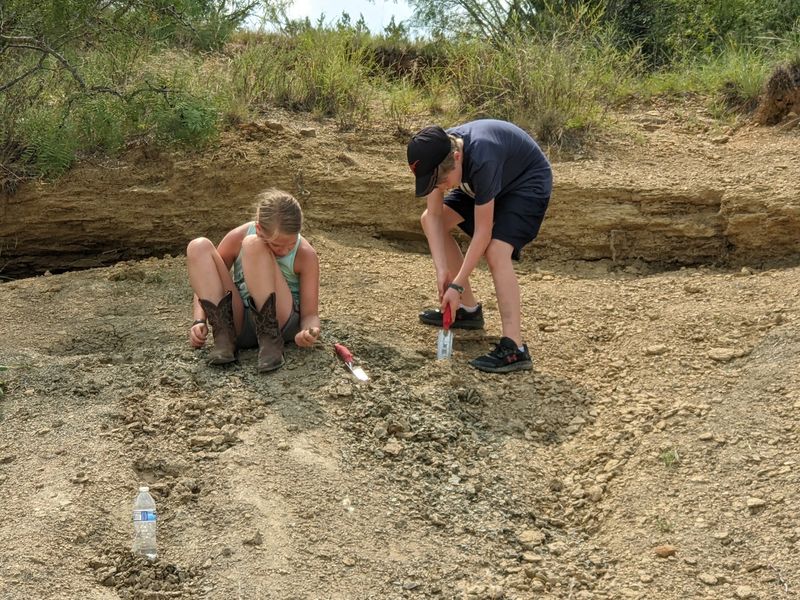
You can pick up fossils and take them home.
The park allows personal collecting, so your finds become your own souvenirs. The rules are posted online and at the site.
Read them before you start filling bags.
The key word is personal. Collecting is meant for your own enjoyment, not for selling.
Keep it fair so the next family finds plenty too.
Kids tend to go wild over this. Holding something older than dinosaurs, and knowing it gets to ride home in their pocket, feels like winning a prize.
Parents often end up just as excited.
Plan how you will carry your treasures. A zip bag, small box, or egg carton works well.
The egg carton keeps tiny pieces from getting crushed together.
Once home, give your fossils a gentle rinse with water and a soft brush. Colors and details pop out after the dust is gone.
You could even start a collection shelf. Label each piece with the date and place you found it.
Years later, those little labels will bring back the whole sunny day.
Pack Light And Search Smart
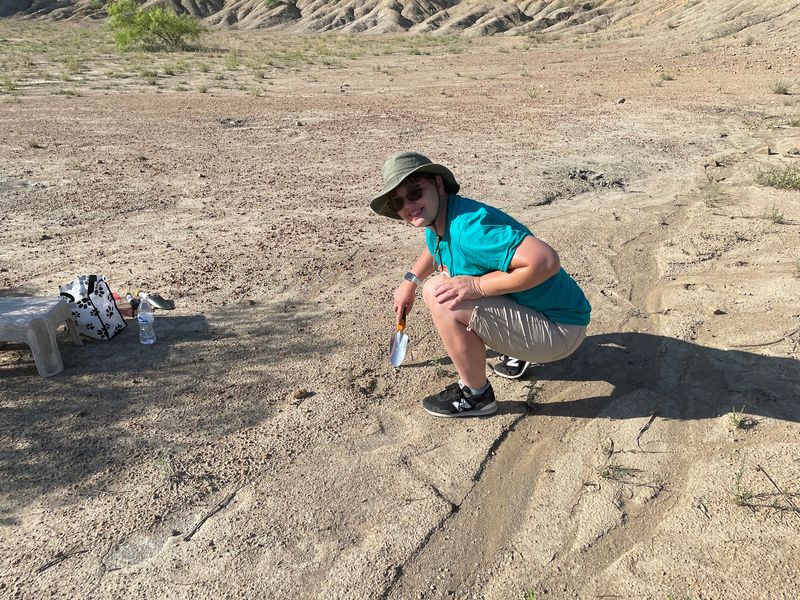
Leave the jackhammer at home. The park allows only small hand tools, like garden trowels.
Big shovels and heavy equipment are not part of the plan.
Honestly, you may barely need a tool at all. Many fossils rest right on the surface, waiting to be noticed.
Some visitors say a plain dinner spoon does the job.
Here is a smart starter kit. Bring a small trowel, a few zip bags, and something soft to kneel or sit on.
A cushion or knee pad saves you from sharp gravel.
Clothing matters, too. Jeans and closed-toe shoes protect you from scrapes on the loose, rocky soil.
Sandals and shale are not good friends.
A magnifying glass is a clever extra. Many fossils are the size of a pea or smaller.
Looking closer reveals tiny ridges and patterns you would miss otherwise.
Want an easy hack? Sit in one spot and scan slowly.
Once your eyes learn the shapes, fossils seem to appear everywhere.
Finally, bring a small bucket or tote to carry everything back to the car. Your pockets will fill faster than you think.
Meet The Sea Lilies And Their Neighbors
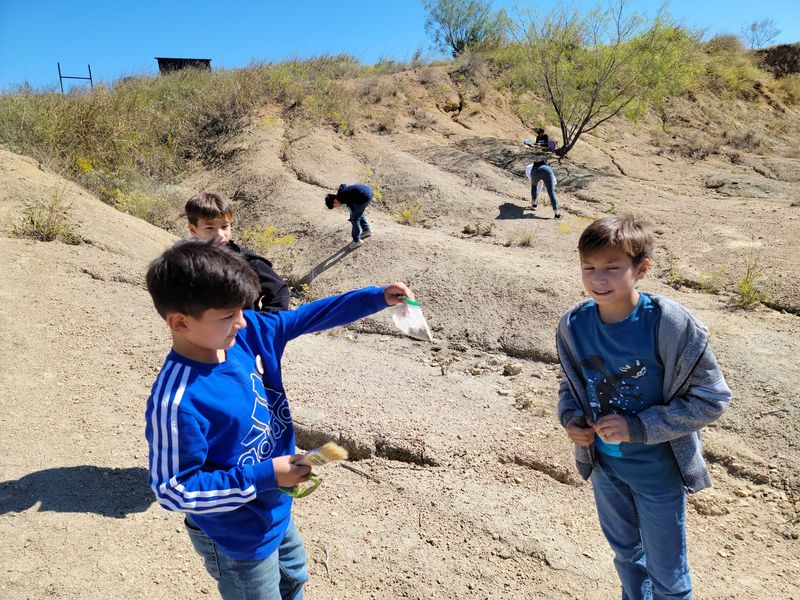
Tiny buttons with holes in the middle are the stars of the show. They are pieces of crinoids, also called sea lilies.
Crinoids were animals, even though they looked like plants on long stems.
Their stems were built from stacked round discs. When the animals broke apart, those discs scattered everywhere.
Locals have long called them Indian beads because of their bead-like shape.
You will likely find crinoid pieces within minutes. Once you spot a few, your eyes start catching them all over.
It becomes a fun little game of I Spy.
Other creatures show up as well. Look for brachiopods, clams, and oysters with ridged shells.
Snail-like gastropods and horn-shaped coral pieces also appear.
Spiny sea urchin bits hide among the pebbles, too. Nautiloids, early relatives of the squid family, show up for lucky hunters.
Want a real bragging right? Keep watch for primitive shark teeth.
They are small and rare, so finding one is a big win.
Bring a simple fossil guide or snap photos to look up later. Naming what you found makes each piece more meaningful.
The Trilobite Treasure Hunt
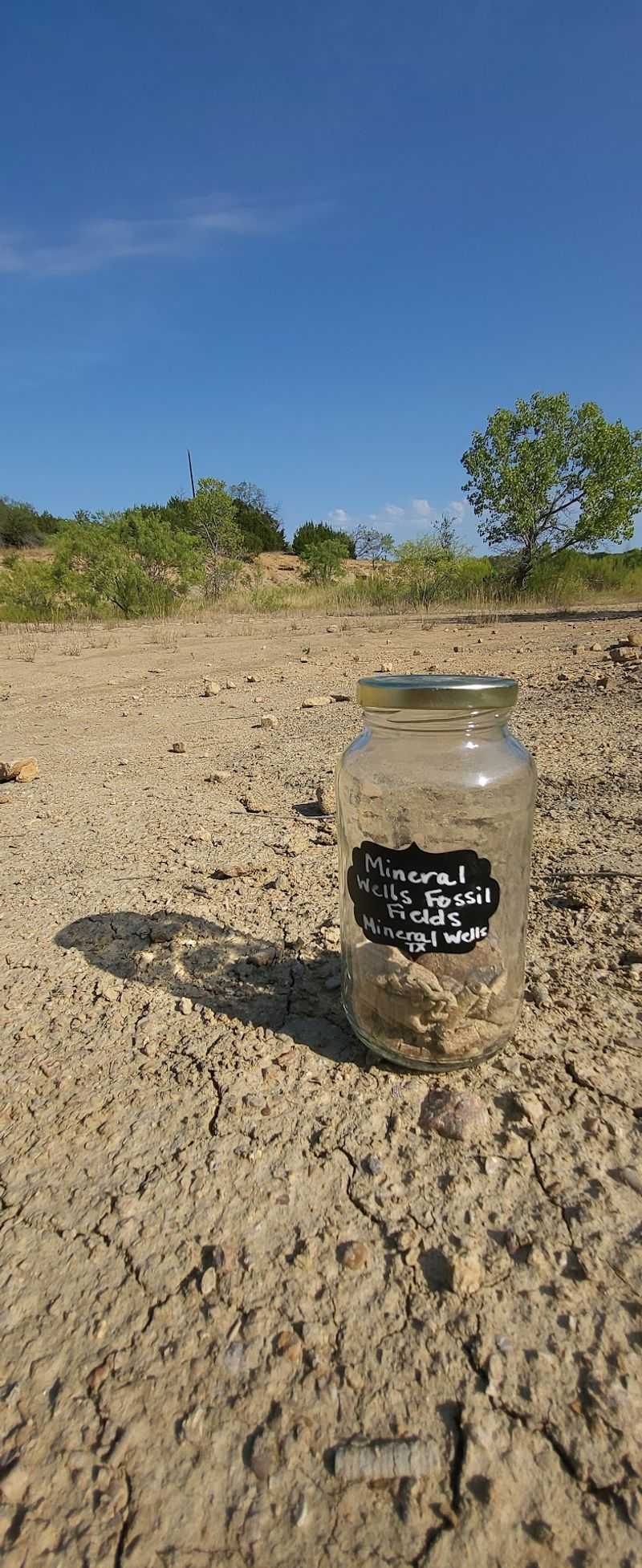
Every fossil hunt needs a legend, and trilobites fill that role here. Think of them as the rare trading card of the park.
Plenty of people search, but few get lucky.
Trilobites were sea creatures with hard, segmented shells. They looked a bit like oversized pill bugs.
They crawled along ancient sea floors for millions of years.
At this park, most trilobite finds are partial pieces. A tail section or a chunk of shell is still a thrilling discovery.
Some even show hints of color.
So how do you improve your odds? Slow down and scan the ground carefully.
Look for curved, ribbed shapes that seem different from round crinoid discs.
Patience pays off here. Pick one small area and search it well before moving on.
Rushing around usually means missing the good stuff.
The hillsides are worth a look as well. Visitors mention interesting rocks and fossils poking out from the slopes.
Just step carefully on loose ground.
If you do not find one, no worries. Trilobites have waited 300 million years, so they can wait for your next trip.
The search itself is half the fun.
Timing Your Trip Like A Pro
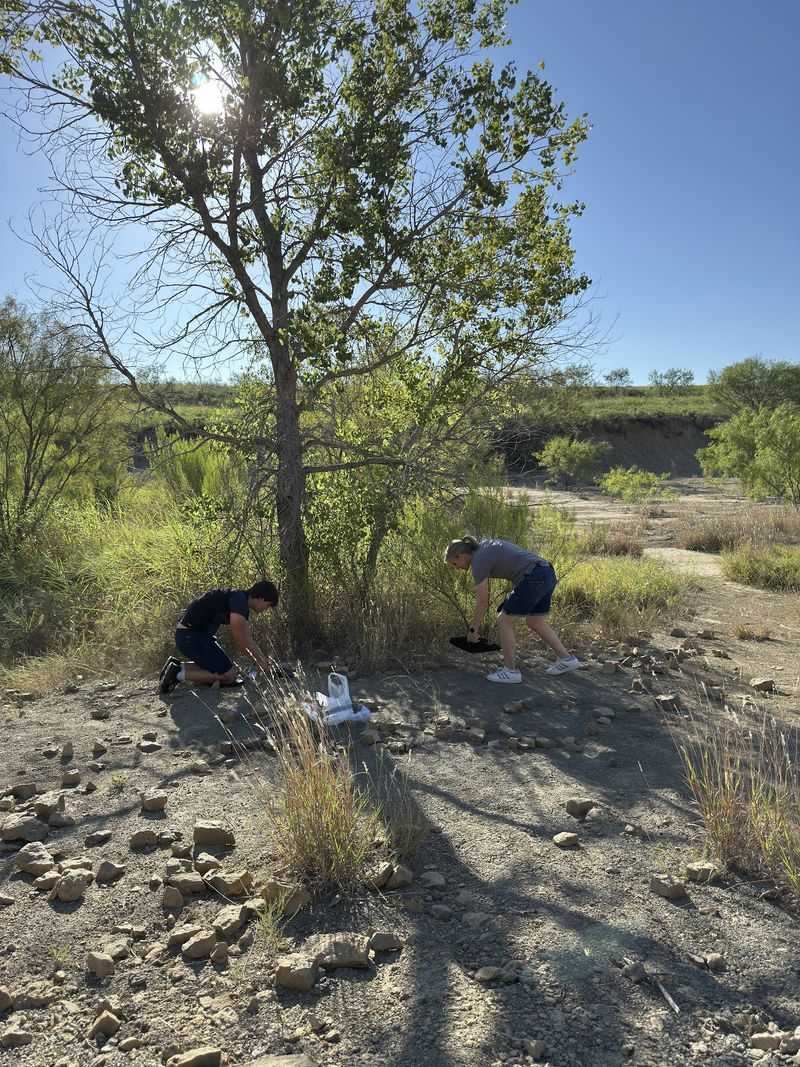
Texas summer sun does not play fair. The open pit has very little shade, and midday heat can feel intense.
That is why cooler months make the best choice.
September through May is the sweet spot for most visitors. The air feels kinder, and you can search longer without melting.
Early winter mornings can be especially peaceful.
If you must go in summer, go early. Morning hours give you cooler air and softer light.
By noon, the ground can feel like a skillet.
Here is a pro tip fossil hunters love. Visit after a good rain.
The water washes away loose dirt and uncovers fresh fossils on the surface.
Just skip the visit during an actual storm. Wet shale gets slippery, and the dirt road can turn muddy.
Wait until things dry out a bit.
Wind is another factor to watch. Dusty gusts can blow grit into your eyes and snacks.
A calm day makes for a much happier hunt.
Weekdays often feel quieter than weekends. With fewer people around, you get more space and first dibs on newly exposed treasures.
Shade, Snacks, And Easy Comforts
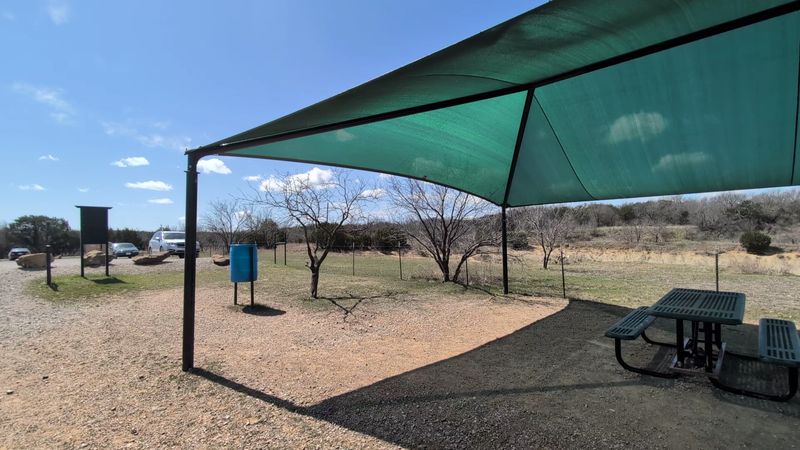
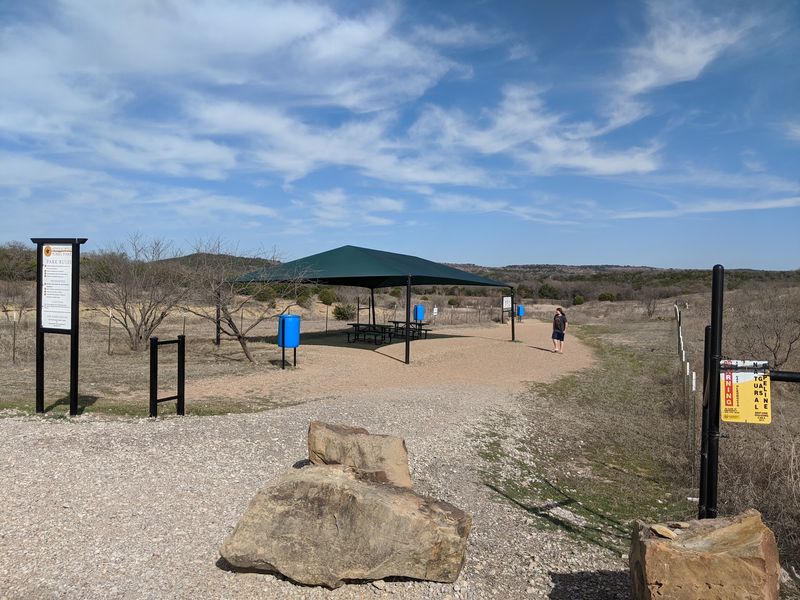
Even explorers need a snack break. Luckily, the park has a covered picnic area with tables and benches.
It offers welcome shade after time in the sun.
Pack a simple lunch and plenty of water. The dry air can leave you thirsty fast.
Frozen water bottles stay cold longer and double as ice packs.
Sunscreen and a wide hat are must-haves. An umbrella can also create your own shady spot out in the pit.
Your nose will thank you later.
Portable restrooms sit near the parking lot. One is set up for accessibility.
A gravel path with a gradual slope leads down to the digging area.
There is no playground, but kids rarely mind. Wide open space gives them room to roam and explore.
Parents can easily see them across the open ground.
A few rules keep the park pleasant. Smoking is not allowed, so everyone breathes easy.
A reference sign helps you identify your finds on the way out. It turns a pocket of rocks into a real science lesson.
You leave with souvenirs and new knowledge, which feels like a pretty great trade.