This Century-Old California Farm Grows More Than 120 Varieties Of Pumpkins And Fall Is The Best Time To Visit
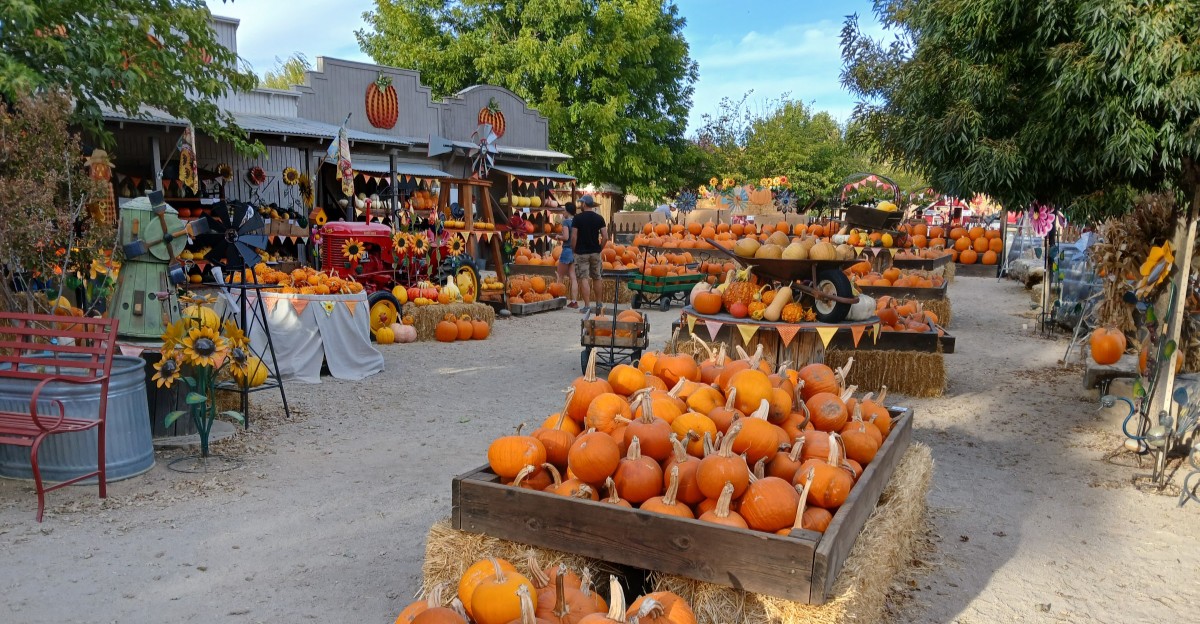
Pumpkin shopping sounds simple until you discover just how many shapes, colors, and wonderfully strange varieties can grow in the same field.
Suddenly, grabbing one orange pumpkin for the porch feels far too predictable.
A century-old farm makes that fall ritual even more interesting, especially when generations of agricultural history sit behind the seasonal fun.
With more than 120 pumpkin varieties in the mix, wandering around becomes part shopping trip and part hunt for the oddest one you can find.
Fall gives California farms a chance to show off, and few things make the point quite like a field overflowing with wildly different pumpkins.
October is when a place like this really comes into its own. Cooler days make lingering outside easier, while the harvest brings the colors people spend the rest of the year waiting to enjoy again.
Picking a favorite may take longer than expected. Apparently, pumpkins have been keeping a surprising amount of variety to themselves.
More Than 120 Pumpkin, Gourd And Squash Varieties
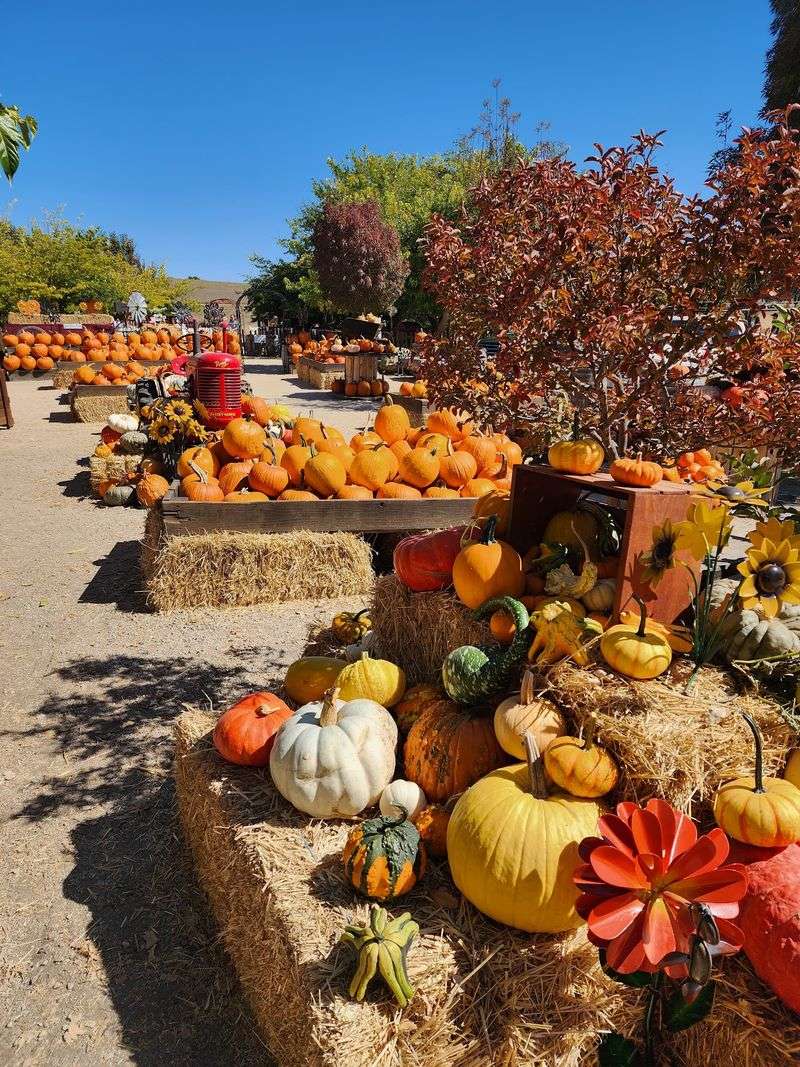
Orange is only the beginning once the pumpkin fields open for the season. The farm says it plants more than 120 varieties of pumpkins, gourds and winter squash each year.
That mix includes classic carving pumpkins along with tiny ones that fit in a palm and huge ones that may need a wagon.
Shoppers can find white, cream, green and striped pumpkins in the displays. Flat, deep red Cinderella-style pumpkins are part of the lineup too.
Heirloom cooking types such as Musque de Provence and Rouge Vif d’Etampes also appear on the farm’s list of varieties.
Pumpkins are usually sorted by type and marked with prices, which takes some of the guesswork out of choosing.
Wagons are often available for hauling a heavy pick back to the car. Bringing a few reusable bags or a blanket for the trunk can help keep bumpy rides from causing scratches.
Picking a pumpkin with a firm stem and no soft spots may help it last longer on a porch.
Smaller heirloom types can work well for table centerpieces, while thick-walled ones are often better for carving.
Cooking pumpkins deserve a question at the register, since staff members may know which ones roast or bake best.
The Oldest Pumpkin Farm In The Region
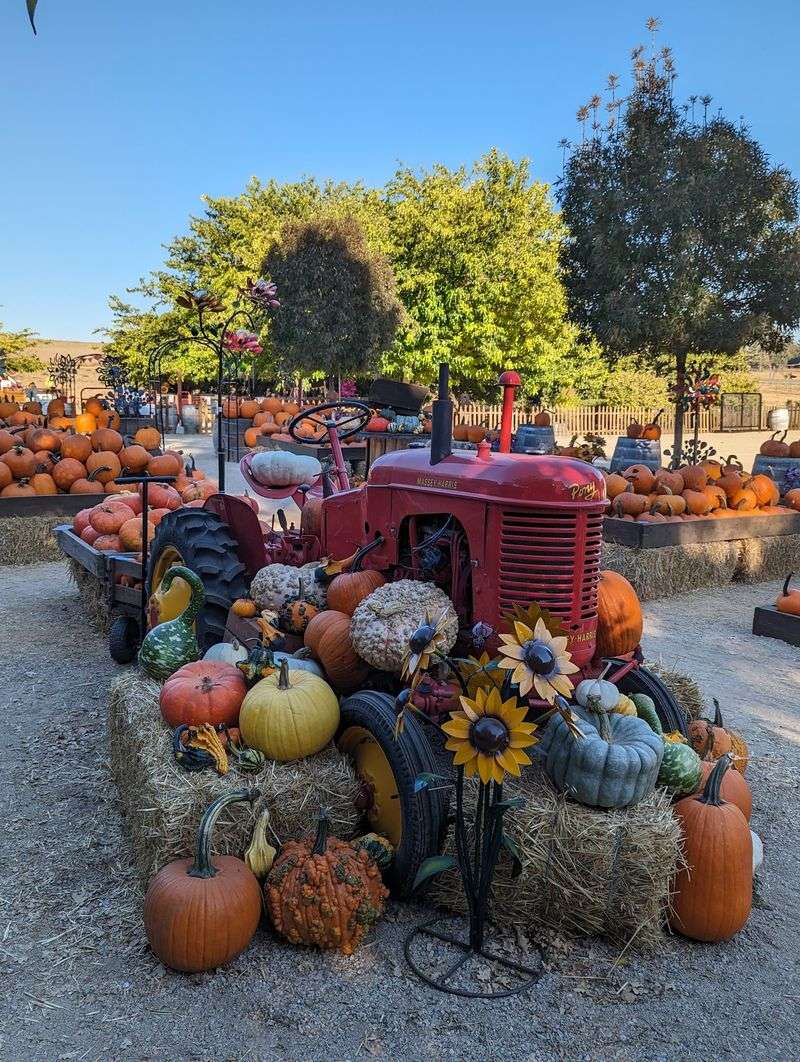
Long before pumpkin patches became a fall trend, pumpkins were already growing near the banks of Jack Creek. Jack Creek Farms describes itself as the oldest pumpkin farm in the region.
The farm sits at 5000 CA-46, Templeton, CA 93465, just off the highway in the rolling hills of northern San Luis Obispo County.
According to the family’s history, the pumpkin tradition began with Miles Barlogio, who was born in 1898. He planted pumpkins along the creek that gives the farm its name.
That early planting grew into a seasonal tradition that has carried on through many decades.
Walking the grounds, guests may notice antique farm equipment and demonstration gardens that hint at how farming looked in earlier times.
The pace here often feels slower than at big commercial attractions.
Families can take time to wander, look closely at the old tools, and talk about how food was grown before modern machines. Kids might enjoy guessing what each old piece of equipment was used for.
A fall visit may be the best way to connect with that history, since pumpkin season is described by the farm as its favorite time of year.
Plenty More U-Pick Produce
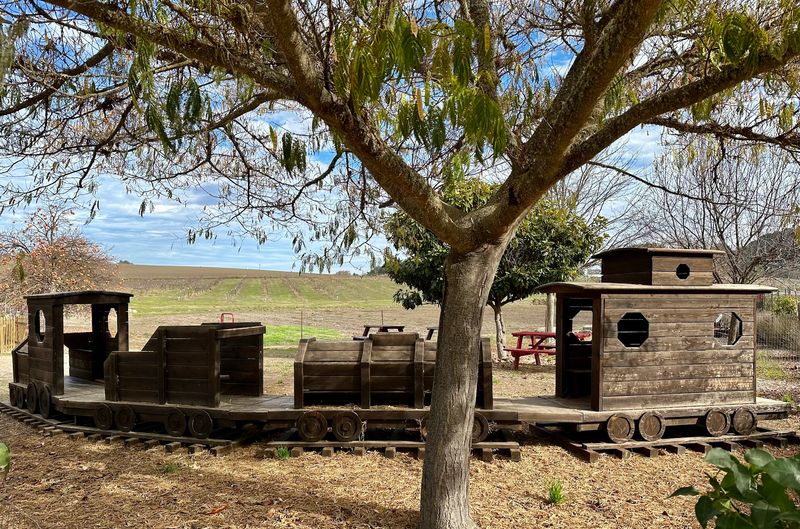
Pumpkins get most of the attention in autumn, yet the fields stay busy through much of the year. Depending on the season, the farm lists a long range of U-pick crops.
Peaches, plums, persimmons and berries are among the fruits that may be ready at different times.
Vegetables show up on the list too. Tomatoes, squash, cucumbers, peppers and sweet onions are some of the crops guests might find.
Heirloom tomatoes are a highlight in summer, with many colorful varieties grown on the property. Olallieberries, a type of blackberry, are often picked in late spring and early summer.
Berry picking has typically been offered on Fridays, Saturdays and Sundays during that stretch. Schedules can shift, so a quick check online before visiting is always helpful.
Picking produce in the morning may be more comfortable, since fields can heat up by afternoon.
Bringing a small cooler in the car could help keep soft fruit and tomatoes fresh on the drive home.
Staff may be able to explain the flavor of different tomato types if asked. That little bit of guidance can make choosing ingredients for dinner more fun.
Returning in another season offers a completely different harvest to explore. A summer trip for berries and a fall trip for pumpkins can feel like two separate adventures.
Happy Acres For Kids
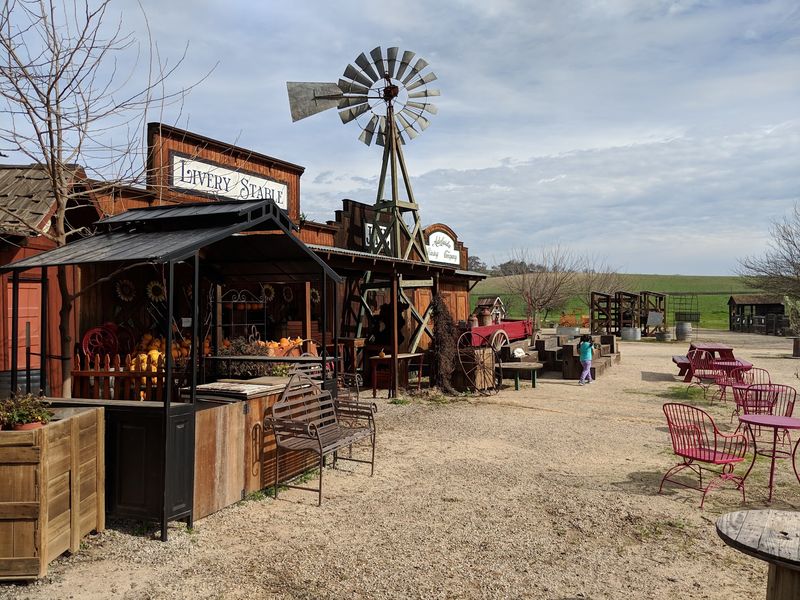
Little farmers get their own corner of the property, and it is packed with pretend play.
Happy Acres works a bit like a children’s museum with an old-fashioned farm theme. The space is built for imagination rather than rides or screens.
Kids can run a pretend farmer’s market stand and sell make-believe produce. A garden maze, a corn bin and a tractor tire garden add hands-on fun.
There is also a farm animal puppet theater where young performers can put on their own shows.
A pretend cafe and an egg-collecting activity with wooden eggs and plush chickens round out the choices.
Many families find that younger children happily spend a long time moving from one station to the next. The pace feels relaxed, which can suit toddlers and preschoolers well.
Entry to Happy Acres costs $15 per person, and discounted family punch passes are also available. Prices can change, so confirming current costs before visiting is a good idea.
Bringing hand wipes or sanitizer is helpful, especially after time in the corn bin.
Parents might want to save pumpkin shopping for after playtime, when kids are ready to slow down.
Goats, Rabbits And Chickens
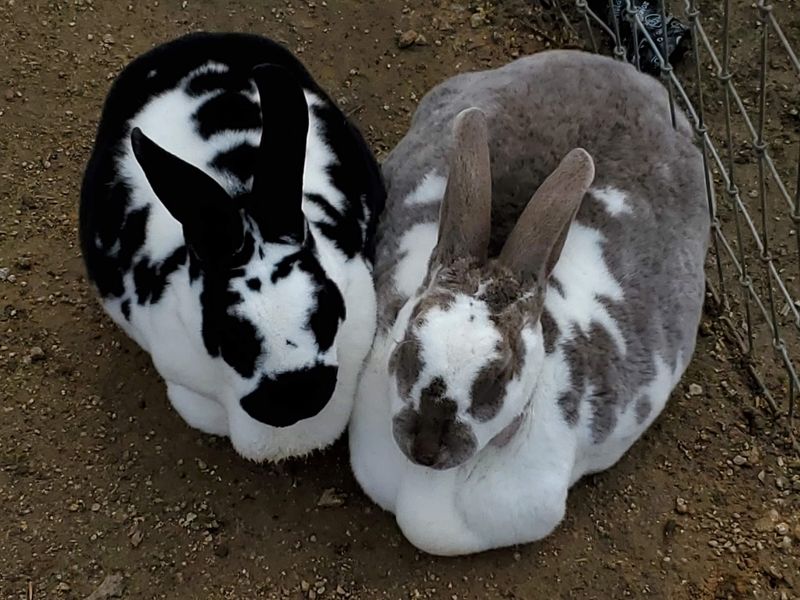
Curious faces peek through the fence as soon as someone walks up with a bag of feed.
Goats, rabbits and chickens live in the Happy Acres area, giving kids a close look at farm animals. Seeing them in person often becomes a favorite memory from the day.
Bags of goat feed are available for $2.99 each, letting children offer snacks to the goats. Holding out a flat hand with feed is usually the easiest and safest way to share it.
Younger kids may feel more confident with a grown-up standing right beside them.
The rabbits can be shy at times, so quiet voices and slow movements may help them feel calm.
Chickens tend to wander and peck, which can be fun to watch for a few minutes.
Fencing is designed to keep both animals and visitors safe, so petting might be limited. Following any posted rules or staff guidance shows respect for the animals.
Washing or sanitizing hands afterward is a smart habit. Talking with kids about what each animal eats and how it helps on a farm can add a small lesson.
Goats are known for being playful and a bit nosy, which often makes children laugh. Watching them jump and explore can be a highlight for animal lovers of any age.
Guided Honey Tastings
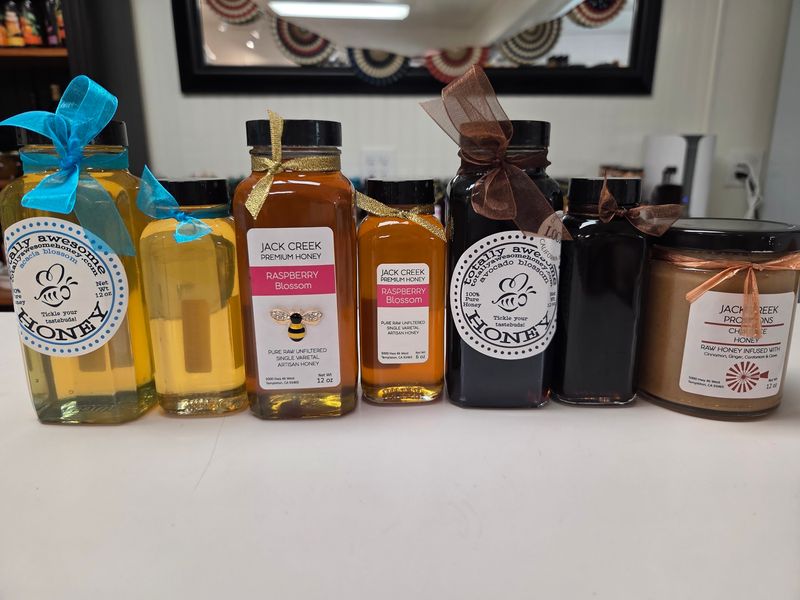
Honey is not just one flavor, and a tasting at this California place proves it fast. The farm offers a guided honey tasting that walks guests through several types side by side.
It turns a quick shopping stop into a small learning experience.
The flight has included light, medium and dark single-varietal honeys plus an infused honey. Tasting them in order helps show how flower sources change color, thickness and sweetness.
Light honeys often taste mild, while darker ones can feel richer and more bold.
Guests have received a bundle of raw honey straws to take home after the tasting. Those straws make an easy snack for the car or a small gift for someone back home.
The guided honey tasting costs $6 and includes several honeys to sample, plus a bundle of raw honey straws to take home.
Honey is one of the most talked-about products at the farm, and many visitors leave with a jar or two. Asking which honey pairs well with cheese, tea or toast can help narrow down choices.
Taking small tastes and pausing between each one makes it easier to notice the differences. A sip of water between samples can reset the palate.
Olive Oil, Balsamic Vinegar And Maple Syrup Tastings
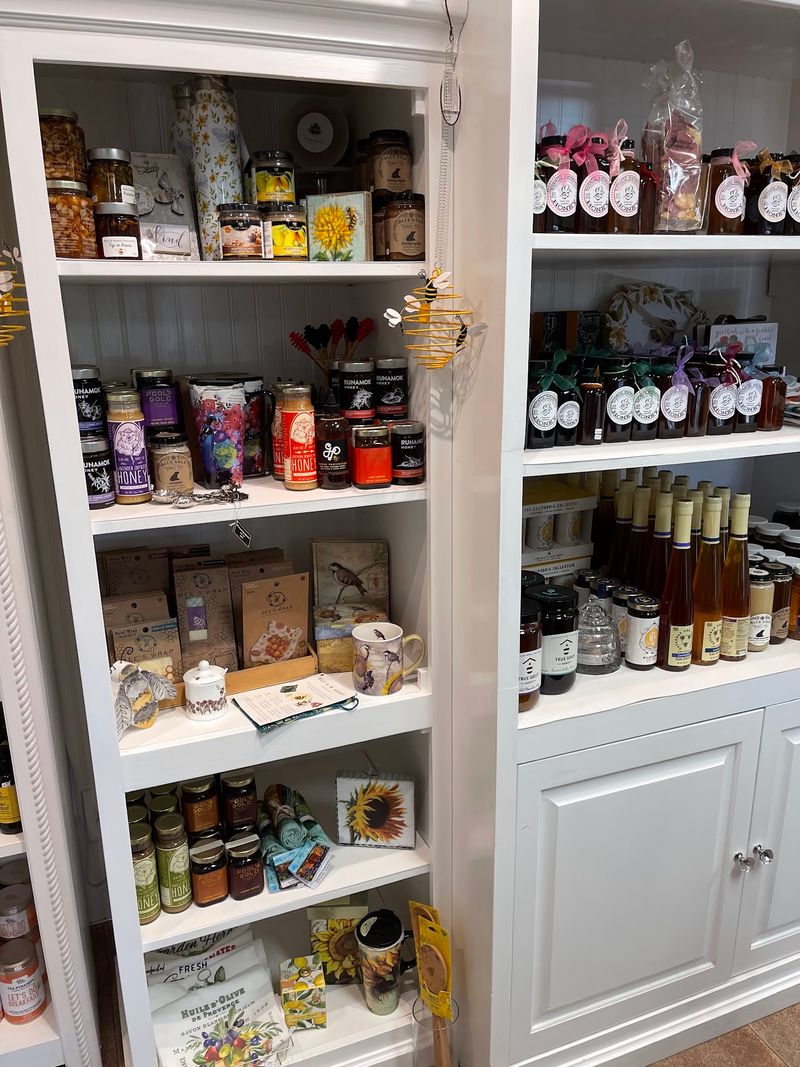
Savory and sweet sit side by side on the tasting menu, so there is something for every kind of palate. Beyond honey, the farm offers an olive oil and balsamic vinegar tasting flight.
It has featured three popular pairings using six different products, served with California baked sea salt crackers.
Trying oil and vinegar together shows how certain flavors balance each other. A fruity vinegar might brighten a peppery oil, while a mellow oil can soften a sharp vinegar.
These pairings could spark ideas for salads, dipping bread or drizzling over roasted vegetables at home.
A maple syrup tasting offers a sweeter path. It has included three infused maple syrups and a maple creme. A handmade maple candy has been given as a small keepsake afterward.
Guided tastings of honey, olive oil and balsamic vinegar, or pure maple syrup cost $6.
Trying one savory flight and one sweet flight could be a fun way to split a visit between friends.
Taking quick notes on a phone may help when deciding which bottles to buy.
Syrups can be tasty on pancakes, oatmeal or even roasted squash.
A Farm Market Packed With Local Food
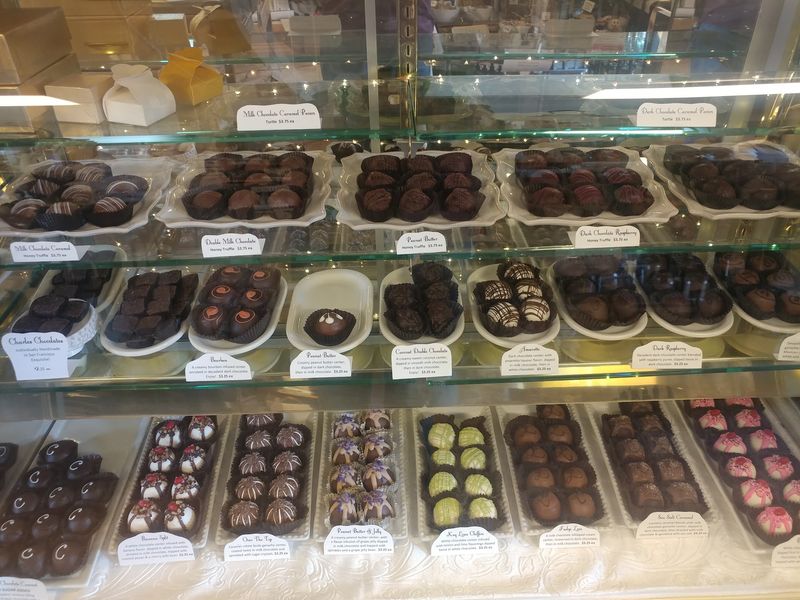
Shelves stacked with colorful jars make the market feel like a treasure hunt for food lovers. The market carries the farm’s own Jack Creek Provisions line.
Chocolates, jams, jellies, sauces, spreads and other locally sourced foods fill out the shelves.
Mustards and preserves are popular picks, and samples are often set out for tasting. Trying a spoonful before buying makes it easier to choose a new favorite.
A display of chocolates and truffles may tempt anyone with a sweet tooth.
Picnic supplies have included local salami, artisan cheeses and crackers. Putting together a simple lunch from the market could be an easy way to eat without leaving the farm.
Gift items such as scented lotions, soaps and decorated honey jars have also appeared in the shop. These can make thoughtful souvenirs for friends and family.
Leaving extra room in the trunk is wise, since many shoppers end up buying more than planned.
Browsing slowly lets shoppers spot small-batch items they might otherwise miss.
Products can change with the seasons, so each visit may bring something new.
An Easy Highway 46 Fall Road-Trip Stop
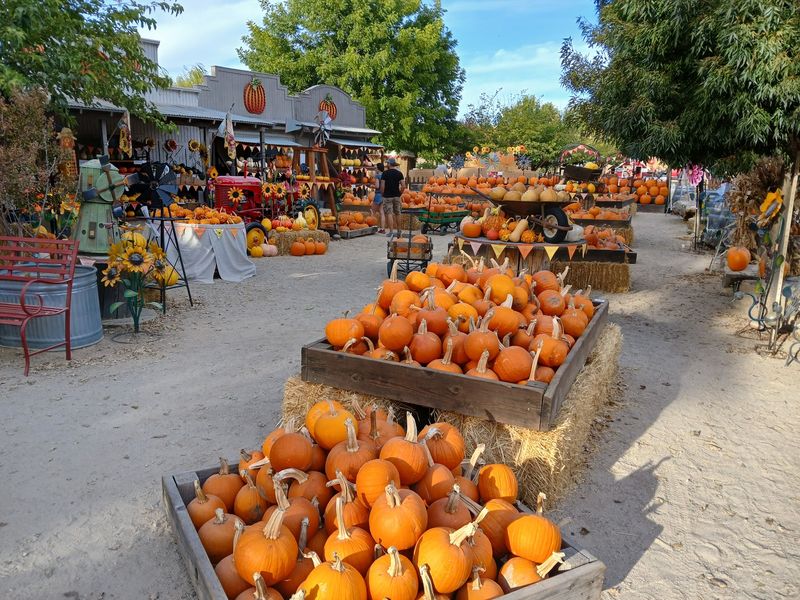
Road trips feel better with a good stretch break, and this one comes with pumpkins.
Jack Creek Farms is located at 5000 CA-46, Templeton, California 93465, right off Highway 46 West. That spot makes it a natural pause for travelers driving between the inland valleys and the coast.
The drive itself winds through rolling hills and oak trees, which can look especially lovely in autumn light.
Turning off the highway into the farm is simple, and a large parking lot is available. Parking for RVs and tour buses has also been offered, which helps larger groups.
October hours say it is open Monday, Tuesday and Thursday from 10 a.m. to 5 p.m. and Friday through Sunday from 10 a.m. to 6 p.m., with Wednesdays closed.
Checking the official website before leaving home is the best way to confirm the current schedule.
Weekdays in October may feel calmer than busy weekends during peak pumpkin season.
A relaxed visit could last anywhere from a quick hour to a good part of the day, depending on activities.
Leaving time in the schedule means no one feels rushed while picking pumpkins or tasting honey.