This North Carolina Dairy Farm Sells Fresh Cheese Curds Straight From Its Own Farm Shop
Cheese curds usually do not come with a plot twist. These do.
Inside one North Carolina farm shop, a beloved cheese tradition is still very much alive, just not in quite the way longtime visitors may remember.
The curds now come from another producer in the state rather than being made from milk on this farm.
Call it a change in the recipe for keeping the tradition going.
The shop itself never vanished, which means curious travelers can still stop in and see how the story evolved.
Honestly, cheese history has no business being this interesting. Consider this one gratefully unexpected detour.
A Short Trip To The Shop, A New Journey For The Cheese
A bag of curds in a farm shop can make you picture milk traveling only a few steps to a cheese room.
That picture fits the history of this Marion stop better than its current setup.
When the shop was English Farmstead Cheese, the family made cheese from milk produced on its farm. Today, English Cattle Company runs the shop, while Three Sisters Cheese makes cheeses that carry on those recipes.
That change does not make the curds any less fun to bring home.
It does mean shoppers should not assume the cheese was made behind the shop or that its milk came from cattle outside.
Three Sisters Cheese says it uses milk from Treasure Chest Jersey Farms in Lincolnton, North Carolina.
If knowing where food comes from matters to you, that is a useful detail to remember.
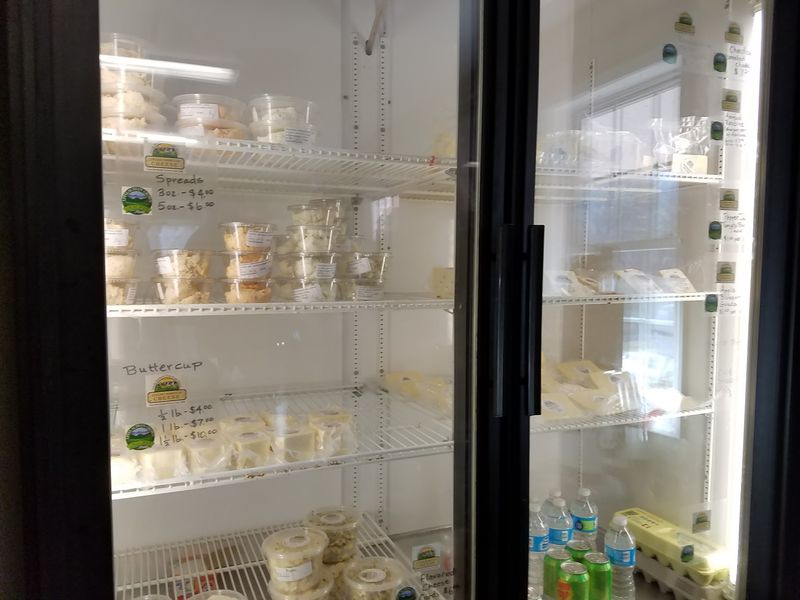
Look for cheese in the shop’s refrigerated area, and read the package before choosing a bag.
Labels are the best place to check the producer, ingredients, and storage directions for the curds available that day.
Bring a cooler if your drive home is long.
Curds belong in the refrigerator, not on a warm car seat while you make another stop.
You can still enjoy a North Carolina cheese tradition here, even though its trip to the counter is longer than a walk across the farm. Head to 19456 US-221, Marion.
Cheddar, Gouda, And Curds Carry The Old Recipes Forward
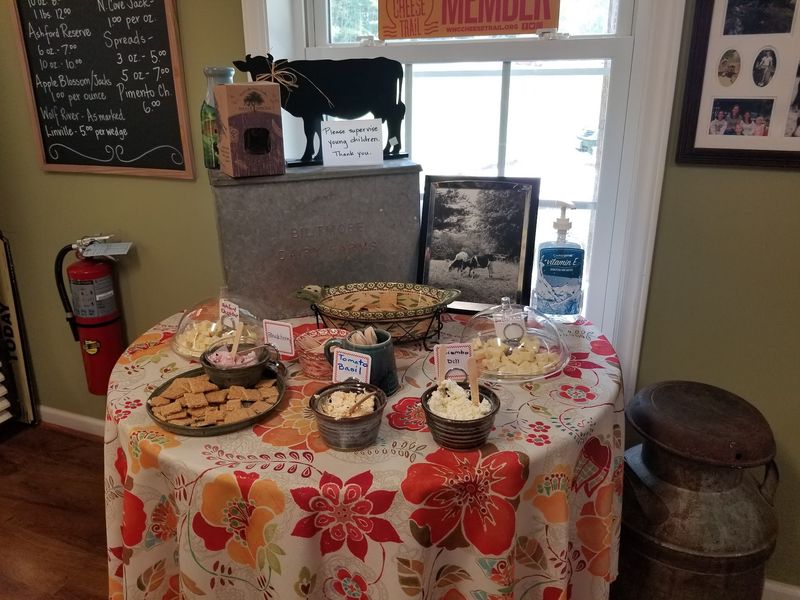
Cheddar for a sandwich, gouda for a snack, curds for the drive home: one cheese stop can lead to three good plans.
English Cattle Company sells cheese at the former English Farmstead Cheese shop, but the story behind those packages has changed.
Three Sisters Cheese now makes cheeses linked to the old farmstead recipes.
Its milk comes from Treasure Chest Jersey Farms in Lincolnton, not from milk produced at English Cattle Company.
Curds are small pieces of young cheese with a mild, milky flavor. Fresh ones may squeak against your teeth, which is part of their appeal.
Cheddar is an easy choice for toast or a grilled cheese sandwich, while gouda can be sliced for crackers. These simple uses let each cheese stand out without much cooking.
Stock can change, so treat cheddar, gouda, and curds as products to look for rather than a promise that every style will be there on every visit.
Check the labels to learn who made each package.
If you have a favorite, ask what is in the cooler before planning a special meal around it.
A small cheese board is an easy way to compare your picks at home. Cut a few pieces, add plain crackers, and taste each one before adding jam or other strong flavors.
Buttercup Still Has A Following
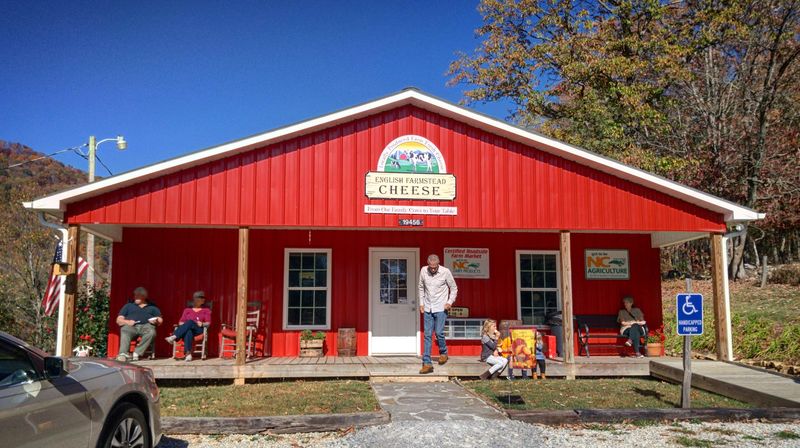
Some customers remember a cheese by name long after the drive home.
Buttercup is one of the signature English Farmstead recipes that Three Sisters Cheese continues to produce today.
It is a useful name to keep in mind when looking through the cheese choices at English Cattle Company.
The current cheeses that continue the earlier recipes are made by Three Sisters Cheese, not in the former farmstead cheese operation.
If Buttercup is available when you visit, start with a small piece on its own. Plain crackers can help you notice the flavor without hiding it.
Then try it with something already in your kitchen, such as apple slices or bread. There is no need to build a fancy board to enjoy a cheese you have not tasted before.
Availability can change, so check the current selection rather than relying on older photos or product lists.
Check the current package for the producer’s name, ingredients, and storage advice.
Staff may also be able to point you toward a similar choice if Buttercup has sold out.
That little bit of planning matters when the shop is only open on limited days. Pick up something familiar alongside a new cheese, and you will have an easy snack even if your first choice is missing.
The Cooler Offers More Than Plain Cheddar
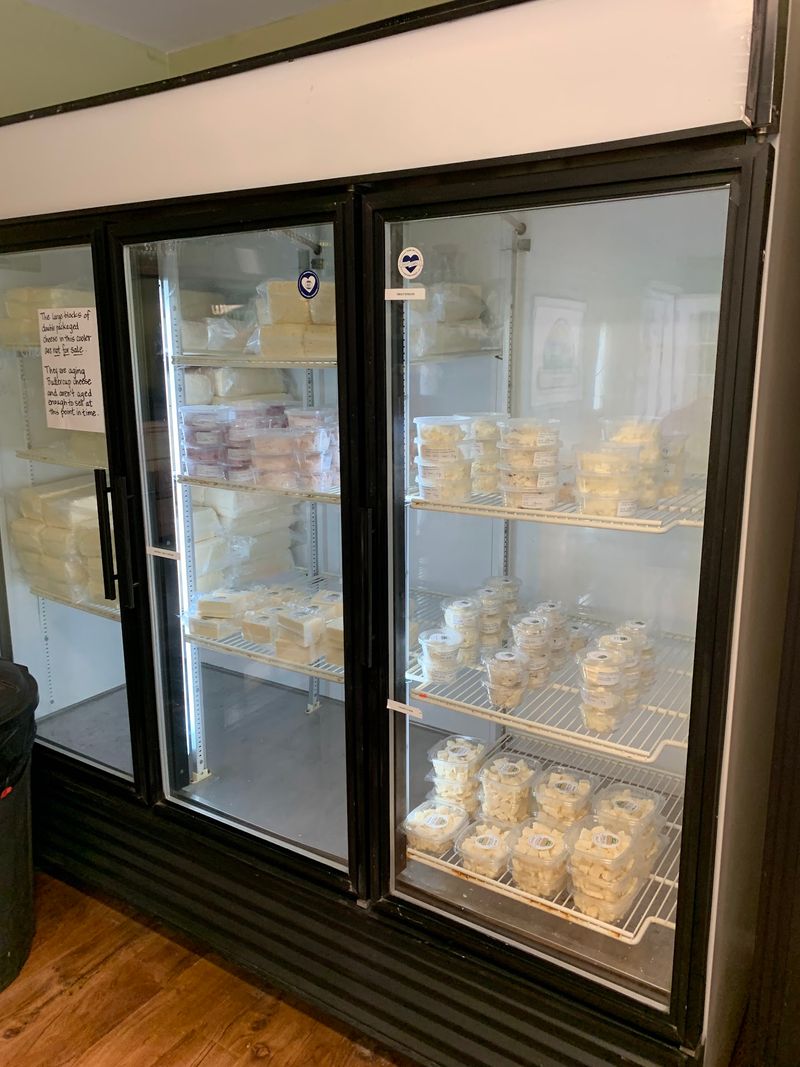
Open a cheese cooler and it is easy to head straight for the block you already know.
At English Cattle Company, it pays to pause and look through the labels.
The shop has been known for a wider cheese selection than plain cheddar, including curds and gouda styles.
Three Sisters Cheese carries on recipes connected to the former English Farmstead Cheese business, though the exact choices on the shelf may vary.
Think about what you plan to eat before you buy. Curds make a handy snack when you want small bites without slicing.
A block of cheddar can go into sandwiches or melt over potatoes.
Gouda works well cut into cubes for a simple lunch plate. Reading the package can also help you spot a flavor you have never tried.
Do not count on an older photo or review as a current menu. Cheese types, spreads, and flavors can come and go.
If you are driving out for one particular item, check the shop’s latest information first.
Once there, ask which cheeses are available rather than assuming a favorite will be waiting.
Keep your picks chilled on the way home, especially during a North Carolina summer. A small insulated bag leaves you free to enjoy the drive through North Cove without worrying about the cheese warming up in your car.
Pasture Views Tell One Part Of The Farm Story
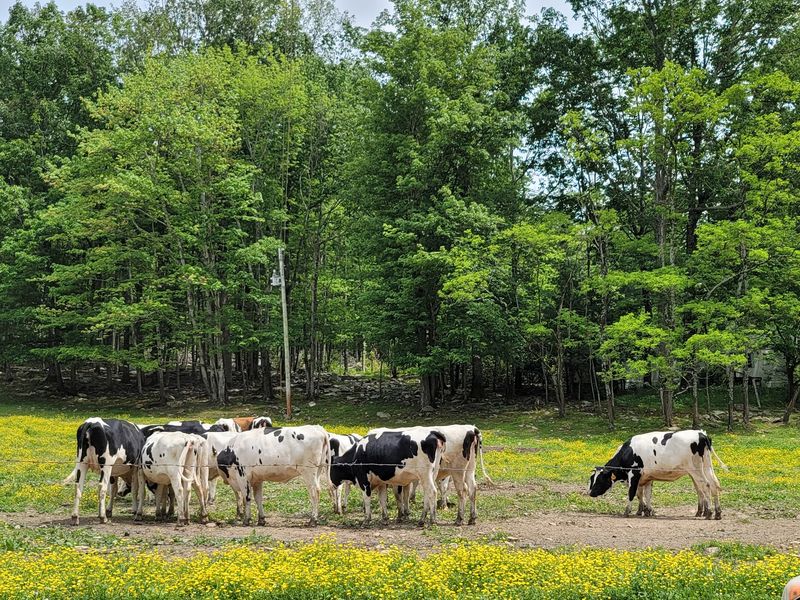
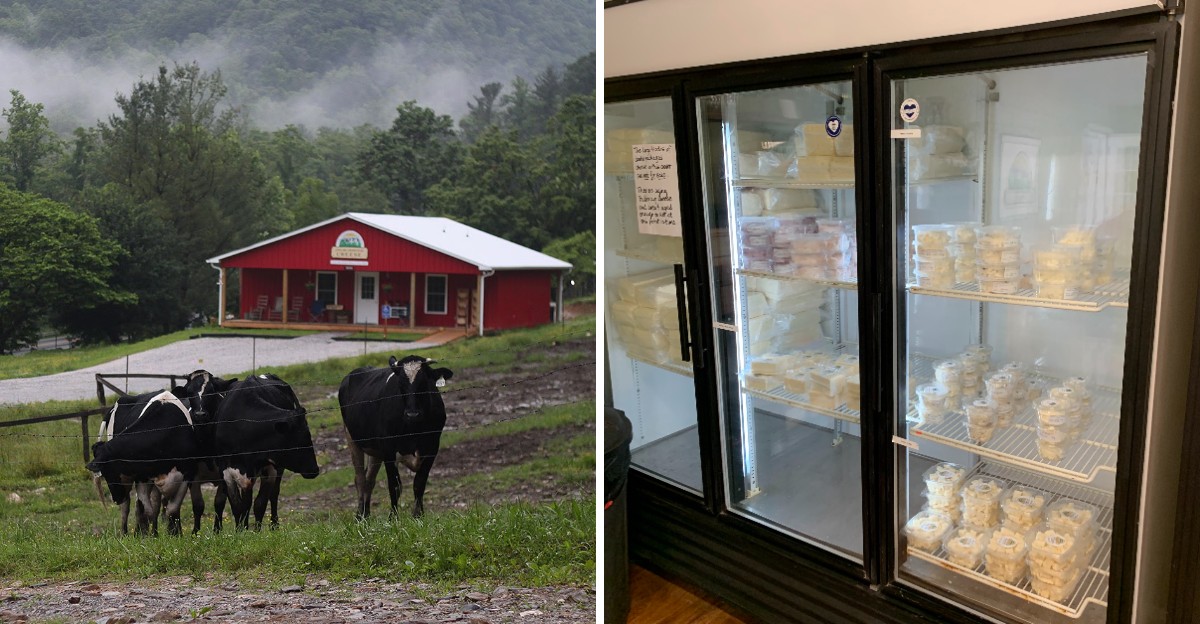
Cattle and open land make the drive to a farm shop feel different from a trip to a grocery store.
The North Cove setting around English Cattle Company helps visitors see that this is an agricultural place. Older accounts of the shop describe cows near the former English Farmstead Cheese operation.
Those memories help explain why many people still connect the stop with milk and cheese made right on the farm.
The view, however, cannot tell you where today’s cheese milk came from.
English Cattle Company now focuses on beef and other farm-shop goods, while Three Sisters Cheese produces cheeses that follow the earlier recipes.
According to the cheese producer, its milk comes from Treasure Chest Jersey Farms in Lincolnton.
The cattle you might see near the shop should not be presented as the source of the curds in its cooler. That distinction is a good lesson for any farm-shop visit.
A product can have a local connection without being grown, raised, or made on the exact property where you buy it.
Check labels and ask about producers if those details guide your shopping.
Enjoy the rural scenery as its own reward. If you stop to take pictures, stay in public areas and leave gates, animals, and work spaces alone.
Farms are working places, even when the shop welcomes visitors.
Beef And Local Goods Make It More Than A Cheese Stop
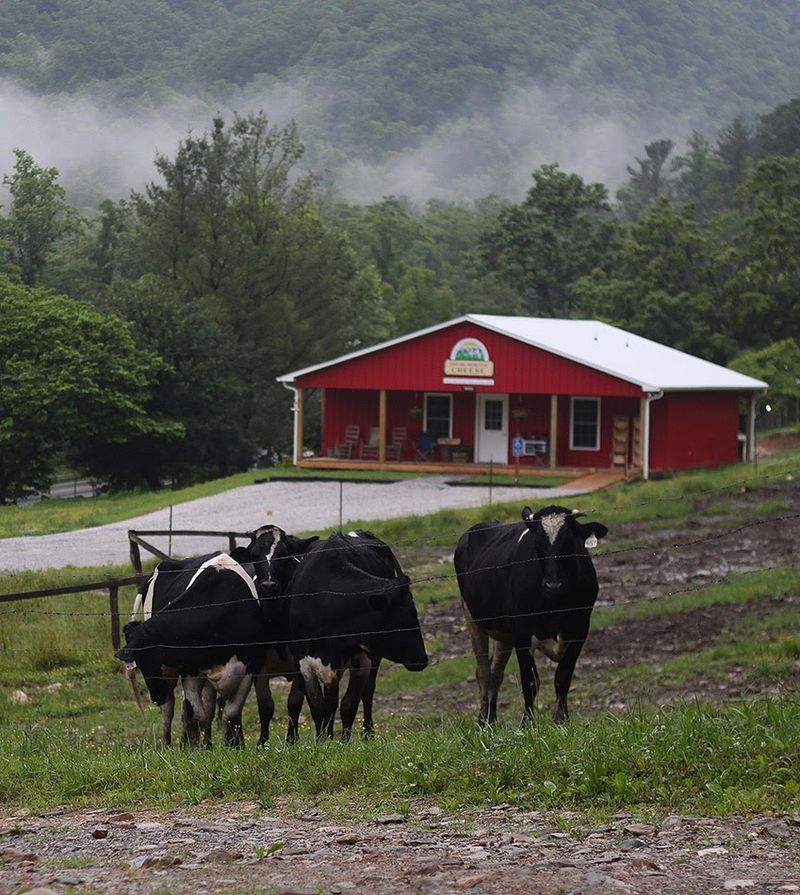
Come for curds and you may find dinner supplies, too.
English Cattle Company places a strong focus on farm-fresh beef, a change from the shop’s earlier life under the English Farmstead Cheese name.
Eggs and local goods such as honey and jams have also been reported among its offerings.
Cheese remains part of the draw, but it is now one piece of a broader farm-shop visit. A little meal planning helps when you have several choices in front of you.
Beef can become the center of dinner, while cheese and crackers cover a simple afternoon snack.
Eggs are useful for breakfast the next day. Honey or jam can come home as a pantry treat, though particular products may not be in stock whenever you visit.
Look at package labels before buying meat, especially if you need a certain cut or cooking method.
Keep raw beef separate from ready-to-eat cheese in your cooler.
At home, put cold items away promptly and follow the storage and safe-cooking directions on their packages. It is also worth asking where each item comes from.
A farm shop may carry goods from more than one local producer, and that is part of what makes the shelves interesting.
You can leave with a better sense of who made your food, not just a bag full of groceries.
Make Your Friday Or Saturday Visit Count
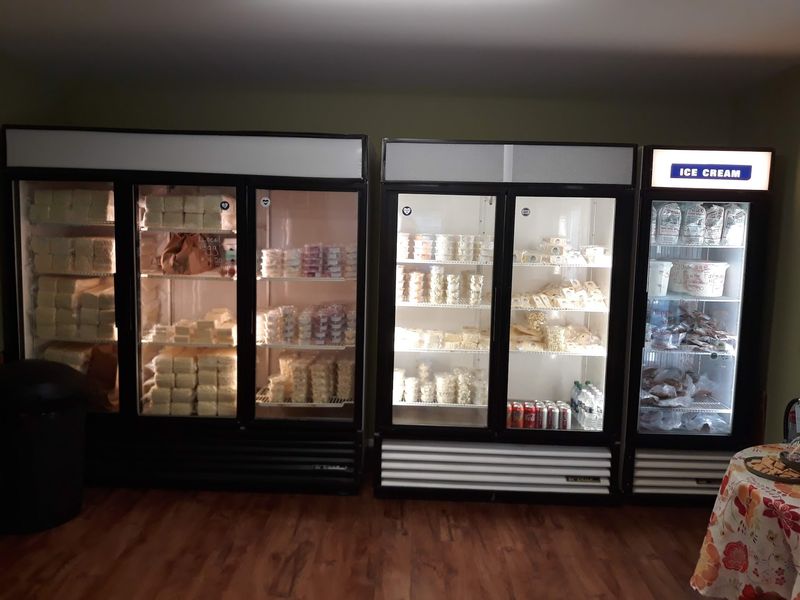
A wrong-day visit can turn a cheese craving into a view of a closed shop.
English Cattle Company’s listed hours are Friday and Saturday, 10 a.m. to 4 p.m.
It is listed as closed the rest of the week.
Because farm-shop schedules can change, check the latest posted hours before you set out, especially near holidays or during bad weather. The short weekly window makes a simple plan helpful.
Aim to arrive with enough time to look through the cheese cooler and the beef selection without rushing.
If fresh curds are your main reason for going, check on availability before making a long drive. A shop can be open even when a particular product has sold out.
Bring a cooler or insulated bag for cheese, eggs, and meat.
Cold storage matters even if you plan to go straight home.
If you are visiting other places around Marion, make the farm shop your last stop so your groceries spend less time in the car.
The drive through North Cove is part of the outing, but the store is a place to buy food, not a promise of a farm tour or cheesemaking demonstration. Give yourself time to read labels and choose what suits your household.
A little preparation makes the limited shopping days easier to enjoy.
Freshness Starts With The Cheese, Not The Shop Address
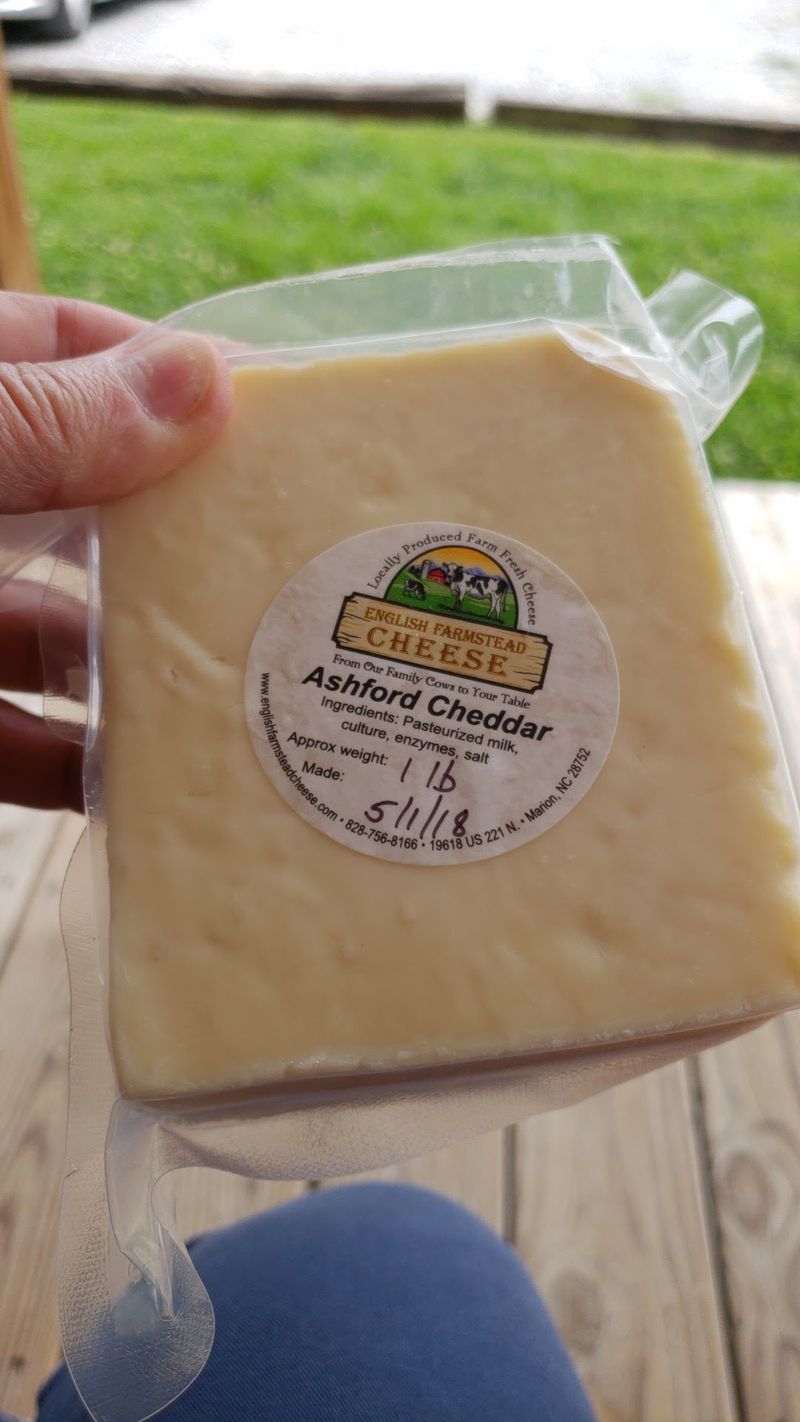
That little squeak can turn a plain cheese snack into something memorable.
Cheese curds are young pieces of cheese, and freshness is a big part of the texture people enjoy.
At English Cattle Company, shoppers can look for curds while visiting a store with deep roots in farmstead cheese.
Yet today’s cheese story is not as simple as milk going from the cattle outside straight into the shop cooler.
The former English Farmstead Cheese business made cheese from milk produced on its farm.
After the ownership change, Three Sisters Cheese continued cheeses tied to those recipes using milk from Treasure Chest Jersey Farms in Lincolnton.
In other words, the current curds can be part of a North Carolina cheese tradition without being made from milk produced at English Cattle Company. To judge a bag for yourself, begin with its label.
Look for the producer, storage directions, and any date information printed on the package.
Keep the curds cold, then try a few plain before adding them to a meal.
Their mild flavor also works with a simple sandwich or a plate of sliced vegetables. Ask about the current selection if you want the freshest option available that day.
Where milk comes from matters, but careful handling, packaging, and refrigeration also shape what you taste when you get home.