This North Carolina Church Has One Of The Most Unusual Bell Sounds In The State
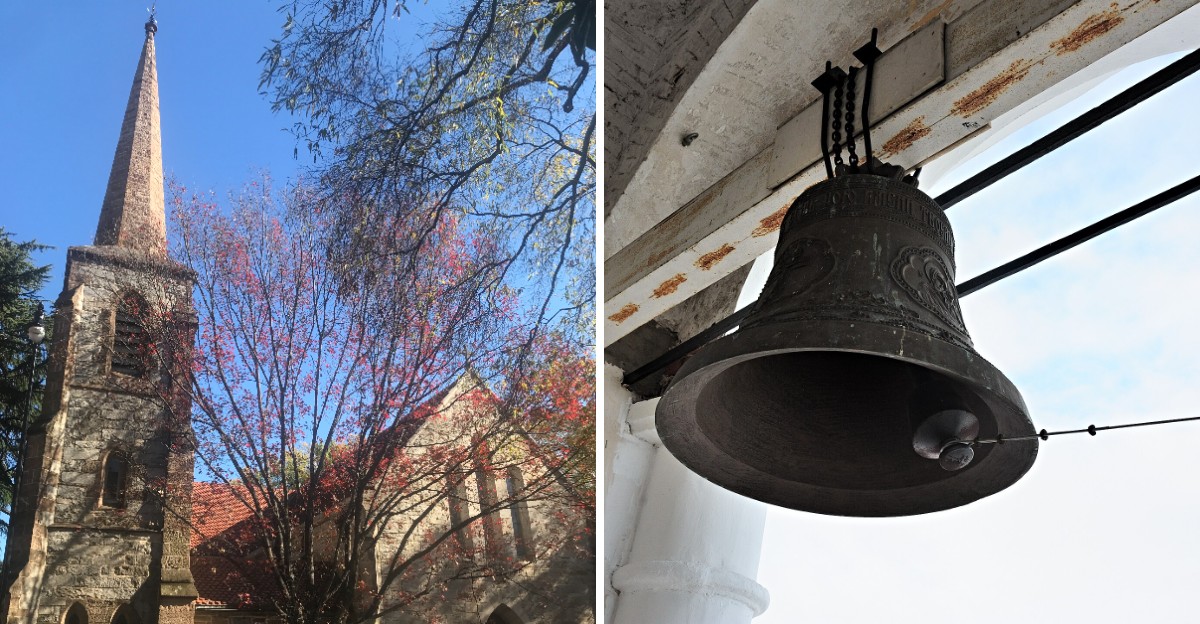
Ding… dong… wait, did those bells just change the pattern?
One historic church in North Carolina has a way of making people stop mid-step and listen twice.
The sound rolls across the block with more personality than a simple clock chime has any right to possess.
Chime… pause… dong. Now curiosity takes over.
You start listening for the next note instead of checking where you were headed.
The whole street briefly feels like it has its own soundtrack.
Then the final bell fades and everything returns to normal. Well, almost. Because now you are definitely waiting for it to happen again.
Listen For The Bells That Sound Unlike A Typical Church Chime
At first, the sound may seem to wander instead of following a tune.
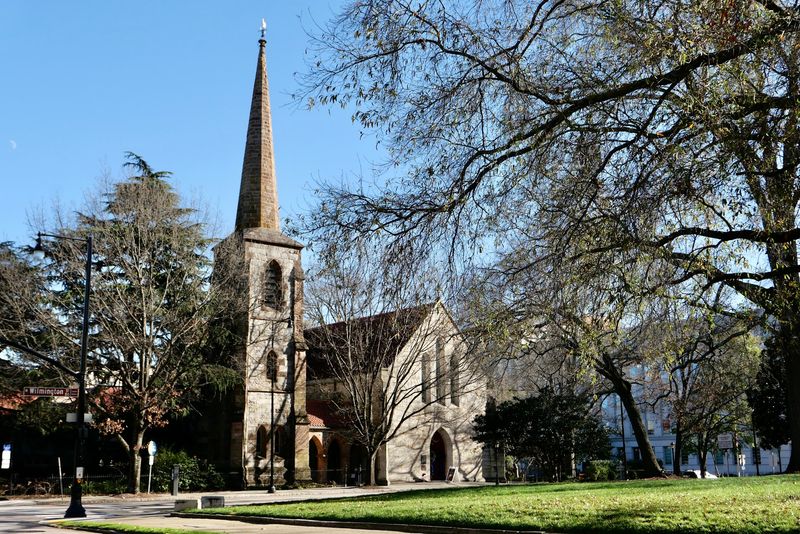
Christ Church on Capitol Square, Raleigh, uses a bell-ringing tradition called change ringing, which creates changing patterns rather than familiar melodies.
Each bell swings through a full circle, and a person controls its timing with a rope.
The ringers work as a team, changing the order in which the bells sound.
Listen for a sequence that repeats, then shifts slightly; following those changes can feel like solving a small puzzle with your ears. You do not need to know the rules to enjoy it.
Stand outside at a comfortable distance, give yourself a few minutes, and notice how the notes overlap before fading into street noise.
The sound is lively rather than neatly packaged into a song, which is part of its charm.
Change ringing is uncommon in North America, so hearing it in the heart of a busy city is a special opportunity.
For families, it can also start a simple game: try counting the different tones without expecting to catch every one. The bells reward patient listening, even when you only have time for a short stop.
You can hear it near the church at 120 E Edenton St, Raleigh, NC 27601.
Hear A Full Ring Of Bells Working Together High Above The Street
Eight voices can make quite a conversation when none of them uses words.
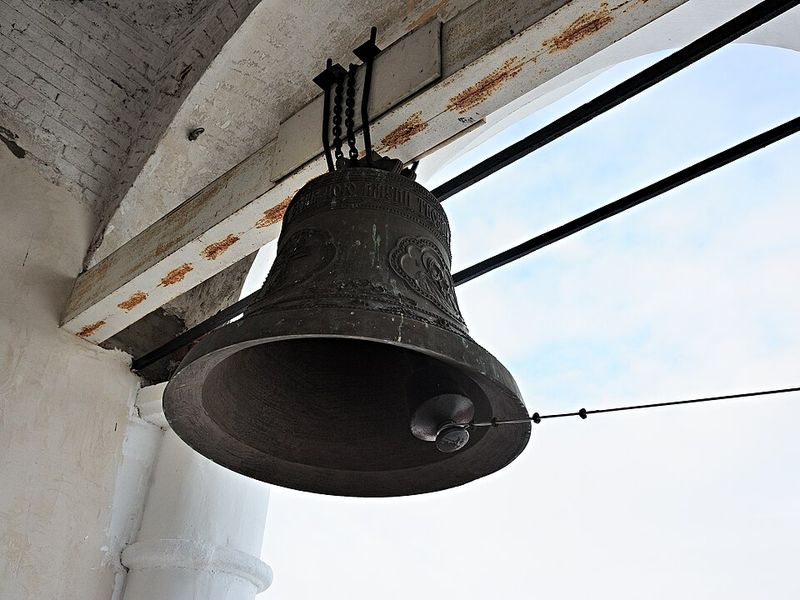
High in the tower, the church has a full ring of eight bells, each with its own tone.
Together, they create a rolling sound that changes as the ringers carefully alter the order of the notes.
Unlike recorded chimes, these sounds depend on people working together in real time.
Each ringer handles one bell by pulling a rope below the bells. A swing takes time, so the group must plan ahead and keep a steady pace.
That teamwork gives the ringing its lively movement.
From the sidewalk, try listening first for the highest note and then for a deeper one. You may notice that neither stays in the same place in the pattern for long.
The bells do not need to play a song to hold your attention; their changing order is the performance.
There is no need to enter the tower to appreciate the sound.
In fact, the street offers room to hear the tones spread and fade above downtown traffic.
When the full ring is underway, stay a little longer than you planned. A second stretch of listening can reveal a pattern you missed the first time.
Look Up At The Gothic Revival Tower Where The Sound Begins
The sound has a striking home.
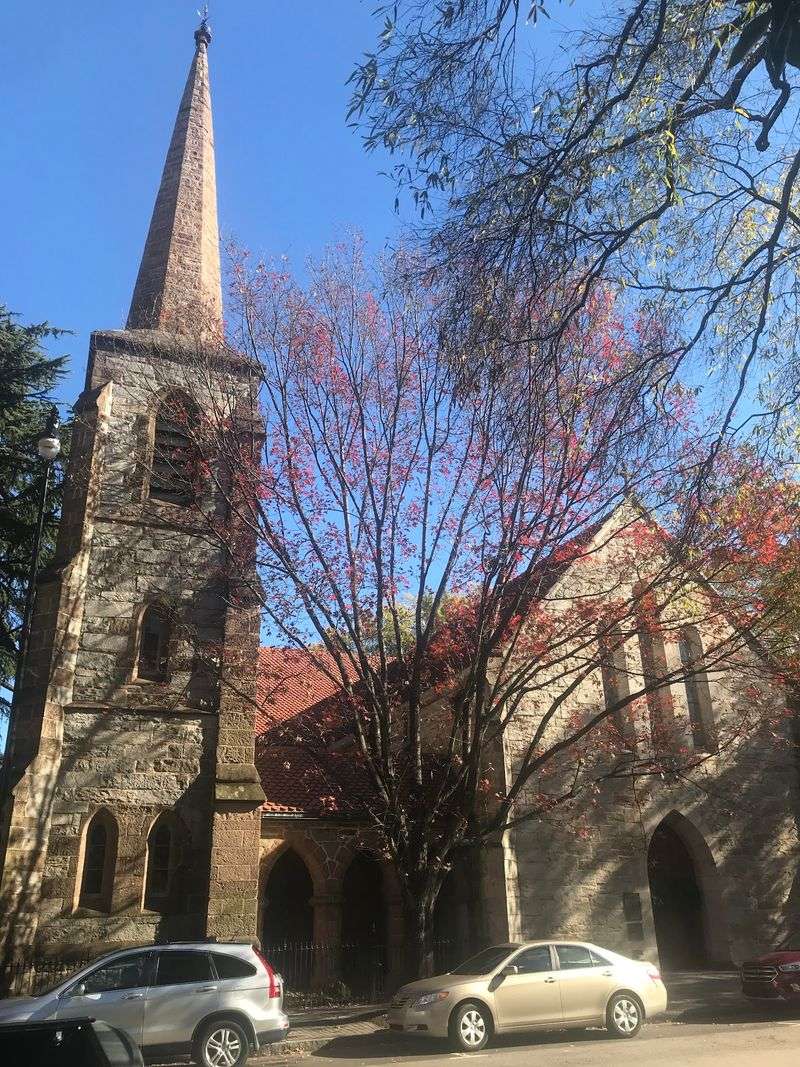
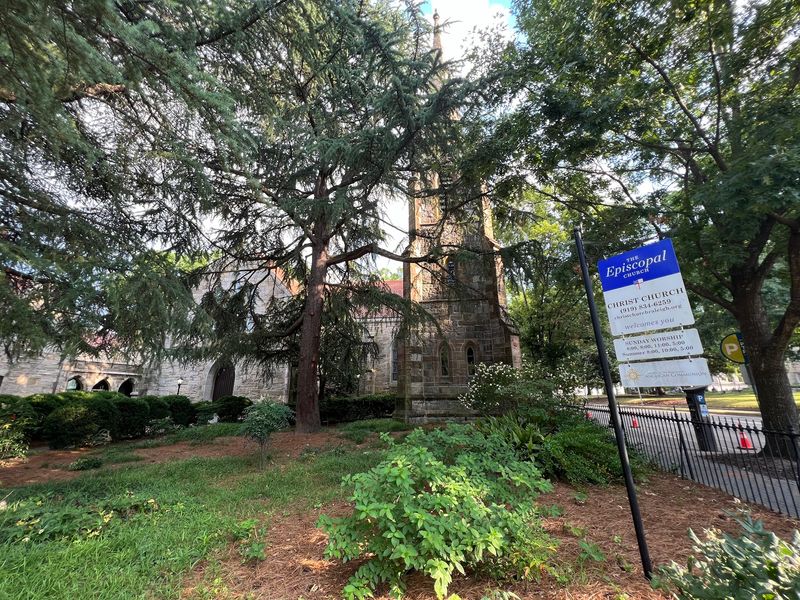
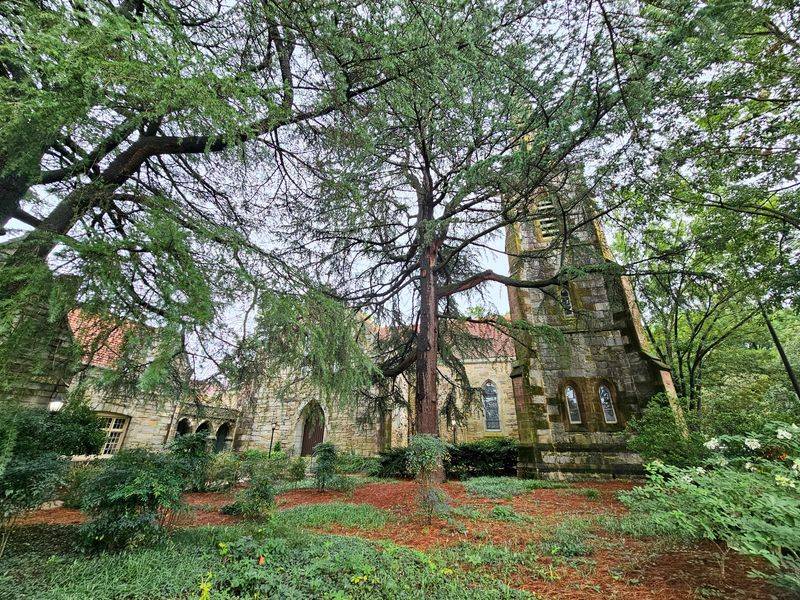
From the sidewalk, your eyes can follow the rough-cut granite upward past the tower’s strong corners and narrow, pointed openings.
Those shapes belong to the Gothic Revival style, which borrows ideas from much older European churches. Architect Richard Upjohn designed the church, and the tower was completed in 1861.
Its belfry has pointed openings fitted with louvers, while a slim spire rises above them.
Look carefully at the top for the rooster-shaped weather vane.
It is a small detail that gives the tall structure an almost playful finish. Try viewing the tower from more than one spot along the public sidewalk.
From nearby, the stone’s varied colors and uneven surface stand out.
A little farther back, the full shape becomes easier to see, including the way the tower relates to the church beside it.
If the bells are ringing, the view adds another layer to the experience.
You can see the place the sound comes from, even though the moving bells remain out of sight.
For a simple photo, step back far enough to include the spire without blocking the path for other walkers.
Then take a moment to look without a camera, too.
Time Your Visit Around One Of The Regular Bell-Ringing Sessions
A little planning can turn a quiet walk into a memorable listening stop.
The church’s change ringers have traditionally practiced on Thursdays from 6:00 to 7:30 p.m.
They also ring before a Sunday service, giving visitors another chance to hear the bells over the streets around Capitol Square. Published Sunday times are generally 10:30 to 11:00 a.m. during the main program year.
From June through August, that window shifts earlier, usually to 9:30 to 10:00 a.m.
Schedules can change for special events or other reasons, so check the church’s current bell-ringing information before you travel.
Arrive a few minutes early rather than rushing up just as the ringing begins.
That leaves time to find a safe spot on a public sidewalk and settle into the rhythm.
You might hear a short pause between stretches of ringing; waiting patiently can bring another burst of sound. Thursday evening has a different feel from Sunday morning.
Daylight may be fading during practice, while the Sunday session fits easily into a morning walk downtown.
Either way, plan for the weather and keep clear of entrances.
The best visit is one that lets the ringers work and gives you space to listen comfortably.
Explore A Sanctuary Dating Back To The Mid-1800s

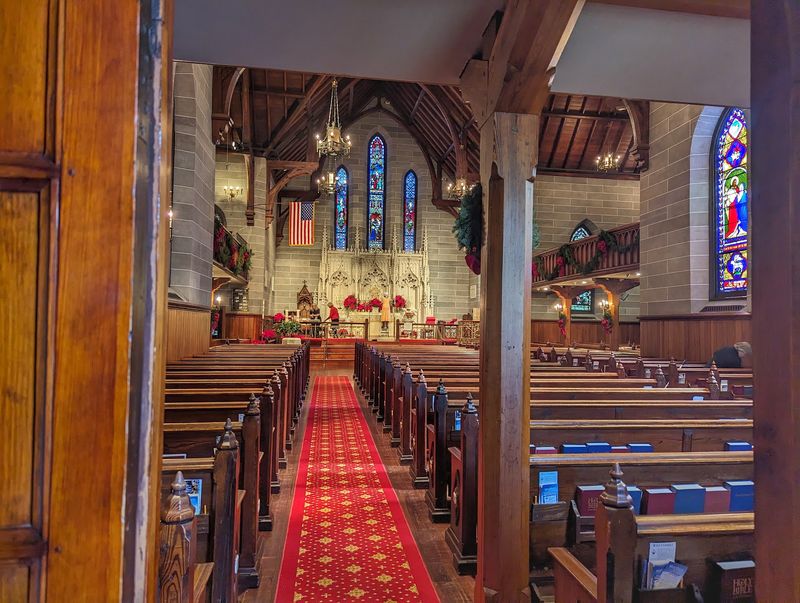
Step inside when the church is open to visitors, and the busy street feels farther away.
The parish began in 1821, while the stone church was built between 1848 and 1853. Those dates help explain why a visit offers more than a view of a pretty old building.
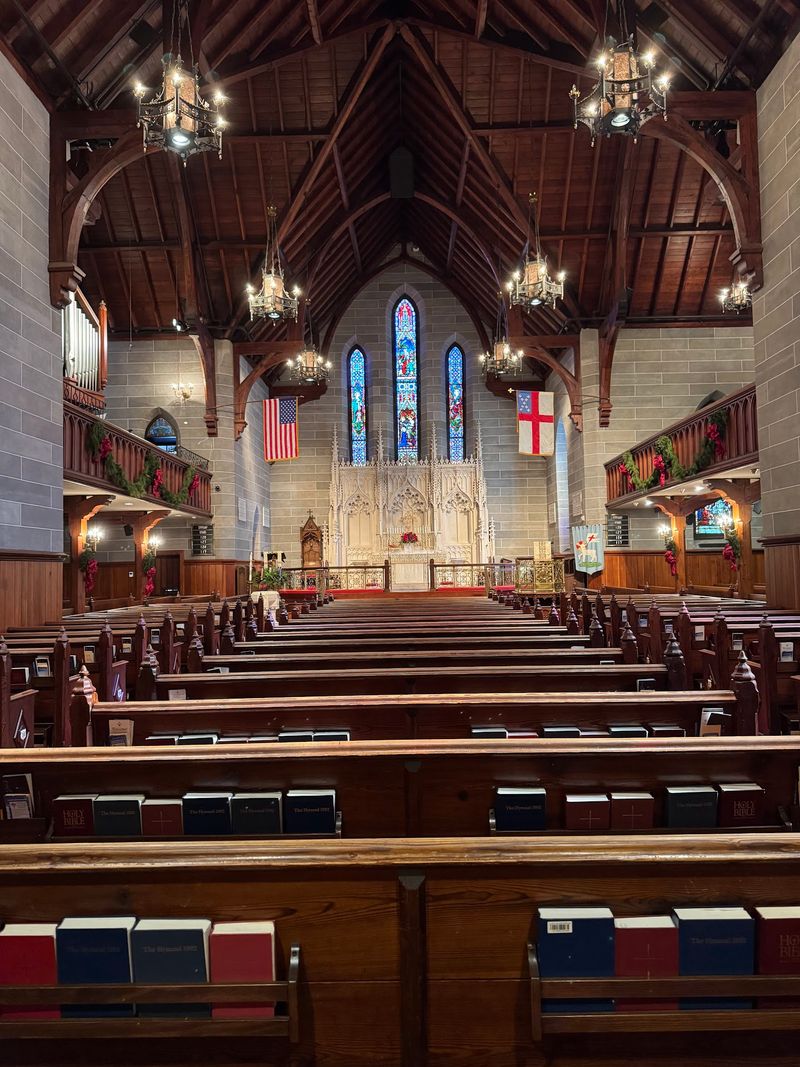
Designed by Richard Upjohn, the sanctuary brings Gothic Revival features into a space made for worship.
Pointed windows draw your gaze upward, and pale plaster helps daylight brighten the interior.
The plan follows a cross shape, though you may notice the feeling of height and quiet before you notice the layout.
Because this is an active Episcopal church, check current visiting information before making an indoor tour your main plan.
A service, event, or regular daily schedule may affect access. If you enter, speak softly, follow posted guidance, and give worshippers room.
Look for the contrast between sturdy stone and the light that reaches inside.
You can also compare the calm interior with the energy of the bells outside.
Children may enjoy spotting repeated pointed shapes in the windows and other details. Whether you have ten minutes or more, an unhurried look helps you see how the building still serves its original purpose.
Notice The Stonework And Architectural Details That Earned National Landmark Status
Even a short walk around the exterior can become a hunt for details.
Locally quarried granite gives the walls a mix of tones and textures, rather than one smooth, uniform color. Look closely at how the stones fit together, then step back to see how that work shapes the whole building.
Christ Church became a National Historic Landmark in 1987, recognizing its importance as an early Gothic Revival church in the South.
The designation is about more than age.
Its design, materials, and surviving features help tell the story of how this style took hold in North Carolina. Inside, when access is available, the hammer-beam ceiling offers another reason to look up.
The Caen limestone altar, installed in 1915, belongs to a later chapter of the church’s history.
Noticing those different layers can make the building feel less like a single frozen moment and more like a place cared for over time.
Take photos from public areas without leaning on old stone or blocking a doorway.
For a closer look, let your eyes move from the large walls to the edges of windows and then to the roofline.
Small details are easy to miss when you are hurrying, but they make the landmark memorable.
Walk Across To The State Capitol After Exploring The Historic Church
Once you have heard the bells, the surrounding streets invite a short walk.
Christ Church stands just east of the State Capitol, so the two landmarks can fit into one easy downtown outing.
Cross at marked crossings, then take time to enjoy the paths and open space around the Capitol.
The change in setting is part of the fun.
Near the church, your attention may stay on the tower and its pointed shapes.
Across the way, the Capitol grounds open up the view and give you a different angle on this historic corner of Raleigh. You can compare the buildings without needing a long trip between stops.
For families, the walk offers a welcome break after standing still to listen.
Choose a comfortable pace, watch for traffic at street crossings, and bring water on warm days.
If you want food afterward, explore downtown options rather than assuming the church has a cafe.
Plan this part of your visit around daylight if you hope to study the architecture or take clear pictures. Outdoor views are available even when building interiors are closed, though access to particular spaces can change.
A bell session followed by a stroll gives you two ways to enjoy the neighborhood: first through sound, then through its scenery.
Know When To Visit If Hearing The Bells Is The Main Reason You Come
Nothing is more disappointing than arriving for a sound that has already ended.
If the bells are your main reason for coming, start with the ringing schedule rather than the church’s general opening hours.
A building can be open without the bells ringing, and a practice may take place outside ordinary office hours.
Thursday practice has traditionally run from 6:00 to 7:30 p.m. Sunday ringing usually fills roughly half an hour before the late-morning service: 10:30 to 11:00 a.m. during most of the year, or 9:30 to 10:00 a.m. from June through August.
Check the church’s latest schedule shortly before setting out, especially around holidays or special events.
Give yourself extra time for downtown travel and for finding a comfortable listening spot.
The public sidewalks offer a simple way to enjoy the ringing without entering the building.
If a session does not happen as expected, the tower and stone church are still worth seeing from outside.
Visitors traveling through North Carolina can make the stop part of a wider Raleigh walk, but the bells deserve their own place in the plan.
Put the likely ringing window first, then leave room for photos or a look around Capitol Square afterward. That small bit of preparation makes it easier to catch the sound you came to hear.